
Modern life demands constant attention, endless connectivity, and relentless productivity. Finding genuine moments of peace has become increasingly challenging as our schedules overflow with commitments. The practice of using a sauna relax session offers a powerful antidote to this chronic stress, providing both physical restoration and mental clarity in a single dedicated wellness ritual.
Understanding the Science Behind Sauna Relaxation
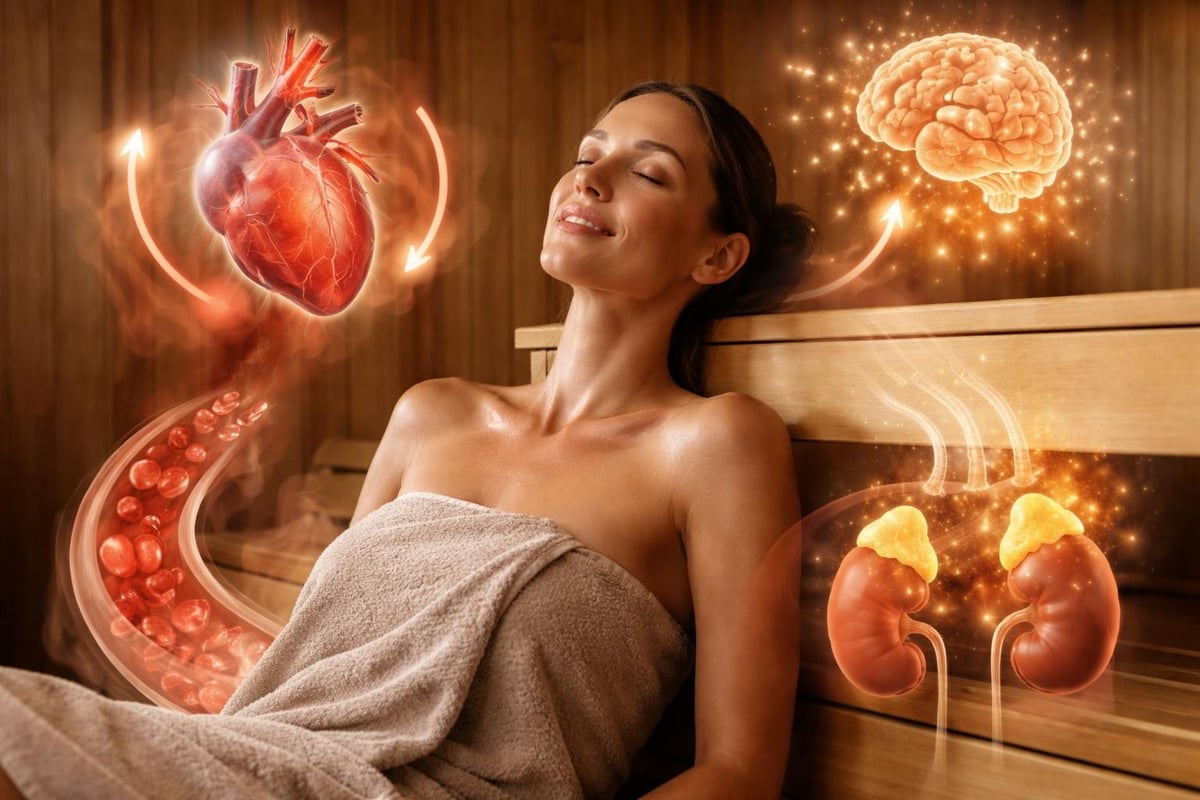
When you step into a heated sauna environment, your body initiates a cascade of physiological responses designed to maintain core temperature and promote adaptation. The elevated heat causes blood vessels to dilate, increasing circulation throughout your entire cardiovascular system. This improved blood flow delivers oxygen and nutrients more efficiently while simultaneously removing metabolic waste products from tissues.
Your heart rate elevates naturally during a sauna relax session, similar to moderate physical activity. Research from Harvard Health indicates that regular sauna bathing can support cardiovascular health when practiced safely and consistently. The body's stress response shifts from chronic activation to controlled, beneficial exposure that strengthens resilience over time.
Heat Stress and Hormonal Balance
The controlled thermal stress of sauna bathing triggers the release of endorphins, your body's natural pain-relieving and mood-enhancing compounds. These neurochemicals create the characteristic feeling of well-being and contentment that many sauna enthusiasts describe. Additionally, heat exposure influences cortisol patterns, potentially helping to regulate the stress hormone that often becomes dysregulated in our fast-paced lives.
Creating Your Personal Sauna Relax Routine
Establishing consistency transforms occasional sauna use into a powerful wellness practice. Rather than treating sauna sessions as rare indulgences, integrating them into your regular schedule maximizes their stress-reducing benefits and creates a reliable anchor in your self-care routine.
Pre-Sauna Preparation Steps
- Hydrate thoroughly at least one hour before your session
- Eat a light meal two to three hours prior to avoid discomfort
- Shower briefly to remove lotions, oils, and surface impurities
- Set your intention for the session to focus your mind
- Prepare recovery items including water, towels, and comfortable clothing
| Preparation Element | Timing | Purpose |
|---|---|---|
| Hydration | 60+ minutes before | Prevents dehydration during heat exposure |
| Light meal | 2-3 hours before | Provides energy without digestive discomfort |
| Brief shower | Immediately before | Cleanses skin for optimal heat absorption |
| Mental preparation | 5-10 minutes before | Enhances mindfulness and relaxation benefits |
The quality of your preparation directly influences the depth of relaxation you'll achieve. Taking time to transition mindfully from daily activities into your sauna relax practice creates psychological separation from stressors.
Optimal Duration and Temperature Guidelines
Beginners should start with sessions lasting just 10 to 15 minutes at moderate temperatures. As your heat tolerance develops over several weeks, you can gradually extend duration to 20 or 30 minutes. According to Medical News Today, listening to your body's signals remains more important than adhering to rigid time targets.
Traditional dry saunas typically operate between 150°F and 195°F, while infrared saunas function effectively at lower temperatures of 120°F to 140°F. The infrared approach may feel more comfortable for those new to heat therapy while still delivering substantial benefits. Many practitioners find that infrared saunas for home use offer accessibility and convenience for establishing regular routines.
Techniques for Deepening Relaxation During Sessions
Simply sitting in heat provides benefits, but intentional practices amplify the relaxation response significantly. Incorporating specific techniques transforms passive heat exposure into active stress management.
Breathing Practices for Enhanced Calm
Diaphragmatic breathing engages your parasympathetic nervous system, counteracting the fight-or-flight response that chronic stress activates. Place one hand on your chest and another on your abdomen. Breathe deeply so that the hand on your belly rises more than the one on your chest, ensuring full oxygen exchange.
- Box breathing: Inhale for four counts, hold for four, exhale for four, hold for four
- 4-7-8 technique: Breathe in for four counts, hold for seven, exhale for eight
- Natural rhythm: Simply observe your breath without forcing any particular pattern
These methods work synergistically with the heat to deepen your sauna relax experience. The combination of thermal therapy and conscious breathing creates a powerful state of physiological coherence.
Mindfulness and Meditation Integration
The sauna environment naturally reduces external distractions, making it ideal for mindfulness practice. Close your eyes and direct attention to the sensation of heat on your skin. Notice how warmth penetrates different areas of your body without judgment or analysis.
Progressive muscle relaxation proves particularly effective in the sauna setting. Starting with your toes, consciously tense each muscle group for five seconds before releasing completely. Move systematically through your entire body, allowing the heat to assist in releasing muscular tension as you go.
Physical Health Benefits Beyond Stress Relief
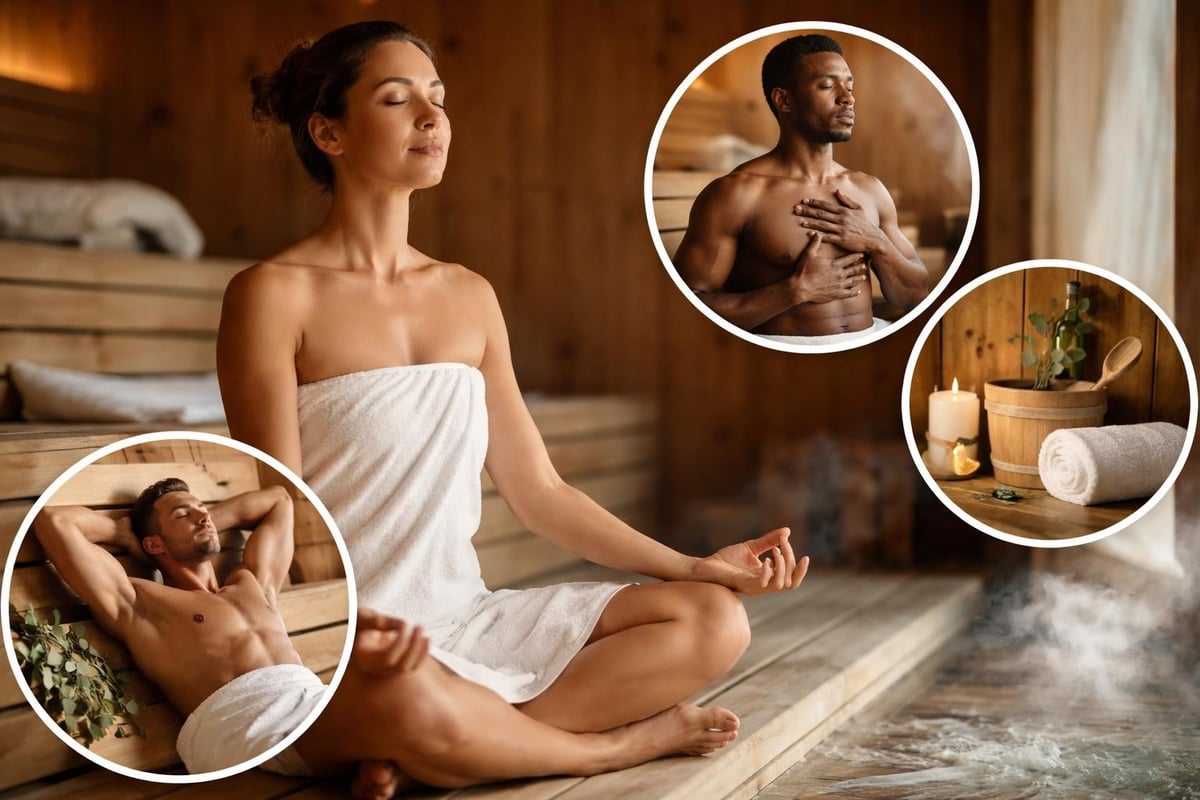
While mental relaxation stands as a primary motivation for many sauna users, the physical health advantages extend far beyond stress reduction. Understanding these comprehensive benefits helps appreciate the full value of regular sauna practice.
Muscle Recovery and Pain Management
Athletes and fitness enthusiasts increasingly incorporate sauna sessions into recovery protocols. The enhanced circulation delivers nutrients to fatigued muscles while removing lactic acid and other metabolic byproducts that contribute to soreness. Studies highlighted by Tom's Guide demonstrate measurable improvements in endurance performance following regular post-exercise sauna use.
Heat therapy benefits for recovery:
- Reduced delayed onset muscle soreness (DOMS)
- Improved joint mobility and flexibility
- Decreased chronic pain perception
- Accelerated healing of minor injuries
For those dealing with conditions like arthritis or fibromyalgia, the gentle heat provides temporary relief that improves quality of life. The sauna relax session becomes both therapeutic treatment and enjoyable wellness ritual.
Skin Health and Detoxification
Profuse sweating opens pores and encourages the release of accumulated impurities. While the concept of "detoxification" often suffers from exaggeration in wellness marketing, legitimate mechanisms do support skin cleansing through heat exposure. Dead skin cells slough away more readily, and increased blood flow to the skin promotes a healthy, vibrant complexion.
The sweating process itself provides satisfaction and tangible evidence of the work your body performs during each session. This visible output can enhance the psychological benefits, creating a sense of accomplishment and purification.
Choosing the Right Sauna for Your Relaxation Goals
The sauna type you select significantly influences your experience and consistency with the practice. Each style offers distinct advantages depending on your preferences, available space, and specific wellness objectives.
Traditional Versus Infrared Options
| Feature | Traditional Sauna | Infrared Sauna |
|---|---|---|
| Heat source | Wood, electric, or gas heater | Infrared panels |
| Temperature range | 150°F - 195°F | 120°F - 140°F |
| Warm-up time | 30-40 minutes | 10-15 minutes |
| Humidity option | Yes (steam can be added) | No (dry heat only) |
| Energy efficiency | Moderate | Higher |
| Heat penetration | Surface-level | Deep tissue |
Traditional saunas create the classic experience many associate with Finnish bathing culture. The higher temperatures and option to add steam create an enveloping heat that some find more satisfying. Infrared technology offers convenience and deeper tissue penetration at lower ambient temperatures, making it accessible for those sensitive to extreme heat.
For individuals seeking a beautiful outdoor barrel sauna that combines aesthetic appeal with functional design, models like the Canadian Timber Serenity MP Barrel Sauna provide an exceptional blend of durability and classic craftsmanship. The premium Eastern White Cedar construction ensures longevity while creating the warm, aromatic environment that enhances every sauna relax session.

Space Considerations and Installation
Indoor installations require adequate ventilation, electrical capacity, and moisture-resistant flooring and walls. Dedicated sauna rooms offer the advantage of climate control and year-round accessibility regardless of weather conditions. Converting a closet, spare bathroom, or basement corner can create a private retreat within your existing home structure.
Outdoor placements provide the unique pleasure of stepping into fresh air between rounds, creating a contrast therapy experience. The sight of stars overhead or garden views through windows adds a dimension of connection to nature that indoor installations cannot replicate. Weatherproofing and seasonal accessibility become important factors depending on your climate zone.
Compact models fit on patios, decks, or in smaller backyards while still delivering full sauna benefits. The best infrared sauna for your needs depends on your available space, budget constraints, and whether you prioritize portability or permanent installation.
Maximizing Post-Sauna Recovery
What happens after you exit the sauna matters almost as much as the session itself. Proper cooling, rehydration, and rest protocols ensure you capture the full spectrum of benefits while avoiding potential negative effects from abrupt transitions.
Cooling Down Methodically
Allow your body temperature to normalize gradually rather than shocking your system with immediate cold exposure. Step outside or into a cooler room for five to ten minutes, letting your heart rate and circulation return to baseline naturally. Some practitioners enjoy a lukewarm shower, progressively cooling the water temperature as their body adjusts.
For those interested in contrast therapy, alternating between sauna heat and cold exposure provides additional benefits. The growing popularity of sauna and cold plunge combinations reflects research supporting enhanced circulation, immune function, and mental resilience from temperature contrast protocols.
Rehydration and Nutrient Replacement
You'll lose significant fluids through sweating during each sauna relax session, making rehydration critical. Drink 16 to 24 ounces of water immediately after exiting, sipping gradually over 20 to 30 minutes. Adding electrolytes through coconut water, mineral supplements, or light sports drinks helps replace sodium, potassium, and magnesium lost through perspiration.
Post-sauna nutrition guidelines:
- Consume easily digestible foods rich in vitamins and minerals
- Include potassium sources like bananas, avocados, or sweet potatoes
- Add protein to support muscle recovery if following exercise
- Avoid heavy meals that stress digestion during the recovery window
The hour following your session represents a window of enhanced absorption and recovery. Your body remains in a heightened state of cellular activity, making this an opportune time for nourishing foods and supplements.
Building a Sustainable Practice
Consistency transforms occasional sauna use into a cornerstone wellness habit that delivers compounding benefits. Creating systems that support regular practice helps overcome the inertia that derails good intentions.
Scheduling Strategies for Regular Sessions
Anchor your sauna time to existing routines rather than treating it as a standalone activity requiring special planning. Many people successfully integrate sessions after evening workouts, as a weekend morning ritual, or as a transition between work and family time. Linking the practice to established habits increases adherence significantly.
Start with a realistic frequency you can maintain indefinitely. Two to three sessions weekly provides substantial benefits for most people without creating scheduling stress. As the practice becomes ingrained, you may naturally gravitate toward more frequent use.
Tracking Progress and Benefits
- Maintain a simple log noting session duration, temperature, and subjective well-being
- Record sleep quality to observe correlations with sauna timing
- Monitor stress levels using a basic 1-10 scale before and after sessions
- Photograph your setup to document your dedicated wellness space
- Note physical changes like improved flexibility, reduced pain, or better recovery
This data provides tangible evidence of benefits that might otherwise go unnoticed in daily life. Reviewing your log after several weeks reveals patterns and motivates continued commitment to your sauna relax practice.
Safety Guidelines and Contraindications
While sauna bathing proves safe for most healthy adults, certain conditions warrant caution or medical consultation before beginning a regular practice. Understanding these guidelines protects your health and ensures positive experiences.
Medical Conditions Requiring Caution
Individuals with cardiovascular disease, uncontrolled hypertension, or recent heart events should consult their physician before sauna use. The cardiovascular demands of heat exposure, while generally beneficial, may pose risks for those with compromised heart function. Healthline's review of sauna safety emphasizes the importance of medical clearance for at-risk populations.
Pregnancy, especially first trimester, represents another situation requiring medical guidance. Elevated core body temperature during critical developmental periods may carry risks, making conservative approaches advisable. Women who used saunas regularly before pregnancy may receive different guidance than those new to the practice.
Recognizing Warning Signs During Use
Exit the sauna immediately if you experience:
- Dizziness, lightheadedness, or feeling faint
- Rapid heartbeat that feels uncomfortable or irregular
- Nausea or headache
- Difficulty breathing or chest discomfort
- Confusion or disorientation
These symptoms indicate your body cannot adequately manage the thermal stress. Never push through discomfort or try to match others' tolerance levels. Your individual response varies based on fitness level, acclimatization, hydration status, and countless other factors.
Alcohol and sauna use never mix safely. Impaired judgment, dehydration, and altered cardiovascular responses create dangerous conditions. Similarly, certain medications affect heat tolerance and should be discussed with your healthcare provider.
Enhancing the Sensory Experience
The sauna environment offers opportunities to engage multiple senses beyond thermal sensation. Thoughtful additions create a more immersive and therapeutic experience that deepens relaxation.
Aromatherapy Integration
Essential oils vaporized on heated stones or through specialized diffusers add another dimension to your sauna relax sessions. Eucalyptus opens respiratory passages and creates an invigorating atmosphere. Lavender promotes calm and may enhance sleep quality when used in evening sessions. Pine, cedar, or fir essential oils complement wood sauna interiors with forest-like aromatics.
Always dilute essential oils properly and use sparingly. A few drops suffice in the concentrated sauna environment, where scents intensify with heat. Test your tolerance to each oil individually before creating complex blends.
Sound and Silence Choices
Some practitioners prefer complete silence, using the sauna as a technology-free zone for genuine disconnection. Others find that gentle music or nature sounds enhance relaxation without creating distraction. Guided meditation recordings designed for sauna use combine verbal cues with appropriate pacing for the heat environment.
| Sensory Element | Options | Relaxation Impact |
|---|---|---|
| Aromatherapy | Eucalyptus, lavender, pine, cedar | Respiratory opening, stress reduction, mood enhancement |
| Sound | Silence, nature sounds, gentle music, guided meditation | Mental clarity, deeper relaxation, structured practice |
| Lighting | Dimmed, chromotherapy, candlelight (with safety precautions) | Reduced stimulation, enhanced ambiance, visual calm |
| Texture | Cedar benches, cotton towels, back support cushions | Physical comfort, tactile grounding, postural ease |
Experiment systematically with different sensory additions, changing only one variable at a time to identify which combinations most effectively support your sauna relax objectives.
Social Versus Solo Sessions
Sauna culture varies globally, with some traditions emphasizing communal bathing while others treat it as private contemplation. Both approaches offer distinct advantages depending on your personality and current needs.
Benefits of Shared Sauna Time
Connecting with family or friends in the sauna environment creates opportunities for meaningful conversation without the usual distractions of devices and competing demands. The shared vulnerability of heat exposure often facilitates more authentic communication than typical social settings permit.
Many people find that traditional sauna practices bring communities together, creating rituals that strengthen relationships. Regular sauna gatherings with a consistent group build camaraderie and accountability that supports everyone's wellness journey.
The Power of Solitary Practice
Conversely, using your sauna alone provides rare opportunities for complete solitude in our connected world. The absence of conversation allows deeper internal focus, making solo sessions ideal for meditation, self-reflection, or processing complex emotions.
Alternating between social and solitary sessions based on your current needs creates flexibility in your practice. Some weeks may call for quiet restoration while others benefit from the energy and connection of shared experiences.
The practice of sauna relax offers a scientifically-supported, time-tested approach to managing modern stress while supporting comprehensive physical health. By establishing consistent routines, employing intentional techniques, and respecting safety guidelines, you can create a sustainable wellness practice that serves you for decades to come. Whether you're drawn to the classic appeal of barrel saunas, the convenience of infrared technology, or the luxury of outdoor cabin models, RecoSauna provides premium options from top North American brands to match your specific needs and transform your wellness vision into daily reality.
Share:
Sauna Cabin Guide: Design, Benefits & Buying Tips
Sauna and Muscle Recovery: Science-Backed Benefits