
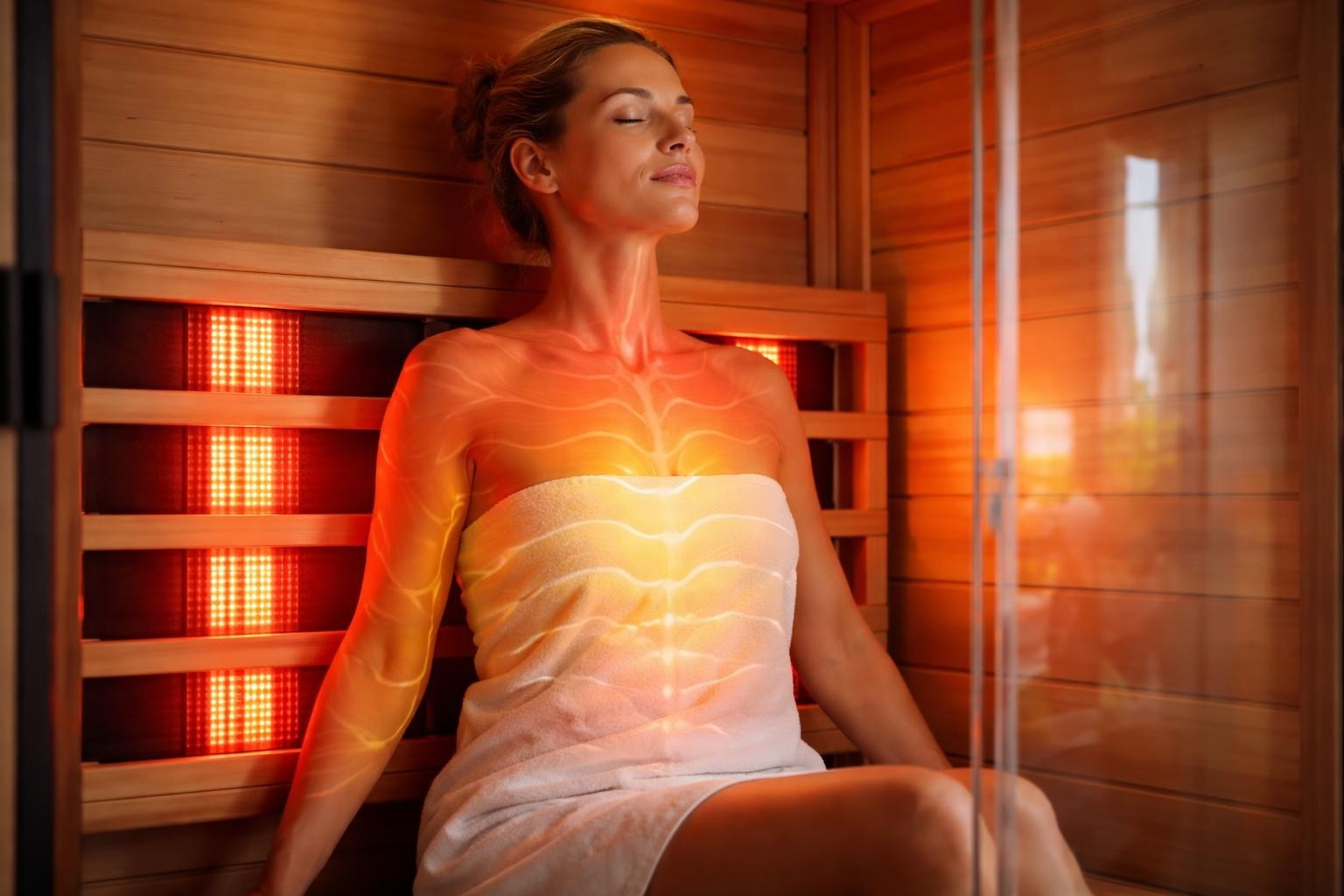
Infrared saunas have transformed home wellness in recent years, offering a modern alternative to traditional steam saunas with unique therapeutic benefits. Unlike conventional saunas that heat the air around you, infrared technology uses light waves to directly warm your body at a cellular level. Finding the best infrared sauna for your needs requires understanding the different infrared wavelengths, construction materials, size considerations, and health goals. This comprehensive guide will help you navigate the market and make an informed decision that enhances your daily wellness routine.
Understanding Infrared Sauna Technology
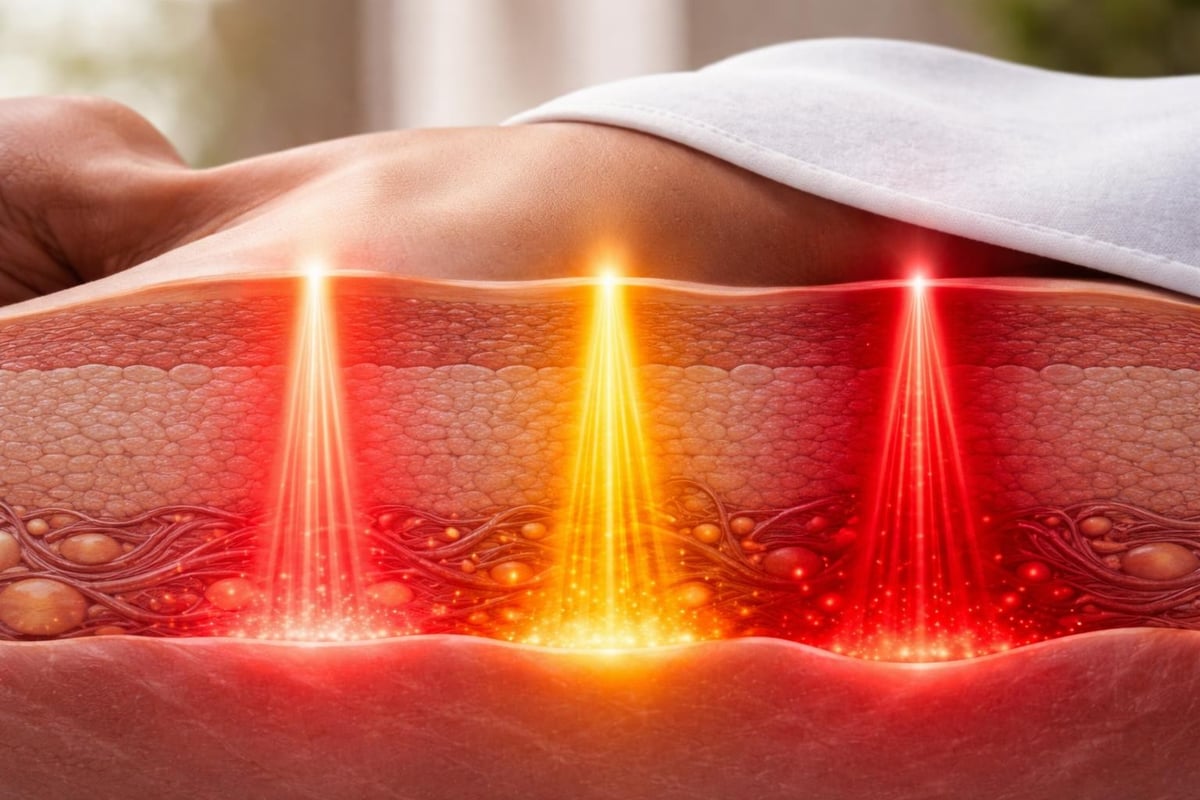
Infrared saunas operate on fundamentally different principles than their traditional counterparts. They use infrared lamps to emit electromagnetic radiation that penetrates the skin without heating the surrounding air excessively. This creates a more comfortable experience at lower ambient temperatures while still inducing significant perspiration and therapeutic effects.
Types of Infrared Wavelengths
The best infrared sauna models utilize different wavelengths, each offering distinct benefits:
- Near-infrared (NIR): Penetrates skin surface, promotes wound healing and skin rejuvenation
- Mid-infrared (MIR): Reaches deeper tissues, improves circulation and pain relief
- Far-infrared (FIR): Penetrates deepest, supports detoxification and cardiovascular health
Full-spectrum infrared saunas combine all three wavelengths for comprehensive therapeutic coverage. According to Cleveland Clinic's research on infrared sauna benefits, this multi-wavelength approach can enhance circulation, support cardiovascular function, and promote deep relaxation. Many premium models now feature adjustable spectrum settings, allowing users to customize their sessions based on specific wellness goals.
How Infrared Heat Differs from Traditional Saunas
Traditional saunas heat air to temperatures between 150-195°F, while infrared saunas operate effectively at 120-140°F. This lower temperature range makes sessions more tolerable for extended periods and accessible to those who find traditional saunas uncomfortably hot. The direct heating mechanism means your body absorbs approximately 80% of the infrared energy, with only 20% heating the air.
Energy efficiency represents another significant advantage. Infrared saunas typically consume less electricity and require shorter pre-heating times, often reaching optimal temperature within 10-15 minutes compared to 30-40 minutes for traditional models.
Health Benefits and Safety Considerations
The therapeutic advantages of regular infrared sauna use extend across multiple body systems. WebMD's analysis of infrared sauna health benefits highlights improvements in cardiovascular function, pain management, and stress reduction as primary outcomes supported by clinical research.
Documented Therapeutic Effects
| Benefit Category | Primary Effects | Recommended Frequency |
|---|---|---|
| Cardiovascular | Improved circulation, lower blood pressure | 3-4 sessions weekly |
| Detoxification | Enhanced sweating, toxin elimination | 2-3 sessions weekly |
| Pain Relief | Reduced inflammation, muscle recovery | Daily or as needed |
| Skin Health | Improved complexion, increased collagen | 2-4 sessions weekly |
| Stress Reduction | Lower cortisol, improved sleep | 3-5 sessions weekly |
Regular use at moderate temperatures promotes cardiovascular conditioning similar to light exercise. Studies indicate that infrared heat triggers increased heart rate and improved blood flow, offering passive cardiovascular benefits particularly valuable for those with mobility limitations.
Important Safety Guidelines
While infrared saunas are generally safe, certain precautions ensure optimal experiences. Understanding infrared sauna dangers helps users avoid potential complications. Dehydration remains the most common concern, making adequate hydration before, during, and after sessions essential.
Key safety recommendations include:
- Start with shorter sessions (10-15 minutes) and gradually increase duration
- Drink at least 16 ounces of water before and after each session
- Avoid alcohol consumption before sauna use
- Consult healthcare providers if you have cardiovascular conditions
- Monitor for signs of overheating or discomfort
Pregnant women, individuals with heat sensitivity, and those taking certain medications should seek medical clearance before beginning infrared sauna therapy. Children and elderly users require special consideration regarding thermoregulation and sauna safety.
Essential Features to Consider
Selecting the best infrared sauna involves evaluating multiple construction and performance characteristics. Quality varies significantly across the market, making informed comparison critical for long-term satisfaction.
Construction Materials and Quality
Premium infrared saunas utilize solid wood construction from species naturally resistant to heat and moisture. Canadian Hemlock, Red Cedar, and Basswood represent top choices, each offering unique advantages:
Canadian Hemlock provides excellent heat retention, minimal odor, and attractive light-colored grain patterns. Its tight grain structure resists warping and splitting under temperature fluctuations.
Red Cedar offers natural antimicrobial properties, pleasant aroma, and superior moisture resistance. The aromatic oils create a spa-like atmosphere while protecting against mold and bacteria.
Basswood delivers hypoallergenic properties, smooth texture, and neutral scent ideal for those sensitive to wood aromatics.
Avoid saunas constructed with plywood, MDF, or composite materials that may off-gas harmful chemicals when heated. The best infrared sauna models feature tongue-and-groove assembly, reinforced corners, and commercial-grade hardware ensuring structural integrity over years of use.

Heater Technology and Placement
Carbon fiber heaters have largely replaced older ceramic rod technology in premium models. Carbon panels provide more uniform heat distribution, lower electromagnetic field (EMF) emissions, and greater energy efficiency. The best infrared sauna units position heaters strategically around the cabin perimeter, including:
- Front wall panels for direct leg and lower body exposure
- Back wall coverage for spine and posterior muscle groups
- Side panels ensuring even lateral heat distribution
- Optional floor heaters for comprehensive foot and ankle therapy
Low EMF certification matters significantly for health-conscious users. Quality manufacturers test and certify their heaters produce EMF levels below 3 milligauss at seating distance, well within internationally recognized safety standards.
Size and Capacity Options
| Sauna Size | Capacity | Typical Dimensions | Ideal For |
|---|---|---|---|
| One-person | 1 user | 36" x 36" x 75" | Solo therapy, small spaces |
| Two-person | 1-2 users | 48" x 42" x 75" | Couples, compact homes |
| Three-person | 2-3 users | 60" x 48" x 75" | Small families, corner placement |
| Four-person | 3-4 users | 72" x 60" x 75" | Families, dedicated wellness rooms |
Space planning should account for ventilation clearance (typically 2-3 inches) around the unit perimeter and door swing radius. Indoor installations require proximity to appropriate electrical outlets, while outdoor models need weather protection and stable foundations.
Top Infrared Sauna Models for Home Use
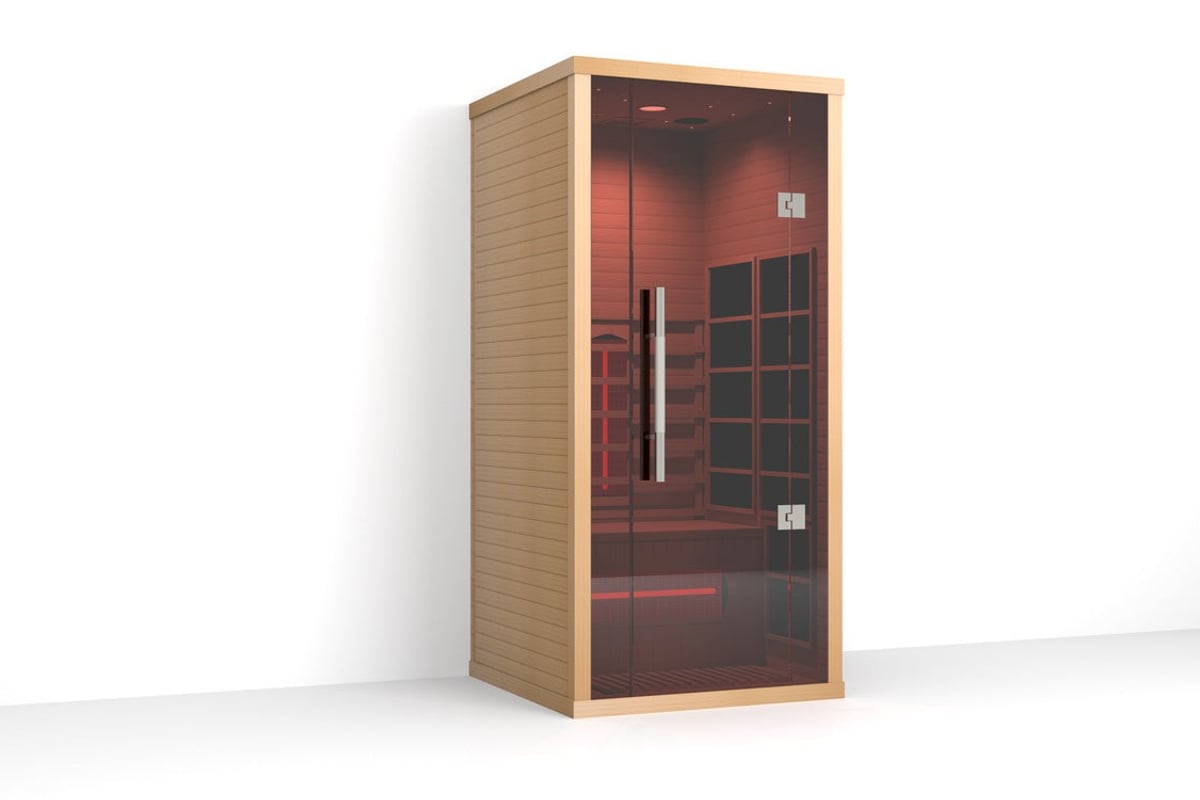
The market offers diverse options across price points and feature sets. Compact one-person models suit apartment dwellers and those new to infrared therapy, providing entry-level access without overwhelming space requirements. For those prioritizing convenience and therapeutic quality in a smaller footprint, the Lumin Infrared Sauna One delivers professional-grade far-infrared heat in a plug-and-play design that fits seamlessly into home wellness routines.
Two-Person Models
Two-person configurations represent the most popular category, balancing individual comfort with shared wellness experiences. These units typically measure 4-5 feet wide, accommodating couples or providing extra space for solo users who prefer stretching room.
Premium two-person models include digital control panels with preset programs, chromotherapy lighting systems, and integrated sound systems for enhanced relaxation. Tempered glass doors with ergonomic handles provide safe entry while maintaining heat efficiency.
Larger Family Units
Three- and four-person saunas cater to families or those who entertain regularly. These spacious configurations often include tiered bench seating, allowing multiple users at different heights for customized heat exposure. Corner installation designs maximize space efficiency in dedicated wellness rooms.
Large capacity units consume more power (typically 15-20 amps) and may require dedicated electrical circuits. However, they maintain temperature efficiency through superior insulation and optimized heater placement.
Installation and Setup Requirements
Proper installation ensures safety, performance, and longevity. Most infrared saunas arrive as prefabricated panels with detailed assembly instructions. Handy homeowners can typically complete installation within 1-2 hours using basic tools.
Electrical Considerations
Standard 120V models plug directly into household outlets, ideal for rental properties and spaces without electrical modifications. These units suit one- and some two-person saunas, drawing 12-15 amps maximum.
240V models require dedicated circuits and professional electrician installation. Larger three- and four-person saunas typically need this higher voltage for optimal heater performance.
Verify electrical specifications match your home infrastructure before purchasing. Consult licensed electricians for circuit upgrades if necessary.
Indoor vs. Outdoor Placement
Indoor installations offer climate-controlled environments and year-round accessibility. Basement, spare bedroom, and garage locations work well, provided adequate ventilation prevents moisture buildup. Maintain room temperature above 50°F for consistent performance.
Outdoor placements require weatherproof construction or protective structures. Covered patios, dedicated sauna buildings, and gazebo-style enclosures protect units from direct precipitation while providing ventilation. Those interested in exploring outdoor sauna options can find additional guidance on placement and weatherproofing considerations.
Proper Ventilation Systems
Even infrared saunas need adequate air exchange. Most quality units include:
- Passive roof vents allowing hot air escape
- Floor-level intake vents drawing fresh air
- Optional powered ventilation fans for enhanced circulation
Proper airflow prevents excessive humidity, reduces mold risk, and maintains comfortable oxygen levels during extended sessions. Never block ventilation openings with towels, clothing, or decorative elements.
Maintenance and Long-Term Care
Maintaining the best infrared sauna requires minimal effort compared to traditional steam saunas. Simple regular practices extend equipment lifespan and preserve therapeutic effectiveness.
Daily and Weekly Tasks
- After each use: Wipe benches with damp cloth, leave door open 15-20 minutes for moisture evaporation
- Weekly cleaning: Vacuum floor area, clean glass surfaces with non-ammonia cleaner
- Monthly inspection: Check heater panels for damage, verify electrical connections remain secure
Avoid harsh chemical cleaners that damage wood finishes or produce toxic fumes when heated. Mild soap solutions or specialty sauna cleaners maintain surfaces without compromising air quality.
Annual Maintenance Procedures
Comprehensive annual inspections identify potential issues before they escalate:
- Examine wood panels for splits, cracks, or excessive wear
- Test heater function across all panels
- Verify door seals maintain proper compression
- Tighten hardware and structural fasteners
- Apply protective wood treatments if manufacturer-recommended
Many manufacturers offer extended warranties covering heater elements for 5-10 years and structural components for similar periods. Understanding warranty terms helps budget for eventual component replacement.

Cost Analysis and Value Considerations
Budget-conscious buyers find quality infrared saunas starting around $1,000 for compact one-person models. Mid-range two-person units typically range $1,500-$3,000, offering solid construction and reliable performance. Premium models with advanced features, exotic woods, and comprehensive warranties span $3,000-$6,000 or higher.
Total Ownership Costs
Beyond initial purchase price, consider ongoing operational expenses:
| Cost Category | Annual Estimate | Notes |
|---|---|---|
| Electricity | $60-150 | Based on 3-4 weekly sessions |
| Maintenance supplies | $20-40 | Cleaners, wood treatments |
| Replacement parts | $0-100 | Varies by warranty coverage |
| Professional service | $0-200 | If needed for repairs |
Compare these costs against commercial sauna memberships ($50-200 monthly) to calculate break-even points. Most home users recover their investment within 12-24 months of regular use.
Comparing Value Propositions
The best infrared sauna for your situation balances upfront investment against long-term benefits and usage patterns. Daily users prioritize durability and comfort features justifying premium pricing. Occasional users may find excellent value in mid-range models offering core functionality without luxury extras.
Consider lifespan expectations when evaluating options. Quality units with solid wood construction and robust warranties often operate effectively for 10-15 years, while budget models may require replacement within 5-7 years.
Smart Features and Technology Integration
Modern infrared saunas increasingly incorporate digital innovations enhancing user experience and therapeutic outcomes. Smartphone connectivity allows remote preheating, session scheduling, and program customization from dedicated mobile apps.
Chromotherapy and Light Therapy
Color light therapy systems integrate LED lighting producing specific wavelengths believed to influence mood, energy, and cellular function. Standard chromotherapy sequences cycle through:
- Red: Stimulation, vitality, increased circulation
- Orange: Joy, creativity, emotional balance
- Yellow: Mental clarity, nervous system support
- Green: Harmony, stress reduction, balance
- Blue: Relaxation, improved sleep, reduced anxiety
- Violet: Spiritual awareness, meditation support
While scientific evidence for chromotherapy remains mixed, many users report enhanced relaxation when combining infrared heat with coordinated lighting programs.
Audio Systems and Entertainment
Integrated Bluetooth speakers, auxiliary inputs, and USB charging ports transform sauna sessions into multimedia experiences. Listen to guided meditations, educational podcasts, or calming music while enjoying therapeutic heat.
Premium systems include:
- High-fidelity speaker arrays with balanced acoustics
- Waterproof controls accessible from seating positions
- Tablet/phone mounts for video content viewing
- Voice control integration with smart home systems
Making Your Final Decision
Selecting the best infrared sauna requires aligning product specifications with personal wellness goals, space constraints, and budget parameters. Start by defining primary use cases: solo stress relief, couples therapy, family wellness, athletic recovery, or medical condition management.
Pre-Purchase Checklist
Space requirements:
- Measure available space including door clearance
- Verify electrical capacity and outlet placement
- Consider ventilation and moisture management
Feature priorities:
- Infrared spectrum type (near, mid, far, or full-spectrum)
- Heating panel configuration and EMF levels
- Wood species and construction quality
- Control systems and smart features
Budget framework:
- Total initial investment capacity
- Estimated installation costs
- Projected operating expenses
- Warranty coverage and support options
Visit showrooms when possible to experience different models firsthand. Temperature distribution, bench comfort, and door quality become apparent during test sessions. For those specifically interested in understanding how to use an infrared sauna effectively, proper research ensures you maximize therapeutic benefits from day one.
Trusted Brands and Manufacturers
Established manufacturers with proven track records offer greater confidence in product quality and customer support. Research company histories, read verified customer reviews, and verify warranty terms before committing. Third-party certifications for electrical safety (ETL, UL) and low EMF emissions provide additional assurance.
Domestic manufacturers often provide faster shipping, easier warranty service, and better customer support compared to overseas importers. However, some international brands deliver exceptional value with proper vetting.
Optimizing Your Infrared Sauna Experience
Maximizing therapeutic benefits requires understanding proper usage protocols. Comprehensive guides on infrared sauna use recommend specific practices for safety and effectiveness.
Session Duration and Frequency
Begin with 10-15 minute sessions at lower temperatures (110-120°F), gradually increasing to 20-30 minutes as tolerance builds. Most users find optimal benefits with 3-5 weekly sessions, though daily use is safe for most healthy individuals.
Progressive protocol for new users:
- Week 1: 10 minutes at 110°F, 2-3 sessions
- Week 2-3: 15 minutes at 120°F, 3-4 sessions
- Week 4+: 20-30 minutes at 130-140°F, 3-5 sessions
Listen to your body and adjust accordingly. Discontinue sessions if experiencing dizziness, nausea, or excessive discomfort.
Pre and Post-Session Practices
Before sessions:
- Hydrate with 16-24 ounces water
- Remove jewelry and metal accessories
- Shower to remove lotions, oils, cosmetics
- Bring towels for seating and perspiration
After sessions:
- Cool down gradually (5-10 minutes)
- Shower to rinse perspiration and released toxins
- Rehydrate with water or electrolyte beverages
- Rest 10-15 minutes before strenuous activity
Some practitioners recommend light stretching or yoga during sessions to enhance circulation and flexibility benefits. Others prefer meditation or breathwork practices complementing the relaxation response.
Investing in the best infrared sauna for your home wellness routine delivers lasting therapeutic benefits, convenience, and value that compound over years of regular use. From understanding infrared wavelength technologies to evaluating construction quality and smart features, informed decision-making ensures you select a model perfectly suited to your space, budget, and health goals. RecoSauna offers an extensive selection of premium infrared saunas alongside traditional barrel, cabin, and outdoor models, providing expert guidance and high-quality Canadian Timber options from North America's leading manufacturers. Explore the collection today to discover how professional-grade sauna therapy can transform your daily wellness practice.
Share:
Outdoor Barrel Sauna: Your Complete 2026 Guide
Luxury Sauna: Design, Features & Premium Home Wellness