
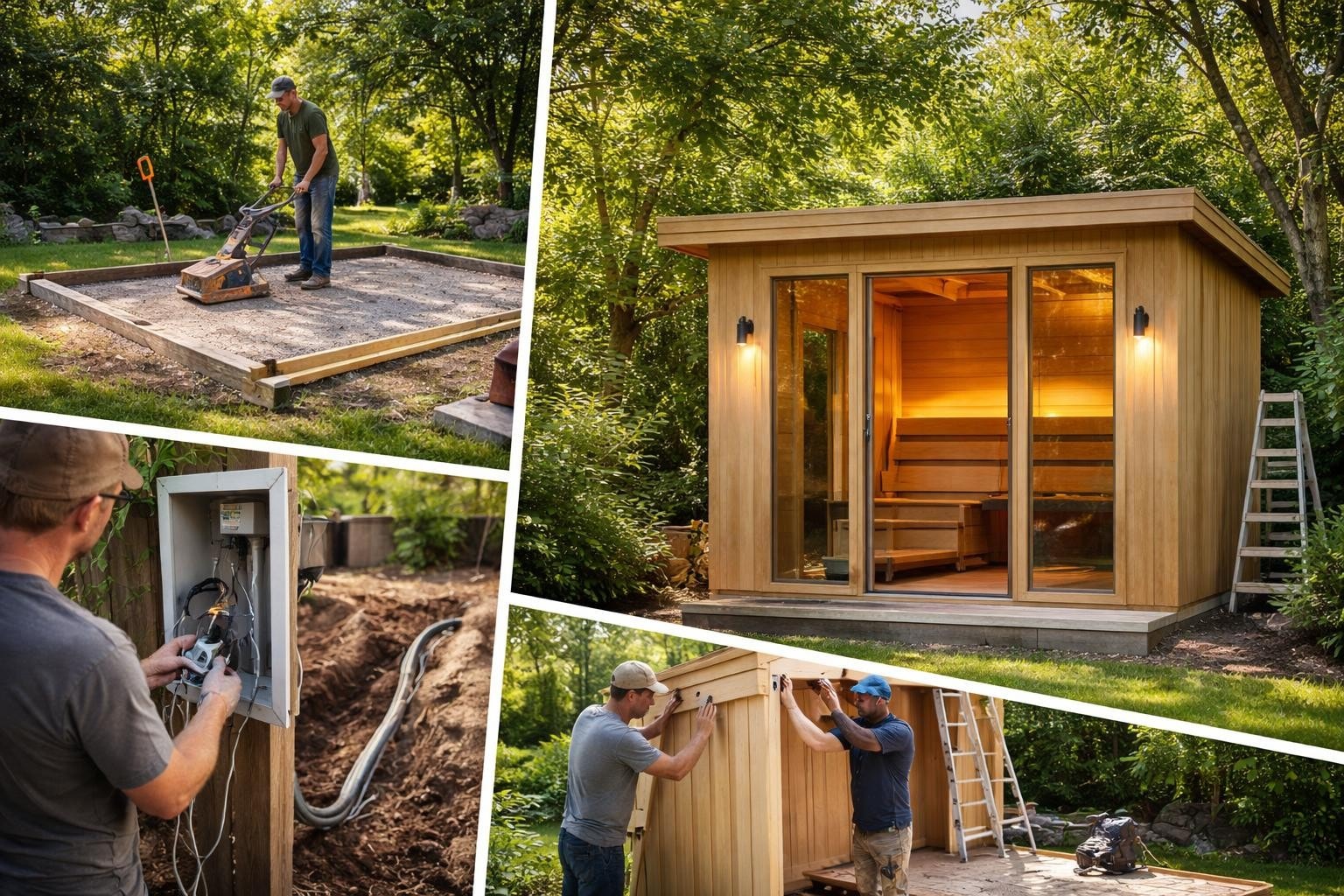
A sauna cabin represents one of the most traditional and versatile approaches to home wellness. Unlike barrel or pod designs, a sauna cabin offers a classic rectangular structure that provides ample space, straightforward construction, and flexibility in placement. Whether you're considering an outdoor installation in your backyard or an indoor setup in a basement or spare room, understanding the unique characteristics of cabin-style saunas helps you make an informed investment in your health and property value.
Understanding Sauna Cabin Design and Structure
The sauna cabin distinguishes itself through its traditional box-like architecture, which has been refined over centuries of Finnish and Scandinavian wellness practices. This rectangular design offers practical advantages in terms of space utilization, bench configuration, and heat distribution.
Traditional Box Construction Benefits
A sauna cabin typically features straight walls, a flat or gently sloped roof, and a rectangular footprint that integrates seamlessly into most property layouts. This familiar architectural form makes it easier to obtain building permits, coordinate with existing structures, and maximize interior usable space compared to curved alternatives.
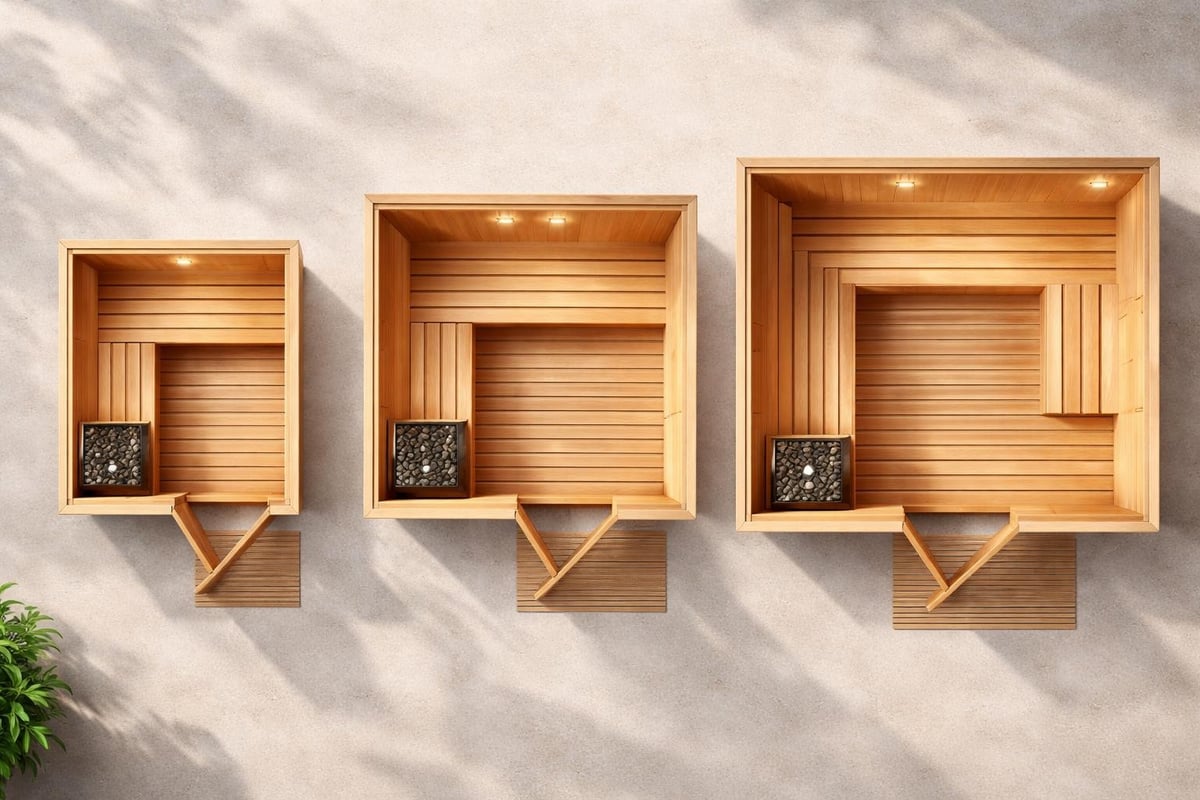
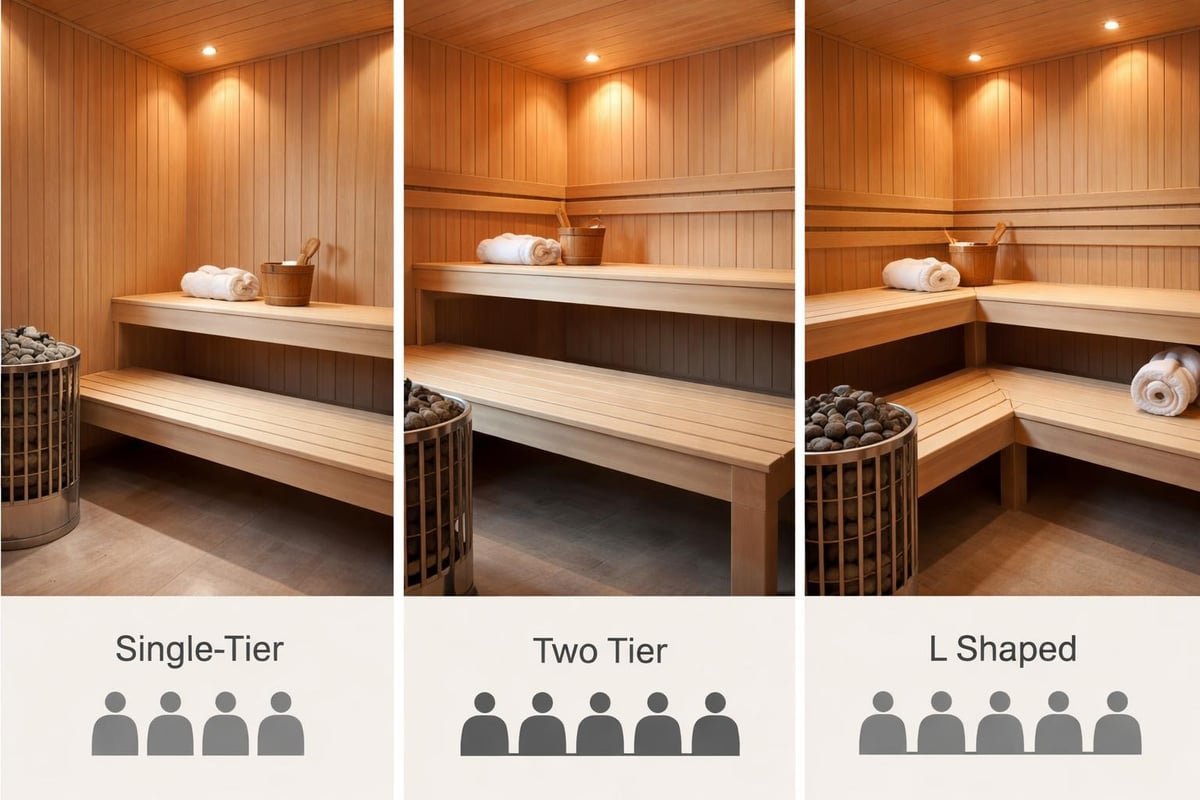
The vertical walls in a cabin design allow for more flexible bench arrangements. You can install L-shaped seating, tiered benches on multiple walls, or even include a dedicated cooling-off area within the structure. This versatility makes cabin saunas particularly suitable for families or those who plan to entertain guests.
Material Selection and Quality
Premium sauna cabins utilize carefully selected wood species that withstand high temperatures and humidity fluctuations. Eastern White Cedar, Western Red Cedar, and Canadian Hemlock rank among the top choices for their natural resistance to moisture, pleasant aromatics, and thermal properties.
| Wood Species | Key Benefits | Typical Use |
|---|---|---|
| Eastern White Cedar | Low density, excellent insulation, natural oils | Exterior and interior panels |
| Western Red Cedar | Moisture resistance, aromatic, dimensional stability | Premium interiors, benches |
| Canadian Hemlock | Smooth grain, non-resinous, comfortable seating | Infrared cabins, budget builds |
| Nordic Spruce | Traditional choice, cost-effective, pleasant scent | Scandinavian-style interiors |
The thickness of wood panels significantly impacts heat retention and energy efficiency. Quality sauna cabins feature tongue-and-groove panels ranging from 35mm to 45mm thick, providing superior insulation compared to thinner alternatives.
Health Benefits of Regular Sauna Cabin Use
Regular sessions in a sauna cabin deliver numerous health benefits supported by decades of research. The controlled heat environment triggers physiological responses that support cardiovascular health, muscle recovery, and mental wellness.
Cardiovascular and Circulatory Improvements
Heat exposure in a sauna cabin causes blood vessels to dilate, increasing circulation throughout the body. This cardiovascular workout effect can help lower blood pressure over time and improve overall heart health. Studies indicate that regular sauna use may reduce the risk of cardiovascular events when incorporated into a consistent wellness routine.
The elevated heart rate during sauna sessions-often reaching 100 to 150 beats per minute-mimics moderate physical exercise. This makes sauna bathing an excellent complementary practice for those recovering from injuries or seeking low-impact wellness activities.
Detoxification and Skin Health
Profuse sweating in a sauna cabin helps flush toxins and heavy metals from the body through the skin. This natural detoxification process supports kidney and liver function while promoting clearer, healthier skin through deep pore cleansing.
- Enhanced lymphatic drainage removes cellular waste products
- Improved skin elasticity from increased collagen production
- Reduced inflammation throughout the body's systems
- Accelerated muscle recovery after physical training
Mental Health and Stress Reduction
The quiet, heated environment of a sauna cabin provides a sanctuary from daily stressors. Heat exposure triggers the release of endorphins, the body's natural feel-good chemicals, while the meditative quality of sauna time reduces cortisol levels and promotes mental clarity.
Planning Your Sauna Cabin Installation
Successful sauna cabin installation requires careful planning across multiple dimensions. Whether you're pursuing a DIY project or working with professionals, understanding key considerations ensures optimal performance and longevity.
Site Selection and Preparation
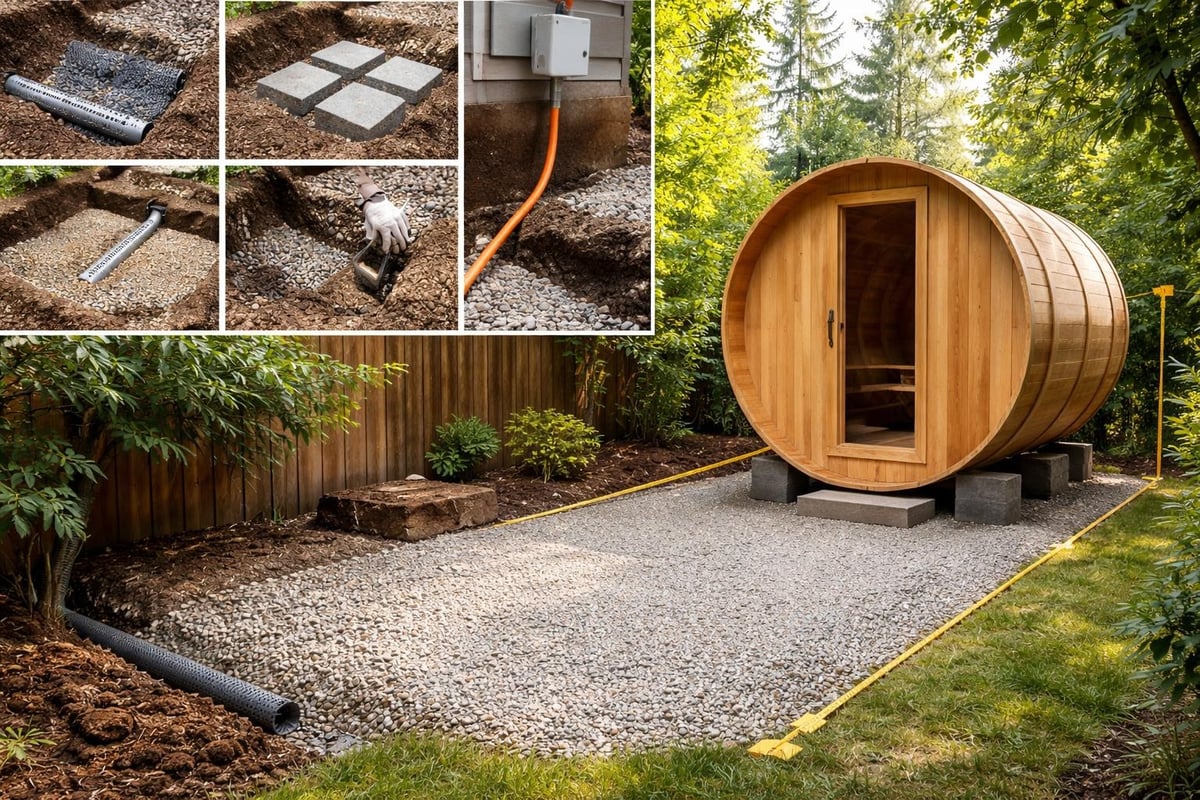
Outdoor placements require level ground, proper drainage, and accessibility to electrical service. Choose locations that offer privacy while maintaining convenient access from your home. Consider seasonal factors like sun exposure, wind patterns, and proximity to outdoor showers or cold plunge areas.
Indoor installations demand adequate ceiling height (minimum 7 feet), proper ventilation to exterior spaces, and floor reinforcement to support the cabin's weight. Basements, spare bedrooms, and converted garages all present viable options when properly prepared.
- Assess foundation requirements based on cabin size and weight
- Verify electrical capacity for heater specifications (typically 220V for larger units)
- Plan drainage routes for outdoor installations in wet climates
- Confirm building codes and permit requirements with local authorities
- Map utility connections including power, lighting, and optional sound systems
Electrical and Heating Considerations
The heater represents the heart of any sauna cabin. Electric heaters offer convenience and consistent performance, while wood-burning options provide an authentic experience for those with proper ventilation and fuel storage.
Electric heater sizing follows a general rule of 1 kW per 45-50 cubic feet of interior space. A 6x8 foot cabin with 7-foot ceilings (336 cubic feet) typically requires a 6-7 kW heater. Undersized heaters struggle to reach optimal temperatures, while oversized units cycle inefficiently and create uneven heat distribution.
Sauna Cabin Types and Configurations
Modern sauna cabin offerings span a wide range of styles, sizes, and feature sets. Understanding these variations helps match your specific needs with the right product.
Compact vs. Family-Sized Cabins
Compact cabin saunas serve 1-2 people and fit in spaces as small as 4x4 feet. These efficient designs work well for individuals focused on personal wellness routines or properties with limited square footage. Pod-style compact options maximize space efficiency while maintaining comfort.
Family-sized cabins accommodate 4-6 people and typically measure 6x8 feet or larger. These spacious designs support social sauna experiences and offer more elaborate bench configurations. The additional room allows for both seated and reclining positions during sessions.
Indoor vs. Outdoor Cabin Models
Indoor cabin saunas integrate into existing home spaces, offering year-round climate-controlled access. They require robust vapor barriers, dedicated ventilation systems, and flooring that tolerates moisture and heat. Many homeowners appreciate the convenience of stepping directly from indoor spaces into their sauna.
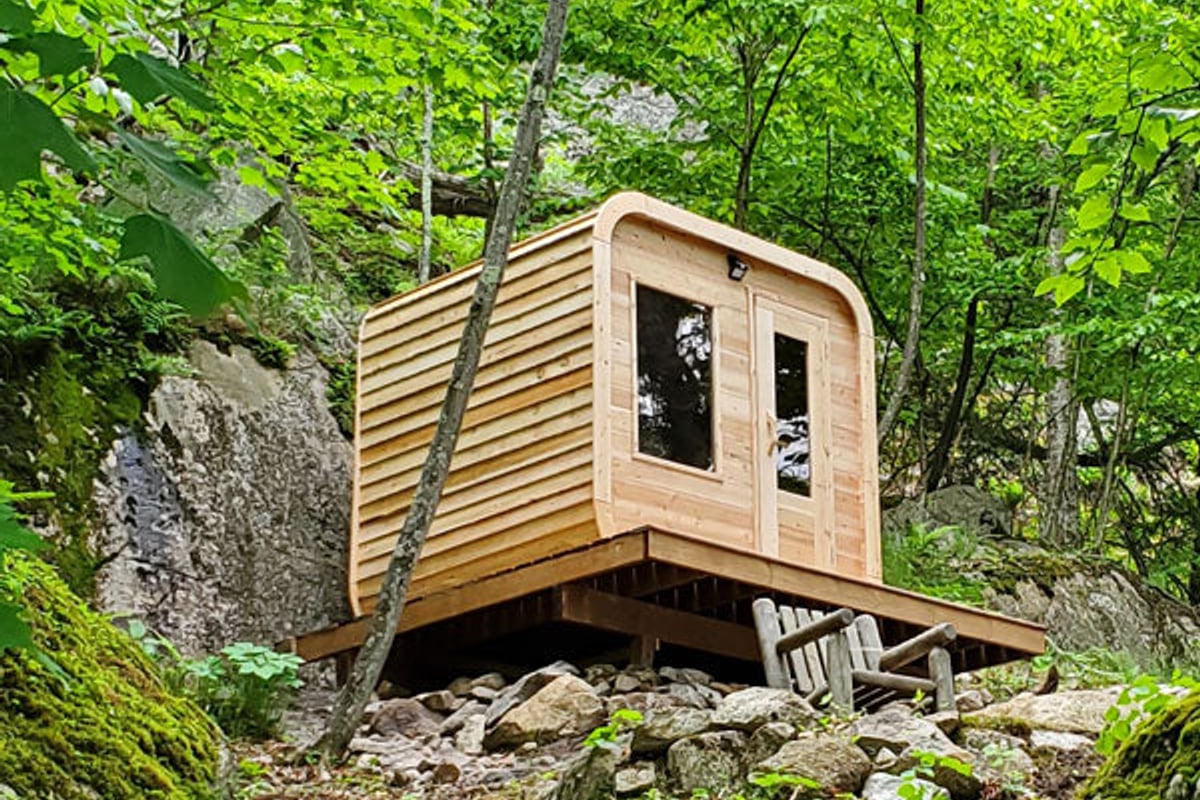
Outdoor cabin saunas create dedicated wellness structures in backyard settings. These freestanding units offer design flexibility and eliminate concerns about indoor moisture management. Outdoor models often feature changing areas, covered porches, and architectural elements that enhance outdoor living spaces.
Traditional vs. Infrared Cabin Technology
Traditional sauna cabins use electric or wood-burning heaters to warm the air, creating the classic hot-room experience with temperatures ranging from 150°F to 195°F. This approach supports the authentic Finnish sauna ritual of löyly-the steam created by water poured over hot sauna stones.
Infrared cabin saunas employ far-infrared panels that directly warm the body rather than heating air. These units operate at lower temperatures (120°F to 140°F) while delivering deep tissue penetration. Infrared technology appeals to those sensitive to extreme heat or seeking targeted therapeutic benefits.
Construction Quality and Craftsmanship Standards
The longevity and performance of a sauna cabin depend heavily on construction quality. Premium manufacturers employ time-tested joinery techniques and quality control measures that separate exceptional products from mediocre alternatives.
Joinery and Assembly Methods
Professional-grade sauna cabins utilize tongue-and-groove paneling with precision-milled joints that ensure airtight seals. This interlocking design prevents heat loss, minimizes air gaps, and creates structurally sound walls that resist warping over years of temperature cycling.
Look for cabins with mortise-and-tenon corner joints or dovetail construction at stress points. These traditional woodworking methods create stronger connections than simple butt joints or metal brackets, particularly important for outdoor installations exposed to seasonal expansion and contraction.
Insulation and Vapor Barrier Systems
Proper sauna construction requires effective insulation to maintain temperature and energy efficiency. Quality cabins incorporate foil-faced insulation between wall studs, typically R-11 to R-13 for walls and R-19 to R-21 for ceilings.
The vapor barrier prevents moisture from penetrating insulation and structural elements. Premium installations use aluminum foil vapor barriers rather than plastic sheeting, as foil reflects radiant heat back into the cabin while providing superior moisture protection. This barrier must be installed on the warm (interior) side of the insulation.
Key Features and Amenities to Consider
Modern sauna cabins offer numerous features that enhance comfort, safety, and overall experience. Prioritizing the right amenities for your intended use ensures maximum satisfaction with your investment.
Lighting and Ventilation Systems
LED lighting systems provide safe, energy-efficient illumination that withstands sauna temperatures. Many premium cabins include chromotherapy lighting with color-changing capabilities, allowing users to benefit from light therapy during sessions.
Proper ventilation maintains fresh air circulation and prevents CO2 buildup during extended sessions. Quality cabins incorporate adjustable vents near the floor for fresh air intake and near the ceiling for exhaust, creating a gentle air flow that refreshes oxygen without creating uncomfortable drafts.
Door and Window Configurations
Glass doors offer several advantages in sauna cabin design:
- Tempered safety glass handles temperature extremes without shattering
- Full-view or partial-view options balance openness with privacy
- Bronze or clear tinting affects heat retention and aesthetic preference
- Magnetic seals create airtight closures superior to traditional latches
Windows in sauna cabins serve both functional and aesthetic purposes. They provide natural light, create a sense of spaciousness, and offer views of surrounding landscapes for outdoor installations. However, each window represents a potential heat loss point, requiring quality glass and proper framing.
Bench Design and Ergonomics
Bench configuration significantly impacts comfort during sauna sessions. Tiered benching allows users to select their preferred temperature zone, as heat stratifies with the hottest air accumulating near the ceiling.
Premium cabin designs feature:
- Contoured backrests for comfortable reclining
- Rounded edge profiles to prevent discomfort during long sessions
- Duckboard flooring for foot comfort and drainage
- Adequate spacing between bench levels (typically 16-18 inches)
The Canadian Timber Luna Sauna - LeisureCraft exemplifies modern cabin design with its contemporary aesthetic and thoughtful ergonomic details. This model's ready-to-assemble panel kit demonstrates how quality manufacturers balance craftsmanship with installation convenience.
Maintenance and Long-Term Care
Proper maintenance extends the life of your sauna cabin and ensures consistent performance. Establishing a regular care routine prevents common issues and preserves both function and appearance.
Daily and Weekly Maintenance Tasks
After each use, wipe down benches with a clean, dry towel to remove perspiration. Leave the door open for 15-20 minutes to allow interior moisture to evaporate. This simple practice prevents mildew growth and wood degradation.
Weekly tasks include:
- Vacuuming or sweeping the floor to remove debris
- Checking vent operation to ensure proper airflow
- Inspecting door seals for wear or damage
- Testing heater function and temperature controls
Seasonal Deep Cleaning
Every three to six months, perform deeper cleaning to maintain hygiene and wood quality. Use a mild wood cleaner specifically formulated for sauna environments, avoiding harsh chemicals that can off-gas when heated. Sand lightly any rough spots on benches to prevent splinters.
Annual inspections should cover electrical connections, heater element condition, and structural integrity. Look for signs of water damage in outdoor cabins, particularly around door thresholds and roof penetrations. Address minor issues promptly to prevent escalation into costly repairs.
Wood Treatment and Preservation
Unfinished wood interiors require minimal treatment, as the natural oils in cedar and hemlock provide inherent protection. Never apply varnish, polyurethane, or paint to interior surfaces, as these finishes create toxic fumes when heated.
For exterior surfaces on outdoor cabins, consider proper wood treatment approaches that protect against UV damage and moisture while allowing wood to breathe. Semi-transparent stains or specialized sauna exterior oils preserve wood appearance without compromising structural integrity.
Cost Considerations and Value Factors
Sauna cabin investments range significantly based on size, features, materials, and brand reputation. Understanding cost structures helps set realistic budgets and identify genuine value.
Price Ranges and What Influences Them
| Cabin Category | Typical Price Range | Key Features |
|---|---|---|
| Entry-Level | $3,000 - $5,000 | Basic 2-3 person, simple heater, minimal features |
| Mid-Range | $5,000 - $10,000 | Quality wood, better insulation, enhanced controls |
| Premium | $10,000 - $20,000 | Superior craftsmanship, advanced features, larger capacity |
| Luxury Custom | $20,000+ | Architect-designed, exotic materials, integrated technology |
Size represents the primary cost driver, with each additional square foot of interior space adding materials, heater capacity, and construction complexity. Custom features like premium lighting systems, upgraded heaters, or specialized wood species increase costs proportionally.
Installation and Operational Expenses
Professional installation for a prefabricated cabin kit typically costs $1,500 to $4,000 depending on complexity and local labor rates. DIY installation significantly reduces this expense but requires time, tools, and construction knowledge.
Monthly operational costs depend primarily on usage frequency and local electricity rates. A 6 kW heater running for one hour consumes 6 kWh of electricity. At an average rate of $0.13 per kWh, each session costs approximately $0.78. Most households using their cabin 3-4 times weekly see monthly increases of $10-15 on electricity bills.
Selecting the Right Sauna Cabin for Your Needs
Matching a sauna cabin to your specific situation requires evaluating multiple factors beyond just aesthetics and price. A systematic approach to selection ensures long-term satisfaction.
Assessing Your Space and Capacity Requirements
Begin by measuring available space carefully, accounting for door swing clearance, bench depth, and comfortable movement areas. A minimum interior dimension of 4x5 feet accommodates one person comfortably, while 6x8 feet serves 3-4 people.
Ceiling height affects heat stratification and overall comfort. Minimum heights of 6.5 feet work for compact designs, but 7-7.5 feet creates a more spacious feel. Different cabin configurations suit various property layouts and user preferences.
Heat Source Decision Matrix
Choose your heating method based on these considerations:
- Electric heaters: Convenience, consistent control, minimal maintenance, requires 220V service
- Wood-burning: Authentic experience, off-grid capability, requires chimney and fuel storage
- Infrared panels: Lower temperatures, targeted therapy, reduced energy consumption
- Hybrid systems: Flexibility of multiple heating modes, higher initial investment
Brand Reputation and Warranty Coverage
Established manufacturers with proven track records offer better long-term value through superior materials, tested designs, and responsive customer support. Research warranty terms carefully, as coverage periods ranging from 1-5 years reflect manufacturer confidence in their products.
Premium brands typically provide:
- Structural warranties covering frame and panel integrity
- Component warranties for heaters, controls, and electrical systems
- Customer support for installation questions and troubleshooting
- Parts availability for repairs and upgrades years after purchase
Comparing Cabin Saunas to Alternative Designs
While cabin-style saunas offer distinct advantages, understanding how they compare to barrel saunas and other designs helps confirm your choice.
Cabin vs. Barrel Sauna Trade-offs
Barrel saunas provide efficient heat circulation through their curved design but offer less interior space per square foot of footprint. The round interior limits bench configuration options and headroom compared to cabin designs.
Cabins excel in:
- Headroom consistency throughout the interior
- Bench flexibility with multiple configuration options
- Expansion potential through modular additions
- Familiar aesthetics that match traditional architecture
Barrels offer advantages in:
- Heat efficiency due to cylindrical shape
- Unique appearance creating landscape focal points
- Simplified construction with fewer joints and seals
- Faster heat-up times with less air volume
Integration with Wellness Ecosystems
Modern wellness practices often combine heat therapy with cold plunge pools, creating contrast therapy systems. Sauna cabins integrate well into comprehensive wellness setups through their flexibility in placement and connection to outdoor amenities.
Consider how your sauna cabin fits within a broader wellness vision. Placement near changing areas, showers, or relaxation spaces enhances the overall experience and encourages regular use.
Future-Proofing Your Sauna Cabin Investment
Smart planning ensures your sauna cabin remains functional and enjoyable for decades. Consider these forward-looking strategies during the selection and installation process.
Electrical Infrastructure Planning
Install electrical service rated 20-30% higher than your current heater requires. This headroom accommodates future upgrades to more powerful heaters, additional lighting, or sound system integration without costly electrical service upgrades.
Run conduit for future technology integration even if you don't immediately install smart controls, speakers, or additional features. The marginal cost during initial installation is minimal compared to retrofitting later.
Modular Design Considerations
Some cabin designs support expansion through modular construction. If you anticipate growing needs, select systems that allow adding changing rooms, storage areas, or increased capacity without complete replacement.
Emerging Technology Integration
Smart sauna controls enable remote preheating, session scheduling, and temperature management via smartphone apps. While not essential, these features increase convenience and energy efficiency.
Health monitoring systems that track session duration, temperature exposure, and heart rate represent emerging wellness technology. Consider whether your cabin design accommodates sensor installation and data integration with wellness tracking platforms.
A well-chosen sauna cabin delivers decades of wellness benefits while enhancing your property's value and your quality of life. From construction quality and heating systems to placement and features, each decision shapes your long-term satisfaction with this investment. RecoSauna offers an extensive selection of premium cabin saunas alongside barrel, pod, and infrared options, backed by expert guidance to help you select the perfect model for your space, budget, and wellness goals.
Share:
Sauna Barrel Outdoor: Your Complete 2026 Buying Guide
Sauna Relax: Your Complete Guide to Stress Relief