
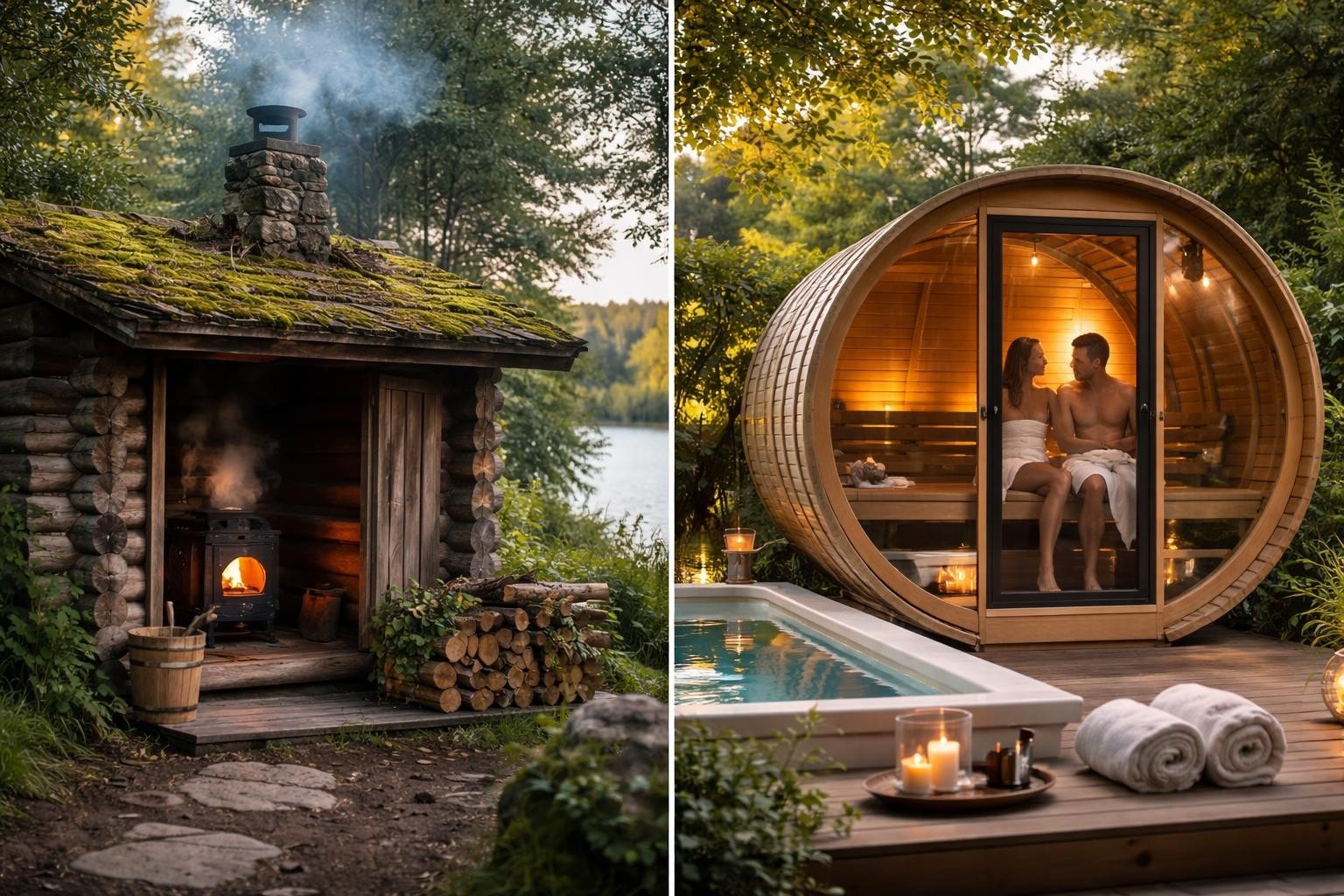
The traditional sauna represents more than just a heated room. It embodies centuries of wellness wisdom, cultural heritage, and therapeutic practice that has evolved from ancient Finnish forests to modern backyards across North America. As we navigate the complexities of contemporary life in 2026, understanding the authentic roots and proven benefits of traditional sauna bathing offers a pathway to meaningful self-care and physical restoration.
The Historical Foundation of Traditional Sauna Culture
The traditional sauna finds its deepest roots in Finnish cultural traditions dating back over 2,000 years. Originally, these heated spaces served multiple purposes beyond bathing, functioning as places for childbirth, spiritual cleansing, and even food preservation during harsh Nordic winters. The earliest saunas were simple earth pits with heated stones, gradually evolving into the wooden structures we recognize today.
Ancient Origins and Evolution
Archaeological evidence suggests that sauna-like structures existed among northern peoples as early as the Stone Age. The development of sauna traditions followed predictable patterns in regions where cold climates demanded innovative heating solutions. These early heat bathing practices spread throughout Scandinavia, Russia, and the Baltic states, each culture adding unique elements to the tradition.
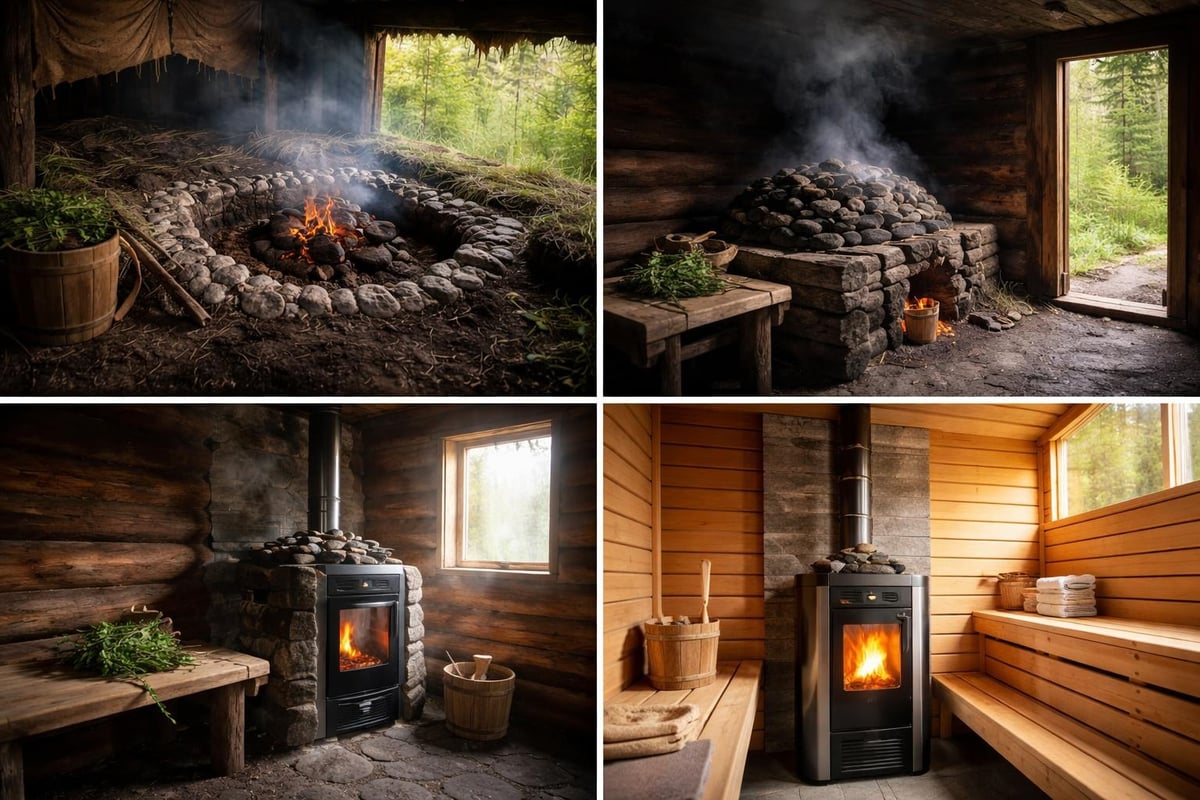
The Finnish people, however, elevated the sauna to an art form. They developed the "savusauna" or smoke sauna, where wood burned for hours without a chimney, coating the interior with soot before bathers entered. This method created intense heat and a distinctive atmosphere that many purists still consider the most authentic sauna experience.
Defining Characteristics of Traditional Saunas
A traditional sauna operates through dry heat generation, typically achieving temperatures between 150°F and 195°F (65°C to 90°C) with relatively low humidity of 10-20%. This distinguishes it fundamentally from steam rooms, which maintain lower temperatures but much higher humidity levels. The heat source in authentic traditional saunas comes from wood-burning stoves or electric heaters designed to heat sauna stones.
Key Components and Design Elements
The construction materials matter significantly in traditional sauna design. Authentic saunas utilize specific wood types that withstand high temperatures while releasing pleasant natural aromas:
- Eastern White Cedar: Lightweight, aromatic, and naturally resistant to moisture and decay
- Red Cedar: Dense, fragrant wood with natural antibacterial properties
- Canadian Hemlock: Smooth grain with minimal resin content, ideal for interior surfaces
- Nordic Spruce: Traditional Finnish choice with excellent heat retention
Proper ventilation represents another critical element. Traditional saunas employ carefully designed air circulation systems that allow fresh oxygen to enter near the floor while hot, used air escapes through upper vents. This continuous exchange maintains air quality without dramatically cooling the space.
| Traditional Sauna Element | Purpose | Standard Specification |
|---|---|---|
| Bench Height | Heat gradient access | Upper: 39-43 inches, Lower: 18-20 inches |
| Door Size | Heat retention | Maximum 24 x 72 inches |
| Ceiling Height | Heat distribution | 79-84 inches |
| Ventilation Rate | Air quality | 6-8 air changes per hour |
Health Benefits Supported by Research
The therapeutic advantages of traditional sauna use have gained substantial scientific validation over recent decades. Regular sauna bathing produces measurable physiological changes that contribute to both immediate relaxation and long-term health improvements.
Cardiovascular Enhancement
Studies consistently demonstrate that traditional sauna use supports heart health through mechanisms similar to moderate exercise. The heat exposure causes blood vessels to dilate, improving circulation and reducing arterial stiffness. Heart rate increases to 100-150 beats per minute during sessions, providing cardiovascular conditioning without physical strain.
Finnish research following over 2,300 men for two decades found that frequent sauna users (4-7 times weekly) showed significantly lower rates of fatal cardiovascular events compared to those bathing once weekly. This correlation remained even after accounting for other lifestyle factors.
Detoxification and Skin Health
Traditional saunas promote deep sweating that helps eliminate toxins through the skin, the body's largest organ. While the kidneys and liver perform most detoxification, the profuse sweating induced by sauna heat provides an additional elimination pathway for heavy metals, BPA, and other environmental pollutants.
The heat also increases skin blood flow by up to 60%, delivering oxygen and nutrients while removing metabolic waste products. This enhanced circulation contributes to improved skin tone, elasticity, and overall appearance. Many regular sauna users report clearer, more radiant complexions as a sustained benefit.

Mental Wellness and Stress Reduction
The psychological benefits of traditional sauna bathing extend beyond simple relaxation. The forced stillness and heat exposure create conditions that lower cortisol levels while increasing endorphin production. This biochemical shift promotes mental clarity, emotional balance, and improved sleep quality.
Regular sauna users frequently describe a meditative quality to their sessions. The combination of heat, solitude, and intentional breathing creates space for mental processing and stress release that modern life rarely affords. This aspect of traditional sauna culture may explain why Finnish sauna traditions have persisted for millennia.
Proper Traditional Sauna Protocol
Maximizing the benefits of traditional sauna bathing requires understanding and following established protocols. These practices evolved over centuries to optimize safety, comfort, and therapeutic effect.
Pre-Session Preparation
- Hydrate thoroughly: Consume 16-24 ounces of water 30 minutes before entering
- Shower completely: Remove cosmetics, lotions, and other topical products
- Set realistic time goals: Begin with 10-15 minute sessions for newcomers
- Avoid alcohol: Never combine sauna use with alcohol consumption
- Time appropriately: Allow 2-3 hours after heavy meals before bathing
During Your Session
The traditional approach to sauna bathing emphasizes gradual heat exposure and mindful awareness. Enter the sauna and position yourself on the lower bench initially, allowing your body to acclimate to the temperature. As comfort increases, move to higher benches where heat intensifies.
Löyly (pronounced "LOY-loo") represents a core element of traditional Finnish sauna culture. This term describes both the steam created by ladling water onto hot stones and the resultant wave of humid heat. The practice of creating löyly increases perceived temperature while adding beneficial humidity that opens airways and enhances sweating.
Breathing technique matters during sauna sessions. Inhale through the nose when possible, allowing nasal passages to slightly cool incoming air. If the heat feels overwhelming, breathe through a cool, damp towel held near your mouth.
Post-Session Recovery
Traditional protocol includes a cool-down period equal to or longer than the heating phase. Options include:
- Cool air exposure outdoors
- Cool shower (gradually decreasing temperature)
- Cold plunge pool immersion
- Simply resting in room temperature conditions
Following cool-down, many practitioners return for additional heating cycles. A complete traditional sauna experience often involves 2-3 full cycles of heating, cooling, and resting over 60-90 minutes total.
Traditional Sauna Versus Modern Alternatives
Understanding how traditional saunas differ from contemporary variations helps in making informed decisions about which type best serves individual wellness goals.
Comparison with Infrared Technology
Infrared saunas have gained popularity for home use, yet they function through fundamentally different mechanisms. While infrared models use electromagnetic radiation to directly heat body tissues at lower ambient temperatures (120°F-140°F), traditional saunas heat the air itself to create a more intense thermal environment.
| Feature | Traditional Sauna | Infrared Sauna |
|---|---|---|
| Operating Temperature | 150-195°F | 120-140°F |
| Heat-up Time | 30-40 minutes | 10-15 minutes |
| Humidity Control | Adjustable via water on stones | Fixed low humidity |
| Cultural Authenticity | Centuries of tradition | Modern innovation |
| Cardiovascular Intensity | Higher | Moderate |
Neither approach is inherently superior; they serve different preferences and purposes. Traditional saunas deliver more intense cardiovascular conditioning and the authentic cultural experience, while infrared units offer convenience, lower operating temperatures, and faster preparation.
Steam Rooms and Turkish Baths
Steam rooms maintain approximately 100% humidity at lower temperatures (110°F-120°F), creating an entirely different experience from the dry heat of traditional saunas. The high moisture content makes breathing easier for some individuals but may feel oppressive to others accustomed to dry heat.
Turkish hammams combine elements of both traditions, featuring heated marble surfaces and varying temperature rooms. However, the social and cultural context differs significantly from the contemplative solitude characteristic of traditional Finnish sauna practice.
Installing Traditional Saunas in Modern Settings
The growing wellness movement in 2026 has sparked renewed interest in bringing authentic sauna experiences into residential settings. Outdoor sauna installations have become particularly popular, offering the advantage of natural ventilation, space efficiency, and the enhanced experience of transitioning between hot interior and cool outdoor air.
Outdoor Versus Indoor Placement
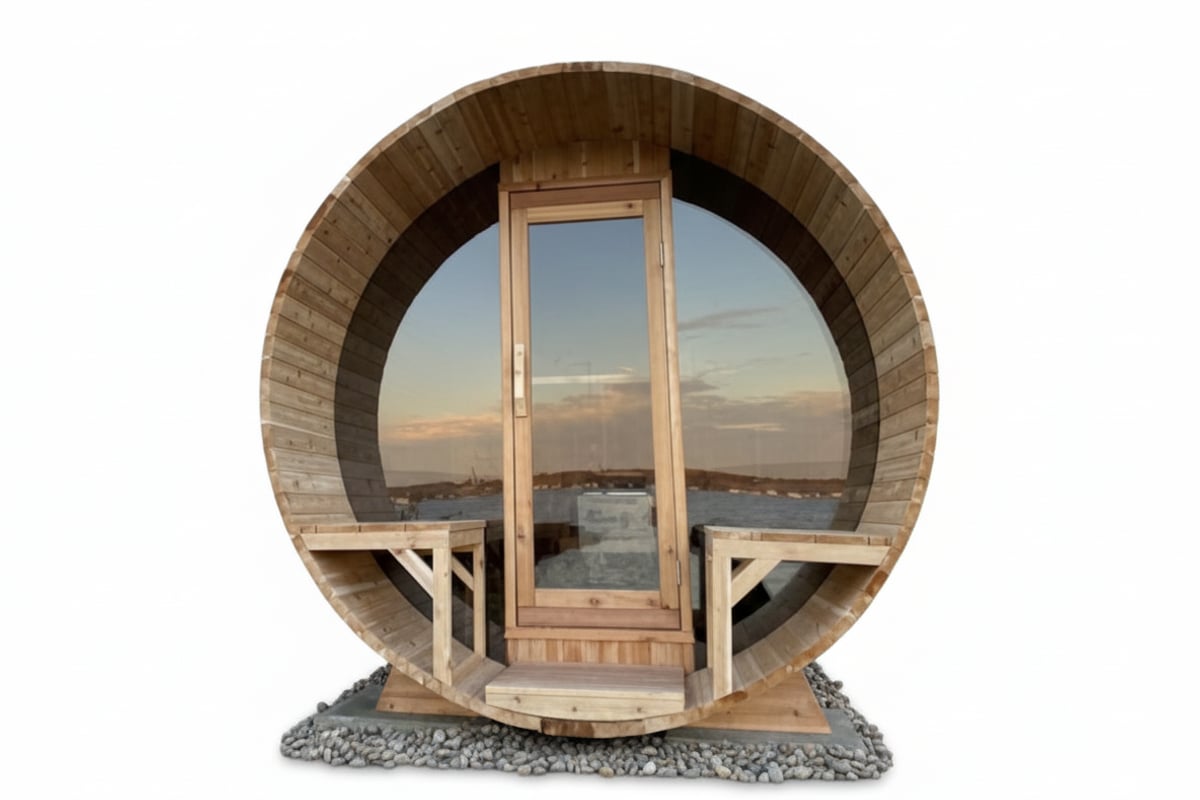
Outdoor traditional saunas provide several distinct advantages. They eliminate concerns about indoor humidity and ventilation while creating opportunities for authentic cool-down practices in natural settings. Barrel and cabin designs specifically engineered for exterior placement can withstand weather exposure while maintaining structural integrity and heat efficiency.
For those committed to authentic traditional experiences, options like the Canadian Timber Tranquility MP Barrel Sauna offer premium construction from Eastern White Cedar with panoramic glass designs that connect bathers with their outdoor environment while accommodating 4-5 people comfortably.
Indoor installations require more careful planning regarding vapor barriers, ventilation systems, and flooring materials resistant to temperature fluctuations and moisture. However, they offer year-round convenience and protection from weather variables that might otherwise interrupt sauna sessions.
Heating Source Selection
Traditional purists advocate strongly for wood-burning heaters, which provide authentic heat character, the ability to create proper löyly, and connection to historical practices. Wood heat produces subtle temperature variations and requires active tending that many find meditative and engaging.
Electric heaters designed for traditional saunas offer practical advantages for modern users:
- Faster heat-up times (typically 30-40 minutes versus 45-60 for wood)
- Precise temperature control through digital thermostats
- No wood storage or ash removal requirements
- Simpler installation without chimney systems
- Urban compatibility where wood burning may be restricted
Quality electric heaters incorporate stone-heating elements that allow water application for steam generation, preserving this essential traditional element.
Traditional Sauna Rituals and Cultural Practices
Authentic sauna traditions encompass more than physical heating; they include social customs, seasonal timing, and ritualistic elements that enhance the overall experience. Understanding these cultural dimensions adds depth and meaning to regular practice.
Finnish Sauna Etiquette
Traditional Finnish sauna culture emphasizes several key principles:
- Silence or quiet conversation: Saunas serve as contemplative spaces, not social gatherings
- Nudity as standard: Clothing interferes with proper sweating and heat distribution
- Gender separation: Public saunas typically designate separate times or facilities
- Respect for others' comfort: Temperature and steam preferences vary; compromise shows consideration
- Hygiene priorities: Always shower before entering and sit on towels
These conventions evolved to maximize comfort, safety, and the therapeutic benefits of sauna bathing while fostering community bonds.
Seasonal and Occasional Sauna Use
In traditional Finnish culture, sauna timing follows natural and cultural rhythms. Summer saunas often precede swimming in lakes or the sea. Winter sessions might include rolling in snow or ice swimming. Saturday evening saunas prepare families for Sunday, combining physical cleansing with spiritual renewal.
Special occasions also call for sauna rituals. Midsummer celebrations, Christmas Eve, and other significant dates traditionally include family sauna sessions. These practices reinforce the sauna's role as a space for renewal, reflection, and connection.
Safety Considerations and Contraindications
While traditional sauna use offers substantial benefits for most healthy adults, certain populations should exercise caution or avoid sauna bathing entirely. Medical guidance emphasizes awareness of individual health status and appropriate modification of protocols.
Who Should Avoid Traditional Saunas
The following groups should consult healthcare providers before beginning sauna use:
- Pregnant women (especially first trimester)
- Individuals with unstable cardiovascular conditions
- Those with severe low or high blood pressure
- People with kidney disease
- Anyone with multiple sclerosis or other heat-sensitive conditions
Children can safely use traditional saunas under proper supervision, but should start with lower temperatures (125°F-145°F) and shorter durations (5-10 minutes maximum).
Recognizing Warning Signs
During sauna sessions, immediately exit if experiencing:
- Dizziness or lightheadedness
- Nausea or headache
- Rapid or irregular heartbeat
- Chest discomfort
- Difficulty breathing
These symptoms may indicate dehydration, overheating, or underlying health issues requiring attention. The traditional wisdom of "listening to your body" remains the most reliable safety guideline.
Maintenance and Longevity of Traditional Saunas
Proper care ensures traditional saunas provide decades of reliable service. The natural materials used in authentic construction require specific maintenance approaches to preserve both function and appearance.
Regular Cleaning Protocols
Wood surfaces need minimal but consistent care. After each use, leave the door open for 30-45 minutes allowing complete drying. Wipe benches with a damp cloth weekly to remove salt residue from sweat. Avoid chemical cleaners, which can release harmful fumes when heated; use only water or mild natural soap when necessary.
Floors require more frequent attention, as they accumulate the most moisture and debris. Sweep or vacuum weekly, and occasionally scrub with a dedicated brush and water. Ensure complete drying before closing the sauna.
Annual Maintenance Tasks
- Inspect wood surfaces: Check for cracks, splinters, or discoloration requiring attention
- Examine heater elements: Ensure proper function and replace stones showing significant deterioration
- Test ventilation systems: Verify intake and exhaust vents remain unobstructed
- Evaluate door seals: Replace weather stripping if gaps allow excessive heat loss
- Review electrical connections: Have licensed professionals inspect wiring and controls
Traditional saunas constructed from quality materials like Eastern White Cedar or Red Cedar typically require minimal intervention. The natural oils and resins in these woods provide inherent resistance to moisture damage and decay.
Traditional Sauna Integration with Wellness Routines
Incorporating regular traditional sauna sessions into comprehensive wellness practices amplifies benefits across multiple health dimensions. The key lies in thoughtful integration rather than isolated use.
Complementary Practices
Post-workout sauna sessions have gained particular popularity among athletes and fitness enthusiasts. The heat exposure following exercise enhances muscle recovery by increasing blood flow to fatigued tissues while promoting the removal of metabolic waste products. Time sauna sessions 15-20 minutes after exercise once core body temperature has begun normalizing.
Meditation and breathwork practices find natural synergy with traditional sauna bathing. The enforced stillness and sensory focus required in the heat create ideal conditions for mindfulness practice. Many users report deeper meditative states achieved during sauna sessions compared to standard sitting practice.
Cold exposure therapy pairs exceptionally well with traditional saunas, creating contrast therapy that maximizes circulatory benefits. The alternation between hot and cold triggers powerful physiological responses that reduce inflammation, boost immune function, and enhance mental resilience.
Frequency Recommendations
For general wellness maintenance, most experts suggest 3-4 traditional sauna sessions weekly, each lasting 15-20 minutes with appropriate cool-down periods. More frequent use (daily or twice daily) appears safe for healthy individuals but should be built gradually as tolerance develops.
Those new to traditional sauna bathing should begin conservatively: 2-3 sessions weekly at moderate temperatures (150°F-165°F) for 10-15 minutes. Over 4-6 weeks, gradually increase temperature, duration, and frequency as comfort allows.
The Future of Traditional Sauna Culture
Despite technological advances and modern alternatives, traditional sauna culture shows remarkable resilience and growth in 2026. The renewed focus on authentic wellness practices, combined with increased awareness of mental health needs, has sparked a traditional sauna renaissance across North America.
Contemporary Adaptations
Modern manufacturers balance authentic construction methods with contemporary convenience features. Digital controls allow precise temperature management while maintaining wood-burning aesthetic and function. Premium outdoor models incorporate smartphone connectivity for remote preheating without compromising the fundamental traditional experience.
Architectural integration has evolved as well. Custom-designed traditional saunas now complement modern home styles, with architects specifying authentic Finnish techniques in luxury residential projects. This marriage of traditional function and contemporary design brings centuries-old wellness practices into settings that honor both heritage and innovation.
Cultural Expansion Beyond Nordic Origins
While Finland remains the spiritual home of traditional sauna culture, appreciation has spread globally. North American adoption has accelerated particularly in recent years, with diverse sauna traditions emerging that blend Finnish fundamentals with local preferences and practices.
This cultural diffusion enriches rather than dilutes traditional practices. New practitioners bring fresh perspectives while maintaining respect for core principles of heat, ritual, and wellness that define authentic sauna experience. The result is a living tradition that continues evolving while preserving essential elements.
Traditional sauna culture offers a proven pathway to enhanced physical health, mental clarity, and meaningful self-care grounded in centuries of practice. Whether you're drawn to the cardiovascular benefits, the meditative stillness, or the connection to ancient wellness wisdom, incorporating regular traditional sauna sessions can transform your approach to personal wellness. RecoSauna provides carefully curated traditional saunas from premium North American manufacturers, including authentic Canadian Timber models and diverse outdoor designs that bring this timeless practice into your home with quality construction and reliable performance.
Share:
Home Saunas Indoor: Complete 2026 Buying Guide
Built In Infrared Sauna: Design & Installation Guide