

Athletes and fitness enthusiasts constantly search for effective recovery strategies to reduce soreness, prevent injury, and maintain peak performance. While ice baths and compression therapy have dominated post-workout routines for years, mounting scientific evidence suggests that heat therapy offers compelling benefits for muscle repair and regeneration. The relationship between sauna and muscle recovery has gained significant attention in sports medicine, with research revealing how controlled heat exposure triggers physiological responses that accelerate healing, reduce inflammation, and enhance overall athletic performance.
The Science Behind Heat Therapy and Muscle Repair
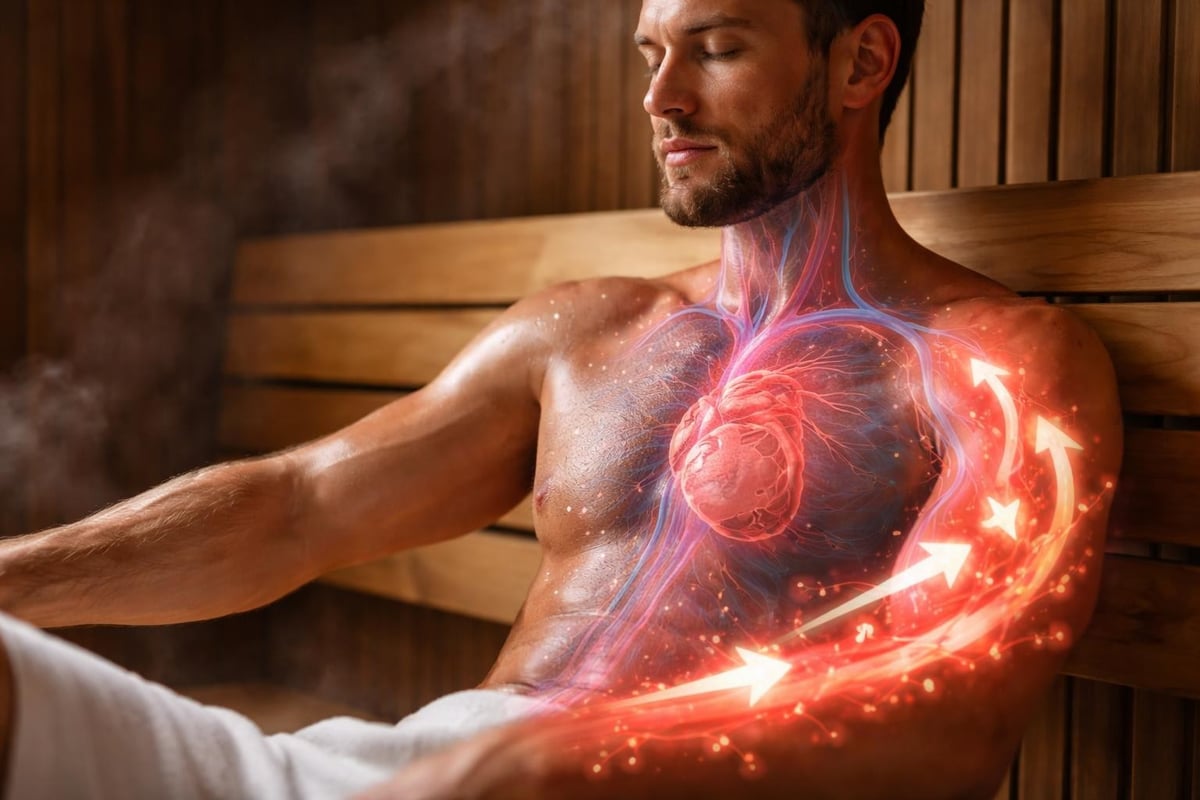
When you step into a sauna after intense physical activity, your body initiates a cascade of biological processes that directly support muscle recovery. Heat exposure increases core body temperature, prompting blood vessels to dilate and significantly improving circulation throughout the body. This enhanced blood flow delivers oxygen-rich nutrients to damaged muscle tissue while simultaneously removing metabolic waste products like lactic acid that contribute to post-exercise soreness.
Studies have shown that regular sauna use can help you run faster and recover more efficiently by increasing endurance capacity and reducing muscle tension. The heat stress from sauna sessions also stimulates the production of heat shock proteins (HSPs), which act as molecular chaperones to repair damaged proteins and protect cells from future stress.
Cardiovascular Response and Enhanced Circulation
The cardiovascular system responds to sauna heat in ways remarkably similar to moderate-intensity exercise. Heart rate increases, cardiac output improves, and peripheral blood vessels expand to dissipate heat. This cardiovascular workout without physical strain proves particularly valuable during recovery periods when athletes need to maintain fitness while allowing muscles to heal.
Research indicates that consistent sauna use can improve vascular function and arterial compliance, creating long-term benefits for athletic performance and recovery capacity. The improved circulation pattern continues even after you exit the sauna, extending the recovery benefits well beyond the session itself.
Inflammation Reduction and Pain Management
Delayed onset muscle soreness (DOMS) typically peaks 24 to 72 hours after strenuous exercise, causing discomfort that can interfere with training schedules and daily activities. The connection between sauna and muscle recovery becomes particularly evident in how heat therapy addresses inflammation and pain perception.
Sauna sessions trigger the release of endorphins, the body's natural pain-relieving compounds, which help manage post-exercise discomfort. Additionally, the anti-inflammatory effects of heat exposure reduce swelling in muscle tissue, addressing one of the primary causes of DOMS.
Key anti-inflammatory benefits include:
- Decreased production of pro-inflammatory cytokines
- Reduced oxidative stress at the cellular level
- Lower concentration of inflammatory markers in blood work
- Improved immune system modulation
Evidence suggests that hot water immersion may actually surpass cold therapy for muscle regeneration, challenging traditional recovery protocols. This finding has prompted many athletes to reconsider their post-workout routines and incorporate more heat-based recovery methods.
Traditional vs. Infrared Saunas for Recovery
Understanding the different types of saunas helps optimize your recovery protocol. Traditional saunas heat the air around you to temperatures between 150°F and 195°F, creating an intense environment that promotes heavy sweating and cardiovascular stimulation. Infrared saunas, by contrast, use light wavelengths to directly heat the body at lower ambient temperatures, typically 120°F to 140°F.
| Feature | Traditional Sauna | Infrared Sauna |
|---|---|---|
| Heat Source | Heated rocks or electric elements | Infrared light panels |
| Temperature Range | 150°F - 195°F | 120°F - 140°F |
| Warm-up Time | 30-40 minutes | 10-15 minutes |
| Penetration Depth | Surface level | Up to 1.5 inches |
| Session Duration | 10-20 minutes | 20-45 minutes |
| Energy Efficiency | Moderate | High |
Both types deliver benefits for muscle recovery, though infrared technology allows for longer, more comfortable sessions at lower temperatures. Research on infrared saunas shows they can support muscle growth and flexibility by enhancing circulation patterns and reducing muscle soreness through deep tissue penetration.
Full Spectrum Infrared Technology
Modern infrared saunas often feature full spectrum technology, combining near, mid, and far infrared wavelengths to target different recovery needs. Near infrared supports cellular health and skin rejuvenation, mid infrared improves circulation and pain relief, while far infrared provides the deepest penetration for detoxification and muscle recovery.
Optimal Timing and Protocol for Recovery Sessions
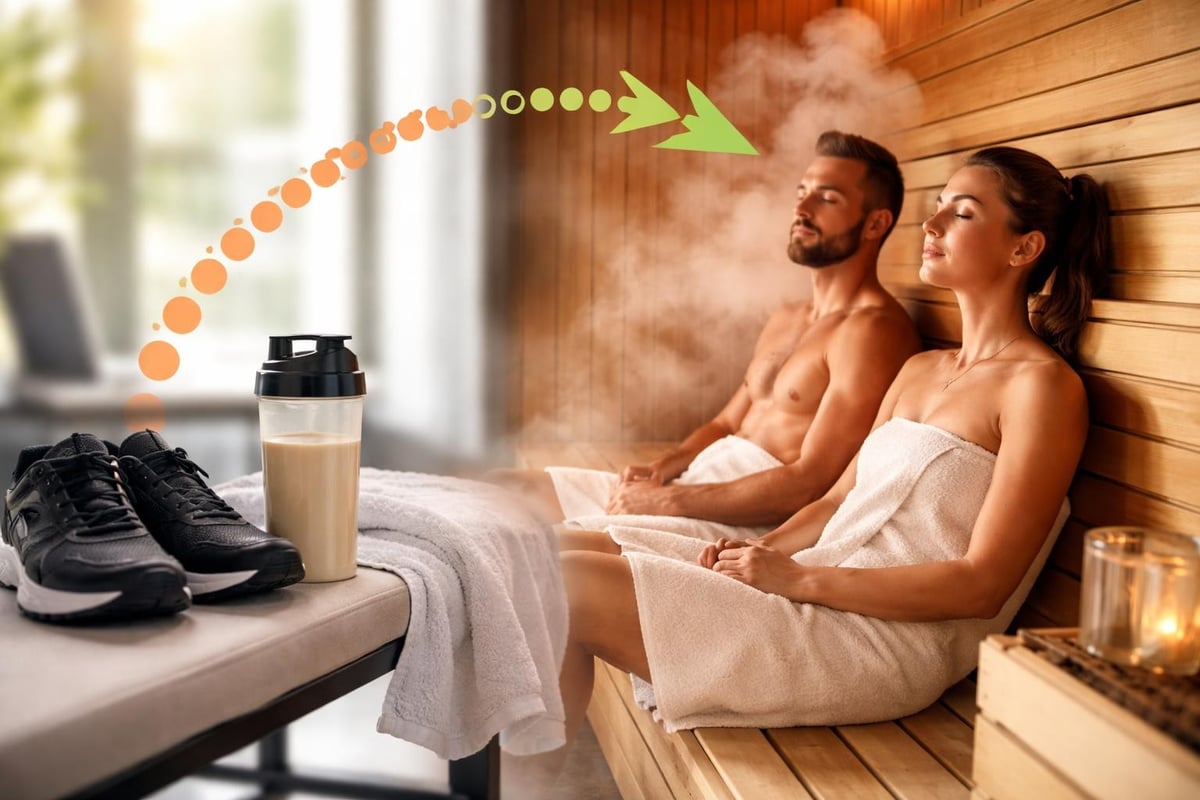
The timing of your sauna session relative to exercise significantly impacts recovery outcomes. Most research on sauna and muscle recovery suggests that heat therapy works best when incorporated within 30 minutes to 2 hours after training, while muscles are still warm and blood flow remains elevated from exercise.
Post-workout sauna protocol:
- Cool down gradually for 5-10 minutes after exercise
- Hydrate with 16-20 ounces of water before entering
- Start with 10-15 minute sessions for beginners
- Gradually increase to 20-30 minutes as tolerance builds
- Exit if you feel dizzy, nauseous, or uncomfortable
- Rehydrate with electrolyte-rich fluids afterward
Frequency matters as much as timing. Scientific insights on recovery protocols indicate that 3-4 sauna sessions per week provide optimal benefits without overtaxing the body's stress response systems. Athletes training at high intensity may benefit from daily sessions, while recreational fitness enthusiasts typically see results with 2-3 weekly visits.
Sauna Benefits Beyond Muscle Recovery
While muscle repair represents a primary benefit, the broader impact of regular sauna use extends to multiple aspects of athletic performance and overall wellness. The relationship between sauna and muscle recovery exists within a larger framework of physiological adaptations that support long-term health and fitness goals.
Heat acclimation through regular sauna exposure improves thermoregulation, allowing athletes to perform better in hot environments. This adaptation proves particularly valuable for endurance athletes competing in warm weather conditions. Additionally, sauna benefits include stress reduction and improved sleep quality, both crucial factors for optimal recovery and performance.
Hormonal and Metabolic Advantages
Sauna sessions stimulate human growth hormone (HGH) production, with some studies showing increases of up to 140% after a single session. HGH plays a critical role in muscle repair, tissue regeneration, and metabolic function. Regular heat exposure also improves insulin sensitivity, supporting better nutrient uptake by muscle cells during recovery periods.
The metabolic boost from sauna use continues for hours after your session ends, with elevated calorie burning supporting body composition goals alongside recovery benefits. This dual action makes heat therapy an efficient addition to any training program.
Combining Sauna with Other Recovery Modalities
Smart athletes recognize that sauna and muscle recovery protocols work best as part of a comprehensive approach to recuperation. Integrating heat therapy with other evidence-based recovery methods creates synergistic effects that accelerate healing and enhance performance gains.
| Recovery Method | Timing Relative to Sauna | Primary Benefit |
|---|---|---|
| Stretching | Before entering | Improved flexibility |
| Foam Rolling | Before or after | Myofascial release |
| Hydration | Before, during, after | Fluid balance |
| Protein Intake | Within 30 min after | Muscle synthesis |
| Sleep | Same day evening | Growth hormone release |
| Cold Plunge | 10-15 min after sauna | Contrast therapy |
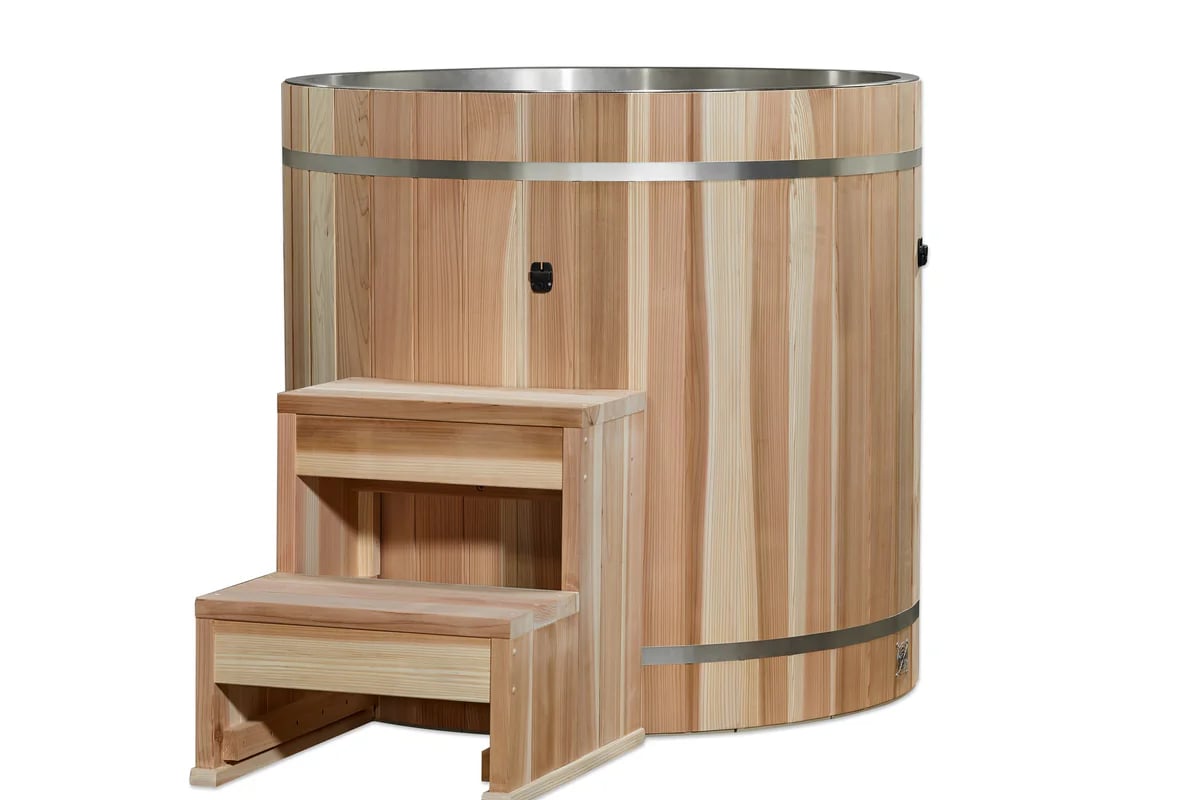
Contrast therapy, alternating between hot sauna sessions and cold water immersion, has gained popularity among elite athletes. This approach combines the circulation benefits of heat with the anti-inflammatory effects of cold exposure, though individual responses vary. For those looking to explore this method, cold plunge pools provide a convenient way to incorporate contrast therapy at home.
The Dynamic Cold Therapy Barrel offers a premium solution for athletes serious about contrast therapy protocols. Built from durable 304 stainless steel, it helps accelerate muscle recovery, reduce inflammation and soreness, and boost circulation when used in conjunction with sauna sessions for comprehensive recovery support.
Practical Considerations for Home Sauna Use
Implementing effective recovery protocols requires convenient access to sauna facilities. Many athletes find that outdoor saunas offer the perfect solution, combining therapeutic benefits with the relaxing ambiance of a backyard wellness space. Home units eliminate the time and cost barriers associated with gym or spa memberships while allowing for consistent recovery routines.
When selecting a sauna for recovery purposes, consider these factors:
- Size and capacity: Match dimensions to available space and number of users
- Heating system: Choose between traditional electric, wood-fired, or infrared based on preferences
- Construction materials: Premium woods like Canadian cedar or hemlock provide durability and aromatherapy benefits
- Energy efficiency: Infrared models typically cost less to operate than traditional units
- Installation requirements: Assess electrical needs and assembly complexity
Barrel saunas have become increasingly popular for athletes due to their efficient heat circulation and space-saving design. The cylindrical shape promotes optimal air flow, ensuring consistent temperature throughout the interior while using less energy than traditional square structures.
Maintenance and Safety Protocols
Proper sauna maintenance ensures longevity and hygiene while protecting your investment. Regular cleaning with mild, non-toxic solutions prevents bacteria buildup and maintains the natural wood properties. Adequate ventilation during and after use prevents moisture damage and mold growth, particularly important in humid climates.
Safety remains paramount when using sauna and muscle recovery protocols. Never use a sauna while under the influence of alcohol or medications that impair sweating or cardiovascular function. Pregnant women should consult healthcare providers before beginning sauna therapy. Always listen to your body and exit immediately if you experience dizziness, nausea, chest pain, or unusual discomfort.
Performance Enhancement Through Heat Adaptation
Beyond immediate recovery benefits, regular sauna use creates long-term adaptations that enhance athletic performance. This phenomenon, called heat acclimation, improves the body's ability to manage thermal stress during exercise, leading to measurable gains in endurance and power output.
Heat acclimation benefits include:
- Increased plasma volume improving oxygen delivery
- Enhanced sweat rate for better temperature regulation
- Improved lactate threshold allowing harder training
- Greater glycogen storage supporting endurance
- Reduced perceived exertion at given intensities
Evidence-based protocols for muscle recovery recommend 8-12 sauna sessions over 2-3 weeks to achieve meaningful heat acclimation effects. These adaptations persist for approximately two weeks after cessation of regular sauna use, making it an effective pre-competition strategy for endurance athletes.

Addressing Common Misconceptions
Several myths about sauna and muscle recovery persist despite growing scientific evidence. Understanding the facts helps athletes make informed decisions about incorporating heat therapy into their training regimens.
Myth: Sauna use immediately after exercise depletes the body and hinders recovery.
Reality: Post-workout sauna sessions actually enhance recovery by improving circulation and reducing muscle soreness when proper hydration is maintained.
Myth: More heat and longer sessions always produce better results.
Reality: Excessive heat exposure can increase stress hormones and impair recovery. Moderate sessions of 15-30 minutes at appropriate temperatures provide optimal benefits without overtaxing the body.
Myth: Sweating in a sauna detoxifies muscles of lactic acid.
Reality: Lactic acid clears from muscles within an hour after exercise regardless of sauna use. The recovery benefits stem from improved circulation, reduced inflammation, and hormonal responses rather than "detoxification."
Myth: Infrared saunas are just a wellness trend without real athletic benefits.
Reality: Research confirms that infrared technology provides legitimate therapeutic benefits for muscle recovery, with some advantages over traditional saunas for certain applications.
Tailoring Protocols to Training Phases
The optimal approach to sauna and muscle recovery varies depending on your current training phase and goals. Periodizing your sauna use alongside your training program maximizes benefits while preventing overtraining or excessive stress on recovery systems.
During high-volume training blocks, more frequent sauna sessions support the elevated recovery demands. Athletes might incorporate 4-5 sessions weekly, focusing on moderate temperatures and durations to enhance circulation without adding significant physiological stress. Considerations for effective protocols emphasize matching intensity to training load.
In contrast, during taper periods before competition, reducing sauna frequency to 2-3 sessions weekly allows for complete recovery while maintaining heat acclimation benefits. Some athletes eliminate sauna use entirely in the 3-5 days before major competitions to ensure peak freshness, while others maintain light sessions for mental relaxation without physical stress.
Recovery weeks benefit from longer, more relaxed sauna sessions at lower temperatures, promoting parasympathetic nervous system activation and deep restoration. This approach helps reset stress hormones and prepare the body for upcoming training intensities.
Integration with Nutrition and Hydration
The effectiveness of sauna and muscle recovery protocols depends heavily on proper nutritional support and hydration strategies. Heat exposure increases fluid loss through sweating, making hydration management critical for both safety and recovery optimization.
Pre-sauna hydration guidelines:
- Consume 16-20 ounces of water 30 minutes before entering
- Include electrolytes if the session follows intense training
- Avoid caffeine immediately before use as it promotes dehydration
- Ensure adequate sodium intake throughout the day
Post-sauna nutrition strategies:
- Rehydrate with 1.5 times the fluid lost through sweating
- Include protein within 30-60 minutes to support muscle synthesis
- Add carbohydrates to replenish glycogen stores
- Consider anti-inflammatory foods like tart cherry juice or omega-3s
Some athletes prefer bringing water into the sauna for sipping during longer sessions, though others find this uncomfortable at high temperatures. Monitoring urine color provides a simple assessment of hydration status, with pale yellow indicating adequate hydration necessary for optimal recovery processes.
Building a Sustainable Recovery Routine
Long-term success with sauna and muscle recovery requires developing sustainable habits that fit your lifestyle and training demands. Starting gradually prevents overwhelming your system while allowing time to learn your individual responses to heat therapy.
Begin with 2-3 sessions weekly at moderate temperatures (140-160°F for traditional, 120-130°F for infrared) for 10-15 minutes. Gradually increase session duration by 2-3 minutes weekly until reaching 20-30 minutes, provided you tolerate the progression well. Most athletes find their optimal frequency between 3-5 sessions weekly, though individual variation exists.
Track your subjective recovery markers in a training log, noting soreness levels, sleep quality, mood, and performance indicators alongside sauna use. This data helps identify patterns and optimize your protocol over time. Many athletes discover that consistent, moderate sauna use produces better results than sporadic, intense sessions.
Consider working with a coach or sports medicine professional to integrate sauna therapy with your broader training and recovery plan. Professional guidance helps prevent conflicts between different recovery modalities and ensures your overall approach supports your specific goals. Whether you're preparing for competition, rebuilding after injury, or maintaining general fitness, personalized protocols deliver superior results to generic recommendations.
Regular sauna use offers scientifically validated benefits for muscle recovery, athletic performance, and overall wellness when incorporated thoughtfully into your training routine. The combination of improved circulation, reduced inflammation, hormonal optimization, and heat acclimation creates powerful synergies that accelerate healing and enhance adaptation to training stress. For athletes and fitness enthusiasts ready to invest in their recovery, RecoSauna provides a comprehensive selection of premium saunas designed to meet diverse needs, from compact infrared models perfect for daily recovery sessions to spacious outdoor barrel and cabin saunas ideal for post-workout relaxation and social wellness experiences.
Share:
Sauna Relax: Your Complete Guide to Stress Relief
Outdoor Sauna: Benefits, Types & Buying Guide 2026