
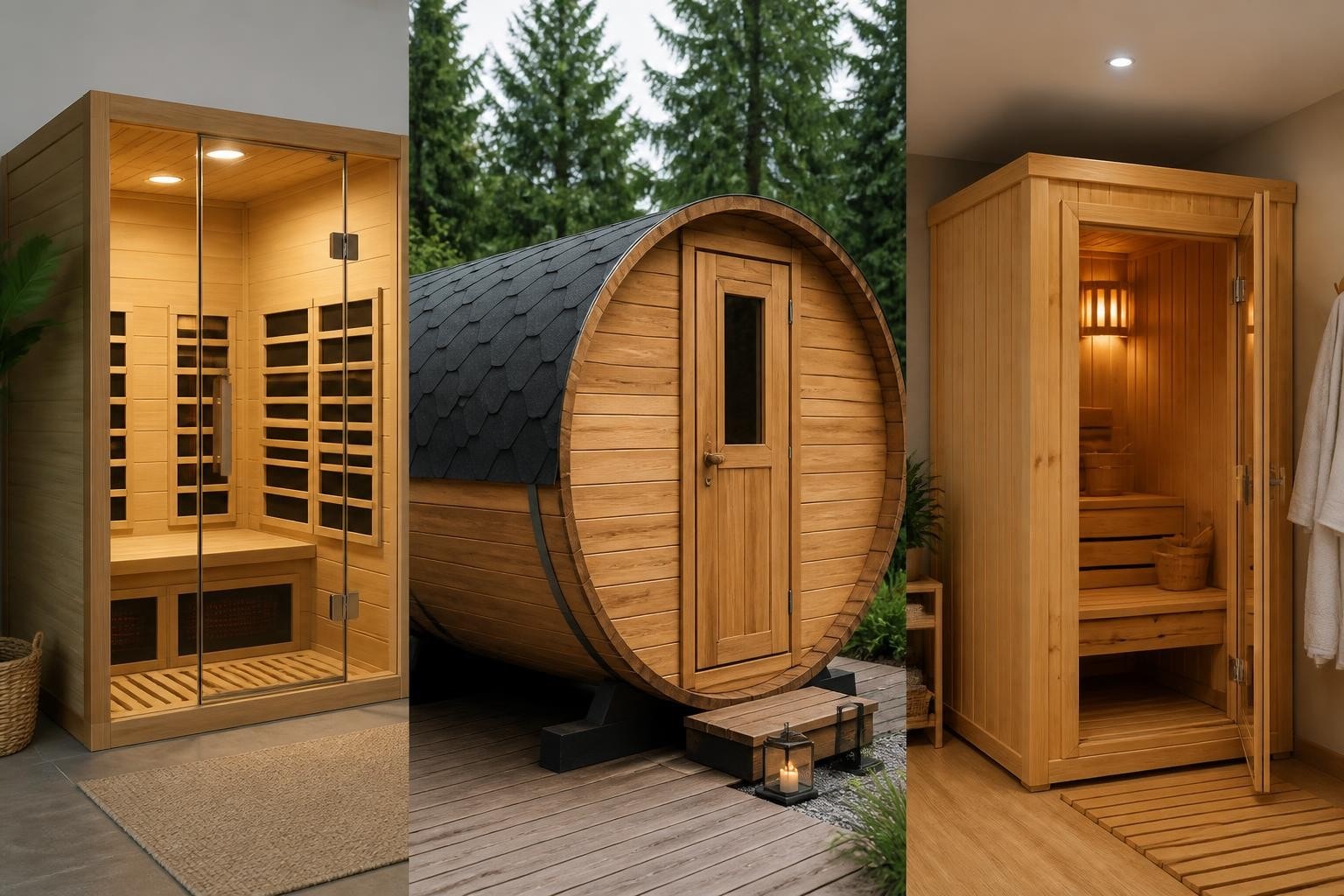
Investing in a home sauna represents a commitment to wellness, relaxation, and long-term health benefits. With the market offering everything from compact infrared units to luxurious outdoor barrel saunas, finding the best sauna for home use requires understanding your space, budget, heating preferences, and wellness goals. This guide explores the essential factors that will help you make an informed decision and transform your home into a personal wellness retreat.
Understanding Sauna Types for Home Use
Choosing the best sauna for home starts with understanding the fundamental differences between sauna types. Each category offers distinct benefits, installation requirements, and user experiences.
Traditional Finnish Saunas
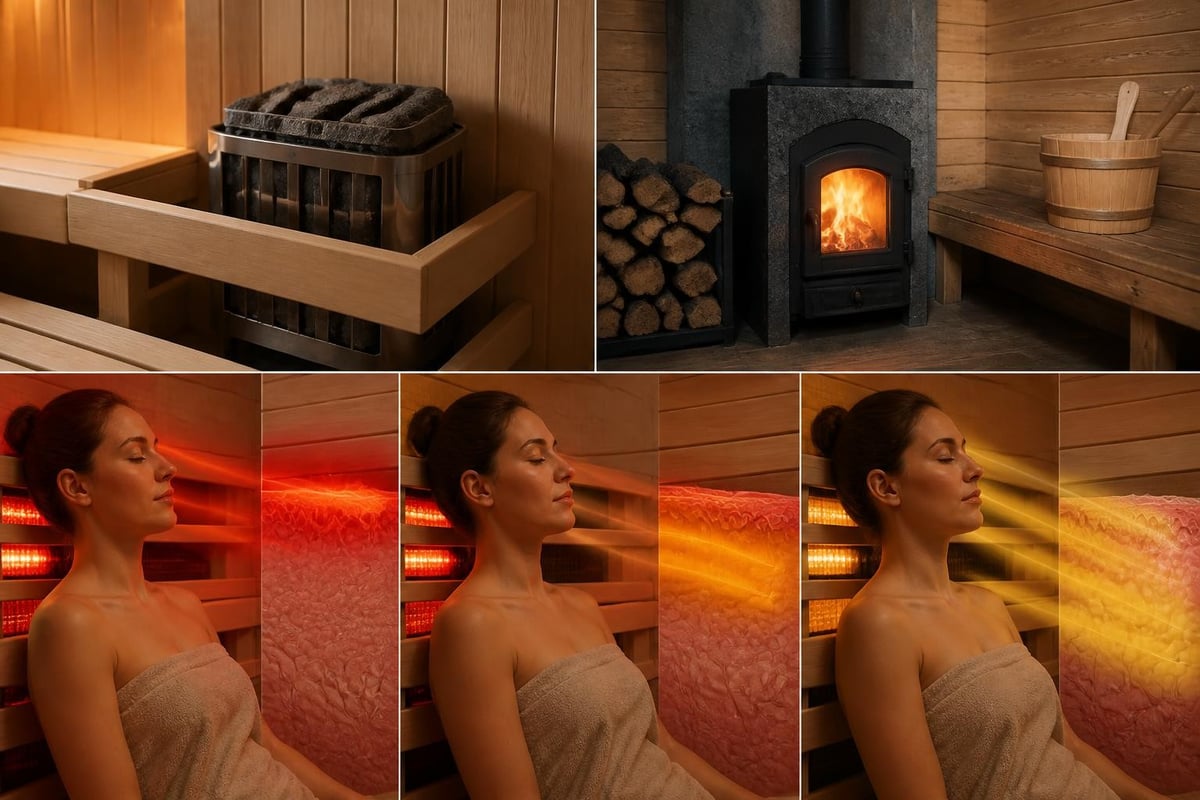
Traditional saunas use electric or wood-burning heaters to warm the air and create the classic sauna experience. These units typically operate between 150-195°F and allow users to pour water over heated rocks to generate steam, known as löyly. The high-temperature environment promotes intense sweating and cardiovascular benefits.
Key characteristics include:
- High heat with optional humidity control
- Wood-burning or electric heater options
- Requires dedicated electrical circuit (typically 220V)
- Authentic Finnish sauna experience
Traditional models work exceptionally well for outdoor installations, where proper ventilation occurs naturally. Forbes' analysis of home saunas highlights how traditional units remain popular among purists who value the ritualistic aspects of sauna bathing.
Infrared Saunas
Infrared technology represents a modern approach to heat therapy. Rather than heating the air, infrared panels emit wavelengths that penetrate the skin directly, warming the body from within at lower ambient temperatures (120-140°F). This makes them energy-efficient and easier to install in indoor spaces.
| Feature | Traditional Sauna | Infrared Sauna |
|---|---|---|
| Operating Temperature | 150-195°F | 120-140°F |
| Heat-Up Time | 30-45 minutes | 10-15 minutes |
| Power Requirements | 220V dedicated circuit | Standard 120V outlet |
| Installation Complexity | Moderate to high | Low |
| Operating Cost | Higher | Lower |
Infrared models excel for those seeking therapeutic benefits without extreme heat. Studies suggest infrared wavelengths may support detoxification, muscle recovery, and circulation improvements. These units typically fit seamlessly into bedrooms, basements, or spare rooms without extensive modifications.
Barrel Saunas
The distinctive cylindrical design of barrel saunas isn't merely aesthetic. The curved shape promotes superior heat circulation, eliminating cold spots and reducing energy consumption. Handcrafted from premium wood species like Eastern White Cedar, these outdoor units combine efficiency with visual appeal.
Barrel saunas offer several advantages:
- Natural heat circulation due to rounded shape
- Space-efficient footprint
- Weather-resistant construction
- Stunning focal point for outdoor spaces
- Quick heat-up times
These models particularly suit homeowners with backyard space who want an authentic outdoor wellness experience. The barrel design has proven itself over decades of use in Nordic countries.
Cabin Saunas
Cabin-style saunas provide the most spacious interior and versatile installation options. Available in both indoor and outdoor configurations, these traditional rectangular structures accommodate larger groups and can include changing rooms, porches, or observation windows.
For those evaluating capacity and design flexibility, cabin saunas deliver premium features with room for customization. Their conventional architecture integrates well with existing home aesthetics while providing superior headroom and bench configurations.
Critical Factors When Selecting the Best Sauna for Home
Beyond sauna type, several practical considerations determine which model suits your specific situation.
Space and Location Requirements
Indoor installation considerations:
- Ceiling height (minimum 6.5-7 feet)
- Proximity to electrical service
- Flooring that tolerates heat and moisture
- Adequate ventilation pathways
- Door clearance and entry access
Outdoor installation considerations:
- Level foundation or concrete pad
- Distance from property lines and structures
- Access to power source
- Drainage for rain and snow melt
- HOA regulations and permits
The comprehensive buying guide from Sauna Guide emphasizes measuring your available space precisely before selecting a model. Allow additional clearance around the unit for maintenance access and air circulation.
Heating System Selection
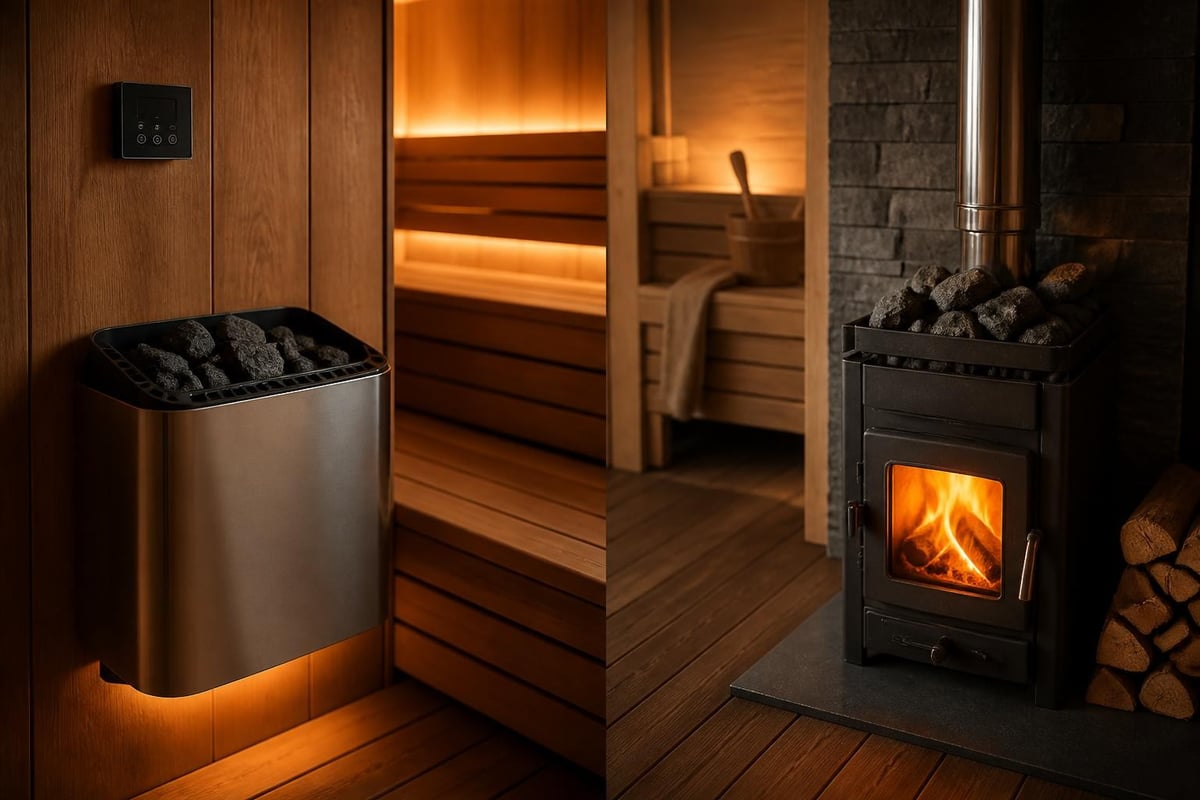
Your heating system choice affects operating costs, installation complexity, and the overall sauna experience. Electric heaters dominate the residential market due to convenience and consistent performance.
Electric heater benefits:
- Precise temperature control
- No fuel storage requirements
- Lower maintenance demands
- Quick heat-up cycles
- Available in various wattages
Wood-burning heaters appeal to traditionalists and those in rural settings. The crackling fire and wood aroma create an immersive experience, though they require chimney installation, regular cleaning, and a wood supply.
Material and Construction Quality
Premium saunas utilize sustainably harvested woods chosen for durability, aromatic properties, and heat resistance. Common species include:
| Wood Type | Characteristics | Best For |
|---|---|---|
| Eastern White Cedar | Lightweight, naturally rot-resistant, pleasant aroma | Outdoor barrel and cabin saunas |
| Canadian Hemlock | Tight grain, minimal shrinkage, budget-friendly | Indoor infrared saunas |
| Red Cedar | Rich color, natural preservatives, aromatic | Premium traditional saunas |
| Nordic Spruce | Traditional choice, excellent heat retention | Authentic Finnish-style units |
Construction quality extends beyond wood selection. Look for tongue-and-groove assembly, reinforced corners, tempered glass doors, and stainless steel hardware. Premium sauna features significantly impact longevity and user satisfaction.
Size and Capacity Planning
Sauna dimensions directly correlate with the number of users, heating requirements, and energy consumption. Don't simply choose the largest model your space accommodates. Oversized saunas waste energy and take longer to heat.
Standard capacity guidelines:
- 1-2 person: 3' x 4' to 4' x 5' interior
- 2-4 person: 4' x 6' to 5' x 7' interior
- 4-6 person: 6' x 6' to 6' x 8' interior
- 6+ person: 7' x 8' and larger
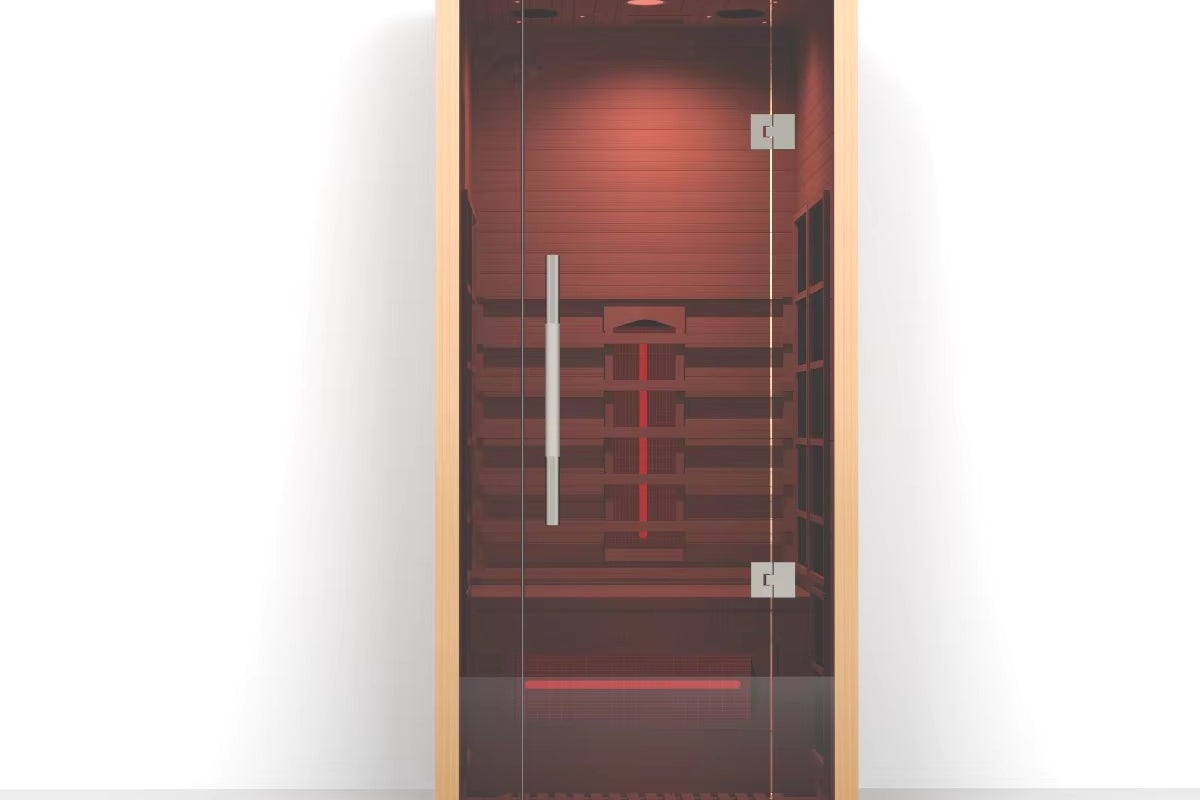
Consider whether you'll primarily use the sauna solo or entertain guests regularly. Smaller units heat faster, cost less to operate, and often fit challenging spaces. For those exploring compact options, models like the Lumin Infrared Sauna One deliver therapeutic benefits in a space-efficient footprint perfect for daily personal wellness routines.
Installation and Assembly Considerations
Understanding installation requirements prevents costly surprises and ensures code compliance. The best sauna for home is one you can actually install within your budget and timeline.
Electrical Requirements
Most residential saunas require dedicated electrical circuits. Infrared models typically operate on standard 120V household current, while traditional electric saunas need 220-240V circuits with appropriate amperage ratings (30-60 amps depending on heater size).
Before purchasing, verify:
- Available electrical service capacity
- Distance to main panel
- Cost of running new circuits
- Licensed electrician requirements in your area
- Permit and inspection needs
Some jurisdictions mandate professional installation and inspection before operation. Budget $500-2,000 for electrical work depending on complexity.
Assembly Complexity and Timeline
Pre-fabricated sauna kits range from simple plug-and-play infrared units to complex outdoor structures requiring multiple people and several days of assembly.
- Entry-level infrared saunas: 1-2 hours, one person, basic tools
- Mid-range indoor units: 3-6 hours, two people, standard tools
- Barrel saunas: 6-12 hours, two people, moderate skill level
- Cabin saunas: 1-3 days, two-three people, construction experience helpful
According to detailed installation guidance, reviewing assembly instructions before purchase helps assess whether you'll need professional help. Many manufacturers offer installation services or can recommend qualified contractors.
Foundation and Support Structures
Outdoor saunas require stable, level foundations. Options include concrete slabs, compacted gravel beds, or manufactured foundation systems. The base must support the sauna's weight (often 500-1,500+ pounds when occupied) and withstand seasonal ground movement.
Indoor installations need floor load calculations, especially for upper-floor placements. Reinforcement may be necessary for heavier traditional units with stone heaters.
Features and Amenities Worth Considering
Modern saunas offer extensive customization options beyond basic heat therapy. These enhancements affect comfort, convenience, and overall value.
Control Systems and Technology
Digital controls provide precise temperature management and timer functions. Advanced systems include:
- Smartphone app integration
- Remote start capabilities
- Custom heating programs
- Usage tracking and statistics
- Automatic shut-off safety features
While technology adds convenience, simpler analog controls prove more reliable and easier to repair. Consider whether advanced features justify additional cost and potential complexity.
Lighting and Chromotherapy
Proper lighting transforms the sauna experience. LED systems consume minimal energy while providing adjustable ambiance. Chromotherapy (color light therapy) incorporates colored lights believed to promote various wellness benefits.
Common lighting options:
- Recessed ceiling fixtures
- Corner accent lights
- Backlit panels
- Floor-level safety lighting
- Full-spectrum chromotherapy systems
Dimmable controls allow users to create their preferred atmosphere, from bright and energizing to soft and meditative.
Audio and Entertainment
Many sauna enthusiasts enjoy music, podcasts, or meditation audio during sessions. Bluetooth-enabled speaker systems designed for high-temperature environments offer convenient entertainment without compromising the minimalist aesthetic.
For those serious about creating a complete hot infrared sauna sanctuary, integrated audio enhances the therapeutic experience significantly.
Budget and Long-Term Value Assessment
Determining the best sauna for home requires balancing upfront investment with operating costs and longevity expectations.
Price Ranges and What to Expect
| Price Range | Typical Features | Best For |
|---|---|---|
| $1,000-$2,500 | Basic 1-2 person infrared, minimal features | Budget-conscious buyers, apartments |
| $2,500-$5,000 | Quality infrared or small traditional, good construction | Most homeowners, regular use |
| $5,000-$10,000 | Premium materials, outdoor options, enhanced features | Serious wellness enthusiasts |
| $10,000-$20,000+ | Custom builds, large capacity, luxury amenities | High-end installations, commercial quality |
Budget-friendly options under $2,000 exist, though they often compromise on materials, capacity, or longevity. The sweet spot for quality and value typically falls in the $3,000-$7,000 range for residential use.
Operating Costs
Monthly energy consumption varies dramatically based on sauna type, size, insulation quality, and usage frequency.
Estimated monthly costs (based on 4-5 sessions weekly):
- Compact infrared (1-2 person): $10-$20
- Mid-size infrared (2-4 person): $20-$35
- Small traditional electric: $30-$50
- Large traditional electric: $50-$80+
Infrared models' lower operating temperatures and faster heat-up times translate to reduced energy consumption. Traditional saunas cost more to run but deliver the authentic high-heat experience many users prefer.
Maintenance and Lifespan
Quality saunas properly maintained last 15-30+ years. Regular upkeep includes:
- Wiping benches after each use
- Periodic deep cleaning with appropriate products
- Inspecting heater elements and stones
- Checking door seals and hinges
- Resealing outdoor wood every 2-3 years
- Replacing worn components promptly
Premium materials require less frequent intervention. Cedar and other naturally rot-resistant woods maintain appearance and integrity with minimal treatment, while lower-grade materials may need more frequent attention.
Top Brands and Model Recommendations
The sauna market features numerous manufacturers, but certain brands consistently deliver superior quality, customer support, and value. According to industry rankings of the best home sauna brands, Canadian manufacturers lead in craftsmanship and sustainable sourcing.
What Defines a Premium Brand
Key indicators of manufacturer quality:
- Sustainable wood sourcing with certifications
- Comprehensive warranties (5+ years structural, 1-3 years components)
- Responsive customer service and support
- Detailed assembly instructions and resources
- Readily available replacement parts
- Positive third-party reviews and testimonials
Established brands invest in research, quality control, and customer satisfaction. While lesser-known manufacturers may offer lower prices, the risk of poor construction, inadequate support, or premature failure often outweighs initial savings.
Canadian Timber Excellence
Canadian-manufactured saunas benefit from access to premium wood species, skilled craftsmanship traditions, and strict quality standards. Eastern White Cedar from Canadian forests offers exceptional durability, natural aromatics, and resistance to moisture damage.
Models handcrafted from these materials provide confidence in long-term performance, particularly for outdoor installations exposed to weather extremes. The combination of superior materials and proven construction techniques results in saunas that maintain their beauty and function for decades.
For commercial hospitality environments seeking similar quality standards, specialized suppliers like Hantermann understand the importance of durable, well-crafted wellness amenities that withstand intensive use while maintaining aesthetic appeal.
Making Your Final Decision
After researching options and understanding key factors, the selection process becomes more straightforward. The best sauna for home is ultimately the one that aligns with your specific circumstances, preferences, and wellness objectives.
Creating Your Decision Matrix
Prioritize these elements based on personal importance:
- Budget constraints (initial and ongoing)
- Available installation space
- Primary users (solo vs. family/social)
- Heat preference (traditional vs. infrared)
- Indoor vs. outdoor preference
- Aesthetic integration with home
- Assembly complexity tolerance
- Desired features and technology
- Energy efficiency priorities
- Brand reputation and warranty
Assign weights to each factor, then score potential models against your criteria. This systematic approach removes emotional decision-making and highlights the option that truly best serves your needs.
Questions to Ask Before Purchasing
Essential pre-purchase inquiries:
- What exactly is included in the base price?
- Are heaters, rocks, and controls part of the package?
- What electrical work will be required?
- Does the warranty cover all components?
- How is customer support accessed?
- Are replacement parts readily available?
- What is the expected delivery timeline?
- Is professional installation available?
- Are there financing options?
- What is the return or exchange policy?
Reputable dealers provide transparent answers and detailed specifications. Hesitation or vague responses signal potential issues. Resources like the decision guide for choosing the right home sauna help frame these critical questions.
Testing Before Buying
Whenever possible, experience different sauna types before committing to a purchase. Many specialty dealers maintain showrooms with operating display models. Gyms, spas, and wellness centers often feature various sauna styles.
What to evaluate during testing:
- Comfort of bench design and height
- Temperature distribution and consistency
- Ease of control operation
- Overall ambiance and aesthetics
- Sound levels from heaters and ventilation
- Entry/exit convenience
Personal experience reveals preferences that specifications alone cannot communicate. The difference between infrared and traditional heat, for instance, is dramatic and highly individual.
Seasonal Considerations and Outdoor Sauna Benefits
For those with suitable outdoor space, the advantages of exterior installations extend beyond freeing interior square footage. Outdoor saunas, particularly Finnish country sauna designs, offer unique benefits throughout the year.
Year-Round Wellness Opportunities
Seasonal sauna advantages:
- Winter: Contrast therapy with snow, cold-weather immune support, combating seasonal affective disorder
- Spring: Seasonal detoxification, allergy symptom relief through steam
- Summer: Evening relaxation, mosquito-free outdoor time
- Fall: Muscle recovery after yard work, transitional season comfort
The cold plunge tradition pairs exceptionally with outdoor saunas. Alternating between intense heat and cold immersion maximizes circulation, inflammation reduction, and mental clarity benefits. Modern outdoor sauna and cold plunge combinations create complete home wellness centers.
Weather Resistance and Durability
Quality outdoor saunas withstand extreme temperature swings, precipitation, UV exposure, and humidity fluctuations. Proper construction includes:
- Weather-resistant wood species
- Sealed joints and overlapping panels
- Angled roof for water runoff
- Elevated floor platforms
- Protected door and window seals
- Ventilation that prevents moisture accumulation
Annual maintenance typically involves cleaning, inspecting seals, and applying protective wood treatments. This minimal upkeep preserves appearance and function across decades of use.
Safety Features and Best Practices
Operating any heat-generating appliance requires understanding safety protocols. Modern saunas incorporate numerous protective features, but user awareness remains essential.
Built-In Safety Systems
Standard safety features include:
- Automatic shut-off timers
- Temperature limit controls
- Ground fault circuit interrupters (GFCI)
- Heater guards and protective cages
- Tempered glass on doors and windows
- Proper ventilation systems
- Fire-resistant materials and construction
Never modify or bypass safety features. These systems protect against overheating, electrical faults, and fire hazards.
Safe Usage Guidelines
Responsible sauna use maximizes benefits while minimizing risks:
- Stay hydrated before, during, and after sessions
- Limit sessions to 15-20 minutes initially
- Cool down gradually rather than shocking the system
- Avoid alcohol consumption before or during use
- Consult physicians if you have cardiovascular conditions
- Never use saunas while impaired
- Supervise children closely and limit their exposure
- Keep emergency contact information accessible
Understanding your body's response and respecting personal limits ensures safe, beneficial experiences. The comprehensive buying guide from Sauna and Steam Center emphasizes safety as a primary selection criterion.
Finding the best sauna for home involves balancing type, size, features, budget, and installation requirements to match your specific wellness goals and living situation. Whether you choose a compact infrared unit for convenient daily sessions or a premium outdoor barrel sauna for entertaining and family wellness, the investment pays dividends in improved health, stress reduction, and lifestyle enhancement. RecoSauna offers expertly curated selections of infrared, barrel, cabin, and traditional saunas from North America's leading manufacturers, with Canadian Timber models that deliver exceptional quality and longevity. Explore their comprehensive range to discover the perfect sauna that transforms your home into a personal wellness sanctuary.
Share:
Infrared Sauna and Detoxification: Science & Benefits
Sauna and Hot Tub: Health Benefits & Best Practices