
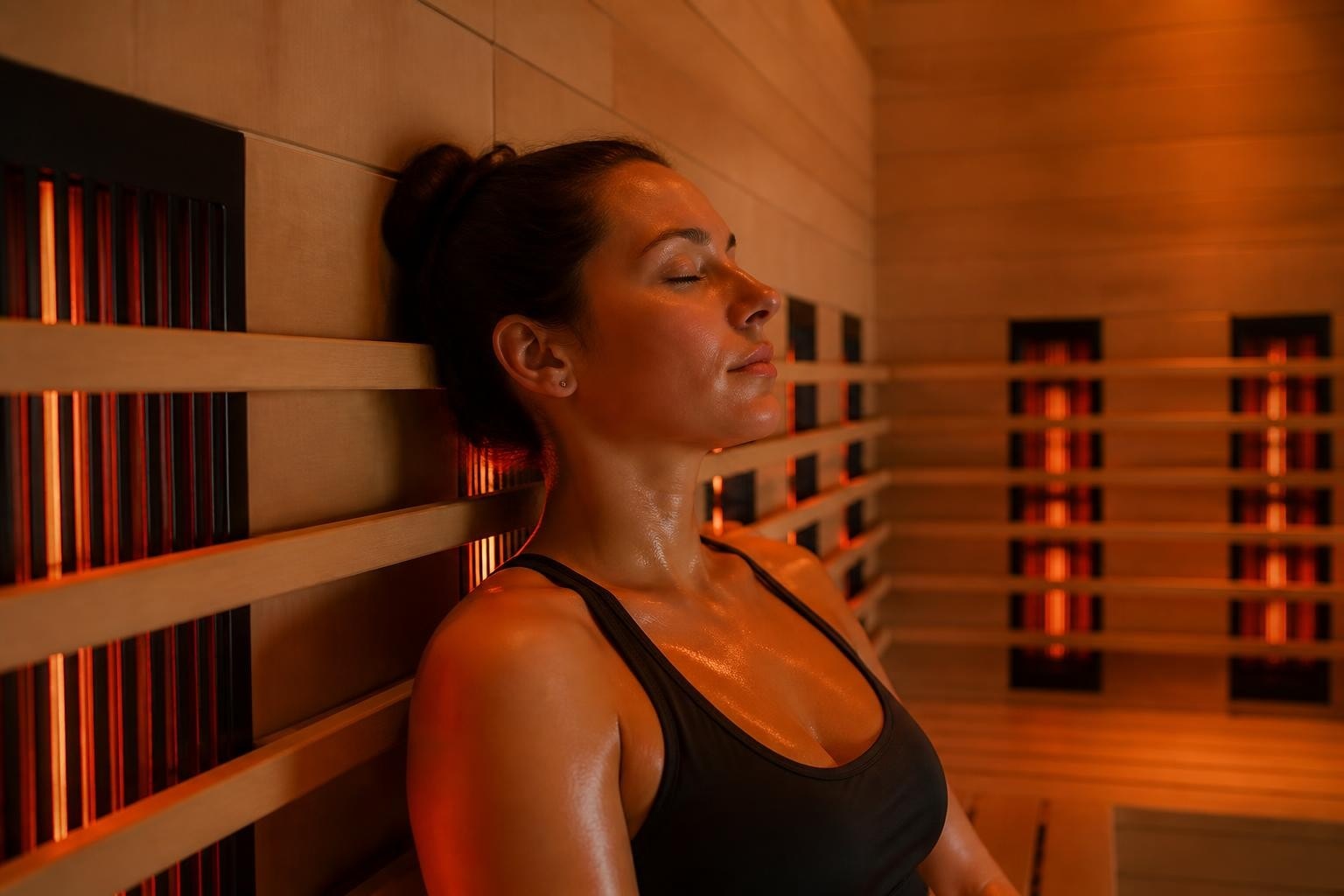
The hot infrared sauna has revolutionized home wellness by delivering therapeutic heat directly into body tissue without requiring the extreme ambient temperatures of traditional steam saunas. Unlike conventional models that heat the air around you, infrared technology uses electromagnetic radiation to warm your body from within, creating a deeply penetrating experience at lower, more comfortable temperatures. This fundamental difference makes infrared saunas accessible to more people and allows for longer, more comfortable sessions that support relaxation, muscle recovery, and overall health. As wellness-conscious homeowners increasingly seek convenient recovery tools, understanding what makes a hot infrared sauna unique becomes essential for making informed purchasing decisions.
Understanding Hot Infrared Sauna Technology
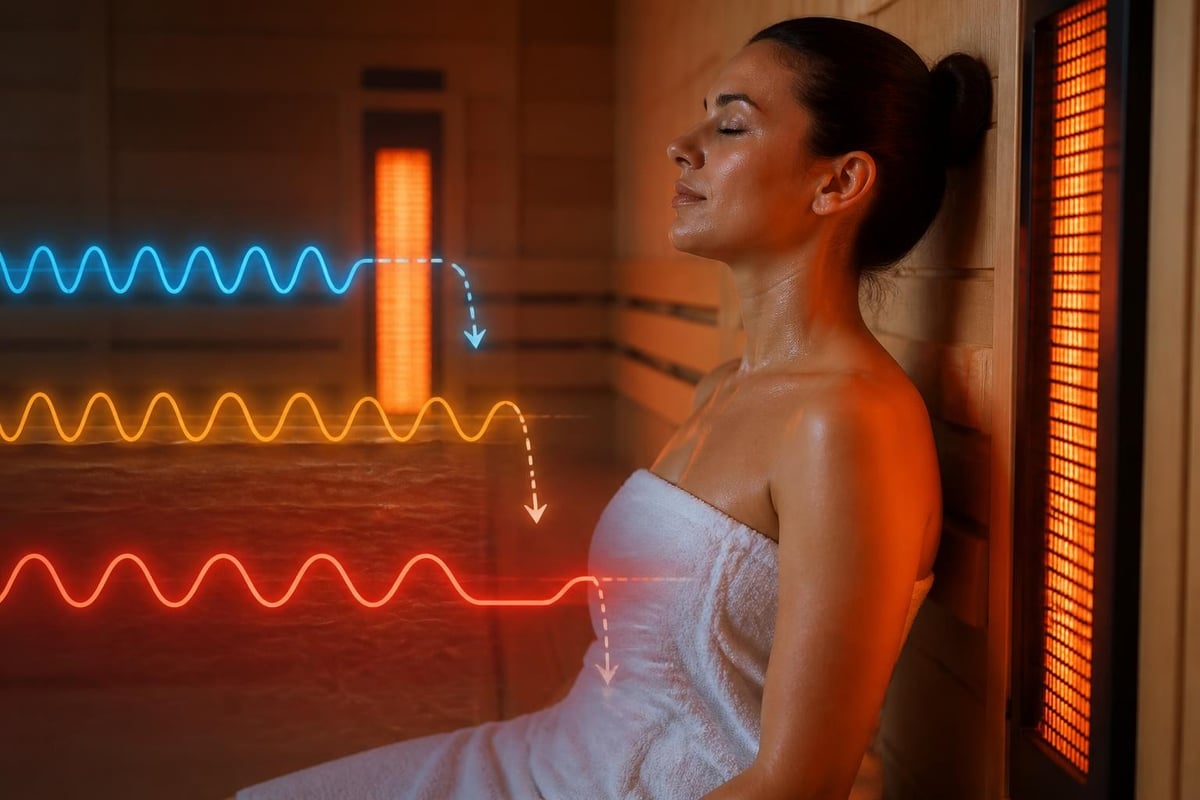
Infrared saunas operate on wavelengths of light that fall just outside the visible spectrum. When you sit in a hot infrared sauna, ceramic, carbon, or full-spectrum heaters emit infrared waves that penetrate approximately 1.5 to 2 inches into your skin and muscle tissue. This direct absorption causes your core body temperature to rise while the surrounding air remains significantly cooler than traditional saunas-typically between 120°F and 140°F compared to 180°F to 200°F in steam-based models.
Three Types of Infrared Wavelengths
The effectiveness of your hot infrared sauna experience depends largely on which wavelength types the unit employs:
- Near-infrared penetrates the epidermis and supports skin renewal, wound healing, and cellular health
- Mid-infrared reaches deeper into soft tissue, promoting improved circulation and temporary pain relief
- Far-infrared penetrates deepest, raising core body temperature to trigger cardiovascular responses and sweating
Full-spectrum models incorporate all three wavelengths, offering the most comprehensive therapeutic benefits. The Cleveland Clinic outlines six health benefits of infrared saunas, emphasizing cardiovascular improvements and enhanced recovery mechanisms that distinguish infrared heat from conventional steam.
Key Health Benefits of Regular Use
A hot infrared sauna delivers measurable physiological changes that extend beyond simple relaxation. The deep tissue heating stimulates responses throughout multiple body systems, creating both immediate comfort and long-term wellness advantages.
Cardiovascular and Circulatory Enhancement
During a typical session, your heart rate increases by 50 to 75 beats per minute, mimicking the cardiovascular effect of moderate exercise. Blood vessels dilate, improving circulation to extremities and vital organs. This enhanced blood flow delivers oxygen and nutrients more efficiently while supporting the removal of metabolic waste products.
| Benefit Category | Physiological Response | Typical Timeline |
|---|---|---|
| Heart Rate | Increases 30-50% | Within 10-15 minutes |
| Blood Flow | Improves peripheral circulation | 15-20 minutes |
| Core Temperature | Rises 1-3 degrees F | 20-30 minutes |
| Sweat Production | Activates detoxification | 10-40 minutes |
Studies referenced in Healthline's exploration of infrared sauna benefits suggest regular sessions may support healthy blood pressure levels and improve arterial flexibility over time, though more research continues to validate these long-term effects.
Muscle Recovery and Pain Management
Athletes and fitness enthusiasts increasingly incorporate hot infrared sauna sessions into their recovery protocols. The deep heat penetration helps relax tight muscles, reduce inflammation markers, and accelerate the repair of micro-tears caused by intense training. Many users report temporary relief from chronic pain conditions, including arthritis, fibromyalgia, and lower back discomfort.
The mechanism works through increased circulation bringing healing nutrients to damaged tissue while the heat itself helps muscles release tension. For those combining outdoor sauna and cold plunge therapies, the contrast between hot infrared heat and cold water immersion amplifies anti-inflammatory responses and promotes faster adaptation.
Detoxification Through Enhanced Sweating
While claims about toxin removal through sweat require careful interpretation, a hot infrared sauna does produce profuse sweating at lower temperatures than traditional models. Your body releases water, sodium, and trace amounts of various substances through this process. The increased metabolic activity and improved kidney function associated with regular use may support your body's natural detoxification systems more effectively than sweating alone.
Safety Considerations and Contraindications
Despite the numerous benefits, not everyone should use a hot infrared sauna without medical consultation. Understanding potential risks ensures safe, effective sessions that enhance rather than compromise your health.
Who Should Exercise Caution
Certain populations face elevated risks when using any heat therapy device. SaunaCloud's comprehensive safety guide identifies both absolute and relative contraindications that warrant careful consideration:
Absolute contraindications where sauna use should be avoided entirely:
- Pregnancy in all trimesters
- Active infections with fever
- Unstable angina or recent heart attack
- Severe aortic stenosis
Relative contraindications requiring medical clearance:
- Controlled cardiovascular conditions
- Medications affecting heart rate or blood pressure
- Implanted medical devices like pacemakers
- Recent surgical procedures
Managing Common Side Effects
Even healthy individuals may experience temporary discomfort in a hot infrared sauna. Healthline examines infrared sauna dangers including heat discomfort, dehydration, and light-headedness. These risks increase when sessions run too long or temperatures climb too high for your tolerance level.

To minimize adverse effects, start with shorter sessions (10-15 minutes) at lower temperatures (110-120°F), gradually building tolerance over several weeks. Drink 8-16 ounces of water before entering and replenish fluids immediately afterward. Exit promptly if you feel dizzy, nauseated, or excessively uncomfortable.
Choosing the Right Hot Infrared Sauna Model
The residential infrared sauna market offers extensive variety across size, heating technology, materials, and price points. Identifying your specific needs streamlines the selection process and ensures long-term satisfaction with your investment.
Size and Capacity Planning
Infrared saunas range from compact one-person units suitable for apartments to spacious four-person models ideal for families. Consider both your available space and intended use patterns. Single users prioritizing daily sessions might prefer the space efficiency and faster heating of a smaller unit, while couples and families benefit from the flexibility of larger designs.
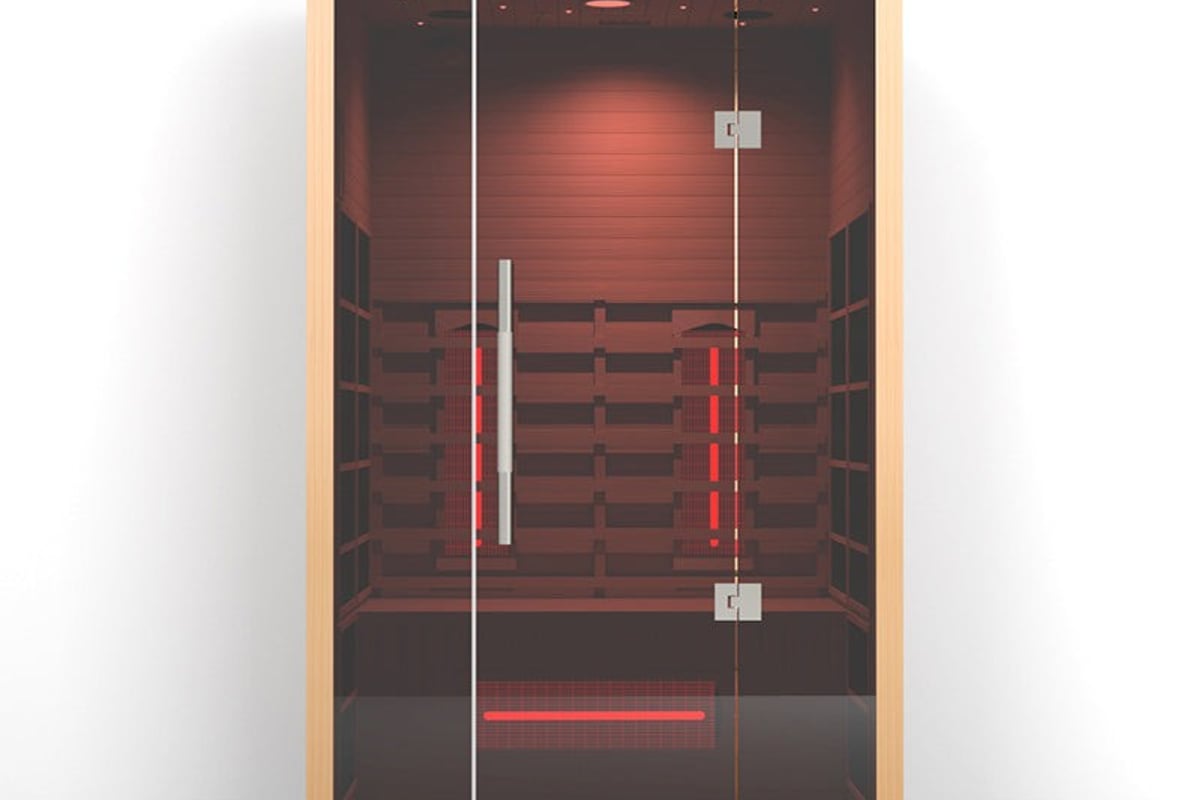
A hot infrared sauna for couples like the Lumin Infrared Sauna Two from Orivon Wellness exemplifies thoughtful design for two-person use. Constructed from Canadian Hemlock wood with modern touch controls and a ventilation window, this model delivers therapeutic far-infrared heat in a compact footprint. Its plug-compatible setup eliminates complex electrical work, making it accessible for most homes seeking convenient wellness solutions. The tempered glass door and refined interior create an inviting environment for regular relaxation and recovery sessions.
Heater Technology Comparison
The quality and type of heating elements directly impact your experience and the unit's longevity:
| Heater Type | Heat Distribution | Efficiency | Typical Lifespan |
|---|---|---|---|
| Ceramic | Concentrated zones | Moderate | 5,000-10,000 hours |
| Carbon | Even, gentle waves | High | 10,000-15,000 hours |
| Full-Spectrum | Complete wavelength range | Highest | 10,000+ hours |
Full-spectrum heaters incorporating near, mid, and far infrared provide the most comprehensive therapeutic benefits but command premium prices. Carbon panel systems offer excellent value with superior heat distribution compared to older ceramic models. When evaluating options at RecoSauna, examine heater specifications closely as they fundamentally determine session quality.
Construction Materials and Durability
Premium hot infrared sauna construction utilizes sustainable, aromatic woods that enhance the experience while withstanding repeated heating cycles:
- Canadian Hemlock offers light color, minimal odor, and excellent insulating properties
- Red Cedar provides natural antimicrobial benefits and distinctive fragrance
- Basswood delivers hypoallergenic qualities for sensitive users
Quality construction includes tongue-and-groove panels, reinforced corners, and thermal-efficient glass doors. Inferior materials warp over time, create gaps that reduce heating efficiency, and require premature replacement. Investing in solid construction from reputable manufacturers ensures decades of reliable performance.
Installation and Maintenance Requirements
One significant advantage of a hot infrared sauna over traditional models lies in simplified installation and minimal ongoing maintenance. Most residential units require only standard 120V or 240V electrical service without complex ventilation systems or water connections.
Electrical and Space Preparation
Before purchasing, verify your home's electrical capacity matches the unit's requirements. Smaller one- to two-person models typically operate on standard 120V household circuits, while larger three- to four-person designs may require dedicated 240V circuits similar to electric dryers. Consult a licensed electrician if upgrading service or adding circuits.
Space preparation involves selecting a location with:
- Level flooring capable of supporting 300-800 pounds depending on model size
- Adequate clearance around all sides for air circulation (typically 6-12 inches)
- Protection from direct sunlight that could overheat control panels
- Proximity to electrical service without extensive wiring runs
Indoor installations work well in spare bedrooms, finished basements, or dedicated wellness rooms. For those considering outdoor sauna home placement, traditional barrel and cabin designs better withstand weather exposure than most infrared models.
Cleaning and Long-Term Care
Maintaining a hot infrared sauna requires minimal effort compared to traditional steam units. Regular care focuses on:
- Wipe interior surfaces with a damp cloth after each session to remove salt and sweat residue
- Vacuum floor and benches weekly to eliminate dust and debris
- Clean tempered glass monthly using non-abrasive cleaners designed for sauna environments
- Inspect heaters quarterly for dust accumulation and clean according to manufacturer specifications
- Check electrical connections annually to ensure safety and performance
Avoid harsh chemicals, excessive water, or abrasive materials that damage wood finishes or heating elements. Most manufacturers recommend placing a towel on benches during sessions to minimize direct contact between skin and wood, extending the interior's pristine appearance.
Optimizing Your Hot Infrared Sauna Sessions
Maximizing therapeutic benefits requires more than simply turning on your unit and sitting inside. Strategic timing, temperature management, and complementary practices enhance results while preventing the plateaus that diminish long-term commitment.
Session Timing and Frequency
Research suggests optimal benefits accumulate with regular use rather than occasional extended sessions. A 20-30 minute session three to five times weekly typically delivers better results than sporadic 45-60 minute marathons. Your body adapts to consistent thermal stress, improving heat tolerance and amplifying cardiovascular responses over time.
Beginner protocol (Weeks 1-4):
- 10-15 minutes per session
- 110-120°F temperature
- 2-3 sessions weekly
- Focus on comfort and hydration
Intermediate protocol (Weeks 5-12):
- 20-30 minutes per session
- 120-130°F temperature
- 3-4 sessions weekly
- Add mindfulness or breathing exercises
Advanced protocol (Week 13+):
- 30-40 minutes per session
- 130-140°F temperature
- 4-5 sessions weekly
- Integrate with fitness recovery schedule
Time your sessions strategically around daily activities. Many users prefer morning sessions to energize their day, while others find evening use promotes deeper sleep. Athletes often schedule sessions within 2-4 hours post-workout when inflammation peaks and recovery mechanisms activate most aggressively.
Enhancing the Experience
Transform your hot infrared sauna from functional wellness tool to restorative sanctuary through thoughtful additions:
- Chromotherapy lighting uses color wavelengths to influence mood and energy levels
- Aromatherapy with heat-safe essential oils promotes additional relaxation benefits
- Audio systems enable meditation guidance, music, or educational podcasts
- Reading materials suited to humid environments provide mental engagement
Luxury wellness experiences extend beyond the sauna itself. Facilities like Seesaw's Lodge demonstrate how premium accommodations integrate sauna access with comprehensive relaxation environments. While few homes replicate full resort amenities, creating a dedicated wellness space with proper lighting, comfortable seating for pre- and post-session relaxation, and quality towels elevates the entire routine.
Comparing Infrared to Alternative Heat Therapies
As home wellness technologies proliferate, understanding how a hot infrared sauna compares to alternatives helps validate your investment decision. Each modality offers distinct advantages depending on goals, preferences, and physical limitations.
Traditional Steam Saunas
Conventional saunas heat air to 180-200°F using wood-burning or electric stoves, creating intense ambient temperatures that some users find uncomfortable. The high heat triggers profuse sweating and cardiovascular responses similar to infrared models but requires greater heat tolerance and shorter session durations. Traditional saunas excel for those seeking authentic cultural experiences or preferring intense, brief exposures.
Infrared Sauna Blankets
Portable infrared blankets offer convenience and lower cost compared to full cabin units. Medical News Today evaluates infrared sauna blankets, noting they provide localized heat therapy suitable for apartments or travel. However, blankets limit movement, create claustrophobic sensations for some users, and restrict the social aspects of larger saunas. They serve well as entry-level options before committing to permanent installations.
Hot Tubs and Hydrotherapy
Recent research highlighted in Tom's Guide's comparison of saunas and hot tubs suggests hot water immersion may raise core body temperature more effectively than dry heat. The buoyancy and hydrostatic pressure of water provide unique benefits for joint health and muscle relaxation. However, hot tubs require significantly more maintenance, water treatment, and space than a hot infrared sauna, making them less practical for daily use.
For comprehensive recovery protocols, many wellness enthusiasts combine multiple modalities. The infrared heat excels for daily sessions and deep tissue warming, while occasional hydrotherapy or traditional sauna visits provide variety and complementary benefits.
Integration with Holistic Wellness Routines
A hot infrared sauna functions most effectively as one component within a broader health optimization strategy. Its benefits compound when combined with complementary practices that address nutrition, movement, stress management, and recovery.
Pre-Sauna Preparation
What you do before entering significantly impacts session quality and outcomes. Hydration stands paramount-begin increasing water intake 2-3 hours before your session to ensure adequate fluid reserves for sweating. Light meals or snacks 60-90 minutes prior prevent nausea while providing energy, though avoid heavy foods that divert blood flow to digestion.
Gentle movement prepares your body for heat exposure. A 5-10 minute walk, light stretching routine, or dynamic mobility sequence raises baseline body temperature slightly and helps muscles relax faster once inside. This preparation proves especially valuable for users incorporating sauna sessions into athletic recovery schedules.
Post-Sauna Recovery Protocols
The 30-60 minutes following your hot infrared sauna session represent critical windows for amplifying benefits. Your body remains in heightened metabolic state with dilated blood vessels and elevated core temperature. Strategic interventions during this period enhance adaptations:
Immediate actions (0-10 minutes after):
- Drink 16-24 ounces of water with electrolytes
- Cool down gradually in ambient temperature environment
- Perform light stretching while muscles remain pliable
Extended recovery (10-60 minutes after):
- Consume protein and nutrient-dense foods to support repair
- Practice breathwork or meditation while maintaining relaxed state
- Apply topical recovery products to clean, receptive skin
Modern skincare approaches recognize post-sauna timing as optimal for product absorption. Brands like Routine. Beauty emphasize system-led approaches where each product serves defined roles-their precision formulas and maintenance systems align perfectly with the clean, open-pore state following infrared sessions, maximizing ingredient efficacy.
Cost Analysis and Investment Considerations
Purchasing a hot infrared sauna represents a significant financial commitment that warrants careful analysis beyond initial purchase price. Evaluating total ownership costs, expected lifespan, and value relative to alternatives clarifies whether this investment aligns with your wellness budget.
Initial Investment Breakdown
Residential infrared saunas span price ranges from approximately $1,500 for basic one-person units to $8,000+ for premium four-person models with full-spectrum heaters and luxury features. Mid-range two-person models with solid construction and carbon heaters typically cost $2,500-$4,500, representing the sweet spot for quality and value.
| Price Tier | Typical Features | Expected Quality Level |
|---|---|---|
| $1,500-$2,500 | 1-2 person, ceramic heaters, basic controls | Entry-level, 5-8 year lifespan |
| $2,500-$4,500 | 2-3 person, carbon heaters, enhanced wood | Mid-range, 10-15 year lifespan |
| $4,500-$8,000+ | 3-4 person, full-spectrum, premium construction | High-end, 15-20+ year lifespan |
Beyond the unit itself, budget for delivery (often $200-$500 for larger models), potential electrical work ($150-$800 depending on circuit requirements), and accessories like towels, back rests, and aromatherapy systems ($100-$300 total).
Operating Costs and Break-Even Analysis
Monthly electrical consumption for a hot infrared sauna running 12-15 hours weekly typically ranges from $15-$35 depending on local utility rates and unit efficiency. This translates to $180-$420 annually-far less than gym memberships with sauna access ($600-$1,200) or regular spa visits ($800-$2,400).
Calculate your break-even point by dividing total investment by annual savings versus alternatives. A $3,500 sauna replacing a $100 monthly gym membership primarily used for sauna access breaks even in approximately 35 months, after which you enjoy "free" sessions while building home equity through the installed amenity.
The hot infrared sauna delivers therapeutic heat therapy that supports muscle recovery, cardiovascular health, and deep relaxation without the extreme temperatures of traditional steam rooms. By understanding the technology, optimizing session protocols, and selecting quality construction suited to your needs, you position yourself for years of beneficial use. Whether you're recovering from athletic training, managing chronic discomfort, or simply prioritizing daily wellness rituals, RecoSauna offers premium infrared and traditional sauna models from top North American brands, providing the expertise and selection to match your specific wellness goals with the perfect home sauna solution.
Share:
Premium Sauna: Elevating Home Wellness in 2026
Sauna in a Box: The Complete Guide to Portable Solutions