
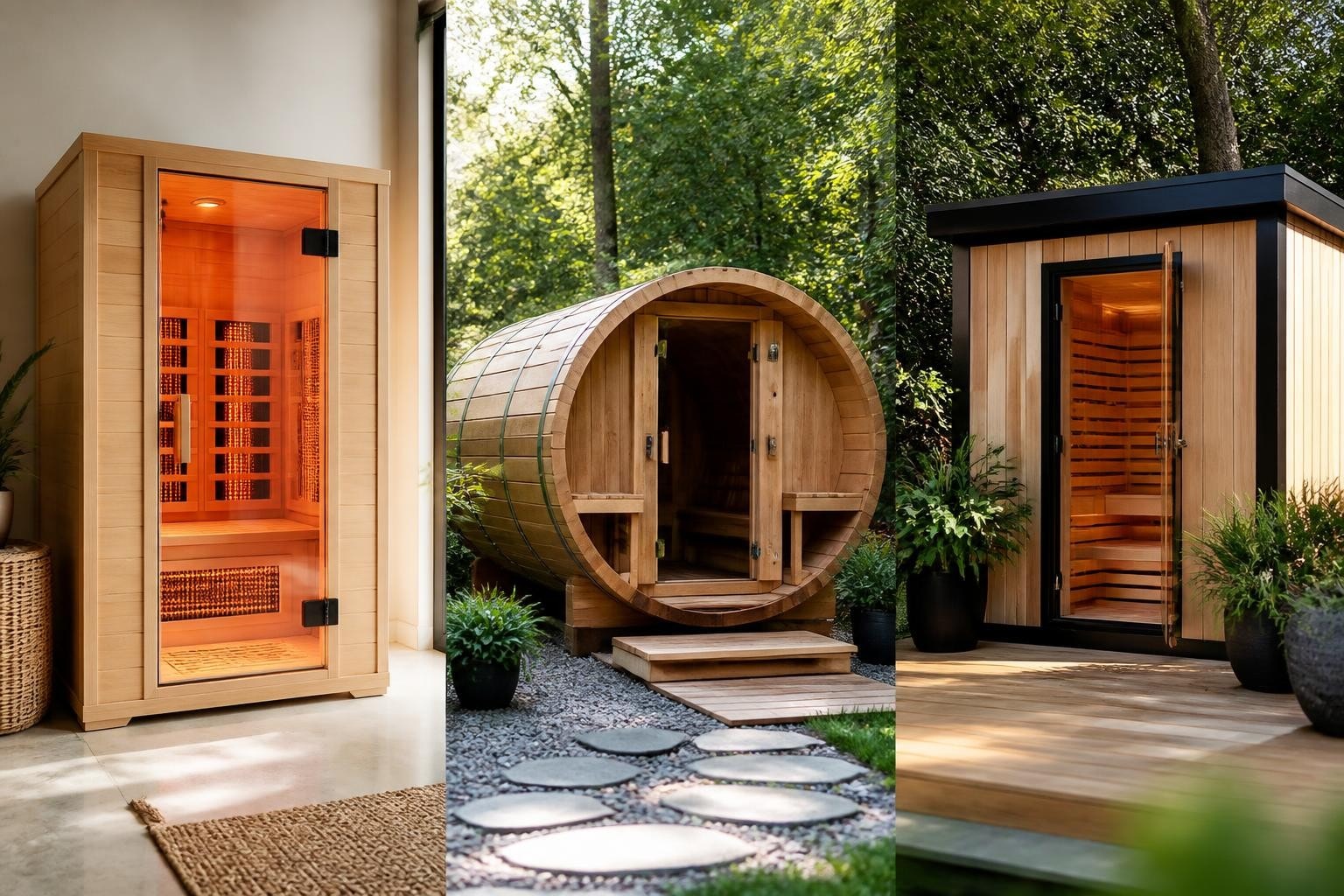
The wellness industry has transformed how we access therapeutic heat experiences, making it easier than ever to bring professional-grade relaxation into your home. A sauna in a box represents this evolution perfectly-delivering complete sauna systems in ready-to-assemble packages that eliminate traditional construction barriers. These innovative solutions combine convenience, affordability, and health benefits into compact packages designed for modern lifestyles. Whether you're living in a suburban home with limited backyard space or seeking an indoor wellness addition, these pre-packaged systems offer flexibility that traditional built-in saunas simply cannot match.
Understanding the Sauna in a Box Concept
The term "sauna in a box" refers to pre-fabricated, ready-to-assemble sauna systems shipped directly to consumers in manageable packages. Unlike traditional saunas requiring professional construction, extensive permits, and permanent modifications to your property, these solutions arrive with everything needed for installation.
What Makes It Different from Traditional Saunas
Traditional sauna installations involve significant time, expense, and expertise. They require framing, electrical work, insulation, ventilation systems, and often professional contractors to complete the project. A sauna in a box eliminates most of these requirements through intelligent design and manufacturing.
Key advantages include:
- Pre-cut panels that fit together without specialized tools
- Integrated electrical systems designed for standard home outlets
- Modular components that allow for easier transport and setup
- Quality control completed during factory manufacturing
- Reduced installation time from weeks to hours or days
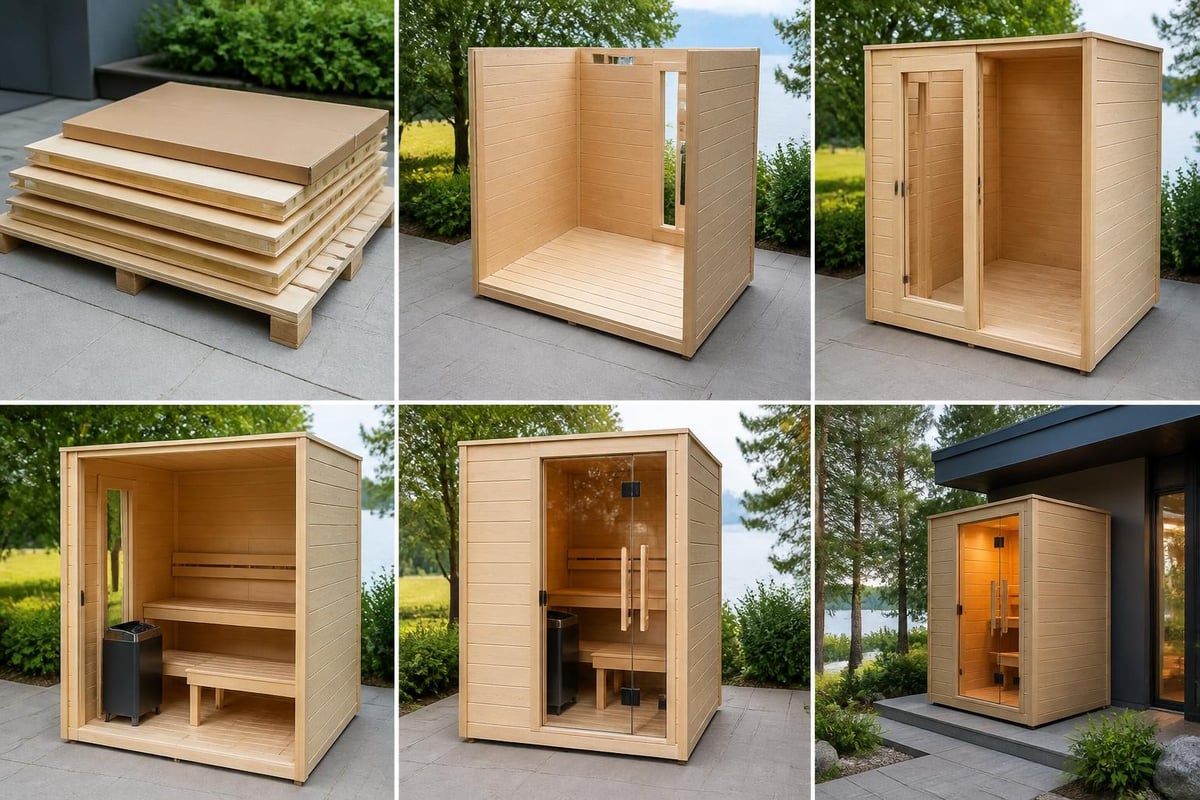
Most sauna in a box options arrive with detailed instructions, pre-wired heating elements, and all necessary hardware. The panels lock together using tongue-and-groove joints or similar fastening systems, creating tight seals without requiring construction expertise.
Types of Portable Sauna Systems
The market offers several distinct categories, each designed for specific needs and spaces. Understanding these variations helps identify which solution best fits your wellness goals and living situation.
| Sauna Type | Space Required | Heat Source | Installation Time | Capacity |
|---|---|---|---|---|
| Pop-up Tent | 3x3 feet | Portable steam | 5-10 minutes | 1 person |
| Infrared Cabinet | 3x4 feet | Electric infrared | 30-60 minutes | 1-2 people |
| Barrel Sauna | 6-8 feet diameter | Electric/Wood | 4-8 hours | 2-5 people |
| Pod Sauna | 4x6 feet | Electric | 2-4 hours | 1-3 people |
| Cabin Kit | 6x8 feet | Electric/Wood | 6-12 hours | 3-6 people |
Infrared models use far-infrared heating panels to warm your body directly rather than heating the surrounding air. These units typically operate at lower temperatures (120-150°F) compared to traditional saunas, making them accessible for extended sessions while delivering deep tissue penetration.
Traditional heat saunas use electric or wood-burning heaters to create the classic Finnish sauna experience with temperatures reaching 150-195°F. The sauna in a box versions of these systems arrive as pre-fabricated panels that assemble into barrel, pod, or cabin configurations.
Health Benefits Worth Considering
Investing in a sauna in a box delivers more than convenience-it provides access to numerous scientifically-documented health benefits. Regular sauna use has been studied extensively, with research highlighting improvements across cardiovascular, mental, and physical wellness dimensions.
Cardiovascular and Heart Health
Research indicates that consistent sauna sessions can support heart health through improved circulation and reduced cardiovascular disease risk. During a typical session, your heart rate increases similarly to moderate exercise, promoting better blood flow and potentially lowering blood pressure over time.
The heat exposure triggers vasodilation, expanding blood vessels and improving oxygen delivery throughout your body. Studies from Finland, where sauna culture is deeply embedded, show that people who use saunas 4-7 times per week experience significantly lower rates of cardiovascular events compared to those who use them once weekly.
Stress Reduction and Mental Wellness
The therapeutic warmth provided by a sauna in a box creates an environment conducive to deep relaxation and stress relief. Heat exposure triggers endorphin release, your body's natural mood-elevating compounds, while the quiet, focused environment allows for meditation and mental decompression.
Beyond immediate relaxation, regular sessions can improve sleep quality by regulating circadian rhythms and promoting deeper rest cycles. The temperature drop your body experiences after leaving the sauna signals your system to prepare for sleep, making evening sessions particularly beneficial for those with insomnia or irregular sleep patterns.
Muscle Recovery and Pain Management
Athletes and fitness enthusiasts increasingly incorporate sauna sessions into recovery protocols. The combination of heat and increased circulation helps flush metabolic waste products from muscles while delivering nutrients needed for repair and growth.
Pain management benefits include:
- Reduced inflammation in joints and soft tissues
- Improved flexibility through increased tissue elasticity
- Relief from chronic conditions like arthritis and fibromyalgia
- Faster recovery from delayed onset muscle soreness (DOMS)
- Enhanced mobility through reduced muscle tension
Cleveland Clinic research supports these benefits, noting that regular heat therapy can significantly reduce pain perception and improve quality of life for those with chronic pain conditions.

Choosing Your Ideal System
Selecting the right sauna in a box requires balancing several factors including available space, budget, intended use, and desired features. The market offers options ranging from basic single-person units to luxury multi-person installations.
Space and Location Considerations
Before purchasing, carefully measure your intended installation area. Indoor units need adequate ceiling height (typically 75-80 inches minimum), proper ventilation, and proximity to electrical outlets. Outdoor models require level ground, weather protection considerations, and sometimes drainage solutions.
Indoor placement options:
- Spare bedrooms or converted office spaces
- Basement corners with moisture-resistant flooring
- Master bathroom extensions or adjacent spaces
- Garage conversions with climate control
Outdoor installation sites:
- Covered patios or deck extensions
- Dedicated garden areas with paved foundations
- Poolside wellness zones
- Secluded backyard corners for privacy
For those with limited outdoor space, compact backyard sauna solutions offer excellent alternatives that maximize functionality while maintaining a small footprint.
Power Requirements and Heating Options
Understanding electrical specifications prevents installation surprises and ensures safe operation. Most sauna in a box models fall into three categories based on power needs.
| Power Type | Voltage | Amperage | Outlet Type | Typical Use |
|---|---|---|---|---|
| Standard Plug | 120V | 15-20A | Standard household | Small infrared units |
| 240V Dedicated | 240V | 30-40A | Dryer-type outlet | Medium saunas |
| Hardwired | 240V | 40-60A | Direct connection | Large traditional saunas |
Infrared models typically require less power, with many 1-2 person units operating on standard 120V household circuits. Traditional Finnish-style saunas with electric heaters usually need dedicated 240V circuits, similar to electric dryers or ranges. For those seeking a premium outdoor experience, the Canadian Timber MiniPOD Sauna offers flexible electric or wood-heating options in a compact, space-efficient design perfect for smaller backyards.
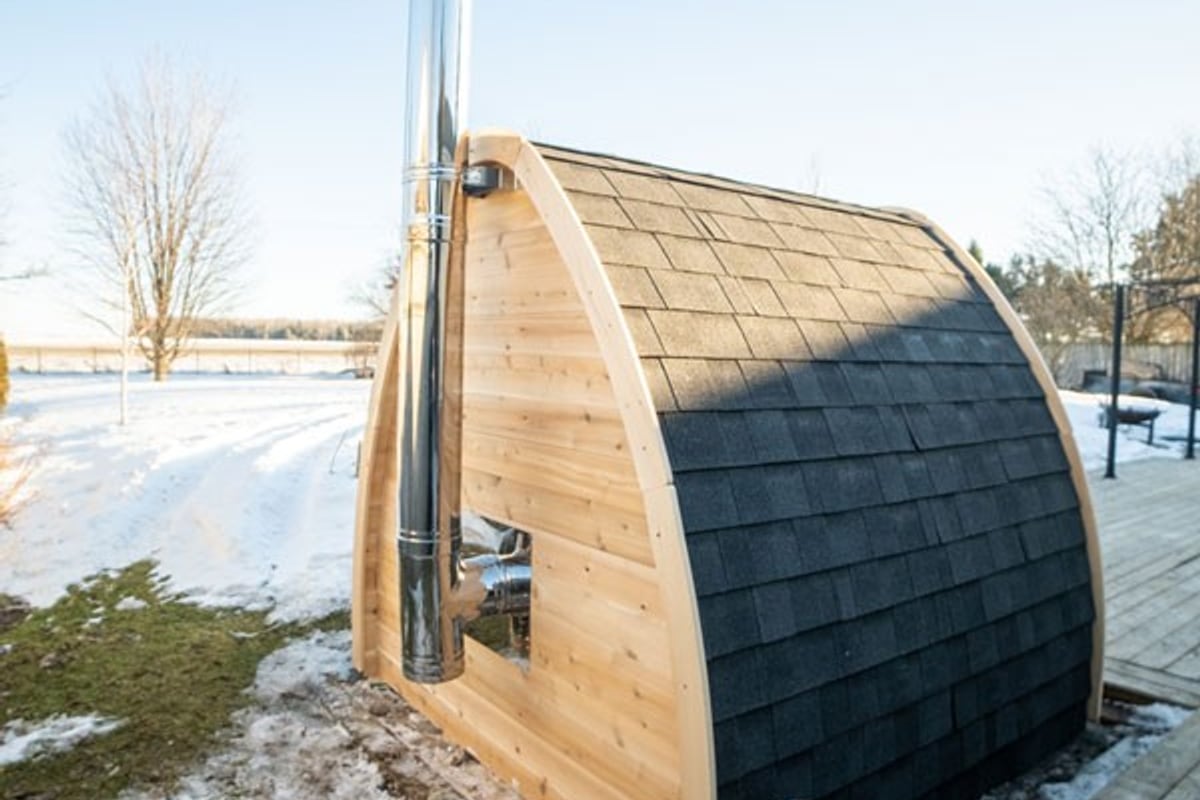
Wood-burning options eliminate electrical requirements entirely but require proper venting, chimney installation, and local permit compliance. These systems deliver authentic Finnish sauna experiences but involve more complex installation and ongoing maintenance.
Installation and Setup Process
One of the primary advantages of choosing a sauna in a box is simplified installation. Most systems are designed for homeowner assembly, though complexity varies significantly between models.
Pre-Installation Preparation
Successful installation begins with thorough preparation. Start by clearing and preparing your installation site at least one week before delivery. For outdoor units, this means creating a level foundation using concrete pavers, gravel beds, or poured concrete slabs.
Indoor installations require different preparations:
- Verify electrical capacity and outlet locations
- Install moisture barriers on walls and floors if needed
- Ensure adequate ventilation meets manufacturer specifications
- Clear the space completely of furniture and obstacles
- Gather required tools listed in assembly instructions
Most sauna in a box systems arrive in multiple packages or on pallets. Arrange for adequate storage space and unloading assistance, as individual components can be heavy and awkward to maneuver alone.
Assembly Timeline and Requirements
Assembly duration varies widely based on sauna size, complexity, and your DIY experience. Simple infrared cabinet models might take just 30-60 minutes with basic tools, while larger outdoor barrel sauna installations could require 6-12 hours spread across multiple days.
Typical assembly steps include:
- Unpacking and inventorying all components
- Assembling the floor platform or base
- Connecting wall panels using provided fasteners
- Installing the ceiling and roof components
- Mounting benches and interior accessories
- Installing heating elements and controls
- Connecting electrical systems (by licensed electrician if required)
- Testing all systems before first use
Many manufacturers provide video tutorials and online support to guide assembly. Some companies offer professional installation services for an additional fee, which can be worthwhile for larger, more complex systems.
Safety and Compliance Considerations
Even though a sauna in a box simplifies installation, you must still comply with local building codes and safety regulations. Requirements vary by jurisdiction but commonly include electrical permits, structural inspections, and zoning compliance for outdoor installations.
Contact your local building department before beginning installation to understand specific requirements. Most jurisdictions require licensed electricians to perform final electrical connections, even if you complete the majority of assembly yourself. This ensures proper grounding, circuit protection, and compliance with National Electrical Code standards.
Features That Enhance Your Experience
Modern sauna in a box systems incorporate numerous amenities that elevate basic heat therapy into comprehensive wellness experiences. Understanding available features helps you select a model that matches your specific needs and preferences.
Heating Technology Comparisons
The heating system fundamentally determines your sauna experience. Traditional Finnish-style electric heaters create intense, dry heat by warming rocks that radiate energy throughout the cabin. These systems reach higher temperatures and provide the classic sauna sensation of pouring water over hot stones to create steam bursts.
Infrared heating offers a different experience entirely. These systems use carbon or ceramic panels to emit infrared wavelengths that penetrate your skin and warm your body directly. The surrounding air remains cooler, typically 120-150°F compared to 150-195°F in traditional saunas, making sessions more comfortable for longer durations.
Heating comparison breakdown:
| Feature | Traditional Electric | Infrared | Wood-Burning |
|---|---|---|---|
| Heat-up time | 30-45 minutes | 10-15 minutes | 45-60 minutes |
| Operating cost | Moderate | Low | Very low (fuel dependent) |
| Temperature range | 150-195°F | 120-150°F | 150-200°F+ |
| Maintenance needs | Low | Very low | Moderate-High |
| User experience | Intense, authentic | Gentle, penetrating | Traditional, customizable |
For those interested in exploring infrared sauna benefits further, these systems offer unique advantages in detoxification and deep tissue warming that traditional heating cannot replicate.
Material Quality and Construction
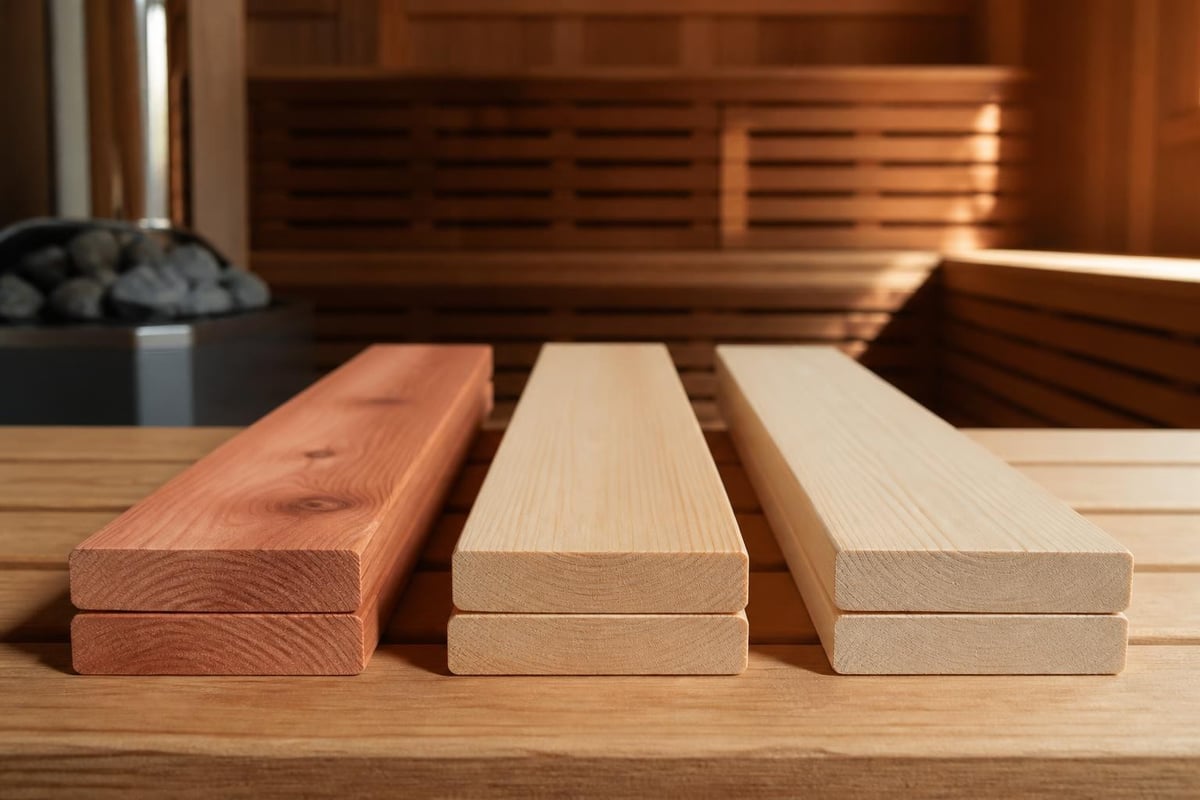
The wood species used in your sauna in a box significantly impacts durability, aesthetics, aromatic qualities, and heat retention. Premium options include Canadian Cedar, Finnish Spruce, and Hemlock, each offering distinct characteristics.
Cedar provides natural resistance to moisture, insects, and decay while releasing pleasant aromatic oils when heated. It maintains dimensional stability through repeated heating and cooling cycles, reducing warping and splitting over years of use. Eastern White Cedar and Western Red Cedar are both popular choices, with the former offering lighter coloration and the latter providing richer, redder tones.
Hemlock delivers smooth, splinter-free surfaces with minimal resin content. Its neutral color and fine grain create clean, modern aesthetics while maintaining excellent heat retention properties. Hemlock typically costs less than cedar while still providing excellent performance and durability.
Spruce offers traditional Scandinavian authenticity with a light, even grain pattern. Finnish and Nordic Spruce varieties are prized for their tight growth rings, which indicate slow growth in northern climates and result in denser, more stable wood.
Construction quality extends beyond wood selection. Look for tongue-and-groove joinery, thick wall panels (typically 1.5-2 inches), reinforced corners, and tempered glass components. These details determine how well your sauna in a box maintains temperature, resists moisture damage, and withstands years of regular use.
Cost Analysis and Value Proposition
Understanding the complete financial picture helps you make informed decisions about which sauna in a box fits your budget while delivering desired features and longevity.
Initial Investment Breakdown
Entry-level portable tent saunas start around $100-300, offering basic heat therapy without permanent installation. These systems work well for occasional use but lack durability and the authentic sauna experience many people seek.
Mid-range infrared cabins typically cost $1,500-4,000 for quality 1-2 person units. These systems deliver genuine health benefits, reasonable build quality, and features like chromotherapy lighting, Bluetooth speakers, and digital controls.
Premium sauna in a box systems, including barrel saunas, cabin kits, and luxury infrared models, range from $4,000-15,000 depending on size, materials, and features. These investments provide authentic experiences, superior construction, larger capacities, and enhanced amenities that justify higher prices for serious wellness enthusiasts.
Price range overview:
- Basic portable tent systems: $100-500
- Small infrared cabinets (1 person): $1,000-2,500
- Medium infrared units (2 person): $2,000-4,500
- Outdoor barrel saunas (2-4 person): $4,000-10,000
- Premium cabin kits (4-6 person): $8,000-15,000
- Luxury custom systems: $15,000+
Operating Costs and Long-Term Value
Beyond initial purchase price, consider ongoing operational expenses. Electric saunas add to monthly utility bills, though costs remain modest with typical usage. A standard 2-person infrared sauna running for one hour daily might add $10-20 to monthly electricity costs, while larger traditional electric saunas could add $30-50.
Research comparing portable sauna effectiveness shows that quality systems deliver health benefits comparable to traditional built-in installations at a fraction of the construction cost.
Maintenance expenses stay minimal with proper care. Annual tasks include cleaning interior surfaces, checking electrical connections, replacing light bulbs, and occasionally treating wood surfaces with appropriate oils or sealants. Most sauna in a box systems require less than $50 annually in maintenance supplies.
The value proposition extends beyond direct costs when you factor in convenience. Gym sauna memberships cost $50-150 monthly, totaling $600-1,800 yearly. A personal sauna in a box pays for itself within 3-5 years while providing unlimited access, privacy, and convenience.
Making the Most of Your Investment
Maximizing the benefits and lifespan of your sauna in a box requires understanding proper usage protocols, maintenance routines, and enhancement opportunities.
Optimal Usage Protocols
Begin with shorter sessions (10-15 minutes) at moderate temperatures while your body adapts to heat exposure. Gradually increase duration to 20-30 minutes as tolerance improves. Most health benefits accumulate with consistent use rather than extreme single sessions.
Session frequency recommendations:
- Beginners: 2-3 times weekly for 10-15 minutes
- Regular users: 3-5 times weekly for 20-30 minutes
- Athletes/enthusiasts: 5-7 times weekly for 30-45 minutes
- Recovery-focused: Daily for 15-20 minutes
Hydration is critical for safe, effective sauna use. Drink 16-24 ounces of water before entering, sip water during longer sessions if needed, and rehydrate thoroughly afterward. Avoid alcohol before or during sauna sessions, as it impairs your body's temperature regulation and increases dehydration risk.
Timing your sessions strategically enhances specific benefits. Morning sessions energize and prepare you for the day ahead, while evening sessions promote relaxation and better sleep. Post-workout timing accelerates recovery by flushing metabolic waste and reducing inflammation.
Maintenance and Longevity Tips
Proper maintenance extends your sauna in a box lifespan from years to decades. After each session, leave the door open for 15-30 minutes to allow moisture to escape and prevent mildew growth. Wipe bench surfaces weekly with a damp cloth to remove sweat residue and body oils.
Monthly deep cleaning should include:
- Vacuuming floor areas and beneath benches
- Wiping walls and ceiling with mild, non-toxic cleaner
- Checking all electrical components for wear or damage
- Inspecting wood surfaces for signs of splitting or warping
- Testing heating elements to ensure even heat distribution
For outdoor installations, inspect weatherproofing annually. Check roof seals, door gaskets, and foundation drainage to prevent water infiltration. Apply appropriate wood treatments every 1-2 years to maintain moisture resistance and prevent UV damage.
Enhancement Accessories
Transform your basic sauna in a box into a complete wellness sanctuary through strategic accessories. Essential additions include:
- Thermometer and hygrometer for monitoring temperature and humidity
- Bucket and ladle for water application over hot rocks (traditional saunas)
- Headrest cushions for comfortable reclining during sessions
- Chromotherapy lighting to enhance relaxation through color therapy
- Premium aromatherapy oils designed for sauna use
- Sand timer to track session duration without electronic devices
Audio systems add entertainment and relaxation options. Bluetooth speakers designed for high-temperature environments allow you to enjoy music, podcasts, or guided meditations during sessions. Some sauna in a box models include integrated audio systems, while aftermarket options provide upgrade possibilities for basic units.
For those building comprehensive home wellness systems, pairing your sauna with cold plunge therapy creates contrast therapy experiences that amplify recovery and health benefits beyond either modality alone.
Alternative Portable Solutions
While traditional sauna in a box systems dominate the market, emerging technologies and design innovations offer additional options worth considering for specific situations and preferences.
Pop-Up and Tent-Style Systems
These ultra-portable options fold down for storage and set up in minutes, making them ideal for apartments, travel, or occasional use. Most tent-style units include a portable steam generator or infrared heating pad that produces therapeutic temperatures within the enclosed space.
Scientific analysis of portable sauna effectiveness indicates these systems can deliver genuine health benefits despite their basic construction. However, they lack the ambiance, durability, and temperature consistency of permanent installations.
Advantages include minimal cost ($100-400), complete portability, and zero installation requirements. Limitations involve lower maximum temperatures, less comfortable seating, limited space, and questions about long-term durability.
Innovative Retractable Designs
Cutting-edge companies now offer retractable sauna systems that disappear into walls or ceiling spaces when not in use. These high-tech solutions work well for luxury homes where space optimization is critical and budget allows for premium features.
While not exactly a sauna in a box by traditional definition, these systems arrive pre-fabricated and install more quickly than traditional construction. They represent the future direction of home wellness integration, combining convenience with luxury aesthetics.
Buying Guide Considerations
Comprehensive buying guides recommend evaluating several key factors before purchasing any sauna in a box system. Prioritize your specific needs-whether health benefits, social experiences, property value, or simple relaxation-to identify which features matter most.
Consider how often you'll realistically use the sauna. Daily users should invest in higher-quality systems with superior comfort and features, while occasional users might find basic models sufficient. Factor in future needs as well; buying a slightly larger capacity model now prevents outgrowing your investment as family or usage patterns change.
Growing Trends in Home Wellness
The sauna in a box market continues evolving rapidly, driven by increasing health consciousness, remote work normalization, and growing awareness of wellness benefits. Understanding current trends helps you select systems that remain relevant and valuable long-term.
Outdoor Wellness Spaces
Outdoor saunas are becoming lifestyle statements, transforming backyards into personal spa retreats. Barrel saunas lead this trend with their distinctive aesthetics and efficient heating characteristics. The barrel shape naturally promotes air circulation while providing structural strength without internal framing.
Integration with broader outdoor living spaces creates comprehensive wellness environments. Homeowners combine saunas with cold plunge pools, outdoor showers, meditation spaces, and entertainment areas to establish complete backyard sanctuaries that enhance property value while supporting healthy lifestyles.
Design-Forward Solutions
Major manufacturers now prioritize aesthetics alongside functionality. Contemporary sauna designs feature clean lines, expansive glass panels, integrated lighting systems, and architectural details that complement modern home design.
This design evolution helps sauna in a box systems transition from purely functional wellness tools to attractive home features that homeowners proudly showcase. Premium materials, thoughtful finishes, and attention to visual detail make these systems desirable additions rather than equipment that needs hiding.
Smart Technology Integration
Connected controls, smartphone apps, and voice activation increasingly appear in higher-end sauna in a box models. These features allow you to preheat your sauna remotely, monitor energy usage, track session duration, and adjust settings without entering the hot environment.
While not essential for basic functionality, smart features enhance convenience and can improve safety through automatic shutoff timers, temperature limiting, and usage monitoring. As home automation systems become standard, sauna integration ensures your wellness equipment works seamlessly within your connected lifestyle.
A sauna in a box delivers professional wellness experiences without the complexity, cost, and commitment of traditional construction. By carefully evaluating your space, budget, and wellness goals, you can select a system that transforms daily routines and supports long-term health. Whether you're drawn to compact infrared units, authentic barrel saunas, or spacious cabin kits, RecoSauna offers premium options from top North American brands, including high-quality Canadian Timber saunas designed for lasting performance and exceptional experiences. Explore the collection today to find your perfect wellness solution and start your journey toward better health at home.
Share:
Hot Infrared Sauna: Benefits, Safety & Buying Guide
Infrared Sauna and Detoxification: Science & Benefits