
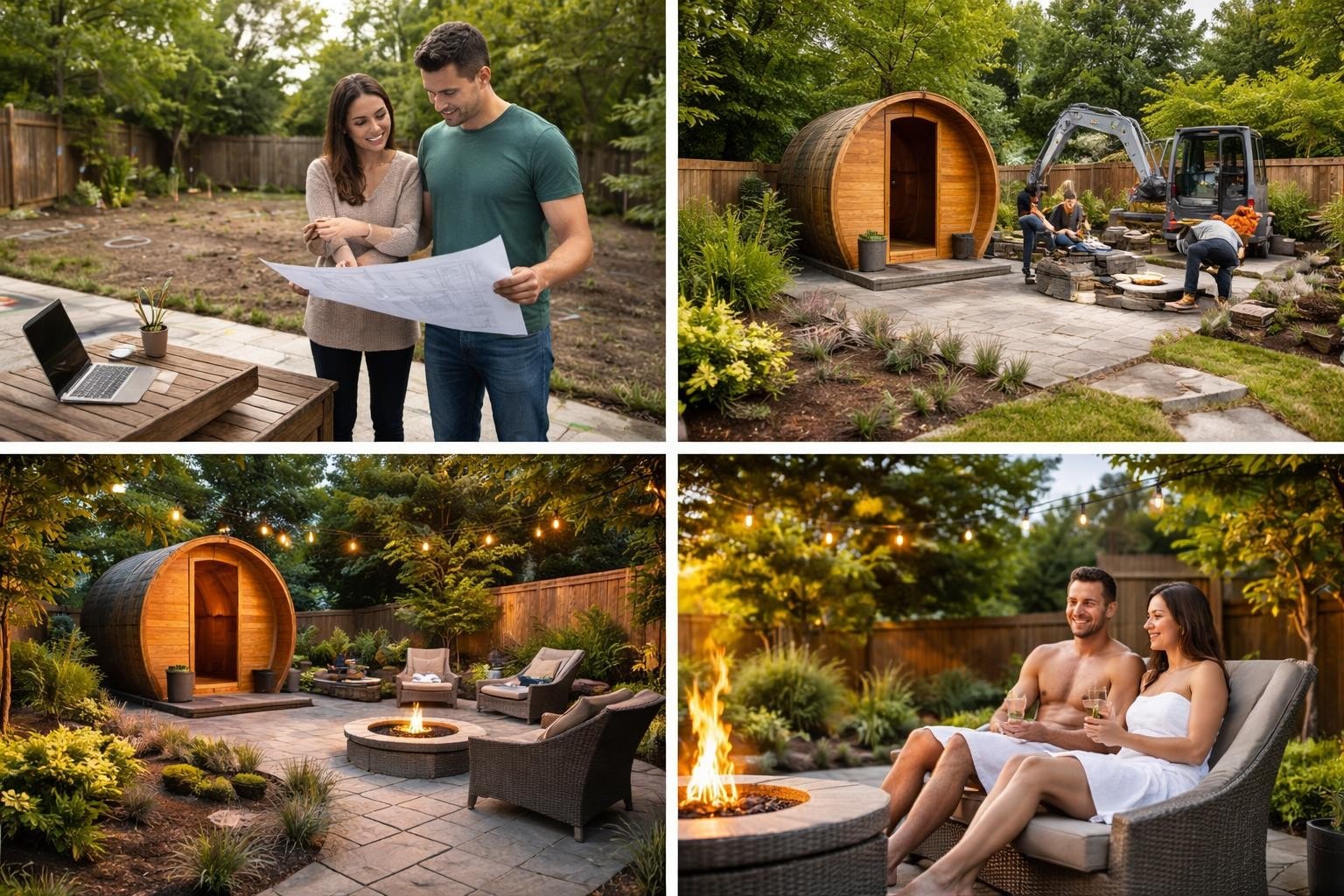
Adding a sauna for backyard use has become one of the most sought-after home wellness upgrades in 2026. Homeowners across North America are discovering that installing a personal sauna transforms their outdoor space into a private retreat while delivering substantial health benefits. Whether you're drawn to the traditional heat of a barrel sauna, the spacious comfort of a cabin design, or the gentle warmth of infrared technology, understanding your options ensures you make the right investment for your property and lifestyle.
Understanding Backyard Sauna Options
The market for outdoor saunas has evolved dramatically, offering homeowners multiple design approaches that fit different spaces, budgets, and aesthetic preferences. Each style delivers the core sauna experience while addressing specific installation requirements and user needs.
Traditional Barrel Saunas
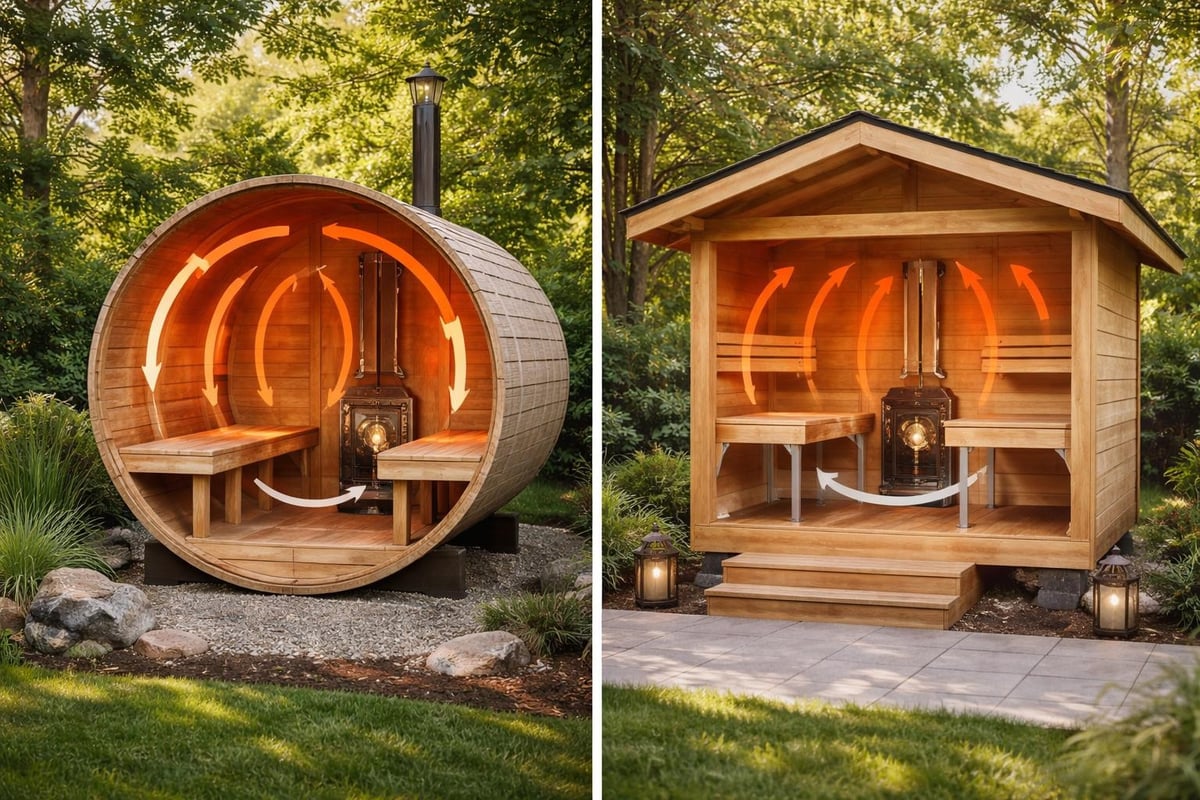
Barrel saunas represent the most iconic outdoor sauna design. Their cylindrical shape isn't just visually appealing-it creates superior heat circulation by eliminating corners where air stagnates. The curved walls encourage hot air to flow continuously, reducing heating time and improving energy efficiency.
Key advantages of barrel designs include:
- Faster heat-up times compared to square structures
- Natural resistance to weather due to curved roof design
- Authentic Finnish sauna aesthetic
- Compact footprint ideal for smaller yards
- Efficient use of materials reducing overall cost
Most barrel saunas arrive as pre-cut kits that homeowners can assemble in a weekend. The Eastern White Cedar construction common in premium models provides natural rot resistance and releases a pleasant aroma when heated. Research shows that regular sauna use supports cardiovascular health, making these backyard additions both enjoyable and beneficial.
Cabin-Style Outdoor Saunas
For those seeking more interior space or a design that complements traditional architecture, cabin saunas offer rectangular floor plans with vertical walls. These structures provide additional headroom and easier interior customization.
| Feature | Barrel Sauna | Cabin Sauna |
|---|---|---|
| Heat Efficiency | Excellent | Very Good |
| Interior Space | Compact | Spacious |
| Installation Time | 1-2 days | 2-3 days |
| Weather Resistance | Superior | Excellent |
| Customization Options | Limited | Extensive |
Cabin designs accommodate larger groups comfortably and allow for additional features like changing rooms or covered porches. The rectangular shape also makes placement against existing structures simpler when working with limited yard layouts.
Infrared Sauna Technology
Infrared saunas represent a modern approach to heat therapy, using radiant heat panels instead of traditional heaters. These units operate at lower temperatures (120-140°F versus 160-195°F) while delivering deep-penetrating warmth directly to the body.
Benefits specific to infrared technology:
- Lower operating temperatures increase comfort for heat-sensitive users
- Reduced energy consumption compared to traditional saunas
- Quicker session times while maintaining therapeutic benefits
- Plug-and-play electrical requirements (standard 120V outlet)
- Minimal installation complexity
According to Cleveland Clinic research, infrared heat penetrates deeper into muscle tissue, potentially offering enhanced benefits for pain relief and muscle recovery. This makes them particularly attractive for athletes and those managing chronic pain conditions.
Planning Your Backyard Sauna Installation
Successful sauna integration requires careful consideration of several practical factors before making your purchase. Proper planning prevents costly mistakes and ensures your investment delivers years of reliable performance.
Site Selection and Preparation
Choosing the right location affects both your sauna's longevity and your enjoyment of it. Consider these critical factors:
- Level ground foundation: Saunas require stable, level bases to prevent structural stress
- Drainage considerations: Ensure water runoff doesn't pool around the structure
- Privacy from neighbors: Position units where you'll feel comfortable using them
- Electrical access: Plan for power routing to your chosen location
- Maintenance accessibility: Leave clearance around the unit for cleaning and repairs
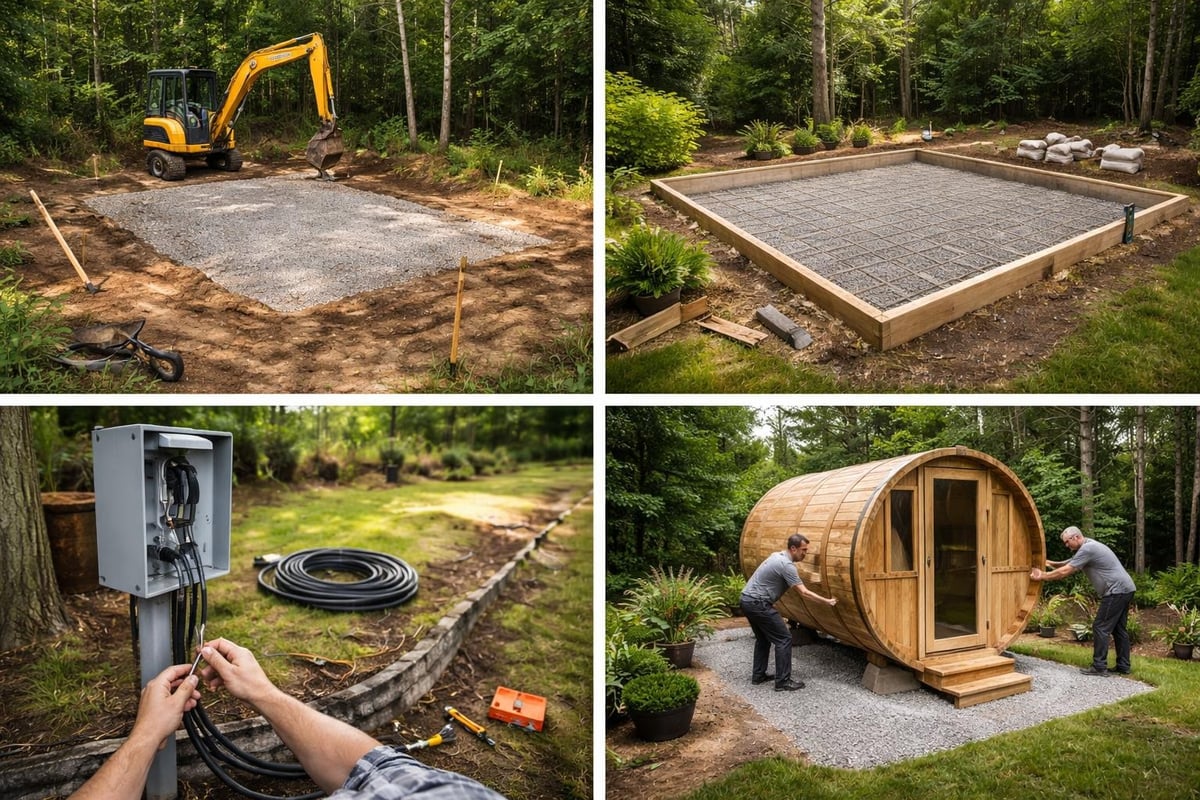
A concrete pad, gravel base, or composite deck provides ideal foundation options. Each sauna for backyard installation should sit on a surface that won't shift with seasonal freeze-thaw cycles. Many homeowners position their saunas within view of the house for convenient access during cold months.
Electrical and Heating Requirements
Understanding power needs prevents installation surprises. Traditional electric sauna heaters typically require 220V dedicated circuits, similar to electric dryers or ranges. This means professional electrical work in most cases.
Heating option comparison:
- Electric heaters: Clean, convenient, consistent temperature control
- Wood-burning stoves: Traditional experience, no electrical requirements, ongoing fuel costs
- Infrared panels: Standard outlet compatibility, lower operating temperatures
Check local building codes before beginning any electrical work. Many jurisdictions require permits for new electrical circuits and outdoor structures, particularly those exceeding certain square footage thresholds.
Health Benefits and Usage Guidelines
The therapeutic advantages of regular sauna use extend well beyond simple relaxation. Studies documented by Harvard Health demonstrate measurable cardiovascular improvements among frequent sauna users.
Documented Health Advantages
Research consistently identifies multiple wellness benefits associated with regular heat therapy sessions. These include improved circulation, enhanced detoxification through sweating, reduced muscle tension, and stress relief.
Cardiovascular benefits appear particularly robust. TIME magazine reported on Finnish research showing that men who used saunas 4-7 times weekly had significantly lower rates of fatal heart disease compared to those using saunas just once weekly. While these results don't prove causation, the correlation warrants attention from anyone interested in heart health.
Additional wellness impacts include:
- Improved sleep quality following evening sessions
- Temporary relief from arthritis and joint pain
- Enhanced post-workout muscle recovery
- Reduced symptoms of seasonal affective disorder
- Social wellness benefits from shared experiences
Safe Usage Practices
Maximizing benefits while minimizing risks requires following established safety guidelines. Start with shorter sessions of 10-15 minutes, gradually building tolerance as your body adapts to heat exposure.
| Session Duration | Temperature Range | Frequency |
|---|---|---|
| Beginners | 10-15 minutes | 2-3 times weekly |
| Regular Users | 15-20 minutes | 3-5 times weekly |
| Experienced | 20-30 minutes | 4-7 times weekly |
Stay hydrated before, during, and after sauna use. The average person loses approximately one pint of sweat during a 15-minute session. WebMD advises drinking water before entering and replenishing fluids immediately afterward.
Avoid alcohol consumption before sauna sessions, as it impairs your body's ability to regulate temperature. Those with cardiovascular conditions, pregnancy, or other health concerns should consult healthcare providers before beginning regular sauna use.
Selecting the Right Sauna Size
Capacity decisions should reflect both your typical usage patterns and available yard space. A sauna for backyard installation that's too small feels cramped and limits functionality, while oversized units waste energy and occupy valuable outdoor real estate.
Capacity Guidelines
Standard sizing recommendations based on user count:
- 1-2 person units: 4-5 feet interior depth, ideal for solo relaxation or couples
- 3-4 person capacity: 6-7 feet depth, accommodates small families or social sessions
- 5+ person models: 8+ feet depth, suitable for entertaining or larger households
Consider ceiling height alongside floor space. Taller users require additional headroom for comfortable seating. Most quality saunas provide 6-7 feet of interior height, though compact models may offer less.
For properties with space constraints, compact designs like pod-style saunas maximize functionality within minimal footprints. These efficient units prove that even small yards can accommodate wellness features when properly planned.
Matching Design to Property Style
Your sauna should complement your home's architecture and existing landscape design. Traditional barrel saunas suit rustic, cabin-style homes and naturalistic gardens. Modern cabin designs with large glass panels integrate seamlessly with contemporary architecture.
Consider material choices carefully. Eastern White Cedar offers beautiful grain patterns and natural weather resistance. Red cedar provides even greater durability with rich coloration that ages gracefully. Both emit pleasant aromas when heated, enhancing the sensory experience.
Material Quality and Construction Standards
Premium materials directly impact your sauna's longevity and performance. Understanding construction quality helps you evaluate options and recognize value.
Wood Selection Importance
Canadian-sourced cedar represents the gold standard for outdoor sauna construction. This wood naturally resists rot, insect damage, and moisture-related degradation while providing excellent insulation properties.
Superior wood characteristics:
- Tight grain patterns resist warping under temperature fluctuations
- Natural oils repel moisture and prevent bacterial growth
- Low resin content eliminates sticky surfaces when heated
- Pleasant aromatic compounds release during use
- Sustainable harvesting practices support environmental responsibility
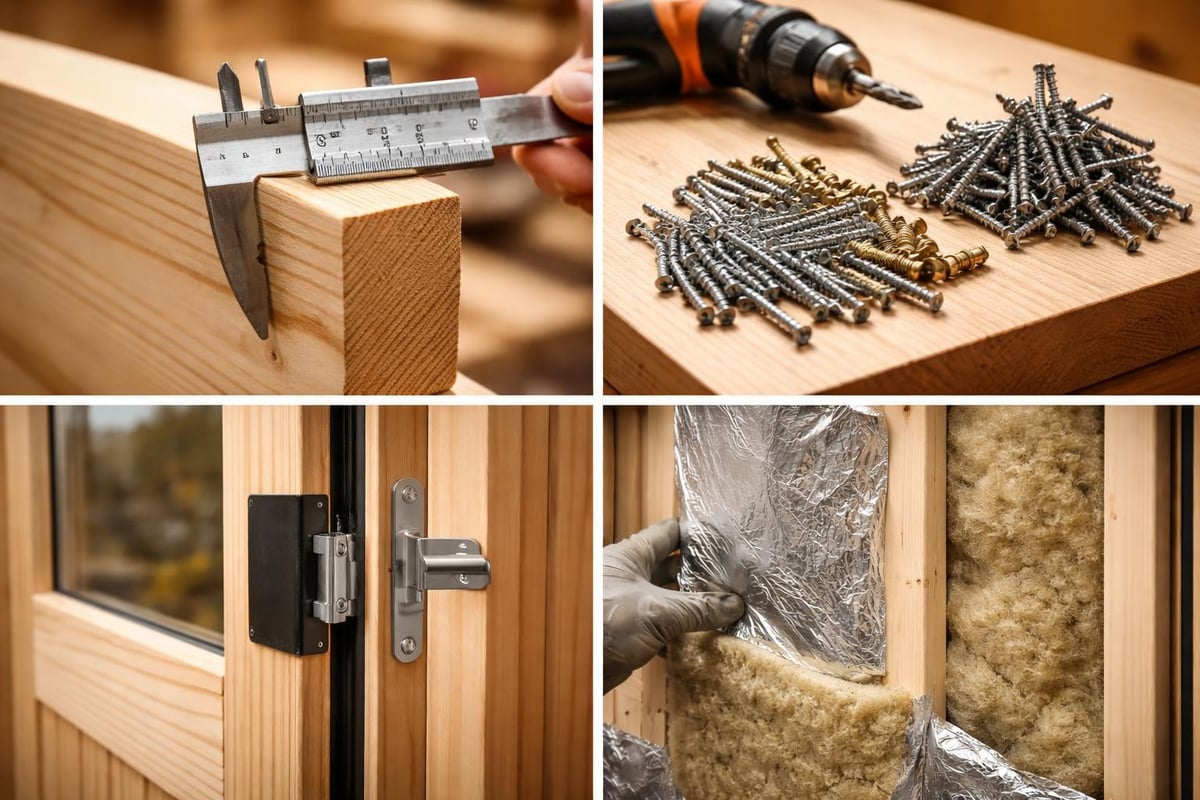
Lower-quality saunas use inferior woods or thinner panels that compromise insulation and durability. Examine thickness specifications-premium units typically feature 1.5-inch thick walls compared to 1-inch or thinner construction in budget models.
Hardware and Assembly Quality
Examine fastening systems and hardware during evaluation. Stainless steel fasteners prevent rust staining and maintain structural integrity through years of temperature cycling. Galvanized or painted fasteners show corrosion over time, creating maintenance headaches.
Quality manufacturers provide detailed assembly instructions with pre-drilled components that fit together precisely. Installation documentation shows the assembly process, helping you gauge whether you're comfortable tackling installation yourself or should hire professionals.
Cost Considerations and Value Assessment
Pricing for backyard saunas varies dramatically based on size, materials, features, and brand reputation. Understanding cost drivers helps establish realistic budgets and identify genuine value.
Initial Investment Range
Entry-level barrel saunas start around $3,000-$4,500 for compact two-person models. Mid-range options offering superior materials and construction typically fall between $5,000-$8,000. Premium models featuring luxury finishes, larger capacities, and advanced heating systems range from $8,000-$15,000 or more.
Infrared units generally cost less than traditional saunas of comparable size due to simpler heating systems and reduced material requirements. Expect to pay $2,000-$5,000 for quality infrared models.
Budget planning should include:
- Base sauna unit cost
- Electrical installation expenses ($500-$2,000 depending on distance and requirements)
- Foundation preparation ($200-$1,000 for gravel, concrete, or decking)
- Delivery and assembly (some manufacturers include this, others charge $300-$800)
- Accessories like backrests, lighting upgrades, or thermometers ($100-$500)
Long-Term Operating Costs
Energy consumption represents the primary ongoing expense. Traditional electric saunas draw 4-8 kW per hour of operation. At average North American electricity rates, expect $0.50-$1.50 per session depending on duration and local utility costs.
Infrared models consume less power, typically 1.5-2.5 kW hourly, reducing session costs to $0.20-$0.50. Wood-burning models eliminate electricity costs but require ongoing firewood purchases and additional maintenance.
Maintenance expenses remain minimal for quality cedar construction. Annual treatments with cedar oil or specialized wood sealers cost $50-$100 and help preserve appearance while extending lifespan.
Premium Options Worth Considering
When budget allows, certain upgrades significantly enhance the ownership experience. These features justify their cost through improved comfort, convenience, or longevity.
Enhanced Heating Systems
Premium electric heaters offer faster warm-up times, more precise temperature control, and superior rock capacity for optimal steam generation. High-end units include programmable timers that pre-heat your sauna before you arrive home.
For those seeking the ultimate in luxury and aesthetics, models like the Auris One Luxury Outdoor Cedar Sauna combine premium natural red cedar construction with refined design elements and electric heater compatibility. These luxury units elevate the backyard sauna experience through superior craftsmanship and attention to detail that's immediately apparent in both form and function.
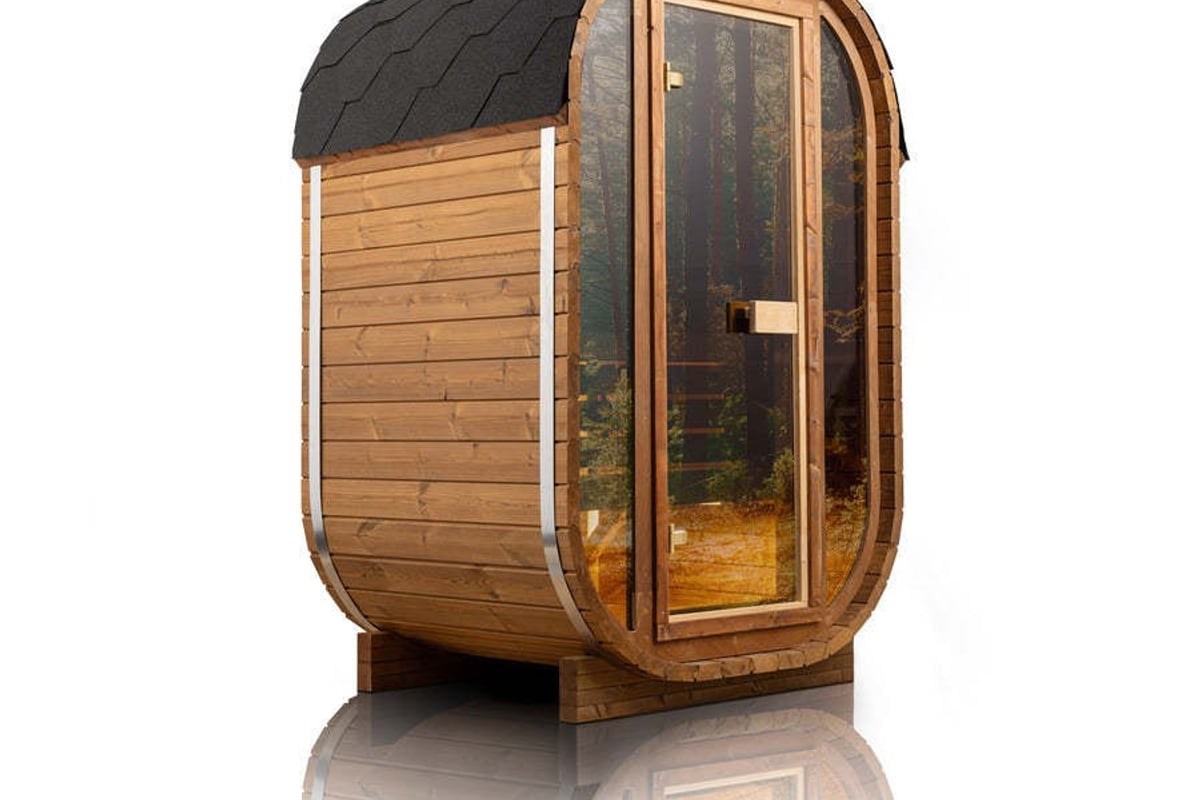
Lighting and Ambiance Features
LED lighting systems designed for sauna environments withstand high temperatures while providing adjustable illumination. Color-changing options enable chromotherapy sessions, using colored light to potentially influence mood and relaxation depth.
Built-in sound systems with Bluetooth connectivity let you enjoy music or guided meditation during sessions. Quality audio components rated for high-humidity environments prevent premature failure from moisture exposure.
Glass Doors and Windows
Tempered glass doors and panoramic windows create open, inviting spaces while allowing natural light penetration. These features make smaller saunas feel more spacious and reduce any claustrophobic feelings some users experience.
Full-glass doors require careful quality assessment. Premium units use thick tempered glass (typically 8mm) with proper sealing to prevent heat loss. Budget implementations may use thinner glass or inadequate sealing that compromises efficiency.
Installation Approaches and Timelines
Most backyard saunas arrive as pre-fabricated kits requiring assembly rather than custom construction. This approach reduces costs while ensuring quality control through factory manufacturing.
DIY Assembly Considerations
Handy homeowners with basic carpentry skills can typically assemble barrel or cabin saunas in 8-16 hours spread across a weekend. Real installation examples demonstrate the process and help you assess complexity.
Required tools typically include:
- Power drill with various bit sizes
- Socket wrench set
- Level (4-foot minimum recommended)
- Rubber mallet for panel alignment
- Ladder for roof assembly
- Helper for lifting larger components
Manufacturer instructions vary in clarity and completeness. Premium brands provide detailed step-by-step guides with photographs or video supplements. Budget manufacturers sometimes offer minimal documentation, potentially frustrating first-time installers.
Professional Installation Benefits
Hiring experienced installers ensures proper assembly while freeing your time for other activities. Professional teams complete typical installations in 4-8 hours, including foundation verification and electrical connections where qualified.
Costs range from $500-$1,500 depending on sauna size and regional labor rates. Many dealers include installation or offer it at discounted rates when purchasing premium models, adding significant value to the total package.
Maintenance and Care Requirements
Proper maintenance preserves your investment and ensures safe, enjoyable operation for decades. Fortunately, quality saunas require minimal upkeep compared to many outdoor structures.
Routine Cleaning Practices
After each use, leave the door open for 15-20 minutes allowing interior moisture to evaporate. This simple habit prevents mildew growth and wood deterioration from trapped humidity.
Weekly cleaning involves sweeping or vacuuming benches and floors to remove debris. Monthly deeper cleaning with mild soap solutions keeps surfaces fresh without damaging wood finishes. Avoid harsh chemicals or abrasive cleaners that strip protective oils from cedar.
Seasonal Maintenance Tasks
Annual inspections should examine:
- Roof condition and shingle integrity (cabin models)
- Door seal effectiveness and hinge operation
- Electrical connection security and wire condition
- Foundation stability and levelness
- Wood finish condition and need for retreatment
Apply cedar-specific wood treatments every 1-2 years depending on climate exposure. These products replenish natural oils, enhance weather resistance, and maintain attractive appearance. Some homeowners prefer letting cedar age naturally to silver-gray patina, which provides legitimate aesthetic appeal while maintaining structural integrity.
Winter preparation in cold climates includes draining any water features and ensuring electrical components remain protected from ice and snow accumulation. Many owners continue year-round use, finding winter sauna sessions particularly invigorating.
Enhancing Your Sauna Experience
Beyond the basic structure, thoughtful additions create more enjoyable and functional wellness spaces. These accessories range from essential items to luxury touches that personalize your setup.
Essential Accessories
Every sauna benefits from proper thermometers and hygrometers that monitor temperature and humidity levels accurately. Digital models with remote sensors let you check conditions before entering.
Additional recommended items include:
- Cedar bucket and ladle for water application to heater rocks
- Backrest cushions for enhanced comfort during extended sessions
- Sand timer or waterproof clock for session monitoring
- Towels designated exclusively for sauna use
- Spa slippers to protect feet from hot surfaces
Aromatherapy enhancers designed specifically for saunas add sensory dimensions to sessions. Essential oils mixed with water and applied to heater rocks release pleasant scents, though quality matters greatly. Use only sauna-safe formulations that won't create residue on heating elements.
Creating Outdoor Ambiance
Landscape the area surrounding your sauna for backyard integration that feels intentional rather than haphazard. Privacy screens using evergreen plantings, decorative fencing, or lattice panels create secluded retreats.
Outdoor showers provide convenient rinse options between sauna rounds, particularly refreshing during summer sessions. Cold plunge tubs offer traditional contrast therapy, alternating between hot sauna heat and cold water immersion for enhanced circulation benefits.
Pathway lighting ensures safe navigation during evening sessions while creating attractive visual interest. Solar-powered options eliminate electrical requirements while providing environmentally friendly illumination.
Selecting Quality Manufacturers
Brand reputation and warranty coverage deserve careful evaluation when investing thousands in outdoor wellness infrastructure. Established manufacturers demonstrate their confidence through comprehensive warranty terms and responsive customer support.
Evaluation Criteria
Research manufacturer backgrounds, production locations, and material sourcing. Companies using North American lumber and domestic manufacturing typically maintain tighter quality control than importers reselling overseas products.
Customer reviews provide valuable insights into real-world performance and company responsiveness when issues arise. Look for patterns in feedback rather than isolated complaints-every company encounters occasional problems, but patterns reveal systematic issues.
Warranty coverage should include:
- Structural components (5-10 years minimum)
- Heating elements (2-5 years typical)
- Electrical components (1-3 years standard)
- Hardware and accessories (1-2 years common)
Premium brands often provide extended coverage reflecting superior material quality and construction standards. When comparing similar models across brands, warranty differences often justify price premiums.
Direct Versus Dealer Purchases
Some manufacturers sell exclusively through authorized dealers while others offer direct consumer sales. Each approach provides distinct advantages depending on your priorities.
Dealer purchases often include professional delivery, assembly, and local service access. Knowledgeable dealers help match specific models to your needs and property requirements. However, dealer markup adds 15-25% to base costs.
Direct purchases eliminate middleman expenses but place assembly and service responsibilities on buyers. For mechanically inclined homeowners comfortable with DIY projects, direct buying maximizes value. Those preferring turnkey installation find dealer relationships worthwhile despite higher costs.
Maximizing Year-Round Enjoyment
A sauna for backyard use provides value across all seasons when properly integrated into your wellness routine. Different times of year offer unique experiences and benefits.
Summer Sauna Sessions
Warm-weather use might seem counterintuitive but offers distinct advantages. Evening sessions followed by outdoor cooling creates pleasant transitions. The detoxification benefits of deep sweating prove particularly valuable during active summer months.
Lower outdoor temperatures mean your sauna reaches target heat more quickly, reducing energy consumption. Many users prefer shorter, more frequent summer sessions at slightly lower temperatures compared to winter practices.
Winter Wellness Retreat
Cold-season use provides the most dramatic contrast between exterior and interior environments. Stepping from frigid air into enveloping warmth creates profound relaxation responses.
Snow-covered saunas present iconic imagery that makes social media sharing irresistible. More importantly, winter heat therapy helps combat seasonal affective disorder while maintaining circulation during months when outdoor activity naturally decreases.
Ensure proper insulation and weather-stripping before winter arrives. Small gaps tolerable in summer create noticeable heat loss when fighting subfreezing temperatures. Quality construction with thick cedar walls maintains efficiency even in harsh climates.
Investing in a sauna for backyard installation transforms your property into a personal wellness sanctuary while potentially increasing home value through desirable amenities. The combination of health benefits, year-round usability, and relatively low maintenance requirements makes quality saunas excellent long-term investments for homeowners prioritizing wellness and relaxation. Whether you're drawn to traditional barrel designs, spacious cabin layouts, or modern infrared technology, RecoSauna offers premium options from top North American manufacturers, providing expert guidance to help you select the perfect model for your specific space, budget, and wellness goals.
Share:
Outdoor Cabin Sauna: Your Complete 2026 Guide
Barrel Sauna for Sale: Your 2026 Buying Guide