

Choosing between a sauna and hot tub for your home wellness setup can feel overwhelming. Both offer powerful therapeutic benefits, from stress reduction to improved circulation, but they work in fundamentally different ways. Understanding how each heat therapy option supports your health goals helps you make an informed decision about which investment suits your lifestyle, available space, and wellness priorities. This comprehensive guide examines the science behind sauna and hot tub use, compares their distinct advantages, and provides practical recommendations for incorporating either or both into your daily routine.
Understanding the Core Differences Between Sauna and Hot Tub
A sauna delivers dry heat therapy in an enclosed room, typically reaching temperatures between 150°F and 195°F with low humidity levels. The intense dry heat causes your body to sweat profusely, triggering cardiovascular responses similar to moderate exercise. Traditional Finnish saunas use wood-burning or electric heaters to heat rocks, while infrared saunas employ electromagnetic radiation to warm your body directly rather than heating the air around you.
Hot tubs, by contrast, use heated water immersion at temperatures ranging from 100°F to 104°F. The combination of warm water and hydrostatic pressure creates a unique therapeutic environment. Water buoyancy reduces joint stress while heat penetrates muscles and soft tissues. Many modern hot tubs include jet systems that add hydrotherapy massage to the heat treatment experience.

Heat Therapy Mechanisms
The physiological responses to sauna and hot tub use differ significantly despite both being forms of passive heat therapy. Saunas elevate your core body temperature more rapidly, producing heart rate increases of 30% or more. This cardiovascular workout effect mimics moderate-intensity exercise without physical exertion.
Hot tub immersion creates hydrostatic pressure that improves blood circulation throughout your body. Recent research suggests that hot tubs may offer greater health benefits than saunas in certain areas, particularly in enhancing blood flow and immune response. The water pressure combined with heat creates a powerful combination for vascular health.
Health Benefits Comparison: What Research Shows
Both sauna and hot tub therapy provide measurable health benefits backed by scientific research. The key differences lie in how each modality delivers these advantages and which specific conditions benefit most from each approach.
Cardiovascular Health Improvements
| Benefit Category | Sauna | Hot Tub |
|---|---|---|
| Heart Rate Increase | 30-50% elevation | 15-25% elevation |
| Blood Pressure Effect | Temporary decrease | Sustained decrease |
| Circulation Boost | Moderate | Significant |
| Vascular Function | Improved elasticity | Enhanced blood flow |
Regular sauna use has been associated with reduced risk of cardiovascular events, stroke, and hypertension. Studies from Finland, where sauna culture is deeply embedded, show that frequent sauna bathing correlates with longer life expectancy and better heart health outcomes. The Cleveland Clinic notes these cardiovascular benefits extend to improved arterial compliance and reduced inflammation markers.
Muscle Recovery and Pain Relief
For athletes and individuals dealing with chronic pain, both sauna and hot tub sessions offer therapeutic value. Saunas excel at reducing delayed onset muscle soreness (DOMS) through increased blood flow and endorphin release. The dry heat penetrates deep into muscle tissue, promoting relaxation and reducing tension.
Hot tubs provide targeted relief through buoyancy and hydrotherapy jets. The water supports your body weight, reducing joint compression by up to 90%. This makes hot tubs particularly beneficial for:
- Arthritis management and joint pain reduction
- Post-workout muscle recovery sessions
- Fibromyalgia symptom relief
- Lower back pain treatment
- Sports injury rehabilitation
Stress Reduction and Mental Health
Both modalities activate your parasympathetic nervous system, triggering relaxation responses. Sauna sessions encourage mindful meditation in a quiet, enclosed environment. The ritualistic nature of heating the sauna, entering mindfully, and focusing on breathing creates a meditative experience.
Hot tub use often incorporates social elements, making it ideal for couples or family bonding. The combination of warm water, massage jets, and outdoor stargazing (for outdoor installations) creates a multisensory relaxation experience that addresses stress from multiple angles.
Safety Guidelines for Sauna and Hot Tub Use
Proper safety protocols ensure you maximize benefits while minimizing risks. Both heat therapy options require specific precautions to prevent adverse effects.
Temperature and Duration Standards
Sauna Safety Parameters:
- Maximum temperature: 195°F for traditional, 140°F for infrared
- Session duration: 15-20 minutes maximum
- Cool-down period: Minimum 10 minutes between sessions
- Daily frequency: 1-2 sessions recommended
Hot Tub Safety Parameters:
- Optimal temperature: 100-102°F for most adults
- Maximum safe temperature: 104°F
- Session duration: 15-30 minutes maximum
- Entry/exit: Use gradual temperature adjustment
The comprehensive sauna safety guidelines emphasize hydration as critical during and after sessions. Drink at least 16 ounces of water before entering and another 16-24 ounces afterward to replace fluids lost through sweating.

Medical Considerations and Contraindications
Certain health conditions require modified approaches or complete avoidance of sauna and hot tub use. Medical professionals recommend caution for individuals with:
- Cardiovascular conditions: Consult your physician before starting regular heat therapy if you have heart disease, arrhythmias, or uncontrolled hypertension.
- Pregnancy: Elevated core body temperature poses risks during pregnancy. Most doctors advise against sauna and hot tub use, especially during the first trimester.
- Skin conditions: Active eczema, psoriasis, or open wounds may worsen with heat exposure.
- Medication interactions: Beta blockers, diuretics, and certain blood pressure medications can interfere with your body's heat regulation.
The Pool & Hot Tub Alliance emphasizes supervision for children and alcohol avoidance during hot tub use. Never enter a sauna or hot tub under the influence of alcohol or sedatives, as these substances impair your body's ability to regulate temperature.
Choosing the Right Option for Your Home
Space requirements, installation complexity, and maintenance demands vary significantly between sauna and hot tub installations. Your decision should account for both upfront costs and long-term operational expenses.
Space and Installation Requirements
| Factor | Indoor Sauna | Outdoor Sauna | Hot Tub |
|---|---|---|---|
| Minimum Space | 4' x 4' | 6' x 6' | 7' x 7' |
| Electrical Requirements | 240V dedicated circuit | 240V dedicated circuit | 240V 50-60 amp |
| Foundation Needed | Level floor | Concrete pad/gravel | Reinforced concrete |
| Installation Time | 4-8 hours | 1-2 days | 1-3 days |
Infrared saunas offer the most straightforward installation, often requiring only a standard 120V outlet for smaller models. For those seeking therapeutic benefits in compact spaces, the Maxxus 2 Person Full Spectrum IR Sauna delivers near, mid, and far infrared wavelengths that support circulation, relaxation, and the body's natural cleansing process. Its Canadian red cedar construction adds natural aromatherapy while the plug-and-play design simplifies home installation.
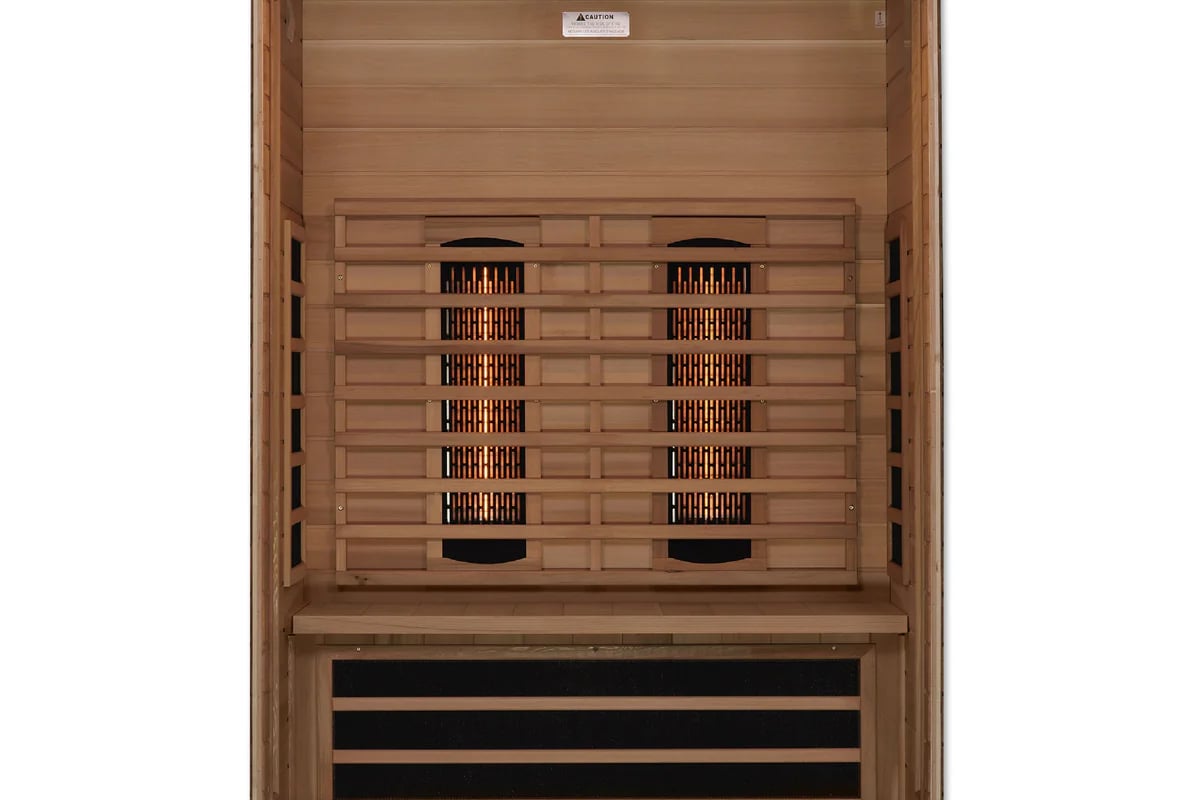
Traditional outdoor saunas require proper ventilation, moisture barriers, and weather-resistant construction. Barrel saunas have become increasingly popular for backyard installations due to their efficient heat circulation and smaller footprint compared to cabin-style models.
Operational Costs and Maintenance
Sauna Operating Expenses:
- Electric sauna: $0.50-$1.50 per session
- Infrared sauna: $0.20-$0.50 per session
- Wood-burning sauna: Variable based on wood costs
- Annual maintenance: Minimal (wood treatment, heater inspection)
Hot Tub Operating Expenses:
- Monthly electricity: $30-$80 depending on climate
- Chemical treatments: $20-$30 monthly
- Filter replacements: $50-$100 annually
- Water refills: $10-$30 per fill (every 3-4 months)
Hot tubs demand significantly more ongoing maintenance than saunas. Water chemistry balancing, filter cleaning, and cover management require weekly attention. Saunas need occasional wood treatment and cleaning but involve minimal day-to-day upkeep.
Combining Sauna and Hot Tub for Optimal Wellness
Many wellness enthusiasts incorporate both sauna and hot tub therapy into their routines, alternating or combining them for enhanced benefits. This approach, common in Scandinavian spa culture, provides complementary advantages.
Contrast Therapy Protocols
Alternating between hot sauna sessions and cold plunges creates powerful physiological responses. The cycle of heating and cooling:
- Strengthens immune system function
- Improves circulation efficiency
- Reduces inflammation markers
- Enhances mental alertness and mood
- Accelerates muscle recovery processes
A typical contrast therapy session follows this pattern:
- Sauna exposure for 15 minutes at 170-180°F
- Cold water immersion for 2-3 minutes
- Rest period of 5-10 minutes
- Repeat cycle 2-3 times
- Finish with gradual cool-down
Some practitioners substitute hot tub sessions for cold plunges when introducing beginners to contrast therapy, using the hot tub at a lower temperature (90-95°F) as an intermediate step.
Weekly Wellness Schedules
Creating a balanced routine that incorporates sauna and hot tub use optimizes recovery without overtaxing your cardiovascular system. Consider these scheduling approaches:
Active Recovery Focus:
- Monday: Post-workout sauna (20 minutes)
- Wednesday: Hot tub hydrotherapy (25 minutes)
- Friday: Sauna session (20 minutes)
- Sunday: Extended hot tub relaxation (30 minutes)
Stress Management Focus:
- Daily: 15-minute infrared sauna session before bed
- Twice weekly: 30-minute hot tub session for deep relaxation
Performance Enhancement Focus:
- Post-training days: Sauna immediately after workout
- Rest days: Hot tub for active recovery
- Competition week: Reduce frequency to maintain energy
Installation Considerations for Your Property
Whether you're adding a sauna, hot tub, or both to your property, proper planning ensures long-term satisfaction and optimal performance.
Indoor vs. Outdoor Placement
Indoor sauna installations offer year-round convenience and climate control. Selecting an indoor location requires adequate ventilation, moisture-resistant flooring, and proximity to electrical service. Basement locations work well if ceiling height permits, while dedicated bathroom installations provide easy shower access.
Outdoor saunas create a resort-like backyard atmosphere and eliminate indoor moisture concerns. They require weather-resistant construction and seasonal winterization in colder climates. The natural outdoor experience enhances the therapeutic benefits, allowing for immediate cooling in fresh air.
Hot tubs installed outdoors need year-round access planning, privacy screening, and proper drainage systems. Indoor hot tub installations demand robust structural support, extensive waterproofing, and commercial-grade ventilation systems that make them impractical for most residential settings.
Local Regulations and Permits
Building codes vary by municipality, but most jurisdictions require permits for both sauna and hot tub installations. Common regulatory requirements include:
- Electrical permits: All dedicated circuits need inspection
- Structural permits: Required for outdoor foundations and deck modifications
- Zoning compliance: Setback requirements from property lines
- Fence regulations: Many areas mandate enclosures around hot tubs
- GFCI protection: Ground fault circuit interrupters are legally required
Contact your local building department before purchasing equipment to understand specific requirements. Some homeowners associations impose additional restrictions on outdoor structures, particularly regarding visibility from neighboring properties.
Long-Term Health Integration Strategies
Consistency determines whether sauna and hot tub therapy deliver lasting health benefits or remain occasional indulgences. Building sustainable routines requires strategic planning and realistic goal-setting.
Creating Sustainable Habits
Habit Stacking Approach: Attach heat therapy sessions to existing routines. If you exercise regularly, schedule sauna time immediately afterward. If you have a nightly relaxation ritual, incorporate hot tub sessions before bed. This psychological technique leverages established habits to build new ones.
Environmental Design: Make access effortless by removing barriers. Keep towels, robes, and water bottles readily available near your sauna or hot tub. For outdoor installations, install adequate lighting and clear pathways for year-round access.
Social Accountability: Partner with family members or friends who share wellness goals. Scheduled joint sessions increase compliance rates and make the experience more enjoyable.
Tracking Progress and Adjusting Protocols
Monitor specific health markers to assess whether your sauna and hot tub routine delivers measurable benefits:
- Resting heart rate trends
- Blood pressure readings
- Sleep quality metrics
- Pain level assessments
- Stress perception scales
- Recovery time after workouts
Adjust frequency, duration, and temperature based on your body's responses. Some individuals thrive on daily sessions, while others achieve optimal results with 3-4 weekly uses. Listen to your body's signals and modify accordingly.
Making the Investment Decision
Financial considerations extend beyond initial purchase prices. Evaluating total cost of ownership helps you make informed decisions aligned with your budget and priorities.
Price Range Overview
Sauna Investment Spectrum:
- Entry-level infrared: $1,500-$3,000
- Mid-range traditional: $3,000-$8,000
- Premium outdoor models: $8,000-$15,000
- Custom-built luxury: $15,000-$40,000+
Hot Tub Investment Spectrum:
- Inflatable portable: $400-$1,000
- Entry-level acrylic: $3,000-$6,000
- Mid-range quality: $6,000-$12,000
- Luxury high-end: $12,000-$25,000+
Quality construction matters significantly for longevity. Premium sauna options built from Canadian timber or red cedar withstand decades of use when properly maintained, while lower-quality materials may require replacement within 5-10 years.
Value Proposition Analysis
Calculate the per-use cost over your expected ownership period. A $10,000 sauna used 200 times annually for 15 years costs approximately $3.33 per session. Compare this to spa memberships averaging $15-$30 per visit, and home ownership becomes financially attractive within 2-3 years.
Consider these value factors:
- Convenience value: No travel time or scheduling constraints
- Privacy premium: Exclusive use without sharing facilities
- Family benefit: Multiple household members gain access
- Property value: Quality installations increase home resale appeal
- Health savings: Potential reduction in healthcare expenses
Optimizing Your Wellness Investment
Regardless of whether you choose sauna, hot tub, or both, maximizing your investment requires ongoing education and refinement of your practices.
Advanced Techniques for Enhanced Benefits
Sauna Enhancement Methods:
- Essential oil aromatherapy (eucalyptus, lavender)
- Breathing exercises and meditation protocols
- Pre-sauna skin brushing for improved circulation
- Post-sauna cold showers for contrast benefits
- Strategic timing relative to circadian rhythms
Hot Tub Enhancement Methods:
- Epsom salt additions for muscle relaxation
- Underwater exercise routines for gentle movement
- Hydrotherapy jet positioning for targeted relief
- Ambient lighting and music for sensory experience
- Stretching sequences in buoyant environment
Seasonal Adjustments and Year-Round Use
Both sauna and hot tub experiences change with seasons, offering unique advantages throughout the year. Winter sessions provide warmth and immune support during cold and flu season. Summer use requires temperature modifications and hydration vigilance, but morning or evening sessions remain comfortable.
Outdoor sauna enthusiasts particularly value winter use, emerging into cold air for invigorating contrast. Hot tub users enjoy stargazing from warm water on clear winter nights. Adjust session lengths and temperatures based on ambient conditions to maintain comfort and safety.
Integrating a sauna and hot tub into your wellness routine provides complementary benefits that address different aspects of physical and mental health. Both modalities offer proven therapeutic advantages when used consistently and safely. Whether you're drawn to the intense dry heat of traditional saunas or the soothing hydrotherapy of hot tubs, RecoSauna offers premium options crafted from high-quality Canadian timber and materials designed for decades of reliable performance. Explore their comprehensive selection of outdoor, barrel, cabin, and infrared saunas to find the perfect match for your home wellness vision.
Share:
Best Sauna for Home: Expert Guide to Choosing Yours
Steam and Sauna: Benefits, Differences & Best Practices