
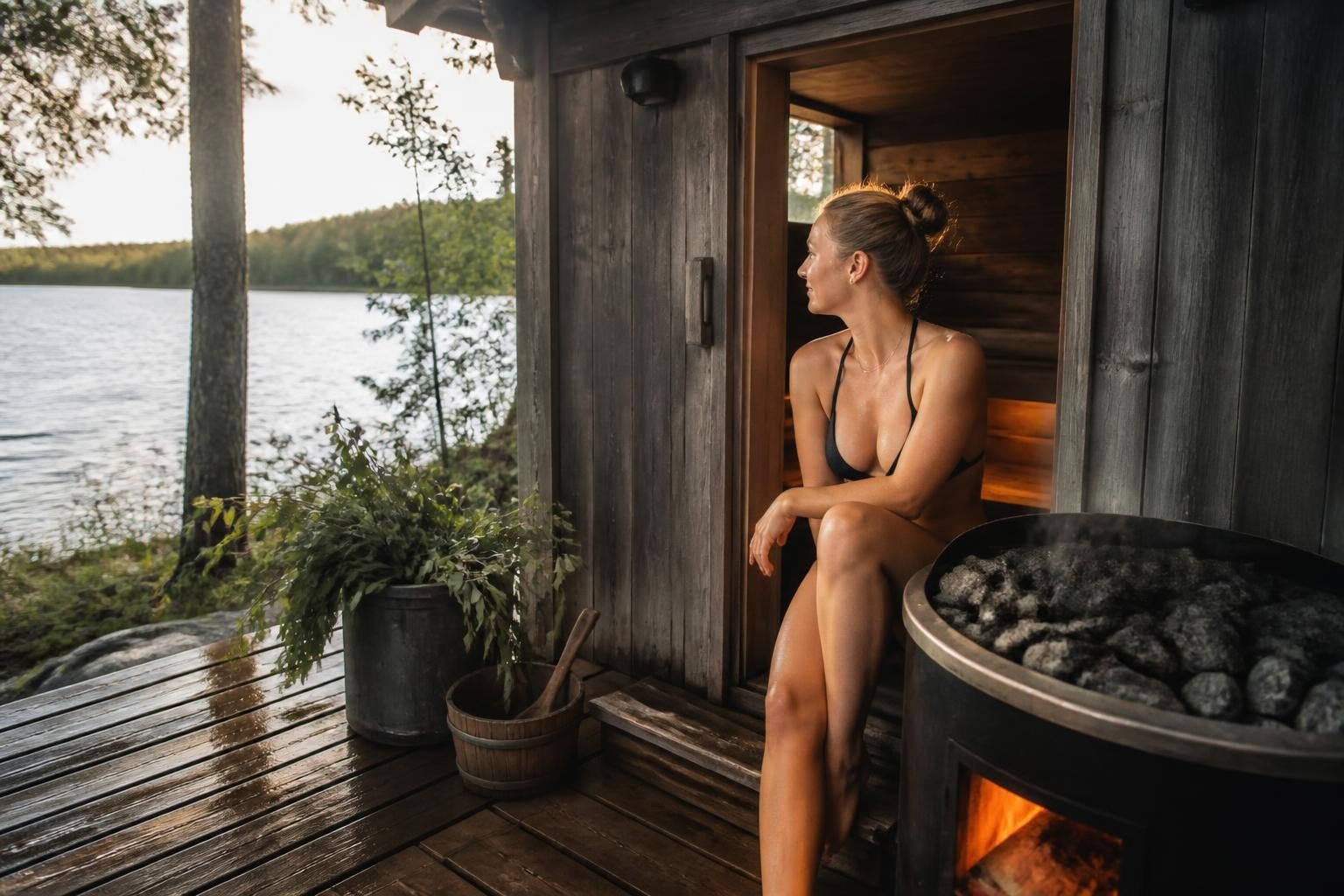
The finnish country sauna represents more than just a structure for heat bathing-it embodies centuries of Nordic tradition, cultural heritage, and a profound connection to nature. Nestled in the forests and lakesides of rural Finland, these authentic saunas have shaped Finnish identity and wellness practices for generations. Today, homeowners across North America are discovering the therapeutic benefits and timeless appeal of recreating this experience in their own backyards. Understanding the principles behind the finnish country sauna can help you design a space that honors tradition while meeting modern wellness needs.
The Historical Roots of Finnish Country Saunas
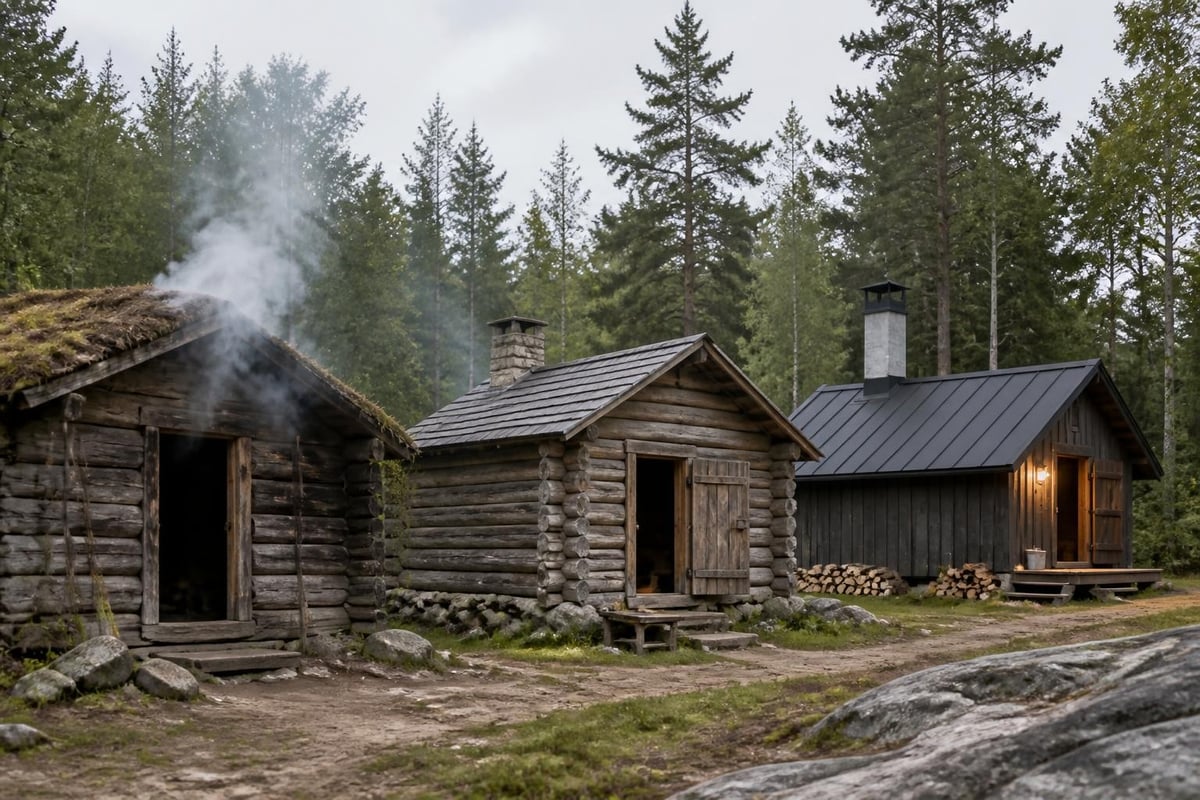
The finnish country sauna has evolved from ancient smoke saunas to become a cornerstone of Finnish culture. Archaeological evidence suggests sauna bathing in Finland dates back over 2,000 years, with the earliest versions consisting of earth pits covered with animal skins. As construction techniques advanced, Finns developed the smoke sauna (savusauna), which featured no chimney and filled with smoke during heating.
These traditional structures were built using locally available materials, primarily logs from Nordic forests. The craftsmanship required to construct a finnish country sauna was passed down through generations, with each family maintaining their own design preferences and heating rituals. The sauna served multiple purposes beyond bathing-it was a place for childbirth, healing rituals, and spiritual contemplation.
By the 19th century, chimney saunas became more common, allowing for cleaner heat and more frequent use. The sauna's significance in Finnish society grew so profound that the word "sauna" is one of the few Finnish words adopted into English without translation.
Architectural Characteristics and Design Philosophy
A traditional finnish country sauna follows specific architectural principles that optimize heat retention, airflow, and user comfort. The structure typically measures between 8 to 12 feet in width and 10 to 16 feet in length, accommodating 4 to 8 people comfortably. The ceiling height remains relatively low (around 7 feet) to maintain heat efficiency and create an intimate atmosphere.
The exterior construction utilizes thick log walls, often 2 to 4 inches thick, providing excellent insulation. Eastern White Cedar and Nordic spruce are preferred materials due to their resistance to moisture, pleasant aroma, and natural insulating properties. The logs are traditionally hand-hewn and notched at the corners using Finnish joinery techniques.
Key design elements include:
- Low, compact profile to minimize heat loss
- Small windows positioned high on walls for ventilation control
- Entrance oriented away from prevailing winds
- Proximity to natural water sources for cooling
- Separate dressing room (löylyhuone) and washing area
- Elevated benches in two or three tiers
The interior features smooth, untreated wood surfaces that absorb and release moisture naturally. Benches are constructed from aspen, alder, or abachi-woods that remain cool to the touch even at high temperatures. The stove (kiuas) occupies a central position, typically built from stone or modern electric heaters designed to replicate traditional heat patterns.
Health Benefits Rooted in Finnish Tradition
The finnish country sauna offers documented health benefits that have attracted scientific attention in recent years. Research published in medical journals demonstrates that regular sauna bathing supports cardiovascular health, improves circulation, and promotes relaxation. Finnish researchers have conducted extensive studies on their own population, where sauna use is nearly universal.
Cardiovascular and Circulatory Improvements
Regular sauna sessions elevate heart rate similarly to moderate exercise, improving cardiovascular function over time. The heat causes blood vessels to dilate, reducing blood pressure and improving arterial compliance. Studies indicate that frequent sauna users have significantly lower rates of cardiovascular disease and improved longevity compared to infrequent users.
The typical finnish country sauna session follows a specific protocol:
- Enter the sauna at 150-175°F (65-80°C) for 10-15 minutes
- Cool down with fresh air or cold water immersion
- Return for a second heat session of 10-15 minutes
- Repeat the cycle 2-3 times
- Rest and hydrate thoroughly after the final session
This temperature cycling creates a vascular workout that strengthens the heart and improves circulation. The heat stress triggers adaptive responses that enhance the body's resilience to various stressors.
Detoxification and Skin Health
The finnish country sauna promotes deep sweating that helps eliminate toxins through the skin. While the body primarily detoxifies through the liver and kidneys, sweating provides an additional pathway for removing certain heavy metals and environmental chemicals. The heat also opens pores, cleanses skin, and promotes cellular renewal.
Finnish tradition includes the use of gentle birch whisks (vihta or vasta) to lightly tap the skin, stimulating circulation and releasing aromatic oils. This practice enhances the sensory experience while providing mild exfoliation and aromatherapy benefits.
| Health Benefit | Mechanism | Recommended Frequency |
|---|---|---|
| Cardiovascular health | Increased heart rate, improved vessel function | 4-7 sessions per week |
| Stress reduction | Parasympathetic nervous system activation | 2-3 sessions per week |
| Muscle recovery | Improved circulation, reduced inflammation | After exercise or as needed |
| Respiratory health | Warm, humid air opens airways | 2-4 sessions per week |
| Sleep quality | Body temperature regulation, relaxation | Evening sessions 3-4 times weekly |
Building an Authentic Finnish Country Sauna
Creating a finnish country sauna in North America requires attention to authentic design principles while adapting to local climate conditions and building codes. The construction process begins with site selection-ideally near trees for shade, with access to water for cooling, and positioned for privacy.
Material Selection and Construction Methods
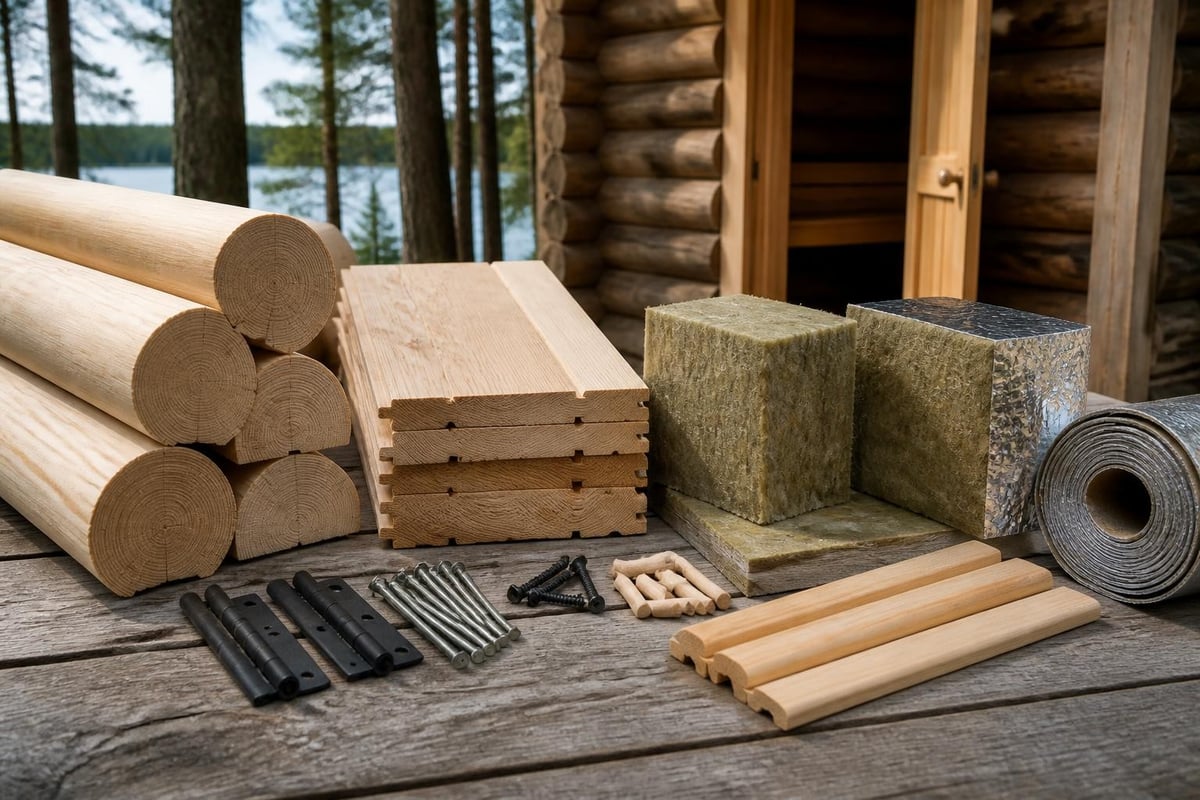
Essential building materials include:
- Premium quality logs or tongue-and-groove cedar panels
- Moisture-resistant foundation materials (concrete piers or gravel base)
- Vapor barrier and proper insulation for exterior walls
- Heat-resistant flooring (cedar duckboards or tile)
- Tempered or safety glass for windows and doors
- Stainless steel or heat-treated hardware
The foundation should elevate the structure slightly to prevent moisture accumulation and ensure proper drainage. Traditional finnish country saunas use minimal concrete, preferring natural stone or gravel beds that allow water to drain freely.
Wall construction follows either log cabin methods or modern panel systems. Log construction provides authentic appearance and excellent insulation but requires skilled craftsmanship. Panel systems offer easier installation while maintaining thermal performance when properly insulated.
Heating Systems: Traditional vs Modern
The heart of any finnish country sauna is its heating system. Traditional wood-burning stoves (puukiuas) create the most authentic experience, producing gentle, enveloping heat and the ritual of fire-tending. Modern electric heaters offer convenience and consistent temperature control while replicating traditional heat patterns.
Wood-burning stoves require:
- Proper chimney installation with spark arrestor
- Adequate clearances from combustible materials (minimum 16 inches)
- Fire-resistant hearth and wall protection
- Regular ash removal and chimney cleaning
- Seasoned hardwood fuel supply
Electric heaters provide:
- Precise digital temperature control
- Faster heat-up times (30-45 minutes vs 60-90 minutes)
- No smoke, ash, or chimney maintenance
- Built-in timers and safety shutoffs
- Lower installation costs and simpler permitting
The stones (kiuaskivet) placed on top of the heater are crucial for creating proper löyly-the steam burst created by ladling water onto hot rocks. Finnish diabase, olivine, or peridotite stones withstand thermal shock and retain heat effectively. A proper load requires 50-150 pounds of stones depending on heater size.
Modern Interpretations of Finnish Country Design
Contemporary sauna manufacturers have adapted traditional finnish country sauna principles to suit modern lifestyles and smaller property sizes. These interpretations maintain authentic heat experience while incorporating updated materials, efficient heating systems, and streamlined construction methods.
Prefabricated sauna kits now allow homeowners to install authentic Finnish-style saunas without extensive carpentry experience. These systems use precision-milled components that fit together like furniture, reducing installation time from weeks to days. Quality manufacturers source Canadian timber or Nordic wood species that match traditional characteristics.
Modern design innovations include:
- Panoramic glass panels that connect the sauna space to outdoor views
- Integrated LED lighting systems for ambiance and safety
- Bluetooth-enabled heater controls with smartphone apps
- Pre-wired electrical systems for simplified installation
- Modular components that adapt to different property layouts
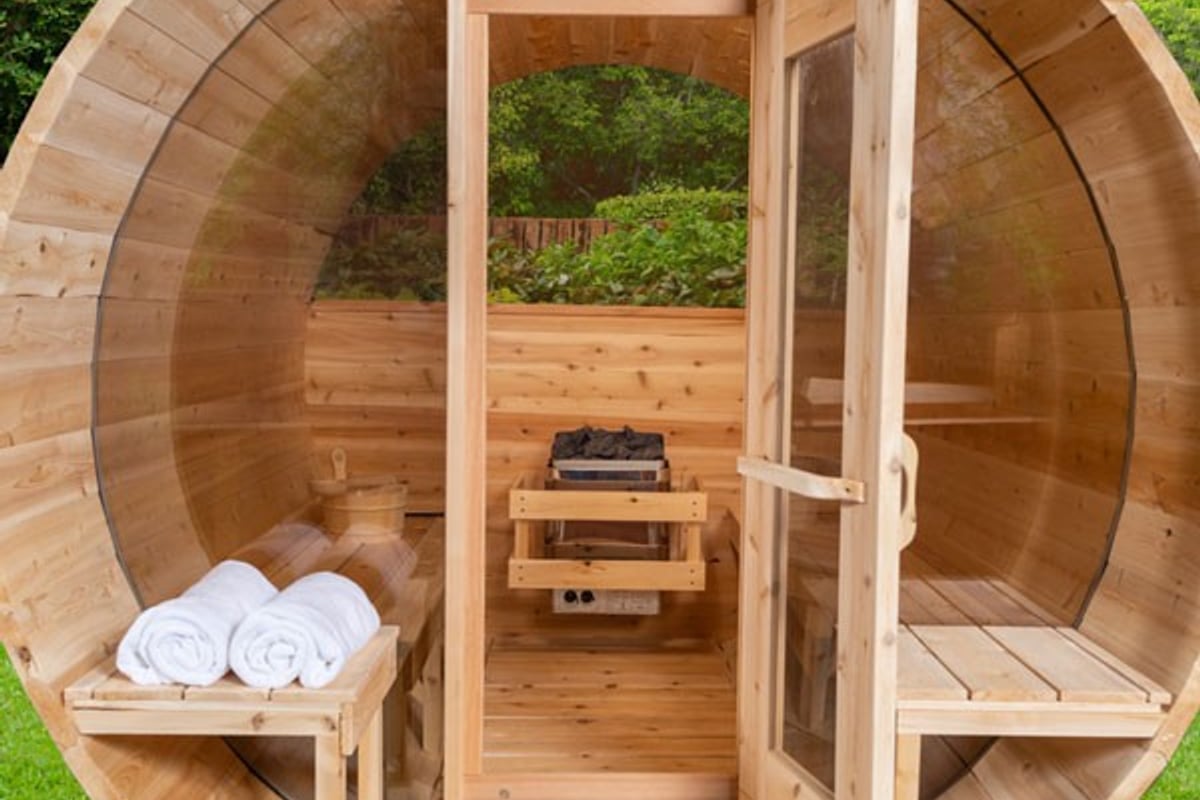
For properties with limited space, barrel sauna designs provide excellent heat circulation in a compact footprint. The cylindrical shape naturally promotes convection currents, requiring less energy to maintain temperature. The curved walls also shed rain and snow effectively, making barrel saunas ideal for climates with heavy precipitation.
For homeowners seeking a space-efficient yet authentic outdoor sauna experience, the Canadian Timber Serenity MP Barrel Sauna combines traditional Finnish heat bathing principles with modern Canadian craftsmanship. Its Eastern White Cedar construction and classic barrel shape provide the gentle, enveloping heat characteristic of a finnish country sauna while fitting comfortably in contemporary backyard spaces.
Integrating Wellness Practices
The finnish country sauna experience extends beyond the heat session itself. Creating a complete wellness ritual involves incorporating traditional Finnish practices adapted to your setting. The combination of hot sauna sessions with cold water immersion provides powerful contrast therapy benefits.
Traditional Finnish saunas were built near lakes or rivers, allowing bathers to cool off with a refreshing swim between heat sessions. In modern settings, this can be replicated with cold showers, garden hoses, or dedicated cold plunge pools. The temperature contrast stimulates circulation, boosts mood, and intensifies the relaxation response.
A proper cooling area should include:
- Comfortable seating protected from weather
- Access to cold water for drinking and cooling
- Natural ventilation and shade
- Space for relaxation between heat cycles
- Proximity to the sauna (within 20-30 feet)
Cultural Practices and Social Traditions
The finnish country sauna serves as a social hub where families and communities gather for conversation, relaxation, and bonding. Understanding these cultural traditions enriches the modern sauna experience and helps recreate the authentic Finnish atmosphere.
In Finland, sauna bathing follows unwritten rules of etiquette and respect. Silence or quiet conversation is preferred, allowing bathers to focus on relaxation and self-reflection. The sauna is considered a sacred space where social hierarchies dissolve and everyone is equal. Business meetings, political discussions, and family celebrations often incorporate sauna sessions.
Traditional Sauna Rituals
Finnish sauna culture includes several distinctive practices that enhance the experience:
Löyly throwing: The art of creating steam by ladling water onto hot stones requires skill and consideration. Too much water creates harsh, burning steam; too little fails to create the enveloping warmth that defines Finnish sauna. Experienced bathers adjust löyly frequency based on temperature, humidity, and participant preferences.
Vihta whisking: Gentle tapping with fresh birch branches stimulates circulation and releases pleasant aromatics. The practice is typically performed during the second or third heat session when the body is fully warmed. The branches are first softened in warm water, then used with light, rhythmic movements across the skin.
Temperature gradients: The tiered bench system allows bathers to choose their preferred heat intensity. Lower benches experience moderate temperatures (120-140°F), while upper benches reach peak heat (170-190°F). Moving between levels provides natural temperature variation throughout the session.
Some destinations around the world have embraced authentic Finnish sauna culture, creating spaces where visitors can experience traditional practices. For travelers interested in exploring Finnish wellness traditions in unique settings, the Kennebec Valley Tourism Council showcases regional attractions that include traditional heat bathing facilities and outdoor recreation opportunities. Similarly, luxury accommodations like Aquamarine Villa in Bali demonstrate how Finnish sauna principles adapt to tropical climates, offering private wellness spaces that combine Nordic tradition with Indonesian hospitality.
Seasonal Considerations and Year-Round Use
The finnish country sauna functions beautifully across all seasons, with each offering unique experiences and benefits. Finnish tradition particularly values winter sauna bathing, when the contrast between scorching heat and freezing snow creates an invigorating wellness ritual.
Winter Sauna Experience
Winter provides the most dramatic contrast therapy opportunities. After heating in the sauna, traditional Finns roll in snow, take ice baths, or simply stand in freezing air. This extreme temperature variation triggers powerful physiological responses including:
- Enhanced cold tolerance and thermogenesis
- Improved immune function
- Increased endorphin release
- Mental resilience and stress adaptation
- Cardiovascular conditioning
The finnish country sauna's thick wooden construction excels in winter conditions. The logs act as thermal mass, retaining heat longer and requiring less fuel to maintain temperature. Snow accumulation on the roof provides additional insulation, further improving efficiency.
Winter maintenance requirements:
- Clear snow from entrance and pathway regularly
- Ensure proper ventilation to prevent excessive moisture
- Check chimney for ice buildup (wood-burning models)
- Maintain heating system to prevent freezing pipes
- Stock extra firewood in covered, accessible location
Summer and Shoulder Seasons
Summer sauna sessions take advantage of warm weather for outdoor cooling activities. The experience becomes more social, with extended breaks between heat sessions for swimming, conversation, and enjoying nature. Evening sessions allow bathers to watch sunsets while enjoying the cooling breeze.
Spring and fall offer ideal conditions for introducing newcomers to finnish country sauna culture. Moderate outdoor temperatures make the transition between heat and cool more comfortable, while changing seasons provide beautiful natural scenery around the sauna.
| Season | Optimal Session Time | Ideal Practices | Unique Benefits |
|---|---|---|---|
| Winter | Late afternoon/evening | Snow rolling, ice bathing | Maximum contrast therapy, immune boost |
| Spring | Early evening | Lake swimming, nature observation | Allergy relief, seasonal transition |
| Summer | Late evening/night | Extended outdoor cooling | Social bonding, midnight sun (northern regions) |
| Fall | Sunset hours | Forest bathing between sessions | Stress reduction, seasonal adaptation |
Maintenance and Long-Term Care
Preserving a finnish country sauna requires regular maintenance to protect the wood, ensure safe operation, and maintain optimal performance. Traditional Finnish saunas develop character over time, with the wood darkening and absorbing the pleasant aroma of countless heat sessions.
Wood Care and Protection
Natural wood saunas should never be sealed, stained, or painted on interior surfaces. The wood must breathe to regulate moisture and release aromatic compounds. Expert guidance on Finnish sauna construction emphasizes allowing wood to age naturally without chemical treatments.
Regular maintenance tasks include:
- Sweep or vacuum benches and floors after each use
- Wipe down benches weekly with clean water (no soap)
- Leave door and vents open after sessions for complete drying
- Inspect and tighten hardware annually
- Clean heater stones and replace cracked pieces yearly
- Check ventilation systems for proper airflow
- Treat exterior wood with appropriate sealant every 2-3 years
The exterior requires more active protection against weather. Water-repellent stains or sealants designed for saunas protect against rain, snow, and UV damage while allowing the wood to breathe. Choose products specifically formulated for high-heat applications.
Heating System Maintenance
Wood-burning stoves require the most maintenance. Chimney cleaning should occur annually or every 50-60 fires, whichever comes first. Creosote buildup poses fire risks and reduces heating efficiency. Professional chimney sweeps can inspect for structural issues and ensure proper draft.
Electric heaters need minimal maintenance but benefit from annual inspections:
- Verify all electrical connections remain tight and corrosion-free
- Test temperature sensors and safety shutoffs
- Remove dust buildup from heating elements
- Inspect power cord for damage or wear
- Confirm proper stone arrangement for optimal airflow
The control panel should be tested regularly to ensure accurate temperature readings and responsive controls. Many modern systems include self-diagnostic features that alert users to potential issues before they become serious problems.
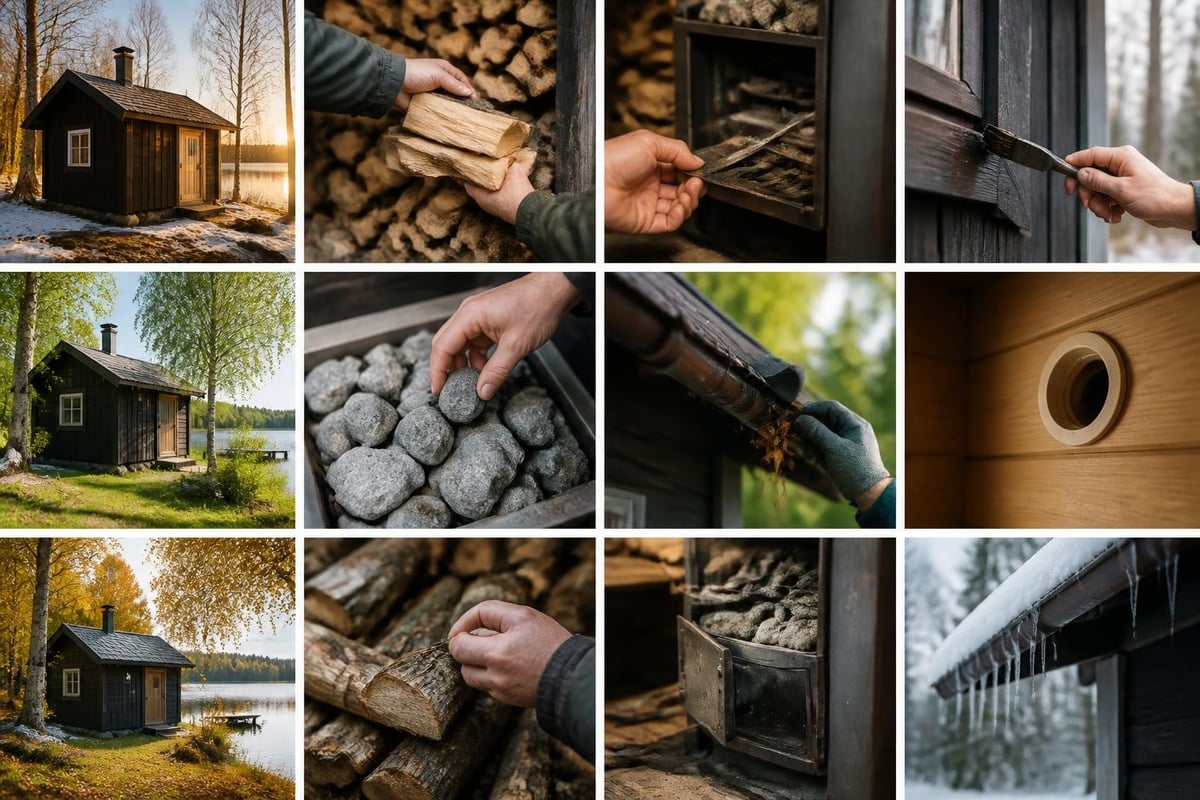
Designing for Personal Wellness Goals
The finnish country sauna adapts to various wellness objectives, from athletic recovery to stress management. Understanding how to customize temperature, humidity, and session duration optimizes benefits for specific health goals.
Athletic Recovery and Performance
Athletes use sauna bathing to accelerate muscle recovery, reduce inflammation, and improve endurance. Heat exposure increases growth hormone production, enhances protein synthesis, and promotes cellular repair. The optimal protocol for athletic recovery involves:
- Wait 30-60 minutes after intense exercise
- Begin with moderate temperatures (140-150°F)
- Stay hydrated throughout the session
- Use 2-3 cycles of 15-minute heat sessions
- Alternate with cool showers or cold plunge
- Follow with stretching and foam rolling
Studies show that regular sauna use improves heat tolerance, allowing athletes to perform better in warm conditions. The cardiovascular conditioning from repeated heat exposure translates to improved endurance and faster recovery between training sessions.
Stress Reduction and Mental Wellness
The finnish country sauna provides a technology-free environment for meditation, reflection, and mental decompression. The heat triggers parasympathetic nervous system activation, reducing cortisol levels and promoting deep relaxation. For stress management, gentler protocols work best:
- Lower temperatures (120-140°F) for longer sessions
- Soft lighting or candlelight for ambiance
- Quiet background music or silence
- Breathing exercises during heat exposure
- Extended cooling periods for contemplation
- Evening sessions 2-3 hours before sleep
The ritualistic nature of sauna preparation and bathing creates mindful transitions from daily stress to relaxation. The process of heating the sauna, preparing towels, and moving through heat cycles becomes a meditation practice itself.
Environmental Sustainability and Efficiency
Modern finnish country sauna design incorporates sustainability principles that align with traditional Finnish respect for nature. Energy efficiency, renewable materials, and minimal environmental impact guide contemporary sauna construction and operation.
Energy-Efficient Design Strategies
Insulation optimization:
- Use recycled cotton or mineral wool insulation in walls and ceiling
- Install vapor barriers to prevent moisture infiltration
- Seal all air gaps around doors, windows, and penetrations
- Consider double-glazed windows in cold climates
- Ensure proper roof insulation (R-30 minimum)
Heat retention techniques:
- Position sauna away from prevailing winds
- Use earth berming or landscaping for additional protection
- Install quality weather stripping on doors
- Minimize window size while maintaining safety egress
- Choose darker roof colors for solar heat gain in winter
Electric heaters in well-insulated saunas typically consume 3-6 kW per hour during heating and 1-2 kW for maintaining temperature. A typical session costs $0.50 to $2.00 in electricity depending on local rates. Wood-burning stoves have no operating costs beyond firewood, which can often be sourced sustainably from property management activities.
Sustainable Material Selection
Choosing sustainably harvested wood supports forest health and reduces environmental impact. Organizations that certify authentic Finnish sauna products often require sustainable forestry practices as part of their standards. Look for wood certified by the Forest Stewardship Council (FSC) or Sustainable Forestry Initiative (SFI).
Canadian timber products used in North American sauna construction often come from well-managed forests with strict regeneration requirements. Eastern White Cedar, Western Red Cedar, and Hemlock regrow relatively quickly and sequester carbon throughout their lifecycle.
Water conservation in sauna use comes naturally from the dry heat format. Traditional finnish country saunas use minimal water-only what's needed for löyly steam and post-session rinsing. This contrasts sharply with hot tubs or steam rooms that require significant water volumes.
The finnish country sauna represents a perfect fusion of ancient wisdom and modern wellness, offering therapeutic benefits that have stood the test of time. By understanding traditional design principles, cultural practices, and maintenance requirements, homeowners can create authentic sauna experiences that honor Finnish heritage while serving contemporary health goals. Whether you're drawn to the cardiovascular benefits, stress reduction, or social traditions, RecoSauna provides expertly crafted outdoor, barrel, and cabin saunas built with premium Canadian timber to bring this timeless tradition to your backyard. Explore our collection of traditional and modern sauna designs to begin your journey toward authentic Finnish wellness.
Share:
Cedar Barrel Sauna: Complete Guide for 2026
Premium Sauna: Elevating Home Wellness in 2026