
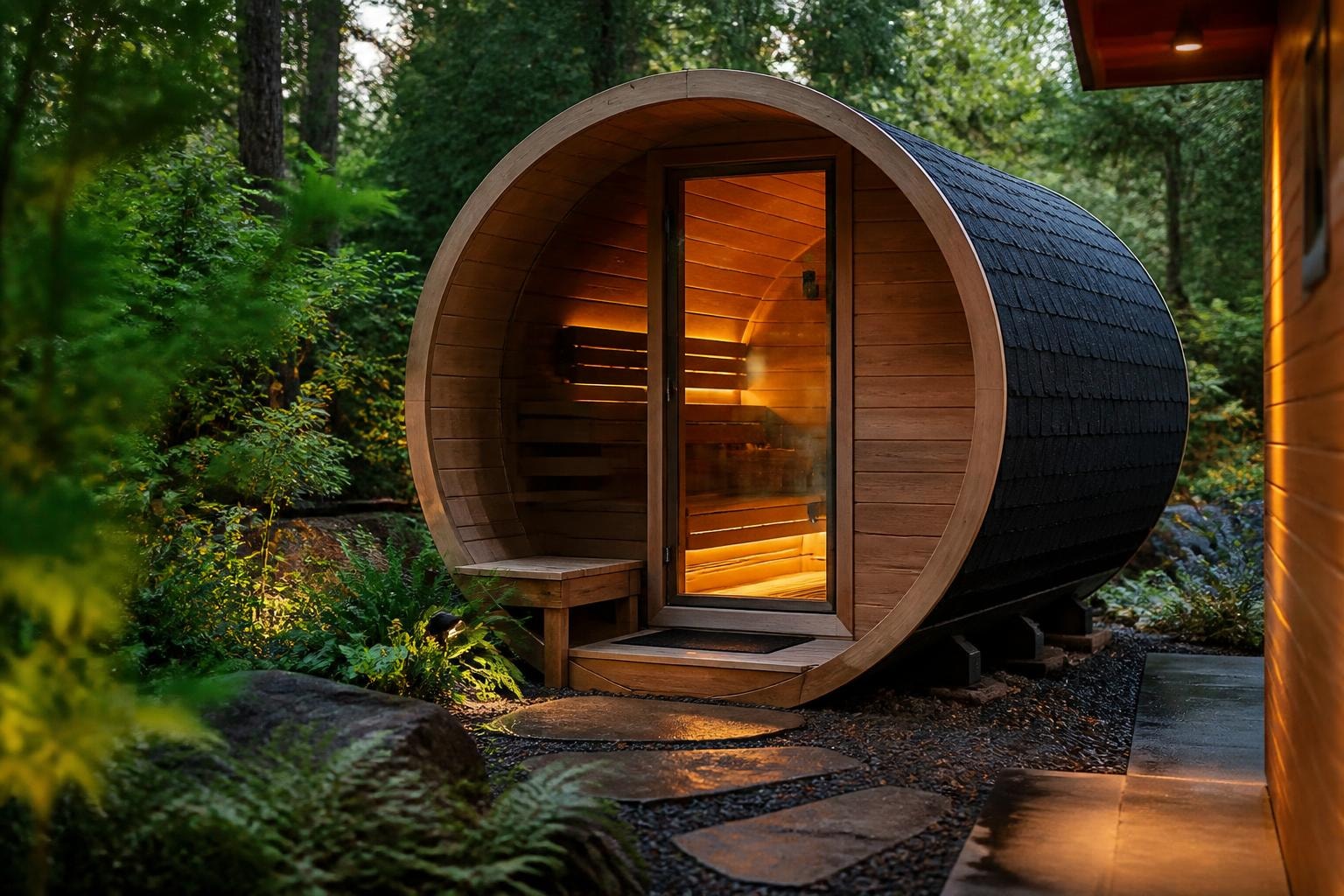
The modern wellness landscape continues to evolve, and one innovation stands out for homeowners seeking premium relaxation without sacrificing outdoor or indoor space. The sauna pod represents a breakthrough in contemporary sauna design, merging the timeless benefits of traditional heat therapy with space-efficient architecture and cutting-edge technology. As we move through 2026, more wellness enthusiasts are discovering how these compact yet powerful units deliver complete sauna experiences in surprisingly small footprints, making professional-grade heat therapy accessible for properties of all sizes.
Understanding the Sauna Pod Revolution
The sauna pod emerged from a simple yet compelling question: how can we preserve authentic sauna benefits while adapting to modern living spaces? Unlike conventional rectangular saunas that require substantial square footage, the sauna pod utilizes curved, aerodynamic architecture that maximizes interior volume while minimizing exterior dimensions. This design philosophy transforms how homeowners approach wellness installations.
Architectural Innovation Behind Pod Design
Pod-style construction relies on engineering principles that have proven effective across multiple industries. The rounded shape naturally distributes heat more evenly than traditional square corners, creating consistent temperature zones throughout the interior. This geometry also strengthens the overall structure, allowing manufacturers to use premium materials efficiently without excess weight.
Key architectural advantages include:
- Enhanced structural integrity from curved walls
- Superior heat retention through reduced surface area
- Optimized airflow patterns that prevent hot spots
- Reduced material waste during manufacturing
- Aesthetic appeal that complements contemporary landscapes
The compact nature of the sauna pod makes it particularly valuable for urban properties, smaller backyards, or homeowners who want wellness features without dedicating entire rooms to them. According to research on sauna health benefits, regular sauna use supports cardiovascular health, and the accessibility of pod designs removes common barriers to consistent practice.
Space Efficiency Without Compromise
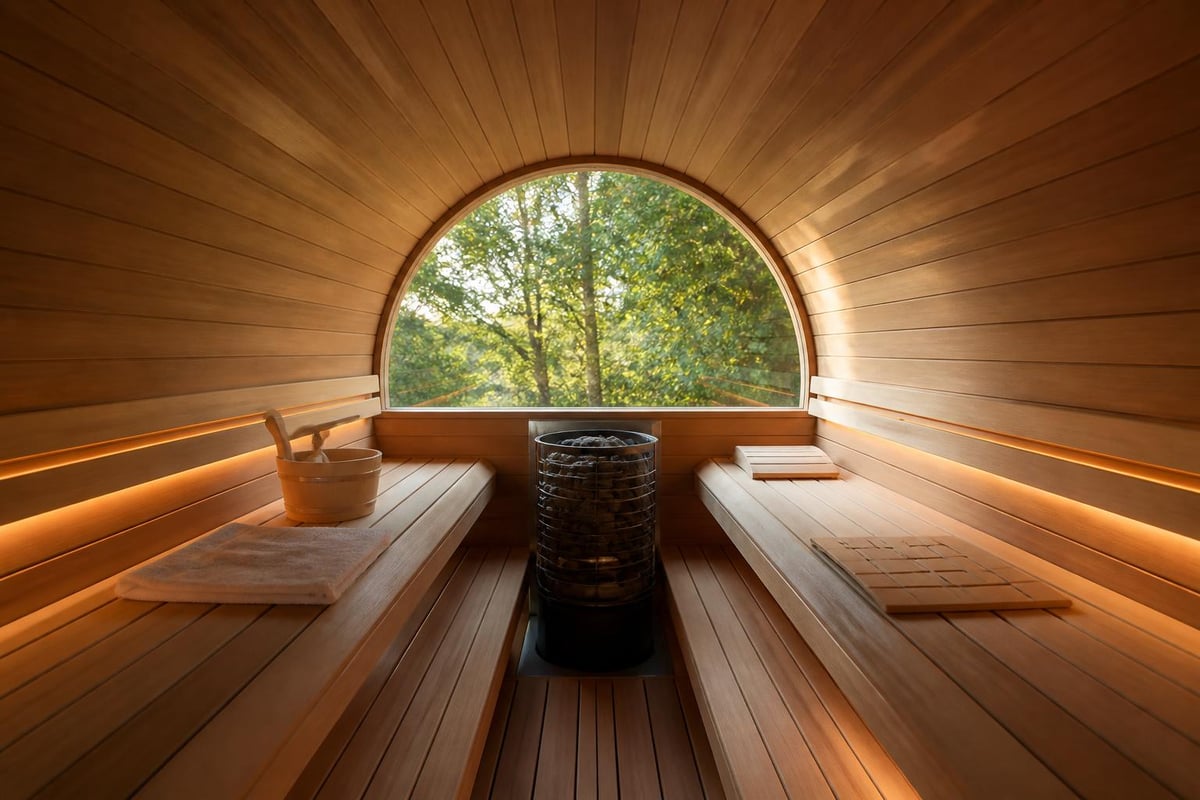
One of the most compelling aspects of the sauna pod lies in its ability to deliver full-spectrum sauna benefits within a remarkably small footprint. Traditional outdoor saunas often require 6x8 feet or larger, while many pod designs comfortably fit in spaces as compact as 4x5 feet. This spatial efficiency opens wellness opportunities for property owners who previously considered saunas impractical.
Maximizing Limited Square Footage
For those exploring compact pod saunas, the vertical orientation of many pod designs becomes particularly advantageous. Rather than spreading horizontally across valuable yard or patio space, these units utilize height efficiently, creating comfortable seating for one to three people within a minimal ground footprint.
| Feature | Traditional Sauna | The Sauna Pod |
|---|---|---|
| Typical Floor Space | 48-64 sq ft | 20-30 sq ft |
| Installation Time | 2-5 days | 4-8 hours |
| Foundation Requirements | Concrete pad | Level gravel or pavers |
| Capacity | 4-6 people | 1-3 people |
| Heat-up Time | 30-45 minutes | 15-25 minutes |
The reduced footprint doesn't mean sacrificing comfort. Modern pod interiors feature ergonomically designed seating, proper ventilation systems, and thoughtful lighting that creates an inviting atmosphere. Many users report that the cozier dimensions actually enhance the experience, creating an intimate wellness sanctuary rather than a cavernous space.
Installation Advantages for Homeowners
The sauna pod typically arrives as a pre-fabricated kit or fully assembled unit, dramatically reducing installation complexity compared to traditional construction. This approach offers several practical benefits for property owners who want to avoid lengthy renovation projects.
Property owners can often complete basic installation in a single day with minimal professional assistance. The lighter weight of pod designs means they don't require the same foundation depth as larger structures, and many models work perfectly on leveled gravel beds or existing patio surfaces.
Technology Integration in Modern Pod Designs
Contemporary sauna pods incorporate advanced heating technologies that previous generations of sauna enthusiasts could only imagine. From precise digital controls to smartphone connectivity, these features transform the user experience while maintaining the authentic benefits of heat therapy.
Heating System Options
The sauna pod market offers multiple heating approaches, each with distinct characteristics suited to different preferences. Understanding these options helps buyers select the system that aligns with their wellness goals and usage patterns.
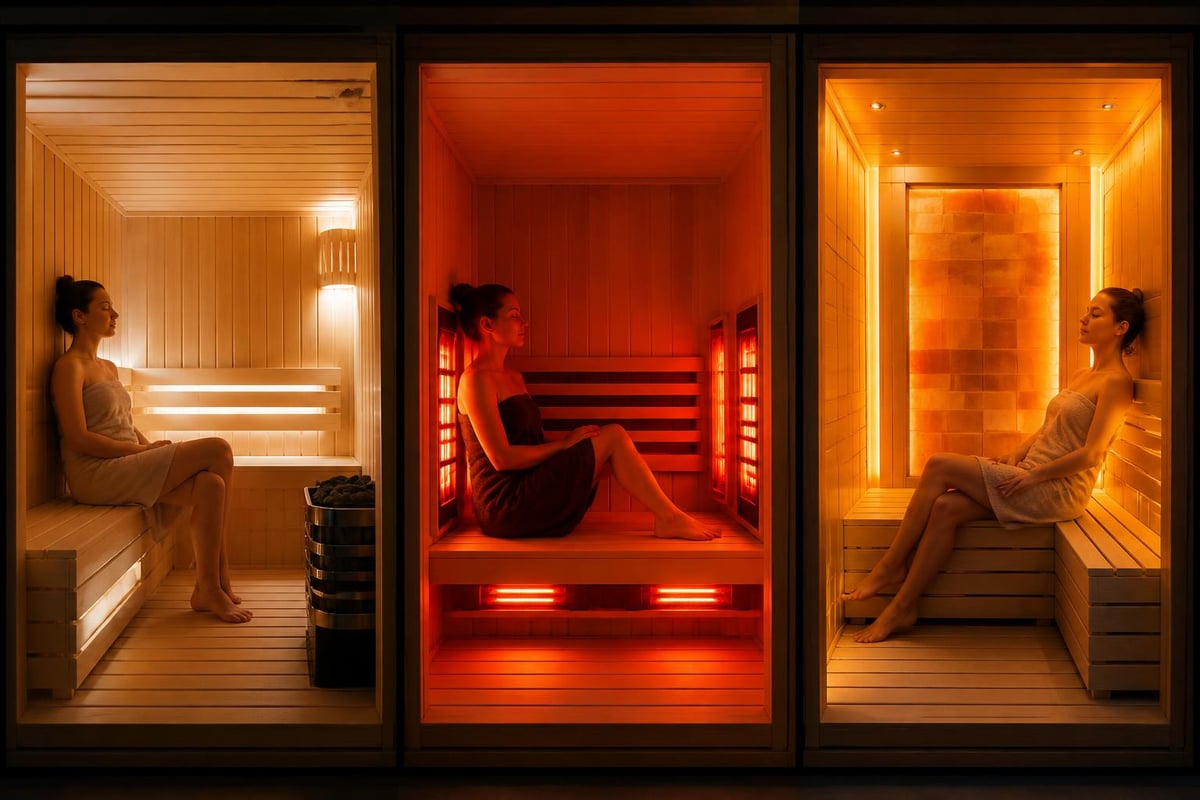
Traditional electric heaters in pod saunas deliver authentic dry heat experiences with precise temperature control. These systems typically reach temperatures between 150-195°F, creating the classic sauna environment that many enthusiasts prefer. The compact nature of pod designs means electric heaters can warm the space efficiently, often using less energy than larger sauna rooms.
Infrared technology represents another popular choice, particularly for users focused on therapeutic benefits at lower ambient temperatures. As detailed by Cleveland Clinic's analysis of sauna benefits, infrared saunas penetrate deeper into tissue while operating at more moderate temperatures, typically 120-140°F.
Full-spectrum infrared systems combine near, mid, and far infrared wavelengths, each offering specific wellness advantages. Near infrared supports skin health and wound healing, mid infrared improves circulation and cardiovascular conditioning, while far infrared provides deep tissue penetration for muscle recovery and detoxification support.
Smart Controls and User Experience
Modern sauna pods frequently include digital control panels that allow users to program temperature, duration, lighting, and even chromotherapy settings. These interfaces transform sauna sessions into precisely calibrated wellness routines rather than guesswork experiences.
Smartphone integration takes convenience further, enabling users to preheat their sauna pod before leaving work or adjusting settings without interrupting their session. Some advanced models include usage tracking, helping wellness enthusiasts monitor their consistency and optimize their heat therapy practice over time.
Health and Wellness Applications
The sauna pod delivers the same fundamental health benefits as traditional saunas, backed by decades of scientific research. What changes is the accessibility-having a compact, efficient unit steps from your back door removes common obstacles that prevent consistent practice.
Cardiovascular and Recovery Benefits
Regular sauna use supports heart health through a mechanism similar to moderate exercise. The elevated heart rate and improved circulation during heat exposure provide cardiovascular conditioning without physical exertion, making it valuable for recovery days or individuals with mobility limitations.
Athletes and fitness enthusiasts increasingly incorporate the sauna pod into recovery protocols. The combination of heat exposure and subsequent cooling helps reduce muscle soreness, supports joint flexibility, and accelerates the body's natural repair processes. For those combining heat and cold therapy, exploring outdoor sauna and cold plunge combinations can enhance these benefits significantly.
Mental Wellness and Stress Reduction
Beyond physical benefits, the sauna pod provides a dedicated space for mental decompression. The quiet, warm environment naturally encourages mindfulness and stress release, creating a daily ritual that supports both body and mind.
Mental wellness applications include:
- Dedicated time away from screens and notifications
- Meditation and breathing practice in a calming environment
- Improved sleep quality through evening heat exposure
- Reduced anxiety through parasympathetic nervous system activation
- Enhanced mood through endorphin release
Research continues to validate what sauna enthusiasts have known intuitively for generations. The ritualistic nature of sauna practice, combined with physiological stress response, creates a powerful tool for managing modern life's demands.
Material Quality and Construction Standards
The durability and performance of the sauna pod depend heavily on material selection and construction methods. Premium manufacturers prioritize wood species that naturally resist moisture, maintain dimensional stability, and release pleasant aromatic compounds when heated.
Wood Species and Their Properties
Eastern White Cedar stands as a premier choice for sauna pod construction, particularly in North American markets. This wood species offers exceptional resistance to moisture and temperature fluctuations while remaining lightweight and workable. Its natural oils provide built-in protection against decay, extending the lifespan of outdoor installations significantly.
Red Cedar brings similar moisture resistance with a slightly denser grain structure. Many users appreciate the richer color tones and distinctive aroma that red cedar provides during sauna sessions. Both cedar varieties maintain their integrity through countless heating and cooling cycles without warping or cracking.
Canadian Hemlock appears frequently in infrared sauna pods due to its smooth, splinter-free surface and neutral aroma profile. This species works particularly well for interior applications where users want wood's natural warmth without strong scent compounds.
| Wood Type | Moisture Resistance | Aroma | Durability | Cost |
|---|---|---|---|---|
| Eastern White Cedar | Excellent | Light, sweet | 20+ years | Moderate |
| Red Cedar | Excellent | Rich, distinctive | 20+ years | Moderate-High |
| Canadian Hemlock | Good | Very mild | 15-20 years | Moderate |
| Nordic Spruce | Good | Fresh, clean | 15-20 years | Moderate |
Construction Methods and Assembly
The sauna pod typically utilizes tongue-and-groove panel systems that create tight seals while allowing natural wood movement. This construction approach prevents gaps that would compromise heat retention while accommodating the expansion and contraction that occurs with temperature changes.
Pre-fabrication in controlled factory environments ensures consistent quality and precise tolerances that field construction cannot match. Manufacturers can implement rigorous quality control at each assembly stage, identifying and correcting issues before the unit reaches the customer.
For homeowners interested in premium craftsmanship, the Canadian Timber MiniPOD Sauna exemplifies the attention to detail and material quality that defines top-tier pod construction. Handcrafted from Eastern White Cedar with modern assembly techniques, it represents the convergence of traditional woodworking and contemporary design.
Outdoor Versus Indoor Pod Placement
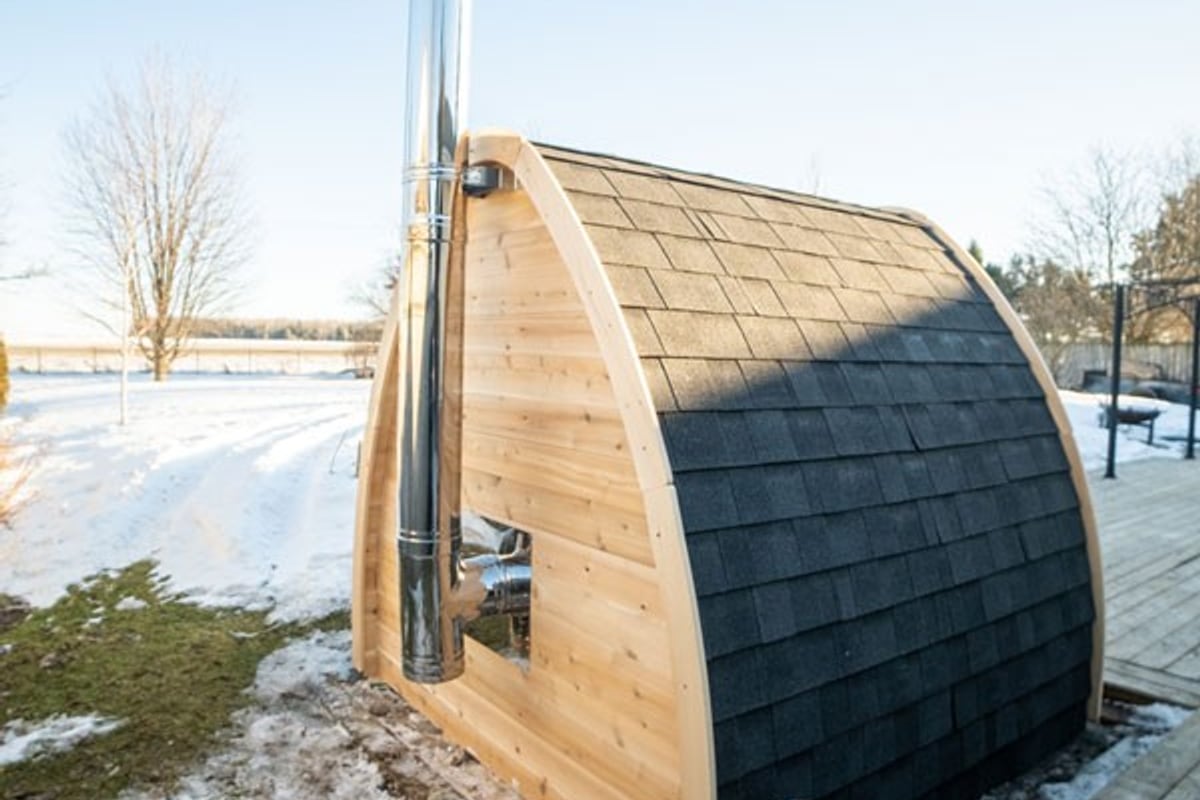
The versatility of the sauna pod extends to installation location, with models designed specifically for exterior or interior environments. Each placement option offers distinct advantages depending on property layout, climate considerations, and user preferences.
Outdoor Pod Installations
Placing the sauna pod in your backyard creates a dedicated wellness retreat separate from your main living space. This physical separation enhances the experience for many users, marking a clear transition from daily routines to intentional self-care time.
Outdoor placement considerations:
- Weather exposure requires proper drainage and foundation preparation
- Seasonal accessibility varies by climate zone
- Privacy screening may be necessary depending on property layout
- Electrical connections must meet outdoor installation codes
- Natural surroundings enhance the sensory experience
Weather-resistant construction protects outdoor pods from rain, snow, and UV exposure when properly maintained. Most manufacturers recommend annual inspection of seals, wood finish, and roofing components to ensure long-term performance.
Indoor Pod Options
Interior installations suit climates with harsh winters or homeowners who prefer year-round convenience without weather concerns. Basement, garage, or dedicated wellness room installations provide climate-controlled access regardless of outdoor conditions.
Indoor pods require adequate ventilation to manage humidity and ensure proper air quality. Most building codes specify minimum air exchange rates for sauna installations, particularly important in tightly sealed modern homes. Professional installation typically includes ventilation planning to meet these requirements safely.
Maintenance and Longevity
Proper care extends the functional life of the sauna pod while maintaining optimal performance and hygiene. Unlike complex mechanical systems, sauna maintenance involves straightforward tasks that most homeowners can complete without professional assistance.
Regular Cleaning Protocols
Daily maintenance requires minimal effort-simply wiping down benches and walls with a clean towel after each session removes sweat residue before it can accumulate. This simple habit prevents odor buildup and maintains the wood's natural appearance.
Weekly maintenance tasks include:
- Vacuuming or sweeping the floor to remove debris
- Checking door seals and hinges for proper function
- Wiping down any glass surfaces with appropriate cleaners
- Inspecting heating elements for dust accumulation
- Ensuring proper ventilation operation
Monthly deep cleaning involves more thorough attention to corners, bench undersides, and areas that don't receive daily attention. Mild soap solutions work well for periodic washing, though harsh chemicals should always be avoided as they can damage wood finishes and compromise air quality during use.
Long-Term Care Considerations
Wood naturally weathers over time, particularly in outdoor installations. Annual inspection of exterior finishes helps identify areas needing treatment before moisture penetration occurs. Many cedar and hemlock pods require minimal finishing due to the wood's natural protective oils, though some owners choose to apply additional sealants for enhanced protection.
Heating element replacement represents the most significant long-term maintenance item. Electric heaters and infrared panels typically provide 5-10 years of service before requiring replacement, depending on usage frequency and environmental factors. Planning for this eventual expense helps avoid unexpected costs.
Cost Analysis and Value Proposition
The sauna pod market spans a wide price range, with entry-level models starting around $3,000 and premium units exceeding $10,000. Understanding what drives these price differences helps buyers make informed decisions aligned with their budget and quality expectations.
Price Factors and Quality Indicators
Construction materials significantly impact pricing, with premium wood species, superior insulation, and advanced heating systems commanding higher prices. The relationship between cost and quality generally holds true in the sauna market, though buyers should verify specific features rather than assuming price alone indicates value.
| Price Range | Typical Features | Expected Lifespan |
|---|---|---|
| $3,000-$5,000 | Basic materials, standard heaters, minimal extras | 8-12 years |
| $5,000-$7,500 | Premium cedar, digital controls, better insulation | 12-18 years |
| $7,500-$10,000 | Top-grade materials, full-spectrum IR, smart features | 18-25 years |
| $10,000+ | Custom design, advanced technology, luxury finishes | 25+ years |
Operating Cost Considerations
Energy consumption varies based on heating technology, insulation quality, and usage patterns. Electric sauna pods typically consume 3-6 kW per session, translating to modest monthly operating costs for most users. The smaller volume of the sauna pod compared to traditional saunas means faster heat-up times and reduced energy waste.
Infrared systems generally operate more efficiently than traditional electric heaters at lower temperatures, though the difference narrows when comparing well-insulated pods of similar size. For those examining different infrared sauna options, energy efficiency specifications provide useful comparison data.
Selecting the Right Pod for Your Needs
With numerous manufacturers and models available in 2026, choosing the optimal sauna pod requires careful consideration of personal priorities, space constraints, and intended usage patterns. A systematic evaluation process helps identify the unit that best aligns with individual requirements.
Capacity and Size Decisions
Determine how many people will typically use the sauna simultaneously. Solo users can maximize space efficiency with single-person pods, while couples or families benefit from two to three-person models despite the larger footprint. According to user reviews of portable sauna pods, proper sizing dramatically affects long-term satisfaction.
Numbered steps for size selection:
- Measure your available installation space with clearance for door swing
- Consider ceiling height for indoor installations (minimum 6.5 feet recommended)
- Evaluate seating preferences (bench style versus corner layouts)
- Account for future needs if household size may change
- Factor in resale value if you plan to move within 5-10 years
Heating Technology Selection
Choose between traditional electric, infrared, or full-spectrum systems based on temperature preferences and wellness goals. Those who enjoy intense heat and rapid cardiovascular response typically prefer traditional electric heaters reaching 180-195°F. Users focused on therapeutic benefits at more moderate temperatures often gravitate toward infrared options.
Climate considerations also influence heating decisions. In cold climates, traditional electric heaters may provide more satisfying warmth during winter months, while infrared systems offer year-round comfort in temperate regions without overheating concerns.
Integration with Broader Wellness Routines
The sauna pod functions most effectively as part of a comprehensive wellness strategy rather than a standalone practice. Thoughtful integration with other health habits multiplies benefits and creates sustainable routines that support long-term wellbeing.
Complementary Practices
Pre-sauna preparation enhances session effectiveness. Proper hydration before entering the sauna pod allows sustained sweating without dehydration risk. Light stretching or foam rolling beforehand takes advantage of increased flexibility that heat provides, supporting deeper tissue work.
Post-sauna protocols maximize recovery benefits. A cool shower or brief cold exposure after heat creates beneficial physiological contrast, supporting circulation and immune function. Dr. Rhonda Patrick discusses optimal sauna protocols and health benefits in detail, providing science-based guidance for session timing and temperature targets.
Nutrition timing around sauna sessions deserves consideration as well. While heavy meals immediately before heat exposure can cause discomfort, light snacks provide energy for longer sessions. Post-sauna electrolyte replenishment supports optimal recovery, particularly after intense or prolonged sessions.
Building Consistent Habits
The accessibility of the sauna pod removes common obstacles to regular practice. When wellness tools sit conveniently in your backyard or basement, consistency becomes far more achievable than gym-dependent options. Many users find that establishing specific sauna days or times creates sustainable routines that persist long-term.
Starting with modest frequency and duration allows your body to adapt gradually. Three 15-minute sessions per week provide significant benefits for most users, with room to increase as heat tolerance develops. The key lies in sustainable consistency rather than aggressive protocols that lead to burnout.
Future Trends in Pod Sauna Development
The sauna pod market continues to evolve as manufacturers incorporate emerging technologies and respond to changing consumer preferences. Several trends appear poised to shape product development through the remainder of this decade.
Sustainability and Eco-Conscious Design
Environmental considerations increasingly influence purchasing decisions, driving manufacturers toward sustainable forestry practices, recyclable materials, and energy-efficient technologies. Certifications verifying responsible wood sourcing provide buyers assurance that their wellness investment aligns with environmental values.
Solar-compatible heating systems represent another growing trend, particularly for outdoor installations in sunny climates. While initial costs remain higher, the long-term energy independence appeals to environmentally conscious buyers and those in remote locations.
Enhanced Personalization Options
Customization capabilities continue expanding, allowing buyers to specify exact dimensions, wood finishes, window placements, and technology packages. This shift from standardized products toward personalized solutions reflects broader consumer trends across home improvement categories.
Advanced chromotherapy systems, aromatherapy integration, and acoustic enhancements transform the sauna pod from simple heat boxes into multi-sensory wellness environments. These additions cater to users seeking comprehensive relaxation experiences beyond basic heat therapy.
Emerging features in 2026 models:
- Voice-activated controls for hands-free operation
- Biometric monitoring integration tracking heart rate and session data
- Automated maintenance reminders based on actual usage
- Modular construction allowing capacity expansion
- Advanced air filtration for optimal respiratory environment
For those exploring various barrel saunas and pod designs, comparing traditional versus innovative features helps identify which enhancements deliver genuine value versus marketing novelty.
The sauna pod represents a perfect convergence of traditional wellness wisdom and modern design efficiency, making premium heat therapy accessible for properties of all sizes. Whether you're drawn to space-saving outdoor installations or convenient indoor placement, these compact units deliver authentic sauna benefits without the footprint of conventional designs. RecoSauna provides an extensive selection of premium sauna options, including innovative pod designs crafted from high-quality Canadian timber, helping you find the perfect wellness solution for your home and lifestyle.
Share:
Sauna World: Global Traditions & Modern Wellness
Outdoor Sauna Home: Design, Benefits & Installation