
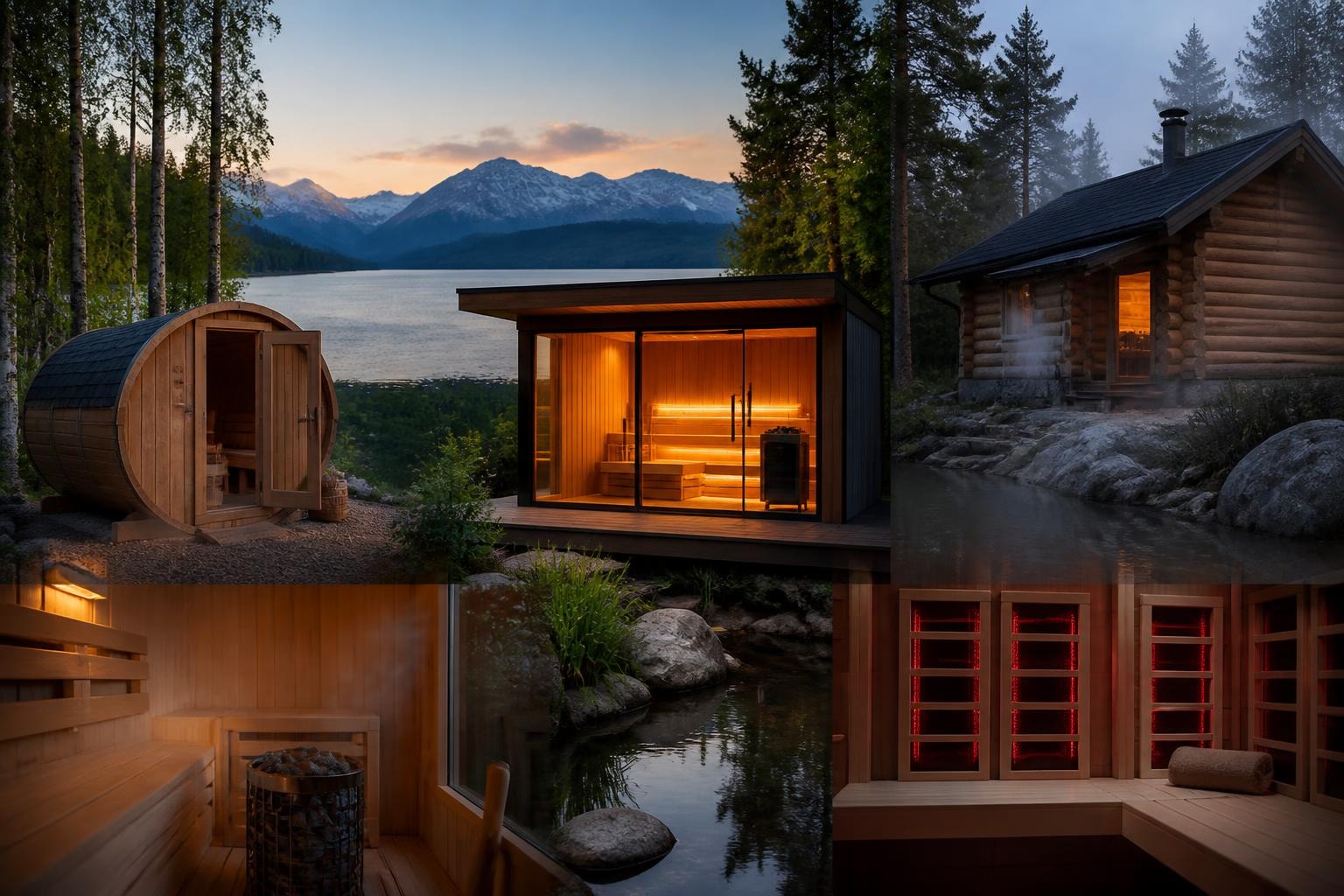
The sauna world encompasses a rich tapestry of traditions, technologies, and wellness practices that have evolved across continents and centuries. From the ancient steam baths of Rome to the modern infrared sanctuaries of North America, the global appreciation for heat therapy continues to expand. Today's sauna enthusiasts can choose from traditional wood-fired structures, contemporary electric models, and cutting-edge infrared systems, each offering unique benefits and experiences. Understanding the breadth of the sauna world helps individuals make informed decisions about which sauna type best suits their lifestyle, space, and wellness goals.
The Global Landscape of Sauna Culture
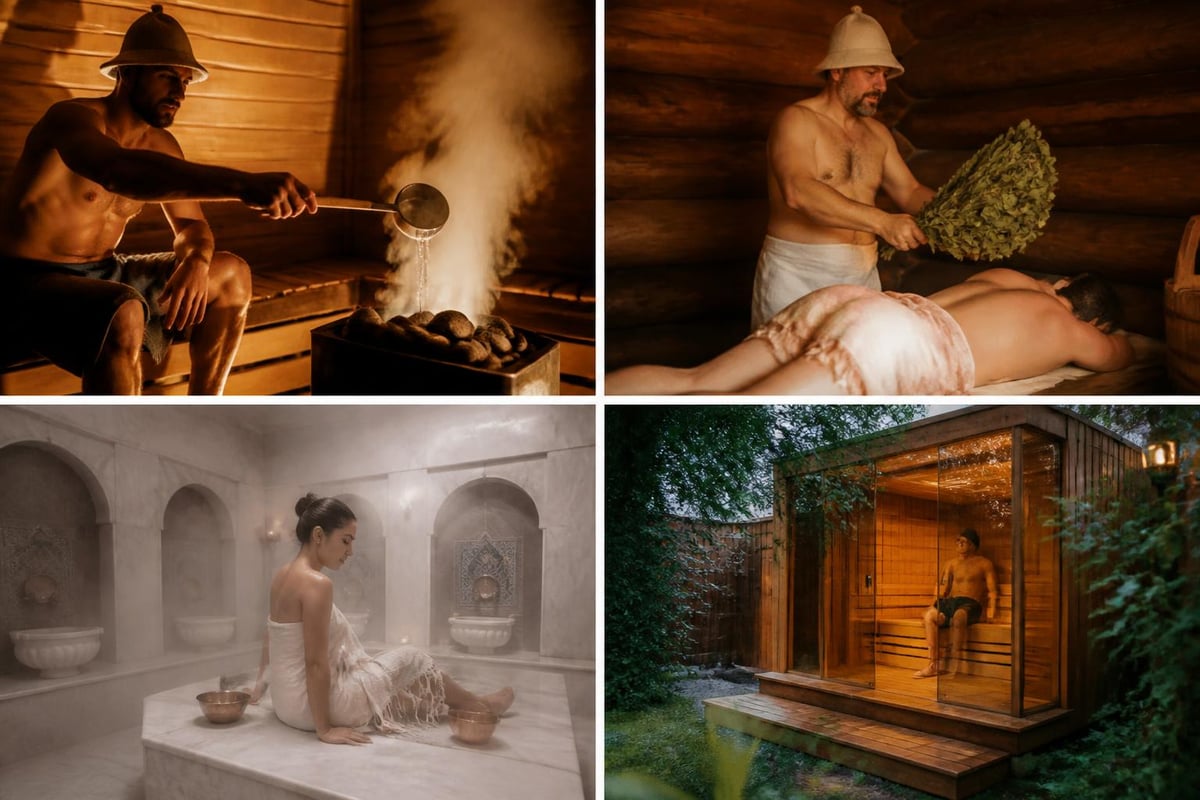
The sauna world reflects remarkable diversity in design, ritual, and purpose. Finland stands as the undisputed heartland of sauna culture, where an estimated three million saunas serve a population of just over five million people. Finnish sauna practices emphasize regular use, moderate temperatures between 150-195°F, and the ritual of löyly-pouring water over heated stones to create therapeutic steam.
Beyond Finland, sauna traditions around the world reveal fascinating variations. Russia's banya tradition incorporates vigorous whisking with birch branches, while Turkey's hammam features elaborate marble chambers and skilled attendants. Japanese sento culture combines communal bathing with precise temperature protocols, and Korean jjimjilbang facilities offer multi-temperature rooms within sprawling wellness complexes.
North American Sauna Evolution
The North American sauna world has experienced remarkable growth in recent years, blending European traditions with contemporary innovation. Indigenous sweat lodge ceremonies predate European settlement by thousands of years, demonstrating that heat therapy traditions existed across cultures. Modern North Americans have embraced saunas for both therapeutic benefits and social connection, particularly in regions with harsh winters.
Key characteristics of North American sauna adoption include:
- Integration of Canadian timber construction for durability and aesthetics
- Preference for electric heating systems due to convenience and safety regulations
- Growing interest in infrared technology for lower-temperature wellness sessions
- Emphasis on backyard installations rather than communal facilities
- Combination of traditional and modern design elements
The trend toward home sauna ownership has accelerated significantly, with recent reports highlighting how communities embrace sauna culture during frigid winters. Minnesota, Wisconsin, and Michigan show particularly strong adoption rates, reflecting both climate considerations and cultural heritage from Scandinavian immigration patterns.
Types of Saunas Shaping the Modern Sauna World
Understanding the technical distinctions between sauna types helps navigate the expansive sauna world. Each category offers specific advantages, operational characteristics, and installation requirements that appeal to different user preferences.
Traditional Finnish Saunas
Traditional saunas dominate the global sauna world through their time-tested design and cultural significance. These structures heat air temperatures to 150-195°F while maintaining relatively low humidity until water contacts the heated rocks. The intense heat followed by cooling periods creates the cardiovascular stimulation many users seek.
| Feature | Traditional Sauna | Infrared Sauna |
|---|---|---|
| Temperature Range | 150-195°F | 120-150°F |
| Heat-Up Time | 30-40 minutes | 10-15 minutes |
| Humidity Control | Variable (löyly) | Low/None |
| Power Requirements | 240V dedicated circuit | 120V standard outlet |
| Installation Complexity | Moderate to High | Low to Moderate |
Traditional outdoor saunas crafted from Eastern White Cedar or Red Cedar bring authentic sauna world experiences to North American backyards. The Canadian Timber Luna Sauna by LeisureCraft exemplifies modern interpretations of classic design, featuring rounded corners, large windows, and bronze-tinted glass that create a contemporary aesthetic while maintaining traditional heating methods. These structures accommodate 2-4 people and offer the social dimension that defines communal sauna culture globally.
Barrel Sauna Innovation
Barrel saunas represent one of the most distinctive segments within the sauna world, combining efficient heat circulation with compact footprints. The cylindrical design eliminates corner dead spaces, ensuring even temperature distribution and faster heating times compared to rectangular structures. This efficiency makes barrel saunas particularly popular for residential installations where space and energy consumption matter.
Advantages of barrel sauna design:
- Superior heat circulation due to curved walls
- Reduced heating time and energy consumption
- Visually striking appearance enhancing landscape aesthetics
- Natural rain runoff preventing moisture accumulation
- Compact footprint suitable for smaller yards
The barrel sauna segment continues expanding throughout the sauna world as homeowners recognize the practical and aesthetic benefits. These structures typically accommodate 2-5 users depending on diameter and length, making them ideal for families and small social gatherings focused on wellness.
Infrared Sauna Technology
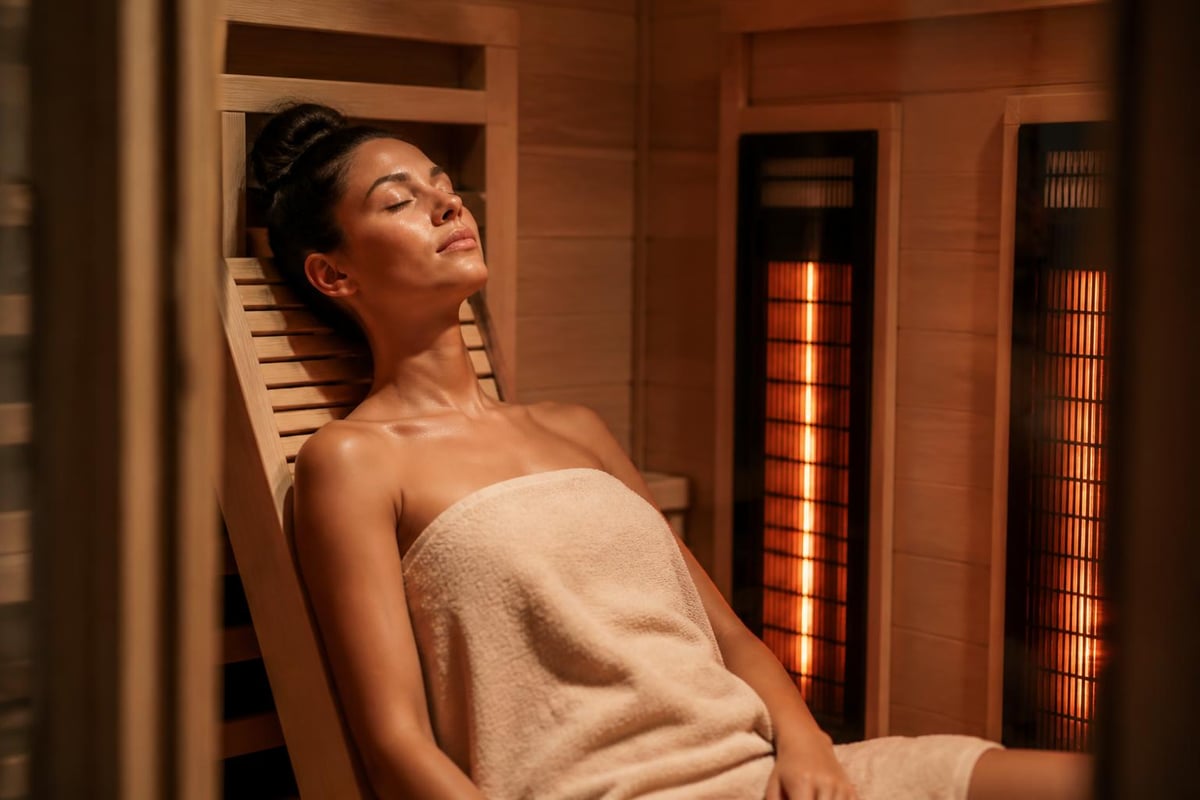
Infrared saunas have revolutionized the sauna world by introducing a fundamentally different heating mechanism. Rather than warming the air, infrared heaters emit radiant energy that penetrates skin tissue directly, creating therapeutic heat at lower ambient temperatures. This approach appeals to users who find traditional sauna temperatures uncomfortable or have conditions requiring gentler heat exposure.
The infrared segment divides into three categories based on wavelength: near, mid, and far infrared. Full-spectrum systems combine all three wavelengths, theoretically maximizing therapeutic benefits. Far-infrared models dominate the residential market due to their deep tissue penetration and established research supporting their effectiveness.
Health Benefits Driving the Sauna World Forward
The explosive growth of the sauna world correlates directly with mounting scientific evidence supporting various health benefits. While traditional cultures valued saunas for cleanliness and social bonding, contemporary users increasingly seek specific wellness outcomes supported by research.
Cardiovascular Health and Circulation
Research examining regular sauna sessions suggests potential cardiovascular benefits including improved circulation, reduced blood pressure, and enhanced arterial flexibility. Finnish population studies have associated frequent sauna use with reduced cardiovascular mortality, though researchers emphasize that correlation does not prove causation and more controlled studies are needed.
The cardiovascular response to sauna heat mirrors moderate exercise, elevating heart rate and increasing blood flow to skin surfaces for cooling. This passive cardiovascular workout appeals to individuals with mobility limitations or those seeking complementary wellness practices alongside traditional exercise.
Stress Reduction and Mental Wellness
The sauna world increasingly emphasizes mental health benefits alongside physical outcomes. Heat exposure triggers endorphin release, creating natural mood elevation and stress relief. The dedicated quiet time within a sauna environment provides a technology-free sanctuary for meditation, reflection, and mental decompression.
Mental wellness benefits observed in sauna users include:
- Reduced cortisol levels and stress markers
- Improved sleep quality and duration
- Enhanced mood and reduced anxiety symptoms
- Increased mindfulness and present-moment awareness
- Social connection in communal sauna settings
According to Cleveland Clinic health professionals, regular sauna use may support overall well-being through stress reduction mechanisms, though individual responses vary significantly. The ritualistic aspect of sauna sessions contributes to psychological benefits independent of heat exposure itself.
Muscle Recovery and Pain Relief
Athletes and active individuals comprise a growing segment of the sauna world, seeking faster recovery between training sessions. Heat therapy increases blood flow to muscles, potentially accelerating the removal of metabolic waste products and delivering oxygen and nutrients for repair processes.
| Recovery Method | Time Investment | Temperature | Primary Mechanism |
|---|---|---|---|
| Sauna Session | 15-30 minutes | 150-195°F | Increased circulation |
| Ice Bath | 10-15 minutes | 50-59°F | Reduced inflammation |
| Contrast Therapy | 20-40 minutes | Both | Vascular pumping |
| Hot Tub | 15-20 minutes | 100-104°F | Muscle relaxation |
The trend toward combining outdoor saunas with cold plunge therapy reflects the sauna world's integration of multiple wellness modalities. Contrast therapy alternates between heat and cold exposure, creating vascular exercise that may enhance recovery beyond either modality alone.
Choosing Your Place in the Sauna World
Selecting the right sauna requires evaluating multiple factors including available space, budget, intended use patterns, and personal preferences. The diversity within the sauna world ensures options exist for virtually every situation, from compact indoor units to luxurious outdoor structures.
Space and Location Considerations
Outdoor saunas integrate seamlessly into backyards, offering dedicated wellness spaces separate from living areas. These structures require level foundations, electrical or gas service, and sufficient clearance from property lines and structures. Indoor saunas maximize convenience for year-round use but demand adequate ventilation, moisture management, and electrical capacity.
Critical installation factors include:
- Foundation requirements (concrete pad, gravel base, or deck mounting)
- Electrical service capacity and circuit availability
- Ventilation pathways for moisture and heat management
- Access routes for delivery and assembly
- Local building codes and permit requirements
- Proximity to changing areas and showers
Urban dwellers with limited outdoor space often gravitate toward infrared saunas that fit within spare bedrooms, bathrooms, or basement areas. These units typically require only standard electrical outlets and minimal clearance, expanding sauna access to apartment and condominium residents.
Material Selection and Durability
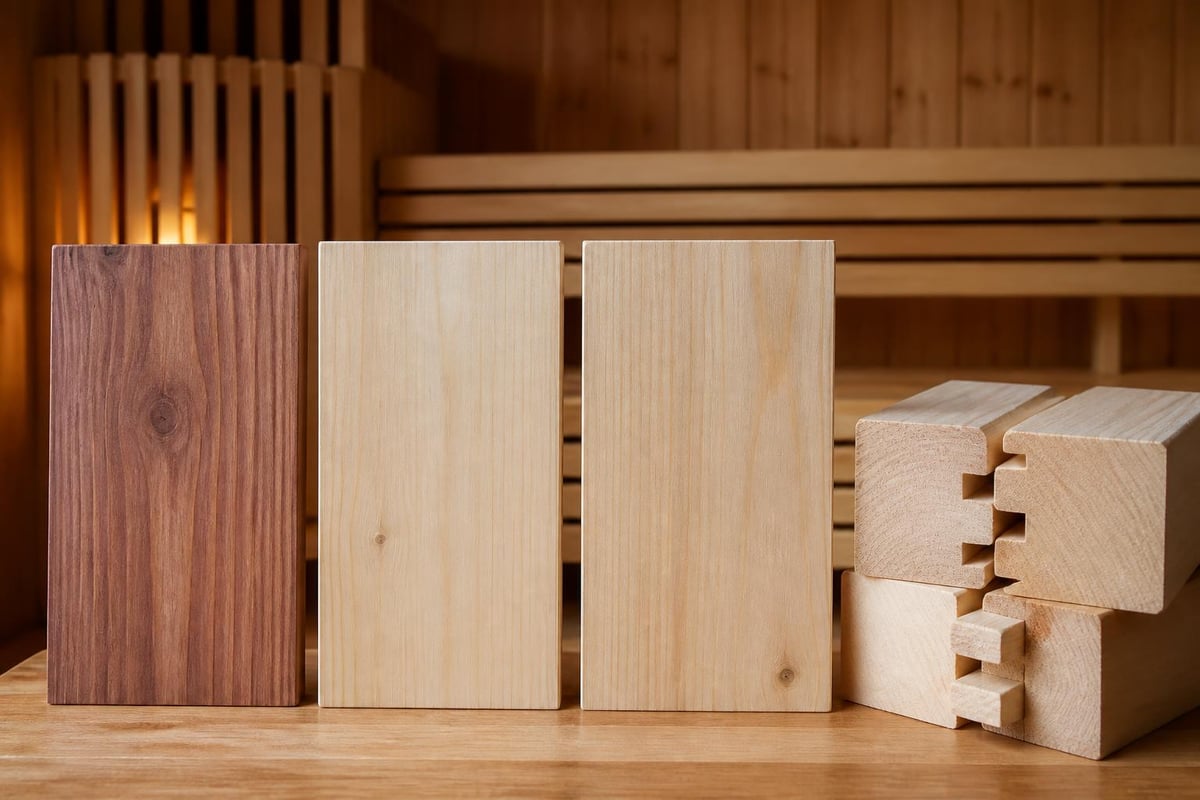
The sauna world showcases various wood species, each offering distinct characteristics. Canadian Red Cedar provides natural aromatic oils, resistance to moisture damage, and beautiful color variation. Eastern White Cedar offers lighter tones and excellent insulation properties. Hemlock provides a neutral scent profile preferred by users sensitive to cedar aroma.
Premium construction separates lasting investments from disappointing purchases. Tongue-and-groove joinery, properly kiln-dried lumber, stainless steel hardware, and tempered glass components indicate quality craftsmanship. Manufacturers offering detailed warranties demonstrate confidence in their construction methods and materials.
Heating System Options
Traditional electric heaters dominate the residential sauna world due to their safety, convenience, and consistent performance. These systems require dedicated 240-volt circuits but offer precise temperature control and minimal maintenance. Wood-burning heaters appeal to purists seeking authentic experiences and off-grid capabilities, though they demand more involvement and create outdoor emissions.
Gas-powered heaters occupy a middle ground, offering convenience approaching electric systems while avoiding high-voltage electrical requirements. However, gas heaters require proper venting and regular safety inspections, limiting their adoption compared to electric alternatives.
The Social Dimension of Sauna World Culture
Beyond individual wellness benefits, the sauna world emphasizes communal experiences and social bonding. Sauna culture's recent growth in the UK demonstrates how shared heat experiences foster connection and community. Multi-person saunas accommodate couples, families, and friend groups, creating opportunities for conversation and togetherness increasingly rare in screen-dominated modern life.
Building Home Wellness Rituals
Integrating sauna sessions into regular routines maximizes both physical benefits and lifestyle satisfaction. Consistency matters more than duration for many wellness outcomes, with experts recommending 2-3 weekly sessions lasting 15-30 minutes each. Evening sessions promote sleep quality, while post-workout timing supports recovery processes.
Creating pre and post-sauna rituals enhances the overall experience. Hydration before and after sessions prevents dehydration. Cool showers or outdoor cooling periods between heat exposures amplify cardiovascular benefits. Quiet reflection time or light reading within the sauna deepens relaxation effects.
Sauna Etiquette and Safety
Understanding proper sauna protocols ensures safe, enjoyable experiences within the broader sauna world. Temperature tolerance varies significantly between individuals, with newcomers advised to start conservatively and gradually extend session duration. Sitting on lower benches where temperatures run cooler allows acclimation before progressing to hotter upper levels.
Essential safety guidelines include:
- Stay hydrated before, during, and after sessions
- Limit initial sessions to 10-15 minutes until heat-adapted
- Exit immediately if experiencing dizziness or discomfort
- Avoid alcohol consumption before or during sauna use
- Consult healthcare providers regarding medication interactions
- Never use saunas while pregnant without medical approval
- Cool down gradually rather than shocking the system
The sauna world continues evolving as research clarifies benefits and optimal usage patterns. While some studies suggest alternatives like hot tubs may offer certain advantages, traditional and infrared saunas maintain distinct benefits unavailable through water immersion alone.
The Future of the Sauna World
Innovation continues reshaping the sauna world through smart technology integration, sustainable materials, and hybrid designs. Connected sauna controllers allow remote preheating via smartphone apps, ensuring optimal temperatures upon arrival. Energy-efficient insulation and heating elements reduce operational costs while minimizing environmental impact.
The wellness industry's growth suggests the sauna world will expand further as consumers prioritize preventive health measures and stress management. Residential installations will likely continue outpacing commercial facilities in North America, driven by convenience preferences and the lasting impact of pandemic-era home improvement trends.
Chromotherapy lighting, aromatherapy integration, and audio systems transform basic heat chambers into multi-sensory wellness environments. These enhancements appeal to users seeking comprehensive relaxation experiences beyond heat therapy alone, though purists often prefer traditional simplicity.
Sustainability and Environmental Considerations
Environmental consciousness increasingly influences sauna world purchasing decisions. Sustainably harvested timber, energy-efficient heating systems, and long-lasting construction methods reduce ecological footprints. Canadian timber sources benefit from stringent forestry regulations ensuring reforestation and habitat protection.
Electric heating systems powered by renewable energy sources create carbon-neutral operation when paired with solar panels or green utility programs. Wood-burning models using sustainably harvested firewood can achieve similar environmental profiles in appropriate settings, though local air quality regulations often restrict their use in urban areas.
Investment Considerations in the Sauna World
Quality saunas represent significant investments warranting careful evaluation of both upfront costs and long-term value. Price ranges span from $2,000 for basic indoor infrared units to $15,000+ for premium outdoor structures with custom features. Understanding what drives cost differences helps buyers align budgets with expectations.
| Cost Factor | Budget Impact | Considerations |
|---|---|---|
| Size/Capacity | High | More materials, larger heater, greater installation complexity |
| Wood Quality | Moderate | Premium grades cost more but offer superior durability |
| Heater Type | Moderate | Advanced infrared or large electric heaters increase price |
| Glass/Windows | Low to Moderate | Larger glass areas add cost but enhance aesthetics |
| Pre-assembly | Moderate | Factory-built units cost more but simplify installation |
Operating costs remain relatively modest, with electric saunas typically consuming 6-8 kW per session. At average North American electricity rates, this translates to $1.50-3.00 per hour of operation. Infrared models consume less energy due to lower temperatures and faster heat-up times, often cutting operational costs by 30-40%.
Maintenance requirements vary by sauna type and installation environment. Outdoor units require periodic wood treatment to maintain appearance and weather resistance. All saunas benefit from regular cleaning, proper ventilation between uses, and annual inspection of heating elements and electrical connections. Quality construction minimizes maintenance demands, making initial investment in premium materials financially sensible over 10-20 year ownership periods.
The diverse sauna world offers wellness solutions for every lifestyle, climate, and budget. Whether drawn to traditional Finnish practices, modern infrared technology, or the architectural beauty of barrel designs, selecting the right sauna transforms daily routines into restorative rituals. RecoSauna provides comprehensive selections spanning outdoor, barrel, cabin, and infrared saunas from premium North American manufacturers, ensuring quality construction and authentic experiences for every customer. Explore the possibilities and discover how the right sauna elevates your wellness journey.
Share:
Steam Rooms: Health Benefits, Safety, and Usage Guide
The Sauna Pod: Modern Wellness Meets Space-Saving Design