
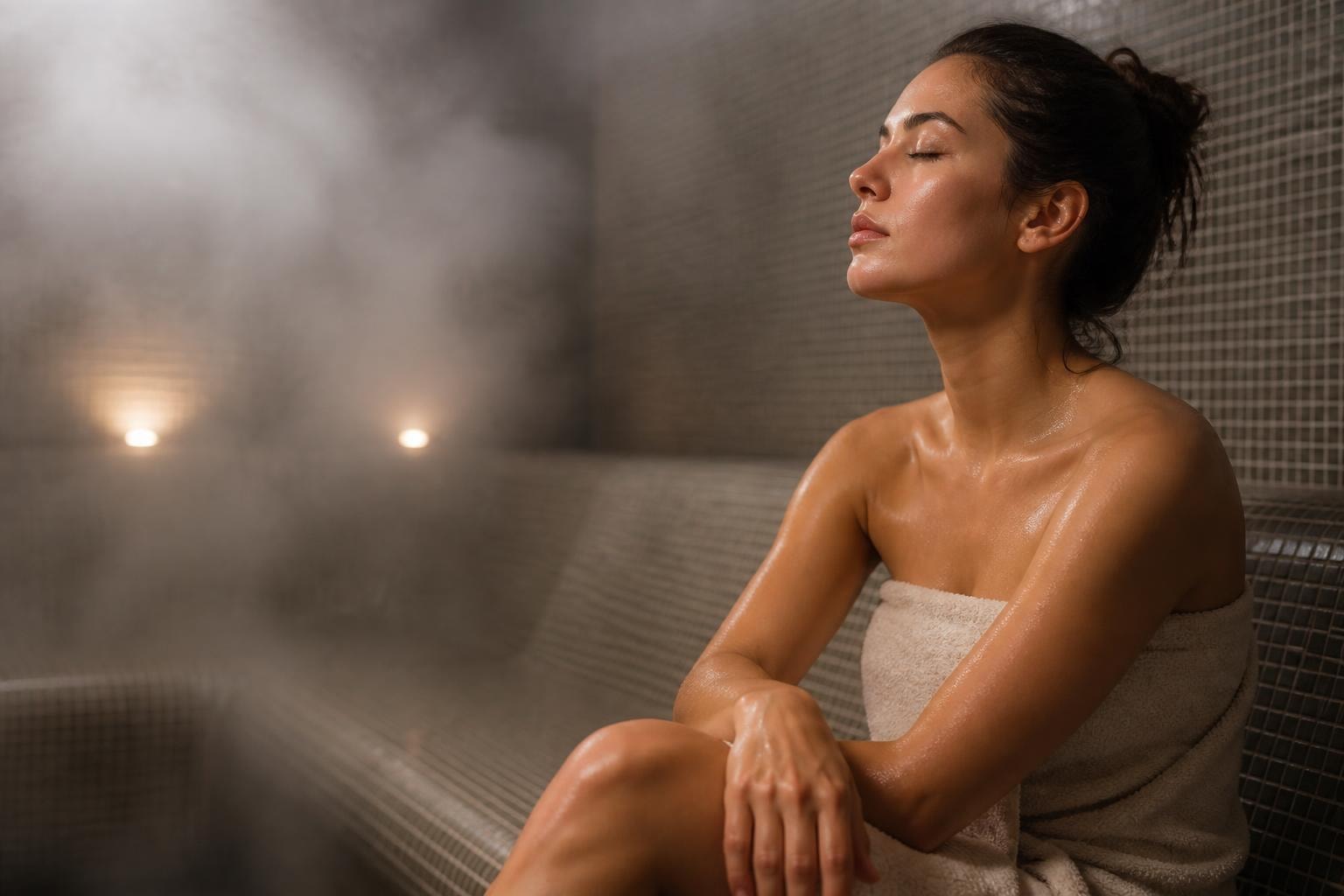
Steam rooms have been a cornerstone of wellness culture for centuries, offering a unique approach to relaxation and recovery through high-humidity heat exposure. Unlike their dry heat counterparts, steam rooms create an environment saturated with moisture, typically maintaining temperatures between 110°F and 114°F with near-100% humidity. This combination delivers distinct therapeutic benefits that appeal to fitness enthusiasts, wellness seekers, and anyone looking to enhance their recovery routine. Understanding how steam rooms work and how to use them safely can transform your approach to rest and rejuvenation.
Understanding Steam Room Technology and Environment
Steam rooms generate their characteristic environment through specialized steam generators that heat water to its boiling point and release the vapor into an enclosed space. The high humidity creates a sensation of intense heat even at relatively moderate temperatures compared to traditional saunas.
The walls, floor, and ceiling of steam rooms are typically constructed from non-porous materials like ceramic tile, acrylic, or glass. These materials prevent moisture absorption and bacterial growth while maintaining the humid environment. The sealed design ensures steam retention and creates the immersive experience users seek.
Key Differences from Traditional Saunas
While both steam rooms and traditional saunas provide heat therapy, they operate on fundamentally different principles:
| Feature | Steam Rooms | Traditional Saunas |
|---|---|---|
| Temperature | 110°F - 114°F | 150°F - 195°F |
| Humidity | 95% - 100% | 10% - 20% |
| Heat Type | Moist heat | Dry heat |
| Session Duration | 10-15 minutes | 15-20 minutes |
The moist heat in steam rooms penetrates the body differently than dry heat, making them particularly effective for respiratory relief and skin hydration. Many wellness facilities now offer both options, recognizing that each delivers unique therapeutic advantages.

Health Benefits of Regular Steam Room Use
The therapeutic effects of steam rooms extend across multiple body systems, making them valuable tools for holistic wellness. Research continues to validate many traditional claims about steam therapy while uncovering new applications.
Respiratory System Support
Steam rooms excel at providing relief for respiratory conditions. The warm, moist air helps loosen mucus in the airways, making it easier to breathe and clear congestion. According to Medical News Today, the humid environment can benefit individuals with allergies, asthma, and bronchitis by opening airways and reducing inflammation.
The steam's moisture content soothes irritated respiratory passages and can provide temporary relief from symptoms associated with:
- Seasonal allergies
- Chronic bronchitis
- Sinusitis
- Common cold symptoms
- Exercise-induced respiratory discomfort
Cardiovascular and Circulation Benefits
The heat exposure in steam rooms triggers a cardiovascular response similar to moderate exercise. Your heart rate increases, blood vessels dilate, and circulation improves throughout your body. This enhanced blood flow delivers oxygen and nutrients more efficiently to muscles and organs.
Healthline reports that regular steam room sessions may support cardiovascular health by improving circulation and potentially helping to lower blood pressure in some individuals. However, anyone with existing heart conditions should consult their physician before incorporating steam therapy into their routine.
Muscle Recovery and Joint Health
Athletes and active individuals frequently use steam rooms as part of their recovery protocols. The moist heat penetrates deeply into muscles, helping to reduce soreness and stiffness after intense workouts. The warm environment also increases flexibility by warming up connective tissues.
For individuals with arthritis or other joint conditions, steam rooms offer temporary pain relief by reducing inflammation and improving range of motion. The weightless feeling in the humid environment can make movement more comfortable for those dealing with chronic pain.
Skin Health and Appearance
Steam opens pores and promotes sweating, which helps flush out toxins and impurities from the skin. The increased circulation brings fresh blood to the skin's surface, potentially improving complexion and promoting a healthy glow.
Benefits for skin health include:
- Deep pore cleansing through increased perspiration
- Enhanced hydration from moisture absorption
- Improved skin elasticity and suppleness
- Temporary reduction in acne-causing bacteria
- Natural exfoliation support
Proper Steam Room Usage and Best Practices
Maximizing the benefits of steam rooms while maintaining safety requires understanding proper usage protocols. Following established guidelines ensures you enjoy the therapeutic effects without risking adverse reactions.
Pre-Session Preparation
- Hydrate thoroughly - Drink at least 8-16 ounces of water before entering
- Shower first - Remove lotions, oils, and cosmetics that can interfere with sweating
- Eat lightly - Avoid heavy meals within 2 hours of your session
- Remove jewelry - Metal can become uncomfortably hot in the humid environment
Optimal Session Length and Frequency
Beginners should limit initial sessions to 5-7 minutes, gradually building tolerance over several weeks. Experienced users typically enjoy 10-15 minute sessions, though exceeding 15 minutes increases dehydration risk without additional benefits.
Most experts recommend using steam rooms 2-3 times per week for optimal results. Daily use is generally safe for healthy individuals who stay properly hydrated and listen to their body's signals.
During Your Session
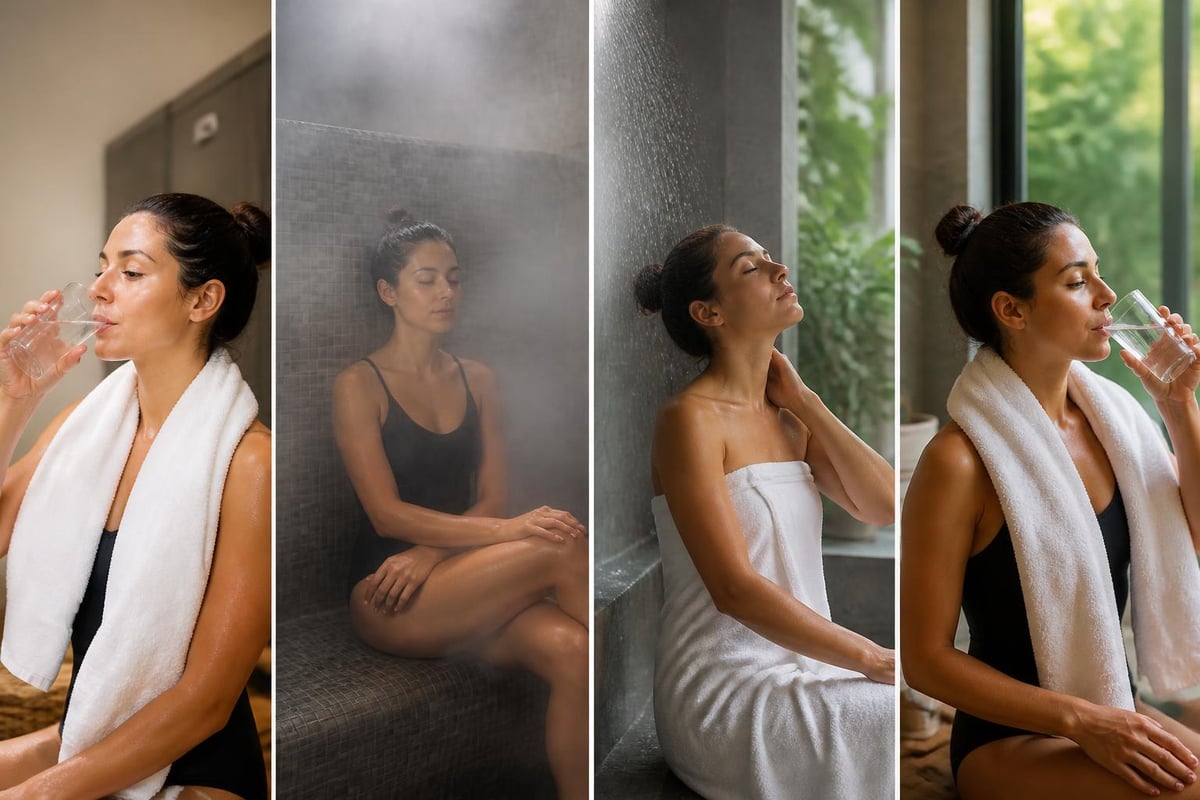
Sit or recline comfortably on a towel to maintain hygiene. Focus on deep, relaxed breathing to maximize respiratory benefits. Some facilities provide eucalyptus or other aromatherapy oils that enhance the experience, though these should only be used if facility rules permit.
Pay attention to how your body responds. If you experience dizziness, nausea, or discomfort, exit immediately and cool down gradually. Never push through concerning symptoms.
Post-Session Recovery
After exiting, take a cool (not cold) shower to close pores and rinse away sweat and impurities. Gradually lower the water temperature rather than shocking your system with an immediate cold plunge. Some wellness enthusiasts do integrate contrast therapy by pairing sauna sessions with cold plunge protocols for enhanced recovery benefits.
Rehydration is critical following steam exposure. Drink 16-24 ounces of water or an electrolyte beverage within 30 minutes of finishing your session. Continue hydrating throughout the day to replace fluids lost through perspiration.
Safety Considerations and Risk Factors
While steam rooms offer numerous benefits, certain precautions ensure safe usage. Understanding potential risks helps you make informed decisions about incorporating steam therapy into your wellness routine.
Medical Conditions Requiring Caution
Individuals with specific health conditions should exercise particular care or avoid steam rooms entirely. According to WebMD's safety guidelines, those with cardiovascular disease, high blood pressure, or respiratory conditions should consult their healthcare provider before use.
Conditions requiring medical clearance:
- Heart disease or irregular heartbeat
- Uncontrolled hypertension
- Recent stroke or heart attack
- Pregnancy (especially first trimester)
- Kidney disease
- Severe asthma or COPD
Individuals taking medications that affect heart rate, blood pressure, or thermoregulation should discuss steam room use with their physician. Specific precautions for those with high blood pressure include limiting session duration and monitoring for symptoms like dizziness or chest discomfort.
Hygiene and Infection Prevention
The warm, moist environment that makes steam rooms therapeutic also creates ideal conditions for bacterial and fungal growth. Proper hygiene practices protect you and other users from infections.
| Risk | Prevention Strategy |
|---|---|
| Athlete's foot | Always wear water-resistant sandals or flip-flops |
| Bacterial infections | Sit on a clean towel, never directly on surfaces |
| Respiratory infections | Avoid steam rooms when you have contagious illnesses |
| Skin infections | Shower before and after each session |
Many facilities now post enhanced cleaning protocols. Choose locations that maintain regular sanitization schedules and provide visible cleaning verification systems.
Recognizing Warning Signs
Your body provides clear signals when heat exposure becomes excessive. Immediate exit and gradual cooling are necessary if you experience:
- Severe dizziness or lightheadedness
- Rapid or irregular heartbeat
- Difficulty breathing
- Nausea or vomiting
- Extreme fatigue or weakness
- Chest pain or pressure
Never ignore these symptoms or assume they'll pass if you stay longer. Heat-related illness can escalate quickly without proper intervention.
Steam Room Etiquette and Social Guidelines
Public steam rooms require respectful behavior to maintain a comfortable environment for all users. Understanding proper steam room etiquette enhances the experience for everyone and demonstrates consideration for shared wellness spaces.
Essential Courtesy Rules
- Maintain appropriate noise levels - Steam rooms are spaces for relaxation and quiet reflection
- Respect personal space - Leave adequate distance between yourself and other users
- Control door usage - Enter and exit quickly to minimize heat and steam loss
- Avoid strong fragrances - Skip perfumes and colognes that can be overwhelming in close quarters
- Keep sessions reasonable - Be mindful of others waiting when facilities are busy
Hygiene Standards
Always shower before entering to remove sweat, dirt, and personal care products. Bring at least one towel to sit on and another for wiping away perspiration. Never allow bare skin to contact shared surfaces, and avoid shaving or other grooming activities inside the steam room.
If you need to cough or sneeze, turn away from other users and cover your mouth appropriately. Stay home if you're experiencing any contagious illness, even if symptoms seem mild.
Appropriate Attire
Most facilities require swimwear in co-ed steam rooms, though gender-specific spaces may have different standards. Check your facility's dress code before your first visit. Wear clean swimwear and avoid bringing unnecessary items like phones, books, or food into the steam environment.
Home Steam Room Options and Considerations
The rising demand for at-home wellness solutions has made residential steam rooms increasingly accessible. Understanding the investment, installation requirements, and maintenance needs helps you determine if a home steam room fits your lifestyle.
Installation Requirements
Home steam rooms require:
- Dedicated space - Minimum 3x4 feet for single-person units
- Electrical service - 220-240V connection for most generators
- Water supply - Direct line to the steam generator
- Drainage - Proper floor drain to handle condensation
- Ventilation - Adequate airflow to prevent moisture damage to surrounding areas
- Waterproof construction - Non-porous materials throughout
Professional installation ensures proper sealing, electrical safety, and building code compliance. Budget for both equipment and installation costs when planning your project.
Portable Steam Room Alternatives
For those seeking steam therapy benefits without permanent installation, portable steam rooms offer flexibility. These units provide accessibility and convenience while requiring minimal setup, though they typically don't match the performance of built-in systems.
Portable options work well for:
- Renters or those in temporary housing
- Individuals wanting to test steam therapy before major investment
- Users with limited space or budget
- Those who prefer occasional rather than daily use
Comparing Home Wellness Options
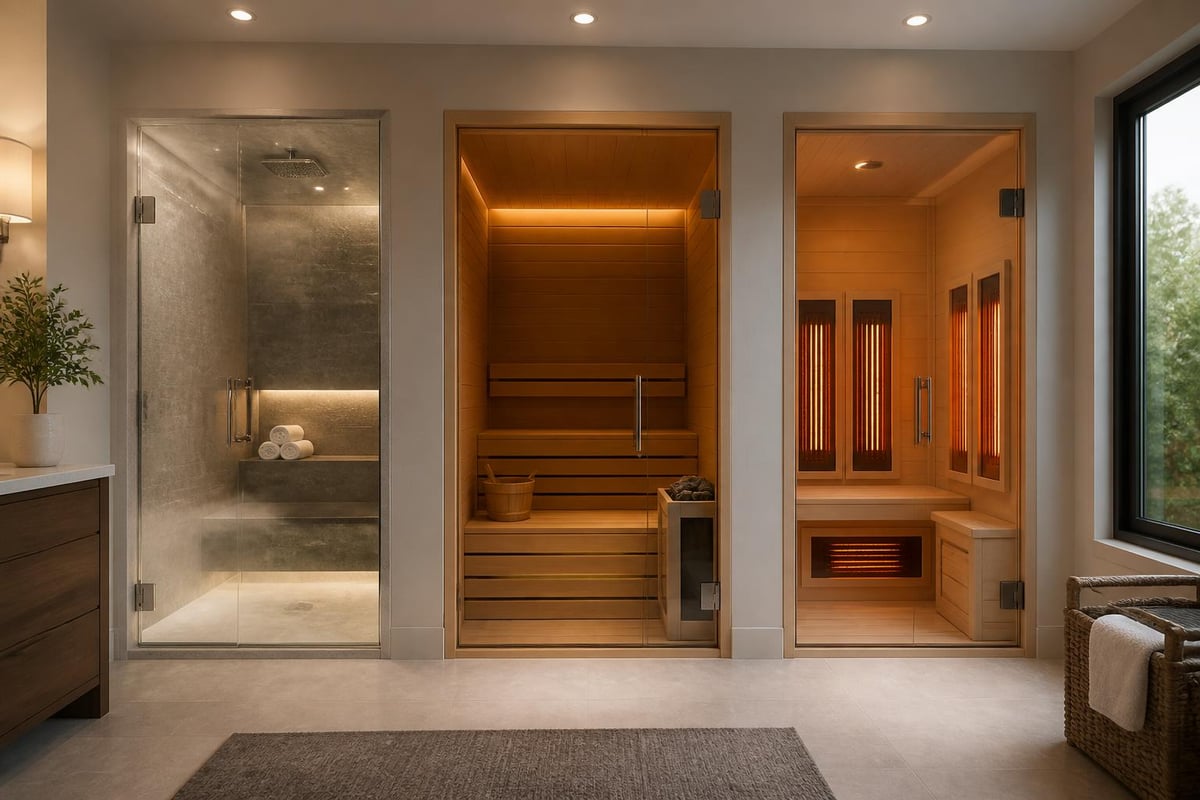
While steam rooms provide unique benefits, many wellness enthusiasts explore related options like traditional saunas for home use or outdoor installations. Each heat therapy modality offers distinct advantages worth considering.
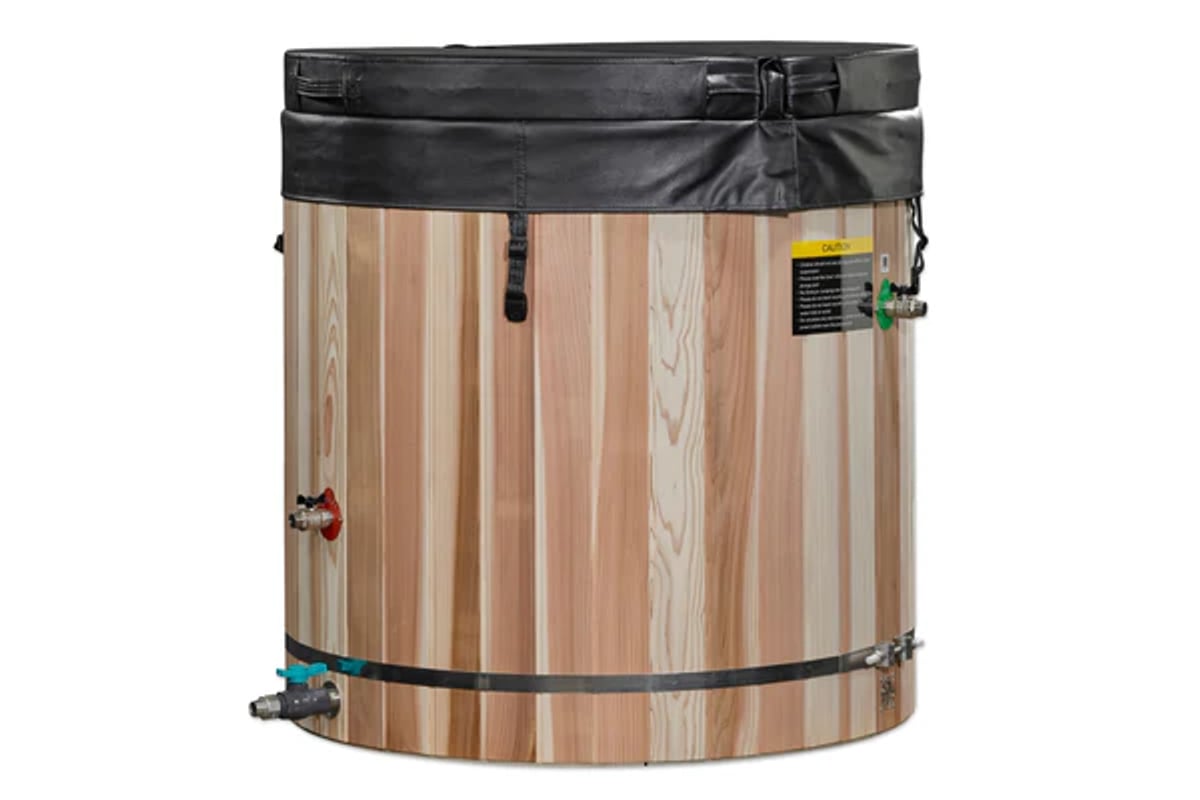
For those interested in comprehensive recovery protocols, combining steam therapy with cold exposure creates powerful contrast therapy. The Dynamic Cold Therapy Barrel 304 Stainless Steel Cold Plunge provides professional-grade cold immersion to complement heat therapy sessions, helping accelerate muscle recovery, reduce inflammation, and support overall wellness through temperature contrast protocols.
Enhancing Your Steam Room Experience
Thoughtful additions and techniques can elevate standard steam sessions into deeply restorative wellness rituals. Small modifications create personalized experiences that address specific health goals and preferences.
Aromatherapy Integration
Many steam enthusiasts incorporate essential oils to enhance therapeutic benefits. When facilities allow, adding a few drops of eucalyptus oil can amplify respiratory relief, while lavender promotes relaxation and stress reduction.
Popular steam room aromatherapy choices:
- Eucalyptus for congestion and breathing clarity
- Peppermint for mental alertness and sinus clearing
- Lavender for stress relief and sleep preparation
- Tea tree for antimicrobial properties
- Chamomile for calming and relaxation
Always verify facility policies before introducing aromatics, and use only steam-safe essential oils at appropriate dilutions.
Breathing Techniques
Intentional breathing patterns maximize respiratory benefits and promote deeper relaxation. Try these approaches during your session:
- Deep belly breathing - Inhale slowly through your nose for 4 counts, hold for 4, exhale for 6
- Box breathing - Equal counts of inhale, hold, exhale, hold (4-4-4-4)
- Alternate nostril breathing - Traditional pranayama technique adapted for steam environments
These techniques calm the nervous system while optimizing oxygen intake and circulation.
Progressive Relaxation
Use your steam session for mental wellness by incorporating progressive muscle relaxation. Starting with your feet and moving upward, systematically tense and release each muscle group. The warm environment enhances the relaxation response and helps release physical tension.
Maximizing Recovery Benefits for Athletes
Athletes have long recognized steam rooms as valuable recovery tools. Strategic integration with training schedules and proper timing relative to workouts enhances performance outcomes and injury prevention.
Post-Workout Timing
The optimal window for steam therapy following exercise is 30-90 minutes after your workout concludes. This allows your body temperature to normalize while taking advantage of the enhanced circulation state post-exercise. Immediate steam exposure while core temperature remains elevated can stress the cardiovascular system unnecessarily.
Greatist outlines how steam therapy supports athletic recovery through multiple mechanisms, including accelerated lactic acid clearance and reduced delayed-onset muscle soreness (DOMS).
Integration with Training Cycles
Strategic steam room usage varies based on training intensity:
| Training Phase | Recommended Frequency | Session Focus |
|---|---|---|
| Base building | 2-3 times weekly | General recovery and stress reduction |
| High intensity | 3-4 times weekly | Muscle recovery and injury prevention |
| Taper/rest | 1-2 times weekly | Maintenance and relaxation |
| Competition | As needed | Light recovery only, avoid day-before events |
Monitor how your body responds and adjust frequency based on recovery needs, sleep quality, and performance metrics.
Complementary Recovery Practices
Steam rooms work synergistically with other recovery modalities. Consider incorporating:
- Stretching protocols - Gentle movement after steam when muscles are warm
- Foam rolling - Self-myofascial release following sessions
- Hydration strategies - Electrolyte replacement matched to sweat loss
- Sleep optimization - Evening sessions can promote deeper sleep when timed 2-3 hours before bed
Understanding how different recovery tools complement each other helps you build comprehensive protocols that address multiple recovery pathways simultaneously.
Comparing Wellness Heat Therapy Options
Both steam rooms and various sauna types offer heat therapy benefits, yet they serve different wellness goals and user preferences. Evaluating these options helps you choose the right approach for your specific needs.
The wellness industry has evolved to offer diverse heat therapy experiences. From traditional outdoor barrel saunas to modern infrared units, each modality delivers unique advantages. Steam rooms stand apart through their high-humidity environment, making them particularly effective for respiratory conditions and skin hydration.
Performance Comparison Across Modalities
Different heat therapy types excel in specific applications:
- Steam rooms - Best for respiratory relief, skin hydration, pre-event warm-up
- Traditional saunas - Optimal for deep muscle penetration, authentic cultural experience, higher heat tolerance training
- Infrared saunas - Ideal for targeted pain relief, lower temperature tolerance, energy efficiency
- Outdoor saunas - Perfect for nature connection, year-round use, social wellness experiences
Many serious wellness enthusiasts maintain access to multiple modalities, selecting based on daily needs and goals. Exploring different sauna options helps you understand which heat therapy approaches align with your priorities.
Cost and Maintenance Considerations
Steam rooms typically require more intensive maintenance than dry saunas due to constant moisture exposure. Regular cleaning, mold prevention, and steam generator maintenance create ongoing operational costs. However, their therapeutic benefits for specific conditions may justify the investment for targeted users.
Built-in steam rooms usually cost between $3,000 and $10,000 for equipment and installation, while prefabricated units start around $2,000. Operating costs depend on usage frequency, local utility rates, and generator efficiency.
Steam rooms deliver distinctive wellness benefits through their unique high-humidity environment, offering targeted support for respiratory health, circulation, muscle recovery, and skin wellness. While both steam rooms and traditional saunas provide valuable heat therapy, understanding their differences helps you choose the right modality for your specific health goals and preferences. Whether you're exploring public facilities or considering a home installation, RecoSauna offers premium sauna solutions including traditional outdoor models, modern infrared units, and handcrafted Canadian timber designs that bring professional-grade heat therapy into your personal wellness space.
Share:
Sauna for Muscle Recovery: Science-Backed Benefits
Sauna World: Global Traditions & Modern Wellness