
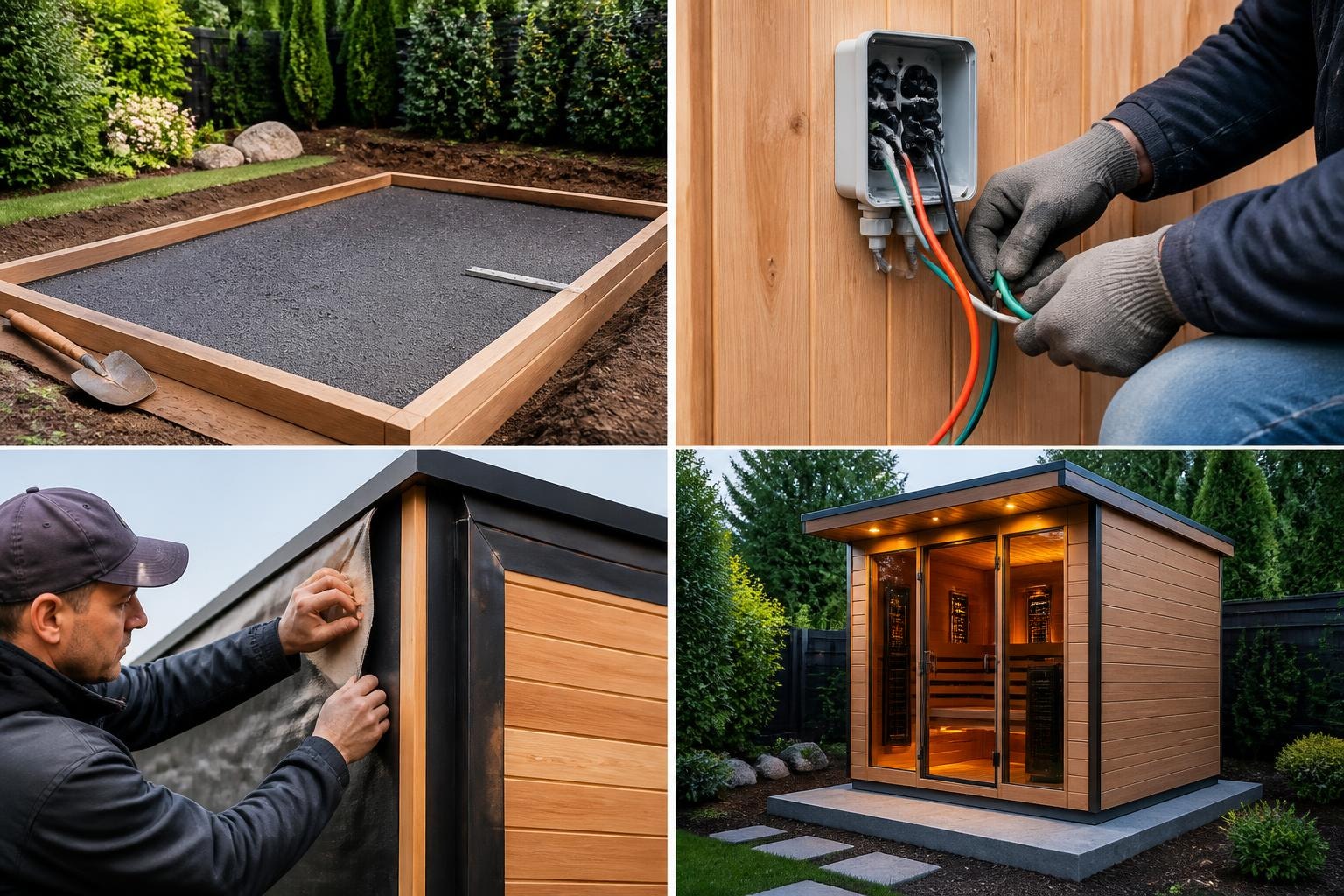
An outdoor infrared sauna combines the therapeutic power of infrared heat technology with the refreshing experience of open-air wellness. Unlike traditional saunas that heat the air around you, an outdoor infrared sauna uses infrared wavelengths to penetrate your skin directly, delivering deep tissue warmth at lower temperatures. This makes them ideal for year-round outdoor installation, providing a convenient backyard retreat that supports relaxation, recovery, and overall health. As more homeowners invest in personal wellness spaces, understanding the unique advantages and considerations of outdoor infrared sauna ownership has become essential for making an informed purchasing decision.
Understanding Infrared Sauna Technology for Outdoor Use
Infrared saunas operate fundamentally differently from conventional steam or dry saunas. They utilize electromagnetic radiation in the infrared spectrum to generate heat that directly warms your body rather than heating the surrounding air. This technology creates a more comfortable experience at lower ambient temperatures-typically between 120°F and 150°F compared to traditional saunas that reach 180°F to 200°F.
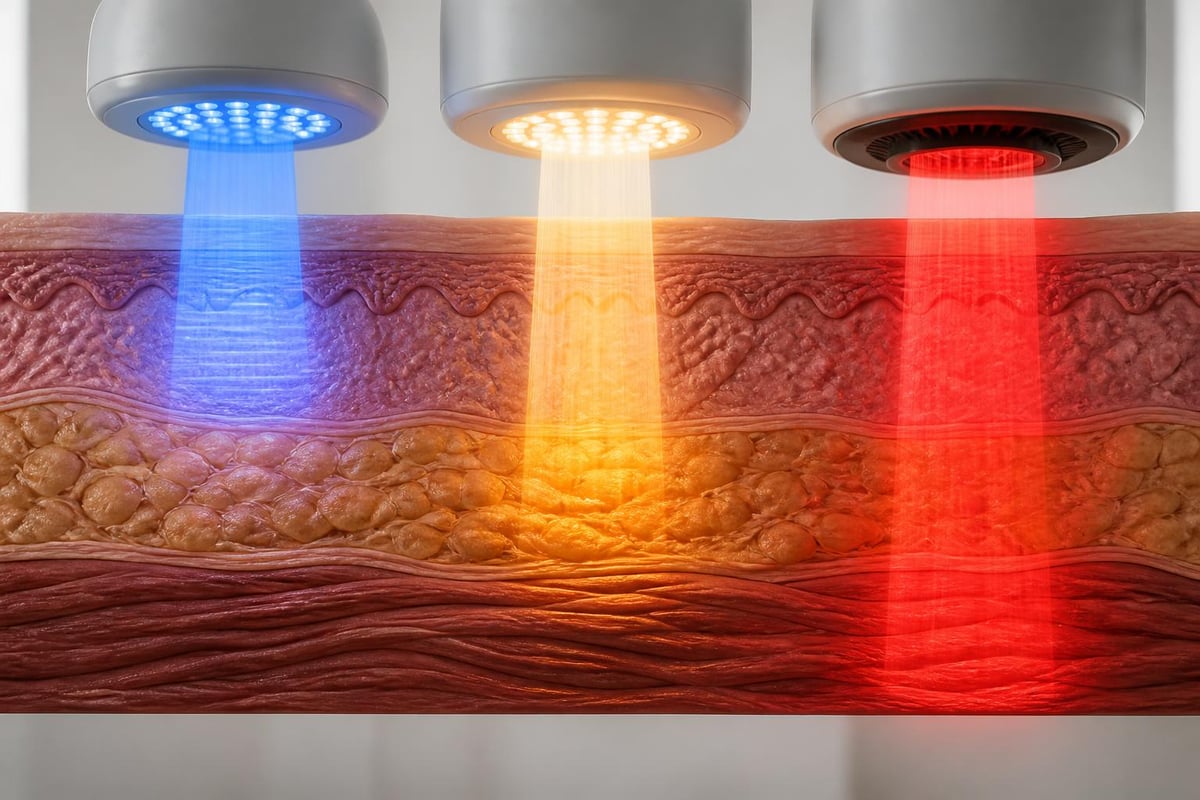
Types of Infrared Wavelengths
Three distinct infrared wavelengths deliver different therapeutic benefits:
- Near-infrared: Penetrates skin surface, supports cellular health and wound healing
- Mid-infrared: Reaches deeper tissues, improves circulation and cardiovascular function
- Far-infrared: Provides the deepest penetration, promotes detoxification and muscle recovery
Full-spectrum infrared saunas incorporate all three wavelengths, offering comprehensive wellness benefits. Research indicates multiple health advantages from regular infrared sauna use, including improved cardiovascular function, enhanced muscle recovery, and systemic detoxification support.
Why Infrared Technology Works Well Outdoors
The efficiency of infrared heating makes it particularly suitable for outdoor installations. Because infrared panels heat your body directly, they maintain effectiveness even when installed in unconditioned outdoor environments. The lower operating temperatures also reduce energy consumption and simplify electrical requirements compared to traditional outdoor saunas.
Weather-resistant construction and proper insulation ensure your outdoor infrared sauna maintains consistent performance across all seasons. Premium models feature marine-grade seals, reinforced roofing, and specialized exterior treatments that protect against moisture, UV exposure, and temperature fluctuations.
Health Benefits of Regular Outdoor Infrared Sauna Sessions
Consistent use of an outdoor infrared sauna delivers measurable wellness improvements supported by scientific research and clinical observations. The combination of infrared heat therapy and outdoor placement creates unique advantages for both physical and mental health.
Cardiovascular and Metabolic Support
Regular infrared sauna sessions stimulate cardiovascular activity similar to moderate exercise. Your heart rate increases, blood vessels dilate, and circulation improves throughout your body. Studies show significant cardiovascular benefits including reduced blood pressure, improved arterial flexibility, and enhanced overall heart function.
The metabolic response to infrared heat also supports weight management efforts. A typical 30-minute session can burn 300-600 calories as your body works to regulate core temperature and maintain homeostasis.
Detoxification and Skin Health
| Benefit Category | Primary Mechanism | Expected Timeline |
|---|---|---|
| Toxin elimination | Deep tissue sweating | 2-4 weeks consistent use |
| Skin clarity | Improved circulation, pore cleansing | 3-6 weeks |
| Cellular renewal | Enhanced nutrient delivery | 4-8 weeks |
Infrared heat induces deeper sweating than traditional saunas, helping eliminate heavy metals, environmental toxins, and metabolic waste products through your skin. This natural detoxification process supports liver and kidney function while promoting clearer, more radiant skin.
Muscle Recovery and Pain Relief
Athletes and active individuals benefit significantly from infrared heat's ability to penetrate deep into muscle tissue. The warming effect increases blood flow, delivers oxygen and nutrients to fatigued muscles, and accelerates the removal of lactic acid and other metabolic byproducts.
Chronic pain sufferers often experience relief from conditions including:
- Arthritis and joint inflammation
- Fibromyalgia symptoms
- Lower back pain
- Sports-related injuries
- Muscle tension and stiffness
Mental Health and Stress Reduction
The outdoor setting amplifies the stress-relieving benefits of infrared sauna therapy. Natural light, fresh air circulation, and the visual connection to your garden or landscape create a meditative environment that promotes mental clarity and emotional balance.
Regular sessions support better sleep quality by regulating circadian rhythms and reducing cortisol levels. Many users report improved mood, decreased anxiety, and enhanced overall sense of well-being from incorporating outdoor infrared sauna sessions into their weekly wellness routines.
Installation Considerations for Outdoor Infrared Saunas
Proper installation ensures your outdoor infrared sauna operates efficiently and safely for years to come. Understanding electrical requirements and structural considerations prevents costly mistakes and ensures code compliance.
Foundation and Site Preparation
Your outdoor infrared sauna requires a stable, level foundation that provides adequate drainage and structural support. Several foundation options meet these requirements:
- Concrete pad: Most permanent and stable option, ideal for heavy models
- Paver base: Cost-effective alternative with good drainage properties
- Gravel bed: Simple installation with excellent drainage for lighter units
- Deck installation: Requires structural assessment to verify weight capacity
- Composite foundation blocks: Pre-fabricated system combining stability and drainage
Ensure your chosen location provides at least 12-18 inches of clearance on all sides for ventilation, maintenance access, and safety compliance. Proper assembly guidance emphasizes the importance of starting with perfectly level ground to prevent structural stress and door alignment issues.
Electrical Requirements and Safety
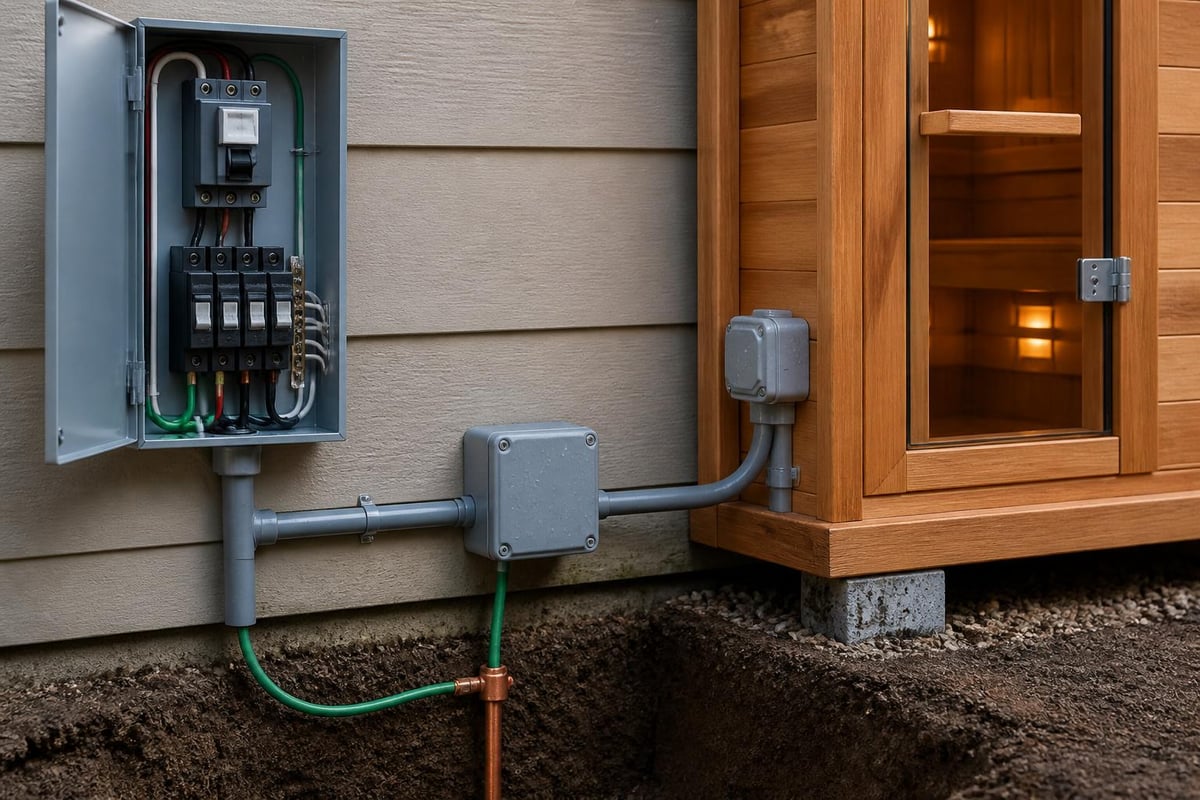
Most outdoor infrared saunas operate on standard 120V household current, though larger models may require 240V dedicated circuits. Outdoor electrical installations must comply with local building codes and typically require:
- GFCI protection: Ground fault circuit interrupter for shock prevention
- Weatherproof outlet: NEMA-rated enclosure with proper sealing
- Adequate amperage: Minimum 15A for small units, up to 30A for larger models
- Proper grounding: Essential safety measure for outdoor electrical equipment
- Licensed electrician: Professional installation ensures code compliance
Position electrical connections to minimize exposure to moisture while maintaining convenient access for maintenance. Never route electrical lines where they could contact water drainage or accumulate snow and ice.
Weatherproofing and Climate Considerations
Climate-specific construction requirements ensure your outdoor infrared sauna withstands local environmental conditions. Premium models feature weather-resistant construction including:
- Elevated roofing: Prevents water accumulation and snow load damage
- Marine-grade seals: Protects door and window gaps from moisture infiltration
- UV-resistant finishes: Prevents sun damage to exterior wood and components
- Ventilation systems: Manages condensation while maintaining heat efficiency
- Reinforced insulation: Maintains performance in extreme temperatures
Cold climate installations benefit from additional insulation and heated electrical components to prevent freezing. Hot, humid environments require enhanced ventilation and moisture management systems to prevent mold growth and material degradation.
Choosing the Right Outdoor Infrared Sauna Model
Selecting the ideal outdoor infrared sauna involves balancing size requirements, feature preferences, and budget considerations. Understanding the key specifications and quality indicators helps ensure you invest in a model that meets your long-term needs.
Size and Capacity Planning
Outdoor infrared saunas range from compact one-person units to spacious six-person models. Size planning considerations include:
| Capacity | Interior Dimensions | Typical Power | Best For |
|---|---|---|---|
| 1-2 person | 48" x 48" x 75" | 1600W | Singles, couples, small yards |
| 2-3 person | 60" x 48" x 75" | 2000W | Small families, regular use |
| 3-4 person | 72" x 48" x 75" | 2400W | Families, entertaining |
| 4-6 person | 84" x 60" x 78" | 3200W | Large families, social use |
Consider how you'll primarily use the space. Solo relaxation sessions require less room than social gatherings. Taller users need higher ceiling clearance, while those planning to recline benefit from extended bench length.
Construction Materials and Quality
Premium outdoor infrared saunas utilize naturally rot-resistant, aromatic woods that withstand outdoor exposure while creating a pleasant interior environment:
Eastern White Cedar: Lightweight, naturally resistant to decay, contains minimal resin that won't overheat
Canadian Red Cedar: Rich color, exceptional weather resistance, aromatic properties enhance relaxation
Canadian Hemlock: Dense grain, excellent structural stability, budget-friendly option
Examine construction quality including tongue-and-groove joinery, panel thickness (minimum 8mm recommended), and hardware grade. Stainless steel fasteners and hinges resist corrosion far better than standard metals.
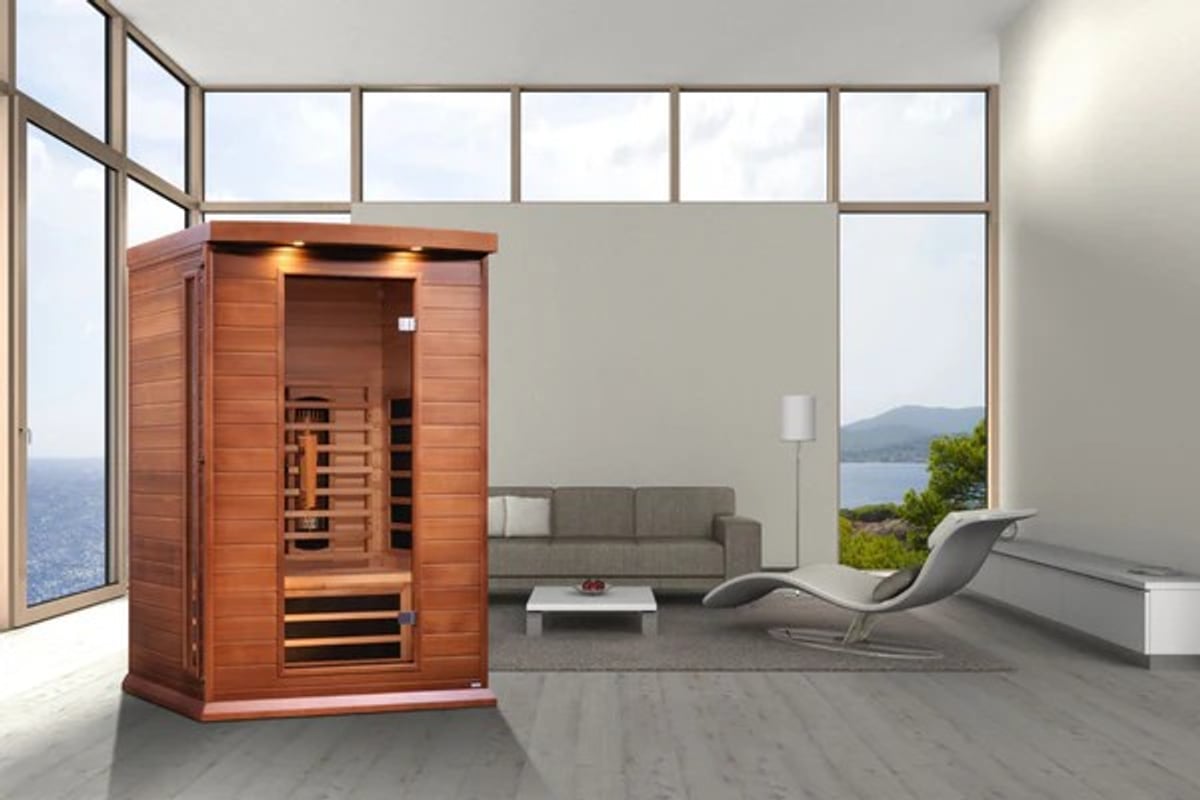
The Maxxus 2 Person Full Spectrum IR Sauna exemplifies quality construction with Canadian reforested Red Cedar and full-spectrum heating technology. This model combines therapeutic infrared benefits with premium materials, offering near, mid, and far-infrared wavelengths alongside features like floor heating, Bluetooth connectivity, and chromotherapy lighting for a comprehensive wellness experience.
Essential Features and Upgrades
Modern outdoor infrared saunas offer numerous features that enhance comfort and functionality:
- Digital controls: Precise temperature and timer management
- Chromotherapy lighting: Color therapy for mood enhancement
- Audio systems: Bluetooth speakers for music or meditation
- Reading lights: Ambient lighting for relaxation
- Ventilation windows: Fresh air circulation control
- Floor heaters: Additional warmth for cold climates
- Ergonomic backrests: Enhanced comfort during sessions
Prioritize features that align with your wellness goals and usage patterns. If you plan evening sessions, quality lighting matters more. Meditation practitioners value superior audio systems, while those focused purely on heat therapy may prefer simpler, more affordable configurations.
Maintenance and Long-Term Care
Proper maintenance extends your outdoor infrared sauna's lifespan and ensures consistent performance. Establishing regular care routines prevents costly repairs and preserves the aesthetic appeal of your investment.
Daily and Weekly Maintenance Tasks
After each use, perform these simple maintenance steps:
- Wipe interior benches with a soft, dry towel to remove perspiration
- Leave door slightly open for 10-15 minutes to allow moisture evaporation
- Check that all controls return to default settings
- Inspect door seal for debris or damage
- Empty any water collection areas
Weekly maintenance includes:
- Vacuum interior to remove dust and debris
- Inspect electrical connections for signs of wear
- Clean glass panels with appropriate cleaner
- Check exterior for weather damage or needed touch-ups
- Test all operational features and controls
Seasonal Preparation and Protection
Different seasons demand specific maintenance attention. Spring preparation involves inspecting winter weather damage, checking roof integrity, and verifying drainage systems function properly. Summer care focuses on UV protection, ventilation optimization, and pest prevention.
Fall maintenance prepares your outdoor infrared sauna for winter conditions:
- Apply weather-protective sealant to exterior wood
- Inspect and replace worn weatherstripping
- Clear gutters and drainage paths
- Test heating elements before cold weather arrives
- Trim nearby vegetation to prevent debris accumulation
Winter protection may include temporary covers during severe weather, regular snow removal from the roof, and ensuring electrical components remain dry and functional.
Common Issues and Troubleshooting
| Issue | Likely Cause | Solution |
|---|---|---|
| Inconsistent heating | Faulty heating element | Professional inspection and replacement |
| Door won't seal | Warped wood or damaged gasket | Adjust hinges or replace weatherstripping |
| Control panel malfunction | Moisture intrusion | Check seals, may need component replacement |
| Discoloration or staining | UV damage or mineral deposits | Sand and reseal exterior, clean interior |
Address problems promptly to prevent minor issues from escalating into major repairs. Most reputable manufacturers provide comprehensive warranties covering structural components and heating elements for several years.
Cost Considerations and Value Assessment
Understanding the total investment required for outdoor infrared sauna ownership helps you budget appropriately and evaluate long-term value. Initial purchase price represents only one component of overall ownership costs.
Purchase Price Ranges and Factors
Outdoor infrared sauna prices vary significantly based on size, materials, features, and brand reputation:
Entry-level models ($2,500-$4,500): Basic features, smaller capacity, standard materials
Mid-range options ($4,500-$8,000): Better construction, additional features, improved warranties
Premium models ($8,000-$15,000): Superior materials, full-spectrum heating, extensive features
Luxury installations ($15,000+): Custom designs, commercial-grade components, advanced technology
Comprehensive buying guides emphasize evaluating total value rather than focusing solely on initial cost. A well-constructed mid-range unit often provides better long-term value than a cheaper model requiring frequent repairs.
Installation and Operating Costs
Beyond the sauna itself, budget for these additional expenses:
- Foundation construction: $500-$2,500 depending on method
- Electrical installation: $300-$1,200 for professional setup
- Permits and inspections: $100-$500 based on local requirements
- Delivery and setup: $200-$800 for larger models
- Initial accessories: $100-$300 for thermometers, buckets, etc.
Monthly operating costs remain modest due to infrared efficiency. Most outdoor infrared saunas consume 1.5-3.5 kWh per session, translating to approximately $15-$45 monthly electricity costs for regular users. This compares favorably to traditional outdoor saunas that require significantly more energy.
Return on Investment and Wellness Value
While difficult to quantify precisely, the wellness benefits of regular outdoor infrared sauna use provide substantial indirect value:
- Reduced healthcare costs through preventive wellness
- Improved sleep quality and daytime productivity
- Decreased stress-related health issues
- Enhanced athletic performance and recovery
- Increased property value and appeal
Homeowners who use their outdoor infrared sauna three or more times weekly typically report high satisfaction and consider the investment worthwhile. The convenience of home access eliminates recurring spa fees while providing unlimited usage flexibility.
Integration with Comprehensive Wellness Routines
Maximizing the benefits of your outdoor infrared sauna involves thoughtful integration into broader health and wellness practices. The outdoor setting creates unique opportunities for combining complementary therapies and establishing sustainable self-care routines.
Contrast Therapy and Temperature Cycling
Alternating between heat and cold exposure amplifies the benefits of both modalities. Many wellness enthusiasts follow infrared sauna sessions with cold plunges or cold showers, experiencing enhanced circulation, improved recovery, and invigorating mental clarity.
A typical contrast therapy protocol includes:
- 15-20 minutes in the outdoor infrared sauna
- 2-3 minutes in cold water (50-60°F)
- 5-10 minutes rest and rehydration
- Repeat cycle 2-3 times as tolerance allows
This practice stimulates the lymphatic system, trains cardiovascular adaptation, and creates profound relaxation following the final cycle. The outdoor environment enhances this experience, allowing natural cooling between sessions and connection with fresh air.
Pre and Post-Session Optimization
Prepare your body for maximum benefit by hydrating thoroughly before entering your outdoor infrared sauna. Consume 16-20 ounces of water in the hour preceding your session, and bring additional water inside for sipping during treatment.
Post-session practices that enhance results include:
- Shower to rinse away toxins released through perspiration
- Continue hydrating with electrolyte-enhanced water
- Rest for 10-15 minutes allowing body temperature to normalize
- Apply moisturizer to freshly cleansed skin
- Avoid heavy meals for 30-60 minutes after sessions
Combining with Other Wellness Practices
Your outdoor infrared sauna complements numerous wellness modalities. Gentle stretching or yoga before entering prepares muscles for deeper relaxation and enhanced flexibility during heat exposure. Meditation or breathwork during sessions maximizes stress reduction and mental clarity benefits.
Many users incorporate aromatherapy using essential oils on nearby surfaces (never directly on heating elements), creating multi-sensory experiences that deepen relaxation. Reading, journaling, or simply observing nature through windows transforms sauna time into restorative retreat from daily demands.
Traditional sauna practices can inform your approach to infrared sessions, though the lower temperatures and different heating mechanisms allow for longer, more frequent use than conventional high-heat saunas.
An outdoor infrared sauna represents a meaningful investment in personal wellness, providing year-round access to therapeutic heat that supports physical recovery, mental clarity, and overall health. By understanding the technology, installation requirements, and maintenance needs, you can make an informed decision that enhances your quality of life for years to come. RecoSauna offers premium outdoor infrared saunas alongside traditional barrel, cabin, and Canadian Timber models from leading North American brands, helping you find the perfect wellness solution for your backyard sanctuary.
Share:
Cold Plunge Sauna: The Ultimate Wellness Combination
Sauna for Muscle Recovery: Science-Backed Benefits