
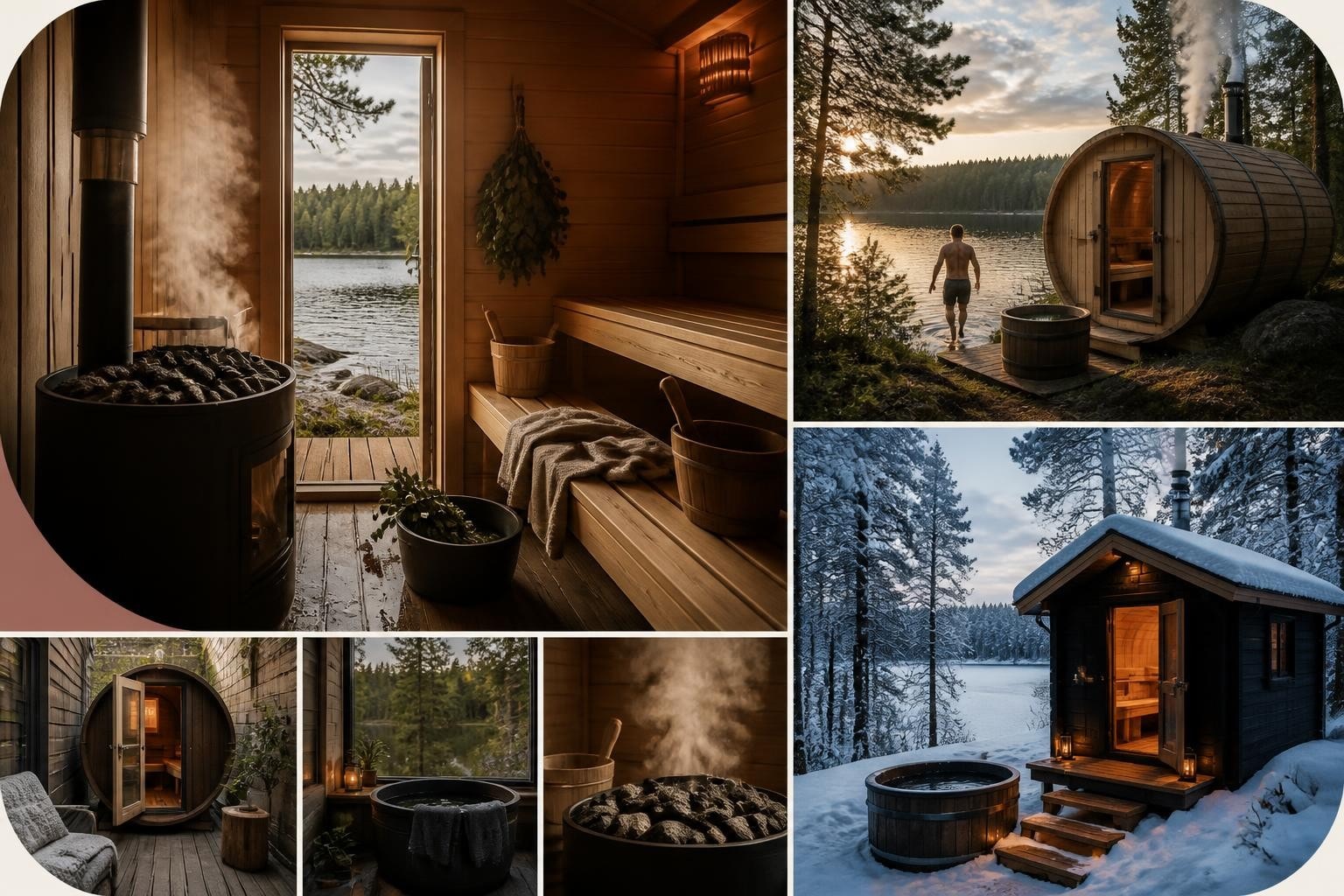
A mini sauna does not mean smaller benefits. It means the same Finnish tradition in a footprint that fits modern homes. When I grew up along Lake Saimaa in Eastern Finland, our family sauna was a simple wooden room with a heater and stones. The size never mattered. What mattered was the löyly, the steam rising from water thrown onto hot stones, and the shift it created in your body. A mini sauna can deliver that same shift if it's built right.
What Defines a Mini Sauna
A mini sauna typically measures between 3 to 5 feet in width and can accommodate one to two people. These compact units fit indoors in spare rooms, basements, or bathrooms. Some are designed for outdoor use on patios or balconies.
The term "mini" refers to physical dimensions, not function. A properly designed mini sauna still generates the heat necessary for authentic sauna bathing. It still allows you to create löyly if it uses a traditional electric heater with stones. The smaller volume actually means faster heat-up times and lower energy consumption.
Traditional vs. Infrared Mini Saunas
Two main types exist in the compact sauna category:
Traditional mini saunas use an electric heater with sauna stones. You pour water on the stones to create steam. This is the Finnish method, unchanged for over 2,000 years. UNESCO recognized Finnish sauna culture as Intangible Cultural Heritage in 2020 for good reason. The practice centers on löyly, not just heat.
Infrared mini saunas use infrared panels that emit radiant heat. They operate at lower temperatures (120-140°F vs. 150-195°F for traditional). No steam. No stones. No löyly. They serve a different purpose, focusing on deep tissue warmth rather than the respiratory and cardiovascular shift that steam provides.
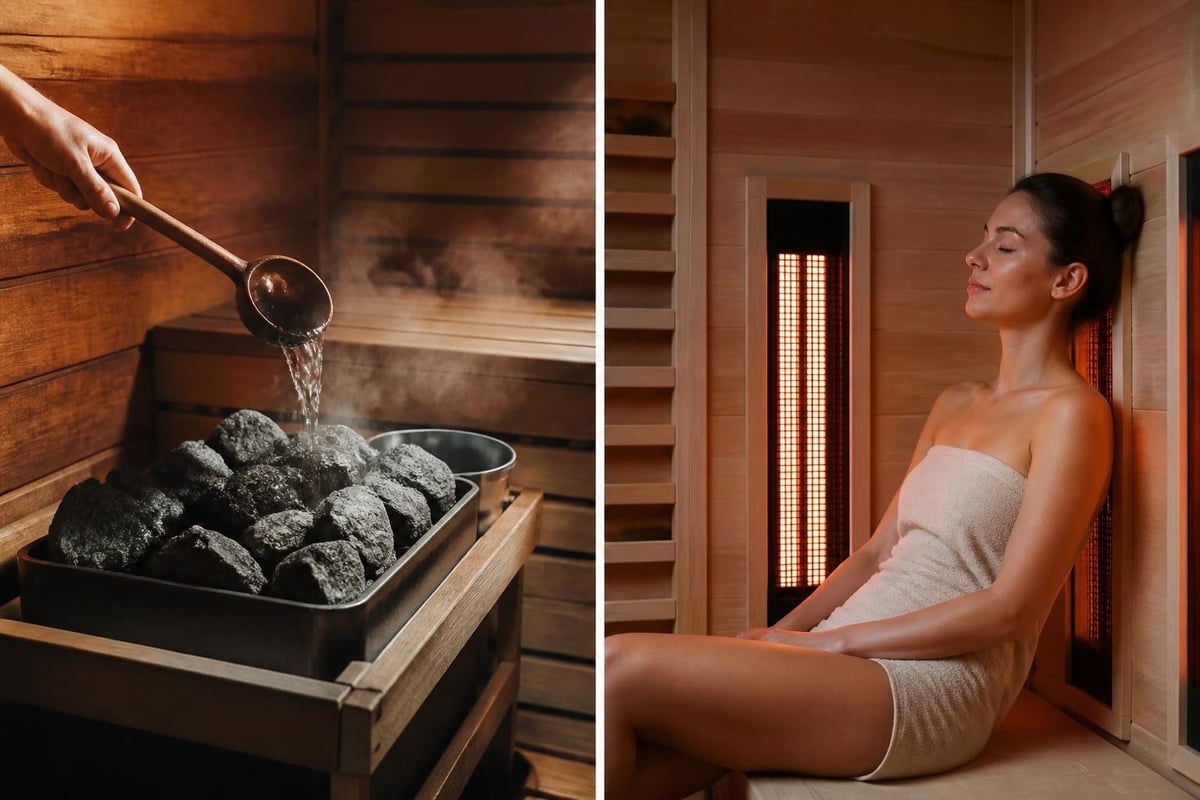
| Feature | Traditional Mini Sauna | Infrared Mini Sauna |
|---|---|---|
| Heat source | Electric heater + stones | Infrared panels |
| Temperature range | 150-195°F | 120-140°F |
| Steam (löyly) | Yes, essential | No |
| Heat-up time | 20-30 minutes | 10-15 minutes |
| Power requirement | 220V (often) | 120V (typically) |
| Authenticity | Finnish method | Modern adaptation |
Both have merit. For authentic Finnish sauna practice and the cardiovascular benefits studied by Prof. Jari Laukkanen at the University of Eastern Finland, traditional heat with löyly is what the research tracked. His work, published in Mayo Clinic Proceedings and cited by BBC, TIME, and the New York Times, showed that sauna bathing 4-7 times weekly cuts cardiovascular death risk by 51%. That research studied traditional Finnish saunas with steam.
Why a Mini Sauna Works for Recovery
The size of the room does not determine the quality of recovery. The heat protocol does. When you sit in a properly heated mini sauna, your core temperature rises. Your heart rate increases. Blood vessels dilate. This is cardiovascular training without impact.
Adding löyly intensifies the experience. The steam carries heat into your respiratory system. Your body responds by increasing circulation to the skin surface. You sweat more efficiently. The humidity makes the heat feel more intense even at the same temperature.
The Contrast Therapy Connection
A mini sauna becomes even more effective when paired with cold exposure. This is contrast therapy, the practice Finns have used for two millennia. After 15-20 minutes of heat, you move to cold water. A cold shower works. A plunge tub works better.
The cold constricts blood vessels. The heat had dilated them. This alternation trains your cardiovascular system. It also triggers a shift in your nervous system from sympathetic (stress) to parasympathetic (recovery). That shift is what reduces inflammation and improves sleep quality.
Benefits of mini sauna contrast therapy:
- Faster muscle recovery after training
- Reduced joint stiffness and soreness
- Improved circulation to extremities
- Better sleep onset and quality
- Mental clarity and stress reduction
- Cardiovascular conditioning over time
You do not need a large sauna for this. You need consistent heat, the ability to create steam, and access to cold water. A mini sauna delivers the first two. Your shower or a dedicated cold plunge handles the third.
Choosing the Right Mini Sauna
Not all compact saunas are built to the same standard. Some prioritize low price over proper construction. Others use materials that off-gas or warp under repeated heating. Here's what matters.
Wood Selection
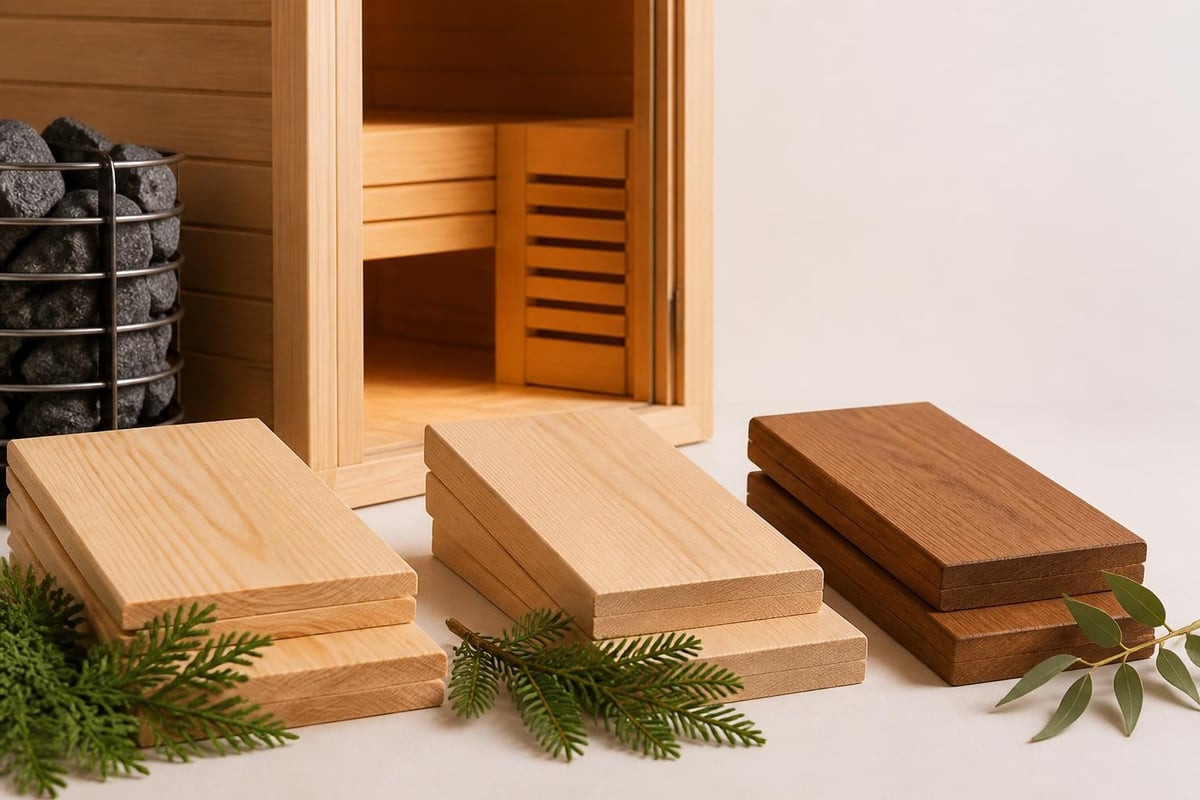
The wood determines how the sauna ages and how it smells during use. Three species dominate the mini sauna market:
Eastern White Cedar is naturally rot-resistant and has a mild aroma. It's what we use in traditional Finnish saunas across North America. The wood accepts heat cycles without splitting. It does not require chemical treatment.
Canadian Hemlock is lighter in color and has almost no scent. It's common in infrared mini saunas because it stays cool to the touch at lower infrared temperatures. It's a good choice if you're sensitive to cedar aroma.
Thermo-treated wood like Thermo Grandis undergoes heat treatment to remove moisture and sugars. This makes it exceptionally stable and resistant to warping. It's more expensive but performs well in humid environments.
Heater Capacity and Placement
A mini sauna needs a heater sized correctly for its volume. Too small and it never reaches proper temperature. Too large and it overheats the space before the wood and benches warm up.
For a 40-50 cubic foot space (typical 1-person mini sauna), a 2-3 kW heater works. For a 2-person unit around 70-90 cubic feet, you need 4-6 kW. The heater should have at least 15-20 pounds of sauna stones to store heat and generate good löyly when you add water.
Placement matters. The heater should sit low, typically under the bench or in a corner where it cannot be accidentally touched. It should have protective guards. It should allow easy access to add stones if needed over time.
Ventilation and Air Flow
Even a small enclosed space needs fresh air circulation. A proper mini sauna has an intake vent near the floor by the heater and an exhaust vent higher up on the opposite wall. This creates natural convection. Fresh air flows in, gets heated, rises, and exits. Stale air does not accumulate.
Poor ventilation makes the air feel heavy and stale. You tire faster. The heat feels oppressive instead of therapeutic. Many low-cost mini saunas skip proper venting to save on labor and materials. This compromises the experience significantly.
Installation Considerations for Small Spaces
A mini sauna fits where larger units cannot, but it still requires planning. You cannot simply place it anywhere and plug it in.
Electrical Requirements
Traditional mini saunas with electric heaters usually need 220V power. This requires a dedicated circuit and often a professional electrician. The cost typically runs $300-800 depending on distance from your electrical panel and local code requirements.
Infrared mini saunas often run on standard 120V household current. They draw less power and can plug into existing outlets. This makes them easier to install but limits you to infrared heat only, no steam, no löyly.
Check the sauna specifications before purchasing. Confirm your home can support the electrical demand. Factor installation cost into your total budget.
Floor Protection and Drainage
Wood saunas are heavy. A 1-person mini sauna typically weighs 250-400 pounds empty. A 2-person unit can exceed 600 pounds. Your floor must support this load plus occupants.
Most residential floors handle this fine, but if you're installing in an upstairs room or over a crawlspace, verify the floor joists are adequate. Placing the sauna on a concrete slab is ideal but not required.
You do not need floor drainage for a properly built mini sauna. Sweat evaporates or gets absorbed by towels you sit on. After use, leave the door open. The residual heat dries any remaining moisture. Adding a small waterproof mat under the sauna protects finished floors from minor moisture migration.
Clearance and Accessibility
Leave at least 2-3 inches of clearance on all sides of the mini sauna for air circulation. The back and sides should not sit flush against drywall. This prevents heat buildup against the wall and allows the wood to breathe.
The door should open fully without hitting furniture, walls, or fixtures. You need clear exit access. In an emergency, you must be able to leave quickly. Plan the layout accordingly.
Practical Use and Maintenance
A mini sauna is low maintenance if you use it correctly and keep it clean. The ritual is simple.
Heating and Session Protocol
Turn on the heater 20-30 minutes before your session. This allows the stones, wood, and benches to reach temperature. Do not rush this step. Sitting in a sauna that's still heating up is uncomfortable.
Once ready, enter and sit. A typical session lasts 10-20 minutes. If using a traditional sauna, add water to the stones 2-3 times during the session. A small ladle, one scoop at a time. This creates löyly and raises humidity.
Listen to your body. If you feel lightheaded or uncomfortable, exit. Drink water before and after. If practicing contrast therapy, step out after your heat session and move to cold exposure within 1-2 minutes while your body is still hot.
Cleaning and Care
After each session, wipe down the benches with a damp towel. Leave the door open for 30-60 minutes to allow complete drying. Do not spray the interior with water or use cleaning chemicals. The wood is raw and should stay that way.
Once monthly, vacuum the floor and corners to remove any debris. Check the heater stones. If they've cracked or crumbled from repeated heating cycles, replace them. This typically happens every 1-2 years with regular use.
The exterior requires no special care if it's made from cedar or treated wood. If you have an outdoor mini sauna, inspect the roof and door seals annually to prevent water intrusion.
Cost and Value Comparison
Mini saunas range from under $2,000 to over $8,000 depending on construction quality, heat type, and capacity.
Budget infrared mini saunas ($1,500-$3,000) often use lower-grade hemlock and minimal insulation. They work, but they may not last more than 3-5 years with regular use.
Mid-range traditional mini saunas ($3,500-$6,000) typically feature solid cedar construction, properly sized electric heaters, and better joinery. These units last 10-15 years or longer with minimal maintenance.
Premium compact models ($6,000-$10,000) use upgraded wood species, advanced heater controls, better insulation, and refined interior lighting. The Lumin Infrared Sauna One from Orivon Wellness falls in this category at $7,999-$10,999 with Canadian Hemlock construction, digital controls, and plug-and-play setup for those who prefer infrared therapy in a compact footprint.
The difference between price points is durability and refinement, not function. A $3,000 mini sauna properly maintained delivers the same health benefits as an $8,000 model. You're paying for wood grade, fit and finish, and longevity.
| Price Range | Construction Quality | Typical Lifespan | Best For |
|---|---|---|---|
| $1,500-$3,000 | Entry-level materials | 3-5 years | Occasional use, budget priority |
| $3,500-$6,000 | Solid cedar/hemlock | 10-15 years | Regular home use, good value |
| $6,000-$10,000 | Premium wood, advanced features | 15-20+ years | Daily use, design priority |
Health and Safety Basics
A mini sauna is safe for most people when used correctly. The Cleveland Clinic notes that regular sauna use supports stress reduction, cardiovascular health, and pain relief. However, certain conditions require caution.
Who Should Avoid or Modify Use
If you have uncontrolled high blood pressure, recent heart attack, or unstable angina, consult your doctor before sauna bathing. The heat increases heart rate and cardiovascular demand. This can be beneficial long-term but risky if your condition is not stable.
Pregnant women should avoid sauna use in the first trimester and keep sessions short and cooler in later pregnancy. Elevated core temperature poses risks to fetal development, particularly in early pregnancy.
If you're on medications that affect sweating or circulation, check with your physician. Some drugs interfere with your body's ability to regulate temperature.
Session Length and Temperature Guidelines
Start conservatively. Your first session should be 8-10 minutes at 160-170°F. As you adapt over weeks, you can extend to 15-20 minutes and increase temperature to 180-190°F if desired.
Do not exceed 20 minutes in a single session, especially in a mini sauna where you're closer to the heater. Take breaks. Drink water. If you feel dizzy, nauseous, or uncomfortable, exit immediately.
Using a mini sauna 3-4 times per week is a reasonable starting point. Prof. Laukkanen's research showed maximum cardiovascular benefit at 4-7 sessions weekly, but that's a long-term practice, not a starting recommendation. Build gradually.
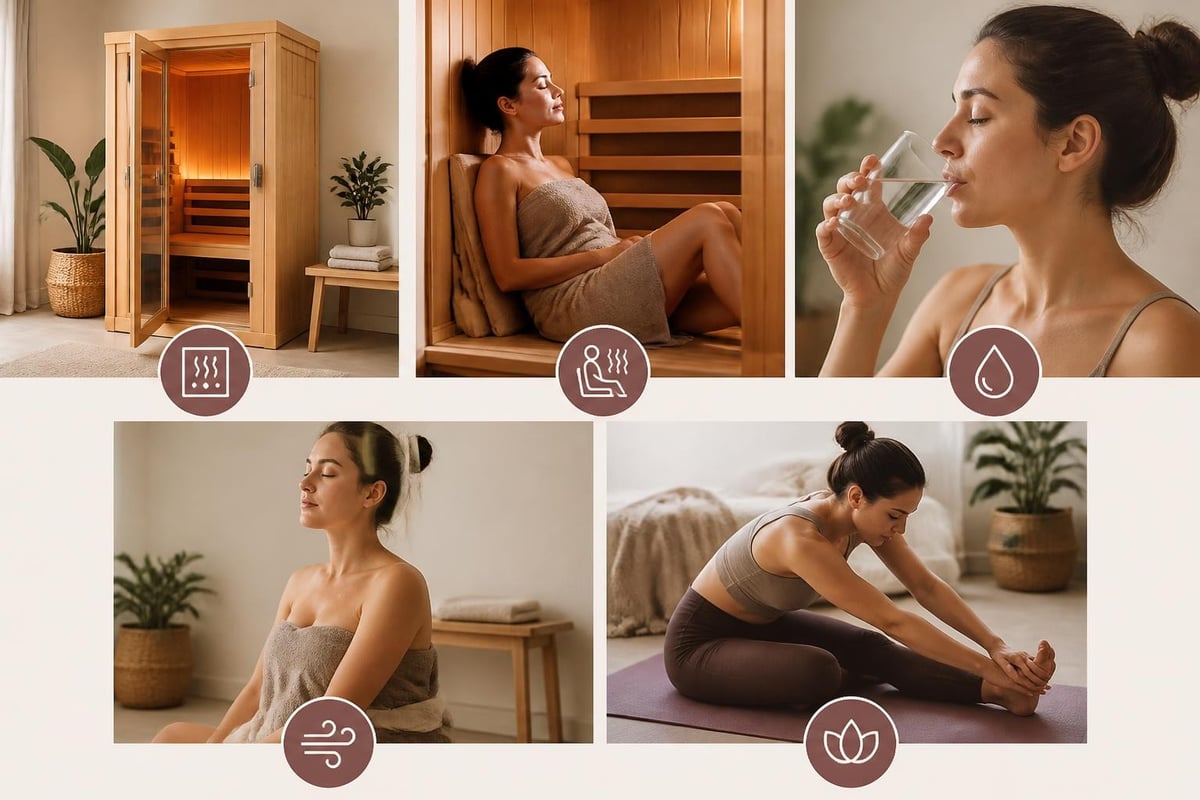
Making a Mini Sauna Part of Your Routine
The hardest part of sauna practice is consistency. A mini sauna helps because it's accessible. You do not need to drive somewhere. You do not need to wait for equipment. It's in your home, ready when you are.
I recommend setting specific days. Monday, Wednesday, Friday after work. Tuesday and Thursday mornings before breakfast. The schedule matters less than the consistency. Sauna works best as a practice, not an occasional event.
Pairing with Cold Exposure
If you're serious about recovery, pair your mini sauna with cold water. The combination amplifies the cardiovascular training effect. It also makes the heat session feel more intense because you know the cold is coming next.
A cold shower works. Three minutes under water as cold as your tap provides. If you want more, consider a dedicated cold plunge tub. Placed next to your mini sauna, it creates a complete contrast therapy setup at home. You can explore options for cold plunge units that complement compact sauna spaces.
The sequence is simple: heat for 15-20 minutes, cold for 2-4 minutes, rest for 5-10 minutes. Repeat if desired. Two rounds is standard. Three is advanced. More than that offers diminishing returns for most people.
Permits, HSA, and Practical Details
Most indoor mini saunas do not require building permits because they're considered portable appliances. Outdoor units sometimes do, depending on local code and whether they're permanently installed. Check with your municipal building department before installation.
HSA and FSA Reimbursement
Sauna purchases may qualify for Health Savings Account (HSA) or Flexible Spending Account (FSA) reimbursement if you obtain a Letter of Medical Necessity from your physician. The letter should document a specific medical condition (chronic pain, cardiovascular disease, arthritis) that sauna therapy addresses.
Not all HSA/FSA administrators approve sauna purchases, even with documentation. Check your plan's guidelines or call your administrator before purchasing. If approved, keep all receipts and the physician's letter for reimbursement submission.
Warranty and Support Considerations
A mini sauna should include at least a 1-year manufacturer warranty covering heater defects and structural issues. Better brands offer 3-5 year warranties. Lifetime warranties on wood are rare and usually have extensive exclusions.
More important than warranty length is access to support. Can you reach someone knowledgeable when you have questions? Do they answer within a reasonable time? Can they ship replacement parts? I answer every customer question personally at RecoSauna because I know how frustrating it is when you cannot get help with something you've invested in.
Before buying, test the seller's responsiveness. Send a detailed question about installation or use. See how and when they respond. If they're slow or generic before the sale, they'll be worse after.
Where Mini Saunas Fit in Modern Wellness
The wellness industry promotes many practices. Some have merit. Some are marketing. Sauna is neither new nor trendy. It's 2,000 years of consistent use because it works.
A mini sauna does not optimize your biology or biohack your performance. It creates a thermal stress that your body adapts to over time. That adaptation improves cardiovascular function, reduces inflammation, and supports recovery. These benefits appear in peer-reviewed research, not just testimonials.
The mini format makes this accessible. You do not need a large home or a big budget to practice sauna regularly. You need a few square feet of space, a properly built unit, and the discipline to use it consistently.
Healthline discusses benefits of infrared saunas including relaxation and detoxification, and WebMD provides important safety considerations for those considering any sauna type. If you're planning an indoor installation, this indoor sauna installation checklist covers every step from planning to first use.
The key is choosing the right type for your goals. If you want authentic Finnish sauna with löyly and the cardiovascular benefits that come with it, choose a traditional mini sauna with an electric heater and stones. If you prefer lower-temperature infrared therapy for muscle relaxation, an infrared model works. Both are valid. They're just different practices.
You can read more about 2-person sauna options that still fit compact spaces, or explore outdoor alternatives like a garden sauna if you have a small yard instead of indoor space.
Getting Started with Your First Mini Sauna
Start by measuring your available space. Width, depth, and ceiling height all matter. Leave room for door swing and side clearance. Measure twice. Most mini sauna returns happen because someone did not account for door clearance or ceiling height.
Decide on heat type. If you want traditional Finnish sauna with steam, choose an electric heater model. If you want lower-temperature infrared without humidity, choose infrared panels. Do not let price alone decide this. The wrong type will sit unused.
Confirm electrical capacity. If your space cannot support 220V for a traditional heater, you'll need to run new wiring or choose a 120V infrared model. Factor this cost into your budget from the start.
Order from a seller who knows saunas and can answer technical questions. Assembly instructions for mini saunas vary widely in quality. Having someone knowledgeable available during installation prevents mistakes. If you want visual guidance, this assembly guide for compact infrared saunas shows the basic process, though specific models vary.
Once installed, heat the sauna empty for 30-40 minutes on the first use. This allows manufacturing oils and residues to burn off. The smell will dissipate. Open windows during this first heating. After that, your mini sauna is ready for regular use.
A mini sauna is not a compromise. It's the same Finnish tradition adapted to smaller spaces. The practice remains unchanged: heat, steam, cold, rest. What matters is consistency and proper construction, not square footage. If you're ready to bring authentic sauna practice home, I'm here to help you choose the right unit for your space and answer any questions you have personally. Explore our selection at RecoSauna and reach out anytime.
Share:
One Person Sauna: Authentic Finnish Recovery at Home
2 Person Outdoor Sauna: Size, Heat & Placement Guide