
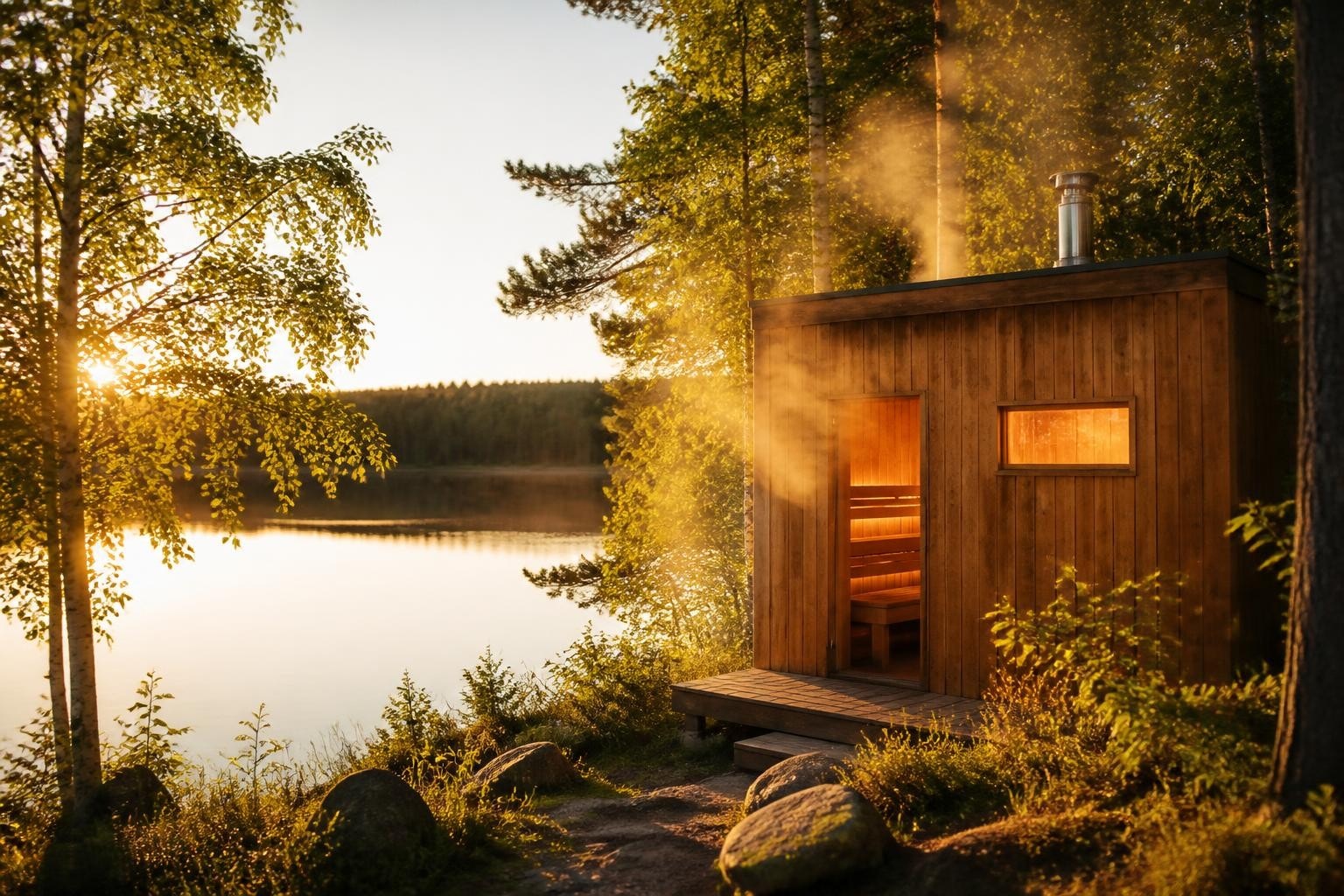
Sauna recovery refers to the practice of using heat exposure after physical exertion to support the body's natural repair processes. Research shows associations between regular sauna use and reduced muscle soreness, improved circulation, and better sleep quality. These benefits accumulate over time, not from a single session. Finnish practice suggests 15 to 20 minutes at temperatures between 150°F and 185°F, with timing adjusted based on individual response. The heat creates a shift in the body from performance mode to rest mode, a transition Finns recognized long before modern recovery science.
What Happens During Sauna Recovery
Heat exposure after training increases blood flow to muscles and skin. Vessels dilate, bringing oxygen and nutrients to tissues that need repair. This is not a cure for soreness, but it may reduce the intensity and duration of discomfort.
Physical responses include:
- Elevated heart rate similar to moderate exercise
- Increased blood flow to peripheral tissues
- Release of heat shock proteins associated with cellular repair
- Temporary reduction in perceived muscle tension

Your body does not recover faster just because you sit in heat. Recovery is a complex process involving sleep, nutrition, and rest days. Sauna use may support one part of that process by promoting relaxation and circulation. Studies on sauna and muscle recovery show associations, not guarantees.
The experience differs from person to person. Some report feeling more relaxed immediately. Others notice reduced stiffness the next morning. Pay attention to your own response rather than following general claims.
Heat Shock Proteins and Cellular Repair
Heat shock proteins are produced when cells experience thermal stress. These proteins help repair damaged proteins and may support cellular health over time. Research on this mechanism continues. We know the proteins appear during heat exposure, but we do not know exactly how much they contribute to recovery in athletes or active individuals.
The temperature inside a traditional sauna is high enough to trigger this response. Infrared saunas operate at lower air temperatures but may still create sufficient heat stress depending on session length and individual tolerance.
Traditional Sauna vs Infrared for Recovery
| Feature | Traditional Sauna | Infrared Sauna |
|---|---|---|
| Heat source | Electric or wood-burning heater with stones | Carbon or ceramic panels |
| Air temperature | 150°F to 195°F | 120°F to 150°F |
| Heat experience | High ambient heat, löyly steam from water on stones | Radiant heat absorbed by skin at lower air temperature |
| Session length | 10 to 20 minutes | 20 to 40 minutes |
| Recovery use | Post-training relaxation, circulation support | Muscle warmth, gentle heat penetration |
| Setup | Outdoor or indoor installation, requires proper ventilation | Plug-and-play indoor setup, smaller footprint |
Traditional saunas create an environment where the air itself is hot. When you pour water on the stones, you create löyly, the steam that intensifies the heat experience. This is the practice I grew up with in Eastern Finland, where sauna was not about recovery metrics but about the transition from work to rest.
Infrared saunas heat the body directly without heating the air as much. Some users prefer this for longer sessions or when they want warmth without the intense heat of a traditional sauna. Both types have a place in recovery routines. The choice depends on what you find comfortable and sustainable.
Which Type Supports Recovery Better
Neither type is superior for recovery. The research on traditional saunas is more extensive because the practice is older and more widely studied in Finland and other Nordic countries. Evidence on infrared sauna recovery protocols suggests similar benefits, though studies are fewer and smaller.
What matters more than sauna type is consistency. Using a sauna two to four times per week produces better outcomes than occasional use. Your body adapts to the heat stress over time, and the benefits accumulate.
Timing Your Sauna Session After Training
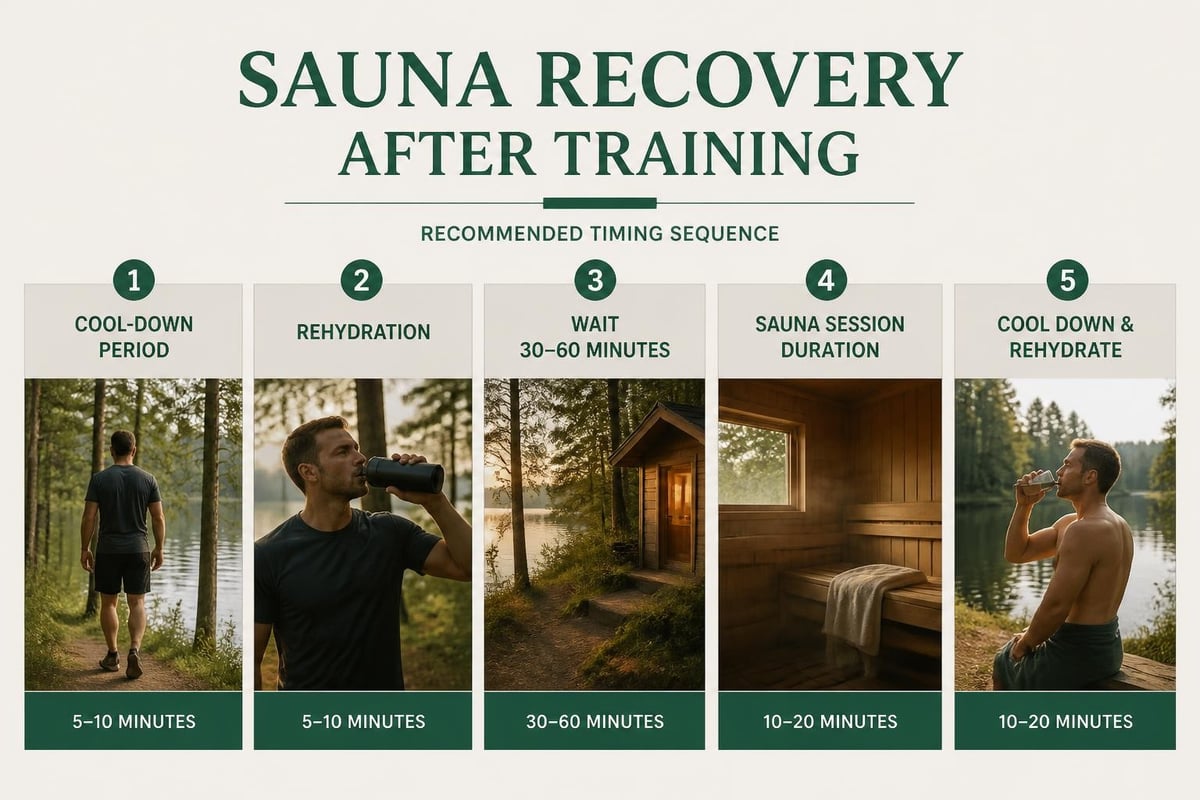
Timing depends on the intensity of your workout and your individual heat tolerance. Most people wait 30 to 60 minutes after training before entering the sauna. This allows heart rate to return closer to baseline and gives you time to rehydrate.
Recommended timing sequence:
- Finish your training session
- Cool down with light movement or stretching
- Drink water to begin rehydration
- Wait 30 to 60 minutes
- Enter the sauna for 15 to 20 minutes
- Exit, cool down gradually
- Rehydrate again before eating
Some athletes prefer sauna use on rest days rather than immediately after hard sessions. This approach allows full recovery without adding another stressor on training days. Experiment with both approaches to see what your body responds to.
Should You Use Sauna Before Training
Sauna before training is less common and generally not recommended for recovery purposes. Pre-exercise sauna use may reduce performance by increasing core temperature before exertion begins. Some athletes use brief sauna sessions as part of heat acclimation protocols, but this is a specific training technique, not a recovery practice.
Recovery-focused sauna sessions happen after exertion, when the goal is to support rest rather than prepare for more output.
Temperature and Session Length
Temperature preferences vary widely. Finnish practice uses temperatures between 150°F and 185°F for traditional saunas. The higher the temperature, the shorter the session should be.
Start with lower temperatures and shorter sessions if you are new to sauna use. Your heat tolerance increases over weeks, not days. Pushing too hard too soon creates discomfort without additional benefit.
| Session Duration | Temperature Range | User Experience Level |
|---|---|---|
| 10 to 12 minutes | 170°F to 185°F | Experienced users, post-training relaxation |
| 15 to 18 minutes | 155°F to 170°F | Regular users, balanced heat exposure |
| 18 to 25 minutes | 140°F to 155°F | Beginners, gradual adaptation |
These ranges are guidelines, not rules. Some people feel recovered after 10 minutes. Others prefer 20 to 25 minutes at moderate temperatures. Listen to your body rather than following arbitrary targets.
Signs You Should Exit Early
Exit the sauna immediately if you experience dizziness, nausea, headache, or excessive discomfort. Recovery benefits do not require suffering. Heat exposure should feel challenging but manageable.
Dehydration is the most common reason for negative symptoms. Drink water before entering and again after exiting. If you sweat heavily during your training session and then enter the sauna without rehydrating, you increase the risk of heat-related discomfort.
Combining Sauna with Cold Exposure
Contrast therapy alternates heat and cold to stimulate circulation and recovery. This is the traditional Finnish practice I grew up with: sauna followed by a plunge into Lake Saimaa, repeating the cycle two or three times.
Typical contrast protocol:
- Sauna session (15 to 20 minutes)
- Cold plunge or shower (1 to 3 minutes)
- Rest period (5 to 10 minutes)
- Repeat cycle one to two more times
- End with cold exposure or rest, not heat
The temperature change creates a pumping effect in blood vessels. They dilate in heat and constrict in cold. This alternation may support circulation and recovery more effectively than heat alone, though the research is still limited.
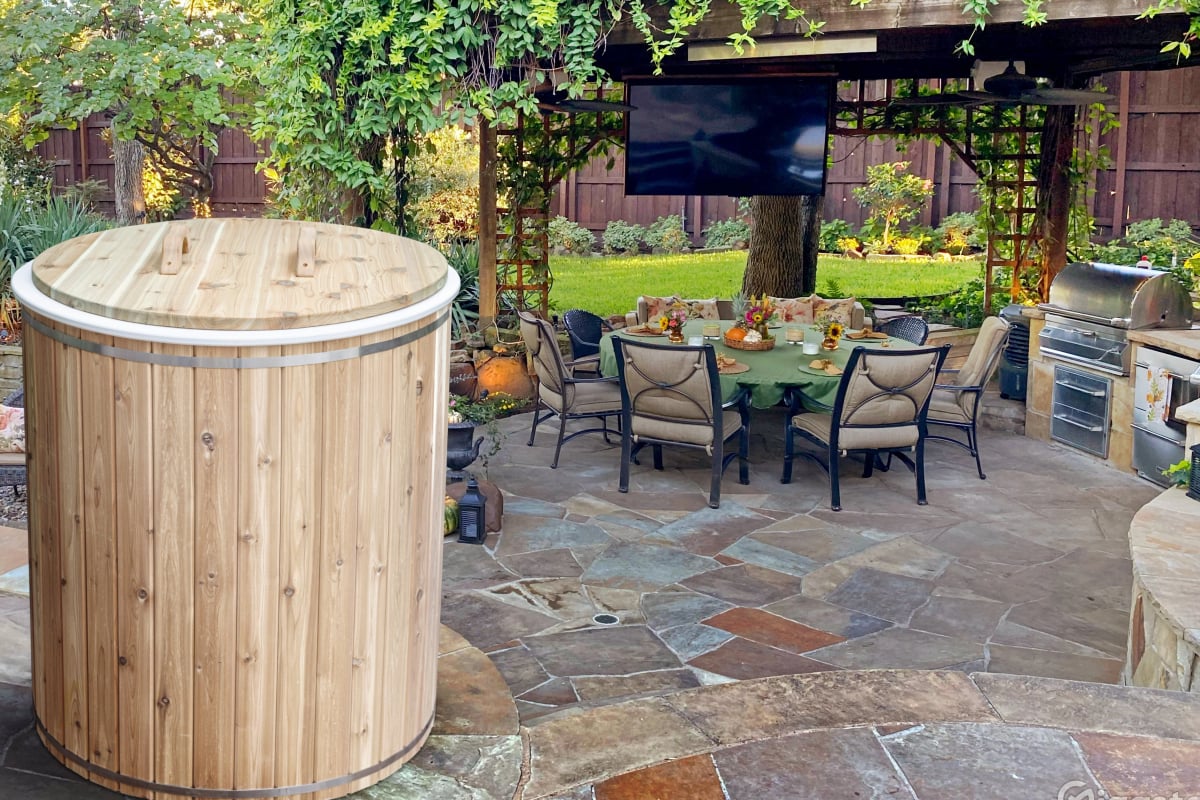
Detailed contrast therapy protocols explain the mechanisms and timing variations. The practice requires access to both heat and cold, which is why many people who invest in a sauna also consider a cold plunge.
Cold Exposure Safety
Cold exposure carries its own risks. Enter cold water gradually if you are new to the practice. Start with cold showers before moving to full immersion. Never force yourself to stay in cold water longer than feels safe.
People with cardiovascular conditions should consult a healthcare provider before beginning contrast therapy. The sudden temperature changes create stress on the circulatory system, which is part of the intended effect but also a potential risk for some individuals.
Building a Sustainable Sauna Recovery Routine
Consistency matters more than intensity. Using a sauna two to four times per week produces better results than occasional extended sessions. Your body adapts to the heat stress over time, and the benefits compound.
Weekly routine examples:
- Light schedule: Two 15-minute sessions per week after strength training
- Moderate schedule: Three 20-minute sessions per week, two after training, one on a rest day
- Active schedule: Four sessions per week including contrast therapy twice
These schedules assume access to a home sauna. If you use a gym or spa sauna, adjust frequency based on availability. The routine should fit into your life without creating additional stress or scheduling pressure.
For many homeowners, installing an indoor sauna or outdoor barrel sauna removes the barrier of traveling to use one. Daily access changes the practice from an occasional recovery tool to a regular part of your routine.
Tracking Your Response
Pay attention to how you feel the day after sauna use. Do you wake with less stiffness? Does your resting heart rate drop over weeks? These personal observations matter more than general studies.
Some people notice improved sleep quality after evening sauna sessions. Others find morning use helps them feel more alert throughout the day. There is no single correct approach. The right routine is the one you maintain consistently.
Sauna Recovery for Different Training Types
Different activities create different recovery needs. Endurance training produces different fatigue patterns than strength training. Sauna use can support both, but the timing and frequency may vary.
Endurance Athletes
Runners, cyclists, and swimmers often use sauna recovery to support circulation and cardiovascular adaptation. Research on sauna use for athletes suggests potential benefits for endurance performance when combined with regular training.
Sessions of 15 to 25 minutes at moderate temperatures (155°F to 170°F) are common. Some endurance athletes use sauna as part of heat acclimation before racing in hot climates, but this is a specific training strategy distinct from general recovery.
Strength and Power Athletes
Weightlifters, CrossFit athletes, and other strength-focused individuals often report reduced muscle soreness after regular sauna use. The heat may support muscle relaxation and reduce the perception of delayed-onset muscle soreness (DOMS).
Sauna protocols for CrossFit and HYROX athletes typically include shorter, hotter sessions (10 to 15 minutes at 170°F to 185°F) followed by cold exposure. This approach matches the high-intensity nature of the training.
Recreational Athletes
If you train three to five times per week without competitive goals, sauna recovery can simply be part of a balanced wellness routine. Use it when you feel the need for relaxation and circulation support rather than following strict protocols.
Recovery routines for regular athletes emphasize sustainability over intensity. The goal is long-term consistency, not maximizing every session.
Choosing a Sauna for Home Recovery
The best sauna for recovery is the one you will use consistently. That means considering space, setup complexity, and daily accessibility.
Key selection criteria:
- Location: Indoor saunas fit in basements or spare rooms. Outdoor saunas require yard space and weather-appropriate materials
- Capacity: A two-person sauna fits most recovery needs unless you plan family or partner sessions
- Heat source: Electric heaters offer convenience. Wood-burning creates traditional experience but requires more setup
- Installation: Plug-and-play infrared saunas require minimal setup. Traditional outdoor saunas need assembly but create a dedicated recovery space
Budget matters, but so does longevity. A sauna that lasts 15 to 20 years costs less per use than a cheaper model that needs replacement in five years. Quality materials like cedar and hemlock resist moisture and maintain heat efficiency.
The Lumin Infrared Sauna One offers a compact option for homeowners with limited space who want daily heat therapy without complex installation. It serves the recovery purpose without requiring a dedicated room or outdoor structure.
Electric Heaters and Recovery Sessions
Electric heaters with adequate stone mass provide consistent heat for recovery sessions. Most quality heaters in North American saunas come from established manufacturers like Harvia, though the brand matters less than proper sizing for your sauna volume.
A heater too small for the space struggles to maintain temperature. A heater too large cycles on and off frequently, creating uneven heat. The right size depends on cubic footage, insulation quality, and ceiling height.
Stone mass above the heating elements stores heat and creates smoother temperature distribution. More stones mean more stable heat during your session and better löyly when you add water. This matters more for recovery use than for casual occasional sessions.
Personal Experience from Lake Saimaa
I grew up on Lake Saimaa in Eastern Finland, where sauna was not a recovery tool but a way of life. We heated the sauna every Saturday, sometimes more often in winter. After sitting in the heat until sweat ran freely, we walked down to the lake and went in, even when we had to break ice to reach the water.
No one talked about recovery back then. We just knew we felt better afterward. Clearer mind, looser muscles, better sleep. That experience, repeated thousands of times over 30 years, taught me more than any study could. The science now explains what we already felt.
When I moved to North America and started RecoSauna, I wanted to share that practice with people who might never visit Finland. A sauna in your yard or home brings that same shift from performance to rest, the same transition I learned as a child on the shore of Saimaa.
Frequently Asked Questions About Sauna Recovery
How soon after training should I use the sauna?
Wait 30 to 60 minutes after finishing your workout. This allows your heart rate to normalize and gives you time to begin rehydration. Some people prefer using sauna on rest days rather than immediately after hard training sessions.
Can sauna replace active recovery like walking or stretching?
No. Sauna supports recovery but does not replace movement-based recovery practices. Light activity helps clear metabolic waste from muscles through muscular contraction. Sauna supports circulation and relaxation but does not provide the same mechanical benefits as active recovery.
Should I drink water during the sauna session?
Yes, especially for sessions longer than 15 minutes. Bring water into the sauna with you. Sip slowly rather than drinking large amounts at once. Proper hydration before, during, and after sauna use prevents the most common negative symptoms.
Is sauna recovery safe every day?
Many people use sauna daily without issues. Start with two to three times per week and increase frequency gradually. Daily use requires attention to hydration and rest. If you feel fatigued or notice declining performance, reduce frequency.
Does infrared or traditional sauna work better for muscle soreness?
Research shows benefits from both types. Traditional saunas have been studied more extensively, but infrared saunas show similar associations with reduced muscle soreness. Choose based on your heat preference and available space rather than trying to find the optimal type for recovery.
Sauna recovery supports your body's natural repair processes through heat exposure, circulation improvement, and the shift from performance to rest. The practice works best when integrated consistently into your weekly routine, not used occasionally after the hardest training sessions. Whether you choose traditional or infrared heat, outdoor or indoor installation, the real benefit comes from daily access to a space dedicated to recovery. RecoSauna offers saunas built for that long-term practice, with materials and construction that last decades, not years. I answer every customer question personally because choosing a sauna means choosing how you will recover for the next 15 to 20 years. Ask Petri About Your Sauna.
Share:
Outdoor Sauna Wood Fired: Heat, Steam & Tradition
Best Cold Plunge | Tubs, Tanks & Options for Home Use