
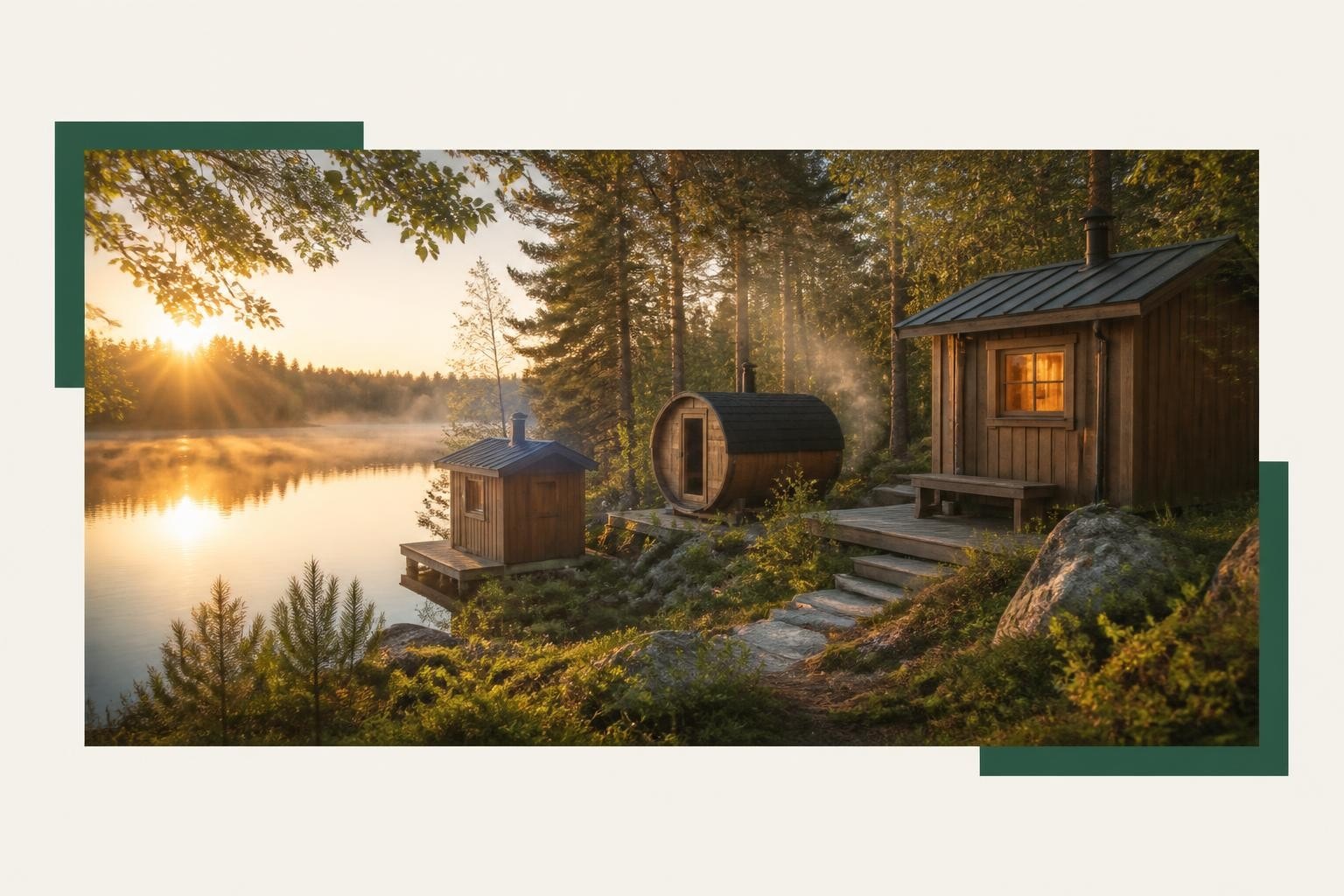
The best traditional sauna for home is one sized correctly for your space and use pattern, with a heater that produces proper löyly and construction that holds heat efficiently. A barrel sauna suits most outdoor installations. An indoor cabin sauna fits basements and spare rooms. What matters more than style is matching heater capacity to interior volume, choosing wood that resists moisture without treatment, and understanding the difference between a sauna built for weekend use versus daily heat cycles.
Most homeowners spend three to six months researching before purchase. That timeline reflects the real questions: indoor or outdoor, electric or wood-fired, how many people, how often.
What Makes a Traditional Sauna Different
A traditional sauna creates heat through convection. Hot stones absorb energy from electric elements or burning wood. Water poured on those stones becomes steam, raising humidity briefly and making the heat feel more intense on your skin.
This is löyly. The moment steam rises and the body relaxes.
Infrared saunas use panels that emit light absorbed directly by tissue. They operate at lower air temperatures. Traditional saunas versus infrared models serve different preferences. Traditional heat surrounds you. The stones hold thermal mass. The room itself becomes warm.
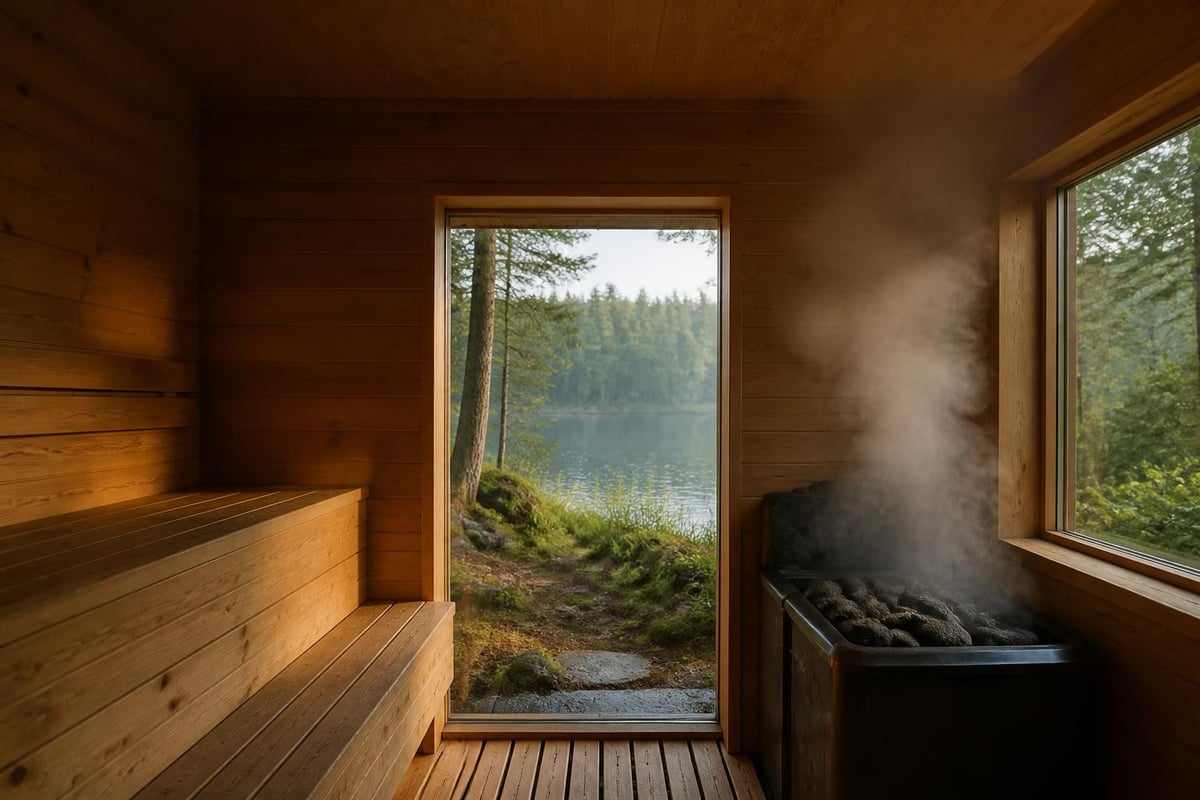
For those who grew up with sauna, the smell of heated cedar or aspen, the sound of water on stone, the gradual rise in temperature, these details matter. They shape the experience.
Heat Retention and Wood Choice
Eastern White Cedar, Red Cedar, and Nordic Spruce dominate North American home sauna construction. Cedar contains natural oils that resist mold and insects. It smells pleasant when warm. Spruce is lighter in color, less aromatic, and commonly used in Finland.
Thicker wall panels hold heat longer. A 1.5-inch tongue-and-groove wall performs better than 3/4-inch boards. Outdoor saunas in cold climates benefit from thicker construction.
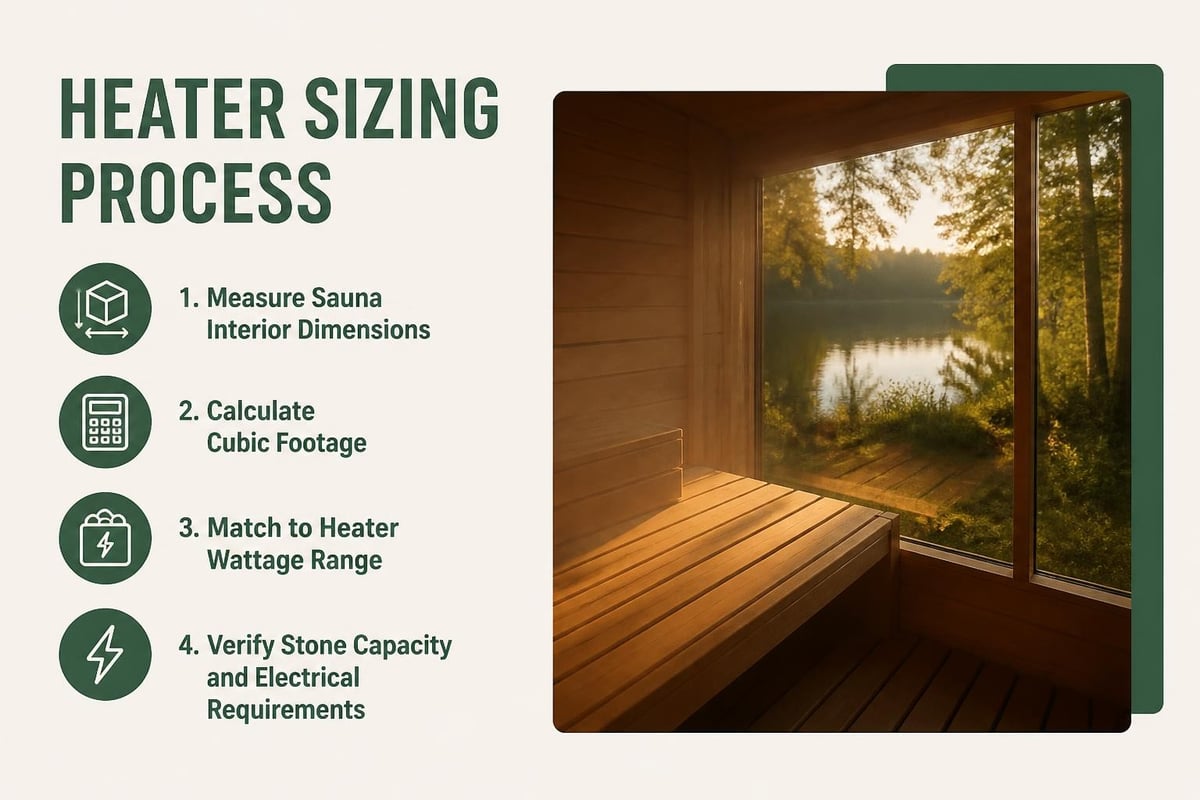
Interior volume determines heater size. A heater too small never reaches proper temperature. One too large cycles on and off too quickly, preventing stones from storing heat. Most electric heaters specify a cubic footage range. Match your interior dimension to that range.
Comparing the Best Traditional Sauna Types for Home
| Sauna Type | Best For | Typical Capacity | Installation |
|---|---|---|---|
| Barrel Sauna | Outdoor, fast heat-up, smaller yards | 2-4 people | Foundation pad, simple assembly |
| Cabin Sauna (Outdoor) | Families, larger groups, entertaining | 4-8 people | Concrete pad or deck, kit assembly |
| Indoor Cabin | Basements, existing rooms, year-round use | 2-6 people | Dedicated space, electrical work |
Barrel saunas heat faster because the curved ceiling sheds rising hot air less efficiently than a flat ceiling, but the compact shape itself speeds warmth. Their smaller footprint suits urban yards.
Cabin saunas offer more headroom and interior layout flexibility. You can add wider benches, install changing areas, or incorporate windows for natural light.
Indoor models require adequate ventilation, a floor drain or waterproof base, and often a dedicated 240V circuit. Indoor traditional saunas integrate into homes more easily than outdoor models in regions with harsh winters or strict zoning.
Sizing the Heater and Stone Mass
Electric sauna heaters range from 4.5 kW to 12 kW for residential use. Each kilowatt heats roughly 45-50 cubic feet of insulated interior space. A 6 kW heater suits a typical 6x6 foot indoor sauna. An 8x10 outdoor cabin may need 9 kW or more.
Stone mass matters as much as wattage. Stones absorb heat and release it steadily when water is added. A heater with 40-50 pounds of stone produces better löyly than one with 20 pounds, even at the same power rating.
Heater selection checklist:
- Calculate interior volume (length × width × ceiling height)
- Match heater wattage to manufacturer's cubic foot rating
- Confirm stone capacity exceeds 35 pounds for home use
- Verify electrical service supports the load (most need 240V)
- Choose UL-listed heaters with overheat protection
Harvia heaters dominate the North American market for quality traditional saunas. They produce consistent heat and source stones that withstand repeated thermal cycles. Other manufacturers offer reliable alternatives, but heater longevity often separates entry-level models from those built for daily use.
Indoor vs Outdoor Placement
Indoor saunas require existing floor space, often a basement corner or spare bedroom. Electrical work, ventilation ducting, and moisture-resistant flooring add to installation cost. The advantage is year-round access without stepping outside.
Outdoor saunas need a level foundation. A concrete pad, gravel base, or ground-contact-rated deck works. Snow and rain do not damage properly built cedar saunas. Roof design and adequate eave overhang matter more than weatherproofing treatments.
Indoor considerations:
- Proximity to shower or bathroom
- Adequate ceiling height (minimum 78 inches)
- Ventilation intake and exhaust paths
- Floor drainage or waterproof membrane
- Door swing clearance
Outdoor considerations:
- Distance from house (consider running back inside in winter)
- Foundation drainage and frost heave prevention
- Electrical conduit run and code compliance
- Privacy from neighbors
- Path maintenance in snow or rain
Some homeowners install both. An indoor sauna for weeknight sessions. An outdoor model for entertaining or contrast therapy with a cold plunge. If budget allows only one, usage frequency often determines placement. Daily use favors indoor. Weekend social bathing suits outdoor.
Electrical Requirements
Most home electric heaters operate on 240V circuits. A 6 kW heater draws 25 amps. An 8 kW unit pulls 33 amps. Your electrical panel must have available capacity. Older homes may need a service upgrade.
Hire a licensed electrician to run the circuit. Outdoor installations require conduit rated for burial or weather exposure. The heater itself should connect through a dedicated disconnect switch within sight of the sauna door.
Wood-fired heaters eliminate electrical work but add chimney installation and local code compliance. Some municipalities restrict outdoor wood burning. Others require chimney height or spark arrestor specifications. Check local rules before committing to a wood stove.
Construction Quality and Assembly
Most residential traditional saunas ship as kits. Tongue-and-groove wall panels, pre-cut benches, door frames, and roofing materials arrive on a pallet. Assembly takes one or two people a weekend, sometimes less for barrel models.
What distinguishes better-built saunas:
- Kiln-dried lumber with moisture content below 15%
- Stainless steel or hot-dipped galvanized fasteners
- Tempered glass doors (not acrylic)
- Ventilation gaps built into bench design
- Rounded or sanded interior edges (no splinters)
Avoid saunas with pressure-treated or chemically preserved wood inside the heat room. High temperatures can release unwanted odors or compounds. Natural cedar and spruce perform well untreated.
Barrel saunas use metal bands to hold curved staves together. Stainless steel bands last longer than galvanized. Check band tension annually and tighten as wood settles.
Traditional Sauna Models Worth Considering
Buyer guides from independent reviewers often rank saunas by price tier and capacity. Most recommend models with proven heater brands, solid wood construction, and clear assembly instructions.
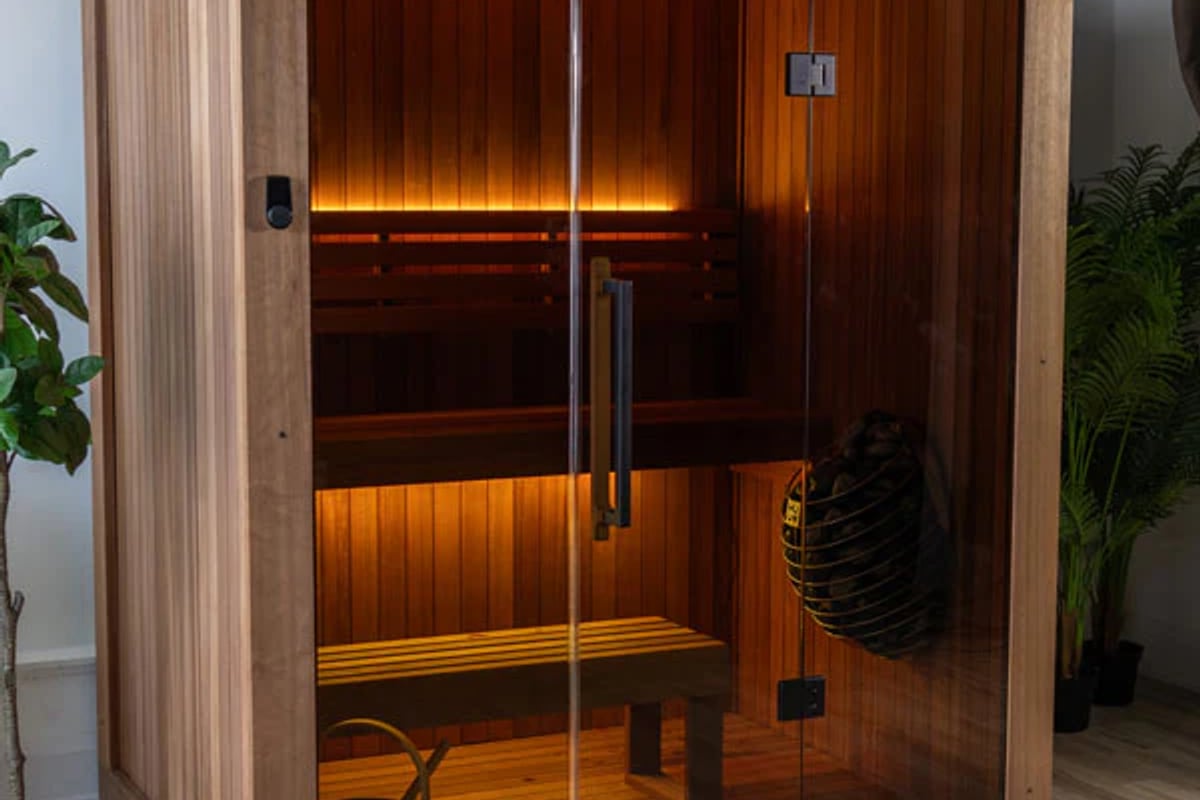
The LeisureCraft Loft CT Element Indoor Sauna fits modern basements and bonus rooms. It uses Thermo Grandis, a sustainably treated wood processed in Ontario. Full glass front, compact 54x74 inch footprint, warm interior lighting. The only indoor traditional sauna in its class combines clean design with authentic Finnish steam heat. I have watched many customers hesitate between this model and cheaper alternatives, then choose the Loft for its moisture resistance and build precision.
Barrel saunas from LeisureCraft and other manufacturers deliver faster heat-up outdoors. Cabin models with porches add space to cool down between rounds. Pod-style outdoor saunas suit single users or couples who prioritize speed and simplicity.
Budget Considerations Without Listing Prices
Entry-level traditional saunas for home start below what a modest used car costs. Mid-range models with better heaters and thicker wood approach the price of a high-end appliance. Premium builds with architectural glass, custom benches, or integrated sound systems reach luxury outdoor structure pricing.
Budget traditional sauna options exist, but material quality and heater performance vary widely below a certain threshold. Saving a few hundred dollars on a sauna you use three times then abandon wastes more than spending appropriately from the start.
Financing spreads payments over time. Free shipping across the USA and Canada reduces upfront cost compared to local dealers who charge freight.
Maintenance and Longevity
Traditional saunas require little maintenance. Wipe benches after use to remove sweat and body oils. Leave the door open after each session so interior moisture escapes. Rinse the floor if you use a floor drain.
Cedar naturally resists rot and mold when allowed to dry between uses. Do not apply sealers, stains, or finishes inside the heat room. They emit odors and degrade under heat.
Annual maintenance tasks:
- Inspect heater stones for cracks (replace as needed)
- Tighten barrel sauna bands if applicable
- Check door hinges and latch alignment
- Clear roof gutters and drainage paths on outdoor models
- Test ventilation flaps and adjust as needed
Heater stones last two to five years depending on use frequency. Cracked or crumbling stones reduce steam quality. Replace the full set rather than individual rocks to maintain even heat distribution.
Outdoor saunas in wet climates benefit from roof moss removal and gutter cleaning. Snow load rarely damages properly built structures, but clearing heavy accumulation prevents stress on older roofs.
First-Person Perspective from Petri
I grew up on Lake Saimaa in Eastern Finland. Saturday evenings meant heating the family sauna to 80°C, sitting on the top bench until sweat ran, then walking out to the lake. Winter or summer, the cold water followed the heat. This was not called contrast therapy or a wellness protocol. It was Saturday. My grandfather built our sauna from local pine. He taught me to heat the stones slowly, to pour water carefully, to listen for the hiss that meant good löyly. Those details, the smell of warm wood, the quiet between rounds, they shape how I evaluate saunas today. When a customer asks what makes one sauna better than another, I think of that lake, that silence, that simple pattern we repeated every week.
Frequently Asked Questions
How long does it take to heat a traditional home sauna?
Electric saunas typically reach temperature in 30 to 45 minutes. Barrel saunas heat faster due to smaller interior volume. Larger cabin saunas may need an hour. Insulation quality and outdoor temperature affect heat-up time.
Can I install a traditional sauna in my garage?
Yes, if the garage has adequate ventilation, a moisture-resistant floor, and electrical capacity. Ensure the space stays above freezing in winter or insulate walls and ceiling. A dedicated circuit for the heater is required.
What temperature should a traditional sauna reach?
Most users prefer 75-85°C (167-185°F). Beginners start lower, around 65-70°C. Finns often heat to 90°C or higher. The important factor is comfort, not hitting a specific number.
Do I need a floor drain for an indoor sauna?
Not required but helpful. A drain simplifies rinsing the floor. Without one, use a waterproof membrane and mop after use. Avoid excessive water on wood floors even with proper sealing.
How often should I replace sauna stones?
Every two to five years depending on use frequency and thermal cycles. Cracked stones reduce steam quality and can damage heater elements. Inspect annually and replace the full set when degradation appears.
Choosing Between New and Established Brands
Top traditional sauna reviews for 2026 highlight models from LeisureCraft, Almost Heaven, and other North American manufacturers. Each has strengths. LeisureCraft's Canadian craftsmanship and Thermo Grandis wood. Almost Heaven's deep market presence and range of sizes. Smaller brands sometimes offer faster shipping or regional support.
Brand reputation matters less than specific model construction. A manufacturer with fifty models may excel at barrel saunas but produce mediocre indoor cabins. Read reviews for the exact model you consider, not the company overall.
Authorized dealers answer questions about specific builds, heater compatibility, and local code requirements. I respond personally to every inquiry at RecoSauna because sauna selection depends on individual use patterns and site conditions, not generic recommendations.
The Role of Contrast Therapy
Many homeowners pair their traditional sauna with a cold plunge. The heat-cold cycle, practiced in Finland for two millennia, now appears in research as contrast therapy. Studies suggest associations with improved circulation, reduced inflammation markers, and enhanced recovery after exercise.
Understanding contrast therapy benefits helps plan placement. If you intend to add a cold plunge later, position your outdoor sauna near a water source and drainage point. Indoor saunas pair well with cold showers, though the experience differs from full immersion.
Cold exposure after heat creates a distinct physiological response. Not everyone enjoys it. Some prefer sauna alone. Test both before investing in a plunge tub.
Comparing With Other Home Wellness Options
Home gyms, massage chairs, and infrared saunas all occupy similar budget ranges. Infrared versus traditional heat addresses different preferences. Infrared warms tissue directly at lower air temperatures. Traditional sauna envelops you in hot air and steam.
For those who want the authentic Finnish experience, traditional heat with löyly remains the standard. Infrared offers convenience and faster sessions but lacks the sensory markers that define traditional bathing.
Some customers install both. A traditional sauna for weekend sessions and entertaining. An infrared unit for quick weekday recovery. Most choose one based on space and intended use pattern.
High-quality home audio systems, such as those installed by specialists like ANR media, can complement a home sauna space by creating immersive soundscapes that enhance relaxation during sessions, though many traditionalists prefer the quiet.
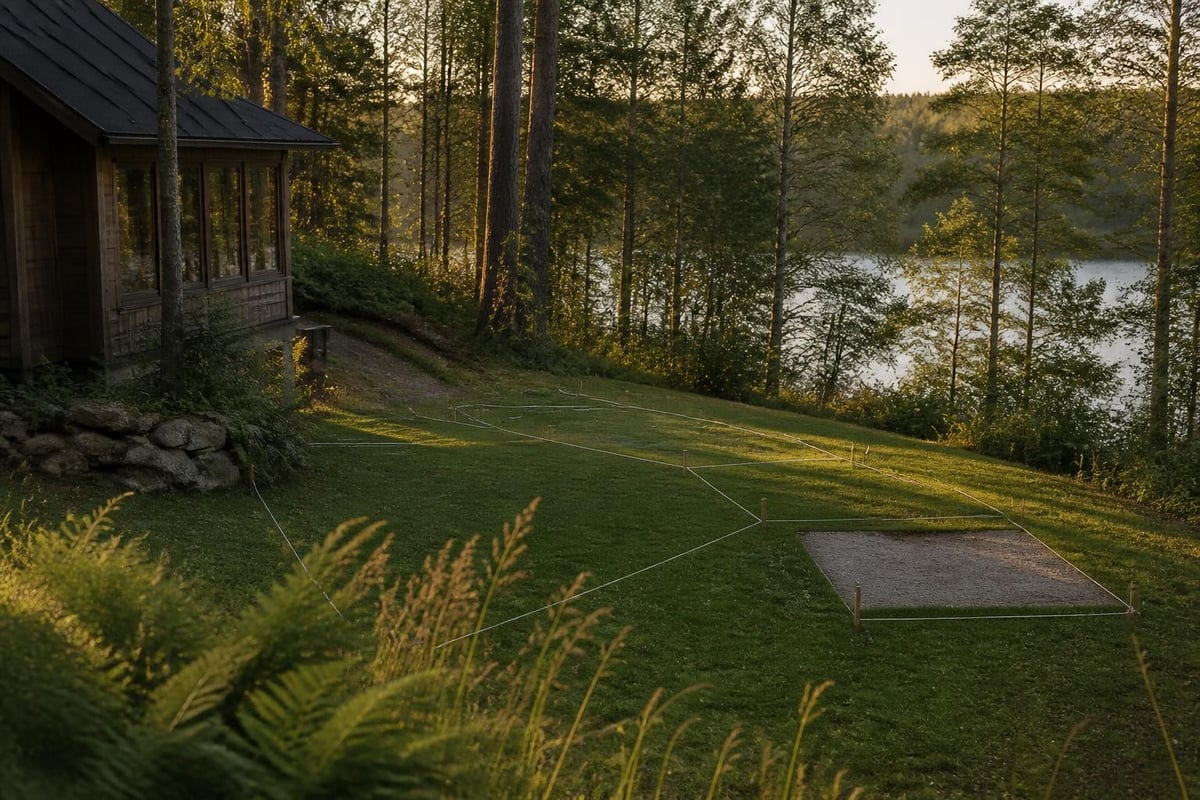
Assembly and Installation Timeline
Most barrel and cabin saunas ship on a single pallet. Delivery to your driveway or curb typically takes two to four weeks after order. Unloading requires a forklift or several people.
Typical installation timeline:
- Foundation preparation: 1-3 days (concrete pad) or same day (gravel base)
- Sauna assembly: 1-2 days for most kits
- Electrical rough-in and connection: 1 day with licensed electrician
- Final inspection and first heat: same day as electrical completion
Indoor installations add time for room preparation, ventilation ductwork, and floor protection. Basement saunas may require removing and reinstalling after assembly if doorways are too narrow.
Professional installation services exist but often cost as much as the sauna itself. Most kit designs assume homeowner assembly with basic tools. Instructions include step-by-step photos and hardware lists.
Wood-Fired Heater Considerations
Wood-burning stoves create traditional heat without electrical infrastructure. They require chimney installation, clearance from combustible materials, and often local permits. Chimney height affects draft and smoke behavior.
A properly sized wood stove heats a sauna faster than electric, but temperature control is less precise. You manage heat by adjusting airflow and wood placement, not a thermostat dial. This appeals to those who value the ritual of fire tending.
Smoke smell permeates clothing and hair. Some find this pleasant. Others prefer the clean heat of electric. Wood-fired saunas also require year-round wood storage and ash disposal.
Long-Term Ownership Experience
Traditional saunas appreciate in backyard value when built well. They become a fixture like a deck or patio. Poor construction degrades within five years. Quality models last decades with minimal maintenance.
Customer satisfaction correlates with realistic expectations. A sauna used twice monthly delivers years of value. One purchased for daily use but abandoned after three weeks represents wasted investment. Honest assessment of your routine before buying prevents regret.
Sauna ownership patterns vary widely. Some households use their sauna daily. Others reserve it for weekends or social gatherings. Both patterns justify the investment if aligned with actual behavior.
Cold climate homeowners often use outdoor saunas year-round. Snow and freezing temperatures do not prevent sessions. The experience of stepping from 80°C heat into 0°C air creates a sharp sensory contrast many prefer over summer use.
The Best Traditional Sauna for Home Depends on Your Use Case
No single model suits everyone. A couple in a condo needs a different sauna than a family of five with a large backyard. Daily users prioritize fast heat-up and low operating cost. Weekend entertainers value capacity and aesthetics.
Match your primary use:
- Solo or couple, daily use: 2-3 person barrel or compact indoor cabin
- Family, weekend use: 4-6 person outdoor cabin with porch
- Entertaining, social bathing: 6-8 person cabin with changing area and seating outside heat room
- Limited space, budget-conscious: Indoor 2-person prefab cabin
- Year-round outdoor use in cold climates: Insulated barrel or cabin with vestibule
Size up if uncertain. A larger sauna operates fine with fewer people. A small sauna feels cramped when full.
Heater capacity matters more than interior finish details. A perfectly built sauna with an undersized heater disappoints. A basic cabin with proper heat becomes the gathering place you use for years.
Why Authorized Dealers Matter
Sauna manufacturers sell through dealers to provide local support and answer installation questions. Authorized dealers understand product lines, can source replacement parts, and often handle warranty claims directly.
Buying from unauthorized sellers or overseas importers saves money initially but complicates service. Heater failures, damaged panels during shipping, or missing hardware become your problem to solve.
RecoSauna is an authorized dealer for LeisureCraft, Golden Designs, Dynamic, Maxxus, HUUM, and Orivon Wellness. Free shipping across the USA and Canada. Financing available. Every question answered personally, not by chatbot or call center.
Regional Considerations for Climate and Codes
Northern states and Canadian provinces experience temperature extremes that affect outdoor sauna performance. Insulated walls and ceilings help but add cost and complexity. Some models specify insulation options or require it for certain climates.
Building codes vary by municipality. Setback requirements, electrical permits, and fire safety rules differ between jurisdictions. Contact your local building department before ordering. Most outdoor saunas fall under accessory structure regulations similar to sheds.
Homeowners associations may restrict sauna placement, appearance, or operation. Review covenant rules before installation. Some HOAs require architectural approval for outdoor structures.
Final Considerations Before Purchase
The best traditional sauna for home matches your available space, electrical capacity, intended use frequency, and climate. It heats to proper temperature, produces good löyly when water hits the stones, and fits your budget without cutting corners on construction.
Visit a sauna before buying if possible. Many dealers maintain showrooms or demo units. Sitting inside a heated sauna reveals details photos cannot capture. Headroom on benches, ventilation flow, door swing clearance, these matter more after your first session.
Research takes months. Most buyers read extensively, compare models, and revisit their decision multiple times. This caution is appropriate. A sauna lasts decades when chosen well.
The best traditional sauna for home balances size, heater capacity, construction quality, and placement to match your actual use pattern. Authentic Finnish heat with proper löyly requires a well-sized heater, adequate stone mass, and good wood. RecoSauna carries traditional saunas from LeisureCraft, Golden Designs, and other trusted manufacturers. Petri answers every question personally, drawing on decades of Finnish sauna culture. Ask Petri About Your Sauna to find the right model for your home.
Share:
Sauna and Ice Bath: Complete Guide for Home Contrast Therapy
Cold Plunge After Sauna: Finnish Contrast Therapy Guide