
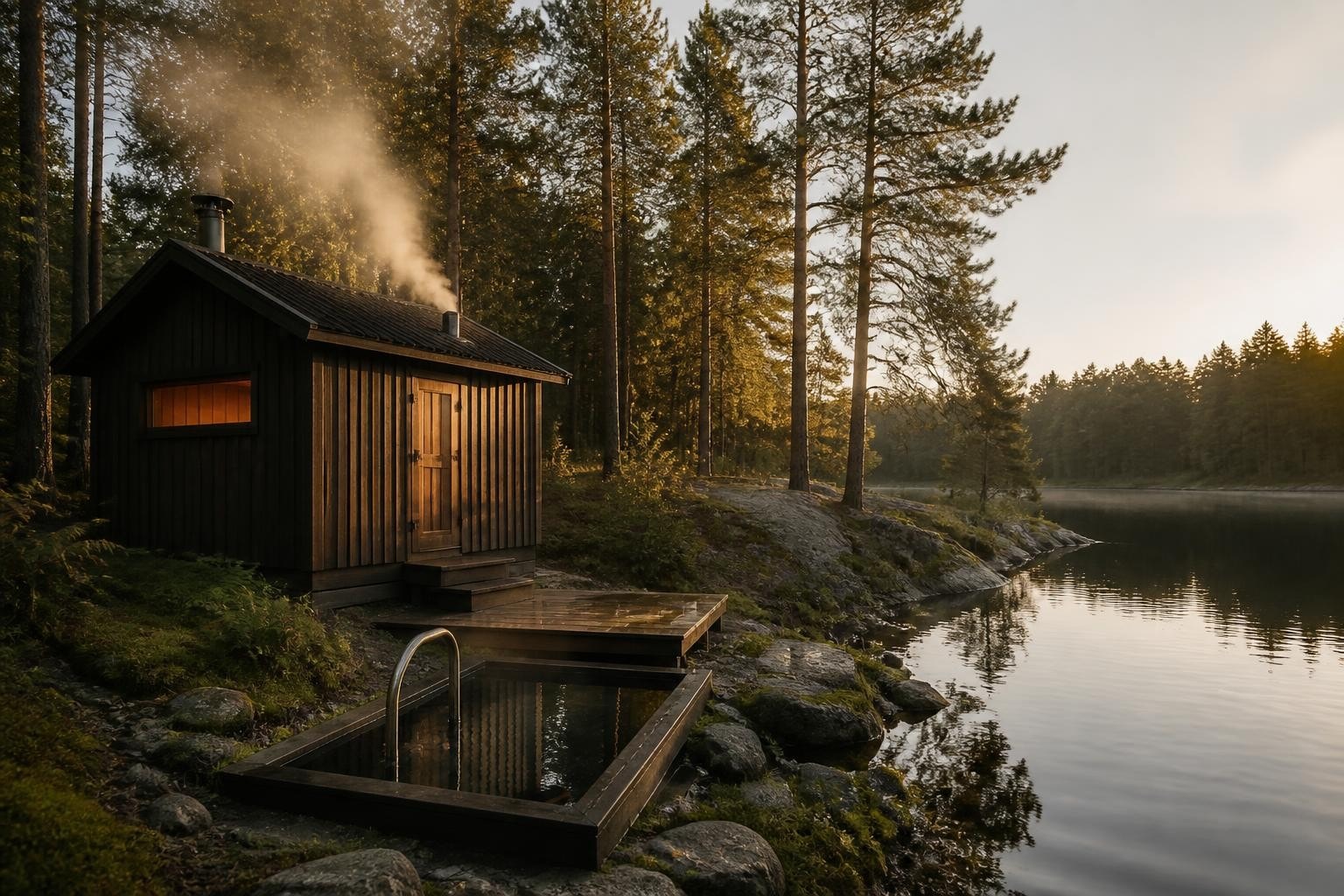
Men are building home saunas in colder climates. Not for fashion or trend, but for what heat does to the body after work, training, or a week of stress. A sauna for men is not a spa treatment. It is heat stress, then silence, then cold water. The cycle that lets the body shift from performance to recovery.
This article explains why sauna matters for men, what the research shows, how to choose the right type, and how to use heat and cold without guesswork.
Why Men Use Sauna
Sauna for men is about recovery. After decades of training, lifting, building, or just managing stress, the body needs a way to reset. Heat offers that.
Research shows sauna use is associated with improved cardiovascular markers, reduced muscle soreness, and better stress regulation. A study published in JAMA Internal Medicine followed Finnish men for two decades and found regular sauna users had lower cardiovascular event rates. Association, not proof, but consistent across cohorts.
Men also report mental clarity. Heat forces the body to slow down. You sit. You breathe. You sweat. No phone, no task list, no distraction.
Heat Stress and Hormones
Heat stress triggers physiological responses. Core temperature rises. Heart rate increases. Blood vessels dilate. The body works to cool itself.
Some research has explored sauna's effects on testosterone and growth hormone. A 2021 review noted that acute heat exposure may temporarily increase growth hormone, but the effect is short-lived. Long-term data on testosterone is mixed and mostly associational.
What is clear is that sauna use supports cardiovascular health, and cardiovascular health supports hormone balance. Sleep quality improves. Stress decreases. These factors matter more than any single session.
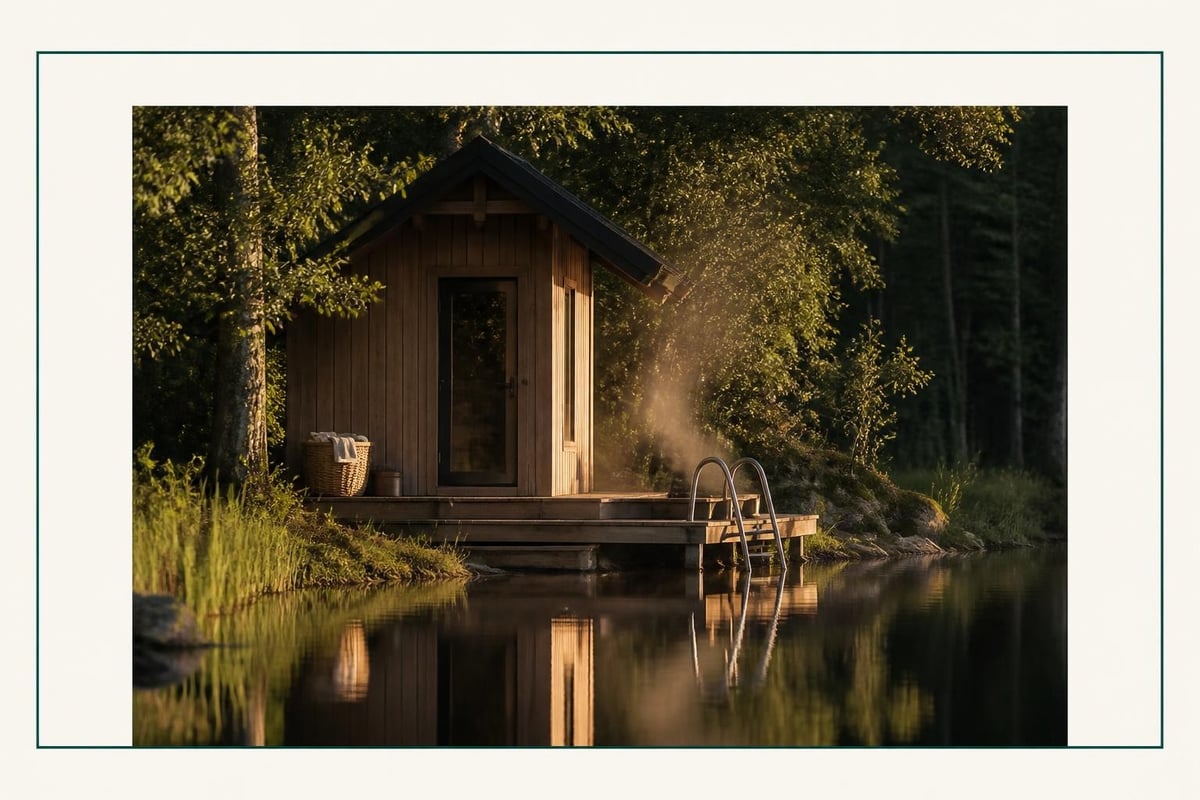
Muscle Recovery After Training
Sauna for men often follows exercise. Heat increases blood flow to muscles, which may aid recovery. A study covered by Tom's Guide found that post-exercise sauna sessions were associated with improved endurance performance.
Heat does not rebuild muscle. It supports the conditions for recovery. Better circulation, reduced inflammation markers, and improved sleep all contribute.
Men who lift heavy or train hard use sauna as part of a broader recovery routine, often paired with cold plunge. The contrast between hot and cold triggers vasoconstriction and vasodilation, which some believe supports circulation and waste removal.
Traditional vs Infrared Sauna for Men
The two main types are traditional Finnish sauna and infrared sauna. They heat the body differently.
| Feature | Traditional Sauna | Infrared Sauna |
|---|---|---|
| Heat source | Electric heater with stones | Infrared panels |
| Temperature | 150-195°F | 120-140°F |
| Humidity | High with löyly (steam) | Dry, no steam |
| Heat penetration | Ambient air heats skin | IR radiation heats tissue directly |
| Session length | 10-20 minutes | 20-45 minutes |
| Recovery type | Cardiovascular, stress relief | Muscle soreness, joint pain |
Traditional Sauna: Heat and Steam
A traditional sauna heats the air with an electric heater topped with stones. You throw water on the stones to create löyly, the burst of steam that fills the cabin. Löyly is what separates a real sauna from a hot room.
The heat is intense. You sweat hard. Your heart rate climbs. You stay for 10 to 20 minutes, then step out. Many men follow with cold water.
Traditional sauna is the choice for those who grew up with it or want the full Finnish experience. It is also the only option for outdoor use in colder climates, where infrared panels lose efficiency.
If you are considering a traditional sauna for home use, the outdoor models hold heat better and allow year-round use even in snow.
Infrared Sauna: Lower Heat, Longer Sessions
Infrared saunas use panels that emit near, mid, or far infrared radiation. The heat penetrates tissue without raising air temperature as much. Sessions are longer, 30 to 45 minutes, and feel less intense.
Men with joint pain or chronic muscle soreness often prefer infrared. The heat reaches deeper tissue without the cardiovascular demand of a traditional sauna.
Infrared is also easier to install indoors. No ventilation required. Plug into a standard outlet. Fits in a basement or spare room.
The trade is cultural. No steam. No löyly. No ritual. Just heat.
Buying Criteria for a Sauna for Men
Choosing a sauna for men depends on space, use, and climate. Here are the factors that matter.
Indoor vs Outdoor
Indoor saunas fit in basements, garages, or spare rooms. Easier to use year-round. Infrared models are common indoors because they require less power and no ventilation. Traditional indoor saunas need proper airflow and drainage.
Outdoor saunas are better for traditional Finnish heat. They handle moisture, cold winters, and higher temperatures. Cedar construction resists rot. Glass doors let in daylight. Many men prefer the ritual of walking outside, heating the sauna, and stepping into cold air after.
If you live in a northern state or Canada, an outdoor sauna built from Eastern White Cedar will last decades.
Size and Capacity
Most men build for two to four people. Bench space matters more than floor area. You want room to lie down on the lower bench, which is cooler and better for longer sessions.
A two-person sauna is often enough for solo use or couples. Families or those who want guests need four-person capacity.
Heater Sizing and Stone Mass
Heater power determines how fast the sauna heats and how well it maintains temperature. A properly sized heater for a 6x6 cabin is 6 to 8 kW. Undersized heaters struggle to recover after löyly.
Stone mass matters. More stones mean more heat storage and better steam. Stones should be Finnish diabase or similar heat-resistant rock. They need replacing every few years.
Most quality North American saunas use Harvia heaters from Finland. Harvia builds the most reliable electric heaters, used across Finland for home and public saunas.
Wood Type
Cedar is the standard. Eastern White Cedar is lighter in color and resists moisture naturally. Red Cedar is darker and aromatic but more expensive.
Hemlock is common in infrared saunas. It is affordable, stable, and does not emit strong scent.
Avoid treated wood or softwoods that splinter. The wood you sit on should be smooth, kiln-dried, and naturally resistant to mold.
How I Use Sauna
I grew up on Lake Saimaa in Eastern Finland. The sauna was not optional. It was where we cleaned up after work, where we settled arguments, where we sat in silence. My father heated the sauna every Saturday. We sat together, threw water on the stones, then walked down to the dock and jumped in. Even in winter. Especially in winter.
That cycle is what I still use. Heat until I sweat. Cold until I gasp. Rest until I feel calm. The contrast is the point.
Pairing Sauna with Cold Plunge
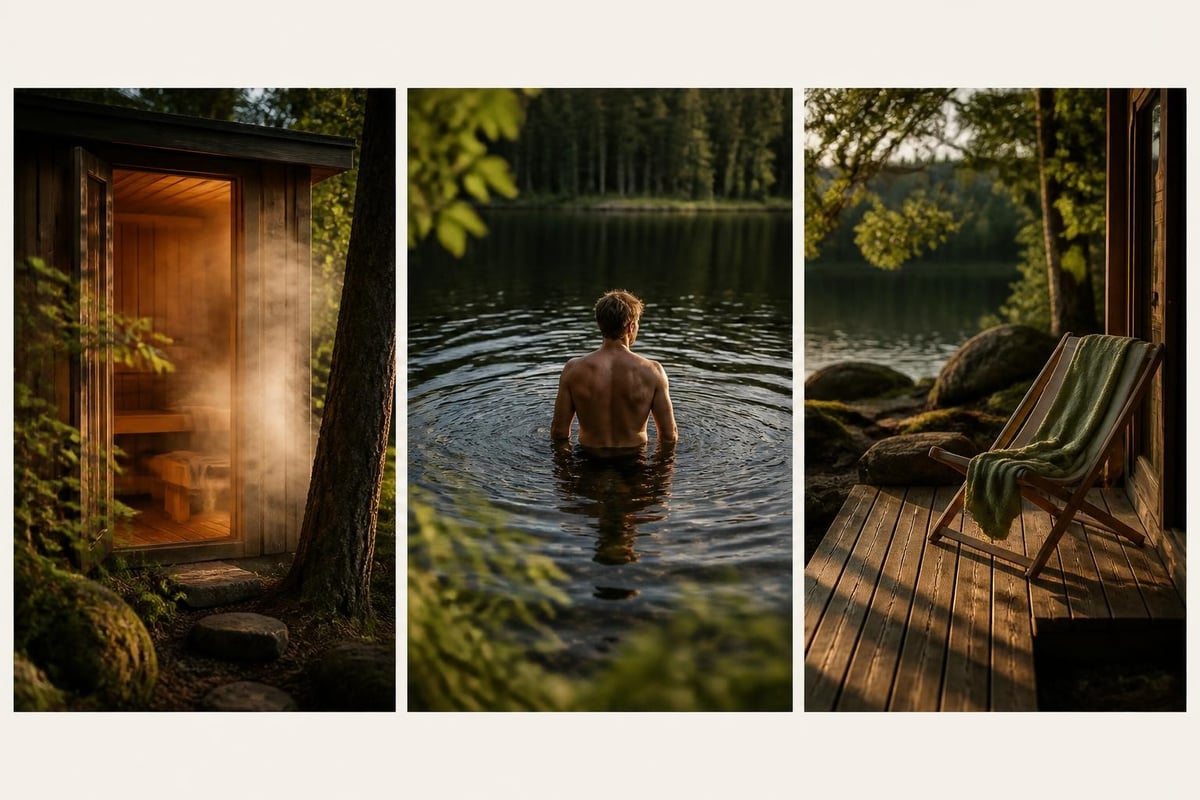
Sauna for men is often paired with cold water. The Finns call it avanto, the hole cut in the ice. Today, you can use a cold plunge tub.
The pattern is simple:
- Heat in the sauna for 10 to 20 minutes
- Step out and cool briefly
- Immerse in cold water for 1 to 3 minutes
- Rest for 10 to 15 minutes
- Repeat the cycle two or three times
Cold water after heat triggers vasoconstriction. Blood vessels tighten, then open again during rest. This cycle is associated with improved circulation and reduced inflammation markers, though the research is still early.
Men who train hard report better recovery. Less soreness. Better sleep. Clearer thinking the next morning.
Contrast therapy is not new. Finns have practiced it for two thousand years. The science is catching up.
For those who want a complete home setup, pairing a traditional sauna with a cold plunge creates a daily recovery practice that fits into twenty minutes before dinner.
Cold Plunge Options
A cold plunge does not need a chiller. Many men fill a tub with water and add ice. Simple. Effective. Low cost.
If you use it daily, a chiller keeps water at a steady temperature. No ice needed. Just step in.
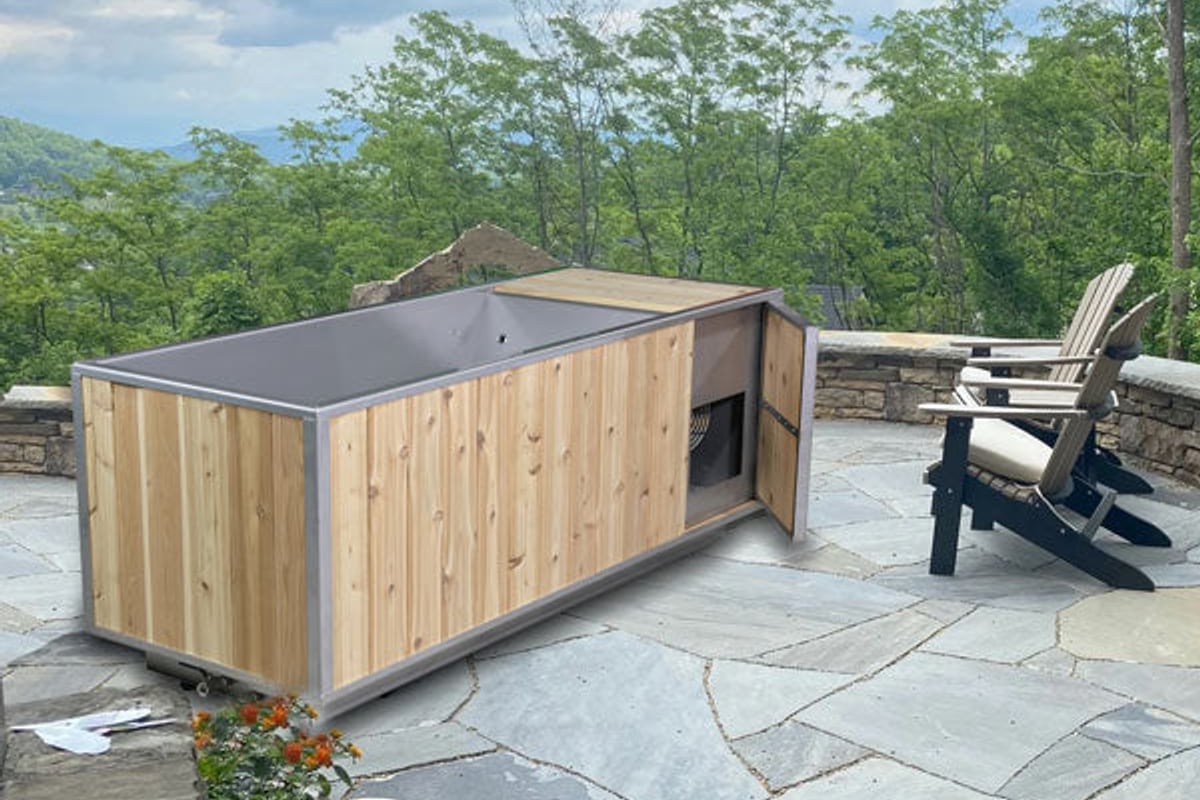
The LeisureCraft Flow Cold Plunge is the professional option for those who want built-in cooling and year-round use. Cedar exterior, stainless steel interior, ships fully assembled. It is designed to sit beside a sauna and handle daily use without maintenance.
Mental Health and Silence
Sauna for men is not just physical. It is mental. Twenty minutes with no input, no screen, no task. Just heat and breath.
Harvard Health notes that regular sauna use is associated with lower rates of depression and anxiety in Finnish populations. Association, not causation. But the pattern is consistent.
Men who use sauna regularly report better stress management. The heat forces the body to slow. Heart rate variability improves. Cortisol drops after the session.
Some men pair sauna with mindfulness practice or structured mental training. Programs like The Father Forge combine physical recovery with mental resilience, using tools like sauna and cold exposure as part of a broader approach to stress and leadership.
Common Questions About Sauna for Men
How often should men use sauna?
Three to five times per week is common. Some men use it daily. Start with twice a week and increase as your body adapts. Listen to how you feel the next morning.
Can sauna replace cardio?
No. Sauna increases heart rate, but it is not aerobic exercise. It supports recovery and cardiovascular health, but does not replace running, cycling, or strength training.
Is sauna safe after heavy lifting?
Yes. Sauna is often used after training. It may aid recovery by increasing blood flow. Stay hydrated and avoid extreme heat if you feel dizzy or lightheaded.
What temperature is best for men?
Traditional sauna: 160 to 180°F. Infrared: 125 to 140°F. Start lower and increase as you adapt. Comfort matters more than hitting a specific number.
Does sauna affect testosterone?
Research is limited. Some studies show temporary increases in growth hormone after acute heat exposure. Long-term effects on testosterone are unclear. Sauna supports overall health, which supports hormone balance indirectly.
Installation and Setup
Most outdoor saunas ship as kits. Assembly takes a weekend with basic tools. Indoor models are faster, especially infrared units that plug into a standard 120V outlet.
Traditional saunas need 240V wiring for the heater. Hire an electrician unless you have experience. The heater must be installed correctly, with proper clearance from walls and benches.
Outdoor placement matters. Level ground. Good drainage. Access to power. Some men build a small platform or pour a concrete pad.
Indoor saunas need ventilation. Fresh air intake near the floor, exhaust near the ceiling. This keeps the air moving and prevents moisture buildup.
For those exploring indoor sauna for home options, the key is matching the unit to the space and ensuring proper airflow.
Long-Term Use and Maintenance
Sauna for men is not a short-term experiment. It is a practice. The men who benefit most use it for years, not weeks.
Maintenance is minimal. Wipe benches after use. Rinse the floor. Leave the door open to dry. Replace heater stones every two to three years.
Cedar darkens over time. That is normal. The wood develops a patina from heat and moisture. Some men sand and oil benches every few years to keep them smooth.
The heater is the only mechanical part. Quality heaters last ten to fifteen years. Controls may need replacing sooner, especially in outdoor models exposed to temperature swings.
Who Should Avoid Sauna
Sauna is safe for most men. A few conditions require caution.
- Recent heart attack or unstable angina
- Severe aortic stenosis
- Active infection or fever
- Low blood pressure or fainting history
If you have a chronic condition, speak with a physician. Medical News Today provides a detailed overview of risks and precautions.
Alcohol and sauna do not mix. Dehydration and impaired judgment increase risk. Drink water before, during, and after. Skip the session if you feel unwell.
Building a Routine
Start simple. Heat the sauna. Sit for ten minutes. Step out. Cool down. Rest.
Add cold water when you are ready. Even a cold shower works. The contrast is what matters, not the exact temperature.
Track how you feel. Better sleep? Less soreness? Clearer thinking? These are the signs the practice is working.
Many men use sauna in the evening, after work or training. It signals the body to shift from performance to rest. Others prefer morning sessions for mental clarity before the day starts.
The routine matters more than the timing. Consistency builds the benefit.
Sauna for men is heat, silence, and recovery. It is not about trends or wellness jargon. It is about what happens when the body stops performing and starts repairing. Whether you choose traditional steam or infrared heat, the practice works when it becomes part of your week. I grew up with sauna on Lake Saimaa, and I answer every question personally because I know what works and what does not. If you are ready to bring this practice home, Ask Petri About Your Sauna and I will help you choose the right setup for your space and goals.
Share:
Indoor Traditional Sauna: What You Need to Know in 2026
Sauna for Cardiovascular Health: What the Research Shows