
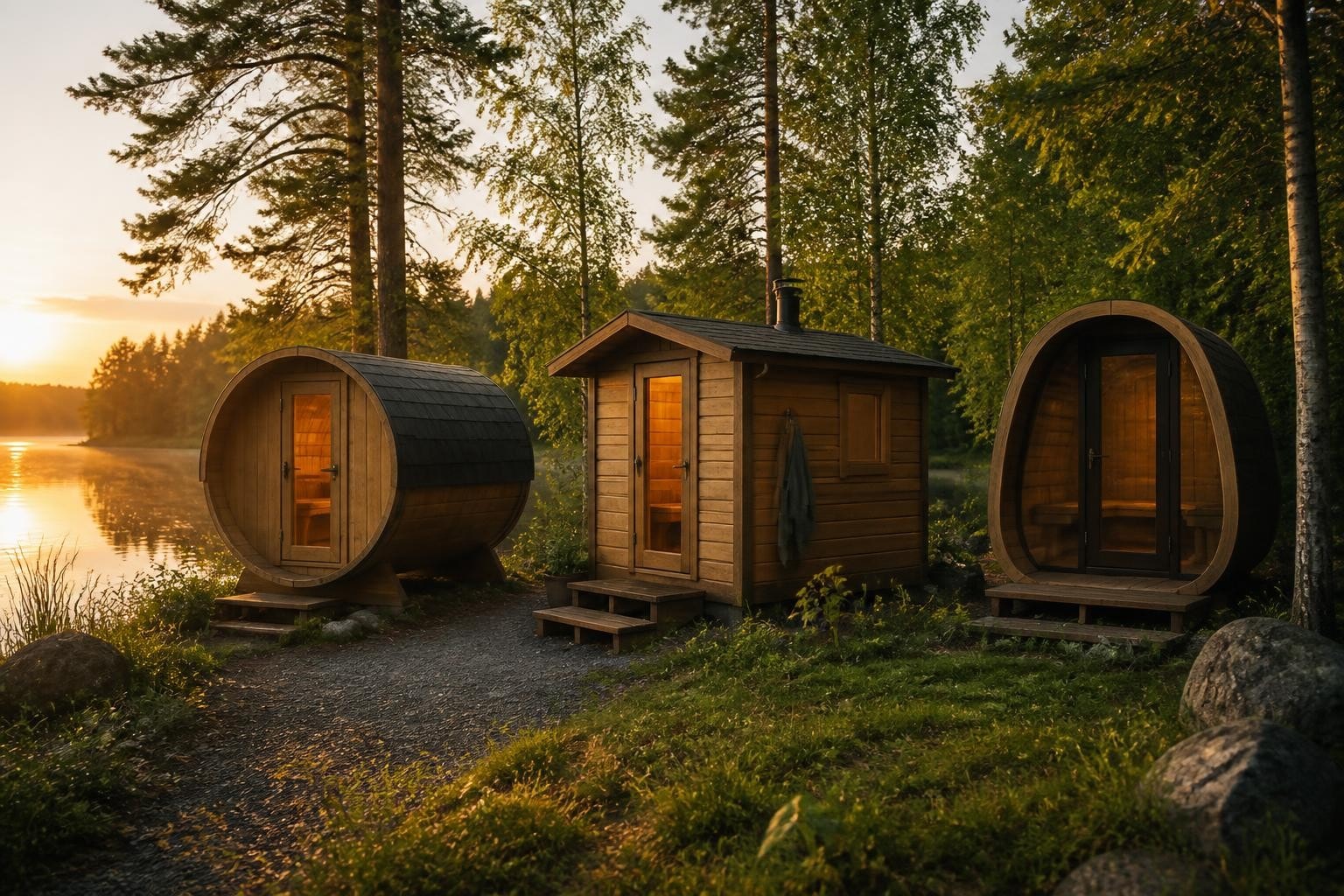
A backyard sauna brings traditional heat bathing to your property without permanent construction or commercial gym memberships. These outdoor saunas sit on grade-level foundations, connect to standard electrical service, and operate year-round in cold climates. Most come as prefabricated kits that assemble in a day or two. The decision centers on four factors: available space, heating method, user capacity, and whether you want traditional steam or infrared heat.
What Makes a Backyard Sauna Different From Indoor Options
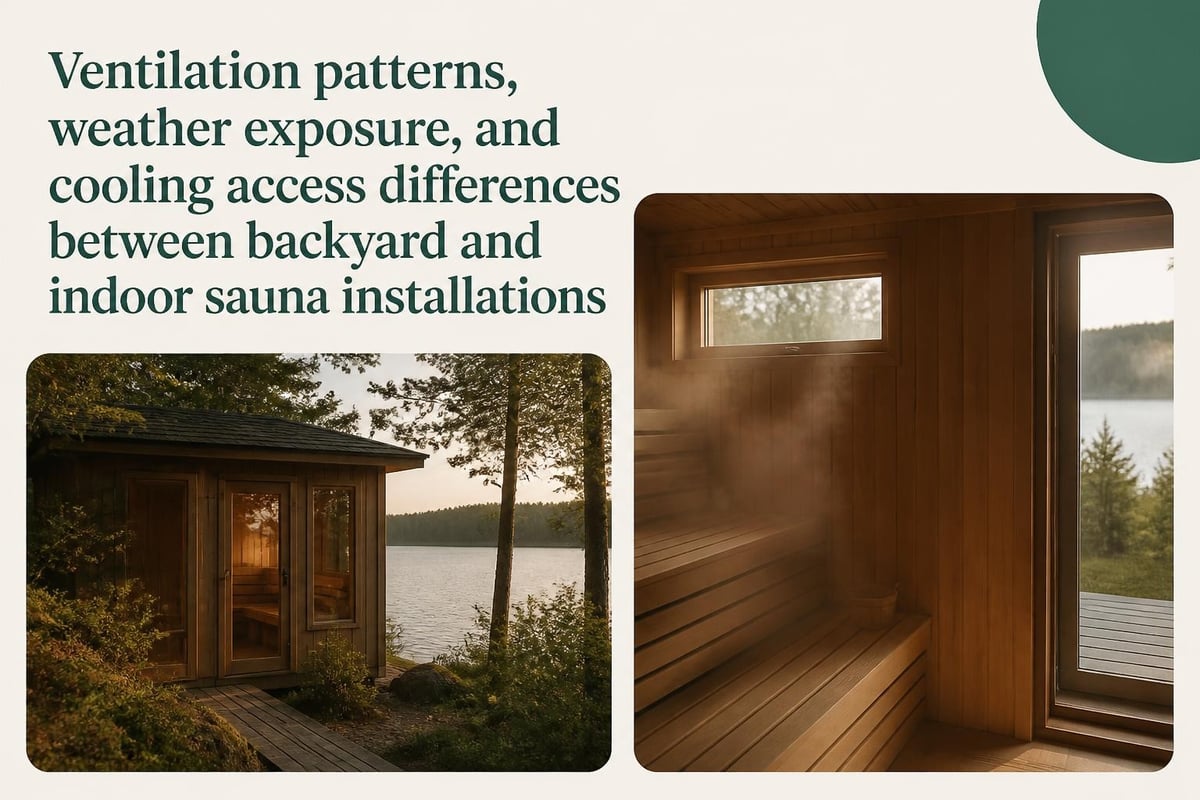
Outdoor placement changes ventilation requirements and material selection. A backyard sauna handles weather exposure through cedar or hemlock construction, both naturally resistant to moisture and temperature swings. Indoor units prioritize compact footprints and quick heat-up times since they compete for basement or bathroom space.
The outdoor environment allows for natural cooling cycles. You step directly into fresh air between sessions, which supports the contrast response central to Finnish sauna practice. Indoor saunas require dedicated cooling areas or separate cold plunge installations.
Weather resistance matters more than aesthetic finish. Look for:
- Tongue-and-groove cedar panels that expand and contract without gaps
- Metal or asphalt roofing rated for snow load in northern regions
- Tempered glass doors that handle temperature differentials
- Elevated foundations that prevent ground moisture contact
Most quality outdoor saunas use Eastern White Cedar or Canadian Hemlock. Both resist rot and insect damage without chemical treatment. Cedar carries a subtle aroma that intensifies with heat. Hemlock offers a neutral scent profile.
Backyard Sauna Types: Comparison Table
| Type | Footprint | Capacity | Heat Method | Best For |
|---|---|---|---|---|
| Barrel | 6-8 ft diameter | 2-4 people | Electric or wood | Small yards, efficient heating |
| Cabin | 6x6 to 8x10 ft | 2-6 people | Electric or wood | Families, additional changing space |
| Pod | 5x5 to 7x7 ft | 1-3 people | Electric only | Modern aesthetics, quick assembly |
Barrel saunas heat faster due to curved wall geometry. Hot air naturally circulates without dead zones. The compact shape works well on smaller properties but limits interior headroom for taller users.
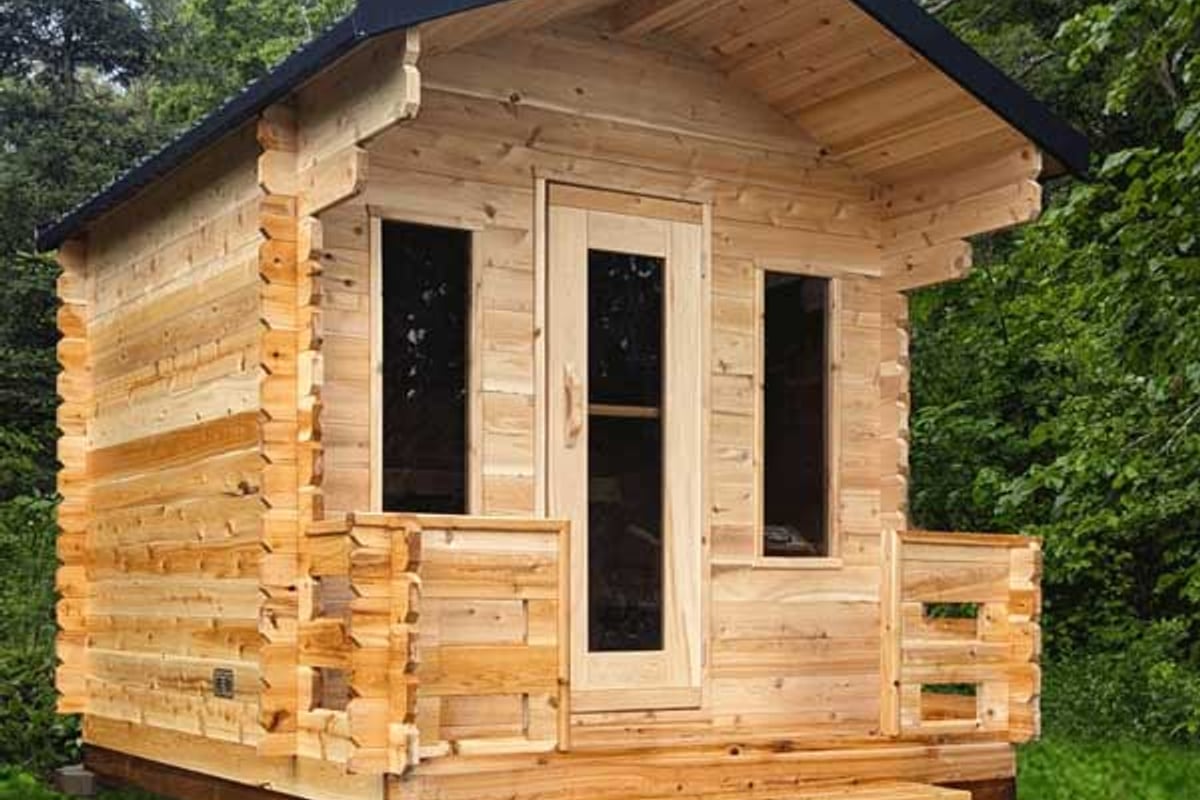
Cabin-style saunas offer vertical space and optional porches for cooling between rounds. The LeisureCraft Georgian Cabin Sauna with Porch includes a covered entry area where you can sit in fresh air without walking across wet grass in winter. Rectangular cabins accommodate changing benches and storage for towels.
Pod designs use modern panel construction with full glass fronts. They assemble faster than traditional cabins but rarely accommodate wood-burning heaters due to limited interior volume for proper clearances.
Choosing the Right Size for Your Property and Usage
Size decisions follow two constraints: available yard space and realistic user count. Most people overestimate how many will use the sauna simultaneously.
A two-person backyard sauna works for couples and solo sessions. Benches run 5-6 feet, enough to recline fully. Interior volume stays small, which reduces heating time and operating cost. These units fit side yards or deck extensions without dominating the landscape.
Four-person capacity suits families with children or those who host regularly. Interior dimensions reach 6x6 or 6x8 feet with L-shaped or tiered benching. Heating requirements increase proportionally. Expect 30-45 minutes to reach 170°F from a cold start.
Measure your available space before comparing models:
- Account for door swing clearance (minimum 3 feet)
- Leave 12-18 inches between sauna walls and property lines for air circulation
- Plan electrical conduit runs from your service panel
- Consider sight lines from neighboring properties if privacy matters
Foundation requirements vary by model weight and local frost depth. Crushed rock bases work in most climates. Concrete pads add stability but cost more. Some manufacturers provide foundation specifications with kit shipments. When researching property improvements like a backyard sauna, consulting real estate professionals such as Wendy Dean, Esq. Realtor and Associate Broker can help you understand how outdoor additions affect property value in your specific market.
Electric Versus Wood-Fired Heating Systems
Electric heaters dominate the North American market for practical reasons. They connect to standard 240V circuits, maintain consistent temperature, and require no wood storage or ash removal. Most quality electric sauna heaters use Harvia components manufactured in Finland.
Heater sizing follows a simple formula: one kilowatt per 45-50 cubic feet of interior volume. A 6x6x7 foot sauna (252 cubic feet) needs a 5-6 kW heater. Undersized heaters run continuously without reaching proper temperature. Oversized units cycle too quickly, reducing stone mass effectiveness.
Stone mass matters more than heater wattage for traditional steam. The rocks absorb heat, then release it gradually when you ladle water over them. This creates löyly, the soft steam that defines Finnish sauna. Quality heaters hold 40-60 pounds of stones.
Wood-fired heaters produce higher peak temperatures and create a different heat quality through radiant warmth from the firebox. They require chimney installation, regular cleaning, and local permit compliance. Operating cost approaches zero if you have free firewood access.
Electric heating advantages:
- Precise temperature control via digital thermostat
- No smoke or outdoor air quality concerns
- Faster heat-up from cold start
- Lower insurance premiums in most regions
Wood-fired heating advantages:
- No electrical service requirements
- Higher peak temperatures (200°F+)
- Traditional experience with fire tending
- Off-grid capability
Research on sauna use shows associations with improved cardiovascular function and stress reduction, though most studies examine traditional steam saunas rather than specific heating methods.
Infrared Backyard Saunas: When They Make Sense
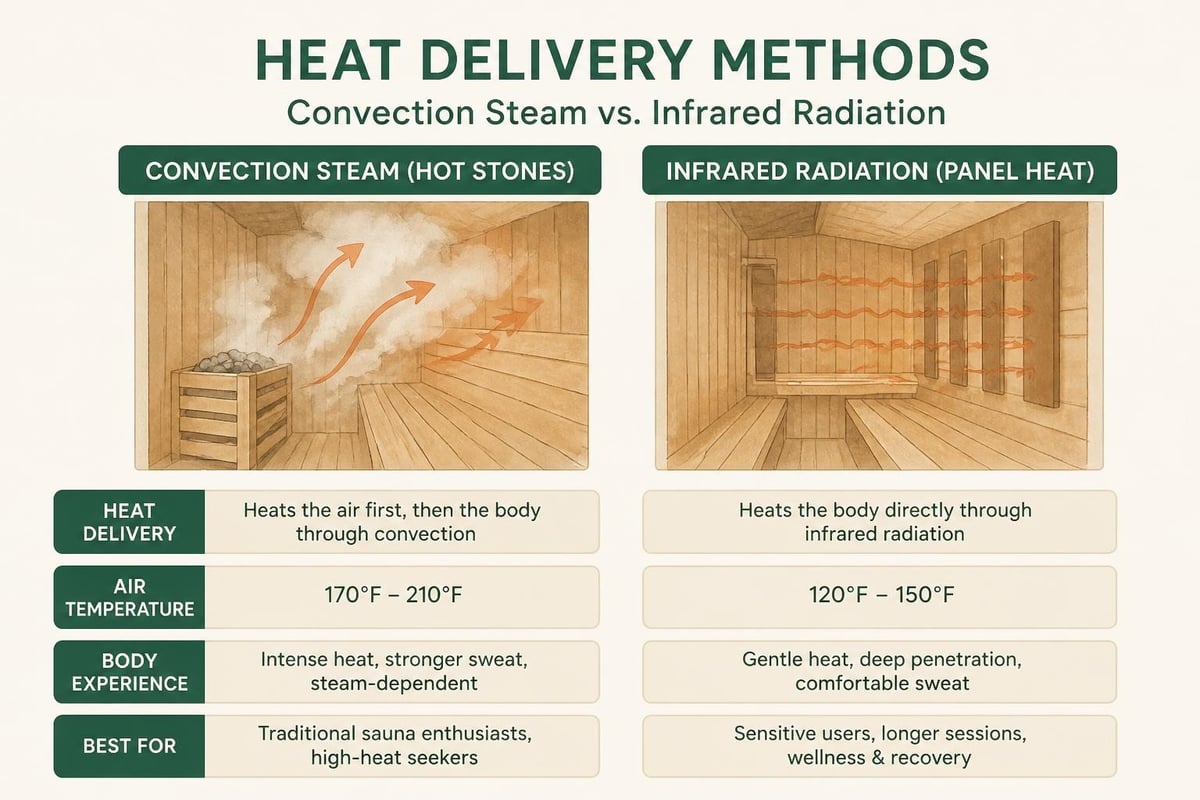
Infrared units use ceramic or carbon panels instead of heated air. Surface temperatures stay around 120-140°F while the infrared wavelengths penetrate skin directly. The experience differs significantly from traditional steam saunas.
You sit in an enclosed space, but there is no steam, no water on stones, no löyly. The heat feels gentler and does not trigger the same cardiovascular response as high-temperature air. Some people prefer this for longer sessions or daily use.
Infrared saunas require less power, typically 120V household circuits. They heat up in 10-15 minutes versus 30-40 for traditional models. Construction tends toward lighter materials since extreme temperatures are not involved.
Research on infrared sauna benefits remains limited compared to traditional sauna studies. Claims about detoxification lack strong evidence. Muscle relaxation and mild cardiovascular response appear in some studies but at lower intensity than conventional saunas.
For outdoor placement, infrared models work best in climate-controlled spaces or three-season use. Extreme cold affects panel efficiency. Traditional electric or wood heaters handle winter operation more reliably.
Installation and Site Preparation Requirements
Most backyard sauna kits arrive on pallets via freight carrier. Unloading requires a forklift or several people. Panels weigh 50-150 pounds each depending on size.
Site preparation starts with a level base. The foundation must support 1,500-3,000 pounds depending on sauna size. Options include:
- Crushed rock base: 4-6 inches compacted, topped with landscape fabric and patio blocks
- Concrete pad: 4 inches thick, reinforced with wire mesh
- Deck mounting: Verify load capacity exceeds sauna weight plus occupants
- Gravel and timber frame: Pressure-treated 4x4 skids on compacted stone
Level matters more than material. A sauna door out of square by half an inch will not seal properly. Use a 4-foot level across multiple points before setting panels.
Electrical work requires licensed contractors in most jurisdictions. A typical 6 kW heater needs a dedicated 30-amp circuit with 10-gauge wire. Distance from the service panel affects wire sizing. Runs over 75 feet may require 8-gauge to prevent voltage drop.
Permit requirements vary by location:
- Building permits for structures over 120 square feet in most municipalities
- Electrical permits for any new circuit installation
- Setback compliance from property lines (typically 5-10 feet)
- HOA approval if applicable
Check local codes before purchasing. Some regions classify saunas as accessory structures with specific requirements. Others treat them like sheds with minimal oversight. The Sauna Boss guide covers permitting considerations across different jurisdictions.
Assembly time ranges from 4-8 hours for barrel saunas to 12-16 hours for cabin models. Two people with basic tools can complete most kits. Prefabricated panels reduce complexity compared to custom builds.
Operating Costs and Energy Considerations
A 6 kW electric sauna running for one hour uses 6 kilowatt-hours of electricity. At average North American rates of $0.13-0.15 per kWh, that costs roughly $0.80-0.90 per session. Winter operation in unheated saunas may extend heat-up time by 10-15 minutes.
Actual usage varies. Most people run the sauna 2-4 times weekly for 45-60 minutes including heat-up. Monthly cost averages $25-40 for regular users. This compares favorably to gym memberships or spa access fees.
Insulation quality directly affects operating cost. Look for R-7 minimum in walls and R-10 in ceilings. Foil-backed insulation reflects radiant heat back into the sauna space. Door seals prevent heat loss. A well-sealed 6x6 sauna should hold 170°F with the heater cycling every 8-10 minutes.
Wood-fired operation costs depend on firewood access. Hardwoods like oak or maple burn longer and produce more heat per log. Expect to use 15-20 pounds of wood per session. If you purchase firewood at $200 per cord, each session costs roughly $2-3 in fuel.
Maintenance Requirements Through the Seasons
Cedar and hemlock saunas need minimal maintenance. The wood naturally resists decay. Most manufacturers recommend annual inspection of key components:
- Roof integrity: Check for loose shingles or gaps where water could enter
- Door seals: Replace weather stripping if compressed or cracked
- Heater stones: Remove and rinse annually, replace if cracked
- Electrical connections: Verify tight terminations, no signs of heat damage
Interior wood darkens with use from heat and steam exposure. This patina is normal. Avoid sealers or stains inside the sauna. The wood needs to breathe and release moisture between sessions.
Cleaning requires only water and occasional mild soap. Harsh chemicals damage wood and create fumes when heated. Sweep or vacuum benches weekly. Wipe down with a damp cloth monthly.
Winter operation in northern climates presents no issues for quality outdoor saunas. The extreme temperature differential between -20°F outside and 180°F inside actually demonstrates proper insulation. Snow accumulation on the roof helps insulate the ceiling.
Common Questions Before Buying
How close can a backyard sauna sit to my house?
Most building codes require 5-10 feet separation from primary structures for fire safety. Check local ordinances. Wood-fired saunas may have larger setback requirements due to chimney clearances.
Do I need a concrete foundation or will gravel work?
Gravel bases work well if properly compacted and level. Add patio blocks or timber skids for panel support. Concrete provides better long-term stability but costs more. The choice depends on budget and how permanent you want the installation.
Can I use my backyard sauna year-round in cold climates?
Yes. Quality outdoor saunas operate reliably in winter. Electric heaters handle cold starts without issue. Allow extra heat-up time in extreme cold. Wood-fired units actually perform better in winter since the temperature differential creates stronger draft.
How long does a backyard sauna last?
Cedar and hemlock construction lasts 15-25 years with basic maintenance. The heater may need replacement after 10-15 years of regular use. Roof materials need inspection every 5-7 years depending on climate. Overall lifespan exceeds most outdoor structures like sheds or gazebos.
What size electrical service do I need?
Most residential saunas need 240V circuits rated for 30-40 amps depending on heater size. Verify your main service panel has available capacity. Homes built before 1980 may need panel upgrades. An electrician can assess capacity during the planning phase. Understanding electrical requirements for outdoor installations helps avoid unexpected costs.
Growing Up With Sauna on Lake Saimaa
I learned sauna from my grandmother in Eastern Finland, where the lake stayed frozen five months each year. We heated the sauna every Saturday, let the stones soak up heat for an hour, then took turns creating löyly with slow ladles of water. Between rounds we walked to the dock and lowered ourselves into black water through a hole we kept open all winter. That cycle taught me what my body could handle, where discomfort becomes harm, and why this practice survived 2,000 years without modern wellness language.
A backyard sauna changes how you recover from physical work, manage stress, and use your outdoor space through all seasons. The decision comes down to available space, heating preference, and whether you want traditional steam or infrared heat.
At RecoSauna, I answer every question personally based on growing up with sauna culture in Finland. We carry authorized models from LeisureCraft, Golden Designs, Maxxus, and other manufacturers who understand proper construction and heating. Free shipping across the USA and Canada. Ask Petri About Your Sauna.
Share:
Sunlighten Sauna Review: What You Should Know in 2026
Sauna Steam Room: Which Should You Choose?