
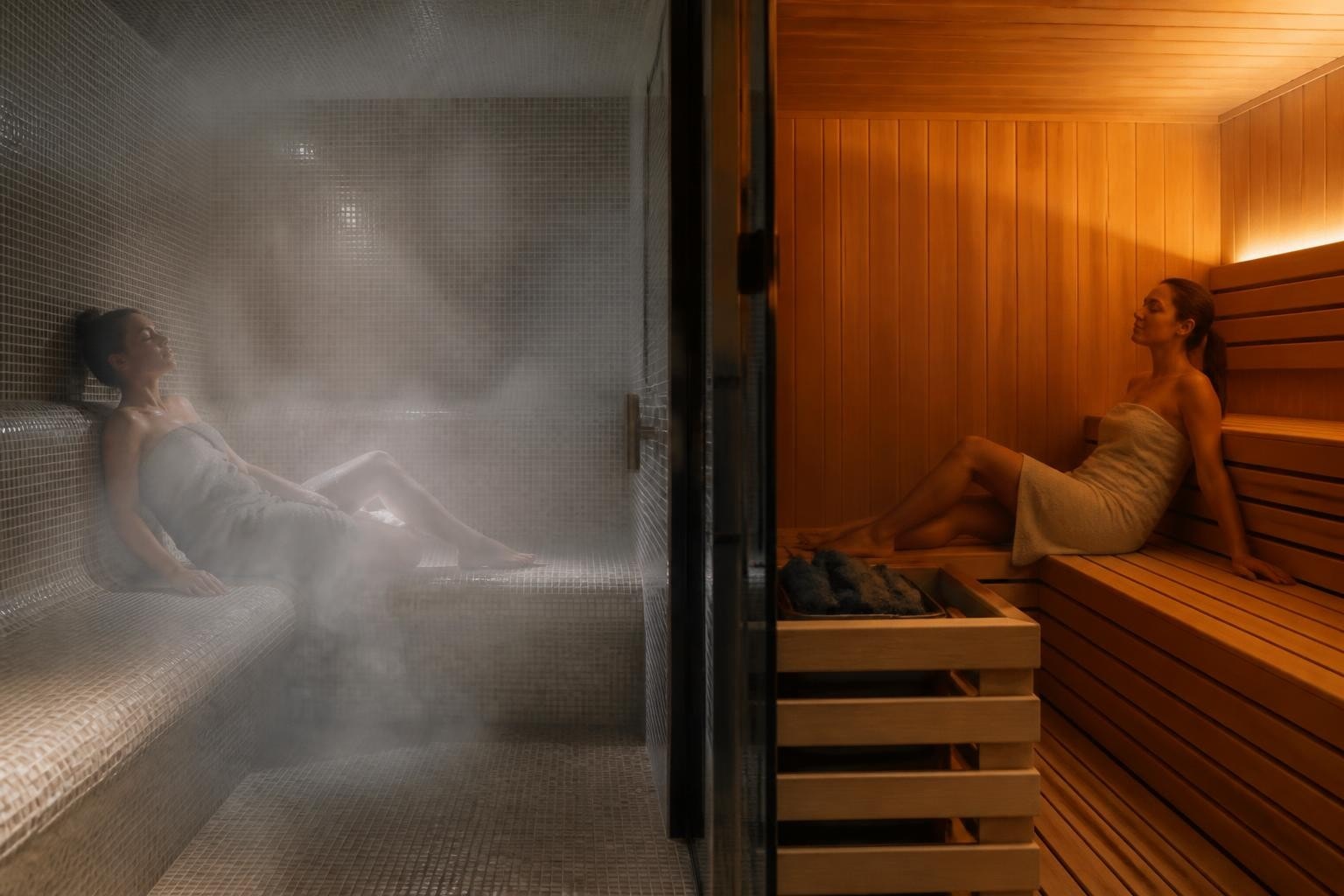
The world of heat therapy offers two distinct yet complementary paths to wellness: steam rooms and saunas. While both environments use elevated temperatures to promote relaxation and health benefits, they deliver heat in fundamentally different ways. Understanding the nuances between steam and sauna options helps you make informed decisions about which heat therapy best suits your wellness goals, lifestyle, and physical needs. Whether you're seeking cardiovascular support, muscle recovery, skin health, or simply a tranquil escape from daily stress, both modalities offer unique advantages worth exploring.
Understanding Steam Room Therapy
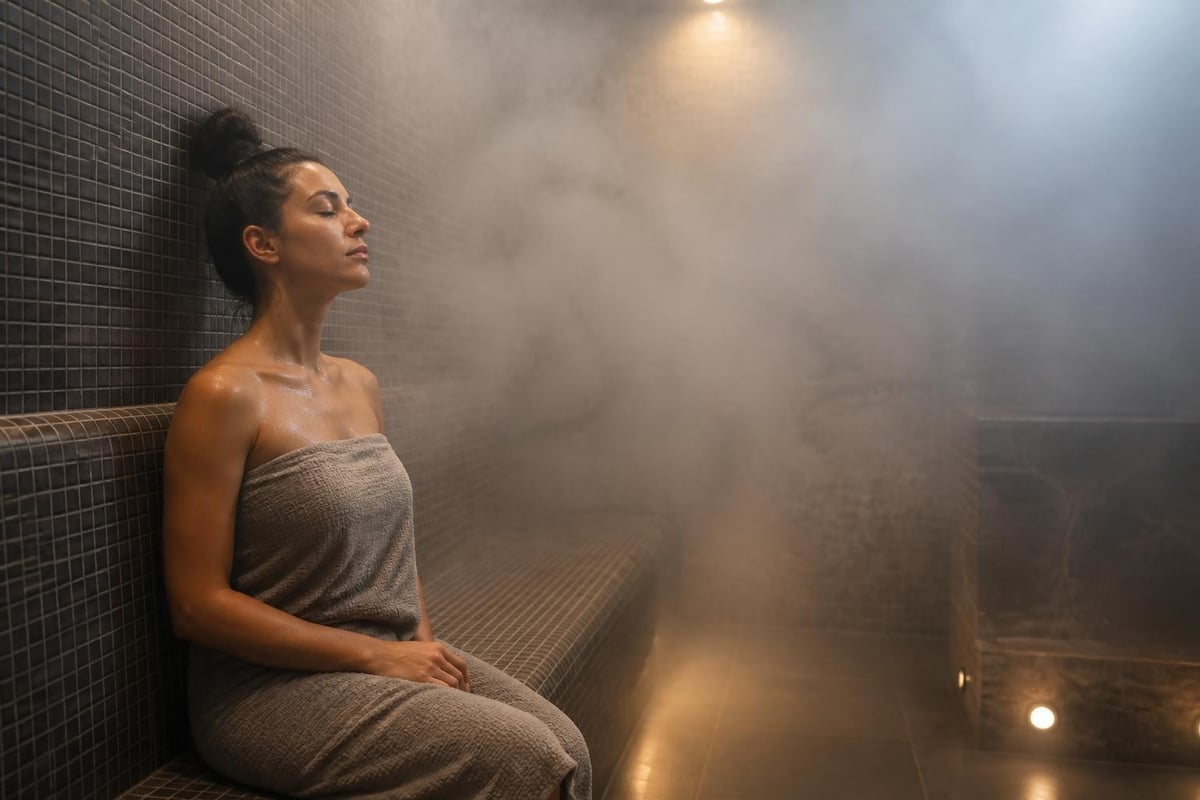
Steam rooms generate therapeutic effects through moist heat, creating an environment with nearly 100% humidity at temperatures typically ranging from 110°F to 120°F. This combination of moderate temperature and high moisture creates a distinctive experience that affects your body differently than dry heat environments.
How Steam Rooms Function
The steam generator heats water to boiling, then releases the vapor into an enclosed space. This process creates a thick, visible mist that envelops users in warm, humid air. The moisture-saturated environment prevents sweat from evaporating quickly, which intensifies the sensation of heat despite lower actual temperatures compared to traditional saunas.
Key characteristics of steam rooms include:
- Temperature range: 110°F to 120°F
- Humidity level: 95% to 100%
- Construction materials: Typically tile, glass, or acrylic (non-porous surfaces)
- Session duration: 15 to 20 minutes recommended
- Heat delivery: Moist, enveloping warmth
The high humidity level in steam rooms offers specific benefits for respiratory health and skin hydration. Steam rooms can help open airways and loosen congestion, making them particularly valuable during cold and flu season.
Traditional and Infrared Sauna Benefits
Saunas deliver dry heat therapy at significantly higher temperatures, typically between 150°F and 195°F, with humidity levels below 20%. This creates an entirely different physiological response compared to steam environments. Traditional Finnish saunas heat the air using wood-burning stoves or electric heaters, while infrared saunas use light waves to directly warm the body.
The Science Behind Sauna Heat
In a traditional sauna, hot air surrounds your body and gradually raises your core temperature. Your heart rate increases, blood vessels dilate, and you begin sweating profusely as your body works to cool itself. This cardiovascular workout can burn calories and support heart health through regular sessions.
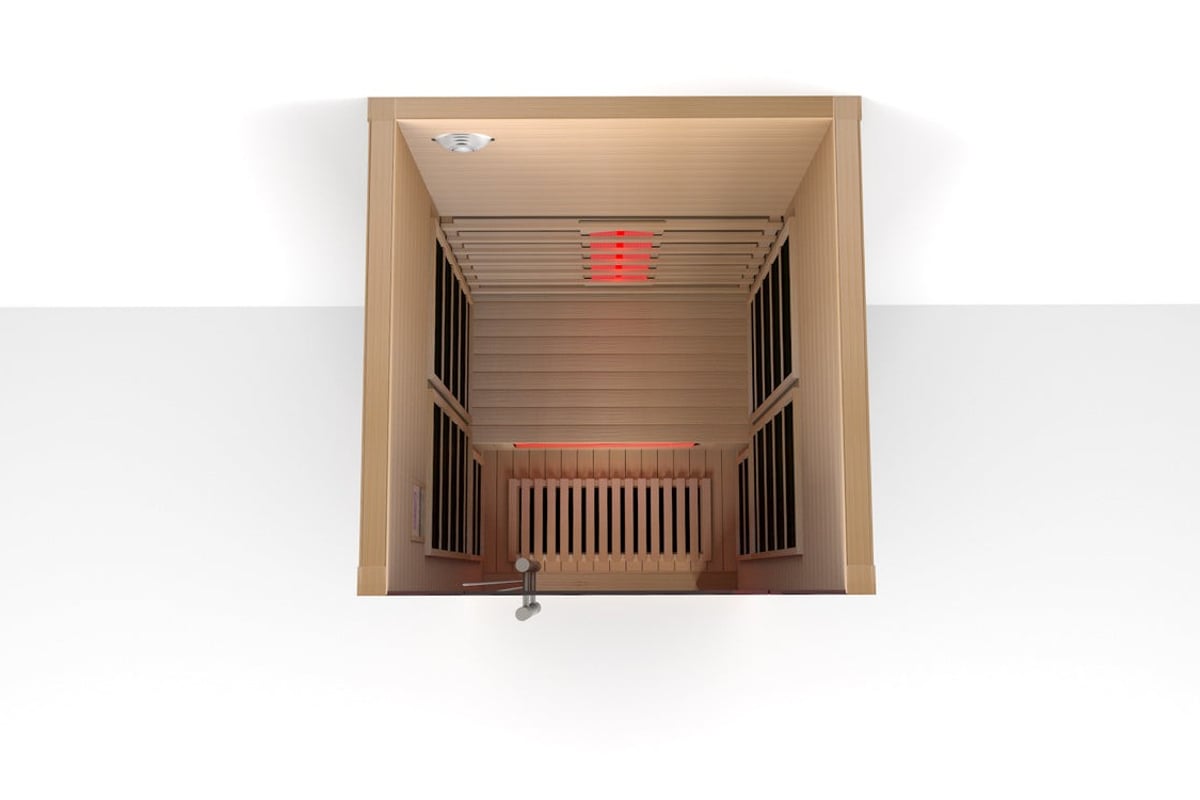
Infrared saunas operate at lower air temperatures (120°F to 140°F) but penetrate deeper into tissue using infrared light. This technology allows for longer sessions and may be more comfortable for people sensitive to extreme heat. For those interested in exploring modern infrared options, a hot infrared sauna provides advanced therapeutic benefits in a compact home setting.
| Sauna Type | Temperature | Humidity | Heat Source | Penetration Depth |
|---|---|---|---|---|
| Traditional Finnish | 150°F - 195°F | 10% - 20% | Electric/Wood heater | Surface level |
| Infrared | 120°F - 140°F | 5% - 15% | Infrared light panels | Deep tissue (1.5 inches) |
| Steam Room | 110°F - 120°F | 95% - 100% | Steam generator | Surface level |
Health Benefits of Steam and Sauna Use
Both steam and sauna therapy deliver impressive health benefits, though the mechanisms differ. Regular heat exposure triggers beneficial adaptations in your cardiovascular system, muscles, and metabolic processes.
Cardiovascular and Circulation Improvements
Heat therapy causes blood vessels to dilate, improving circulation throughout your body. This increased blood flow delivers more oxygen and nutrients to tissues while helping remove metabolic waste products. Studies suggest that regular sauna use may reduce the risk of cardiovascular events and support healthy blood pressure levels.
Steam rooms offer similar circulatory benefits while the moisture helps with:
- Enhanced skin hydration and pore cleansing
- Respiratory system support and mucus clearance
- Joint mobility through warmth and humidity
- Stress reduction and mental relaxation
The dry heat of saunas excels at:
- Deep muscle relaxation and recovery
- Increased calorie burn through elevated heart rate
- Endorphin release for natural pain relief
- Detoxification through profuse sweating
Muscle Recovery and Athletic Performance
Athletes frequently incorporate steam and sauna sessions into their recovery protocols. The heat helps relax tense muscles, reduce soreness, and accelerate the healing process after intense training. Understanding proper sauna usage ensures you maximize these benefits safely.
For home wellness enthusiasts, the Lumin Infrared Sauna One from Orivon Wellness offers a convenient solution for daily recovery sessions. This compact 1-2 person far-infrared unit features Canadian Hemlock construction with simple digital controls and plug-and-play setup, making it easy to incorporate deep therapeutic infrared heat into your routine for enhanced relaxation, circulation, and muscle recovery.

Key Differences Between Steam and Sauna
While both environments use heat for therapy, the experience and effects differ substantially. Understanding these distinctions helps you choose the right option for your specific wellness goals.
Temperature and Humidity Contrasts
The most obvious difference lies in how steam and sauna environments balance temperature and moisture. Steam rooms maintain high humidity with moderate temperatures, creating a sensation of intense heat without extreme air temperatures. Saunas flip this equation, using very hot air with minimal moisture.
Your body's response varies accordingly. In steam rooms, sweat doesn't evaporate easily due to the saturated air, so you feel hotter at lower temperatures. In saunas, sweat evaporates rapidly in the dry air, cooling your skin and allowing you to tolerate higher temperatures comfortably.
Respiratory and Skin Impact
Steam therapy particularly benefits respiratory conditions. The warm, moist air helps loosen mucus, open airways, and soothe irritated throat tissues. Medical experts recognize these respiratory benefits for people with asthma, bronchitis, or seasonal allergies.
For skin health, steam rooms provide intense hydration that helps open pores and promote cleansing. The moisture softens skin and can improve complexion. Saunas offer complementary benefits through deep sweating that flushes toxins and dead skin cells from pores.
Safety Guidelines and Best Practices
Enjoying steam and sauna therapy safely requires awareness of proper protocols and potential risks. Following established guidelines ensures you gain benefits while minimizing any adverse effects.
Session Duration and Frequency
Beginners should start with shorter sessions and gradually build tolerance. For steam rooms, limit initial visits to 10-12 minutes, eventually working up to 15-20 minutes maximum. Sauna sessions can extend slightly longer, from 15-20 minutes for newcomers to 30 minutes for experienced users.
Recommended frequency patterns include:
- Starting phase: 1-2 sessions per week for the first month
- Building phase: 2-3 sessions per week for months two through three
- Maintenance phase: 3-4 sessions per week ongoing
- Cool-down period: Always allow 10-15 minutes between sessions
Hydration and Health Precautions
Dehydration represents the primary risk with heat therapy. You can lose significant fluids through sweating, so drinking water before, during, and after sessions is essential. Aim for 16-20 ounces before entering and another 16-20 ounces afterward.
Safety guidelines emphasize that certain populations should exercise extra caution or avoid heat therapy entirely:
- Pregnant women
- People with cardiovascular conditions
- Individuals with uncontrolled high blood pressure
- Those taking medications affecting heat tolerance
- Children under 12 years old
Always exit immediately if you experience dizziness, nausea, headache, or unusual discomfort. Listen to your body's signals rather than pushing through warning signs.
Choosing Between Steam and Sauna Options
Selecting the right heat therapy depends on your health objectives, personal preferences, and practical considerations. Many wellness enthusiasts enjoy both modalities for their distinct benefits.
Personal Health Goals and Preferences
Consider what you hope to achieve through heat therapy. If respiratory health, sinus relief, or skin hydration rank as priorities, steam rooms offer targeted benefits. For muscle recovery, cardiovascular conditioning, or deeper detoxification, saunas may better serve your needs.
Comparing steam rooms and saunas reveals how individual responses vary. Some people find the moist heat of steam rooms more comfortable and soothing, while others prefer the crisp, dry heat of saunas. Personal comfort matters significantly for consistent use.
Home Installation Considerations
Installing a home sauna has become increasingly accessible, with options ranging from compact infrared units to full-sized traditional models. When choosing the best sauna for home use, consider available space, electrical requirements, and budget constraints.
| Factor | Steam Room | Traditional Sauna | Infrared Sauna |
|---|---|---|---|
| Installation Complexity | High (requires waterproofing) | Moderate (electrical or gas) | Low (plug-and-play) |
| Operating Cost | Medium (water + electricity) | Medium-High (heating) | Low (efficient heating) |
| Maintenance | High (cleaning, mold prevention) | Low (minimal upkeep) | Very Low (occasional wipe-down) |
| Space Required | Medium (sealed room) | Medium-Large (ventilation needed) | Small-Medium (flexible placement) |
Steam rooms typically require professional installation with proper waterproofing, drainage, and ventilation. This makes them more complex and expensive for home use. Saunas, especially infrared models, offer simpler installation and lower ongoing maintenance.
Popular Sauna Configurations for Home Use
Modern sauna technology has evolved to accommodate various living situations and preferences. Understanding the available configurations helps you find the perfect match for your home and lifestyle.
Barrel, Cabin, and Infrared Designs
Barrel saunas provide excellent heat circulation due to their rounded shape, which naturally distributes warmth evenly without corners where heat can stagnate. These eye-catching structures make beautiful additions to backyards while offering authentic sauna experiences. Explore options like an outdoor barrel sauna for a traditional yet distinctive aesthetic.
Cabin-style saunas offer more interior space and traditional appearance, ideal for families or those who prefer a roomier environment. The rectangular design allows for bench configurations that accommodate multiple users comfortably.
Infrared saunas excel in indoor applications, requiring minimal installation effort and operating costs. Their lower temperatures and efficient heating make them perfect for daily wellness routines. Many premium models feature Canadian Hemlock or Red Cedar construction, combining beautiful natural materials with cutting-edge infrared technology.

Outdoor Versus Indoor Placement
Outdoor sauna installations create dedicated wellness retreats separate from your main living space. This separation enhances the experience by providing a distinct destination for relaxation and heat therapy. Outdoor units benefit from natural ventilation and can accommodate wood-burning heaters for authentic experiences.
Indoor saunas offer convenience and year-round accessibility regardless of weather. They integrate seamlessly into bathrooms, basements, or spare rooms. Climate control ensures consistent conditions, and the shorter distance means you're more likely to use it regularly.
Combining Steam and Sauna with Other Wellness Practices
Heat therapy becomes even more powerful when integrated into a comprehensive wellness routine. Strategic combinations amplify benefits and create synergistic effects.
Contrast Therapy and Cold Exposure
Alternating between heat and cold exposure, known as contrast therapy, stimulates circulation, reduces inflammation, and enhances recovery. After a steam and sauna session, brief cold exposure through showers, plunges, or ice baths triggers additional physiological responses.
The protocol typically involves:
- Heat exposure for 15-20 minutes
- Cold exposure for 2-5 minutes
- Rest period for 10-15 minutes
- Repeat cycle 2-3 times
This practice has gained popularity among athletes and wellness enthusiasts for its profound effects on muscle recovery and immune function. Consider pairing your sauna sessions with a dedicated cold plunge setup for complete thermal therapy.
Mindfulness and Meditation Integration
The quiet, warm environment of steam and sauna spaces naturally facilitates meditation and mindfulness practices. Many users incorporate breathing exercises, visualization, or simple presence awareness during sessions.
Benefits of combining heat therapy with mindfulness include:
- Enhanced stress reduction through dual relaxation mechanisms
- Improved mental clarity from focused breathing and heat-induced calm
- Deeper meditation states supported by physical relaxation
- Better sleep quality when practiced in evening hours
Research on sauna health benefits increasingly recognizes the mental health advantages alongside physical improvements.
Maintenance and Long-Term Care
Proper maintenance ensures your steam and sauna equipment remains safe, hygienic, and effective for years. Each type requires specific care protocols.
Cleaning and Hygiene Protocols
Steam rooms demand vigilant cleaning to prevent mold and mildew growth in the moisture-rich environment. After each use, wipe down surfaces and ensure proper ventilation to facilitate drying. Weekly deep cleaning with appropriate antimicrobial solutions maintains hygiene without damaging materials.
Sauna maintenance is comparatively simple. Infrared units need occasional dusting and wiping with a damp cloth. Traditional saunas benefit from:
- Periodic bench cleaning with mild soap
- Wood treatment every 1-2 years to preserve appearance
- Heater inspection and stone replacement as needed
- Ventilation check to ensure proper airflow
Equipment Longevity Considerations
Quality construction significantly impacts longevity. Premium sauna materials like Canadian Red Cedar and Eastern White Cedar naturally resist moisture, decay, and insect damage while providing beautiful aesthetics and pleasant aromatics.
Infrared heating elements typically last 10-15 years with normal use, while traditional heaters may require more frequent service. Investing in well-constructed units from reputable manufacturers ensures decades of reliable service with minimal repairs.
Cost Analysis and Value Proposition
Understanding the financial aspects of steam and sauna ownership helps you make informed decisions aligned with your budget and wellness priorities.
Initial Investment Ranges
Entry-level home infrared saunas start around $1,500 to $3,000 for compact one to two-person units. Mid-range models with enhanced features, better materials, and larger capacities range from $3,500 to $7,000. Premium outdoor barrel or cabin saunas with superior craftsmanship and materials can extend from $7,000 to $15,000 or more.
Steam room installations typically cost more due to construction requirements. Professional waterproofing, tile work, steam generator, and controls often total $5,000 to $10,000 for basic installations, with luxury versions exceeding $15,000.
| Expense Category | Steam Room | Traditional Sauna | Infrared Sauna |
|---|---|---|---|
| Initial Cost | $5,000 - $15,000+ | $4,000 - $12,000 | $1,500 - $7,000 |
| Monthly Operating | $30 - $60 | $25 - $50 | $10 - $25 |
| Annual Maintenance | $200 - $500 | $100 - $300 | $50 - $150 |
| Lifespan | 15 - 25 years | 20 - 30 years | 15 - 25 years |
Return on Investment Through Health Benefits
While the upfront costs seem substantial, regular use delivers ongoing health benefits that may reduce medical expenses over time. Improved cardiovascular health, better stress management, enhanced sleep quality, and reduced muscle soreness contribute to overall wellbeing and potentially fewer doctor visits.
Health benefits of steam rooms include respiratory improvements that may reduce reliance on medications for seasonal allergies or mild asthma. The cumulative value over years of use often exceeds the initial investment.
Maximizing Your Heat Therapy Experience
Getting the most from steam and sauna sessions involves more than simply sitting in heat. Strategic approaches enhance both enjoyment and therapeutic outcomes.
Pre-Session Preparation
Optimal preparation sets the stage for beneficial sessions. Shower before entering to remove lotions, oils, and dirt that can interfere with sweating. Light meals 1-2 hours beforehand provide energy without causing digestive discomfort in the heat. Hydrate thoroughly starting several hours before your session.
Bring essentials including:
- Clean towel for sitting and drying
- Water bottle for hydration
- Comfortable, breathable clothing or swimsuit
- Timer to monitor session duration
Post-Session Recovery Protocols
How you transition out of heat therapy affects overall benefits. Cool down gradually rather than shocking your system with immediate cold exposure. A lukewarm shower helps your body temperature normalize while rinsing away sweat and toxins released during the session.
Rehydration deserves particular attention. Replace lost fluids with water or electrolyte drinks, especially after longer sessions or intense sweating. Rest for at least 15-20 minutes afterward, allowing your heart rate and blood pressure to return to normal levels before resuming activities.
Special Considerations for Different Populations
While steam and sauna therapy benefits most people, certain groups need modified approaches or additional precautions.
Age-Related Recommendations
Older adults often find heat therapy particularly beneficial for joint stiffness, circulation, and relaxation. However, age-related cardiovascular changes and medications require extra caution. Understanding differences between modalities helps seniors choose appropriate options.
Recommended modifications for older users include:
- Lower temperature settings (reduce by 10-15°F)
- Shorter session durations (10-15 minutes maximum)
- More frequent breaks and hydration
- Companion attendance when possible
Children should avoid extended heat exposure until adolescence. Brief, supervised sessions at reduced temperatures may be acceptable for teenagers, but always consult pediatricians first.
Athletic Training Integration
Athletes at all levels incorporate steam and sauna sessions into training regimens for recovery and performance enhancement. The timing matters significantly. Post-workout sessions help flush metabolic waste and relax tense muscles, while pre-competition use should be avoided to prevent dehydration and fatigue.
Elite athletes often use heat therapy for:
- Heat acclimation before competitions in warm climates
- Weight cutting in sports with weight classes (though this requires professional guidance)
- Recovery acceleration between training sessions
- Mental preparation through relaxation and visualization
Whether you choose steam room therapy, traditional sauna sessions, or modern infrared technology, regular heat exposure offers remarkable benefits for physical health, mental wellbeing, and overall quality of life. Understanding the distinctions between steam and sauna options empowers you to select the approach that best matches your wellness goals and lifestyle preferences. RecoSauna offers an extensive selection of high-quality saunas including outdoor barrel models, cabin designs, and advanced infrared systems crafted from premium Canadian timber, helping you bring professional-grade heat therapy into your home for daily wellness and lasting relaxation.
Share:
Sauna and Hot Tub: Health Benefits & Best Practices
Wellness Sauna: Complete Guide to Health Benefits in 2026