
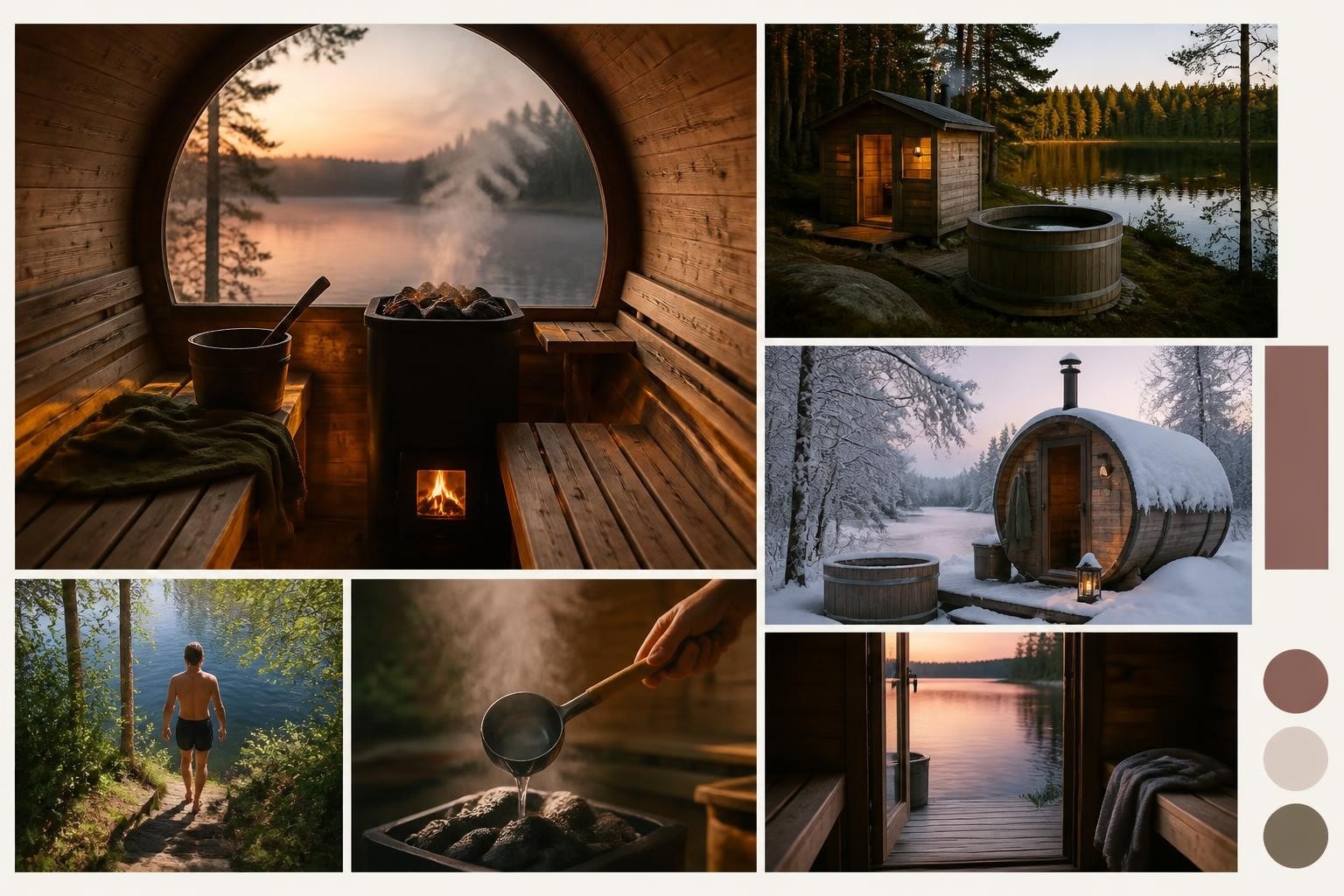
A one person sauna is not about isolation. It's about creating a consistent personal ritual where you control the löyly, the heat, and the recovery cycle without waiting for others or sharing limited time. Growing up on Lake Saimaa, I watched my grandfather step into his small sauna every evening after work. He didn't need a large building or a social gathering. He needed twenty minutes of heat, the steam rising from water on stones, and a cold plunge into the lake. That consistency built cardiovascular resilience and mental clarity that lasted him into his nineties.
Why a One Person Sauna Fits Modern Recovery
You don't need a large family sauna to practice authentic Finnish sauna culture. A one person sauna delivers the same physiological response as larger models because the mechanism is löyly, not square footage.
When you pour water onto hot sauna stones, steam rises and humidity spikes. Your core temperature climbs. Blood vessels dilate. Heart rate increases to levels comparable to moderate exercise. This is the shift from sympathetic to parasympathetic nervous system activity that defines recovery.
Key advantages of a solo sauna practice:
- Daily consistency without coordinating schedules
- Lower operating costs heating a smaller space
- Faster warm-up time from cold start to session-ready
- Personal temperature and humidity control for your exact preference
- Space efficiency in urban backyards, patios, or indoor corners
The physical benefits don't diminish with reduced capacity. Research published by Prof. Jari Laukkanen at the University of Eastern Finland shows that cardiovascular improvements correlate with frequency and duration, not sauna size. Participants using a sauna four to seven times weekly saw a 51% reduction in cardiovascular death risk compared to once-weekly users.

Traditional vs Infrared One Person Saunas
You have two fundamental paths when selecting a one person sauna: traditional heat with stones or infrared panels. The choice determines your entire recovery experience.
Traditional Steam Sauna
A traditional one person sauna uses an electric heater with sauna stones. You control humidity by pouring water onto those stones. This creates löyly, the defining element of Finnish sauna culture.
Temperature ranges from 150°F to 195°F. Humidity fluctuates from 10% to 40% depending on how much water you add. This combination produces the deep, penetrating heat that triggers the cardiovascular response documented in Finnish research.
The wood matters. Eastern White Cedar and Canadian Hemlock resist moisture damage and maintain structural integrity through thousands of heat-cold cycles. Both stay cool to touch even at high temperatures, unlike treated or synthetic materials.
Infrared Models
Infrared saunas use carbon or ceramic panels to emit far-infrared radiation. They heat your body directly rather than heating the air around you. Operating temperature stays between 120°F and 140°F.
You cannot create löyly in an infrared sauna. There are no stones. No steam. The experience is dry, quiet, and temperature-stable. Some users prefer this for daily sessions focused on muscle recovery without the intensity of traditional heat.
| Feature | Traditional Sauna | Infrared Sauna |
|---|---|---|
| Temperature | 150-195°F | 120-140°F |
| Humidity | Variable with water | Always dry |
| Löyly capability | Yes | No |
| Warm-up time | 30-40 minutes | 10-15 minutes |
| Power requirement | 220V (most models) | 120V standard outlet |
| Operating cost | Higher | Lower |
I grew up with steam. The contrast between wet heat and cold water creates a sharper recovery response than dry infrared alone. But infrared models suit certain lifestyles, particularly in apartments or spaces where electrical capacity limits traditional heater installation.
Indoor vs Outdoor Placement for Solo Use
A one person sauna adapts to nearly any home layout, but placement affects your recovery routine in ways that aren't immediately obvious.
Indoor Installation Considerations
Indoor models require adequate ventilation and clearance from walls. Most building codes mandate 2-4 inches of airspace around the sauna for air circulation. You'll also need a dedicated electrical circuit.
Advantages of indoor placement:
- Year-round access regardless of weather
- Integration with existing bathroom or basement cold shower
- Climate-controlled environment around the sauna
- Simpler electrical hookup in many cases
The limitation is ceiling height and floor load capacity. A traditional sauna generates significant heat. Your subfloor must handle both the sauna weight and repeated temperature cycling without degrading.
Outdoor Options
An outdoor one person sauna creates a separate recovery space distinct from your living areas. This physical separation often enhances the mental reset that accompanies sauna practice.
You can pair an outdoor sauna directly with a cold plunge tub. This proximity shortens the transition time between heat and cold, intensifying the contrast therapy effect that drives cardiovascular adaptation.
Weather exposure requires proper materials. Untreated softwoods deteriorate within three to five years under UV exposure and moisture cycles. Eastern White Cedar contains natural oils that resist rot, insects, and weathering without chemical treatment.
The Contrast Therapy Loop
Whether indoor or outdoor, position your one person sauna within 15-20 steps of cold water. The faster you move from heat to cold, the sharper the vascular response.
In Finland, we would step from the sauna straight into Lake Saimaa. The cold water causes immediate vasoconstriction, pushing blood back toward your core organs. When you return to heat, vessels dilate again. This repeated cycling strengthens cardiovascular elasticity over time.

Choosing the Right Size and Heater Capacity
A one person sauna typically measures between 3x4 feet and 4x5 feet interior. Bench height sits at 18-20 inches for seated bathing. Some models offer a raised bench for reclining with legs extended.
Heater capacity must match interior volume for efficient operation. Undersized heaters run continuously without reaching target temperature. Oversized heaters cycle too frequently, reducing stone thermal mass and shortening element lifespan.
General heater sizing for one person saunas:
- 35-50 cubic feet interior: 3-4.5 kW heater
- 50-70 cubic feet interior: 4.5-6 kW heater
- 70-90 cubic feet interior: 6-8 kW heater
Electric heaters require either 220V or 240V power in most cases. A licensed electrician should install the circuit. Costs range from $300 to $800 depending on distance from your electrical panel and local permit requirements.
Stone capacity affects löyly quality. A heater that holds 30-40 pounds of stone maintains humidity better than models with 15-20 pounds. More thermal mass means steam production stays consistent even when you add water frequently during a session.
Material Quality and Long-Term Durability
Wood selection determines whether your one person sauna lasts five years or fifty years. Not all cedar is equal.
Eastern White Cedar grows in northeastern climates where temperature swings exceed 100°F annually. This environmental stress creates tight grain patterns and high oil content. Those characteristics translate to superior moisture resistance and dimensional stability.
Red cedar offers similar durability but higher resin content. Some users appreciate the stronger aromatic profile. Others find it overwhelming in a small enclosed space.
Hemlock provides a neutral scent profile and light color. It's less resistant to outdoor weathering than cedar but performs well in climate-controlled indoor installations.
| Wood Type | Moisture Resistance | Scent | Indoor/Outdoor | Price Point |
|---|---|---|---|---|
| Eastern White Cedar | Excellent | Mild, pleasant | Both | Mid-range |
| Red Cedar | Excellent | Strong, aromatic | Both | Mid-range |
| Hemlock | Good | Minimal | Indoor preferred | Lower |
| Thermo-treated | Excellent | Minimal | Both | Premium |
Avoid pressure-treated lumber, composite materials, or anything with adhesive-backed veneer. High heat releases volatile organic compounds from chemical treatments and bonding agents. Proper sauna safety includes material selection, not just temperature management.
Hardware matters as much as wood. Stainless steel hinges, latches, and bands resist corrosion from humidity and temperature cycling. Galvanized or painted steel develops rust within the first year of regular use.
Installing and Operating Your Solo Sauna
Most one person saunas arrive as prefabricated kits or barrel sections. Assembly typically requires 4-8 hours with basic tools. No specialized carpentry skills needed, but attention to joint alignment prevents air gaps that reduce heating efficiency.
Assembly Steps
- Prepare the foundation with level pavement, gravel base, or reinforced deck
- Assemble wall panels or barrel staves following manufacturer sequence
- Install roof components and weatherproofing for outdoor models
- Mount benches and backrests at specified heights
- Install heater and connect electrical through certified electrician
- Load sauna stones following heater manufacturer specifications
- Test temperature and ventilation before first full session
The first heating cycle should run empty for 30-45 minutes at full temperature. This cures the wood and burns off any manufacturing residues from the heater elements.
Daily Operation Protocol
Your one person sauna should reach target temperature within 30-40 minutes from a cold start. Once at temperature, allow the stones to heat for an additional 10-15 minutes before your first water pour.
Standard session structure:
- Preheat sauna to 165-185°F
- Enter and sit for 5-8 minutes dry heat
- Pour 200-300ml water onto stones for first löyly
- Sit for 6-10 minutes in steam
- Add water every 2-3 minutes to maintain humidity
- Exit and cool down (cold water immersion or cold air)
- Rest 5-10 minutes
- Repeat cycle 2-3 times total
Total session time typically runs 35-50 minutes including cool-down periods. Studies on sauna frequency suggest four to seven sessions weekly for maximum cardiovascular benefit, but even two to three sessions produce measurable improvements.
Cost Analysis and Budget Planning
A one person sauna represents a significant wellness investment. Understanding the full cost picture helps you select the right model without budget surprises.
Initial Purchase Price Ranges
- Basic infrared models: $1,500-$3,500
- Mid-tier infrared with full spectrum: $4,000-$7,500
- Traditional indoor cedar: $4,500-$8,000
- Premium outdoor barrel or cabin: $7,500-$12,000
- High-end traditional with custom features: $12,000-$18,000
Installation costs add $300-$1,200 for electrical work on traditional models. Infrared units typically plug into standard 120V outlets, eliminating this expense.
Foundation preparation for outdoor placement ranges from $200 for gravel base to $1,500 for concrete pad installation.
Operating Costs
A traditional one person sauna running at 4.5 kW for one hour consumes approximately 4.5 kWh. At the 2026 US average electricity rate of $0.16 per kWh, a single session costs about $0.72.
Daily use totals approximately $22 monthly in electricity. Infrared models consume 1.5-2 kW per hour, reducing operating costs to roughly $8-$12 monthly for the same usage pattern.
Stone replacement occurs every 2-3 years at $40-$80 per set. Heater elements typically last 5-8 years before requiring replacement at $250-$450 including labor.
Health Savings Account Eligibility
Many one person sauna purchases qualify for HSA or FSA reimbursement when accompanied by a Letter of Medical Necessity from your physician. The letter should specify sauna use for a diagnosed condition such as hypertension, chronic pain, or cardiovascular disease.
Your HSA administrator provides specific documentation requirements. Keep all purchase receipts, installation invoices, and the physician letter for reimbursement submission.
Selecting Your One Person Sauna Model
Start with your primary use case. If you want authentic Finnish löyly with steam, you need a traditional heater with stones. If you prioritize convenience, lower operating costs, and gentler heat, infrared serves that purpose.
Next, determine indoor versus outdoor placement based on available space and existing cold water access. A garden sauna creates a distinct recovery environment, but requires weatherproof construction and seasonal maintenance in northern climates.
Consider future household needs. A one person sauna works well for solo practice now. But if you anticipate regular partner sessions or family use within the next few years, a slightly larger two-person model prevents the need to upgrade later.
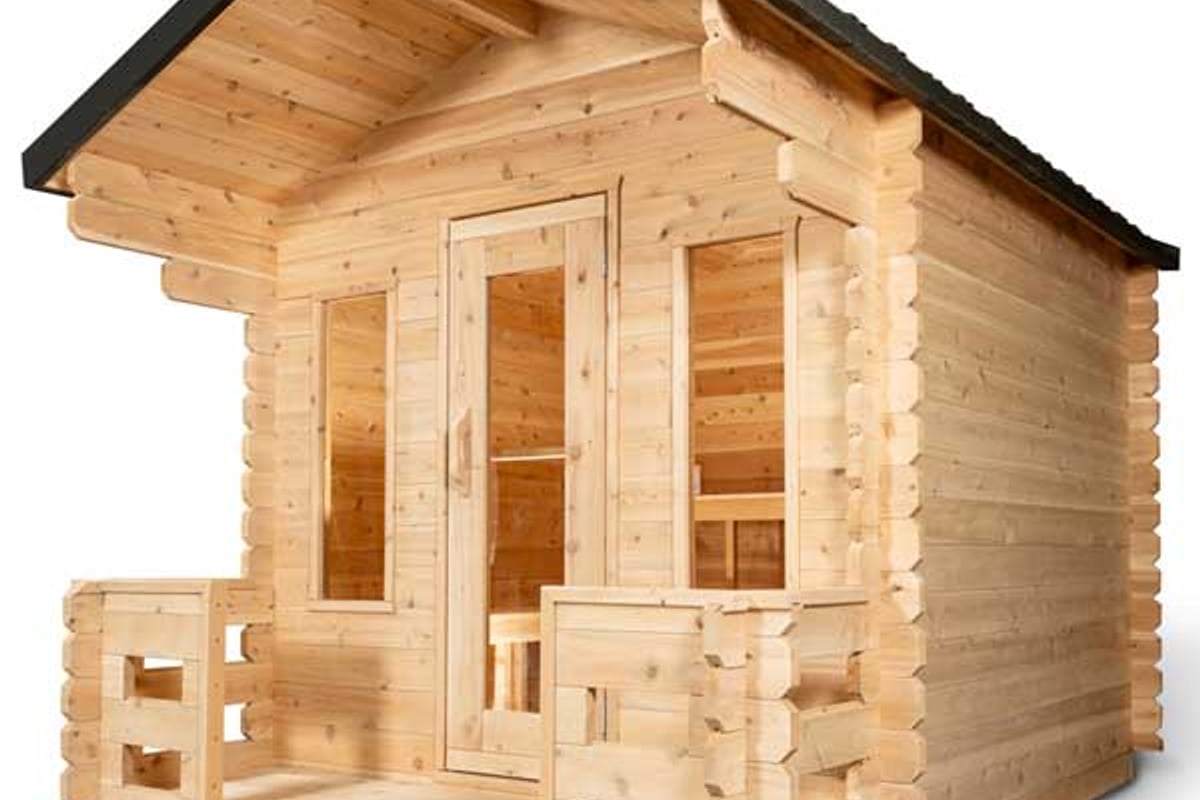
For those who value the ritual of building and maintaining a sauna practice, the LeisureCraft Georgian Cabin Sauna with Porch offers an elevated approach. While technically a multi-person size, its design creates natural space for solo sessions with the added element of a covered porch where you can sit between rounds. The porch extends your recovery ritual beyond the heat room itself, creating a transitional space that honors the traditional Finnish approach to sauna bathing.
Maintenance and Seasonal Care
A one person sauna requires minimal maintenance when operated correctly. Most care focuses on moisture management and periodic cleaning.
Weekly Tasks
- Wipe benches with damp cloth after final weekly session
- Check floor drain for debris (if equipped)
- Inspect door seal for gaps or damage
- Verify heater stones remain properly positioned
Monthly Tasks
- Clean interior walls with mild soap solution
- Check ventilation grilles for blockages
- Test door hardware and hinges for smooth operation
- Inspect exterior wood for signs of weathering (outdoor models)
Annual Maintenance
- Apply food-grade mineral oil to benches if wood appears dry
- Replace damaged or crumbling sauna stones
- Check electrical connections for corrosion
- Inspect roof and seals for weather damage (outdoor models)
- Re-tighten barrel bands if applicable
Wood naturally darkens over time from heat and humidity exposure. This patina doesn't indicate damage. Avoid sanding or aggressive cleaning that removes the protective layer wood develops through regular use.
Outdoor models in coastal or high-humidity regions benefit from annual application of water-based wood sealer to exterior surfaces. Skip this for cedar in dry climates where natural oils provide adequate protection.
Health Considerations and Contraindications
Regular sauna bathing produces measurable cardiovascular benefits, but certain conditions require medical guidance before starting a practice.
Consult your physician before using a one person sauna if you have:
- Unstable angina or recent heart attack (within 6 months)
- Severe aortic stenosis
- Uncontrolled hypertension
- Pregnancy (especially first trimester)
- Multiple sclerosis or other heat-sensitive conditions
Understanding sauna safety parameters helps you establish appropriate session duration and frequency. Most adverse events occur from dehydration, excessive alcohol consumption before bathing, or ignoring warning signs like dizziness or nausea.
Hydration matters more than many users realize. You lose 500-700ml of fluid during a typical session. Drink 500ml of water 30 minutes before entering, and another 500-750ml afterward.
Avoid sauna use within 2 hours of alcohol consumption. Alcohol impairs thermoregulation and increases dehydration risk. Similarly, skip sauna sessions when acutely ill with fever or infection.
Building Your Home Recovery Practice
A one person sauna succeeds or fails based on accessibility. The easier you make daily practice, the more consistent your routine becomes.
Place towels, water bottles, and a timer within reach of your sauna entrance. Eliminate friction points that create excuses to skip sessions.
Track your sessions for the first 90 days. Note temperature, duration, and how you feel afterward. Patterns emerge that help you optimize session structure for your individual response.
Pair your sauna practice with cold exposure from the beginning. Even a 60-90 second cold shower between rounds produces measurable benefits. As you adapt, extend cold exposure duration or consider adding a dedicated cold plunge tub.
The cardiovascular adaptations from consistent sauna use accumulate over months and years, not days or weeks. Prof. Laukkanen's research followed participants for decades. The benefits emerged from sustained practice, not sporadic use.
Start with three sessions weekly at comfortable temperatures and durations. Add frequency and intensity gradually as your heat tolerance develops. There is no advantage to suffering through uncomfortably hot sessions. Recovery happens in the physiological response zone, not at maximum tolerable temperature.
A one person sauna brings the 2,000-year Finnish practice of löyly and contrast therapy into your daily routine with the consistency that builds lasting cardiovascular resilience. Whether you choose traditional steam or infrared heat, indoor convenience or outdoor retreat, the recovery mechanism remains the same: controlled heat stress followed by cold exposure, repeated over time. At RecoSauna, Petri answers every question personally, drawing from childhood on Lake Saimaa to help you select the model that fits your space, budget, and recovery goals. Authorized dealer for LeisureCraft, Orivon Wellness, and premium cold plunge options, with free shipping across the US and Canada.
Share:
Portable Infrared Sauna: Complete 2026 Buying Guide
Mini Sauna: Small Space, Full Finnish Tradition