
When exploring outdoor sauna options, the name LeisureCraft consistently emerges as a benchmark for quality and craftsmanship. A leisurecraft sauna represents more than just a backyard addition-it embodies decades of Canadian manufacturing expertise, sustainable forestry practices, and a commitment to creating wellness spaces that withstand harsh climates while delivering authentic sauna experiences. Understanding what sets these saunas apart helps homeowners make informed decisions about investing in their health and property value.
The LeisureCraft Manufacturing Philosophy
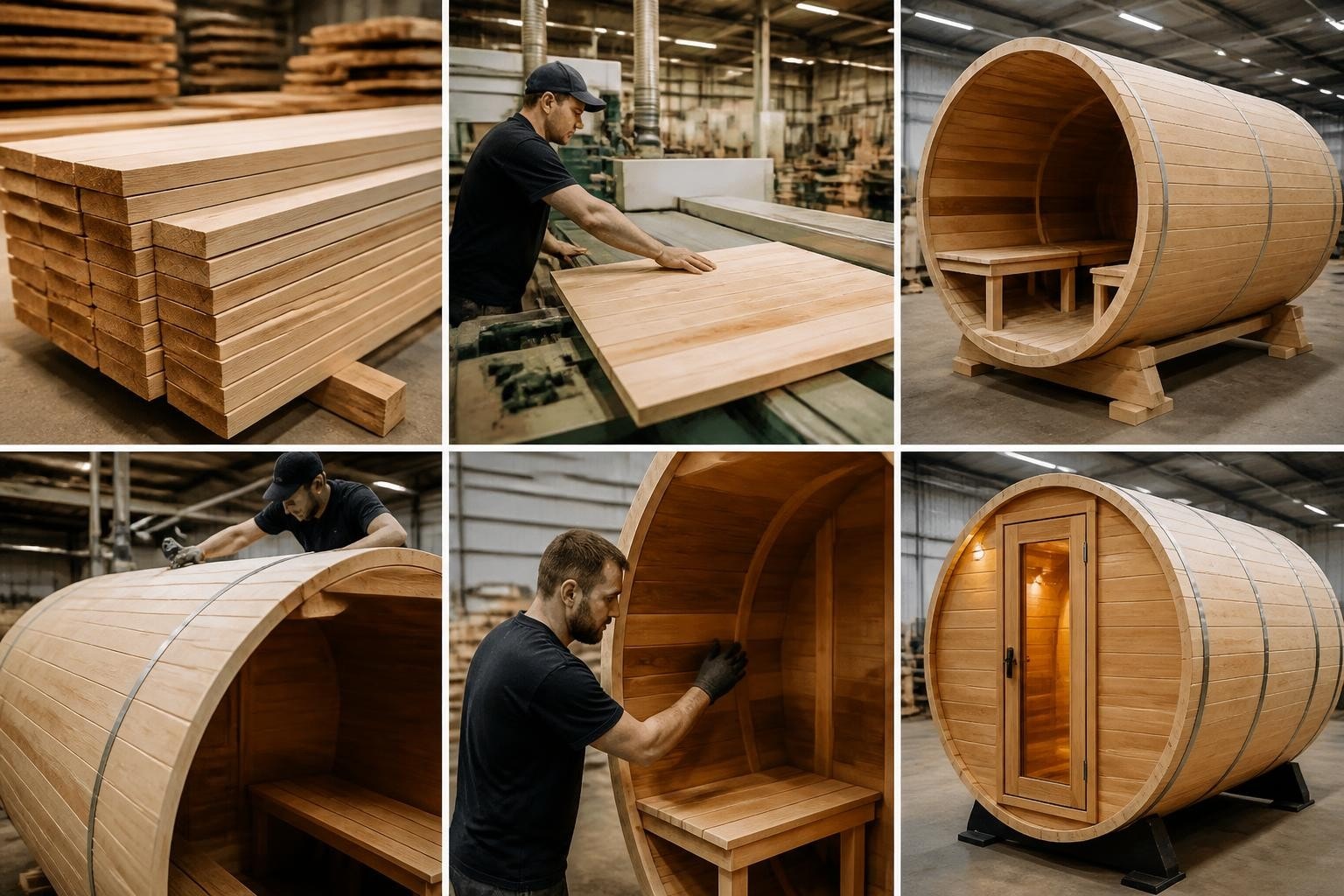
LeisureCraft operates under the Dundalk brand, maintaining production facilities in Ontario, Canada, where they've refined their sauna-building techniques for over 40 years. Their approach centers on using locally sourced Eastern White Cedar, a wood species naturally resistant to moisture, insects, and decay. This material choice isn't arbitrary-Eastern White Cedar contains natural oils that create a protective barrier against the elements while producing a pleasant aromatic experience during sauna sessions.
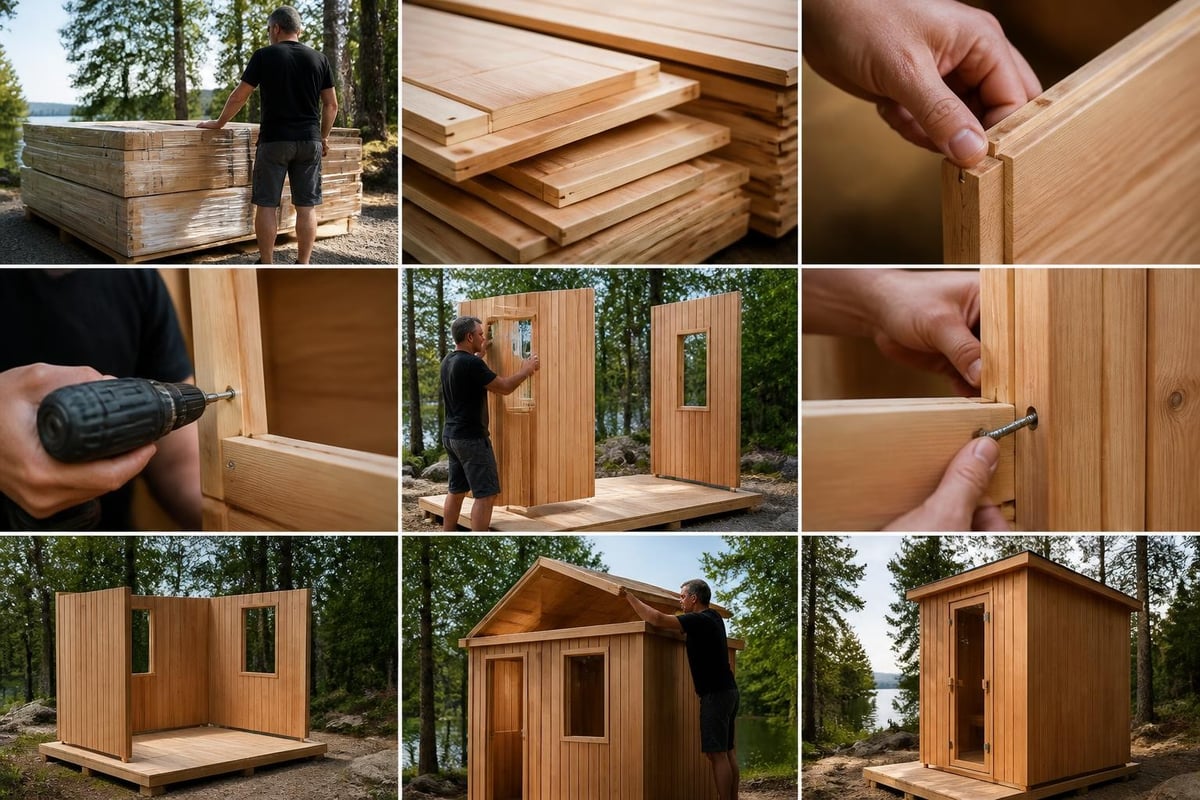
The company's manufacturing process emphasizes precision-milled components that fit together seamlessly during assembly. Each leisurecraft sauna arrives as a prefabricated kit with pre-cut panels, pre-drilled holes, and detailed instructions that simplify installation. This kit-based approach reduces on-site construction time while maintaining consistent quality standards across all units.
Material Quality and Grade Selection
LeisureCraft uses clear-grade cedar for their visible components, meaning the wood is free from knots, blemishes, and irregularities. This grade selection serves both aesthetic and functional purposes-clear cedar provides uniform heat distribution and presents a visually appealing interior that enhances the relaxation experience. According to detailed reviews of LeisureCraft's build quality, their use of thicker staves compared to competitors contributes to better insulation and structural integrity.
The thickness of wood components directly impacts heat retention efficiency. LeisureCraft typically employs 1.5-inch thick cedar staves for barrel models and substantial panel construction for cabin designs. This thickness creates an effective thermal barrier that reduces energy consumption while maintaining optimal sauna temperatures.
Popular LeisureCraft Sauna Models
The leisurecraft sauna lineup includes several distinct design families, each addressing different spatial requirements, aesthetic preferences, and user capacities. Understanding these model categories helps buyers match their specific needs with the appropriate design.
Barrel Sauna Collection
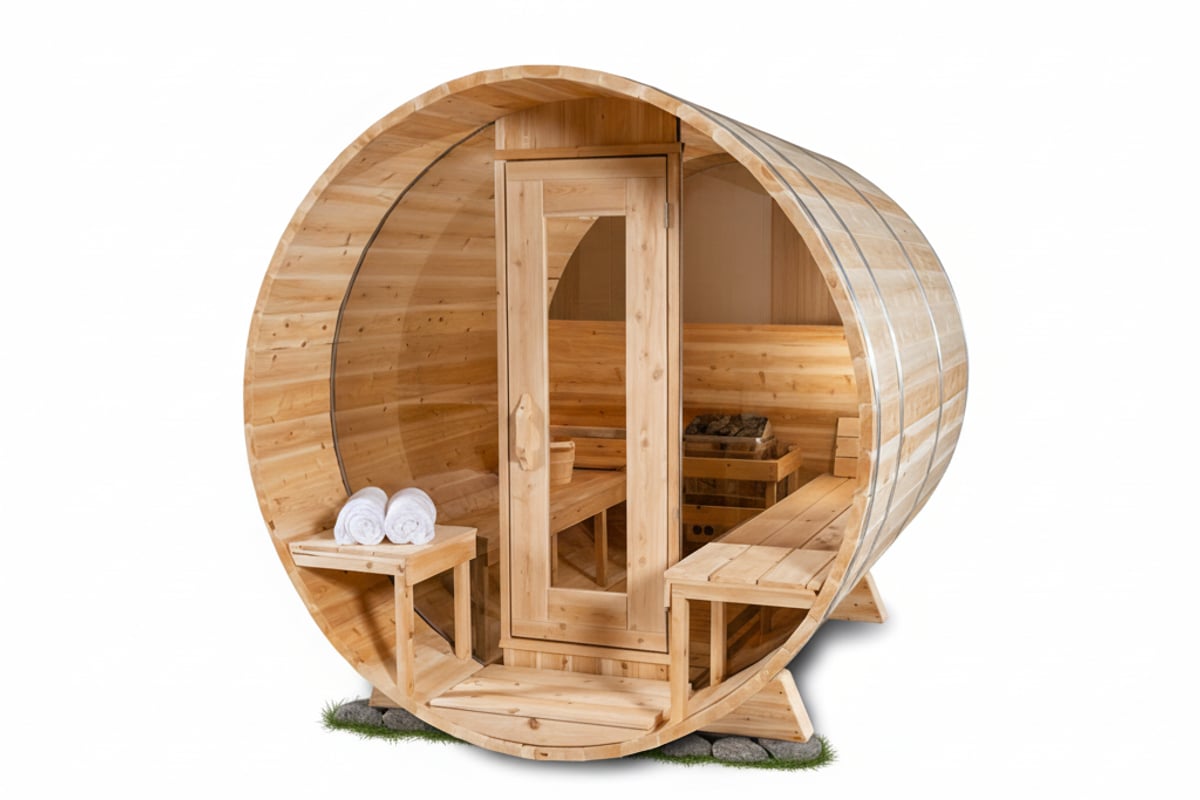
Barrel saunas represent LeisureCraft's most recognizable product category. The cylindrical design isn't just visually distinctive-it promotes superior heat circulation and eliminates corners where cold spots might develop. The curved walls encourage air to flow naturally, creating even temperature distribution throughout the interior.
The Serenity and Tranquility models exemplify this category, offering configurations for 2-5 users. The barrel shape also sheds rain and snow effectively, reducing maintenance requirements in climates with heavy precipitation. Many homeowners appreciate how a leisurecraft sauna in barrel form becomes an architectural focal point that enhances landscape design.
For those interested in exploring high-quality barrel options, the Canadian Timber Serenity MP Barrel Sauna showcases LeisureCraft's attention to detail with its tempered glass door and kit-form delivery system designed for straightforward assembly.
| Barrel Model | Capacity | Footprint | Door Type | Heater Options |
|---|---|---|---|---|
| Serenity MP | 2-3 persons | 6' x 6' | Tempered glass | Electric |
| Tranquility MP | 4-5 persons | 7' x 7' | Panoramic glass | Electric |
| Custom Barrel | Variable | Up to 8' | Standard or glass | Electric/Wood |
Cabin and Pod Designs
LeisureCraft's cabin-style saunas offer traditional rectangular configurations with vertical walls. Models like the Luna and Harmony feature modern aesthetics with large glass panels that create bright, open interiors. These designs work well for homeowners who prefer conventional architecture or have spatial constraints that make barrel saunas impractical.
The MiniPOD represents an innovative approach to compact sauna design. This model compresses the essential sauna experience into a space-efficient footprint suitable for smaller yards, patios, or urban properties. Despite its compact size, a leisurecraft sauna in pod configuration maintains the quality standards and material choices found in larger models.
Cabin models typically include:
- Rectangular floor plans optimizing corner placement
- Vertical wall construction for easier integration with existing structures
- Multiple window options controlling light and visibility
- Flexible bench configurations accommodating various user preferences
- Peaked or flat roofs matching architectural styles
Assembly and Installation Considerations
One of the defining characteristics of a leisurecraft sauna is the pre-engineered assembly system. Unlike custom-built saunas requiring professional carpentry, these kits enable capable DIY enthusiasts to complete installation over a weekend. The assembly manuals provided by LeisureCraft offer detailed guidance with exploded diagrams, parts lists, and step-by-step procedures.
Foundation Requirements
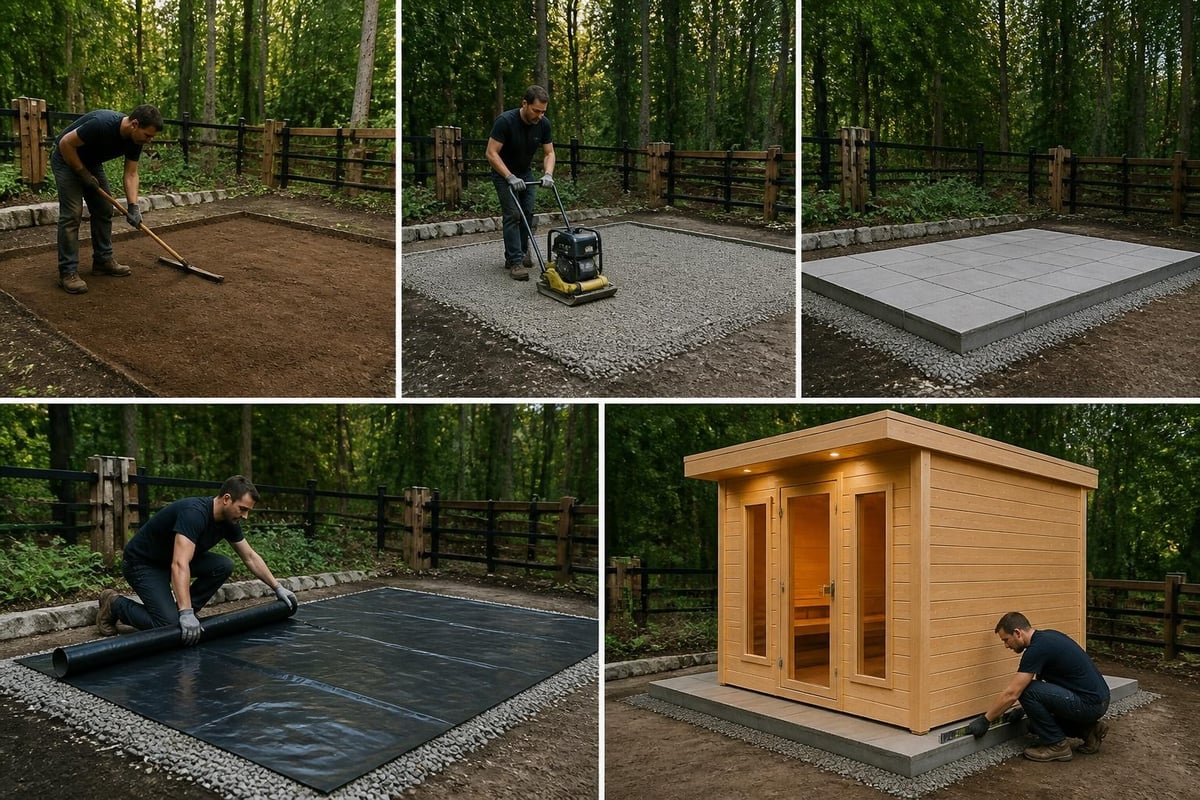
Proper foundation preparation ensures longevity and structural stability. LeisureCraft saunas require level, stable platforms capable of supporting 1,500-3,000 pounds depending on model size. Common foundation options include:
- Concrete slabs (4-6 inches thick with reinforcement)
- Paver bases with compacted gravel underlayment
- Deck platforms using pressure-treated lumber and proper joists
- Gravel pads with pressure-treated skids
The foundation must extend beyond the sauna footprint by at least 6-12 inches on all sides, providing drainage paths and preventing moisture accumulation against cedar components. Proper ventilation beneath the floor prevents rot and extends the lifespan of a leisurecraft sauna significantly.
Electrical Connections
Most LeisureCraft models accommodate electric heaters requiring 240V service with dedicated circuits. Heater sizing depends on sauna interior volume-a general rule suggests 1 kilowatt per 50 cubic feet of space. For a typical 6x6 barrel sauna, a 6-8 kW heater provides adequate heating capacity to reach 170-190°F within 30-45 minutes.
Professional electricians should handle the electrical installation to ensure compliance with local building codes and National Electrical Code (NEC) requirements. The electrical run typically includes:
- Dedicated 240V circuit from main panel
- Appropriately sized wire gauge (typically 6 AWG for 50-amp service)
- GFCI protection at the panel or subpanel
- Weatherproof disconnect switch within sight of the sauna
- Proper conduit protection for exterior cable runs
Comparing LeisureCraft to Competitors
Understanding how a leisurecraft sauna compares to other manufacturers helps contextualize pricing and value propositions. The sauna market includes budget-oriented imports, mid-range domestic producers, and premium custom builders. LeisureCraft occupies the premium mid-range to entry-level luxury segment.
According to comprehensive brand comparisons, LeisureCraft distinguishes itself through material quality rather than innovative features. While some competitors offer integrated sound systems, chromotherapy lighting, or advanced ventilation, LeisureCraft focuses on fundamental quality-superior wood grades, precision manufacturing, and proven designs.
| Feature | LeisureCraft | Budget Imports | Custom Builders |
|---|---|---|---|
| Cedar Grade | Clear grade | Mixed grade | Premium clear |
| Stave Thickness | 1.5 inches | 0.75-1 inch | 1.5-2 inches |
| Price Range | $6,000-$15,000 | $2,000-$6,000 | $15,000-$40,000+ |
| Warranty | 3-5 years | 1-2 years | 5-10 years |
| Assembly | DIY kit | DIY kit | Professional |
| Lead Time | 4-8 weeks | 8-12 weeks | 12-24 weeks |
Price-to-Value Analysis
A leisurecraft sauna typically costs 30-50% more than comparable imported models but offers substantial advantages in longevity and performance. The thicker cedar construction provides better insulation, reducing operating costs over the unit's lifetime. Superior craftsmanship means fewer warranty claims and longer intervals between maintenance requirements.
When evaluating total cost of ownership, consider these factors:
- Energy efficiency: Thicker walls reduce heat loss by approximately 25-35%
- Maintenance costs: Higher-quality cedar requires less frequent treatment and replacement
- Resale value: Premium brands typically retain 60-70% of original value
- Warranty coverage: Longer warranties reduce out-of-pocket repair expenses
Design Features Worth Understanding
LeisureCraft incorporates several design elements that enhance both functionality and user experience. These features represent accumulated knowledge from decades of sauna production and customer feedback. For those comparing different outdoor sauna configurations, understanding these details proves valuable.
Ventilation Systems
Proper air exchange prevents stuffiness and ensures fresh oxygen supply during extended sessions. LeisureCraft saunas include adjustable vents positioned to create natural convection currents. Floor-level intake vents draw cool fresh air, which heats as it rises past the heater stones before exiting through adjustable roof vents.
This passive ventilation system exchanges the sauna's air volume approximately 6-8 times per hour, maintaining comfort without mechanical fans. The placement and sizing of these vents reflect careful engineering-too much ventilation wastes energy, while insufficient airflow creates stale conditions.
Bench Configuration
LeisureCraft typically offers two-tier bench arrangements in larger models, allowing users to select their preferred temperature zone. The upper bench reaches peak temperatures (170-190°F), while the lower bench provides moderate heat (140-160°F). This temperature gradient accommodates different tolerance levels and allows users to adjust their exposure during sessions.
Bench depth and spacing follow traditional Finnish sauna principles. The upper bench typically measures 18-24 inches deep, providing adequate space for reclining. Lower benches serve dual purposes-they function as seating positions and as steps for accessing upper levels.
Maintenance and Longevity
A leisurecraft sauna requires minimal maintenance compared to many outdoor structures, but neglecting basic care accelerates deterioration. Eastern White Cedar naturally resists decay, but proper maintenance extends lifespan from 15-20 years to potentially 30-40 years.
Essential Maintenance Tasks
Monthly Tasks:
- Remove debris from roof and drain pathways
- Check door seals and adjust if necessary
- Verify heater operation and stone condition
- Clean interior surfaces with dry cloth
Seasonal Tasks:
- Inspect cedar for cracks or splitting
- Apply cedar treatment oil to exterior surfaces
- Check foundation levelness and stability
- Examine electrical connections for corrosion
Annual Tasks:
- Deep clean interior benches and walls
- Replace heater stones showing significant wear
- Inspect and tighten all fasteners and hardware
- Evaluate roof condition and reseal if needed
The assembly and maintenance resources available from authorized dealers provide visual guidance for performing these tasks correctly. Following manufacturer recommendations preserves warranty coverage and prevents premature failures.
Weather Protection Strategies
While Eastern White Cedar withstands outdoor exposure, additional protection extends life and maintains appearance. Many leisurecraft sauna owners apply specialized cedar oils or sealants that enhance water repellency without blocking the wood's natural breathing properties.
UV exposure gradually grays untreated cedar, a purely cosmetic change that doesn't affect structural integrity. Homeowners preferring the original honey-gold color should apply UV-blocking treatments annually. Alternatively, allowing natural weathering creates a silver-gray patina that many find appealing.
Heating Options and Performance
LeisureCraft saunas accommodate both electric and wood-burning heaters, though most North American installations use electric units due to convenience and local regulations. The choice significantly impacts the sauna experience, operating costs, and maintenance requirements.
Electric Heater Benefits
Electric heaters offer precise temperature control, rapid heating times, and zero-emission operation. Modern units include digital controls allowing users to preset temperatures and session timers. A typical 6 kW heater draws approximately 25 amps and costs $0.50-$1.50 per hour to operate depending on local electricity rates.
Quality electric heaters for a leisurecraft sauna feature:
- Stainless steel construction resisting corrosion
- Adequate rock capacity (40-60 pounds) for humidity control
- Built-in safety cutoffs preventing overheating
- Timer functions supporting convenient pre-heating
- Adjustable thermostats providing 100-210°F range
Wood-Burning Heater Characteristics
Wood-burning heaters deliver an authentic traditional experience with crackling sounds and the aroma of burning wood. These units require more maintenance-ash removal, chimney cleaning, and constant temperature monitoring-but eliminate electricity costs and provide independence from power grids.
Wood heaters excel in remote locations without electrical service or for purists seeking the most traditional sauna experience. Installation complexity increases due to chimney requirements, clearance specifications, and local fire codes. A leisurecraft sauna equipped with a wood heater typically costs $1,500-$3,000 more than electric equivalents when factoring in installation expenses.
Customization and Upgrade Options
While LeisureCraft offers standard configurations, several customization options allow buyers to tailor their sauna to specific preferences. Understanding available upgrades helps maximize long-term satisfaction with the investment.
Common Upgrades
Glass Enhancements:
- Panoramic front glass panels increasing visibility
- Tinted glass reducing glare and providing privacy
- Tempered glass doors with upgraded hardware
- Observation windows in side panels
Interior Modifications:
- Extended bench lengths for taller users
- Custom bench heights accommodating accessibility needs
- Additional bench tiers for larger groups
- Footrests and backrests enhancing comfort
Exterior Features:
- Covered porches protecting entry areas
- Integrated changing rooms with storage
- Premium roofing materials extending durability
- Custom staining or finishing options
According to detailed model reviews, models like the Luna and Harmony demonstrate how thoughtful customization creates distinctive wellness spaces that complement residential architecture.
Health and Wellness Considerations
Beyond the physical product itself, a leisurecraft sauna serves as a tool for health improvement and stress reduction. Regular sauna use offers documented benefits including improved cardiovascular function, enhanced recovery from exercise, better sleep quality, and psychological relaxation.
Optimal Usage Patterns
Traditional Finnish protocols suggest 10-20 minute sessions at 170-190°F, followed by cool-down periods. Beginners should start with lower temperatures (140-150°F) and shorter durations (5-10 minutes), gradually increasing exposure as tolerance develops. Hydration before, during, and after sessions prevents dehydration and maximizes benefits.
Frequency recommendations vary based on individual goals and health status. General wellness maintenance typically involves 2-3 sessions weekly, while athletes training intensively might benefit from daily use. Consultation with healthcare providers ensures sauna use complements existing health conditions safely.
Contrast Therapy Integration
Progressive wellness enthusiasts combine sauna heat with cold exposure through contrast therapy. This practice alternates between hot sauna sessions and cold water immersion, stimulating circulation and potentially amplifying recovery benefits. For those exploring this approach, combining sauna with cold plunge systems creates comprehensive home recovery facilities.
The temperature differential between 180°F sauna heat and 45-55°F cold water creates powerful physiological responses. Blood vessels dilate during heating and constrict during cooling, essentially exercising the cardiovascular system without physical exertion.
Investment Considerations and ROI
Purchasing a leisurecraft sauna represents a significant financial commitment, typically ranging from $6,000 to $15,000 depending on size and features. Evaluating this investment requires considering both tangible and intangible returns.
Tangible Value Components
Property Value Enhancement: Research suggests well-maintained outdoor saunas increase property values by $10,000-$20,000, effectively recovering most or all of the initial investment. The appeal is strongest in northern climates where sauna culture is established and in luxury markets where wellness amenities command premiums.
Health Cost Avoidance: Regular sauna use may reduce healthcare expenses through improved cardiovascular health, stress reduction, and enhanced immune function. While difficult to quantify precisely, some users report decreased reliance on massage therapy, stress medications, and other wellness services.
Gym Membership Replacement: Home saunas eliminate monthly gym fees for households primarily maintaining memberships for sauna access. At $50-$150 monthly, gym memberships cost $600-$1,800 annually-a leisurecraft sauna pays for itself within 4-10 years when replacing this expense.
Intangible Benefits
Beyond financial calculations, sauna ownership provides convenience, privacy, and the satisfaction of having a personal wellness retreat. The ability to enjoy sauna sessions without driving to facilities, adhering to schedules, or sharing spaces with strangers holds significant value for many users.
For comprehensive guidance on selecting the best sauna for home use, comparing various manufacturers and models alongside personal requirements ensures optimal matching between investment and expectations.
Why LeisureCraft Maintains Market Position
Despite competition from international manufacturers and custom builders, LeisureCraft remains a preferred choice for discerning buyers prioritizing quality over price. Several factors explain this sustained market position in 2026.
Manufacturing Integrity
LeisureCraft's commitment to North American manufacturing ensures consistent quality control and supports local economies. Their Ontario facility maintains direct oversight of every production stage, from lumber selection through final quality inspection. This vertical integration prevents the quality variability common with outsourced manufacturing.
The company's longevity-over four decades in business-demonstrates financial stability and sustained customer satisfaction. New startups and imported brands lack this track record, making them riskier choices for expensive purchases expected to last decades.
Design Philosophy
Rather than chasing trends or adding unnecessary features, LeisureCraft focuses on perfecting fundamental sauna design. This conservative approach appeals to buyers seeking timeless aesthetics and proven functionality over novelty. A leisurecraft sauna installed today will look appropriate and perform well in 20 years, while trend-driven designs may appear dated.
According to comprehensive brand evaluations, this focus on essentials rather than gimmicks distinguishes LeisureCraft from competitors emphasizing technology integration or unconventional materials.
Sizing and Placement Guidelines
Selecting the appropriate size leisurecraft sauna involves balancing available space, typical user count, and budget constraints. Undersized units feel cramped and limit flexibility, while oversized models waste energy and increase costs unnecessarily.
Capacity Planning
2-Person Models: Suitable for couples or individuals preferring spacious solo sessions. Typical footprint: 5x5 to 6x6 feet. Interior volume: 150-200 cubic feet. Heater requirement: 4-6 kW.
3-4 Person Models: Accommodate small families or intimate gatherings. Typical footprint: 6x7 to 7x7 feet. Interior volume: 250-350 cubic feet. Heater requirement: 6-8 kW.
5-6 Person Models: Support larger families or social sauna sessions. Typical footprint: 7x8 to 8x8 feet. Interior volume: 400-500 cubic feet. Heater requirement: 8-10 kW.
Site Selection Factors
Optimal placement considers access, utilities, drainage, views, and privacy. A leisurecraft sauna performs best when positioned on level ground with adequate clearance from structures and vegetation. Minimum clearances typically include:
- 3 feet from property lines
- 10 feet from combustible structures
- 6 feet overhead clearance for ventilation
- 5 feet access path on at least two sides
Prevailing wind direction affects heating efficiency-positioning the door away from dominant winds reduces heat loss when entering and exiting. Southern exposure provides natural solar heating benefits during winter months, while northern placement in hot climates minimizes unwanted solar gain.
Long-Term Ownership Experience
Understanding the multi-year ownership experience helps set realistic expectations. A leisurecraft sauna evolves over time, developing character through use while requiring periodic attention to maintain optimal performance.
First Year Experience
Initial months involve acclimation to the wood as cedar releases natural oils and moisture equilibrates with local climate conditions. The interior aroma peaks during this period, gradually mellowing as volatile compounds dissipate. Minor surface cracks may appear as the wood adjusts-these are cosmetic and don't compromise structural integrity.
Users typically refine their operating protocols during the first year, discovering preferred temperatures, session lengths, and usage frequencies. The learning curve is gentle-most owners achieve comfortable proficiency within 5-10 sessions.
Years 2-5 Experience
After the initial settling period, a leisurecraft sauna enters peak performance years requiring minimal intervention. Properly maintained units need only routine cleaning and occasional heater stone replacement. The cedar's natural protection system fully establishes, providing robust resistance to environmental stresses.
This period delivers maximum return on investment as the sauna integrates into lifestyle routines without demanding attention or generating unexpected expenses. Many owners report that the sauna becomes an indispensable part of daily or weekly wellness practices.
Years 5-10 and Beyond
Longer ownership periods may necessitate selective component replacement-door seals, heater elements, or weathered exterior boards. These repairs remain straightforward due to LeisureCraft's consistent design language and parts availability. The modular construction that simplified initial assembly also facilitates maintenance and upgrades.
With appropriate care, the fundamental structure-the cedar panels, roof system, and framework-continues performing well beyond the decade mark. The investment made in purchasing a quality leisurecraft sauna pays dividends through extended service life that lower-quality alternatives cannot match.
Investing in a leisurecraft sauna means choosing Canadian craftsmanship, premium materials, and time-tested designs that deliver authentic wellness experiences for decades. Whether you're drawn to the distinctive barrel shape or prefer traditional cabin configurations, LeisureCraft's commitment to quality ensures your investment enhances both property value and personal well-being. RecoSauna offers an extensive selection of LeisureCraft models alongside other premium brands, helping you find the perfect sauna to transform your backyard into a personal wellness retreat. Explore the possibilities and discover which configuration best matches your space, budget, and health goals.
Share:
Box Sauna: Complete Guide to Traditional Design
Outdoor Home Sauna: Guide to Backyard Wellness in 2026