
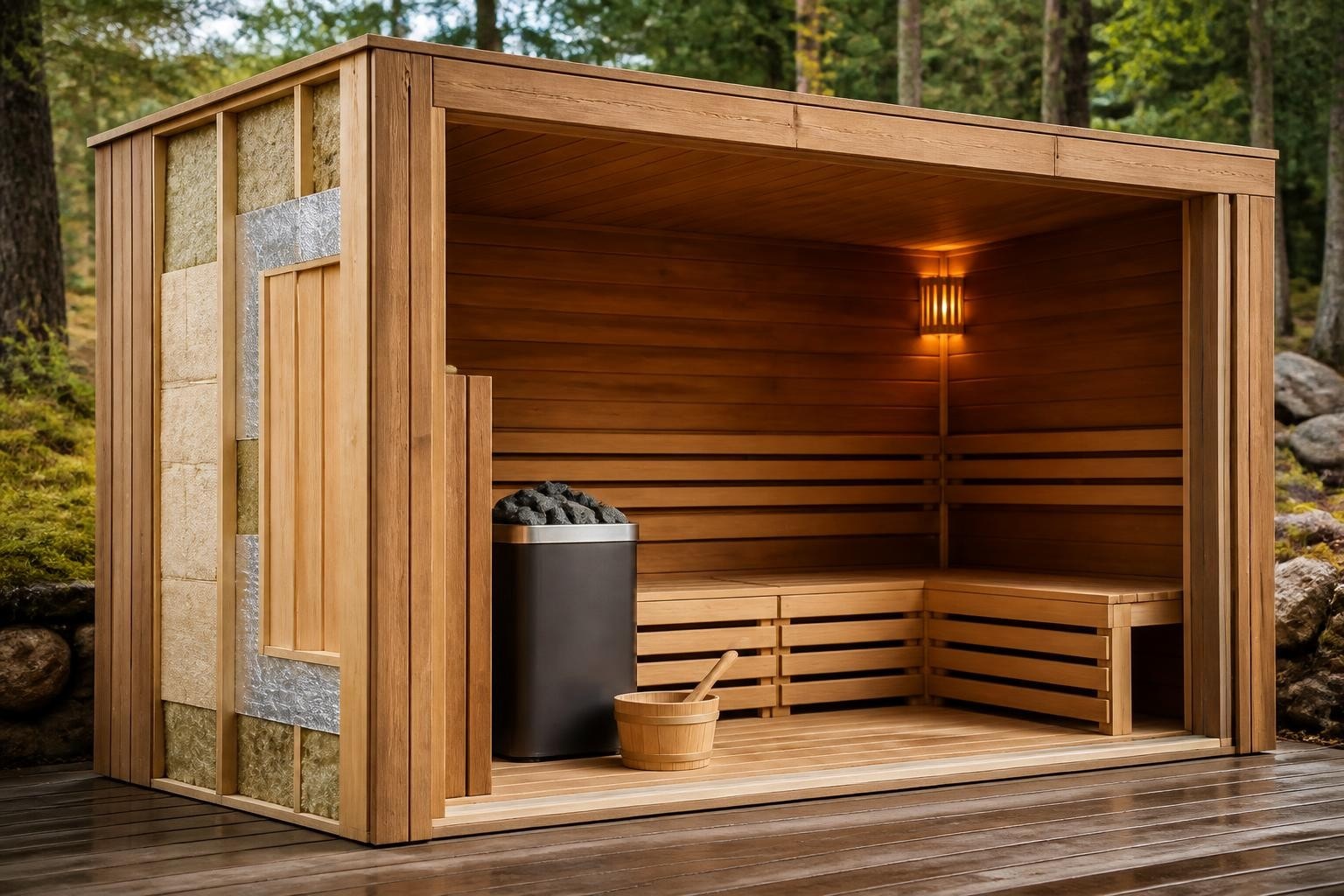
A box sauna represents the most traditional and recognizable sauna structure, featuring a rectangular or square design that has served wellness enthusiasts for generations. This classic configuration offers practical advantages in construction, installation, and daily use while delivering the authentic sauna experience that health-conscious homeowners seek. Understanding the fundamentals of box sauna design helps you make informed decisions about materials, heating options, and placement for your property.
Understanding Box Sauna Architecture and Design
The box sauna derives its name from its straightforward geometric shape, typically constructed as a rectangular enclosure with vertical walls and a flat or gently sloped roof. This conventional design contrasts sharply with curved barrel saunas, offering distinct structural and functional characteristics.
Core Structural Elements
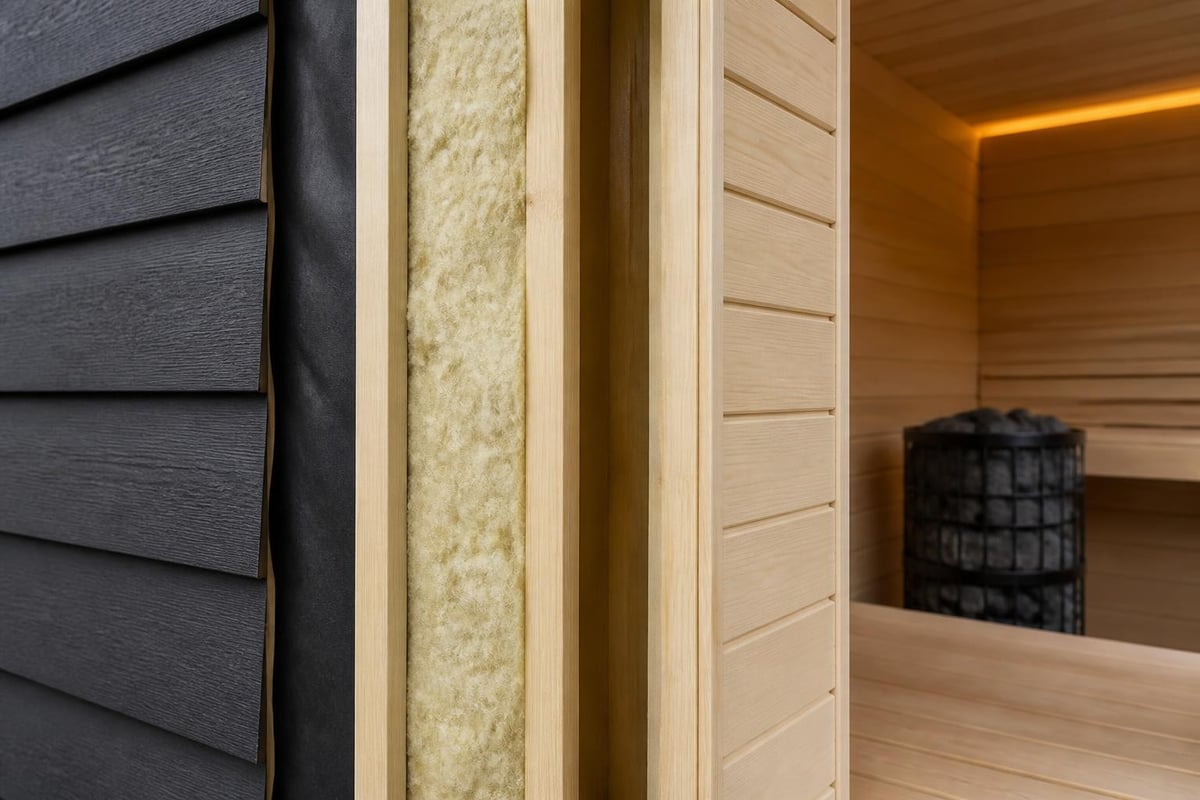
A properly designed box sauna incorporates several essential components that work together to create an effective heat environment. The framework typically uses 2x4 or 2x6 lumber for walls, providing adequate depth for insulation and ventilation systems. Detailed sauna construction guidelines emphasize the importance of proper framing to support both the structure and interior finishes.
Key structural features include:
- Vertical wall framing with standard stud spacing
- Dedicated vapor barrier placement between insulation and interior
- Reinforced ceiling joists to handle heat stress and humidity
- Threshold construction for proper door sealing
- Floor systems designed for drainage and cleaning
The traditional box sauna configuration allows for straightforward customization of interior dimensions. Most residential models range from 4x4 feet for single users up to 8x10 feet for family installations. This flexibility makes the box sauna adaptable to various property sizes and user requirements.
Material Selection and Wood Types
Premium box sauna construction relies heavily on wood selection, as different species offer varying performance characteristics. Eastern White Cedar remains a popular choice for its natural resistance to moisture, pleasant aroma, and insulating properties. Understanding sauna building materials provides comprehensive data on thermal properties and longevity.
| Wood Type | Heat Resistance | Moisture Handling | Aroma | Typical Use |
|---|---|---|---|---|
| Eastern White Cedar | Excellent | Superior | Mild, pleasant | Interior/exterior |
| Canadian Hemlock | Very good | Good | Neutral | Interior panels |
| Nordic Spruce | Good | Very good | Fresh, light | Interior/ceiling |
| Red Cedar | Excellent | Superior | Strong, aromatic | Premium interiors |
Interior wood should remain untreated to avoid chemical off-gassing during heating cycles. The natural oils in cedar and hemlock provide sufficient protection against moisture while contributing to the authentic sauna atmosphere.
Construction Methods for Box Saunas
Building a box sauna requires attention to detail across multiple construction phases. Whether you choose a prefabricated kit or custom build, understanding the assembly process ensures long-term performance and safety.
Foundation and Base Preparation
A solid foundation prevents structural issues and extends sauna lifespan significantly. Outdoor box sauna installations typically use concrete pads, gravel bases with pressure-treated skids, or elevated deck platforms. The foundation must provide level support and adequate drainage to prevent water accumulation.
Foundation requirements:
- Level surface within 1/4 inch over the entire footprint
- Proper drainage slope away from the structure
- Moisture barrier between ground and sauna base
- Adequate load-bearing capacity for wet wood weight
- Accessibility for electrical and ventilation connections
Indoor box sauna installations demand different considerations, particularly regarding floor protection and moisture management. Waterproof membranes beneath the sauna prevent damage to subfloors, while proper ventilation systems remove excess humidity from the surrounding room.
Wall and Ceiling Assembly
The step-by-step sauna building process demonstrates how wall construction progresses from framing through final paneling. Proper insulation placement proves critical for heat retention and energy efficiency.
Modern box sauna construction typically incorporates R-13 to R-19 insulation in walls and R-21 to R-30 in ceilings. The higher ceiling values compensate for natural heat rise, maintaining comfortable temperature distribution throughout the space. A continuous vapor barrier on the warm side of insulation prevents moisture infiltration that could compromise structural integrity.
Interior paneling installation follows specific patterns to manage wood expansion and contraction. Tongue-and-groove boards run vertically on walls and across ceiling joists, secured with finishing nails that allow slight movement. Proper air gaps behind paneling facilitate ventilation and prevent moisture trapping.
Heating Systems and Temperature Control
The heating system serves as the heart of any box sauna, directly influencing heat quality, energy consumption, and operational costs. Modern box saunas accommodate various heater types, each offering distinct advantages for different user preferences.
Electric Heater Configuration
Electric heaters dominate residential box sauna installations due to their convenience, safety, and consistent performance. These units mount to walls or rest on floors, radiating heat that warms both air and sauna stones placed on top.
Proper heater sizing ensures adequate heat output without overworking the unit. Calculate required capacity using this formula: 1 kilowatt per 50 cubic feet of sauna space, with additional capacity for glass doors, exterior walls, or ceiling height above 7 feet. A 6x8-foot box sauna with 7-foot ceilings requires approximately 6.7 kilowatts, rounding up to an 8-kilowatt heater for optimal performance.
Electric heater advantages:
- No ventilation requirements beyond standard sauna air exchange
- Precise temperature control through digital or analog thermostats
- Safe operation with automatic shutoff features
- Minimal maintenance needs compared to wood-burning systems
- Compatible with standard residential electrical service (with proper circuit)
Wood-Burning Options
Traditional wood-burning heaters appeal to purists seeking authentic sauna experiences with natural fire ambiance. These systems require additional installation considerations, including proper chimney installation, clearance distances, and outdoor air supply.
The Canadian Timber Serenity MP Barrel Sauna demonstrates how premium materials and traditional heating can combine for exceptional outdoor wellness experiences. Though designed as a barrel configuration, similar principles apply to box sauna installations seeking wood-fire authenticity.
Wood heaters typically cost less to operate in rural areas with accessible firewood supplies. However, they demand more active management during sessions, including fire tending and ash removal. Building codes may restrict wood-burning installations in urban or suburban areas, making verification with local authorities essential before proceeding.
Ventilation and Air Quality Management
Effective ventilation separates exceptional box saunas from mediocre installations, directly impacting comfort, safety, and wood longevity. Proper air exchange removes excess humidity, replenishes oxygen, and distributes heat evenly throughout the enclosure.
Ventilation System Design
Standard box sauna ventilation follows the gravity-flow principle, with inlet vents near the floor close to the heater and outlet vents near the ceiling on opposite walls. This configuration creates natural air circulation as fresh air heats near the stove and rises, displacing stale air through upper vents.
Optimal vent specifications:
| Vent Type | Location | Size Ratio | Purpose |
|---|---|---|---|
| Inlet | Floor level, behind heater | 1x sauna volume | Fresh air supply |
| Outlet | Upper wall or ceiling | 1.5x inlet size | Exhaust exit |
| Adjustable damper | Both inlet and outlet | Variable | User control |
Mechanical ventilation may supplement gravity systems in larger box saunas or installations without ideal natural airflow. Small exhaust fans rated for high-temperature environments can enhance air circulation without creating uncomfortable drafts when properly sized and positioned.
Managing Humidity Levels
Unlike steam rooms operating at near-100% humidity, traditional dry box saunas maintain 10-20% relative humidity at operating temperatures. This dry heat environment allows higher temperatures (160-195°F) while remaining comfortable for extended sessions.
Water thrown onto heater stones temporarily increases humidity, creating the löyly effect prized in Finnish country sauna traditions. Proper ventilation quickly removes excess moisture, preventing wood damage and maintaining optimal conditions for therapeutic benefits.
Health Benefits and Therapeutic Applications
Regular box sauna use delivers numerous evidence-supported health advantages, making these structures valuable additions to wellness-focused lifestyles. Understanding these benefits helps justify the investment and encourages consistent use patterns that maximize results.
Cardiovascular and Circulatory Improvements
Sauna heat exposure triggers cardiovascular responses similar to moderate exercise, with heart rate increasing to 100-150 beats per minute during typical sessions. Research on infrared sauna benefits demonstrates improved circulation and potential cardiovascular health markers, though traditional dry box saunas provide comparable effects through different mechanisms.
Documented cardiovascular benefits include:
- Enhanced blood flow to skin and muscles
- Reduced blood pressure in regular users
- Improved arterial elasticity and endothelial function
- Increased cardiac output during heat exposure
- Potential reduced risk of cardiovascular events with frequent use
The heat stress from box sauna sessions activates heat shock proteins, cellular defense mechanisms that protect against various stressors and may contribute to longevity benefits observed in regular sauna users.
Muscle Recovery and Pain Relief
Athletes and active individuals increasingly incorporate box sauna sessions into recovery protocols. Heat therapy promotes muscle relaxation, reduces inflammation markers, and may accelerate healing from minor injuries or overexertion.
Deep tissue warming improves flexibility and range of motion, making post-sauna stretching particularly effective. Many users report reduced delayed-onset muscle soreness (DOMS) when scheduling sauna sessions within hours of intense training.
Comprehensive health benefits documentation outlines additional therapeutic applications including stress reduction, improved sleep quality, and potential immune system support. These wide-ranging benefits explain why box sauna ownership appeals to health-conscious homeowners seeking multi-purpose wellness investments.
Installation Considerations and Site Planning
Successful box sauna installation requires careful site selection and preparation, whether placing the unit indoors or outdoors. Each location type presents unique advantages and challenges that influence long-term satisfaction and operational efficiency.
Outdoor Placement Strategy
Outdoor box saunas offer installation flexibility, aesthetic appeal, and separation from living spaces that prevents humidity transfer to homes. Site selection should balance accessibility, privacy, views, and utility connections.
Critical outdoor placement factors:
- Level ground or prepared foundation site
- Electrical service access within reasonable distance
- Adequate clearance from property lines and structures
- Privacy screening from neighbors or public view
- Drainage patterns that direct water away from foundation
Consider seasonal access patterns, particularly in northern climates where snow accumulation may impede winter use. Covered walkways or proximity to rear entries help maintain year-round accessibility. When comparing configurations, understanding differences between barrel and box saunas helps inform placement decisions based on aesthetic preferences and spatial constraints.
Indoor Installation Requirements
Indoor box sauna placement typically occurs in basements, bathrooms, or dedicated wellness rooms. These installations require additional attention to moisture management, ventilation integration, and building code compliance.
Moisture barriers beneath and around indoor box saunas protect home structures from humidity damage. Dedicated exhaust systems venting to building exteriors prevent moisture accumulation in surrounding rooms. Some jurisdictions require specific electrical permits, GFCI protection, or professional installation certification for indoor sauna heaters.
Indoor installations benefit from climate control, eliminating weather exposure and potentially reducing heating costs through ambient temperature support. However, they sacrifice the outdoor wellness experience and require permanent commitment to space allocation.
Comparing Box Sauna to Alternative Designs
Understanding how box sauna design compares to other popular configurations helps potential buyers select the optimal structure for their specific needs, aesthetics, and properties. Each design offers distinct characteristics affecting cost, performance, and user experience.
Box Versus Barrel Configuration
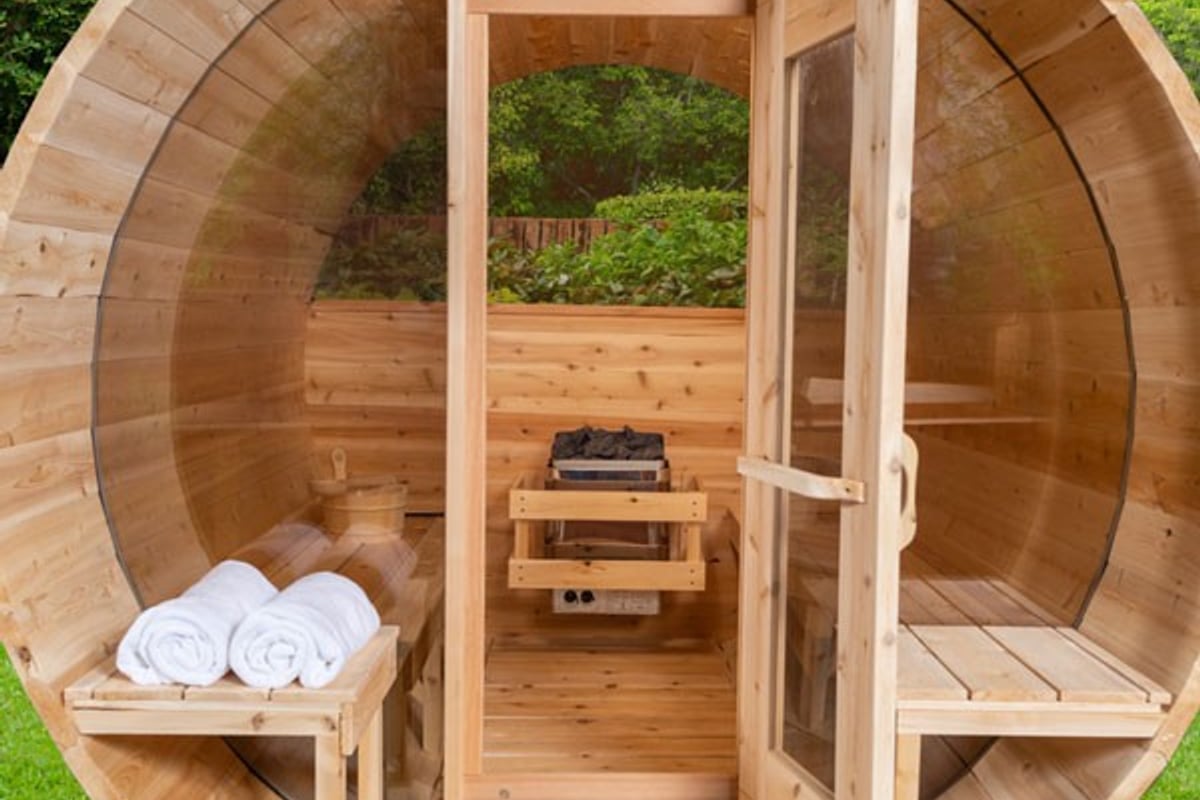
Barrel saunas feature curved walls that create efficient heat circulation through reduced air volume and elimination of corner dead spaces. The cylindrical design also sheds water effectively and creates distinctive visual appeal. However, box saunas counter with advantages in interior space utilization and construction accessibility.
| Feature | Box Sauna | Barrel Sauna |
|---|---|---|
| Interior space efficiency | Superior (90%+) | Moderate (70-80%) |
| Heat-up time | Standard | 10-15% faster |
| Construction complexity | Moderate | Higher (curved elements) |
| Bench layout flexibility | Excellent | Limited by curve |
| DIY build feasibility | High | Moderate |
| Visual impact | Traditional | Distinctive |
Box saunas accommodate larger groups more efficiently due to rectangular floor plans that maximize usable bench space. The straight walls simplify interior customization, allowing varied bench heights, backrests, and accessory installation without geometric constraints.
Traditional Dry Versus Infrared Technology
While classic box saunas use convection heating through air warming, infrared variants employ radiant panels that heat users directly without significantly warming surrounding air. For those interested in exploring modern heating alternatives, learning about hot infrared sauna technology reveals different therapeutic approaches within similar box structures.
Traditional dry box saunas operate at higher temperatures (160-195°F) with lower humidity, creating the authentic Finnish sauna experience. Infrared box saunas function at lower temperatures (120-140°F) while delivering deep tissue heating through electromagnetic radiation. Both designs can utilize identical box structures, differing only in heating system selection.
Maintenance and Long-Term Care
Proper maintenance preserves box sauna performance, appearance, and longevity for decades of reliable service. Establishing regular care routines prevents common issues and protects your wellness investment.
Regular Cleaning Protocols
Box sauna interiors require minimal but consistent cleaning to prevent buildup and maintain wood quality. After each use, leave the door open to promote air circulation and moisture evaporation. Weekly cleaning involves wiping down benches with mild soap solutions, avoiding harsh chemicals that damage wood or create toxic fumes during heating.
Monthly maintenance checklist:
- Vacuum floor and beneath benches to remove debris
- Inspect heater stones for cracks or deterioration
- Clean glass doors and windows with appropriate cleaners
- Check door seals and adjust as needed
- Verify proper vent operation and clear blockages
- Examine electrical connections for corrosion or looseness
Annual deep maintenance includes inspecting insulation integrity, checking vapor barrier condition, and examining exterior siding for weather damage. Outdoor box saunas may require periodic wood treatment or staining to maintain protection against elements, particularly in harsh climates.
Troubleshooting Common Issues
Temperature inconsistencies, unusual odors, or excessive humidity indicate potential problems requiring attention. Inadequate heating often results from undersized heaters, poor insulation, or air leaks around doors and vents. Musty smells suggest insufficient ventilation or cleaning, while excessive moisture buildup points to ventilation system failures.
Wood discoloration typically indicates either water damage from leaks or mold growth from inadequate drying between uses. Address these issues promptly by identifying moisture sources, improving ventilation, and replacing affected wood sections before problems spread. Regular monitoring helps catch minor concerns before they escalate into expensive repairs.
Cost Analysis and Investment Considerations
Box sauna pricing varies significantly based on size, materials, heating systems, and whether you choose prefabricated kits or custom construction. Understanding cost components helps budget appropriately and identify value opportunities.
Kit Versus Custom Build Economics
Prefabricated box sauna kits typically range from $3,000 to $10,000 for quality models, including all structural materials, insulation, interior paneling, and door assembly. These packages streamline construction through pre-cut components and detailed instructions, reducing labor costs for DIY-capable homeowners.
Custom-built box saunas allow complete design control and site-specific optimization but generally cost 30-50% more than equivalent kits when hiring contractors. Material selection, finish quality, and special features like changing rooms or windows significantly influence final costs. For those seeking premium sauna experiences, custom builds deliver unmatched personalization despite higher investment requirements.
Cost breakdown for typical 6x8 box sauna:
- Foundation/base: $500-$2,000
- Structural materials and insulation: $2,000-$4,000
- Interior wood paneling: $1,500-$3,000
- Heater and controls: $800-$2,500
- Electrical installation: $500-$1,500
- Door and glass: $400-$1,200
- Labor (if contracted): $2,000-$5,000
Operating Costs and Energy Efficiency
Electric box sauna operation costs depend on heater wattage, local electricity rates, and session frequency. An 8-kilowatt heater operating for one hour consumes 8 kWh, costing approximately $0.80-$1.60 at typical residential rates of $0.10-$0.20 per kWh.
Well-insulated box saunas reach operating temperature within 30-45 minutes, then maintain heat with reduced energy draw. Efficient designs minimize standby losses and allow quick cool-down between sessions, preventing unnecessary energy consumption. Annual operating costs for regular users typically range from $200-$600, depending on session frequency and local utility rates.
Box Sauna Integration Into Wellness Routines
Maximizing box sauna benefits requires consistent use patterns integrated thoughtfully into daily or weekly wellness practices. Understanding optimal session parameters and complementary activities enhances results and encourages sustainable habits.
Optimal Session Structure
Traditional sauna protocols recommend 15-20 minute sessions with periodic cool-down breaks. Begin with moderate temperatures (140-160°F) if new to sauna use, gradually increasing as heat tolerance develops. Experienced users often prefer 170-190°F for authentic Finnish experiences.
Effective session progression:
- Pre-hydrate with 16-24 ounces of water
- Enter sauna and relax for 10-15 minutes
- Exit for cool-down shower or outdoor air exposure
- Rest 5-10 minutes while rehydrating
- Return for second 10-15 minute session
- Final cool-down and extended rest period
- Post-session hydration with electrolyte support
This cycle can repeat 2-3 times depending on experience level and available time. Listen to your body and exit immediately if experiencing dizziness, nausea, or discomfort. Most health benefits accumulate through regular moderate use rather than extreme single sessions.
Complementary Wellness Practices
Box sauna sessions integrate effectively with other recovery and wellness modalities. Many enthusiasts combine sauna heat therapy with cold plunge immersion, creating contrast therapy that enhances circulation and immune response. The temperature variation from hot sauna to cold water triggers powerful physiological adaptations.
Stretching and mobility work become more effective when performed after sauna sessions due to increased tissue temperature and flexibility. Light yoga or foam rolling immediately following heat exposure helps maintain range of motion improvements and promotes relaxation.
The box sauna remains the foundation of authentic heat therapy, offering straightforward construction, reliable performance, and proven health benefits that have served wellness enthusiasts for generations. Whether you prioritize traditional design, space efficiency, or construction accessibility, understanding these fundamental principles positions you to make informed decisions about sauna ownership. RecoSauna provides an extensive selection of quality box saunas alongside barrel, cabin, and infrared options, featuring premium Canadian Timber construction and top North American brands to match your specific wellness goals and property requirements.
Share:
Wellness Sauna: Complete Guide to Health Benefits in 2026
LeisureCraft Sauna: Canadian Quality & Design Guide