
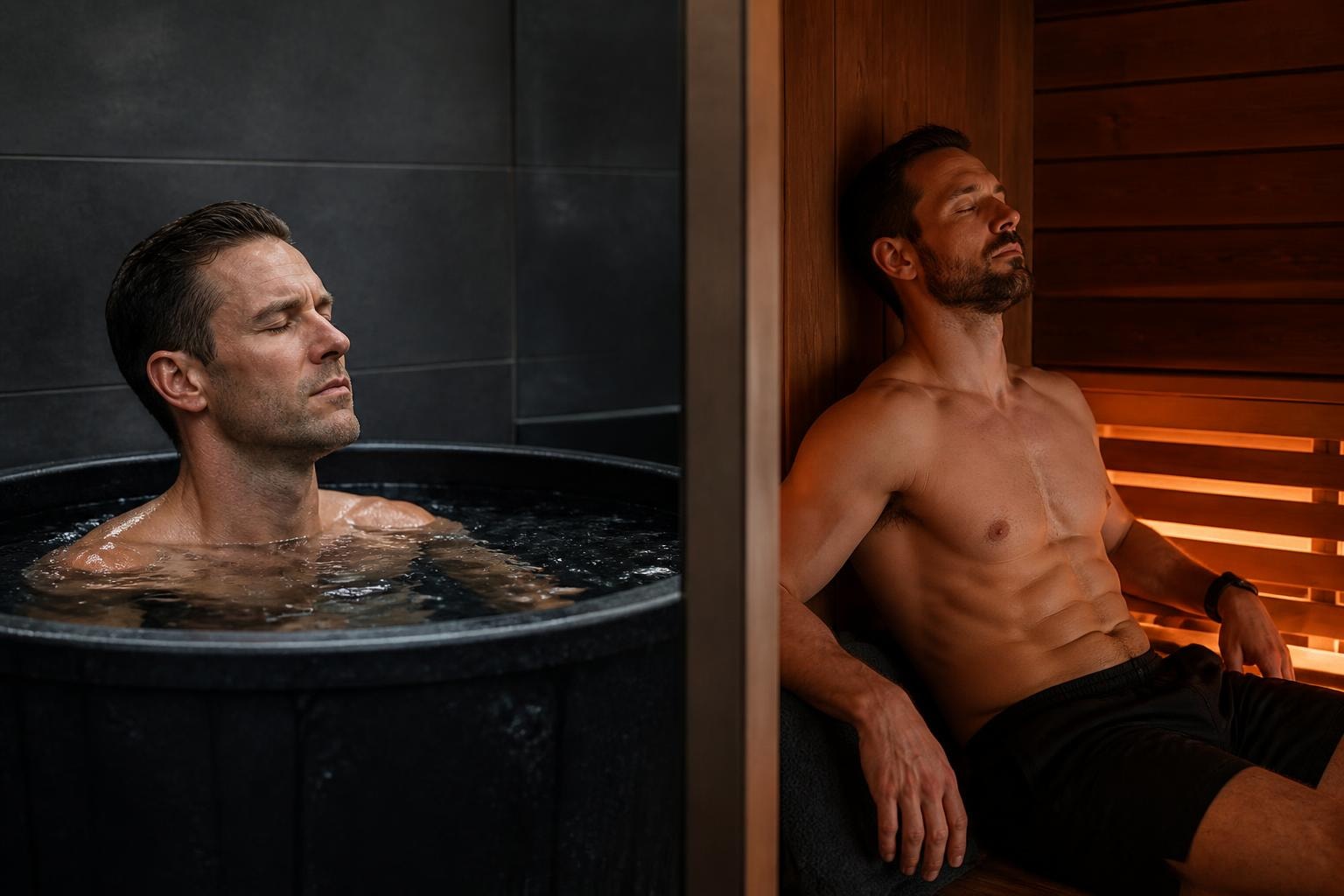
The practice of alternating between extreme heat and cold has become one of the most talked-about wellness trends in recent years, but this therapeutic approach has roots stretching back thousands of years across multiple cultures. Modern science now validates what ancient practitioners understood intuitively: exposing the body to controlled temperature extremes triggers profound physiological responses that enhance recovery, boost circulation, strengthen immunity, and improve mental clarity. Whether you're an athlete seeking faster muscle recovery, a wellness enthusiast exploring new modalities, or someone managing chronic stress, understanding how to effectively combine cold plunge and sauna sessions can unlock significant health benefits that extend far beyond the immediate experience.
Understanding the Physiological Mechanisms
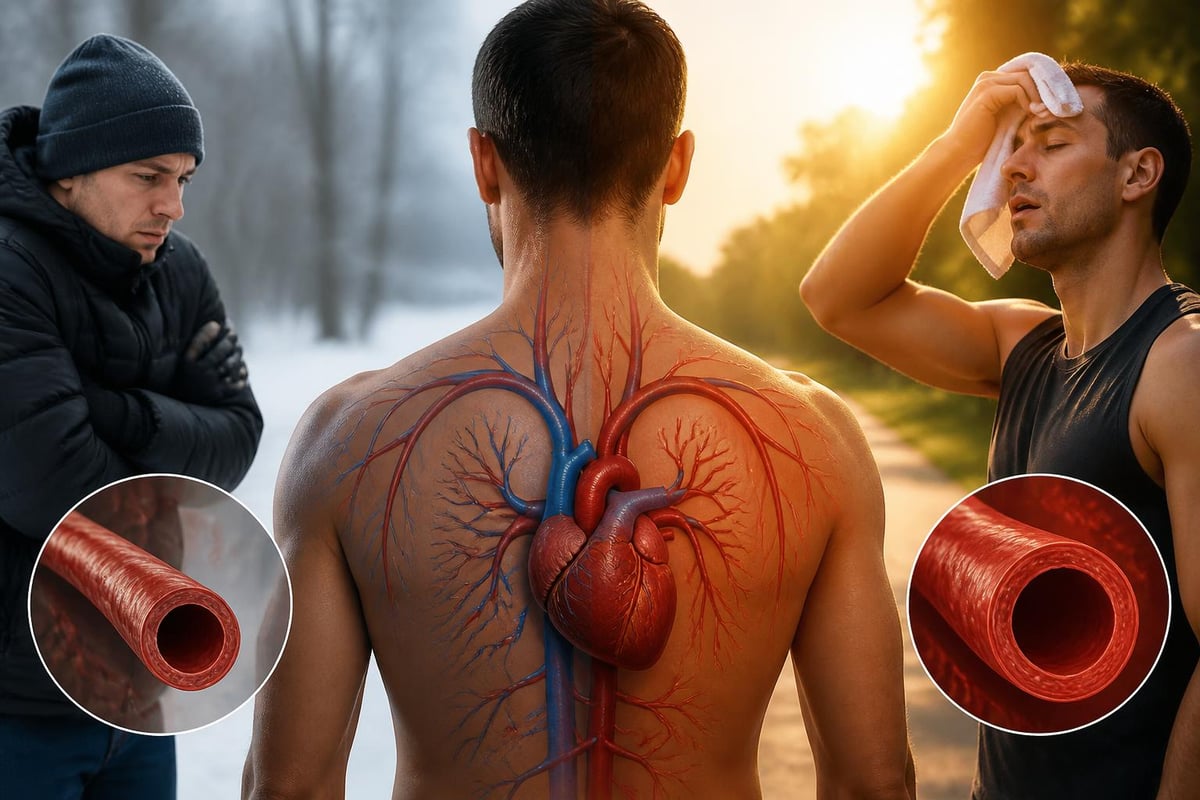
The human body responds to temperature extremes through sophisticated adaptive mechanisms that evolved to protect us from environmental threats. When you immerse yourself in cold water, vasoconstriction immediately occurs as blood vessels narrow to preserve core body temperature and protect vital organs. This process triggers the release of norepinephrine, a hormone and neurotransmitter associated with focus, alertness, and mood enhancement.
Conversely, sauna heat exposure induces vasodilation, where blood vessels expand to dissipate heat through the skin's surface. This creates a cardiovascular workout similar to moderate exercise, with heart rate increasing and blood flow improving throughout the body. The heat stress also activates heat shock proteins, which protect cells from damage and support cellular repair processes.
Cardiovascular Benefits and Circulation
Both cold plunge and sauna therapy independently offer cardiovascular advantages, but their combination creates a powerful pumping action that exercises blood vessels in ways that static temperatures cannot achieve. This vascular gymnastics strengthens arterial walls, improves endothelial function, and enhances overall circulatory efficiency.
Research shows that regular sauna use correlates with reduced risk of cardiovascular events, lower blood pressure, and improved arterial compliance. The cardiovascular effects of alternating hot and cold therapy create an enhanced training stimulus for the vascular system, potentially offering greater benefits than either modality alone.
Key cardiovascular improvements include:
- Enhanced blood flow to peripheral tissues and organs
- Improved endothelial function and arterial flexibility
- Reduced arterial stiffness and blood pressure
- Strengthened cardiovascular resilience
- Better oxygen and nutrient delivery throughout the body
Recovery and Performance Applications
Athletes and fitness enthusiasts have increasingly adopted cold plunge and sauna protocols as essential recovery tools. The science behind these applications continues to evolve, with recent research offering nuanced perspectives on optimal timing and implementation strategies.
Traditional post-workout wisdom emphasized cold therapy for reducing inflammation and muscle soreness. However, emerging evidence suggests the relationship between cold exposure and muscle adaptation is more complex than previously understood. A recent study on post-exercise recovery indicates that heat immersion may be more effective than cold for certain aspects of muscle regeneration.
Optimal Recovery Protocols
The timing and sequence of your cold plunge and sauna sessions significantly impact their effectiveness for different recovery goals. Understanding these protocols helps you customize your approach based on your specific needs and training objectives.
| Recovery Goal | Recommended Protocol | Duration | Frequency |
|---|---|---|---|
| Muscle Recovery | Sauna first, then cold plunge | 15-20 min sauna, 3-5 min cold | 3-4x weekly |
| Inflammation Reduction | Cold plunge only or before sauna | 3-8 min cold exposure | Post-training |
| General Wellness | Sauna followed by cold plunge | 20 min sauna, 3 min cold | 4-5x weekly |
| Mental Clarity | Cold plunge morning routine | 2-5 min cold immersion | Daily |
Performance benefits extend beyond physical recovery. The mental discipline required to voluntarily expose yourself to uncomfortable temperature extremes builds psychological resilience that translates to improved stress management and enhanced focus in other areas of life.
Mental Health and Neurological Benefits
The mental health advantages of cold plunging represent one of the most compelling reasons many practitioners maintain consistent practices. The immediate surge of norepinephrine and endorphins creates an acute mood elevation that many describe as natural euphoria.
Beyond the immediate effects, regular cold exposure appears to influence baseline neurotransmitter levels, potentially offering sustained improvements in mood regulation and stress resilience. The practice requires confronting discomfort voluntarily, which builds a capacity for managing difficult situations and emotions in daily life.
Stress Response and Adaptation
Cold plunge and sauna therapy both activate the body's stress response systems in controlled, predictable ways. This hormetic stress-beneficial stress in moderate doses-trains your nervous system to become more adaptive and resilient to future stressors.
The parasympathetic nervous system activation that follows cold exposure creates a profound sense of calm and relaxation. This recovery phase is where many of the long-term adaptations occur, as your body learns to regulate stress responses more efficiently.
Mental and neurological benefits include:
- Elevated mood and reduced depressive symptoms
- Enhanced focus and mental clarity
- Improved stress resilience and emotional regulation
- Better sleep quality and circadian rhythm regulation
- Increased willpower and mental discipline
Inflammation Management and Immune Function
The relationship between temperature therapy and inflammation represents a critical area of interest for those managing chronic inflammatory conditions or seeking to optimize immune function. Cold exposure provides acute anti-inflammatory effects by reducing blood flow to affected areas and decreasing cellular metabolic activity.
Sauna therapy, while temporarily increasing inflammatory markers during the session, ultimately supports anti-inflammatory pathways through heat shock protein activation and improved circulation. The combination creates a dynamic inflammatory response that may support better long-term immune regulation.
Research suggests that regular cold plunge and sauna use can influence white blood cell production and distribution, potentially enhancing immune surveillance and response capabilities. The thermal stress activates adaptive immune responses that may strengthen overall immune function over time.
Practical Implementation for Inflammation Control
For individuals managing inflammatory conditions, timing and intensity become crucial variables. Starting with moderate temperatures and shorter durations allows the body to adapt gradually while minimizing the risk of overwhelming the system.
- Begin with sauna temperatures between 150-170°F for 10-15 minutes
- Cool down naturally for 5-10 minutes between sessions
- Progress to cold plunge at 50-60°F for 2-3 minutes initially
- Gradually increase duration and decrease temperature as tolerance builds
- Monitor inflammatory markers and subjective symptoms to guide progression
Contrast Therapy Protocols and Best Practices
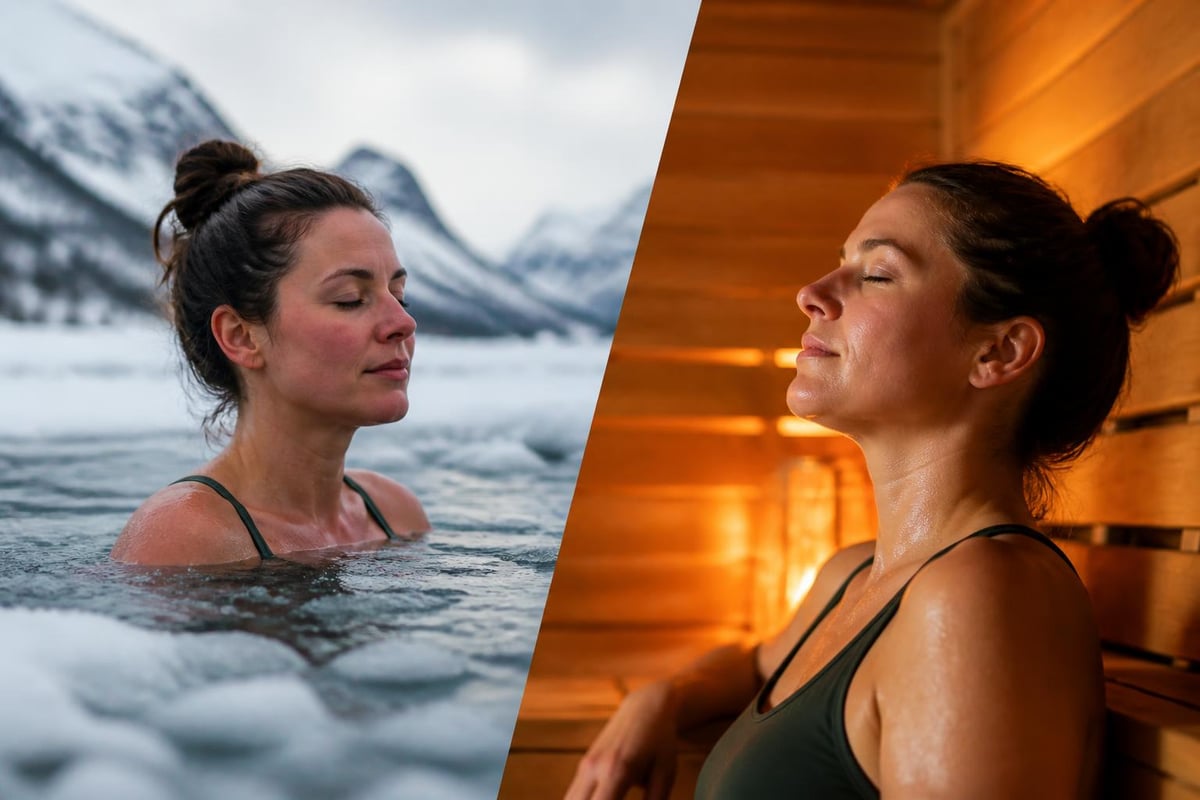
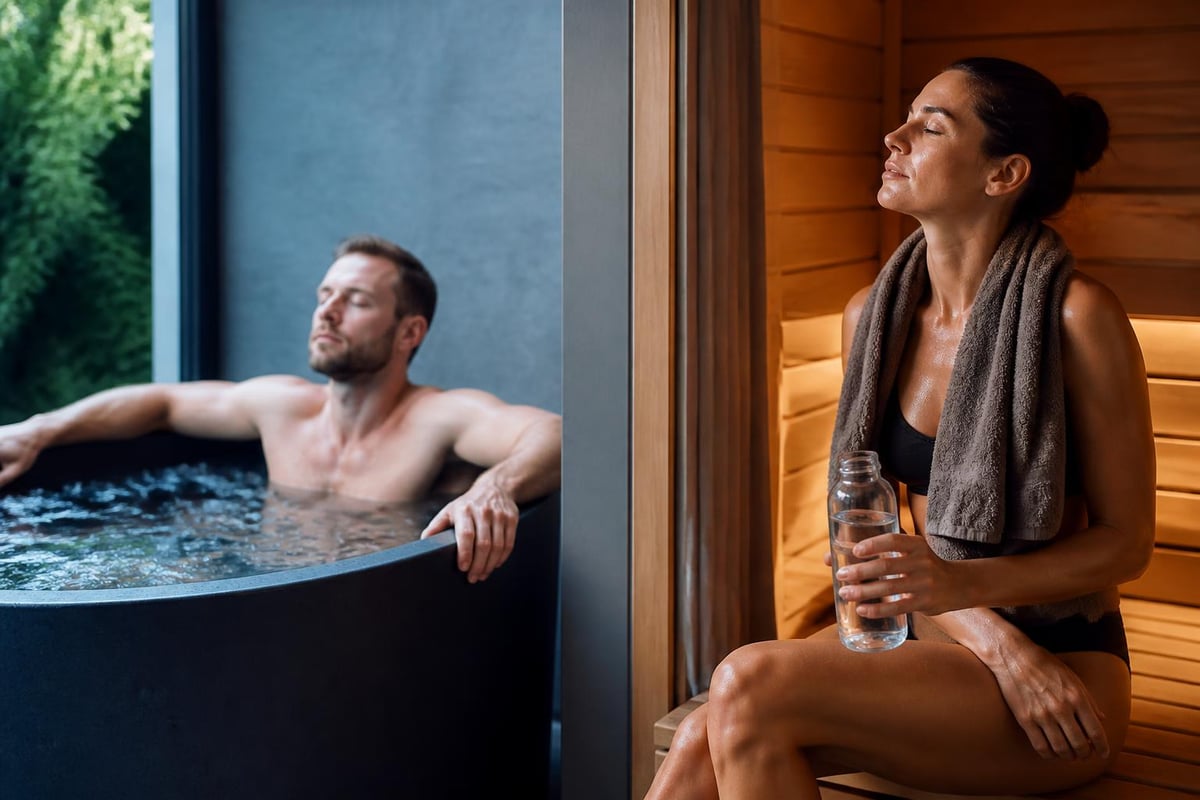
The strategic combination of cold plunge and sauna, known as contrast therapy, creates synergistic effects that exceed the benefits of either modality used independently. The science-based approach to combining these therapies emphasizes proper sequencing, timing, and recovery periods to maximize benefits while minimizing potential risks.
Traditional Scandinavian and Russian practices typically begin with heat exposure, allowing the body to warm thoroughly before cold immersion. This sequence feels more comfortable for most practitioners and may offer superior cardiovascular training effects as the body must rapidly redirect blood flow in response to the temperature transition.
Advanced Contrast Therapy Techniques
Experienced practitioners often customize their protocols based on specific goals, time constraints, and individual responses. Some prefer multiple rounds of alternating temperatures, while others extend single sessions for deeper adaptation.
Three-round contrast protocol:
- Round 1: 15 minutes sauna at 170°F, 3 minutes cold plunge at 50°F
- Round 2: 12 minutes sauna at 180°F, 3 minutes cold plunge at 45°F
- Round 3: 10 minutes sauna at 185°F, 2 minutes cold plunge at 40°F
- Final rest: 10-15 minutes at room temperature with hydration
This progressive approach intensifies thermal stress gradually while providing recovery periods between rounds. The final rest period is crucial for allowing the nervous system to integrate the experience and return to homeostasis.
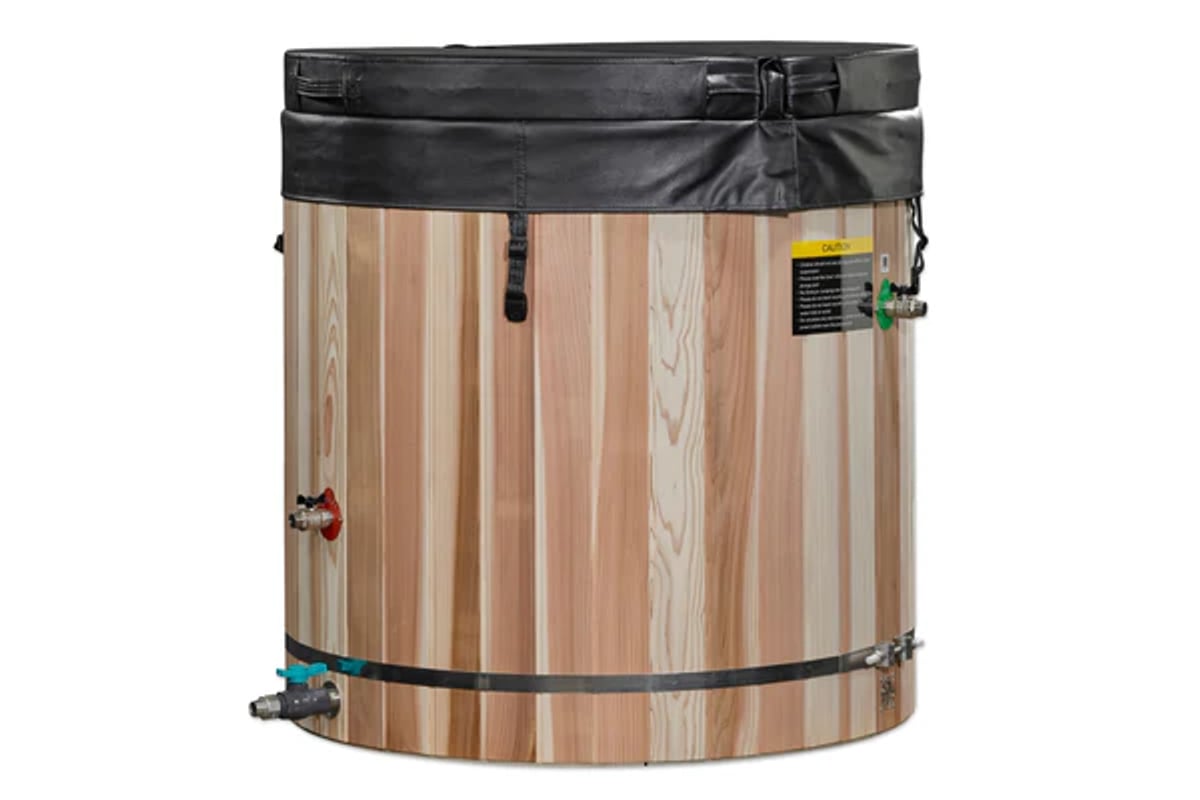
For those interested in establishing a comprehensive home wellness routine, the Dynamic Cold Therapy Barrel 304 Stainless Steel Cold Plunge offers a professional-grade solution designed to accelerate recovery and reduce inflammation. Built for performance with precise temperature control, this cold plunge integrates seamlessly with your existing sauna setup to create a complete contrast therapy system in your own space.
Safety Considerations and Contraindications
While cold plunge and sauna therapy offer numerous benefits for most healthy individuals, certain populations should exercise caution or avoid these practices entirely. Understanding potential risks and contraindications ensures safe and effective implementation.
Individuals with cardiovascular conditions, particularly uncontrolled hypertension, recent heart attacks, or unstable angina, should consult with healthcare providers before beginning any temperature therapy regimen. The rapid blood pressure fluctuations during temperature transitions can stress the cardiovascular system significantly.
Medical Conditions Requiring Caution
| Condition | Consideration | Recommendation |
|---|---|---|
| Pregnancy | Temperature regulation challenges | Avoid or use under medical supervision |
| Cardiovascular Disease | Blood pressure fluctuations | Medical clearance required |
| Kidney Disease | Fluid balance concerns | Modified protocols with monitoring |
| Diabetes | Temperature sensation impairment | Careful temperature monitoring |
| Respiratory Conditions | Heat and steam effects | Start with lower temperatures |
Dehydration represents one of the most common risks associated with sauna use, as significant fluid loss occurs through sweating. Combining sauna with cold plunge requires careful attention to hydration status, as the cold exposure may mask thirst signals while the body continues losing fluids.
Building Your Home Contrast Therapy Practice
Creating an effective cold plunge and sauna routine at home requires thoughtful planning regarding equipment selection, space requirements, and maintenance considerations. The investment in quality equipment pays dividends through years of reliable performance and consistent wellness benefits.
Modern home sauna options range from compact infrared units suitable for small spaces to traditional outdoor barrel and cabin saunas that become backyard focal points. Cold plunge solutions similarly vary from simple ice baths to sophisticated temperature-controlled systems with filtration and circulation features.
Equipment Selection Criteria
When evaluating sauna and cold plunge options for your home, prioritize build quality, temperature control capabilities, and long-term maintenance requirements. Premium materials like Canadian cedar or hemlock for saunas and stainless steel for cold plunges ensure durability and performance over decades of use.
Essential features to consider:
- Temperature range and control precision
- Energy efficiency and operating costs
- Space requirements and installation complexity
- Material quality and construction durability
- Maintenance needs and component accessibility
- Warranty coverage and manufacturer support
RecoSauna specializes in premium sauna solutions that integrate seamlessly with cold plunge protocols, offering everything from compact infrared models to spacious outdoor barrel designs crafted from authentic Canadian timber.
Temperature Ranges and Exposure Durations
Optimizing your cold plunge and sauna practice requires understanding appropriate temperature ranges and exposure durations for different experience levels and therapeutic goals. Beginning practitioners should start conservatively, allowing the body to adapt gradually to temperature extremes.
For sauna therapy, temperatures typically range from 150°F to 195°F, with traditional Finnish saunas operating at the higher end and infrared saunas functioning effectively at lower temperatures. The benefits of different sauna types vary based on heat delivery method and penetration depth.
Cold plunge temperatures generally fall between 39°F and 60°F, with most therapeutic protocols centering around 50°F. Colder temperatures create more intense physiological responses but require greater adaptation and mental fortitude to maintain safe exposure durations.
Progressive Adaptation Timeline
| Week | Sauna Duration | Sauna Temp | Cold Duration | Cold Temp |
|---|---|---|---|---|
| 1-2 | 10-12 min | 150-160°F | 1-2 min | 55-60°F |
| 3-4 | 15-18 min | 160-170°F | 2-3 min | 50-55°F |
| 5-8 | 20-25 min | 170-180°F | 3-5 min | 45-50°F |
| 9+ | 25-30 min | 180-190°F | 5-8 min | 40-45°F |
This gradual progression allows physiological adaptations to occur safely while building psychological comfort with temperature extremes. Individual responses vary considerably, so monitoring subjective experience and recovery quality should guide progression more than rigid timelines.
Complementary Wellness Practices
Maximizing the benefits of cold plunge and sauna therapy involves integrating these practices within a comprehensive wellness framework. Proper hydration, nutrition timing, breathwork, and recovery practices significantly influence outcomes and sustainable adherence.
Hydration strategies should begin well before sauna sessions, with adequate fluid intake throughout the day leading up to heat exposure. Electrolyte balance becomes particularly important during regular practice, as mineral loss through sweating can affect performance and recovery if not properly addressed.
Breathwork practices enhance both the immediate experience and long-term adaptations from temperature therapy. Controlled breathing during cold exposure helps manage the initial shock response and extends comfortable immersion time. Similarly, conscious breathing during sauna sessions supports relaxation and may enhance heat shock protein activation.
Complementary practices that enhance results:
- Pre-session hydration with electrolyte-rich fluids
- Post-session protein intake for muscle recovery
- Meditation or mindfulness during temperature exposure
- Stretching or light movement between rounds
- Quality sleep prioritization for adaptation consolidation
- Whole-food nutrition supporting inflammatory balance
The five research-backed benefits of cold plunges demonstrate how strategic implementation amplifies results, particularly when combined with supportive lifestyle practices.
Seasonal Considerations and Year-Round Practice
Maintaining consistent cold plunge and sauna routines throughout the year presents unique challenges and opportunities depending on climate and seasonal conditions. Outdoor sauna enthusiasts particularly appreciate the contrast between winter steam sessions and summer evening heat, each offering distinct experiential qualities.
Winter provides natural cold plunge opportunities in some climates, though maintaining safe water temperatures requires careful monitoring to avoid dangerous overcooling. The combination of outdoor sauna heat followed by cold immersion in snowy conditions creates one of the most invigorating wellness experiences available.
Summer heat may reduce tolerance for extended sauna sessions, suggesting protocol modifications that emphasize shorter, more frequent exposures or lower temperatures. Conversely, warm ambient temperatures make cold plunge particularly refreshing and may encourage more consistent practice during warmer months.
Adapting Protocols for Climate Variations
Regional climate differences necessitate customized approaches to temperature therapy. Those in consistently warm climates might emphasize cold exposure and use infrared saunas operating at lower ambient temperatures. Cold-climate practitioners can leverage natural winter conditions while appreciating heated sauna spaces as seasonal refuges.
Indoor facilities obviously provide year-round consistency, eliminating weather-related barriers to regular practice. However, the sensory experience of outdoor temperature therapy in natural settings offers psychological benefits that enclosed spaces cannot fully replicate.
The strategic combination of cold plunge and sauna therapy offers a powerful, scientifically-supported approach to enhancing recovery, improving cardiovascular health, and building mental resilience. Whether you're seeking athletic performance gains, stress management tools, or simply exploring evidence-based wellness practices, understanding proper protocols and safety considerations ensures you maximize benefits while minimizing risks. RecoSauna provides premium sauna solutions ranging from compact infrared units to luxurious outdoor barrel and cabin models, all crafted from authentic Canadian timber and designed to integrate seamlessly with your contrast therapy routine, helping you create a comprehensive home wellness sanctuary.
Share:
Sauna and Wellness: Complete Guide to Heat Therapy
Outdoor Electric Sauna: Complete 2026 Buyer's Guide