

The relationship between sauna and wellness has captivated health enthusiasts, medical researchers, and everyday people seeking natural ways to improve their quality of life. Heat therapy through sauna use represents one of the oldest wellness practices, with roots stretching back thousands of years across multiple cultures. In 2026, modern science continues to validate what traditional practitioners have long understood: regular sauna sessions offer measurable benefits for cardiovascular health, mental clarity, muscle recovery, and overall longevity. This comprehensive guide explores how integrating sauna practices into your routine can transform your approach to health, the different types of saunas available, and evidence-based strategies for maximizing wellness outcomes.
Understanding the Science Behind Sauna and Wellness
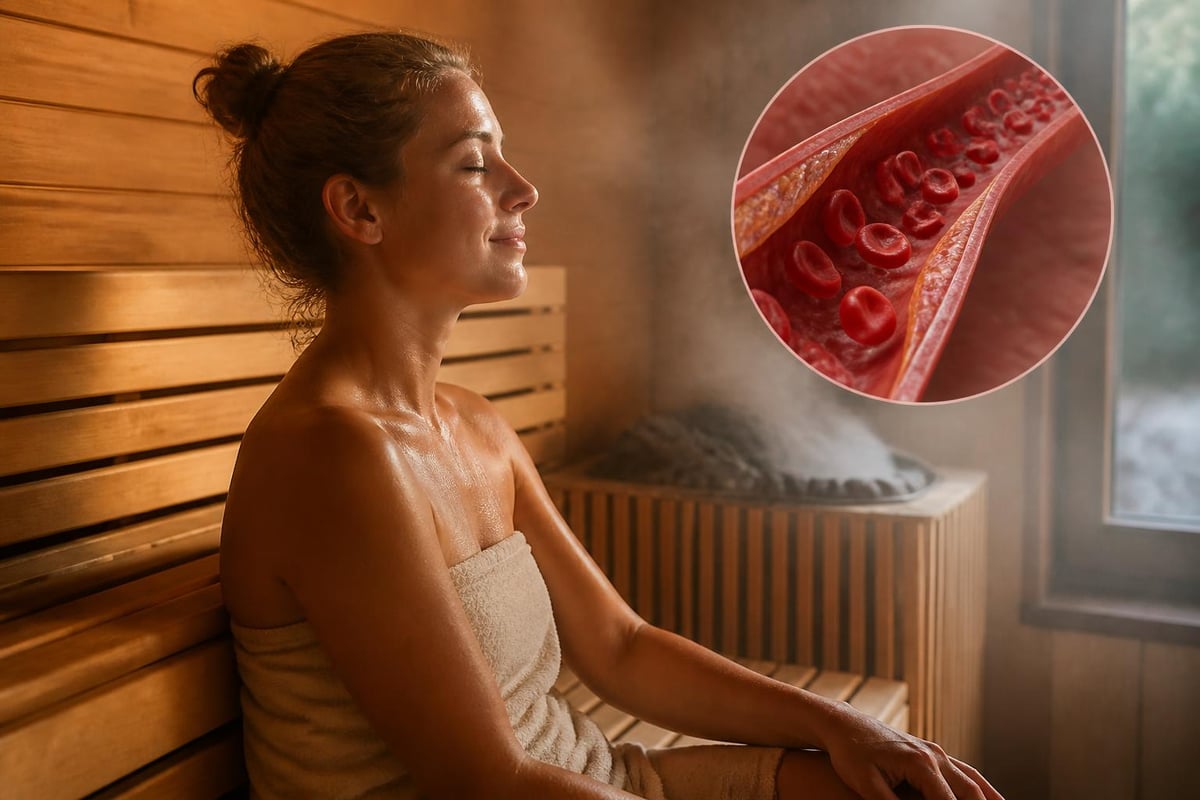
Heat exposure triggers profound physiological responses that extend far beyond simple perspiration. When you enter a sauna, your body temperature rises, prompting your cardiovascular system to increase blood flow to the skin's surface. This process mimics moderate cardiovascular exercise, with heart rate increasing significantly during sauna sessions while the body works to regulate its core temperature.
Research demonstrates that regular sauna use creates adaptations similar to endurance training. Blood vessels become more flexible, circulation improves, and the body develops better heat tolerance over time. These adaptations contribute to reduced blood pressure, improved arterial compliance, and enhanced cardiac function.
Cardiovascular Benefits and Heart Health
The connection between sauna and wellness becomes particularly evident when examining cardiovascular outcomes. Studies tracking thousands of participants over multiple years reveal compelling associations between frequent sauna use and reduced risk of cardiovascular events.
Key cardiovascular improvements include:
- Reduced systolic and diastolic blood pressure readings
- Improved endothelial function and arterial elasticity
- Enhanced cardiac output and stroke volume
- Decreased inflammation markers associated with heart disease
- Lower risk of sudden cardiac death in regular users
The heat stress experienced during sauna sessions stimulates the production of heat shock proteins, which protect cells from stress and support cardiovascular resilience. This biological response helps explain why consistent sauna use appears protective against various heart conditions.
Types of Saunas and Their Wellness Applications
Sauna and wellness practices encompass several distinct technologies, each offering unique benefits and experiences. Understanding these differences helps you select the most appropriate option for your specific health goals and preferences.
| Sauna Type | Temperature Range | Humidity Level | Primary Benefits | Ideal For |
|---|---|---|---|---|
| Traditional Finnish | 150-195°F | 10-20% (dry) | Cardiovascular conditioning, detoxification | Heat tolerance, authentic experience |
| Infrared | 120-150°F | Very low | Deep tissue penetration, joint pain relief | Sensitive users, chronic pain |
| Steam Room | 110-120°F | 100% | Respiratory benefits, skin hydration | Breathing issues, moisturizing |
| Barrel Sauna | 150-190°F | 10-20% | Efficient heating, outdoor wellness | Backyard installation, space efficiency |
Traditional wood-heated saunas provide the classic experience, with temperatures reaching the upper ranges and the option to create steam bursts by pouring water over heated rocks. This style dominates Scandinavian wellness culture and offers the most intense heat exposure.
Infrared Sauna Technology
Infrared saunas represent a modern evolution in sauna and wellness technology. Rather than heating the air around you, infrared panels emit wavelengths that penetrate directly into your tissues. This creates a different experience with several distinct advantages.
The lower operating temperature makes infrared saunas more accessible for individuals who find traditional high-heat environments uncomfortable. Proper sauna usage varies by type, with infrared sessions often extending longer than traditional sessions due to the milder ambient temperature.
Infrared wavelengths serve different therapeutic purposes:
- Near-infrared: Supports skin health, wound healing, and cellular regeneration
- Mid-infrared: Targets deeper tissues for pain relief and improved circulation
- Far-infrared: Promotes detoxification and cardiovascular conditioning through deep heat penetration
Full-spectrum infrared saunas combine all three wavelengths, providing comprehensive wellness benefits in a single session. The ability to control specific wavelengths allows users to customize their experience based on immediate needs.
Establishing an Effective Sauna Wellness Routine
The key to maximizing sauna and wellness benefits lies in consistency and proper technique. Random, occasional use provides limited benefits compared to a structured routine that allows your body to adapt and respond to regular heat exposure.
Frequency and Duration Guidelines
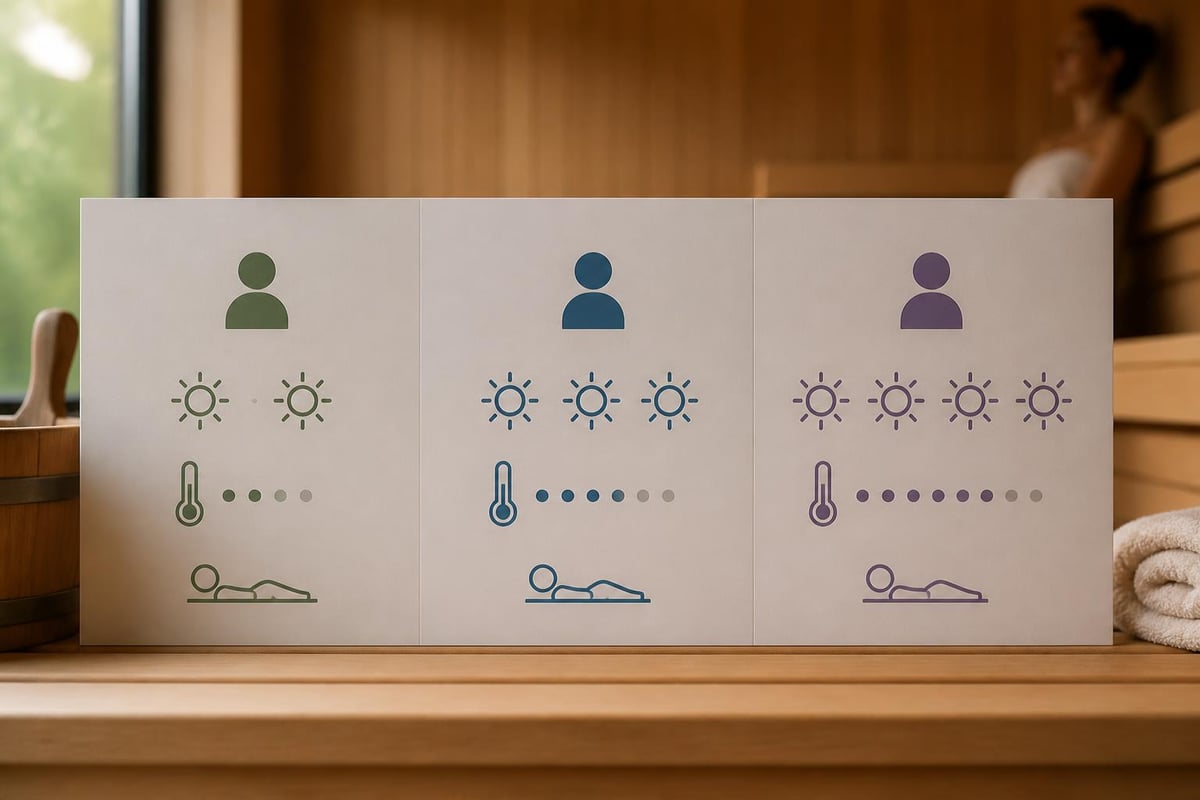
Building an effective sauna practice requires balancing frequency, duration, and intensity. Research suggests that four to seven sessions per week produce the most pronounced health benefits, though even two to three weekly sessions provide measurable improvements.
Recommended session parameters:
- Beginners: Start with 10-12 minutes at moderate temperatures (140-160°F)
- Intermediate users: Progress to 15-20 minutes at higher temperatures (160-180°F)
- Advanced practitioners: Build tolerance for 20-30 minutes at peak temperatures (180-195°F)
- Infrared sessions: Extend to 30-45 minutes due to lower ambient temperatures
Listen to your body's signals throughout each session. Dizziness, nausea, or excessive discomfort indicate the need to cool down immediately. Understanding sauna safety helps prevent adverse events while maximizing wellness gains.
Hydration and Nutrition Strategies
Sauna and wellness practices place significant demands on your body's hydration systems. A typical 20-minute session can produce one to two pounds of fluid loss through perspiration, making strategic hydration essential for safety and performance.
Pre-session preparation:
- Consume 16-20 ounces of water 30 minutes before entering
- Avoid alcohol for at least 4 hours prior to sauna use
- Eat a light meal 1-2 hours beforehand to stabilize blood sugar
- Consider electrolyte supplementation for extended sessions
During and after sauna use, continue replenishing fluids progressively rather than consuming large quantities at once. Adding minerals like sodium, potassium, and magnesium helps replace electrolytes lost through sweating.
Integrating Contrast Therapy for Enhanced Recovery
The combination of heat and cold exposure creates powerful wellness synergies that surpass the benefits of either modality alone. This practice, known as contrast therapy, has gained significant traction among athletes, wellness enthusiasts, and recovery-focused individuals.
Alternating between sauna heat and cold water immersion triggers vasoconstriction and vasodilation cycles that flush metabolic waste products from tissues while delivering fresh, oxygenated blood. The thermal contrast stimulates the lymphatic system, supports immune function, and accelerates recovery from intense physical activity.
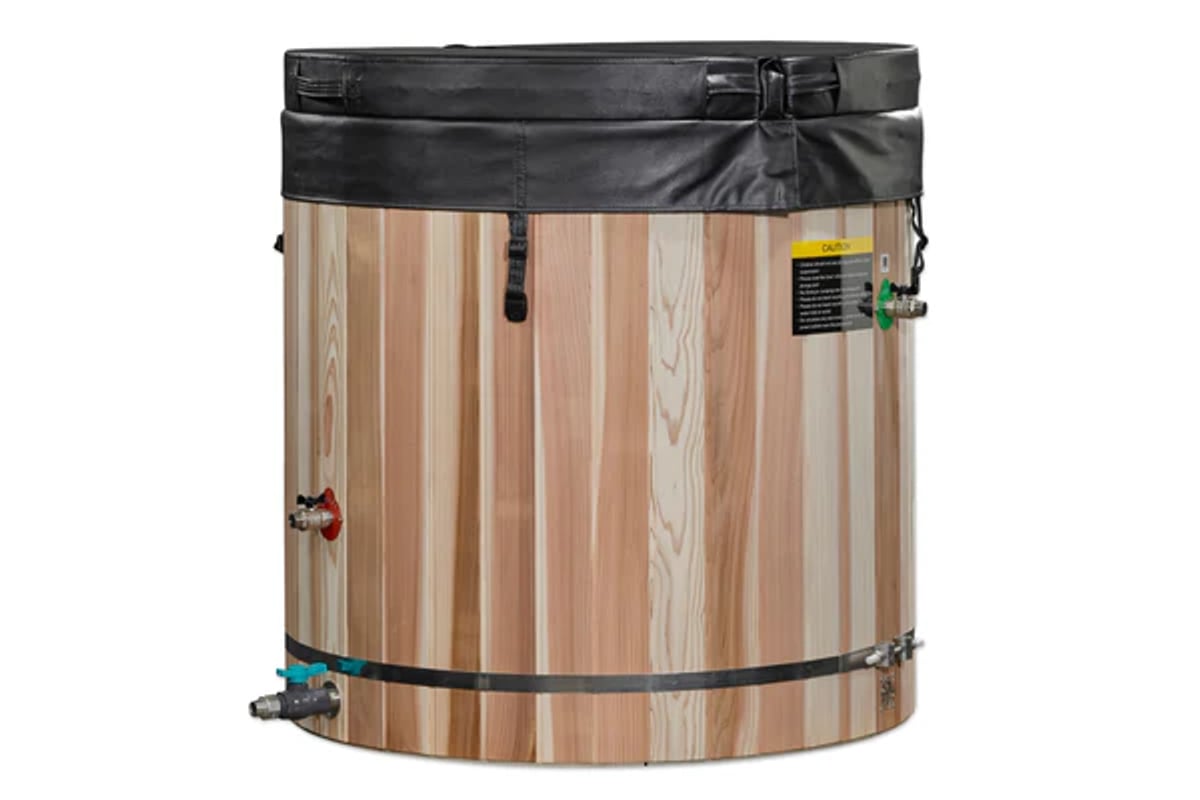
For those committed to comprehensive recovery protocols, pairing sauna sessions with cold plunge practices creates an optimal stimulus. The Dynamic Cold Therapy Barrel 304 Stainless Steel Cold Plunge offers a professional-grade solution for home contrast therapy, allowing you to transition seamlessly between heat and cold exposure for maximum physiological benefit.
Contrast Therapy Protocols
Implementing effective contrast therapy requires understanding proper timing and temperature differentials. The goal is to create sufficient stress to trigger adaptation without overwhelming the body's regulatory systems.
| Protocol Type | Heat Duration | Cold Duration | Cycles | Total Time | Best For |
|---|---|---|---|---|---|
| Recovery Focus | 15 minutes | 3-5 minutes | 2-3 | 35-50 min | Post-workout recovery |
| Immune Support | 20 minutes | 2-3 minutes | 3-4 | 65-90 min | General wellness |
| Performance Prep | 10 minutes | 90 seconds | 4-5 | 45-55 min | Pre-competition |
| Stress Relief | 15 minutes | 1-2 minutes | 2 | 30-35 min | Mental wellness |
Always end contrast sessions with cold exposure to close pores, reduce inflammation, and promote alertness. This sequence provides the most sustainable energy and recovery benefits throughout the remainder of your day.
Mental Health and Stress Reduction Benefits
While physical health benefits dominate sauna and wellness discussions, the mental and emotional impacts prove equally significant. The quiet, meditative environment of a sauna creates natural opportunities for mindfulness, reflection, and stress processing.
Heat exposure influences neurotransmitter production, particularly increasing beta-endorphin levels that create feelings of well-being and relaxation. Regular sauna users report improved mood, reduced anxiety symptoms, and better stress resilience. The forced disconnection from digital devices and external demands allows your nervous system to shift from sympathetic (fight-or-flight) to parasympathetic (rest-and-digest) dominance.
Meditation and Mindfulness Practices
Combining sauna use with intentional mindfulness practices amplifies both activities' benefits. The physical sensations of heat provide an excellent anchor for attention, helping even novice meditators maintain focus.
Effective sauna meditation techniques:
- Breath awareness: Focus on the natural rhythm of inhalation and exhalation, noticing how heat affects breathing patterns
- Body scanning: Systematically direct attention through different body regions, observing sensations without judgment
- Visualization: Use the warm, enclosed environment to imagine stress leaving your body with each breath
- Gratitude practice: Reflect on positive aspects of your life while enjoying the relaxation response
These practices transform sauna time from passive heat exposure into active wellness work, creating mental benefits that extend far beyond the session itself.
Safety Considerations and Contraindications
Responsible sauna and wellness practices require understanding when heat therapy is appropriate and when it poses risks. While generally safe for healthy adults, certain conditions warrant caution or medical consultation before beginning regular sauna use.
Medical professionals emphasize specific precautions for individuals with cardiovascular conditions, pregnancy, or certain medications. Heat exposure lowers blood pressure, which benefits most people but can create complications for those with hypotension or taking blood pressure medications.
Populations Requiring Extra Caution
Individuals who should consult healthcare providers before sauna use:
- Pregnant women, especially during the first trimester
- People with uncontrolled hypertension or recent cardiac events
- Those taking medications affecting thermoregulation or blood pressure
- Individuals with multiple sclerosis or conditions affecting temperature sensitivity
- Anyone with recent injuries, surgical sites, or active infections
Children can safely use saunas under supervision, though at lower temperatures and shorter durations than adults. Their smaller body mass and less developed thermoregulation systems require more conservative approaches.
Sauna Design and Installation Considerations
Creating an effective home sauna and wellness space involves more than purchasing equipment. Proper planning ensures safety, longevity, and optimal performance from your investment. Whether choosing an outdoor barrel sauna, indoor cabin design, or infrared model, specific considerations apply to each installation.
Fire safety represents a critical concern, particularly with traditional wood-burning heaters. Proper clearances from combustible materials, adequate ventilation, and regular maintenance prevent the majority of sauna-related incidents.
Essential installation factors:
- Electrical requirements: Infrared and electric heaters typically need dedicated 220-240V circuits
- Ventilation systems: Fresh air intake and exhaust vents maintain air quality and temperature control
- Flooring materials: Water-resistant, slip-resistant surfaces prevent accidents and moisture damage
- Door design: Outward-swinging doors with non-locking mechanisms ensure safe emergency exits
- Lighting: Heat-resistant fixtures with appropriate moisture ratings prevent electrical hazards
Outdoor installations offer unique advantages, including natural ventilation, separation from living spaces, and the ability to enjoy seasonal changes. Quality outdoor saunas from manufacturers like LeisureCraft provide weather-resistant construction specifically engineered for year-round performance in varying climates.
Maintaining Your Sauna for Optimal Performance
Regular maintenance ensures your sauna and wellness investment delivers consistent benefits over decades of use. Wood saunas require specific care to preserve their natural properties and prevent degradation, while infrared units need different attention focused on electrical components and heating elements.
Wood Sauna Care Protocols
Natural wood construction provides authentic aesthetics and pleasant aromatics, but requires periodic maintenance to maintain these qualities. Cedar, hemlock, and other sauna woods resist moisture naturally, yet benefit from protective measures.
- After each use: Wipe down benches and surfaces to remove excess moisture and body oils
- Weekly cleaning: Use mild, sauna-safe cleaners to maintain hygiene without damaging wood
- Monthly inspection: Check for loose boards, damaged vents, or signs of excessive moisture retention
- Annual treatment: Consider light sanding and specialized wood treatment to restore finish
- Heater maintenance: Inspect rocks for deterioration, clean heating elements, verify proper function
Proper ventilation between sessions allows interior wood to dry completely, preventing mold growth and extending structural lifespan. Leave the door open for 30-60 minutes after use to promote air circulation.
Enhancing Your Wellness Journey
Sauna and wellness practices gain additional value when integrated into comprehensive health strategies. Rather than viewing heat therapy as an isolated intervention, consider how it complements other wellness activities you pursue.
Synergistic wellness combinations:
- Exercise and sauna: Post-workout heat exposure accelerates recovery and enhances adaptation
- Yoga and stretching: Performing gentle flexibility work in sauna warmth increases range of motion
- Aromatherapy: Adding essential oils to sauna water creates multi-sensory relaxation experiences
- Social connection: Sharing sauna time with family or friends builds relationships while promoting health
- Sleep optimization: Evening sauna sessions followed by cooling promotes deep, restorative sleep
These integrations create lifestyle patterns that support long-term adherence. When sauna use becomes woven into your daily or weekly rhythms rather than feeling like an added obligation, consistency becomes natural.
Professional Guidance and Personalization
While general guidelines provide valuable starting points, individual responses to sauna and wellness practices vary significantly. Factors including age, fitness level, health status, and specific goals all influence optimal protocols.
Working with healthcare providers familiar with heat therapy helps customize your approach. Physical therapists, naturopathic doctors, and integrative medicine practitioners can provide personalized recommendations based on your unique circumstances and objectives.
Questions to discuss with wellness professionals:
- What temperature and duration ranges suit my current health status?
- How should I modify protocols around medications or treatments?
- What warning signs should prompt me to discontinue or modify use?
- How can I track and measure progress toward specific wellness goals?
- Are there complementary therapies that would enhance my results?
This collaborative approach ensures your sauna practice remains safe, effective, and aligned with your broader health strategy.
Tracking Progress and Measuring Results
Quantifying sauna and wellness benefits helps maintain motivation and allows protocol adjustments based on objective data. Modern wearable technology makes tracking many relevant metrics straightforward and accessible.
| Metric | Tracking Method | What It Reveals | Target Trend |
|---|---|---|---|
| Resting Heart Rate | Morning measurement pre-activity | Cardiovascular fitness improvement | Gradual decrease |
| Heart Rate Variability | Wearable device during sleep | Stress resilience and recovery | Gradual increase |
| Blood Pressure | Home monitor, consistent timing | Cardiovascular health status | Movement toward optimal range |
| Sleep Quality | Sleep tracking app or device | Recovery and nervous system balance | Improved duration and deep sleep % |
| Subjective Well-being | Daily journal or mood app | Overall quality of life impact | Positive trend over weeks |
Beyond numbers, qualitative observations matter equally. Notice changes in energy levels, mental clarity, pain levels, stress tolerance, and overall sense of vitality. These subjective improvements often manifest before objective measurements shift significantly.
Sauna and wellness practices offer accessible, evidence-based approaches to improving multiple dimensions of health simultaneously. From cardiovascular conditioning and muscle recovery to stress reduction and mental clarity, regular heat exposure creates measurable benefits that compound over time. Whether you're drawn to traditional Finnish saunas, modern infrared technology, or outdoor barrel designs, the key lies in consistent practice tailored to your individual needs and goals. RecoSauna provides premium sauna solutions including outdoor barrel saunas, cabin models, and infrared options from leading North American manufacturers, helping you create the perfect home wellness sanctuary. Explore their collection of high-quality Canadian Timber saunas and find the ideal model to begin or enhance your heat therapy journey today.
Share:
Sauna Pod: Complete Guide to Modern Wellness Solutions
Cold Plunge and Sauna: Recovery & Wellness Guide