
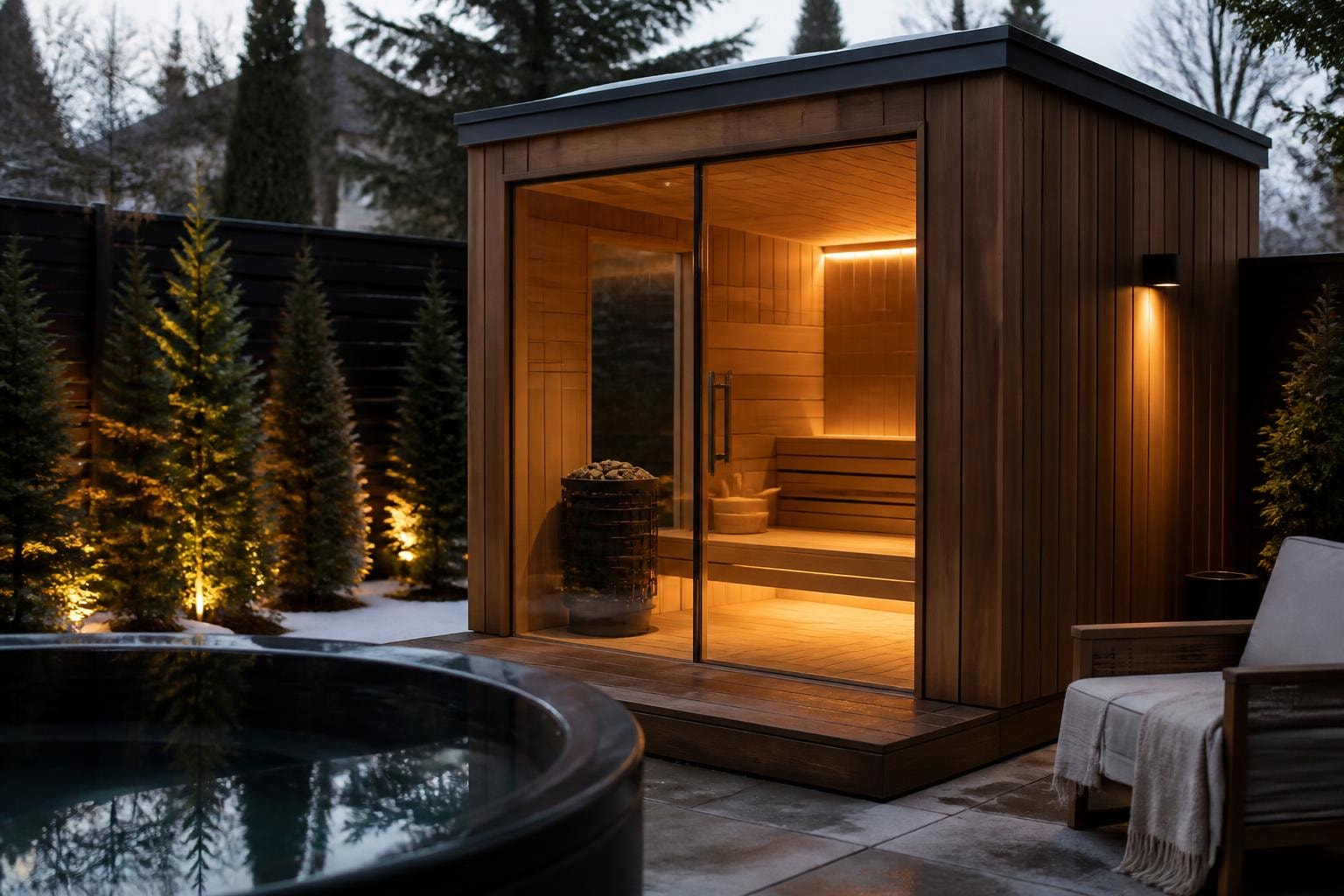
An outdoor electric sauna transforms your backyard into a personal wellness retreat, combining the therapeutic benefits of traditional heat bathing with the convenience of modern electric heating technology. Unlike wood-burning alternatives, electric models offer precise temperature control, minimal maintenance, and simpler installation processes that make them increasingly popular among homeowners seeking year-round relaxation. Whether you're planning a compact two-person unit or a spacious family-sized structure, understanding the nuances of outdoor electric sauna design, placement, and operation ensures you make an informed investment that delivers decades of health benefits and enjoyment.
Understanding Outdoor Electric Sauna Technology
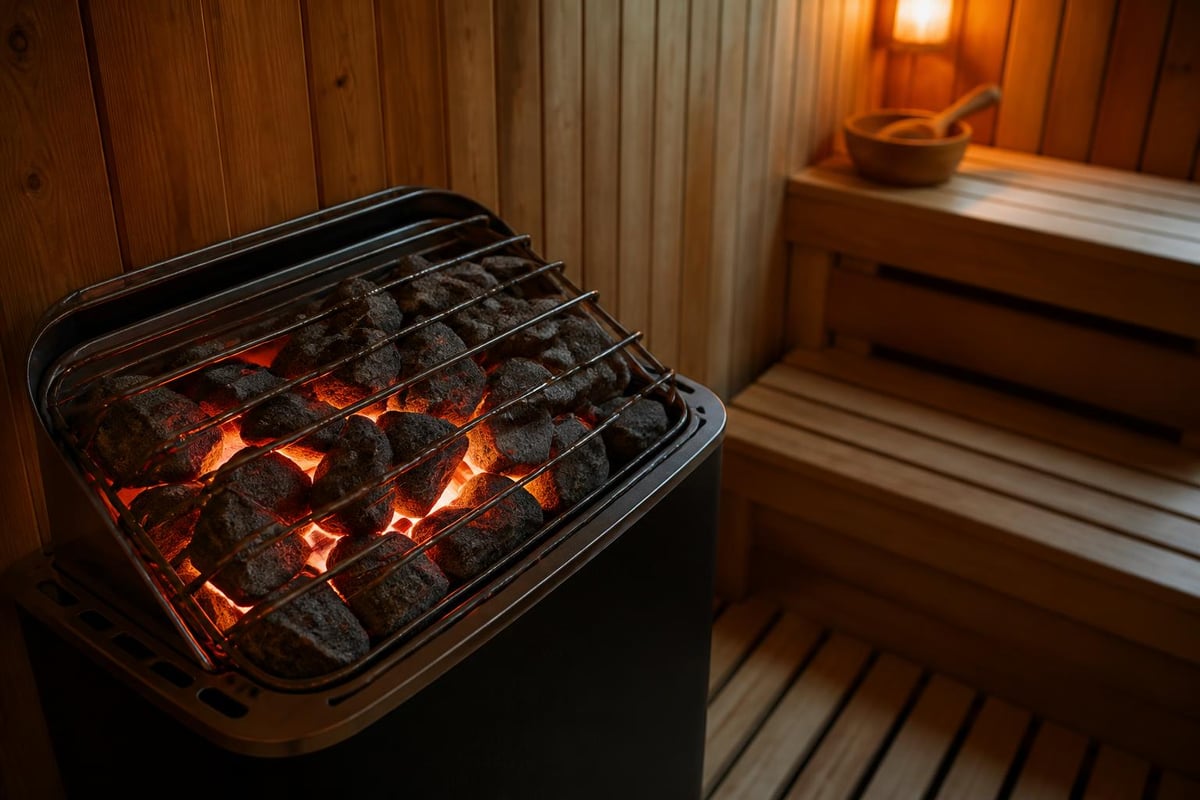
The core advantage of an outdoor electric sauna lies in its heating system. Electric heaters warm sauna stones to optimal temperatures, typically between 150°F and 195°F, creating the dry heat environment essential for authentic sauna experiences. These units plug into standard or dedicated electrical circuits depending on their power requirements, eliminating the need for wood storage, fire management, or chimney maintenance.
Modern electric sauna heaters feature digital controls that allow users to preset temperatures, set timers, and maintain consistent heat levels throughout sessions. This precision proves particularly valuable for families with varying heat preferences or individuals following specific therapeutic protocols. The reliability of electric systems means your sauna reaches target temperatures predictably, usually within 30 to 45 minutes depending on size and insulation quality.
Power Requirements and Electrical Planning
Most residential outdoor electric saunas require dedicated 240-volt circuits, similar to electric dryers or ranges. Smaller units designed for one or two people may operate on 120-volt household current, but larger models typically demand 30 to 60 amp service. Before purchasing, consult with a licensed electrician to assess your existing electrical capacity and determine whether panel upgrades are necessary.
The electrical requirements for outdoor saunas vary significantly based on cubic footage and desired heating performance. A compact four-by-four-foot sauna might need only a 4.5 kW heater, while an eight-by-ten-foot cabin-style structure could require an 8 kW or larger unit. Distance from your main electrical panel also affects installation costs, as longer wire runs increase material and labor expenses.
| Sauna Size | Typical Heater Size | Voltage | Amperage | Circuit Breaker |
|---|---|---|---|---|
| 2-3 person | 4.5-6 kW | 240V | 30A | 40A |
| 4-5 person | 6-8 kW | 240V | 40A | 50A |
| 6+ person | 8-10 kW | 240V | 50A | 60A |
Ground fault circuit interrupter (GFCI) protection is mandatory for outdoor installations, providing critical safety against electrical faults in wet or damp conditions. Your electrician should install a weatherproof disconnect box within sight of the sauna, allowing emergency power shutoff without accessing your main panel.
Types of Outdoor Electric Saunas
The outdoor electric sauna market offers several distinct styles, each with unique aesthetic and functional characteristics. Barrel saunas feature cylindrical construction that promotes efficient heat circulation and creates a distinctive visual focal point in landscaped yards. Their curved walls minimize interior surface area, reducing heat loss and energy consumption compared to rectangular alternatives of similar capacity.
Cabin-style outdoor electric saunas provide traditional architecture with vertical walls and peaked or flat roofs. These structures often include changing rooms, covered porches, or storage areas, making them ideal for properties with ample space and homeowners prioritizing versatility. The rectangular interior accommodates standard bench configurations and feels more spacious for users accustomed to commercial gym saunas.
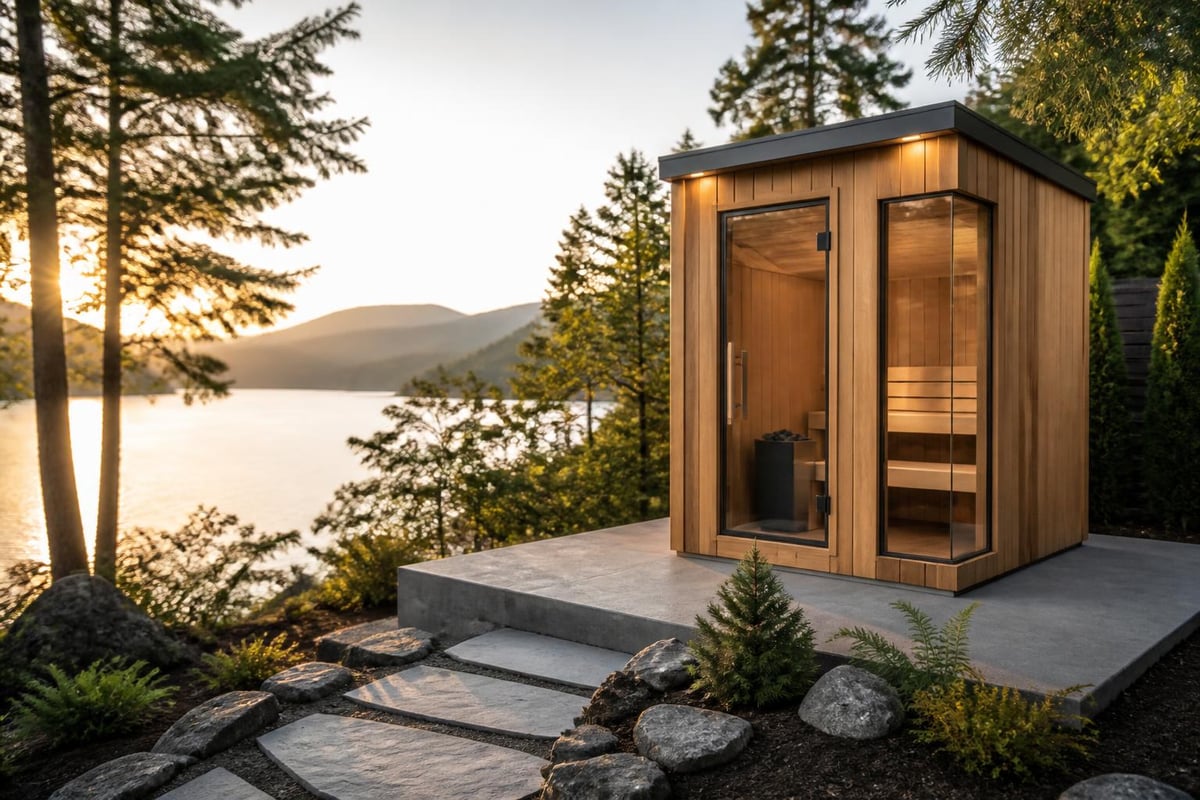
Pod and modular designs represent the newest evolution in outdoor sauna construction. These contemporary units feature sleek lines, large glass panels, and space-efficient footprints perfect for urban backyards or modern architectural settings. Many pod saunas arrive as complete prefabricated units requiring only electrical connection and minimal assembly.
Material Considerations
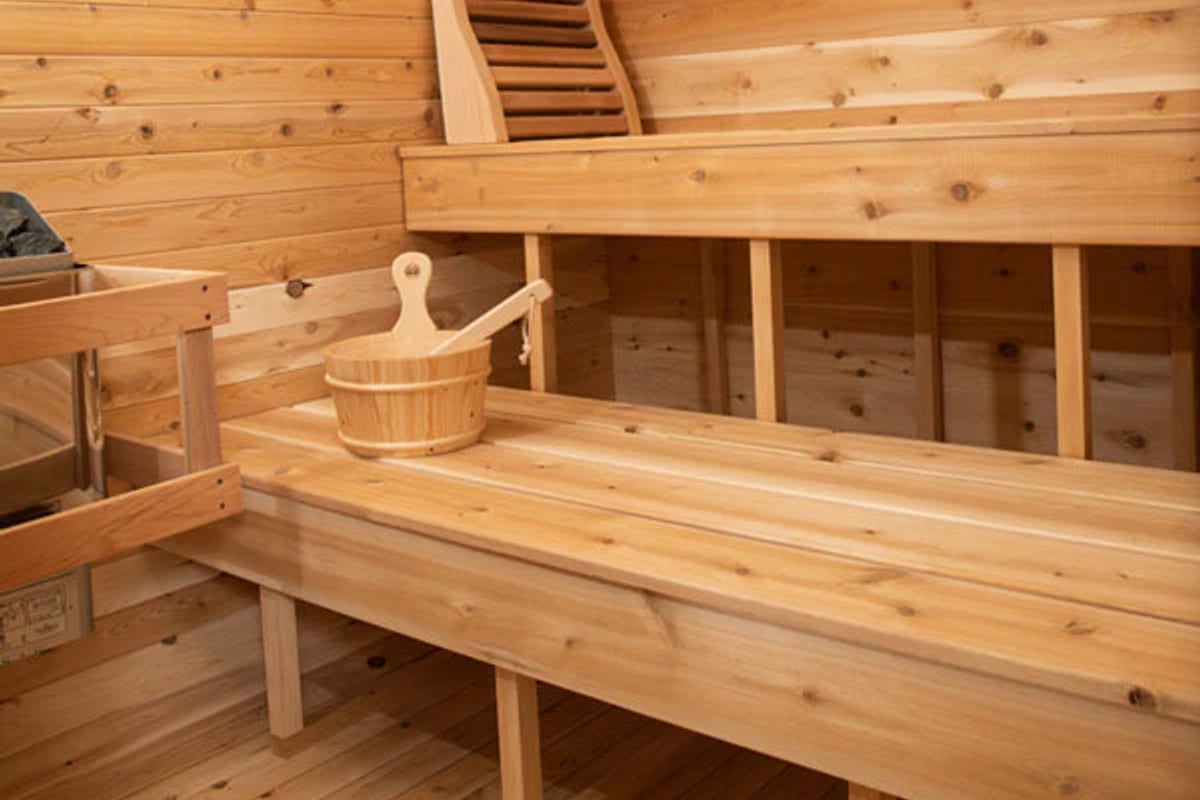
Premium outdoor electric saunas utilize naturally rot-resistant woods like Western Red Cedar, Eastern White Cedar, or Nordic Spruce. Cedar species offer exceptional durability against moisture, insects, and temperature fluctuations while releasing pleasant aromatic compounds when heated. The wood's natural oils act as preservatives, extending structural lifespan without chemical treatments.
Wall thickness directly impacts heat retention and energy efficiency. Quality outdoor units feature minimum one-inch thick tongue-and-groove boards, while premium models may incorporate 1.5 to 2-inch panels with additional insulation layers. Thicker walls reduce heat loss during winter use and help maintain stable temperatures in varying weather conditions, as discussed in this comprehensive outdoor sauna guide.
The Canadian Timber Luna Sauna by LeisureCraft exemplifies modern outdoor electric sauna design with its striking Eastern White Cedar construction and contemporary aesthetic. Built for year-round Canadian weather, it combines traditional craftsmanship with innovative panel assembly systems that simplify installation while maintaining structural integrity.
Glass elements require tempered safety glass rated for thermal stress and impact resistance. Bronze or gray tinting reduces heat loss through transparent surfaces while maintaining visibility and natural light. Door seals and weather stripping prevent drafts and moisture infiltration, critical factors for maintaining efficiency and preventing wood degradation.
Installation and Placement Strategies
Selecting the optimal location for your outdoor electric sauna requires balancing practical considerations with aesthetic preferences. Outdoor sauna placement should account for electrical access, drainage, privacy, seasonal sun exposure, and proximity to your home. Most homeowners position units 10 to 50 feet from their house, close enough for convenient access but distant enough to create a distinct wellness zone.
Foundation options include:
- Concrete slabs (most durable, excellent drainage)
- Gravel beds with paver bases (cost-effective, good drainage)
- Pressure-treated timber platforms (elevated, prevents ground moisture)
- Composite deck extensions (integrated aesthetic, existing infrastructure)
Proper drainage prevents water accumulation beneath and around your sauna. Slight foundation slopes direct runoff away from the structure, while French drains or gravel trenches handle heavier moisture loads in areas with high precipitation. Standing water accelerates wood deterioration and creates slip hazards on access paths.
Privacy considerations vary by property layout and personal preferences. Strategic positioning relative to fences, hedges, or mature trees creates natural screening without completely isolating the sauna from your home. Some homeowners prefer open placement showcasing their sauna as a landscape feature, while others prioritize seclusion for uninterrupted relaxation.
Climate Adaptability
One significant advantage of an outdoor electric sauna is its year-round functionality across diverse climates. Properly insulated units operate efficiently in subfreezing winter temperatures and hot summer conditions. Winter sauna sessions offer unique contrast therapy opportunities, alternating between intense interior heat and cold outdoor air or snow exposure.
Summer use requires adequate ventilation to prevent overheating before sessions begin. Vents positioned near ceiling level and lower wall sections create convection currents that flush hot air when not in active use. Shade from pergolas, trees, or strategic orientation minimizes direct sun exposure that can raise ambient interior temperatures uncomfortably.
The outdoor infrared sauna installation considerations also apply to traditional electric models, particularly regarding weatherproofing electrical connections and protecting control panels from moisture intrusion. Weatherproof junction boxes, sealed cable entries, and proper grounding ensure safe operation regardless of seasonal conditions.
Operating Costs and Energy Efficiency
Monthly operating costs for an outdoor electric sauna depend on usage frequency, local electricity rates, heater size, and insulation quality. A typical 6 kW sauna running three hours weekly at $0.13 per kilowatt-hour costs approximately $10 monthly or $120 annually. Frequent users or those with larger units may see costs double or triple these baseline estimates.
Energy-saving strategies include:
- Preheat only when needed rather than maintaining standby temperatures
- Limit door openings during sessions to prevent heat loss
- Install timer controls that prevent accidental extended operation
- Add supplemental insulation beneath benches and behind heater walls
- Use insulated sauna blankets or covers during inactive periods
Peak versus off-peak electricity rates significantly affect operational economics in regions with time-of-use pricing. Scheduling sauna sessions during lower-rate evening or weekend hours reduces costs by 20 to 40 percent compared to peak afternoon periods. Smart home integration allows remote preheating timed to capture favorable rate windows.
Modern electric heaters achieve 95+ percent energy conversion efficiency, transforming nearly all consumed electricity into heat. However, overall system efficiency depends heavily on structural heat retention. Poorly insulated or drafty saunas waste energy maintaining temperatures, while quality construction holds heat with minimal continuous power input after reaching target temperatures.
Health Benefits and Wellness Integration
Regular outdoor electric sauna use supports cardiovascular health through heat-induced increased heart rate and circulation. Sessions typically elevate heart rate to levels comparable with moderate exercise, providing cardiovascular conditioning benefits particularly valuable during winter months when outdoor activity decreases. Research indicates consistent sauna bathing correlates with reduced risk of cardiovascular events and improved vascular function.
Detoxification occurs through profuse sweating, eliminating trace metals, chemical residues, and metabolic waste products through skin pores. While kidneys and liver handle primary detoxification, sweating provides an additional elimination pathway that may reduce total body burden of environmental toxins accumulated through diet and air exposure.
Mental health advantages include:
- Stress reduction through parasympathetic nervous system activation
- Improved sleep quality from temperature-related circadian rhythm effects
- Meditation and mindfulness practice in distraction-free environments
- Social connection during shared family or friend sessions
- Seasonal affective disorder mitigation through consistent heat exposure
Muscle recovery and pain relief result from increased blood flow to sore or injured tissues. Heat relaxes tight muscles, reduces inflammation mediators, and accelerates healing processes. Athletes frequently incorporate sauna sessions into training recovery protocols, finding reduced muscle soreness and improved flexibility with consistent use.
The outdoor setting amplifies wellness benefits beyond indoor equivalents. Fresh air exposure between heat cycles provides respiratory benefits and enhances the contrast therapy experience. Natural surroundings visible through windows create calming visual environments that deepen relaxation responses, while seasonal variations in outdoor ambiance prevent monotonous routine.
Maintenance and Longevity
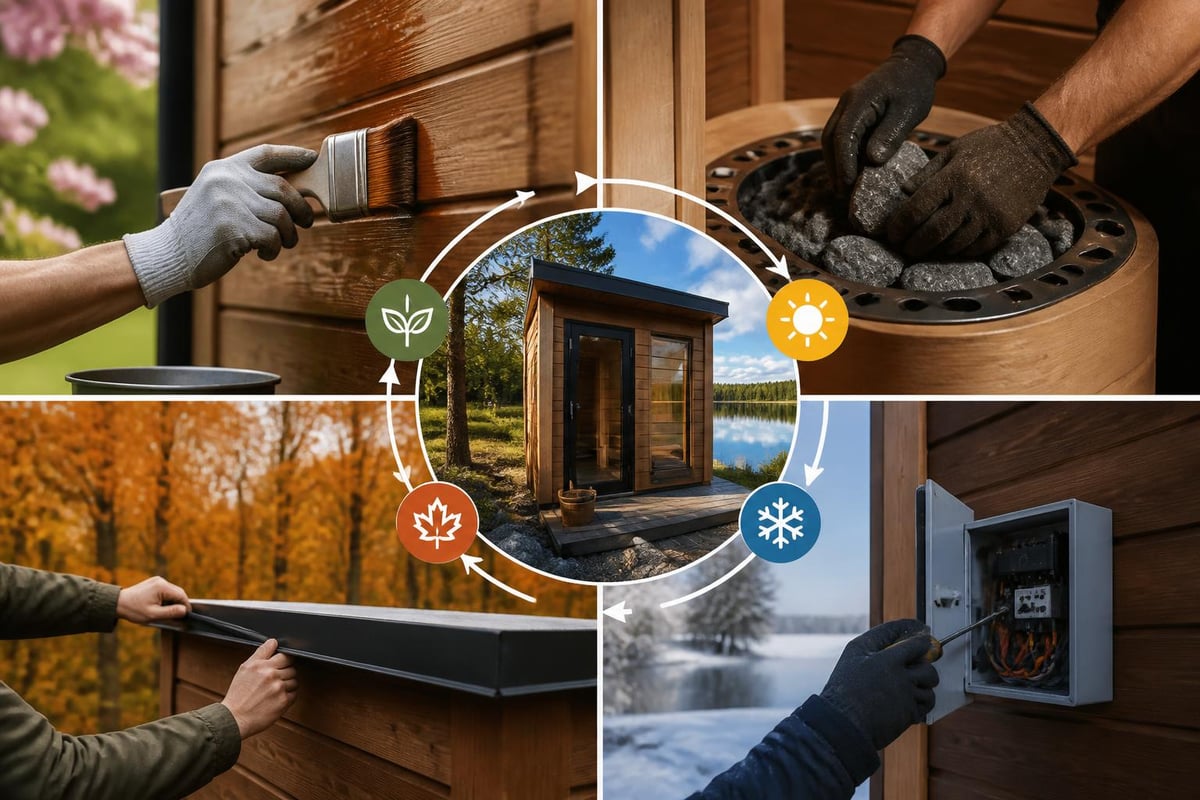
Proper maintenance extends outdoor electric sauna lifespan to 15, 20, or even 30+ years depending on construction quality and climate severity. Wood maintenance forms the cornerstone of preservation efforts. Annual inspection identifies areas where protective oils have degraded, cracks have developed, or moisture damage has begun. Reapplication of appropriate cedar or wood preservative oils maintains water resistance and UV protection.
Heater maintenance involves periodic stone inspection and replacement. Sauna stones fracture over time from thermal cycling, creating smaller fragments that reduce heating efficiency and potentially damage heating elements. Most manufacturers recommend complete stone replacement every one to three years depending on usage intensity. Only use stones specifically rated for sauna applications, as ordinary rocks may explode when heated.
| Maintenance Task | Frequency | Estimated Time | Priority Level |
|---|---|---|---|
| Clean interior benches | After each use | 5 minutes | High |
| Inspect door seals | Monthly | 10 minutes | Medium |
| Check heater stones | Quarterly | 15 minutes | High |
| Treat exterior wood | Annually | 2-3 hours | High |
| Professional inspection | Every 2 years | 1 hour | Medium |
Ventilation system cleaning prevents odor accumulation and maintains air quality. Removable vent covers should be cleaned quarterly, while ductwork inspection every two years identifies potential blockages or pest intrusion. Proper ventilation prevents mold growth in benches and wall cavities where condensation occasionally develops.
Electronic components require minimal maintenance but benefit from periodic professional inspection. Control panels, sensors, and wiring connections should be examined every two to three years to identify corrosion, loose connections, or degraded insulation. Most quality electric sauna heaters include self-diagnostic features that alert users to operational issues before complete failure occurs.
Design Integration and Property Value
Thoughtfully designed outdoor electric sauna installations enhance property aesthetics and potentially increase resale value. Matching architectural styles between sauna and main residence creates visual cohesion, whether contemporary glass-and-cedar pods complement modern homes or traditional cabin designs harmonize with rustic properties. Quality installations appeal to wellness-oriented buyers seeking turnkey amenity properties.
Landscaping integration transforms functional sauna installations into landscape focal points. Pathways lined with native plants, ambient lighting for evening access, and dedicated shower or cooling stations create complete outdoor wellness zones. Some homeowners incorporate adjacent fire pits, hot tubs, or meditation gardens, establishing comprehensive retreat spaces that maximize backyard functionality.
Permit requirements vary significantly by jurisdiction. Many municipalities classify outdoor electric saunas as accessory structures requiring building permits, electrical permits, and zoning compliance verification. Setback requirements from property lines, height restrictions, and total lot coverage calculations may affect placement options. Consulting local building departments before purchasing prevents costly modifications or compliance issues.
The best outdoor sauna options balance budget constraints with quality expectations and feature requirements. Entry-level models begin around $3,000 to $5,000 for basic two-person units, while premium custom installations reach $15,000 to $25,000 or more. Mid-range options from established manufacturers typically cost $6,000 to $12,000 and offer excellent value combining quality construction with reasonable pricing.
Customization and Feature Upgrades
Modern outdoor electric saunas accommodate extensive customization beyond basic heating and structure. Chromotherapy lighting systems incorporate colored LED arrays that cycle through therapeutic color spectrums believed to influence mood and physiology. While scientific evidence remains mixed, many users report enhanced relaxation from soft lighting compared to harsh overhead fixtures.
Audio integration allows music streaming through moisture-resistant speakers, creating personalized soundscapes during sessions. Bluetooth connectivity eliminates wired connections while maintaining audio quality. Some users prefer nature sounds, meditation guides, or podcasts, while others enjoy music selections matched to session phases from warm-up through cool-down.
Popular upgrade options include:
- Upgraded cedar grades with tighter grain patterns
- Panoramic glass doors and windows for enhanced views
- Built-in backrests and ergonomic bench contouring
- Smart home integration for remote temperature control
- Salt therapy generators for combined halotherapy benefits
- Footbaths or leg rests for enhanced circulation
Bench configuration affects capacity and comfort significantly. Standard two-tier arrangements accommodate reclining on upper benches while providing lower seating for gradual heat acclimation. L-shaped configurations maximize corner space efficiency in rectangular cabins, while curved benches complement barrel sauna interiors. Removable bench sections increase versatility for users with varying height requirements.
Control panel sophistication ranges from basic dial thermostats to full-featured digital interfaces displaying temperature, humidity, session duration, and maintenance reminders. Premium systems offer smartphone apps enabling preheating before arriving home, usage tracking across family members, and energy consumption monitoring for cost optimization.
Comparing Electric Versus Alternative Heating Methods
While outdoor electric saunas dominate the residential market, understanding alternative heating methods helps buyers make informed comparisons. Wood-burning saunas provide traditional authenticity and operate independent of electrical infrastructure, appealing to off-grid properties or traditionalists preferring fire-tending rituals. However, they require wood storage, produce smoke and ash, and demand constant attention during operation.
Infrared saunas use radiant panels instead of heated air, operating at lower temperatures (120°F to 140°F) while providing deep tissue penetration. Outdoor infrared models consume less energy than traditional electric saunas but deliver different physiological effects. Many wellness enthusiasts prefer traditional high-heat experiences, while others find infrared's gentler temperatures more comfortable for extended sessions, as explained in this comprehensive infrared guide.
Gas-fired heaters represent a middle ground, offering rapid heating and operational independence from electrical service. Natural gas or propane systems appeal to properties with existing gas infrastructure or areas with expensive electricity rates. Installation complexity and ongoing fuel costs typically exceed electric alternatives, limiting their mainstream adoption in residential settings.
The growing trend of outdoor saunas in modern homes reflects broader wellness movement priorities and increased home improvement investment following recent years' emphasis on domestic retreat spaces. Electric heating dominates this expansion due to its combination of convenience, reliability, and accessibility for typical homeowners without specialized technical knowledge.
Cost Analysis and Budgeting
Comprehensive outdoor electric sauna budgeting extends beyond unit purchase price to include site preparation, electrical installation, accessories, and long-term operational costs. A complete financial picture prevents mid-project budget surprises and ensures adequate allocation across all necessary components.
Typical cost breakdown:
- Sauna unit: $3,000-$15,000 (varies by size, materials, brand)
- Foundation preparation: $500-$2,500 (depends on chosen method)
- Electrical installation: $800-$3,000 (based on distance, panel upgrades)
- Permits and inspections: $200-$800 (varies by jurisdiction)
- Accessories: $300-$1,000 (thermometers, buckets, essential oils)
- Landscaping integration: $500-$5,000+ (optional, highly variable)
Quality units from established manufacturers include comprehensive warranties covering structural components (5-10 years), electrical systems (1-3 years), and heating elements (1-2 years). Extended warranties sometimes available at purchase provide additional protection but require careful cost-benefit analysis against typical failure rates and replacement expenses.
Financing options through manufacturers, retailers, or home improvement loans allow spreading costs across 12 to 60 months. Interest rates vary based on credit profiles and loan terms, but many buyers find monthly payments more manageable than large upfront expenditures. Some wellness-focused homeowners leverage home equity lines of credit for favorable rates on sauna installations alongside other property improvements.
When evaluating value, consider cost-per-use projections over expected lifespan. A $10,000 outdoor electric sauna used three times weekly for 15 years accumulates approximately 2,340 sessions, yielding a $4.27 cost per use before operational expenses. This compares favorably to commercial sauna memberships, spa day packages, or regular massage appointments while providing unlimited household access.
Safety Considerations and Best Practices
Outdoor electric sauna safety begins with proper electrical installation by licensed professionals adhering to National Electrical Code requirements and local amendments. GFCI protection, appropriate wire gauges, weatherproof connections, and accessible disconnects form the foundation of electrical safety. Annual inspections by qualified electricians identify potential issues before they create hazards.
Session safety guidelines include:
- Limit initial sessions to 10-15 minutes until acclimated
- Hydrate thoroughly before, during, and after use
- Avoid alcohol consumption before or during sessions
- Exit immediately if experiencing dizziness, nausea, or discomfort
- Never use alone when possible, particularly for medical conditions
- Keep sessions under 20 minutes for most users
- Cool down gradually rather than immediate cold exposure
Children require special supervision and modified protocols. Most experts recommend children under six avoid sauna use entirely, while older children should limit sessions to 5-10 minutes at lower temperatures. Pregnant women should consult healthcare providers before sauna use, as elevated core temperatures raise theoretical fetal development concerns despite limited definitive research.
Fire safety considerations include maintaining clearances around heaters, using only manufacturer-approved accessories, and never placing flammable materials near heating elements. While electric saunas eliminate open flame risks, overheated textiles or improper essential oil application can create fire hazards. Smoke detectors and fire extinguishers positioned near outdoor saunas provide additional protection layers.
Heat-related health conditions including cardiovascular disease, blood pressure irregularities, or heat sensitivity require medical consultation before beginning regular sauna practice. Most physicians support sauna use for generally healthy adults but may recommend modifications or precautions for specific conditions. Medication interactions with heat exposure should be discussed with prescribing physicians.
Selecting the Right Model for Your Needs
Determining the ideal outdoor electric sauna requires honest assessment of usage patterns, space constraints, budget parameters, and feature priorities. Households with daily wellness routines benefit from premium models with superior insulation and durability, while occasional users may find mid-range options perfectly adequate for weekend relaxation.
Key decision factors:
| Factor | Considerations | Impact on Selection |
|---|---|---|
| Capacity | Simultaneous users, guest access | Size, bench configuration |
| Frequency | Daily vs. weekly usage | Quality tier, energy efficiency |
| Space | Backyard dimensions, setbacks | Footprint, cabin vs. barrel |
| Budget | Total available investment | Brand, features, installation scope |
| Climate | Winter severity, summer heat | Insulation thickness, weatherproofing |
| Aesthetics | Property style, landscape design | Material choices, architectural style |
Trying different sauna types before purchasing provides valuable experiential insight. Many specialty retailers, wellness centers, or hospitality venues offer various sauna styles for comparison. Temperature preferences, spatial comfort, and aesthetic appeal become clearer through direct experience than specification sheet review alone.
Brand reputation and manufacturer support significantly affect long-term ownership satisfaction. Established companies provide replacement parts availability, technical support resources, and installation guidance that prevent common issues. Reading verified customer reviews and checking business ratings helps identify manufacturers with strong track records and responsive customer service.
For those seeking exceptional outdoor sauna experiences, RecoSauna offers carefully curated selections from premium North American manufacturers. Their extensive outdoor sauna collection includes traditional cabin styles, modern pods, and classic barrel designs, all crafted from superior Canadian timber species and backed by comprehensive manufacturer warranties.
Investing in an outdoor electric sauna represents a commitment to long-term wellness, property enhancement, and year-round relaxation opportunities. By carefully considering placement, electrical requirements, construction quality, and personal usage patterns, you'll select a model that delivers decades of therapeutic heat sessions and family enjoyment. RecoSauna specializes in matching homeowners with ideal outdoor electric sauna solutions from leading North American manufacturers, offering expert guidance throughout selection, installation, and ownership. Explore their premium collection to discover the perfect addition to your backyard wellness retreat at RecoSauna.
Share:
Cold Plunge and Sauna: Recovery & Wellness Guide
Sauna Outside: Your Complete 2026 Outdoor Sauna Guide