

Searching steam rooms near me usually brings up gyms, spas, and wellness centers offering shared wet heat facilities. The appeal is clear: high humidity and moderate warmth create a different experience than dry heat. But before you visit, understanding how steam rooms work, what to expect, and whether they match what your body actually needs helps you make better decisions about heat therapy at home or in public spaces.
What You Find When You Search Steam Rooms Near Me
Most results point to commercial facilities.
Common locations:
- Fitness clubs with locker room amenities
- Day spas offering standalone steam sessions
- Hotel wellness centers for guest use
- Country clubs with premium facilities
- Specialty bathhouses in larger cities
These spaces typically maintain 110–120°F with near 100% humidity. The wet heat comes from a steam generator pumping moisture into a sealed, tiled enclosure. You sit on smooth benches, usually ceramic or tile, in air thick enough to make breathing feel different.
Some facilities require membership. Others sell day passes or bundle steam access with massage packages.

What Happens During a Steam Room Session
You enter a warm, humid chamber. Visibility drops within seconds as moisture fills the air.
The wet heat opens your airways and coats your skin. Most people stay 10–15 minutes. Longer sessions increase dehydration risk. Research on steam room benefits shows associations with improved circulation and temporary respiratory relief, though evidence remains limited.
Temperature feels milder than a sauna despite similar readings. Humidity prevents sweat from evaporating, so your body's cooling system works harder without the same effectiveness.
Steam Room vs Sauna: Different Tools, Different Results
| Feature | Steam Room | Traditional Sauna |
|---|---|---|
| Temperature | 110–120°F | 150–195°F |
| Humidity | 95–100% | 10–20% |
| Heat Source | Electric steam generator | Hot stones, electric heater, or wood fire |
The comparison matters because most people searching steam rooms near me think they want wet heat when dry heat might serve them better.
A sauna uses hot stones or electric elements to warm the air. Humidity stays low unless you add water to stones, creating löyly, a burst of steam that raises humidity briefly before dissipating. You control the intensity.
Steam rooms maintain constant wetness. You can't adjust it. The moisture feels softer on your lungs but prevents your skin from breathing as freely.
How Your Body Responds Differently
Dry heat triggers faster sweating. Evaporation cools you efficiently, letting you tolerate higher temperatures safely.
Wet heat blocks evaporation. Sweat pools on your skin without evaporating. Heart rate rises more quickly. Sessions feel intense at lower temperatures.
Medical guidance on steam rooms notes temporary cardiovascular effects. Blood vessels dilate in both environments, but steam creates more cardiovascular demand because your cooling system can't function normally.
Neither is better. They're different. Sauna heat feels cleaner, drier, easier to control. Steam feels heavier, wetter, harder to regulate.
Health and Safety Considerations
Public steam rooms carry specific risks beyond the heat itself.
Hygiene concerns:
- Moist surfaces support bacterial and fungal growth
- Shared benches touched by many users daily
- Poor ventilation between sessions
- Inconsistent cleaning schedules
Athlete's foot, skin infections, and respiratory exposure increase in poorly maintained facilities. Steam room safety guidelines recommend always using a towel barrier and showering immediately after.
Cardiovascular conditions require caution. Guidelines for high blood pressure and steam use suggest consulting your doctor first. The combination of heat, humidity, and impaired cooling creates more stress than dry heat.
Dehydration happens faster than you expect. The thick air makes it hard to notice how much you're sweating.
When to Avoid Steam Rooms
Some conditions make steam rooms inappropriate regardless of the facility quality.
- Pregnancy: Heat and humidity combined raise core temperature more than dry heat
- Open wounds: Moist environments increase infection risk significantly
- Respiratory infections: Humid air can worsen congestion despite feeling soothing initially
- Recent surgery: Heat stress delays healing
Even healthy users should limit sessions. Fifteen minutes is enough. Longer doesn't mean better.

What to Look for in a Quality Steam Room Facility
Not all commercial steam rooms operate at the same standard.
Cleanliness indicators:
- Visible daily cleaning logs posted
- Fresh towel supply readily available
- No standing water on floors
- Proper ventilation between uses
- Regular deep cleaning schedule
Temperature consistency matters. A properly functioning steam generator maintains steady warmth. Wild swings suggest maintenance problems.
Ventilation determines air quality. Steam rooms need fresh air circulation despite the sealed environment. Stale, musty air indicates poor system design or neglect.
Questions to Ask Before Visiting
Call ahead rather than showing up unprepared.
- What are your cleaning and maintenance schedules?
- How often do you service the steam generator?
- What capacity limits do you enforce?
- Are towels and water provided?
- Do you require a health waiver?
Steam room etiquette guidelines cover shared space expectations. Most facilities post basic rules, but enforcement varies widely.
Private facilities generally maintain higher standards than large gym chains. Smaller user bases mean less wear and easier cleaning.
Cost and Access Considerations
Drop-in rates for steam room access typically run $15–$35 per visit at day spas. Gym memberships bundle access with other amenities but lock you into contracts.
Monthly costs vary by region and facility type:
| Facility Type | Typical Monthly Cost | Steam Room Quality |
|---|---|---|
| Budget gym | $20–$40 | Basic, high traffic |
| Mid-tier club | $50–$80 | Better maintained |
| Premium spa | $100–$200+ | Highest standards |
The math changes quickly. If you want regular heat therapy, ownership makes more sense than ongoing fees.
A home sauna eliminates membership costs, travel time, shared surfaces, and schedule constraints. You control temperature, humidity when desired, cleanliness, and privacy.
The Home Sauna Alternative
Traditional Finnish saunas deliver similar relaxation benefits without the hygiene concerns of public steam rooms.
Indoor saunas fit basement spaces or spare rooms. They use electric heaters sized to the space, warming quickly for daily use. Dry heat feels cleaner. You can create brief humidity by adding water to hot stones when you want it, then return to dry heat.
For homeowners with outdoor space, authentic sauna culture becomes accessible. An infrared sauna offers a different kind of heat, gentler and more penetrating than steam, using far-infrared panels instead of traditional heaters. Some people prefer the lower temperature and different wavelength of infrared over either steam or traditional heat.
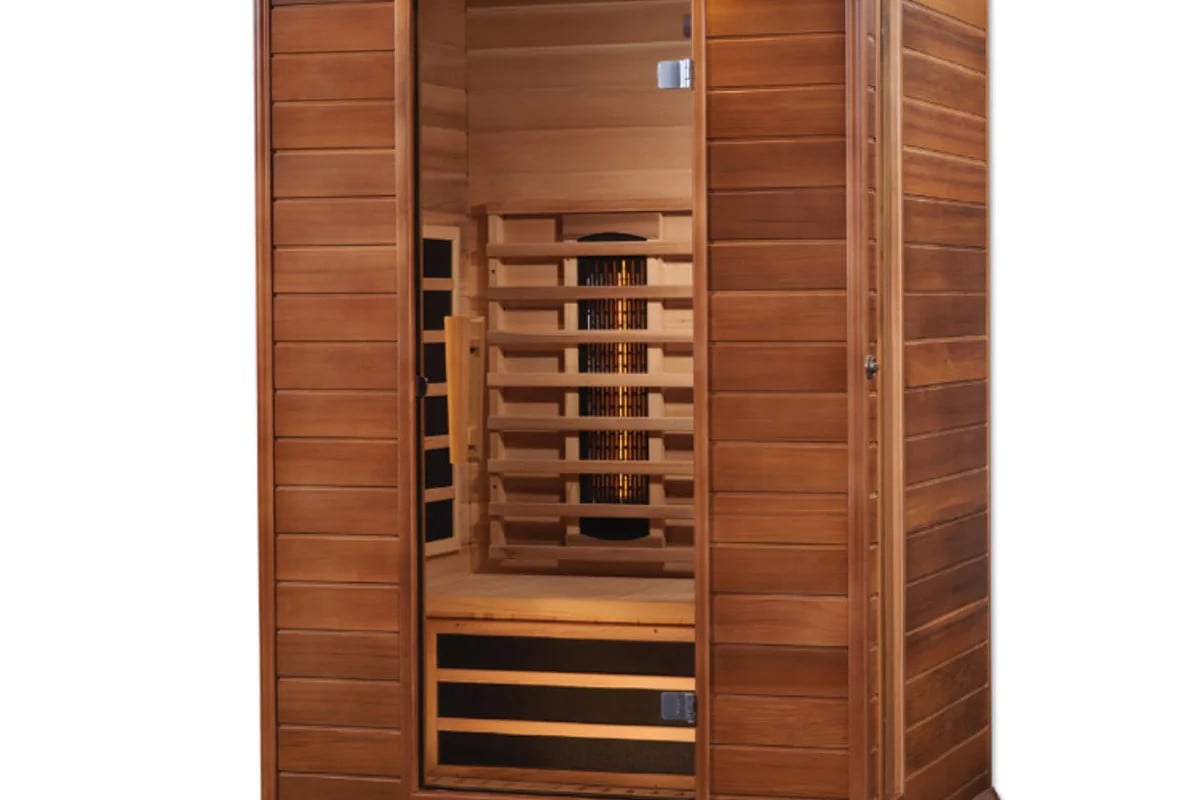
The Maxxus 2 Person Full Spectrum IR Sauna provides daily heat therapy at home without the wet environment of commercial steam rooms. Built from Canadian red cedar with full spectrum infrared, it operates on standard household power and requires no special plumbing or ventilation.
Maintenance and Longevity Concerns
Commercial steam rooms require constant upkeep. Generators fail. Tile cracks. Grout harbors mold. Ventilation systems clog.
When maintenance lapses, users suffer the consequences. Lukewarm steam, standing water, musty odors, and unreliable schedules all signal problems.
Home saunas age more gracefully. Quality cedar weathers naturally. Electric heaters last decades with minimal service. You control every aspect of maintenance on your own schedule.
The initial investment in a home unit typically pays back within 18–36 months compared to ongoing gym memberships, especially if multiple family members use it regularly.
Long-Term Value Comparison
Consider five years of twice-weekly steam room visits at a mid-tier facility.
- Commercial access: $60/month membership = $3,600 total
- Home sauna: $3,000–$6,000 one-time investment
The home option breaks even within the first few years, then provides decades of use. Resale value adds to the equation. Quality saunas increase home value, particularly in colder climates where buyers understand their worth.
Growing Up With Heat Therapy on Lake Saimaa
I learned about real heat sitting on my grandfather's sauna bench in Eastern Finland. Wood smoke, hot stones, cold lake water. That cycle taught me what steam rooms miss: control, simplicity, the connection between heat and cold. Löyly came when we wanted it, not constantly. The air stayed breathable. We decided when to add water, how much heat to handle. Searching for steam rooms near me misses what heat therapy should be, a practice you own, not rent.
Common Questions About Steam Rooms
How long should I stay in a steam room?
Ten to fifteen minutes maximum per session. Longer increases dehydration and cardiovascular stress without additional benefits. Listen to your body and exit if you feel dizzy or nauseous.
Can I use a steam room every day?
Daily use is generally safe for healthy adults if you stay hydrated and limit session length. People with cardiovascular conditions should consult their doctor first.
What should I wear in a public steam room?
Most facilities require swimwear. Bring a towel to sit on for hygiene. Avoid jewelry as metals heat quickly and can burn skin.
Is steam better than sauna for congestion?
Humid air may provide temporary relief by loosening mucus, but evidence is limited. Many people find dry sauna heat equally effective without the heaviness of wet air.
Why do some steam rooms smell musty?
Poor ventilation, inadequate cleaning, or mold growth in grout and ceilings cause unpleasant odors. If a steam room smells bad, the facility isn't maintaining it properly.
Finding quality steam rooms near me requires research into facility standards, cleaning protocols, and ongoing costs. For homeowners wanting regular heat therapy without shared spaces and membership fees, a home sauna offers better control, cleaner air, and authentic heat that you manage on your own terms. At RecoSauna, we help customers across the USA and Canada choose saunas that match their space, climate, and how they actually want to use heat therapy, whether that's traditional Finnish löyly or modern infrared warmth. Ask Petri About Your Sauna.
Share:
Personal Sauna Buying Guide: Types, Sizes & Setup (2026)
Wood Burning Sauna Guide: Heat, Maintenance & Setup 2026