
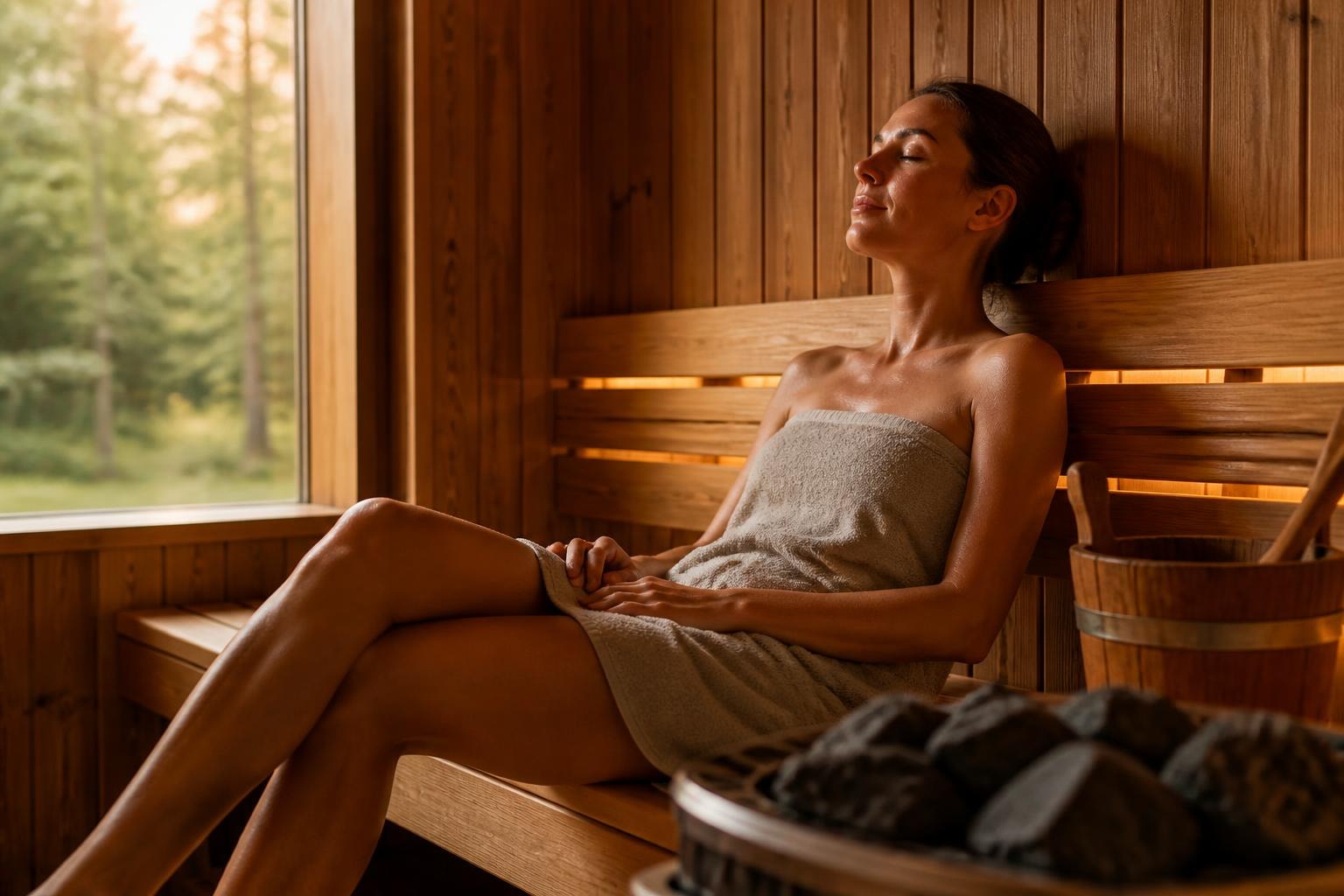
The practice of deliberate heat exposure has evolved from ancient cultural tradition to modern wellness staple, with millions worldwide discovering the transformative benefits of regular sessions. Whether you're seeking cardiovascular improvements, stress relief, or muscle recovery, understanding how heat therapy works and which type best suits your needs can help you maximize results while ensuring safe, effective use. This comprehensive guide explores the science behind heat exposure, compares different models and heating methods, and provides actionable strategies for integrating this powerful wellness tool into your routine.
Understanding Traditional and Infrared Heat Therapy
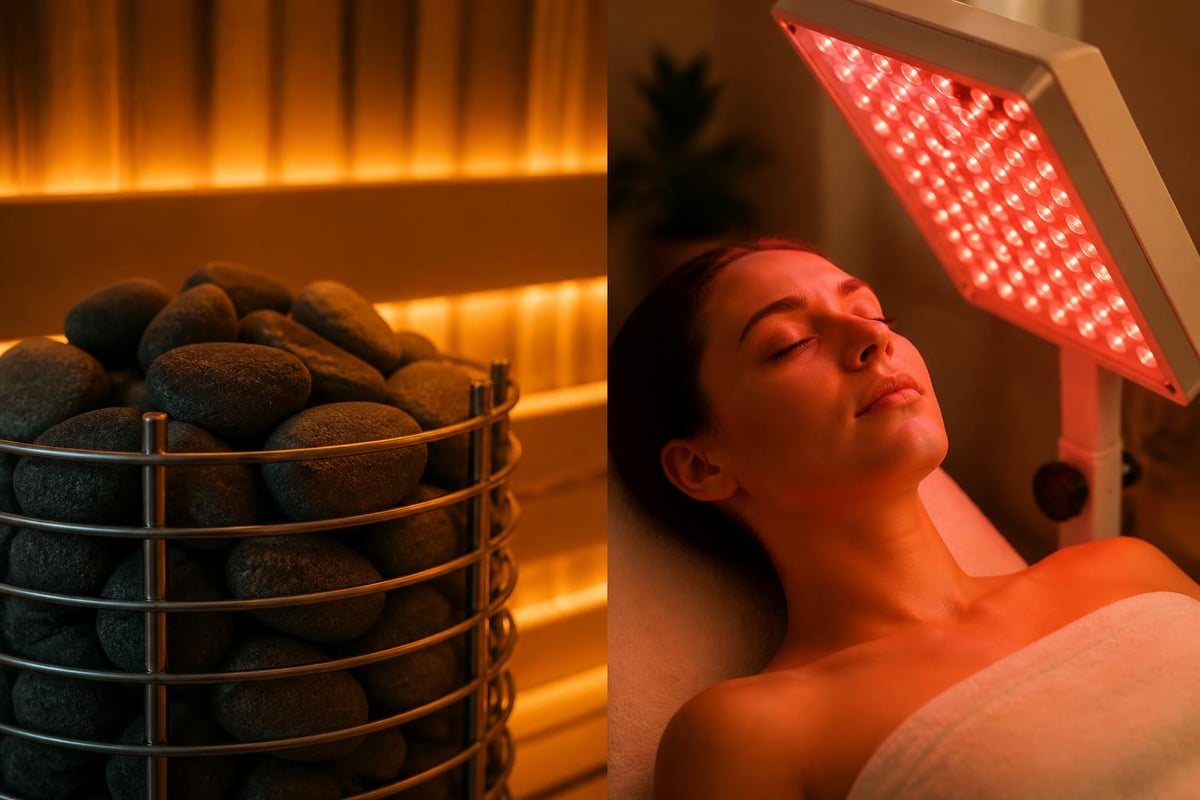
Traditional models have served Finnish culture for centuries, using heated rocks or electric heaters to warm air temperatures between 150-195°F. This intense dry heat creates a powerful cardiovascular response as your body works to regulate core temperature through increased heart rate and blood flow.
The experience differs significantly from infrared technology, which uses light wavelengths to directly penetrate tissue rather than heating surrounding air. Infrared units typically operate at lower temperatures (120-140°F) while still producing deep tissue warming and profuse sweating.
Key Differences Between Heat Therapy Methods
| Feature | Traditional | Infrared |
|---|---|---|
| Temperature Range | 150-195°F | 120-140°F |
| Heat Source | Heated rocks or electric element | Infrared light panels |
| Warm-Up Time | 30-45 minutes | 10-15 minutes |
| Energy Consumption | Higher | Lower |
| Installation | Often requires dedicated electrical circuit | Standard 120V outlet (many models) |
Both approaches deliver cardiovascular and relaxation benefits, though the mechanisms differ. Regular sauna sessions can support cardiovascular health by improving circulation and promoting healthy blood pressure levels through repeated heat exposure.
Cardiovascular and Recovery Benefits Supported by Research
The cardiovascular adaptations from regular heat exposure parallel moderate exercise responses. Your heart rate increases by 50-75% during sessions, similar to brisk walking, while blood vessels dilate to increase circulation throughout your body.
Research published in major medical journals demonstrates promising connections between frequent use and heart health. Finnish studies tracking thousands of participants over decades found that men who used traditional heat baths 4-7 times weekly had significantly lower cardiovascular mortality rates compared to those using them just once weekly.
Beyond cardiovascular benefits, athletes and fitness enthusiasts leverage post-workout sessions to:
- Accelerate muscle recovery through increased blood flow
- Reduce delayed onset muscle soreness (DOMS)
- Improve flexibility through heat-induced tissue relaxation
- Support the body's natural recovery processes
- Enhance endurance performance markers over time
Studies have shown that 30-minute sauna sessions after training can improve running performance by enhancing plasma volume and cardiovascular adaptations. This makes heat therapy particularly valuable for endurance athletes seeking competitive edges.
Mental Health and Stress Reduction
The relaxation response extends beyond physical recovery. Heat exposure triggers endorphin release while reducing cortisol levels, creating a meditative state that many users describe as deeply restorative.
Fifteen to twenty minutes of quiet heat exposure provides a forced break from digital devices and daily stressors, allowing your nervous system to shift into parasympathetic (rest-and-digest) mode. This regular practice supports better sleep quality, reduced anxiety, and improved mood regulation.
Choosing the Right Type for Your Space and Goals
Modern homeowners face an abundance of choices when selecting heat therapy equipment. Understanding the distinct categories helps narrow options based on available space, installation requirements, and intended use patterns.
Outdoor Traditional Models
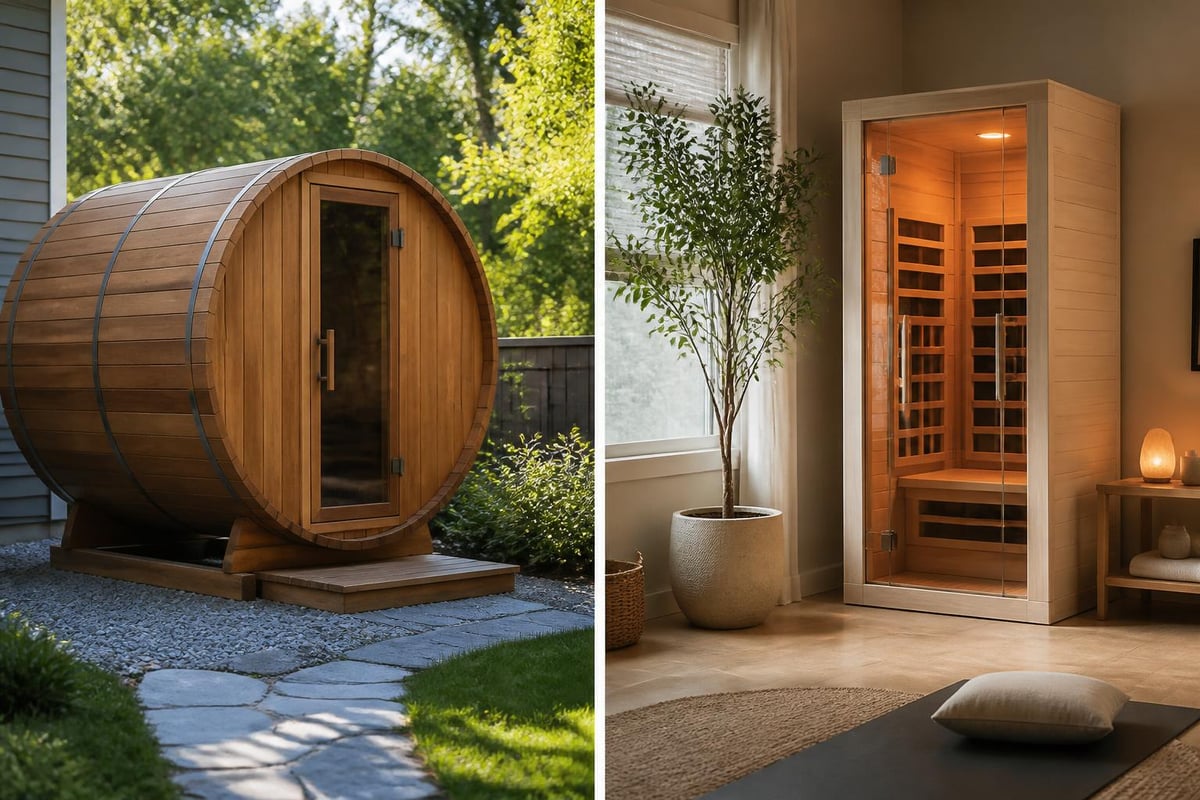
Outdoor units bring authentic experiences to your backyard while avoiding indoor humidity concerns. Barrel designs offer excellent heat circulation due to their rounded shape, with no corners where heat can stagnate. The Canadian Timber Tranquility MP Barrel Sauna - LeisureCraft exemplifies premium outdoor construction, featuring Eastern White Cedar craftsmanship, panoramic glass design, and spacious 4-5 person capacity ideal for social wellness sessions.
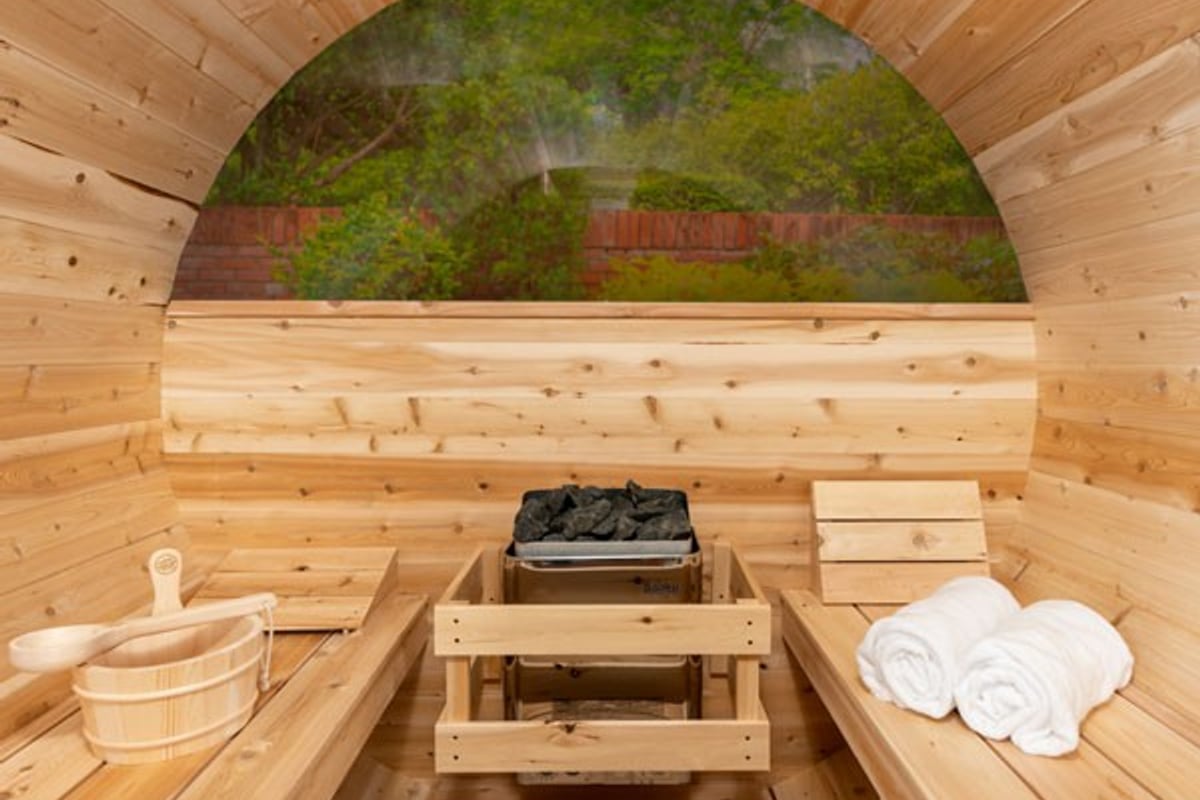
Cabin-style outdoor models provide traditional room layouts with changing areas and larger capacities. These freestanding structures require more yard space but deliver authentic experiences with flexible heater options including electric and wood-burning units.
Indoor Infrared Options
Space-constrained homes benefit from compact infrared models that fit into spare bedrooms, basements, or large bathrooms. These plug-and-play units require no special plumbing or ventilation, making installation straightforward for most homeowners.
Capacity ranges from single-person recovery pods to four-person family units. Canadian Hemlock and Red Cedar remain popular construction materials, offering natural aromatics and durability while maintaining comfortable interior temperatures.
Installation Considerations and Space Requirements
Planning proper placement ensures optimal performance and longevity. Outdoor models need level foundations-concrete pads, reinforced decking, or gravel bases work well-plus adequate clearance from structures and vegetation.
Electrical requirements vary significantly between types. Traditional electric heaters typically demand 240V dedicated circuits with 30-50 amp service, requiring professional electrician installation. Many infrared models operate on standard 120V household outlets, though larger units may still need 240V circuits.
Outdoor Installation Checklist
- Level foundation supporting 1,500-2,500 pounds when occupied
- 24-36 inch clearance from combustible structures
- Access to appropriate electrical service
- Drainage considerations for rainwater runoff
- HOA approval and local building permits (if required)
- Winter weatherization plan for cold climates
Indoor installations prioritize ventilation and moisture management. While infrared units produce less humidity than traditional models, proper air circulation prevents moisture accumulation in surrounding rooms. The benefits of using saunas regularly include cardiovascular improvements and stress reduction, but these advantages require proper installation and consistent use patterns.
Optimal Usage Protocols for Safety and Results
Frequency and duration depend on individual tolerance, health status, and goals. Beginners should start conservatively, gradually building tolerance as cardiovascular adaptation occurs over several weeks.
Recommended Usage Guidelines
| Experience Level | Frequency | Duration per Session | Temperature |
|---|---|---|---|
| Beginner | 2-3 times weekly | 10-15 minutes | Lower range for type |
| Intermediate | 3-4 times weekly | 15-20 minutes | Mid-range |
| Advanced | 4-7 times weekly | 20-30 minutes | Optimal for type |
| Athletes (recovery) | Daily or twice daily | 15-25 minutes | Moderate |
Pre-session preparation matters as much as the session itself. Proper hydration beginning 2-3 hours before use ensures adequate fluid reserves for sweating. Many experienced users drink 16-24 ounces of water before entering, then rehydrate immediately afterward with electrolyte-enhanced beverages.
Timing sessions appropriately enhances specific benefits:
- Morning sessions energize and prepare you mentally for the day
- Post-workout use maximizes recovery and reduces muscle soreness
- Evening sessions promote relaxation and improve sleep quality
- Pre-bedtime use (2-3 hours before sleep) enhances deep sleep stages
The Cleveland Clinic outlines comprehensive sauna safety guidelines that emphasize gradual adaptation, proper hydration, and listening to your body's signals during sessions.
Maintenance and Long-Term Care
Quality units last decades with minimal maintenance, but consistent care preserves wood integrity and ensures hygienic conditions. Different materials and heating types require specific approaches.
Cedar and Hemlock Wood Care
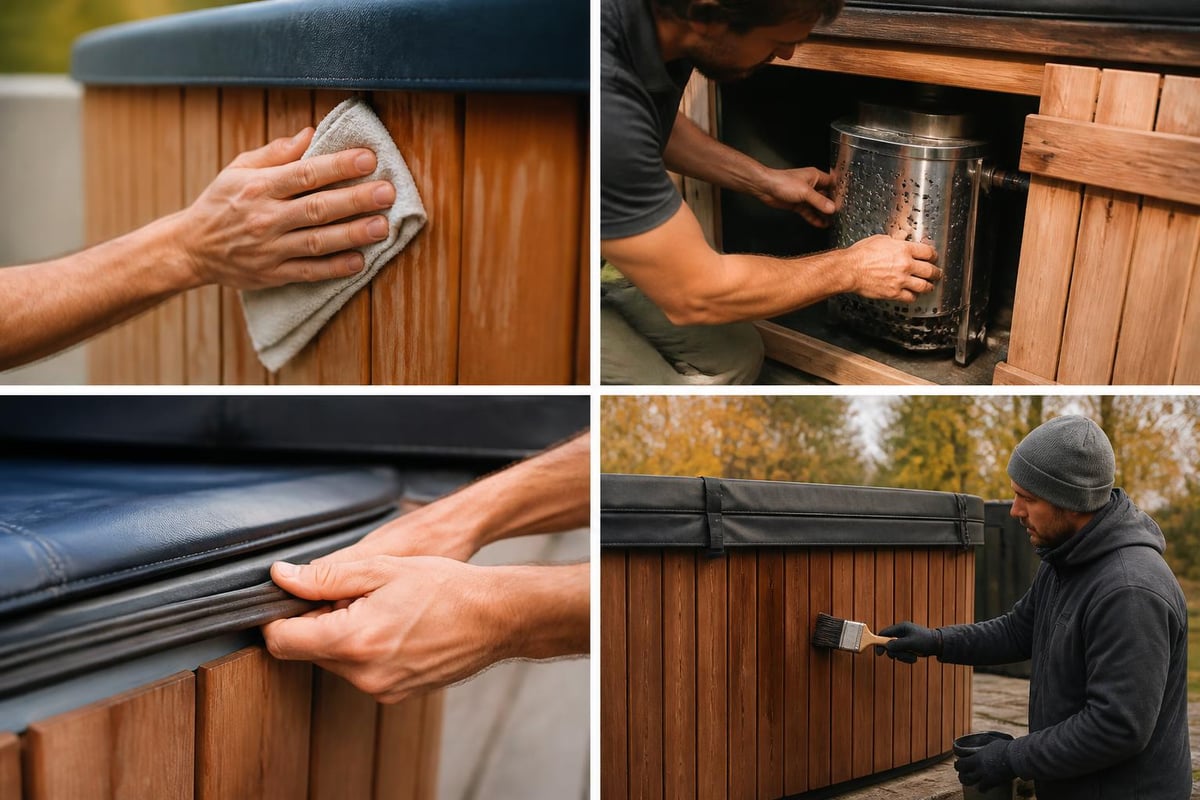
Natural wood interiors need regular cleaning without harsh chemicals that damage fibers or leave residues that vaporize during heating. Weekly wiping with mild soap solution followed by thorough drying prevents bacterial growth while preserving wood appearance.
Annual deep cleaning should include:
- Removing and washing all benches and backrests
- Scrubbing walls with appropriate wood cleaner
- Inspecting and cleaning heater elements or infrared panels
- Checking electrical connections for corrosion
- Examining door seals and weather stripping
- Treating exterior wood (outdoor models) with appropriate sealants
Infrared panels require periodic dusting and inspection for damage. Traditional heater rocks need replacement every 3-5 years as they crack and degrade, reducing heat output efficiency.
Cultural Significance and Historical Context
Understanding traditional practices enriches modern experiences. The sauna originated in Finland over 2,000 years ago, evolving from smoke-heated earth pits to sophisticated wood-heated structures that remain cultural centerpieces today.
Finnish tradition emphasizes social connection and ritual. "Löyly"-the steam created by throwing water on hot rocks-represents the spirit or soul of the experience, creating waves of intense heat that test and invigorate participants.
Modern North American adoption has adapted these traditions while incorporating technological improvements. Electric heaters eliminate smoke and simplify operation, while infrared technology offers alternatives for those seeking gentler heat exposure.
Health Precautions and Contraindications
While heat therapy offers numerous benefits for healthy individuals, certain conditions require medical consultation before beginning regular sessions. Cardiovascular disease, pregnancy, and medication interactions present potential concerns that healthcare providers should evaluate.
Specific situations requiring caution include:
- Unstable angina or recent heart attack (within 6 months)
- Severe aortic stenosis or cardiac arrhythmias
- Pregnancy, particularly during first trimester
- Multiple sclerosis or other heat-sensitive conditions
- Medications affecting blood pressure or sweating response
- Active infections or fever
- Recent surgical procedures or open wounds
Alcohol consumption before or during sessions significantly increases health risks, including dehydration, dangerous blood pressure drops, and impaired judgment leading to overheating. Combining heat exposure with alcohol ranks among the most dangerous practices.
Medical experts emphasize precautions for safe use, particularly regarding hydration status, session duration limits, and recognizing warning signs like dizziness, nausea, or excessive fatigue that indicate immediate exit is necessary.
Maximizing Benefits Through Complementary Practices
Heat therapy synergizes powerfully with other wellness modalities. Contrast therapy-alternating between heat exposure and cold immersion-amplifies cardiovascular training effects while creating distinct neurological responses that enhance recovery and mental clarity.
The protocol involves cycling between hot and cold environments:
- Begin with 15-20 minutes of heat exposure
- Exit and immediately immerse in cold water (45-55°F) for 2-5 minutes
- Rest 5-10 minutes at room temperature
- Repeat cycle 2-3 times, ending with cold exposure
Cold plunge pools designed specifically for this practice pair naturally with traditional or infrared units. The combination delivers enhanced circulation benefits, reduced inflammation, and powerful mental resilience training.
Integration With Exercise and Recovery Routines
Strategic timing relative to training maximizes adaptation. Post-exercise sessions within 30 minutes of completing workouts enhance the body's recovery response by:
- Maintaining elevated blood flow to worked muscles
- Supporting nutrient delivery and waste removal
- Extending metabolic elevation from exercise
- Reducing perception of muscle soreness
Rest day sessions offer different benefits, primarily stress reduction and general cardiovascular conditioning without exercise-induced fatigue. For comprehensive wellness information and product selection guidance, visit the RecoSauna homepage to explore traditional and infrared options suitable for various spaces and preferences.
Selecting Premium Materials and Construction Quality
Construction quality directly impacts longevity, efficiency, and user experience. Eastern White Cedar and Canadian Red Cedar represent premium choices for traditional builds, offering natural decay resistance, beautiful grain patterns, and aromatic oils that enhance the sensory experience.
Tempered glass doors and windows provide safety while allowing natural light penetration that creates inviting atmospheres. Double-pane construction offers superior insulation in outdoor models, reducing heat loss and energy consumption during cold weather use.
Hardware quality matters for long-term satisfaction. Stainless steel hinges, handles, and fasteners resist corrosion in humid environments, while bronze or aluminum components offer durability with attractive aesthetics.
Evaluating Heater Technology
Traditional heater selection between electric and wood-burning depends on available utilities and desired experience authenticity. Electric heaters offer convenient thermostat control and consistent heat output, while wood-fired options provide traditional ambiance with characteristic wood smoke aroma.
Infrared technology varies between manufacturers regarding wavelength spectrum. Full-spectrum models combining near, mid, and far infrared wavelengths offer theoretical advantages by penetrating tissue at different depths, though research continues evaluating clinical significance of these distinctions.
Panel placement affects heat distribution and user comfort. Models with heaters in front, back, side, and floor positions create more uniform heating compared to limited configurations concentrating heat in single zones.
The Modern Wellness Space and Future Trends
Home wellness spaces have evolved dramatically in recent years, with dedicated areas replacing improvised setups. Modern homeowners increasingly prioritize recovery and stress management infrastructure, viewing heat therapy units as essential rather than luxury additions.
Design trends favor minimalist aesthetics with natural materials, large windows connecting indoor/outdoor spaces, and integrated technology including Bluetooth audio, chromotherapy lighting, and smart controls enabling remote operation and monitoring.
Sustainability considerations influence purchasing decisions as energy-efficient infrared technology and responsibly harvested wood gain market preference. Manufacturers emphasizing eco-friendly construction methods and materials appeal to environmentally conscious consumers.
The integration of cold therapy alongside heat exposure reflects growing understanding of contrast therapy benefits. Dedicated spaces accommodating both modalities-with appropriate flooring, drainage, and climate control-represent the cutting edge of home wellness design.
For those exploring outdoor barrel sauna options or indoor infrared configurations, understanding these trends helps future-proof investments while aligning purchases with evolving wellness priorities.
Regular heat exposure delivers measurable cardiovascular, recovery, and mental health benefits supported by decades of research and cultural tradition spanning centuries. Whether you choose traditional outdoor construction or modern infrared technology, proper selection, installation, and usage protocols ensure safe, effective experiences that enhance overall wellness. RecoSauna offers premium Canadian Timber models alongside leading infrared options from top North American brands, providing expert guidance to help you select the perfect heat therapy solution for your space, goals, and lifestyle preferences.
Share:
Clearlight Sauna Price: 2026 Cost Guide & What to Expect
Exterior Saunas: Complete 2026 Planning & Design Guide