
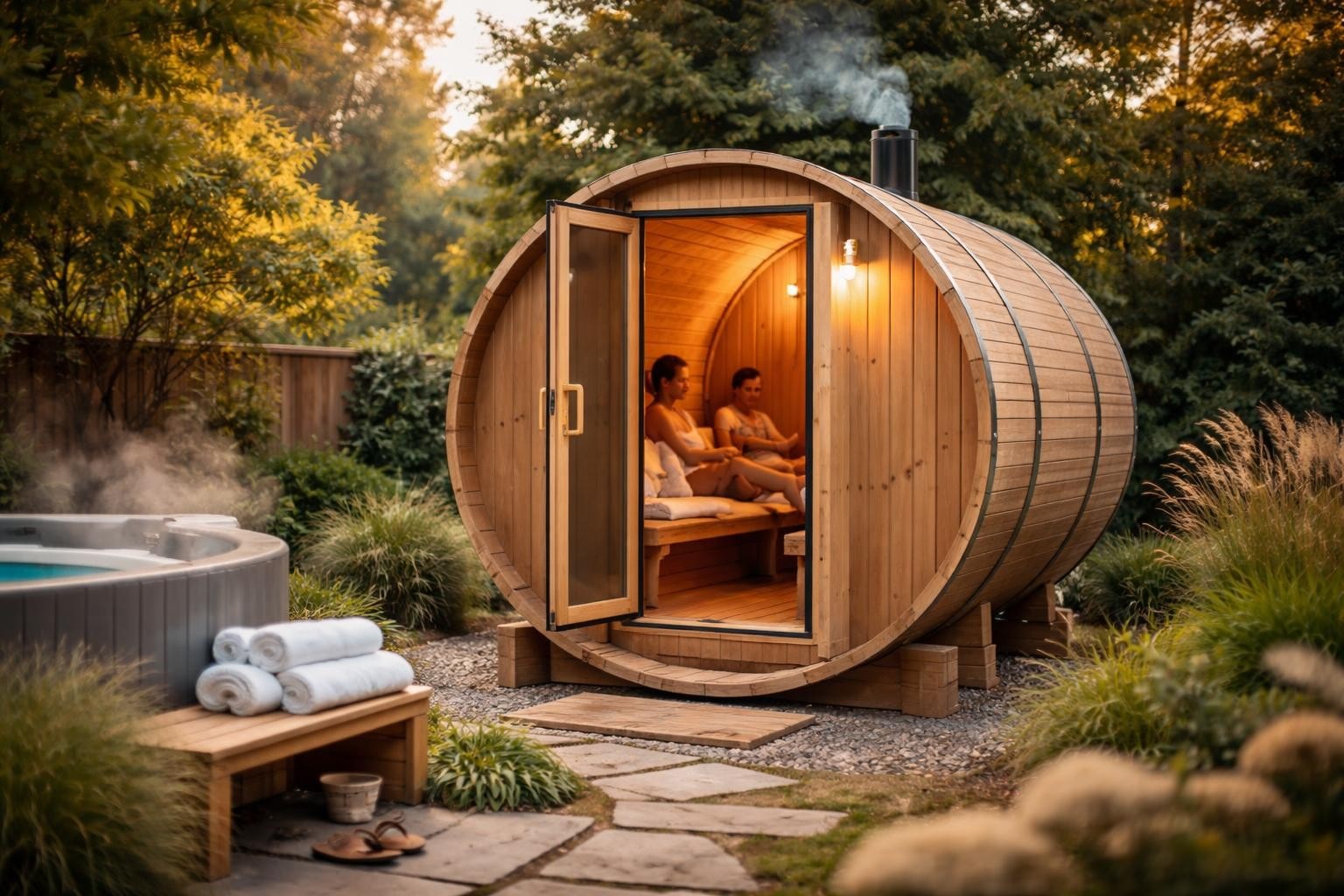
An outdoor barrel sauna combines timeless design with modern wellness functionality, offering homeowners a unique way to bring spa-quality relaxation directly to their backyard. The distinctive cylindrical shape isn't just aesthetically pleasing-it's an engineering solution that maximizes heat circulation, reduces energy consumption, and creates an authentic sauna experience that traditional square cabins often struggle to match. Whether you're new to sauna culture or looking to upgrade your home wellness routine, understanding the advantages and considerations of barrel saunas will help you make an informed investment in your health and property.
Why the Barrel Design Revolutionizes Home Sauna Performance
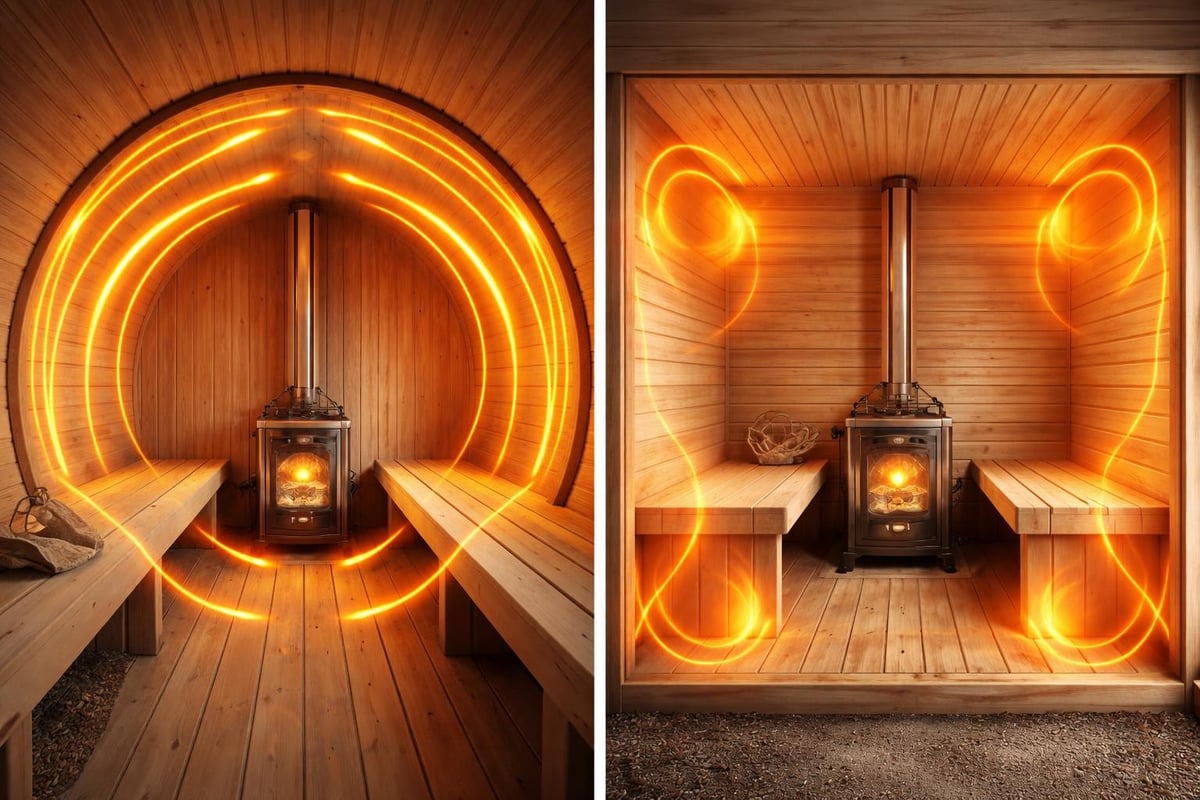
The cylindrical construction of an outdoor barrel sauna creates natural advantages that benefit both performance and longevity. Unlike rectangular cabins with corners where heat can stagnate, the rounded interior promotes continuous air circulation, ensuring even temperature distribution throughout the space. This design efficiency means your sauna heats faster and maintains consistent warmth with less energy expenditure.
Engineering Advantages of Circular Construction
The barrel shape eliminates structural weak points common in traditional cabin designs. Each curved stave provides mutual support, creating a self-bracing structure that withstands harsh weather conditions without requiring extensive framing. This construction method has been proven effective for centuries in barrel-making, and modern outdoor barrel sauna manufacturers apply these same principles to create durable, weather-resistant wellness structures.
Key performance benefits include:
- 20-30% faster heating times compared to equivalent square footage cabins
- Reduced heat loss through superior insulation efficiency
- Lower energy costs during operation
- Enhanced structural integrity against wind and snow loads
- Minimal maintenance requirements due to fewer joints and seams
The popularity of barrel saunas continues to grow among homeowners who appreciate both form and function in their outdoor wellness investments.
Material Selection and Construction Quality
Premium outdoor barrel sauna models utilize specific wood species chosen for their natural resistance to moisture, insects, and temperature extremes. Eastern White Cedar and Red Cedar stand out as preferred materials throughout North America due to their aromatic oils, natural preservatives, and beautiful aging characteristics.
Cedar: The Gold Standard for Outdoor Saunas
Cedar offers exceptional dimensional stability, meaning the wood expands and contracts minimally with temperature and humidity changes. This stability prevents warping, cracking, and gap formation that could compromise your sauna's performance. The natural oils in cedar also provide antimicrobial properties and a pleasant aromatic experience during each session.
| Wood Type | Durability Rating | Moisture Resistance | Aromatic Quality | Maintenance Level |
|---|---|---|---|---|
| Eastern White Cedar | Excellent | Superior | Moderate | Low |
| Red Cedar | Outstanding | Exceptional | Strong | Very Low |
| Canadian Hemlock | Good | Moderate | Mild | Moderate |
| Nordic Spruce | Very Good | Good | Light | Moderate-High |
When evaluating construction quality, examine the thickness of the staves (typically 1.5 to 2 inches for premium models), the precision of joinery, and whether the manufacturer uses galvanized or stainless steel banding to prevent rust and corrosion.
Placement Strategies for Optimal Performance
Considerations for placing your outdoor sauna extend beyond simple aesthetics. The right location impacts your sauna's longevity, energy efficiency, and how frequently you'll actually use it. Accessibility matters-if reaching your sauna requires navigating through snow, across muddy ground, or past obstacles, you're less likely to maintain a regular wellness routine.
Foundation and Ground Preparation
An outdoor barrel sauna requires a stable, level foundation that promotes drainage and prevents moisture accumulation beneath the structure. While these units are relatively lightweight compared to cabin saunas, proper foundation work ensures decades of trouble-free operation.
Foundation options ranked by investment and permanence:
- Concrete pad: Most permanent, excellent drainage with proper slope, highest initial cost
- Paver base: Good stability, easier DIY installation, moderate cost
- Gravel bed with timber frame: Budget-friendly, adequate for most climates, requires periodic leveling
- Deck integration: Convenient access, requires structural assessment, medium-high cost
Position your sauna with at least 36 inches of clearance on all sides for maintenance access and proper ventilation. Consider prevailing wind direction-a windbreak can reduce heat loss and create a more comfortable entry and exit experience during winter months.
Size Selection and Capacity Planning
Outdoor barrel sauna models range from compact two-person units measuring approximately 6 feet in length to spacious six-person models extending 12 feet or more. Your choice should reflect both your current needs and future usage patterns, as upgrading later requires significant investment.
Matching Dimensions to Usage Patterns
A common mistake involves purchasing too small based on "typical" use while forgetting about gatherings, family visits, or the simple pleasure of extra space. Remember that sauna benches typically accommodate one person per two feet of length, but comfortable spacing requires additional room.
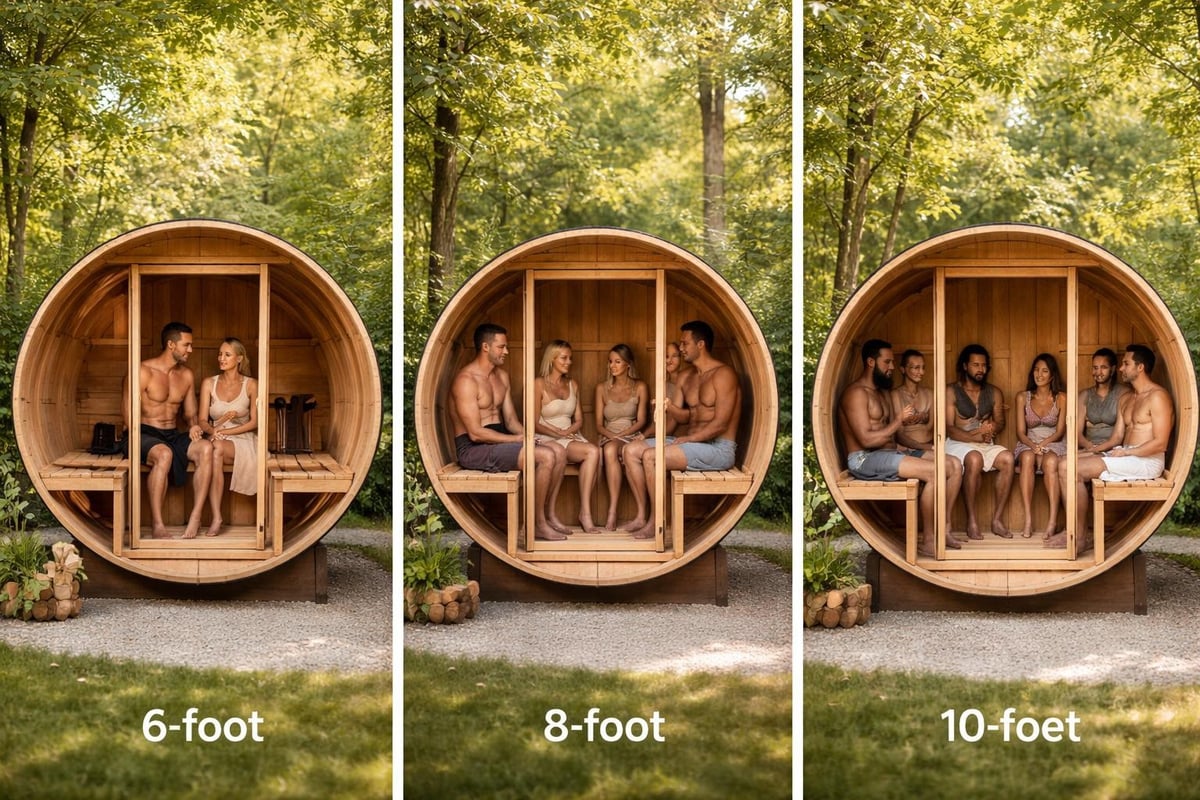
The Canadian Timber Harmony Barrel Sauna exemplifies this balance, offering authentic cedar construction in a size that fits most residential properties while providing genuine comfort for couples or small families seeking regular wellness sessions.
| Barrel Length | Typical Capacity | Interior Bench Space | Best For |
|---|---|---|---|
| 6 feet | 2-3 people | Intimate sessions | Couples, singles, small yards |
| 8 feet | 3-4 people | Standard family use | Most residential applications |
| 10 feet | 4-5 people | Comfortable groups | Social sessions, larger families |
| 12+ feet | 6+ people | Entertainment space | Dedicated wellness enthusiasts |
Heating Systems and Temperature Management
Your outdoor barrel sauna can accommodate electric, wood-burning, or infrared heating systems, each offering distinct advantages for different priorities and property configurations. Electric heaters provide convenience and precise temperature control, while wood-burning options deliver an authentic experience and independence from electrical infrastructure.
Electric Heater Specifications
Modern electric sauna heaters designed for barrel applications typically range from 4.5kW to 9kW, with higher wattage units heating larger spaces more quickly. Most residential outdoor barrel sauna installations utilize 6kW or 8kW models that achieve optimal temperatures (160-190°F) within 30-45 minutes.
Electric heating considerations:
- Requires dedicated 240V circuit and professional electrical installation
- Consistent, controllable heat output
- Built-in safety features including automatic shutoff
- Lower maintenance compared to wood-burning alternatives
- Operating costs average $1-2 per session depending on electricity rates
Wood-Burning Heater Tradition
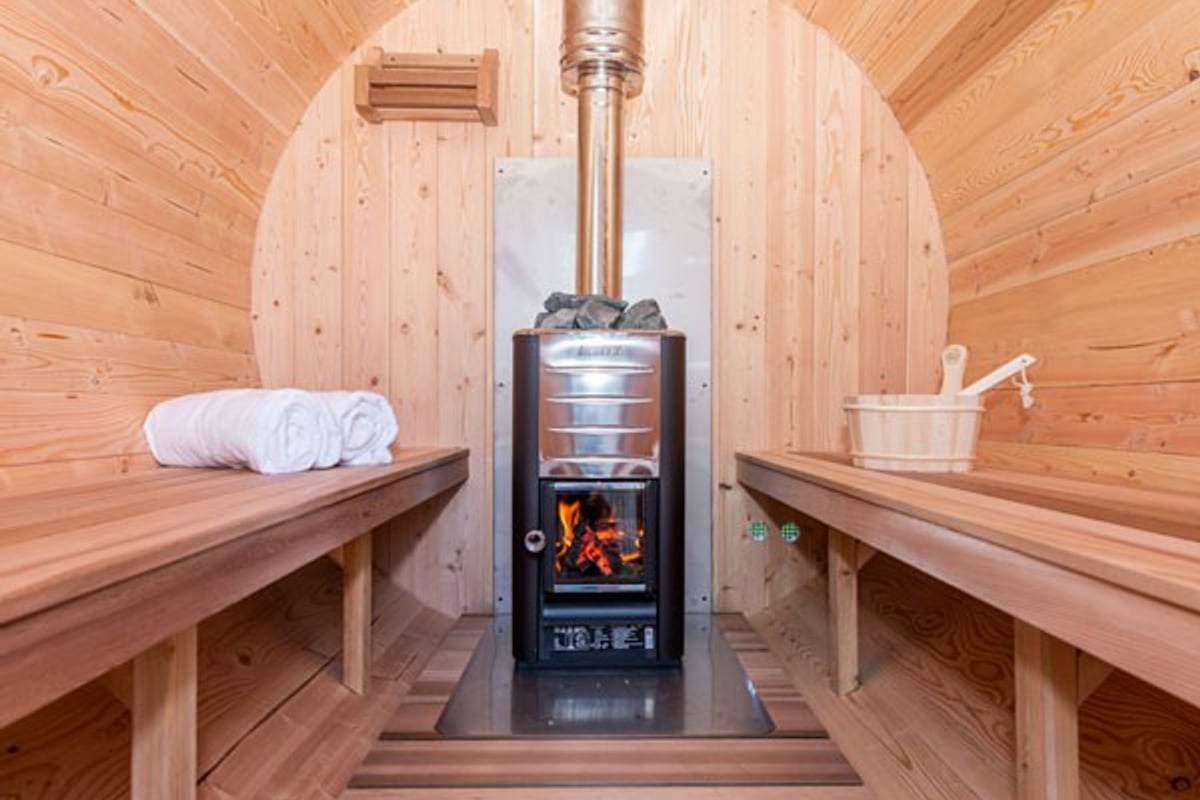
Wood-fired heaters create the traditional sauna experience many enthusiasts prefer, with crackling sounds, visible flames, and the ritual of fire management. These systems typically include exterior-mounted stoves with chimney stacks, keeping combustion outside the sauna interior while radiating intense heat through the wall.
The importance of proper ventilation becomes even more critical with wood-burning systems to ensure complete combustion and air quality.
Essential Ventilation and Air Quality
Proper air exchange prevents stuffiness, reduces humidity buildup, and ensures a comfortable breathing environment throughout your session. An outdoor barrel sauna naturally benefits from the curved design promoting air circulation, but intentional ventilation features enhance this advantage.
Ventilation System Components
Most quality outdoor barrel sauna models include adjustable floor-level intake vents near the heater and ceiling-height exhaust vents on the opposite wall. This configuration creates a gentle air flow pattern that refreshes oxygen without creating uncomfortable drafts or rapid heat loss.
The air in your sauna should completely exchange 6-8 times per hour during use. This rate maintains freshness while preserving the heat you've invested energy to create. Adjustable vents allow you to increase air flow during intense sessions or reduce it for gentler, longer-duration relaxation.
Health Benefits and Wellness Integration
Regular sauna use offers documented benefits including improved cardiovascular function, enhanced muscle recovery, stress reduction, and potential longevity advantages. The convenience of an outdoor barrel sauna in your backyard removes the barriers that prevent consistent wellness routines.
Health benefits associated with sauna use extend beyond simple relaxation, with research suggesting positive impacts on blood pressure, inflammation markers, and overall cardiovascular health when sessions are maintained regularly over time.
Creating Sustainable Wellness Habits
Proximity matters for habit formation. When your sauna is steps from your back door rather than a 30-minute drive to a spa, you're exponentially more likely to maintain the 3-4 sessions per week that produce measurable health improvements. An outdoor barrel sauna becomes part of your daily landscape, inviting regular use rather than remaining a special occasion luxury.
Evidence-based benefits of regular sauna sessions:
- Improved circulation and cardiovascular conditioning
- Enhanced muscle recovery after exercise
- Stress hormone reduction and improved sleep quality
- Potential immune system support
- Social connection through shared wellness experiences
Maintenance Protocols for Longevity
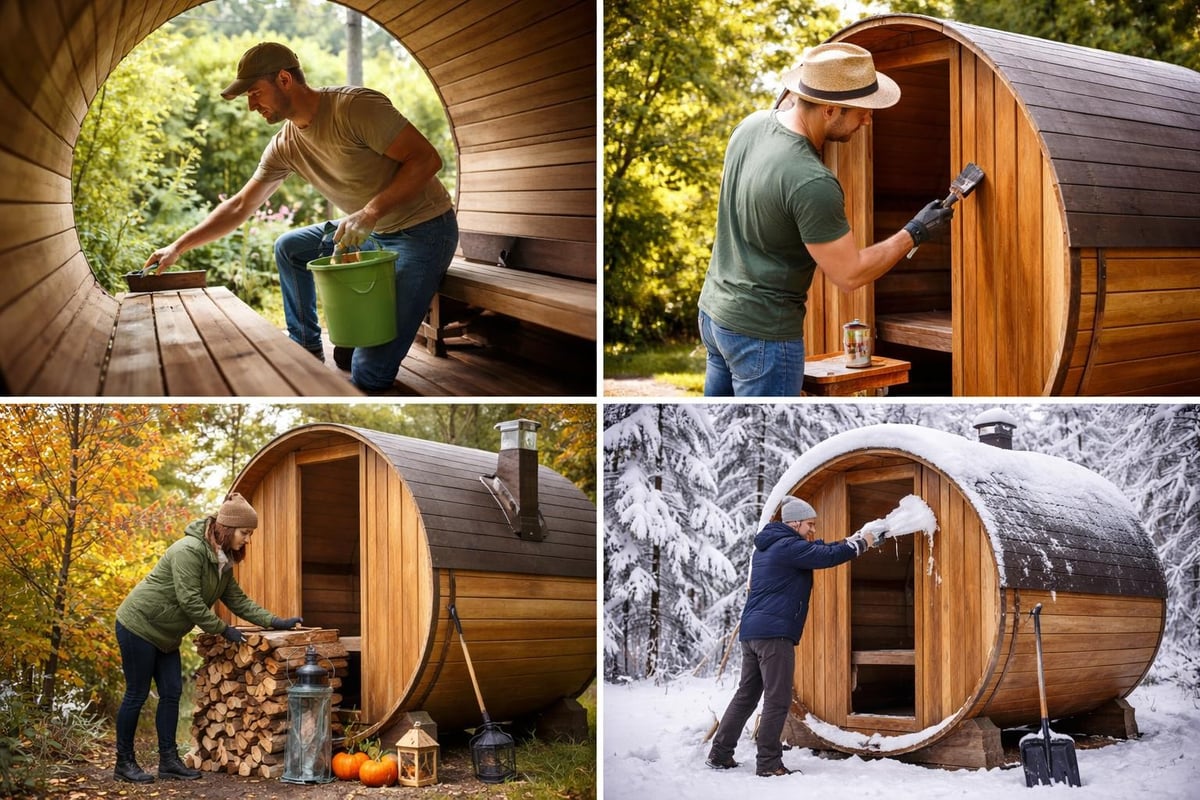
Cedar's natural preservatives reduce maintenance demands, but simple care routines extend your outdoor barrel sauna's lifespan from decades to generations. Understanding which maintenance tasks prevent problems versus which are merely aesthetic helps you allocate time effectively.
Essential Versus Optional Care
Maintaining your outdoor sauna focuses on three priorities: preventing moisture accumulation, protecting wood surfaces, and maintaining mechanical components. Everything beyond these fundamentals becomes personal preference rather than necessity.
Monthly maintenance checklist:
- Remove debris from roof and around base
- Check door seals and adjust hardware if needed
- Inspect banding tension and tighten if loose
- Clean interior benches with sauna-specific cleaner
- Verify heater rocks are properly positioned
Annual maintenance tasks:
- Apply exterior wood treatment or sealant
- Inspect and replace worn weather stripping
- Clean and test ventilation systems
- Check electrical connections (electric heaters)
- Examine foundation for settling or erosion
The naturally occurring silver-gray patina that develops on untreated cedar is perfectly acceptable and doesn't compromise structural integrity. However, many owners prefer to maintain the original honey-colored appearance through periodic application of cedar-specific oils or sealers.
Installation Considerations and Timeline
Most outdoor barrel sauna models arrive as prefabricated kits designed for assembly by two people with basic tools over a single weekend. This accessibility makes ownership feasible for homeowners who want to avoid contractor costs while still achieving professional results.
Assembly Process Overview
Manufacturers typically provide detailed instructions with numbered components, though the basic process remains consistent across brands. You'll position the base cradles, install floor boards, erect the curved wall staves, secure the roof, attach doors and windows, and finally install the heater and accessories.
Tools required for typical assembly:
- Cordless drill with bit set
- Socket wrench set
- Level (4-foot recommended)
- Rubber mallet
- Tape measure
- Safety glasses and work gloves
Electrical work for heater installation should be performed by licensed electricians familiar with sauna specifications and local building codes. This professional installation ensures safety and may be required for warranty validity and insurance purposes.
Cost Analysis and Investment Value
Outdoor barrel sauna pricing varies significantly based on size, materials, brand reputation, and included features. Entry-level models start around $3,500 for compact two-person units, while premium six-person saunas with luxury amenities can exceed $15,000.
| Price Range | Typical Features | Target Buyer | Expected Lifespan |
|---|---|---|---|
| $3,500-$6,000 | Basic construction, smaller capacity, electric heater | First-time buyers, budget-conscious | 15-20 years |
| $6,000-$10,000 | Premium cedar, 4-person capacity, quality hardware | Serious wellness enthusiasts | 20-30 years |
| $10,000-$15,000 | Luxury details, panoramic glass, larger size | High-end homeowners | 30+ years |
| $15,000+ | Custom features, exceptional craftsmanship | Luxury properties | Generational |
Beyond the initial purchase, consider operating costs including electricity ($30-60 monthly for regular use), annual maintenance supplies ($50-100), and occasional replacement parts. These expenses remain minimal compared to gym memberships or spa visits that provide similar wellness benefits.
Seasonal Considerations and Year-Round Use
An outdoor barrel sauna delivers value across all four seasons, with each period offering unique experiences. Winter sessions create dramatic temperature contrasts and the traditional Nordic practice of alternating between intense heat and cold exposure. Summer sauna use may seem counterintuitive but provides detoxification benefits and evening relaxation as outdoor temperatures moderate.
Winter Performance Optimization
Cold weather actually enhances certain aspects of sauna performance. The temperature differential between interior heat and exterior cold creates invigorating experiences, and proper insulation and heat retention becomes immediately noticeable through faster heating and lower energy consumption.
Ensure snow doesn't accumulate against your outdoor barrel sauna's base, as prolonged contact with moisture can compromise cedar over time despite its natural resistance. A simple roof overhang or snow guards prevents issues without requiring active winter maintenance.
Customization Options and Upgrades
Modern outdoor barrel sauna manufacturers offer numerous customization options allowing you to tailor your unit to specific preferences and property characteristics. These choices range from essential functional elements to luxury amenities that enhance the overall experience.
Popular customization categories:
- Lighting: LED color therapy systems, traditional incandescent fixtures, or natural light through additional windows
- Aromatherapy: Essential oil diffusers, cedar bundle holders, or specialized ventilation for scent distribution
- Audio: Bluetooth speaker systems, traditional radio units, or acoustic design for natural sound
- Seating: Standard benches, multi-level configurations, or ergonomic backrests
- Exterior finish: Natural weathering, stain colors, or protective sealants matching your property aesthetic
When exploring options through RecoSauna, consider which features align with your wellness goals versus those that merely sound appealing. The most-used saunas typically prioritize core functionality over excessive gadgetry.
Comparing Barrel Versus Cabin Configurations
While this article focuses on barrel designs, understanding how they compare to traditional cabin saunas helps clarify whether the cylindrical shape suits your priorities. Both styles have devoted advocates, and the choice often comes down to aesthetic preference and specific property requirements.
Barrel saunas excel in heating efficiency, weather resistance, and footprint efficiency-you get more usable interior space per square foot of ground coverage. Cabin designs offer easier customization, more familiar construction methods, and sometimes better integration with existing structures or architectural styles.
The barrel's distinctive appearance becomes either an advantage (unique visual appeal and conversation piece) or disadvantage (less traditional residential look) depending on your property's character and neighborhood aesthetics.
An outdoor barrel sauna represents a meaningful investment in personal wellness, property value, and quality of life that delivers returns for decades when properly selected and maintained. From the engineering advantages of circular construction to the health benefits of regular heat therapy, these unique structures offer experiences that justify their place in modern backyards. RecoSauna provides access to premium outdoor barrel sauna options from top North American manufacturers, including Canadian Timber and luxury cedar models designed for lasting performance, with expert guidance to help you select the perfect unit for your space, budget, and wellness goals.
Share:
Benefit of Infrared Sauna: Complete Health Guide
Best Infrared Sauna: Expert Guide for 2026