
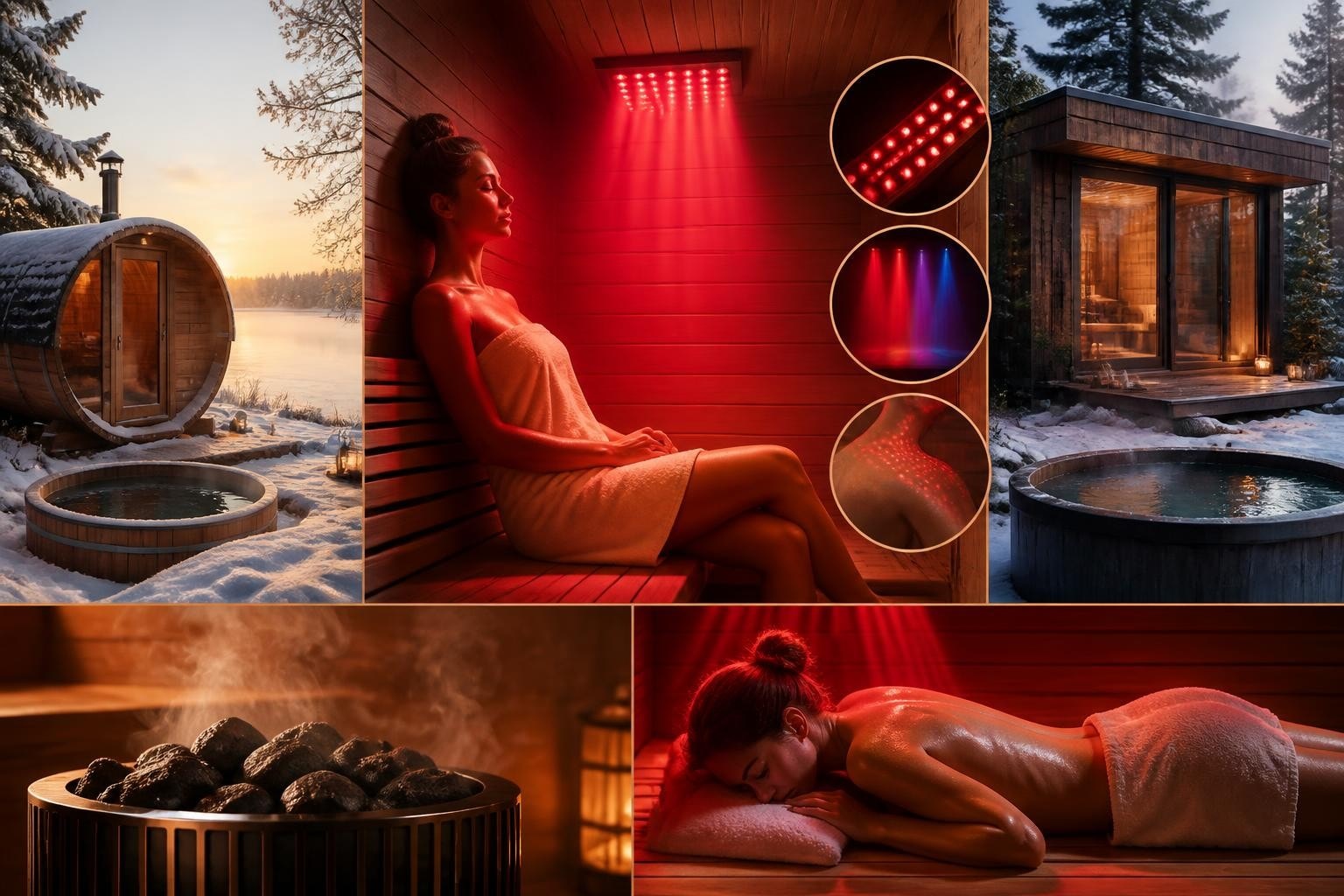
You've probably noticed red light therapy popping up everywhere lately. Gyms, spas, wellness clinics, even at-home devices crowding Amazon. Now we're seeing red light sauna systems that promise to combine traditional heat therapy with light-based healing. But what exactly is a red light sauna, and does it actually deliver on those promises? I'm Petri, raised on Lake Saimaa in Finland where sauna has been a healing practice for 2,000 years. At RecoSauna, I've watched this technology evolve from gimmick to genuine wellness tool, and I want to walk you through what actually works and what's just marketing noise.
What Makes a Red Light Sauna Different
A red light sauna combines heat therapy with specific wavelengths of light, usually in the red (630-700nm) and near-infrared (700-1400nm) spectrum. Think of it as layering two separate therapies into one session. Traditional saunas, the kind we've used in Finland for generations, heat your body from the outside in. Red light therapy works at the cellular level, penetrating your skin to reach mitochondria and trigger biological responses.
Here's where it gets interesting. Most red light sauna systems aren't actually traditional steam saunas with red lights bolted on. They're typically infrared saunas that include chromotherapy features, with red light as one option in a full-spectrum lighting system. The differences between red light therapy and infrared saunas matter more than you might think.
The Technology Behind Red Light Therapy
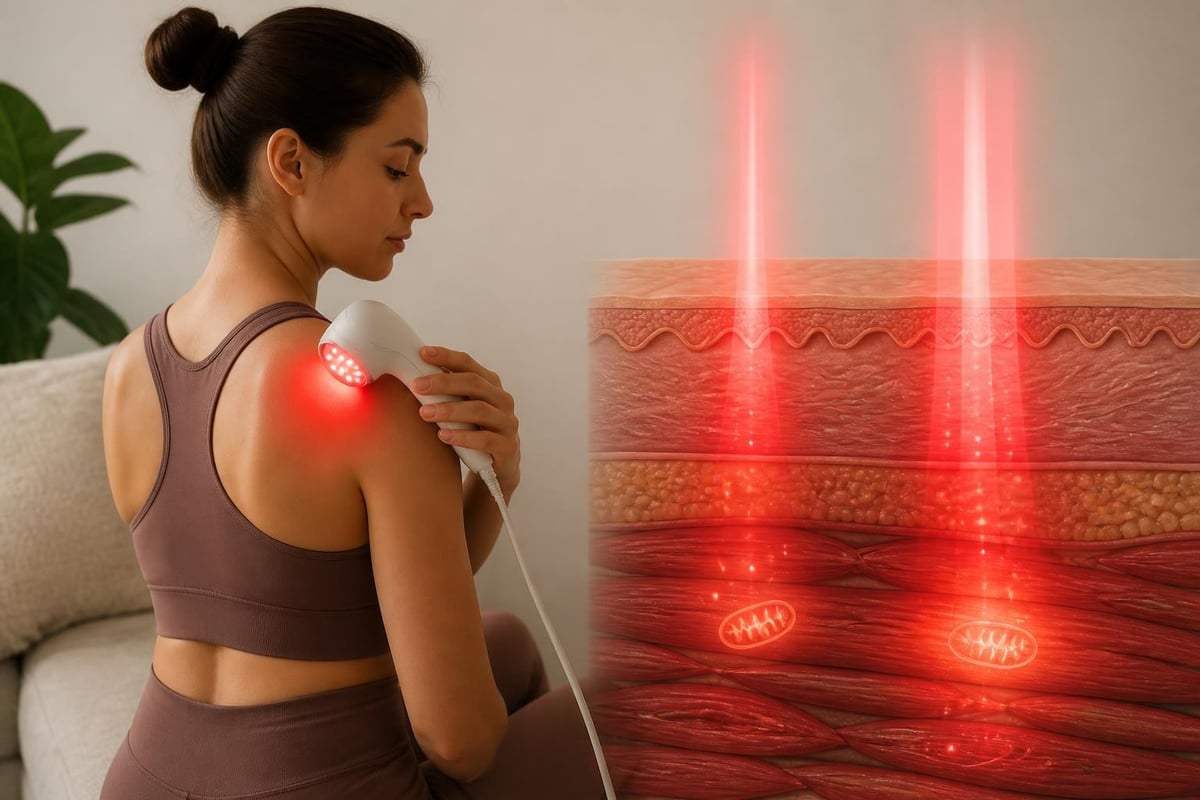
Red and near-infrared wavelengths penetrate your skin at different depths. Red light (around 660nm) reaches about 8-10mm deep, targeting skin cells, blood vessels, and surface tissues. Near-infrared (around 850nm) pushes deeper, reaching muscles, joints, and even bones. This isn't some new-age concept. Research shows how red light saunas work at the cellular level, particularly through a process called photobiomodulation.
Your mitochondria (the power plants inside your cells) absorb these specific wavelengths and use them to produce more ATP, which is basically cellular energy. More energy means better cellular repair, reduced inflammation, and improved circulation. Combined with heat stress from the sauna, you're triggering multiple beneficial pathways simultaneously.
Finnish Tradition Meets Modern Light Technology
In Finland, we don't chase every wellness trend that comes along. Sauna has survived 2,000 years because it works. But that doesn't mean we ignore genuine innovations. The key question I ask: does adding red light therapy enhance the traditional benefits of heat, or does it distract from them?
Traditional Finnish sauna creates löyly, that perfect moment when steam rises from hot stones and your body surrenders to the heat. It's about cardiovascular conditioning, deep sweating, mental clarity, and social connection. Red light therapy offers something different: cellular repair, collagen production, potentially faster muscle recovery. These aren't competing goals, they're complementary.
How the Combination Works in Practice
When you combine heat and red light, you're working on multiple systems:
- Cardiovascular system: Heat increases heart rate and circulation
- Cellular energy: Red light boosts mitochondrial function
- Detoxification: Sweating removes toxins through skin
- Inflammation: Both heat and specific wavelengths reduce inflammatory markers
- Recovery: Enhanced blood flow plus cellular repair accelerates healing
The timing matters. Some people use red light therapy before their sauna session to pre-activate cellular pathways. Others prefer during the session, letting heat and light work together. Still others use it afterward, when circulation is elevated and skin is more receptive. Methods for integrating red light therapy with sauna sessions vary based on your specific goals.
Research-Backed Benefits You Should Know
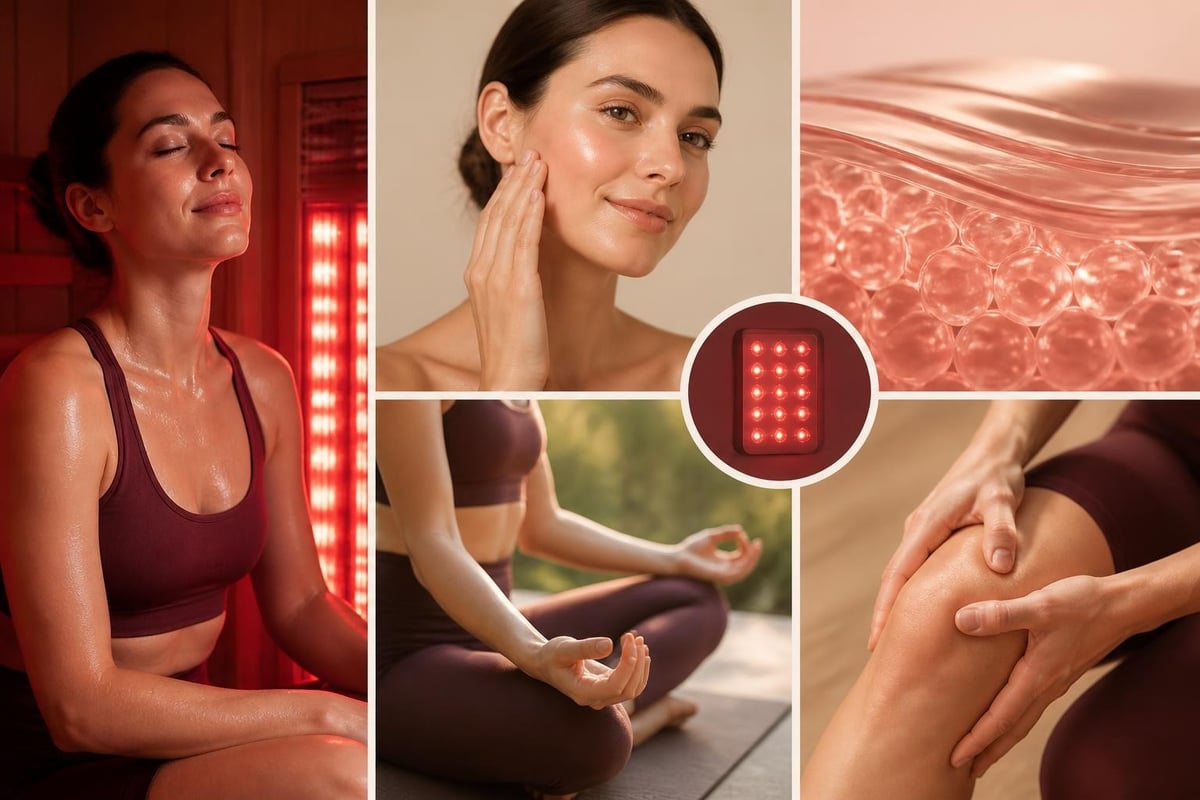
Let me be direct: not every claim about red light sauna holds up under scrutiny. But there's solid research supporting several key benefits. A 2018 study in Photomedicine and Laser Surgery found that red light therapy at 660nm significantly improved skin complexion and increased collagen density over 12 weeks. That's real, measurable change.
For athletes and active people, the muscle recovery angle gets interesting. Research published in the Journal of Athletic Training showed that near-infrared light therapy reduced delayed onset muscle soreness (DOMS) and improved range of motion when applied after eccentric exercise. Combine that with sauna's proven cardiovascular benefits (a 2015 JAMA study linked regular sauna use to reduced cardiovascular mortality), and you've got a powerful recovery protocol.
What the Science Actually Says
Let me break down the research into practical categories:
| Benefit Category | Evidence Level | Key Findings |
|---|---|---|
| Skin health | Strong | Increased collagen, reduced wrinkles, improved tone |
| Muscle recovery | Moderate | Reduced DOMS, faster recovery time |
| Inflammation | Moderate | Decreased inflammatory markers, reduced joint pain |
| Circulation | Strong | Improved blood flow, enhanced oxygen delivery |
| Mood/energy | Emerging | Some studies show improved mood, reduced fatigue |
Notice I said "moderate" for some categories. That's because research is ongoing. We need more large-scale, long-term studies. But the existing evidence is promising enough that I recommend red light sauna to customers with specific goals around skin health, recovery, and inflammation management.
Choosing the Right Red Light Sauna System
This is where things get practical. You've got three main options: traditional saunas with add-on red light panels, infrared saunas with built-in chromotherapy, or standalone red light devices you use separately from your sauna sessions.
From my experience building recovery practices with hundreds of customers, the infrared sauna with integrated chromotherapy usually delivers the best experience. Why? You control everything from one place, the light coverage is designed specifically for sauna use, and you don't have to manage multiple devices or sessions.
Full Spectrum Systems vs. Red-Only Devices
Here's a comparison that matters for your wallet and your results:
Full Spectrum Infrared Saunas:
- Include red, near-infrared, and far-infrared wavelengths
- Chromotherapy lighting with multiple color options
- Typically 4-8 heating panels plus dedicated light panels
- Price range: $2,999-$8,999 for quality systems
- Best for: comprehensive wellness, daily use, multiple users
Red Light Standalone Devices:
- Focus exclusively on specific wavelengths (usually 660nm + 850nm)
- More targeted, clinical-grade light output
- Use separate from sauna sessions
- Price range: $200-$3,000 depending on size/quality
- Best for: specific treatment areas, pre/post sauna protocols
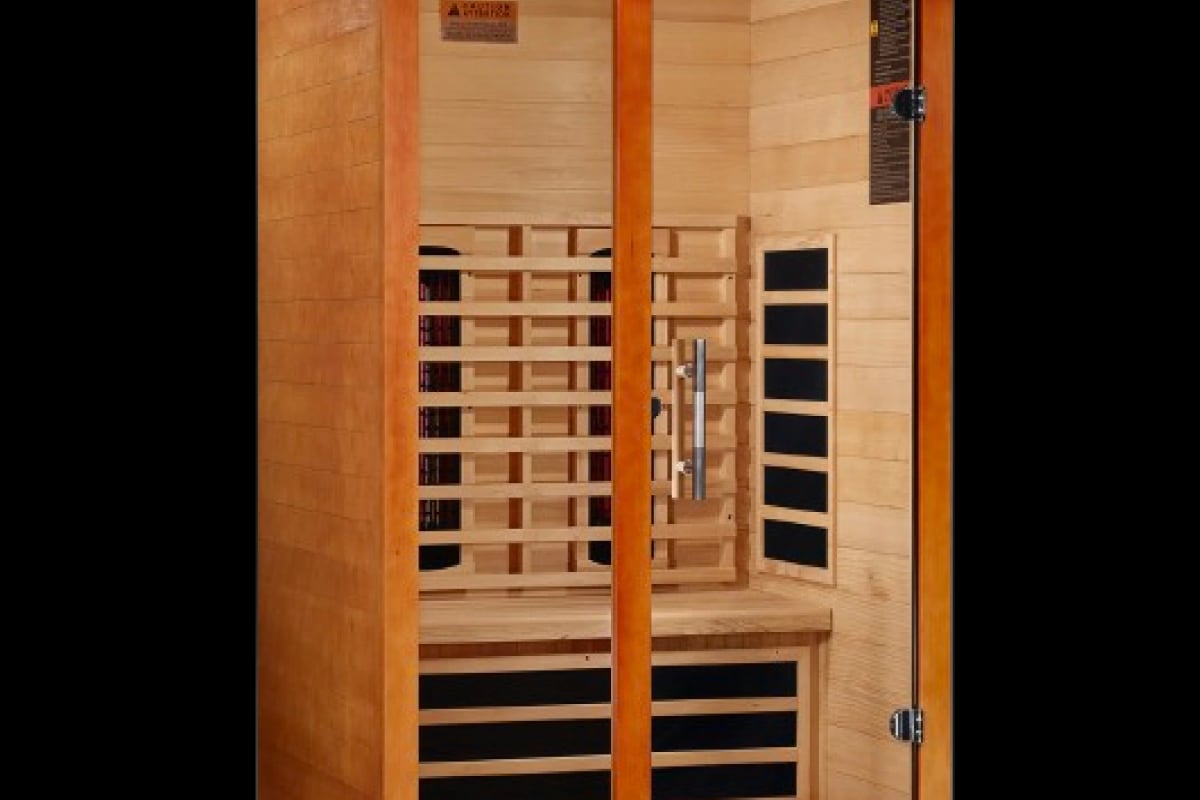
The Golden Designs Llumeneres Full Spectrum Zero EMF Sauna hits a sweet spot at $7,999. It's built from Canadian Hemlock, includes 4 carbon far-infrared panels plus 2 near-infrared elements, and features chromotherapy lighting with dedicated red light settings. Zero EMF means you're not trading one wellness benefit for electromagnetic exposure. It's plug-and-play on standard 120V, no electrician needed.
Installation and Practical Considerations
Most people underestimate the space and setup requirements. A 2-person infrared sauna needs about 4x4 feet of floor space, plus clearance for the door swing and ventilation. Indoor placement requires a level surface and access to a standard outlet. Some customers put them in master bedrooms, others in basements or converted garages.
If you're thinking outdoor saunas, the red light question changes. Traditional wood-fired or electric outdoor saunas don't typically include chromotherapy systems. You'd add standalone red light panels or use a separate device before or after your sauna session. That's actually how many Finnish families approach it, keeping the sauna experience pure and using light therapy as a complementary practice.
Building Your Recovery Protocol
Let's talk real-world application. How do you actually use a red light sauna to get results? I've learned from customers and my own practice that consistency beats intensity every time. Three 20-minute sessions per week will outperform one 60-minute marathon session.
Here's a protocol I recommend for general wellness and recovery:
- Pre-session preparation (5 minutes): Hydrate with 8-16oz of water, remove jewelry/makeup, light stretching
- Warm-up phase (5-7 minutes): Start at lower temperature (110-120°F), activate red light therapy, focus on breathing
- Active phase (10-15 minutes): Increase to target temperature (130-140°F for infrared), maintain red light exposure, light movement or stretching
- Cool-down (5 minutes): Lower temperature or step out, continue red light for skin benefits, deep breathing
- Post-session (10 minutes): Rehydrate, cool shower or cold plunge, rest
The cold plunge component deserves special attention. Finnish contrast therapy (sauna followed by cold immersion) amplifies many benefits we're chasing. Heat dilates blood vessels and activates cellular repair. Cold constricts vessels and triggers anti-inflammatory responses. Together, they create a vascular workout that improves circulation, reduces inflammation, and speeds recovery.
Customizing for Specific Goals
Your goals should shape your protocol. Here's how I adjust recommendations:
For Skin Health:
- Focus on red light (660nm) during and after heat exposure
- Moderate temperatures (120-135°F) to avoid excessive moisture loss
- 4-5 sessions per week, 20-25 minutes each
- Post-session moisturizing while skin is receptive
For Athletic Recovery:
- Combine near-infrared (850nm) with far-infrared heat
- Higher temperatures (140-150°F) for deep muscle penetration
- 3-4 sessions per week, 25-30 minutes each
- Always pair with cold therapy for optimal results
For Stress/Mental Clarity:
- Full-spectrum light during moderate heat (125-135°F)
- Slower sessions, 30-40 minutes with lower intensity
- Daily or every-other-day consistency
- Focus on breathing and meditation during session
Integration with Traditional Finnish Sauna
Can you add red light to a traditional Finnish sauna? Technically yes, but I rarely recommend it. Traditional sauna is about high heat, steam from löyly, and the social/cultural experience. Most red light panels aren't designed for 160-190°F temperatures and high humidity. You risk damaging expensive equipment.
Instead, I suggest using them as separate but complementary practices. Use your traditional Finnish sauna for the heat therapy, cardiovascular benefits, and that deep spiritual reset löyly provides. Add standalone red light therapy sessions 2-3 times per week, either before sauna (to pre-activate cellular pathways) or on alternate days (to extend recovery benefits).
If you're building a complete home wellness space, pair a traditional outdoor sauna with cold plunge therapy and a separate red light device. That gives you maximum flexibility and preserves the authentic Finnish experience while adding modern recovery tools.
Contrast Therapy: The Complete Protocol
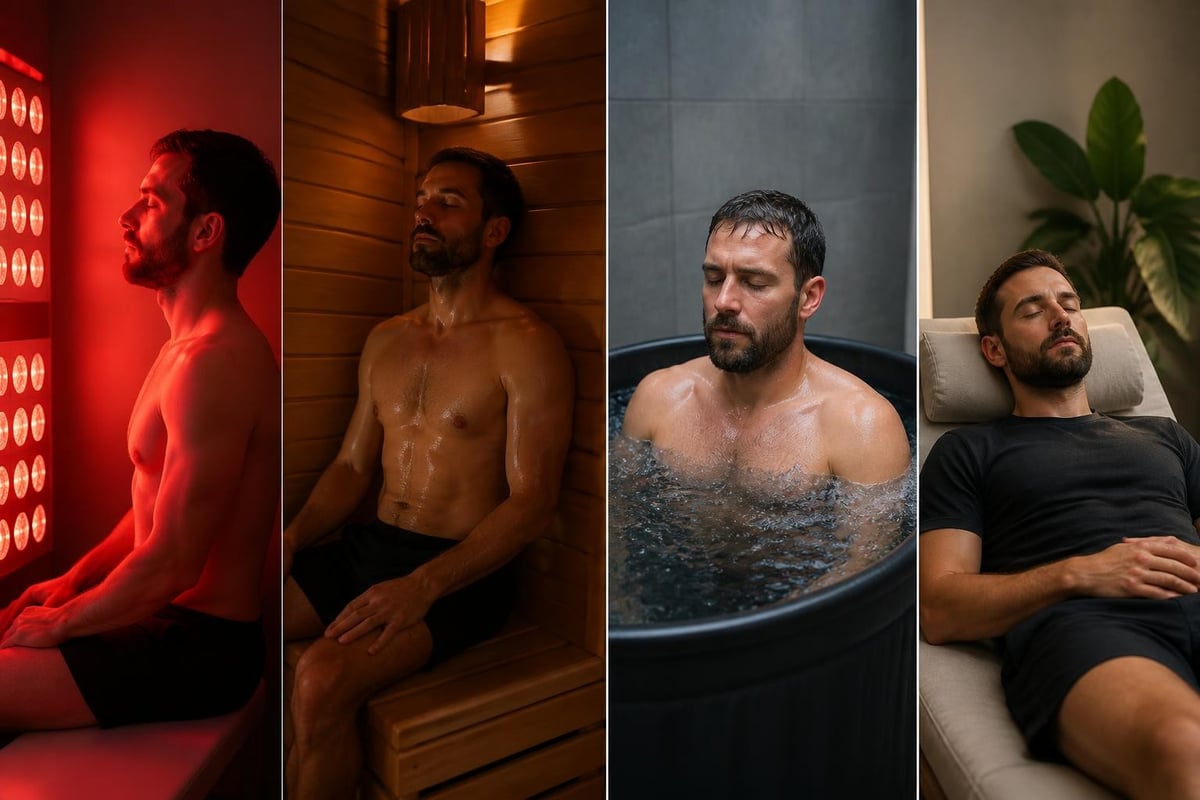
The most powerful setup I recommend combines traditional heat, cold immersion, and red light in sequence. Here's how it works:
- Red light exposure (10 minutes) to activate cellular repair pathways
- Traditional sauna session (15-20 minutes) for heat stress and cardiovascular benefits
- Cold plunge (2-3 minutes) for vascular constriction and inflammation control
- Rest period (10 minutes) allowing body temperature to normalize
- Repeat cycle 2-3 times based on tolerance
The LeisureCraft Baltic Plunge Tub at $3,189 makes this protocol accessible at home. It's crafted from Eastern White Cedar with an HDPE liner and holds 132 gallons for full-body immersion. You can use it with ice for acute recovery or add an electric chiller for daily practice. Pair it with any of our outdoor saunas, and you've got professional-level contrast therapy in your backyard.
Cost Analysis and Long-Term Value
Let's talk money. A quality red light sauna system runs $3,000-$8,000. Standalone red light panels cost $500-$2,000. Traditional Finnish saunas range from $5,585-$9,550 for outdoor models. These aren't small investments, so you need to think long-term value.
Compare to alternatives: gym memberships with sauna access ($50-200/month), spa sessions with red light therapy ($75-150 per session), recovery clinics ($100-300 per visit). If you're using these services 2-3 times weekly, you're spending $400-1,200 monthly. A home system pays for itself in 6-24 months depending on usage.
But there's value beyond math. Having sauna and red light therapy at home means you actually use them. No driving, no scheduling, no crowds. You build a practice, not just occasional treatments. That consistency is where real benefits accumulate.
Operating Costs You Should Know
Monthly operating costs for a red light sauna system:
| Cost Category | Infrared Sauna | Traditional Sauna | Red Light Only |
|---|---|---|---|
| Electricity | $15-30 | $20-40 | $3-8 |
| Maintenance | $5-10 | $10-20 | $0-5 |
| Water (cleaning) | $0 | $0 | $0 |
| Total Monthly | $20-40 | $30-60 | $3-13 |
Infrared saunas with red light run on standard 120V outlets and cost about the same as running a space heater. Traditional electric saunas need 240V and draw more power. Red light panels alone are incredibly cheap to operate, usually under 200 watts total.
Common Questions and Misconceptions
"Is red light sauna the same as infrared sauna?" Not quite. All red light is infrared (it's on the electromagnetic spectrum between visible light and thermal infrared), but not all infrared saunas include therapeutic red light. Far-infrared saunas heat your body. Red light therapy stimulates cellular processes. Full-spectrum saunas do both.
"Can I get the same benefits from my phone's red light?" No. Therapeutic red light requires specific wavelengths (660nm, 850nm), sufficient power density (measured in mW/cm²), and adequate exposure time. Your phone screen doesn't come close.
"Will it make me look younger?" Research on what red light saunas do for your body shows collagen production and skin improvements, but we're talking about reducing fine lines and improving tone over months of consistent use, not dramatic anti-aging miracles.
"Is it safe for daily use?" For most people, yes. Red light therapy has an excellent safety profile. The heat component needs more caution. Daily infrared sauna use at moderate temperatures (130-140°F) is generally safe for healthy adults. If you have cardiovascular issues, pregnancy, or specific medical conditions, consult your doctor first.
What Actually Matters for Results
After working with hundreds of customers, here's what I've learned actually drives results:
- Consistency trumps everything: 3x weekly beats occasional marathon sessions
- Proper distance matters: Red light effectiveness drops with distance, stay within manufacturer's recommended range
- Temperature isn't everything: 130-140°F with good light exposure beats 160°F without
- Hydration is non-negotiable: Dehydration kills benefits and creates safety risks
- Recovery requires rest: Using sauna as part of overall recovery practice, not as your only recovery tool
Making the Decision: What's Right for You
If you're primarily interested in skin health, athletic recovery, or cellular-level benefits, an infrared sauna with full-spectrum red light makes sense. If you want authentic Finnish sauna experience with optional red light therapy, get a traditional sauna and add standalone red light panels. If you want the complete recovery protocol, invest in both heat and cold therapy systems.
Your space and budget matter too. Living in an apartment? A compact 2-person infrared sauna with chromotherapy fits in a corner and plugs into standard outlets. Have a backyard and want the full Finnish experience? An outdoor traditional sauna like the Georgian Cabin paired with cold plunge creates an incredible recovery retreat.
At RecoSauna, I help people build recovery practices, not just sell equipment. When you contact us, you reach me directly, never a call center. We're authorized dealers for LeisureCraft and Golden Designs, members of Sauna from Finland and the North American Sauna Society. We ship free throughout the US and Canada.
The red light sauna category will continue evolving as research expands and technology improves. What won't change is the fundamental principle: consistent practice beats perfect equipment. Start where you are, use what you have, build the habit. The benefits compound over time, just like they have in Finland for 2,000 years.
Red light sauna combines proven heat therapy with emerging light-based cellular treatment, offering complementary benefits for skin, recovery, and overall wellness. Whether you choose an integrated system or build a multi-modal practice with separate devices, consistency and proper protocols deliver real results. At RecoSauna, we help you build that practice with authentic Finnish equipment, expert guidance from Petri directly, and a complete range from Golden Designs infrared saunas ($2,999-$7,999) to traditional LeisureCraft cedar saunas paired with cold plunge therapy. We don't sell boxes, we sell löyly and the recovery protocols that change lives.
Share:
Outdoor Sauna 2 Person: A Finnish Buyer's Guide (2026)
Steam Sauna: Finnish Löyly and Real Recovery Science