
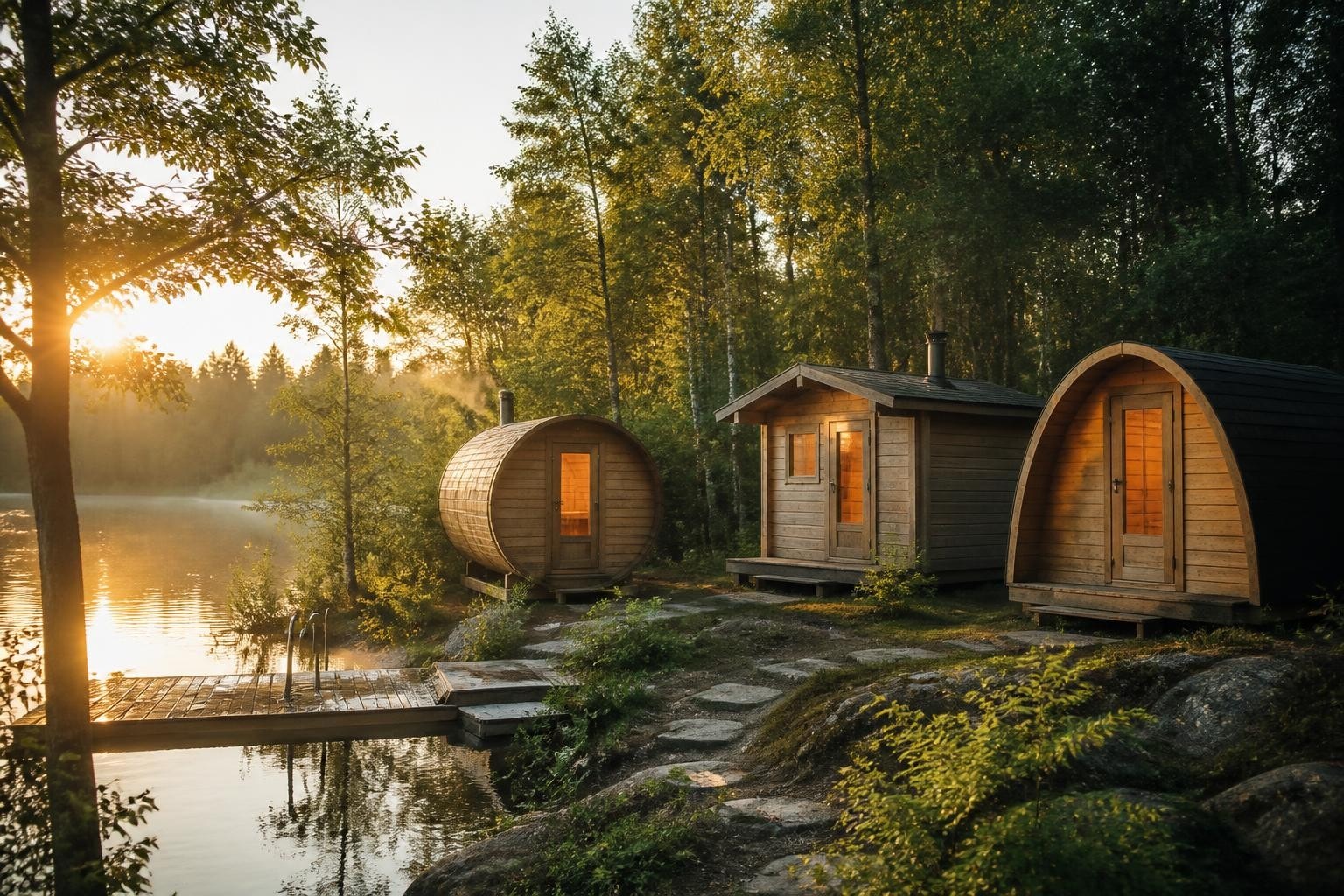
The best outdoor sauna depends on your yard size, climate, and how you'll actually use it. Barrel saunas heat quickly and suit smaller spaces. Cabin saunas offer more room and design flexibility. Pod saunas provide modern aesthetics with efficient footprints. Each style serves a different purpose, and understanding these differences matters more than brand names or marketing claims.
What Makes an Outdoor Sauna Work in North America
An outdoor sauna faces weather extremes that indoor models never encounter. Snow, rain, summer heat, and freeze-thaw cycles test every joint and seal. The best outdoor sauna uses materials that resist these conditions naturally without constant maintenance.
Cedar remains the standard choice for good reason. Eastern White Cedar and Red Cedar contain natural oils that resist rot and insect damage. The wood expands and contracts with moisture changes without splitting. This matters during a Minnesota winter or a Pacific Northwest rainy season.
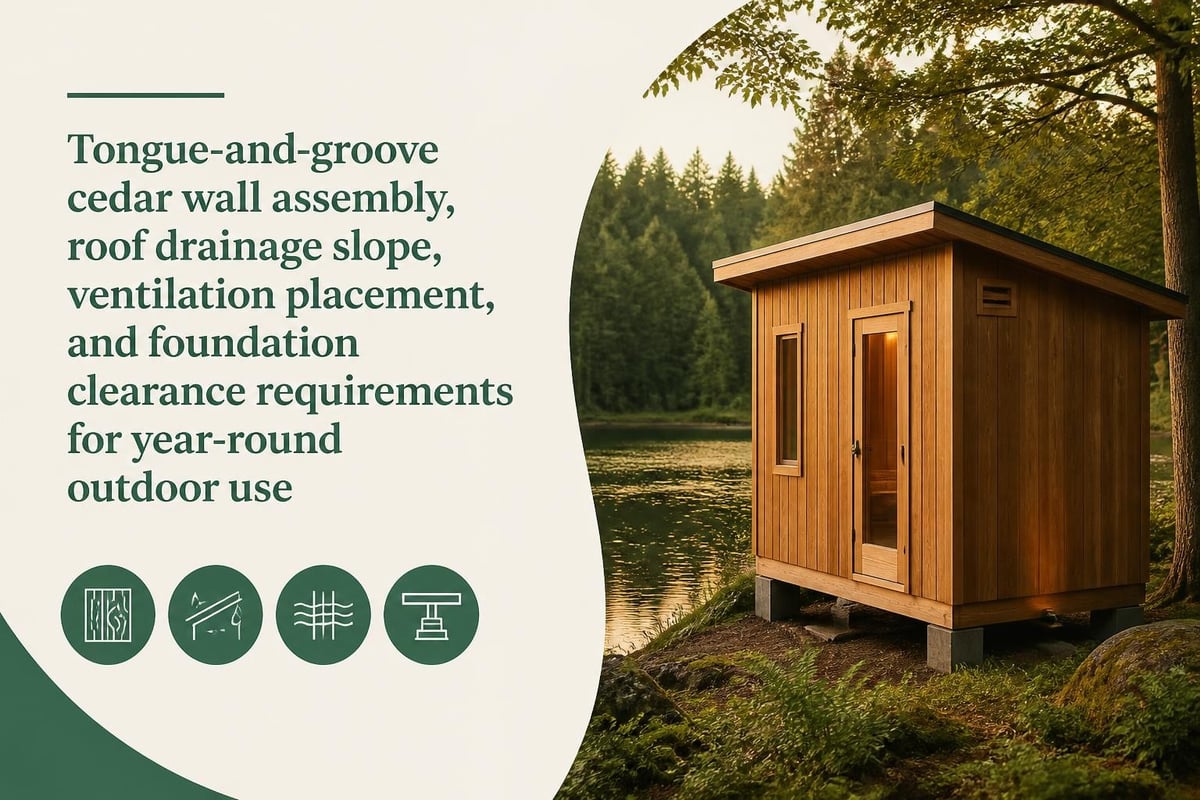
Key structural elements:
- Tongue-and-groove wall panels that seal without gaps
- Proper roof pitch for snow and rain drainage
- Ventilation openings placed to prevent moisture buildup
- Foundation that keeps wood away from ground contact
The heater capacity must match your sauna's interior volume. A 6 kilowatt heater works for roughly 200 to 300 cubic feet. Undersized heaters run constantly and never reach proper temperature. Oversized heaters cycle too quickly and stress electrical systems.
Stone mass in the heater influences how löyly feels. More stones mean steadier heat and better steam when you add water. A heater with 40 to 60 pounds of stones provides the thermal mass needed for traditional use. Research on cardiovascular benefits from sauna bathing shows associations with regular heat exposure, though individual results vary.
Outdoor Sauna Styles Compared
| Style | Best For | Typical Capacity | Heat-Up Time |
|---|---|---|---|
| Barrel | Quick sessions, smaller yards | 2-4 people | 20-30 min |
| Cabin | Family use, year-round | 4-8 people | 30-45 min |
| Pod | Modern design, efficiency | 2-4 people | 25-35 min |
Barrel saunas minimize surface area, which reduces heat loss and speeds warm-up. The curved walls shed snow and rain naturally. They fit well in side yards or corner spaces where cabin saunas won't work. The compact interior feels cozy but limits headroom for taller users.
Cabin saunas provide full standing height and flexible bench configurations. You can add windows for light or keep walls solid for privacy. The rectangular shape uses space efficiently and allows for changing rooms or covered porches. Assembly takes more time than barrel models but offers more customization.
Pod saunas blend barrel efficiency with cabin versatility. The rounded roof provides weather protection while vertical walls give better interior space. This newer design category appeals to homeowners who want contemporary aesthetics without sacrificing function.
Size and Capacity Reality
Manufacturer capacity ratings assume tight seating. A "4-person" barrel sauna comfortably seats two adults with space to move. A "6-person" cabin sauna works well for four people using it regularly.
Measure your intended location before selecting a size. Account for door swing, ventilation clearances, and access for periodic maintenance. A sauna placed too close to property lines or structures creates problems with heat radiation and fire codes.
What to Evaluate Before Buying
Wood quality varies significantly between manufacturers. Kiln-dried lumber resists warping and splitting better than air-dried. Clear-grade cedar contains fewer knots and provides more consistent insulation. These details matter for long-term durability.
Critical evaluation points:
- Wall thickness (38mm minimum for year-round use)
- Door seal quality and hinge durability
- Roof construction and shingle type
- Electrical components and safety certifications
- Heater sizing and stone capacity
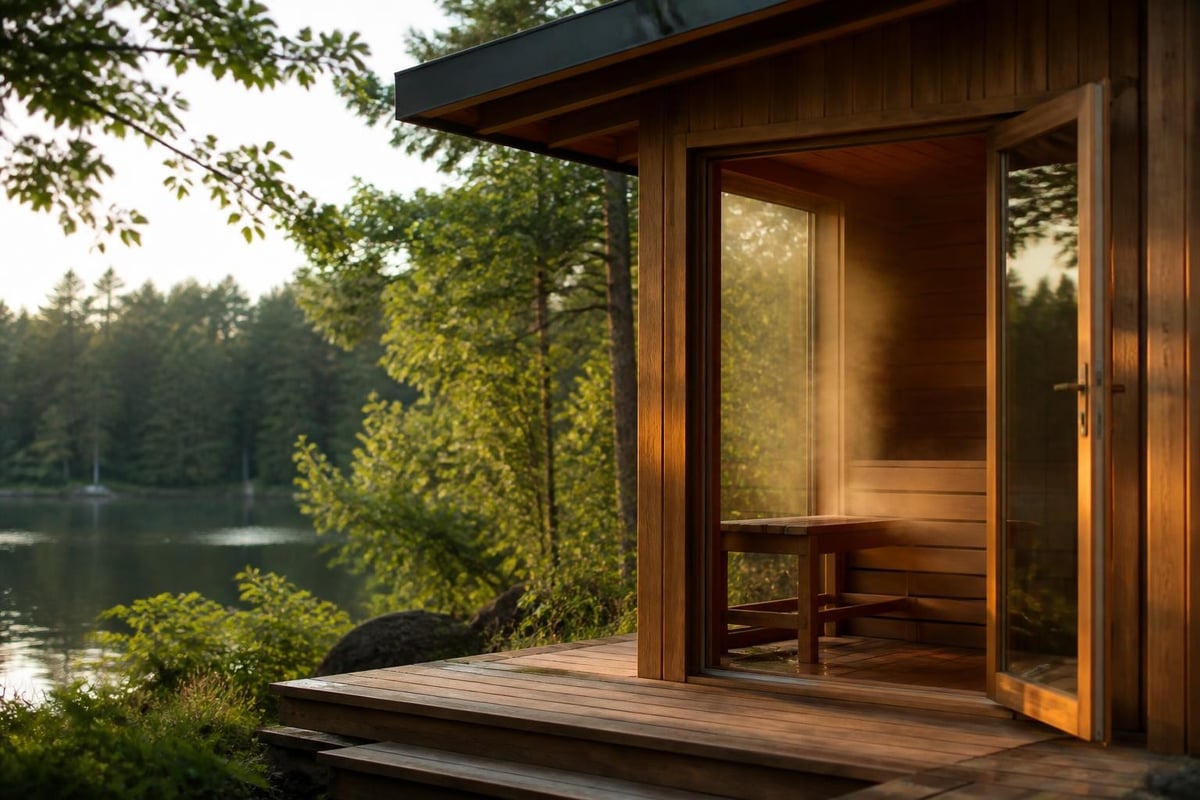
Glass doors bring in natural light but lose more heat than wood doors. Tempered glass rated for temperature changes prevents cracking. Bronze or gray tint reduces direct sun glare during summer sessions.
Benches should use the same wood species as walls. Mixed woods expand at different rates and create gaps over time. Bench height affects comfort during longer sessions. Lower benches stay cooler, upper benches provide more intense heat.
Heater Selection and Electrical Requirements
Most outdoor saunas use 240-volt electric heaters requiring dedicated circuits. A 6 kW heater draws 25 amps. An 8 kW heater draws 33 amps. Your electrical panel must have capacity for this additional load.
Wood-burning heaters suit remote locations without reliable electricity. They require chimney installation, regular ash removal, and more active fire management. The heat feels different, softer and more variable than electric. Some people prefer this traditional approach despite the added work.
Heater controls range from simple timers to digital systems with remote access. Basic controls work reliably and rarely fail. Complex systems offer convenience but add potential failure points. Consider your comfort with technology and how often you'll actually use advanced features.
Assembly and Installation Considerations
Pre-cut kits arrive with numbered parts and assembly manuals. Two people can build a barrel sauna in 6 to 10 hours. Cabin saunas take 12 to 20 hours depending on size and features. Pod saunas fall somewhere between.
Foundation options include concrete pads, paver bases, or gravel with timber frames. The foundation must be level within a quarter inch across the entire footprint. Unlevel foundations cause door alignment problems and structural stress.
Installation steps:
- Prepare level foundation
- Assemble wall panels or staves
- Install roof structure
- Mount door and hardware
- Wire electrical connections (licensed electrician required)
- Install heater and controls
- Add benches and accessories
Electrical connection requires a licensed electrician in most jurisdictions. Permit requirements vary by location. Some areas classify saunas as accessory structures needing building permits. Others treat them as temporary installations. Check local codes before ordering.
The garden sauna concept integrates wellness into your outdoor living space naturally. Placement near existing pathways reduces winter ice concerns. Locating within sight of your house improves security and convenience.
My View from Lake Saimaa
I grew up taking sauna every evening after work ended on our family property. The sauna sat 30 meters from the lake, a simple log cabin my grandfather built in 1967. We heated it with birch wood, and the stove took 90 minutes to bring the room to temperature. That waiting time taught patience. The walk to the lake after taught the value of cold water. These weren't wellness practices or recovery protocols. This was how we ended each day.
Climate Adaptation for North America
Finnish saunas evolved in a climate similar to the northern United States and Canada. The same principles apply whether you're in Vermont, Minnesota, or Alberta. Insulation matters more than aesthetics. Proper ventilation prevents moisture damage. Simple, durable construction outlasts complex features.
Winter use requires planning for snow access and ice on walkways. Summer use needs shade consideration to prevent excessive solar gain. A well-placed outdoor sauna works comfortably in both seasons.
Some customers ask about the outdoor barrel sauna versus cabin debate. The answer depends on your specific situation. Barrels work beautifully in exposed locations where wind and weather demand efficiency. Cabins suit sheltered spots where space allows for larger groups.
Materials and Longevity
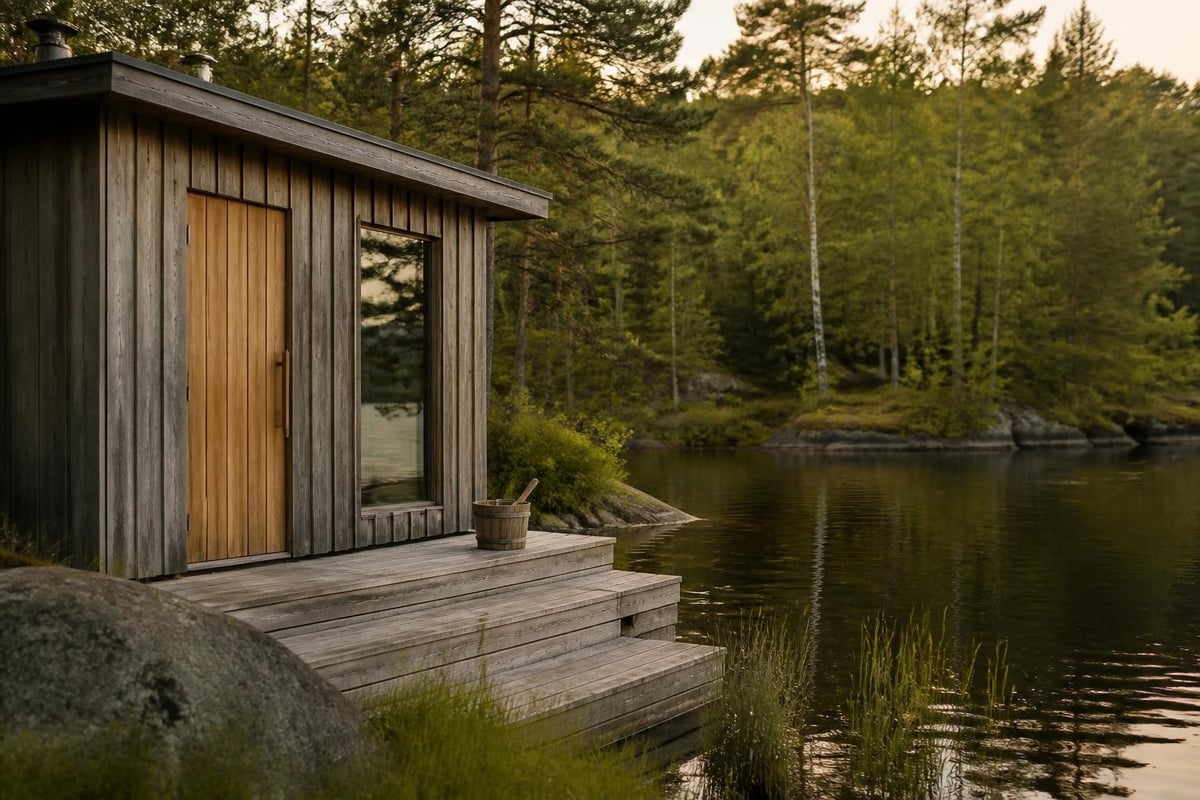
Cedar weathers to silver-gray if left untreated. This natural patina protects the wood without maintenance. Some homeowners prefer to maintain the original color with annual oil treatments. Both approaches work. The choice is aesthetic, not structural.
| Wood Type | Natural Oils | Rot Resistance | Color Change |
|---|---|---|---|
| Eastern White Cedar | High | Excellent | Silver-gray |
| Red Cedar | High | Excellent | Light gray |
| Thermory | Treated | Superior | Stable brown |
Thermory undergoes heat treatment that stabilizes the wood dimensionally. It resists moisture changes better than untreated lumber. The process darkens the wood to a rich brown that stays relatively consistent over time. This material costs more but requires less maintenance.
Metal banding on barrel saunas should use stainless steel or hot-dipped galvanized steel. Regular steel rusts quickly in humid conditions. Rusty bands stain the wood and eventually fail structurally. Quality manufacturers specify corrosion-resistant materials from the start.
Roof shingles need replacement every 10 to 15 years depending on climate exposure. Asphalt shingles work adequately. Metal roofing lasts longer but costs more initially. The roof protects everything else, so quality here prevents larger problems.
Maintenance Requirements
An outdoor sauna needs minimal but consistent care. Sweep out debris after sessions. Check roof and door seals annually. Clean heater stones when mineral deposits accumulate. These tasks take minutes and prevent major repairs.
Benches accumulate sweat oils over time. Occasional light sanding refreshes the surface. Avoid chemical cleaners that off-gas during heating. A stiff brush and water handle most cleaning needs.
Ventilation openings should stay clear of leaves and snow. Blocked vents trap moisture and reduce air quality during use. A quick check before heating prevents problems.
Power and Heat Sources
Electric heaters dominate the North American market for good reason. They're reliable, thermostatically controlled, and require no fuel storage. Most quality outdoor saunas accept standard Harvia or similar heaters sized appropriately for the space.
A 6 kW heater costs roughly $1 to $2 per session to operate depending on local electricity rates. Sessions typically run 45 to 90 minutes including heat-up time. Annual operating costs stay modest for regular users.
Wood-burning heaters appeal to those seeking traditional experience or lacking electrical service. The initial cost is lower, but installation complexity increases with chimney requirements. Ongoing fuel costs vary with wood prices in your region. The active fire management changes the sauna ritual in ways some prefer and others find tedious.
Infrared heating represents a different technology entirely. These units heat the body directly rather than the air. The experience differs from traditional sauna. Some find the lower air temperature more comfortable. Others miss the distinct feel of steam on hot stones. Neither approach is superior, they serve different preferences.
What the Best Outdoor Sauna Means for Your Property
A permanently installed outdoor sauna may increase property value in markets where wellness amenities matter. The effect varies by location and buyer preferences. In areas with established sauna culture, it's viewed as a standard amenity. In other markets, it remains a specialized feature.
The structure itself requires property setbacks similar to sheds or small outbuildings. Typical requirements range from 3 to 10 feet from property lines. Larger saunas may trigger additional zoning reviews. Homeowner associations sometimes restrict outbuildings regardless of local codes.
Insurance companies generally don't increase premiums for outdoor saunas if properly installed and permitted. The fire risk is minimal with electric heaters and proper clearances. Wood-burning installations may require additional documentation.
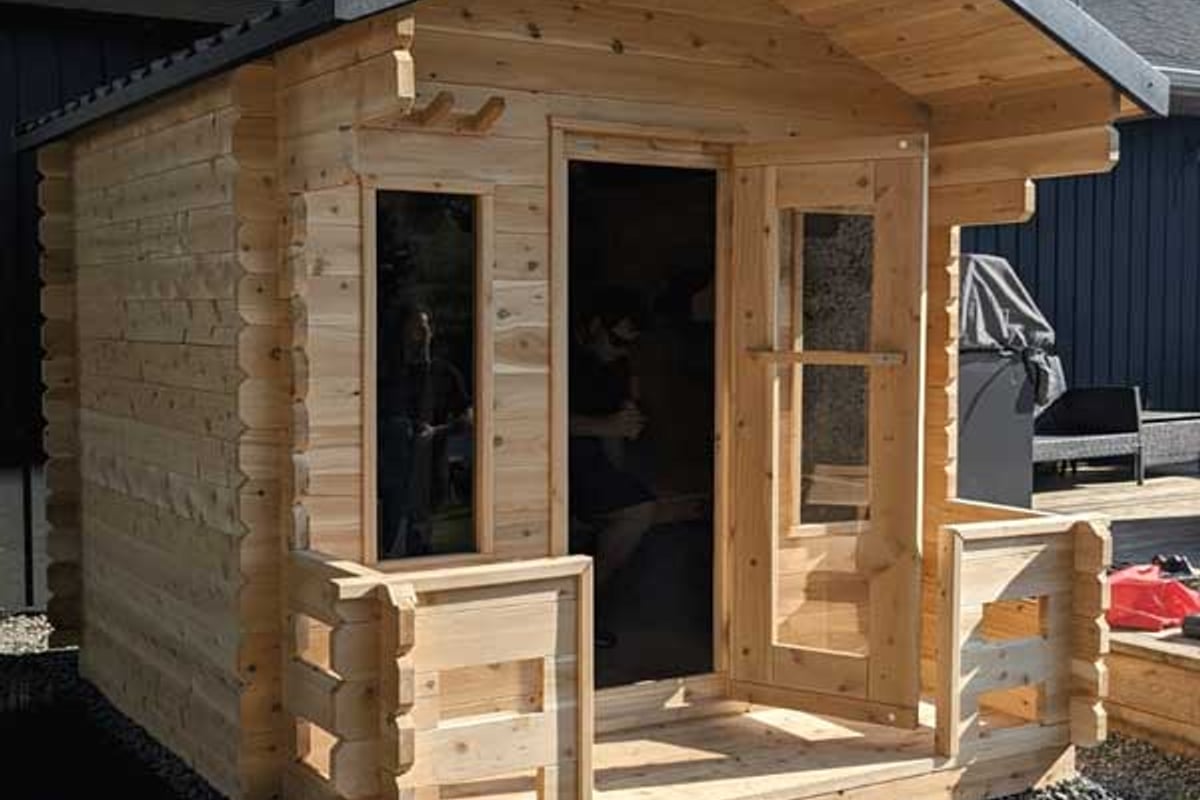
For those considering the best outdoor sauna for families, the LeisureCraft Georgian Cabin Sauna with Porch offers space for multiple people with the addition of a covered porch area where you can cool down between rounds. The porch becomes part of the ritual, a place to sit wrapped in a towel while your body temperature gradually returns to normal.
Frequently Asked Questions
How long does an outdoor sauna last? A well-built cedar sauna lasts 15 to 25 years with basic maintenance. Thermally modified wood extends this to 25 to 35 years. The heater typically needs replacement after 10 to 15 years of regular use.
Can I use an outdoor sauna in winter? Yes. Outdoor saunas work year-round. Heat-up time increases slightly in cold weather. The experience of moving between intense heat and winter cold air creates the temperature contrast central to traditional practice.
Do I need a concrete foundation? Not necessarily. Concrete works well but isn't required. A level gravel pad with proper drainage suffices in most climates. Paver blocks provide another stable option. The key is keeping the sauna floor above ground moisture.
How much electricity does it use? A typical session uses 4 to 8 kilowatt-hours depending on heater size and outside temperature. At average U.S. rates, this costs $0.50 to $1.50 per use. Annual costs for regular users range from $100 to $300.
What size do I actually need? Plan for one less person than the manufacturer rating for comfortable regular use. A rated 4-person sauna works well for 2 to 3 adults. This allows room to adjust position and avoids feeling cramped during longer sessions.
Regional Considerations for North America
Pacific Northwest installations face constant moisture from rain. Extra attention to ventilation and drainage prevents mold issues. The mild winters allow year-round use without extreme temperature challenges.
Upper Midwest and Northeast regions deal with heavy snow loads and temperature swings from negative 20°F to 90°F. Roof structure must handle snow accumulation. Foundation design accounts for frost heave in spring.
Mountain installations face intense UV exposure at altitude. Untreated cedar weathers faster in high-altitude sun. Regular oiling maintains appearance if desired, though the structure remains sound either way.
Southern installations require shade consideration during summer months. Placing a sauna in direct sun where ambient temperature reaches 95°F creates uncomfortable heat-up conditions. Morning or evening use works better than midday in these climates.
The Role of Authentic Design
Traditional Finnish sauna design emerged from practical necessity, not aesthetic preference. Small windows conserve heat. Bench heights allow sitting or reclining. Ventilation placement creates gentle air movement without drafts. These elements work together to create the specific environment where löyly, the steam rising from water on hot stones, produces the characteristic sauna experience.
Modern outdoor saunas honor these principles while adapting to North American building practices and expectations. Larger windows bring natural light. Bigger doors ease entry and exit. Higher ceilings accommodate taller users. The changes make sense for the context without abandoning the core function.
The best outdoor sauna balances tradition with practical adaptation. It heats efficiently, uses materials honestly, and serves its purpose for years without constant intervention. What matters is how it performs across seasons, how it fits your routine, and whether it brings the recovery and reset that makes the investment worthwhile. Trends in outdoor sauna design continue to evolve, but the fundamental requirements remain consistent.
Finding the best outdoor sauna means matching the structure to your climate, space, and how you'll actually use it. The right choice provides years of reliable use without excessive maintenance. Whether you're drawn to barrel efficiency, cabin versatility, or pod aesthetics, quality materials and proper sizing matter more than features. If you have questions about which style suits your specific situation, Ask Petri About Your Sauna. Finnish expertise applied to North American conditions, with straightforward answers and no sales pressure.
Share:
Sauna Steam Room: Which Should You Choose?
Sauna X: What It Means and What You Need to Know