
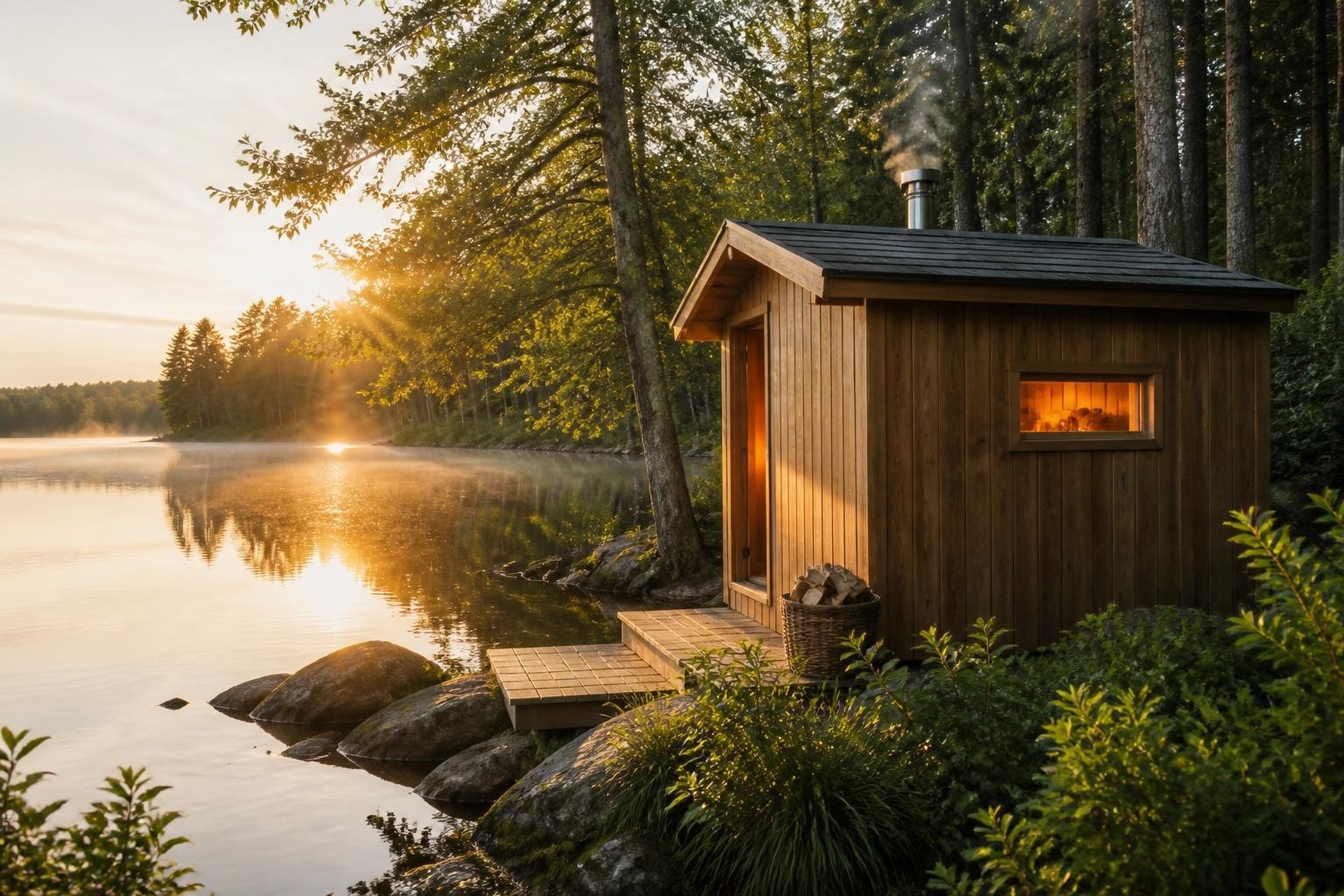
A wood sauna is a heat bathing structure built primarily from natural timber, designed to withstand the unique demands of high heat and moisture. The wood type matters because it determines how the sauna ages, how it smells, and how it handles steam. Eastern White Cedar, Canadian Hemlock, and thermally modified woods each bring different characteristics to the sauna environment. Most North American outdoor saunas use cedar for its natural resistance to decay and aromatic qualities, while indoor models often feature hemlock for its stability and neutral scent.
What Makes Wood Different for Sauna Use
Wood in a sauna faces conditions unlike any other residential application. Temperatures reach 150 to 195 degrees Fahrenheit in traditional steam saunas, with humidity spikes during löyly. The wood must expand and contract without warping, resist mold and rot, and remain comfortable to touch even when hot.
Cedar varieties dominate outdoor construction for specific reasons:
- Natural oils resist moisture and insect damage
- Low thermal conductivity stays cooler to the touch
- Aromatic compounds create the familiar sauna scent
- Straight grain structure minimizes warping
Hemlock serves indoor applications well:
- Minimal resin content prevents dripping
- Light color reflects heat and light effectively
- Consistent grain accepts stain if desired
- Lower cost than cedar without sacrificing performance
Thermally modified wood represents newer technology. Wood is heated to 400 degrees Fahrenheit in controlled conditions, permanently altering its cellular structure. This process increases dimensional stability and decay resistance while reducing moisture absorption. Different wood materials perform distinctly in sustained high-heat environments.
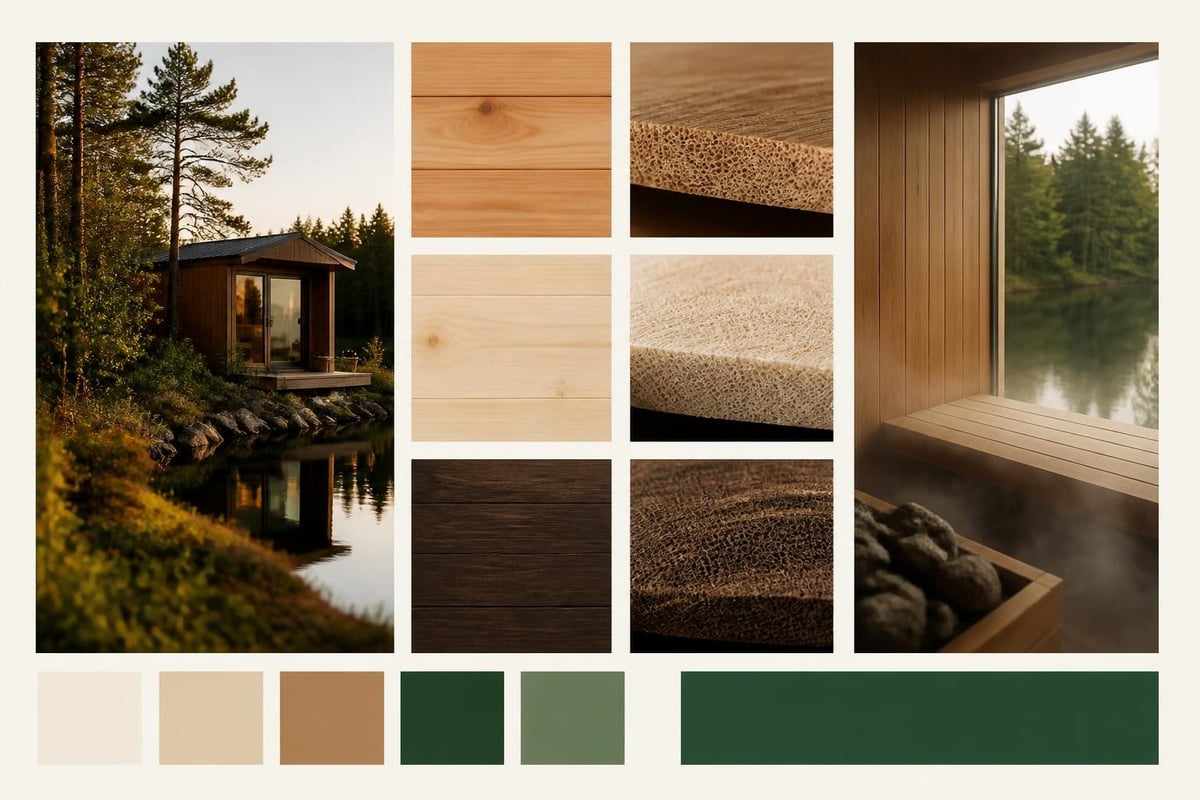
Wood Sauna Type Comparison
| Type | Best For | Maintenance | Lifespan |
|---|---|---|---|
| Cedar Outdoor | Backyards, cold climates | Annual oil optional | 20+ years |
| Hemlock Indoor | Basements, converted rooms | Wipe down only | 15-20 years |
| Thermal Wood | High-moisture areas | Minimal | 25+ years |
Traditional steam saunas built from quality wood develop a patina over years of use. The surface darkens slightly, oils from the wood migrate to the surface, and the grain becomes more pronounced. This aging process is normal and indicates proper curing.
Outdoor vs Indoor Construction Differences
Outdoor wood saunas face weather, UV exposure, and temperature swings. The structure sits on a foundation or concrete piers, with the exterior exposed to rain and snow. Cedar's natural oils protect against this exposure better than most alternatives.
Indoor installations avoid weather but must integrate with existing HVAC and ventilation. The wood still needs to handle heat cycles, but moisture concerns shift to preventing steam damage to surrounding walls and flooring. Vapor barriers become critical.
The decision between outdoor and indoor often comes down to available space and intended use patterns. Outdoor saunas create a distinct wellness space separate from the house, while indoor models offer convenience during winter months.
Selecting Wood for Heat Source Type
Electric heaters paired with wood saunas require properly sized units based on cubic footage. A 6-kilowatt heater serves roughly 200 cubic feet. Stone mass matters more than most recognize. Forty to sixty pounds of proper sauna stones store enough heat to produce meaningful steam during löyly.
Wood-fired heaters create different demands on construction. The wood stove requires clearance from combustible surfaces, proper chimney installation, and fireproof flooring beneath and behind the unit. Wood-fired models bring ceremony to the heating process but require more construction planning.
Infrared panels produce dry heat below traditional sauna temperatures. The wood in infrared models experiences less extreme conditions, which opens material choices. Hemlock performs well here because the lower temperatures and minimal moisture mean its lighter color and neutral scent become advantages rather than compromises.
Structural Considerations for Different Woods
Cedar's density ranges from 22 to 24 pounds per cubic foot for Western Red Cedar and 28 to 31 pounds for Eastern White Cedar. This relatively low density contributes to its insulating properties but requires thicker dimension lumber for structural framing.
Hemlock averages 26 to 29 pounds per cubic foot. Research on wood behavior under compression shows that density correlates with load-bearing capacity, but sauna applications rarely stress wood structurally. Heat cycling presents the greater challenge.
Thermally modified wood loses some structural strength during processing but gains stability. The treatment reduces the wood's ability to absorb water by roughly half compared to untreated lumber. This matters when you consider that traditional saunas in Finland operated for decades without climate control, experiencing full seasonal moisture cycles.
Buying Criteria for a Wood Sauna
Size and capacity should match actual use patterns. A two-person sauna measures roughly 4x4 feet interior. Four to six people need 6x8 feet minimum. Taller ceilings waste heat. Seven feet interior height provides enough space without requiring oversized heaters.
Wood grade and source vary significantly between manufacturers. Clear grade lumber shows minimal knots and consistent grain. Construction grade includes more knots and color variation but performs identically in terms of durability. The appearance preference is personal.
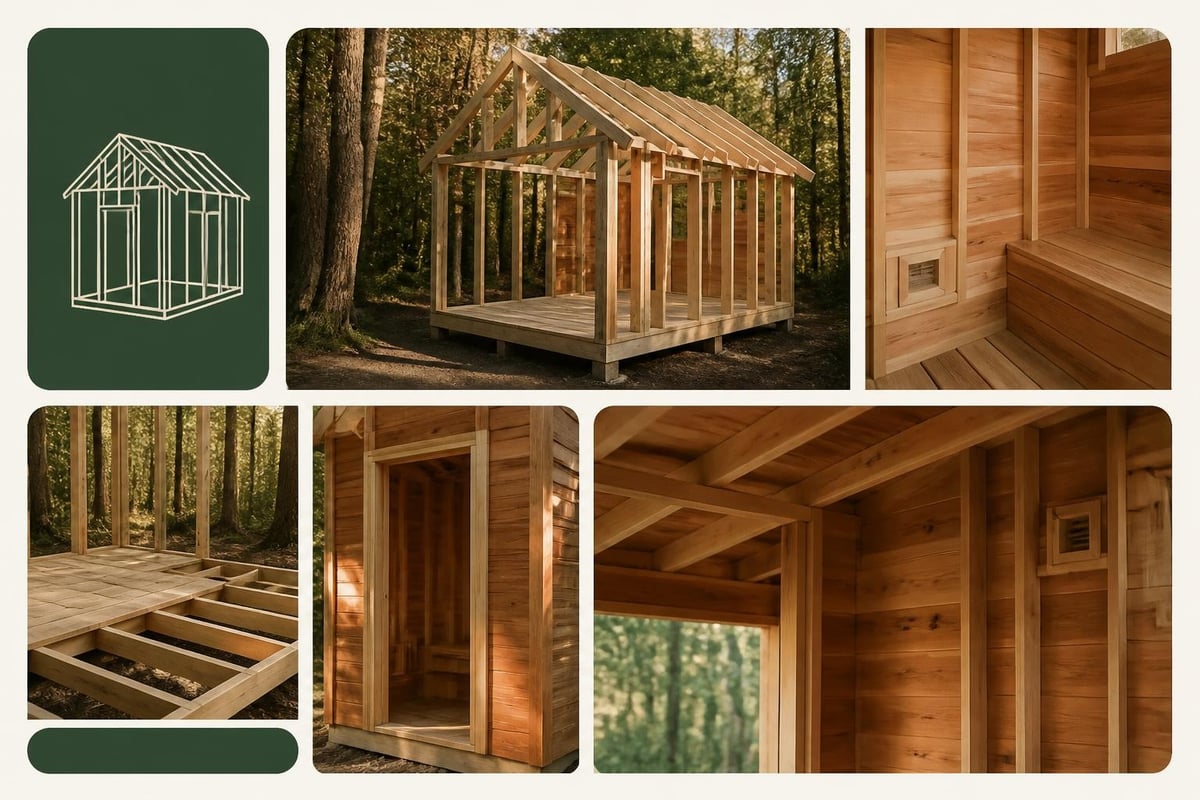
Assembly requirements range from fully assembled delivery to complete kit builds. Barrel saunas typically arrive in sections that bolt together in a few hours. Cabin-style saunas may require two people and a weekend. Professional installation adds cost but ensures proper electrical and ventilation from the start.
Key Questions Before Purchase
What existing infrastructure do you have? A 240-volt outlet makes electric heater installation straightforward. Without electrical access to the installation site, wood-fired becomes simpler unless you are running new service.
How quickly do you want the sauna ready? Pre-built models ship ready to place and connect. Kits require assembly time. Custom builds take months from order to first session.
Climate impacts wood choice. Humid regions favor cedar's natural resistance. Dry climates allow more flexibility. Extreme cold requires attention to foundation and floor insulation regardless of wall material. Outdoor sauna installation considerations vary by region more than most buyers anticipate.
Eastern White Cedar Performance
I grew up on Lake Saimaa where traditional smoke saunas used local spruce and pine. Eastern White Cedar was not available, but the principles remain identical. The wood must breathe while resisting decay, hold heat without storing moisture, and age gracefully through thousands of heat cycles. Cedar delivers these qualities reliably in North American conditions.
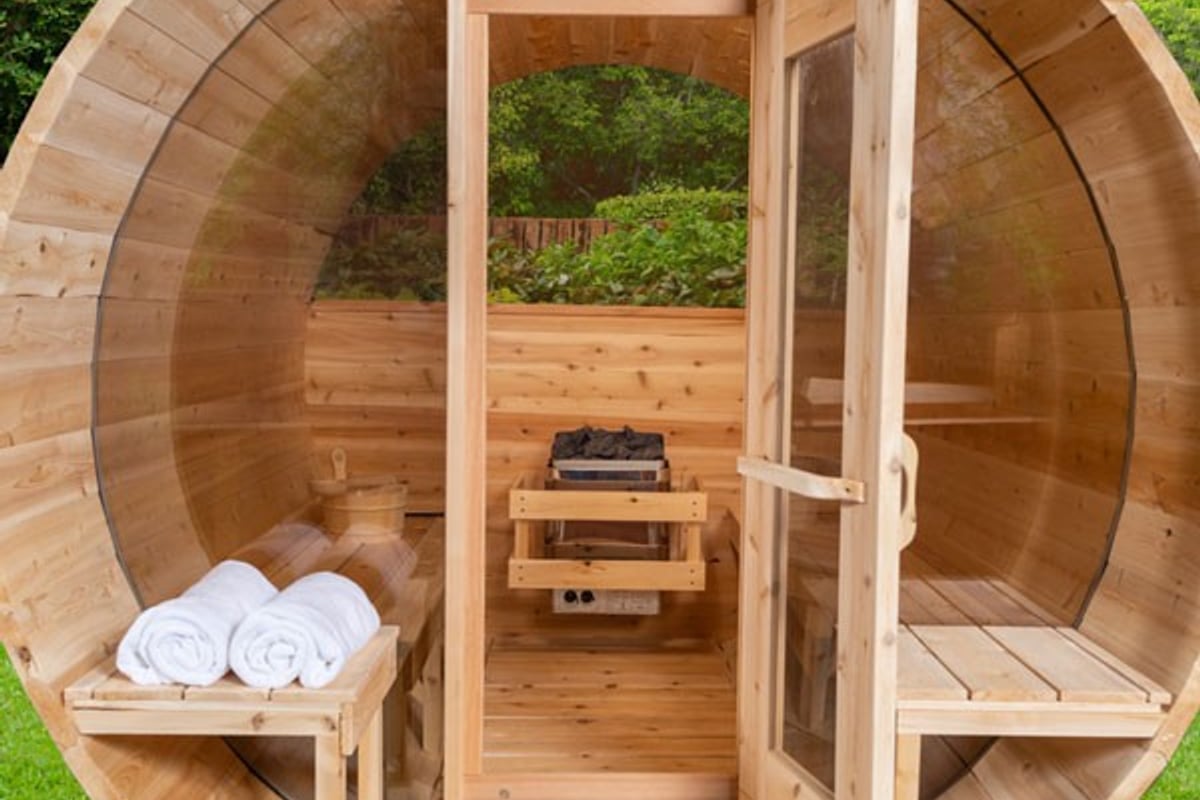
The Canadian Timber Serenity MP Barrel Sauna showcases Eastern White Cedar construction in a compact barrel design. The curved walls shed water naturally, the tempered glass door provides natural light, and the cedar ages to a silver-gray patina outdoors without treatment.
Maintenance Requirements Over Time
New cedar saunas show reddish-brown color and strong aromatic scent. Both fade gradually. Some owners apply cedar oil annually to maintain color. This is aesthetic preference, not structural necessity.
Interior benches darken from use and occasional water splashing during löyly. Wipe benches after sessions to remove sweat. Deep cleaning twice yearly with mild soap and water keeps the wood fresh.
Exterior maintenance depends on whether you treat the wood. Untreated cedar weathers to gray. This does not indicate decay. Clear sealants preserve color but require reapplication every two to three years. Most outdoor wood saunas in Finland receive no exterior treatment and last generations.
Heater Sizing and Stone Selection
Heater capacity must match sauna volume. The calculation is straightforward: measure length × width × height in feet, then divide by 50. A 6×6×7 foot sauna = 252 cubic feet ÷ 50 = 5-kilowatt heater minimum. Add 20 percent capacity if the sauna has large glass doors or windows.
Stone mass matters independently of heater size:
- Use proper sauna stones (peridotite or olivine diabase)
- Fill the heater basket completely
- Replace stones every two to three years as they fracture
- Smaller stones create more surface area for steam
Most quality electric sauna heaters sold in North America come from Harvia or similar Finnish manufacturers. The technology is mature and reliable. What matters more is proper installation with correct clearances and electrical service.
Temperature and Ventilation Design
Air enters low, near the floor, ideally behind or beside the heater. Hot air rises to the ceiling, then flows down along the walls as it cools. An exit vent near the floor on the opposite wall completes the circulation. This pattern keeps fresh air moving without creating drafts at bench level.
The wood itself participates in ventilation. Research on wood's optical and structural properties confirms that wood remains permeable even after years of heat exposure. This breathability helps regulate moisture and prevents the stuffiness that characterizes poorly ventilated saunas.
Target temperature depends on personal preference and sauna style. Traditional Finnish practice ranges from 160 to 195 degrees Fahrenheit. Health considerations around sauna use suggest starting conservatively and increasing temperature as your body adapts.
Assembly and Installation Process
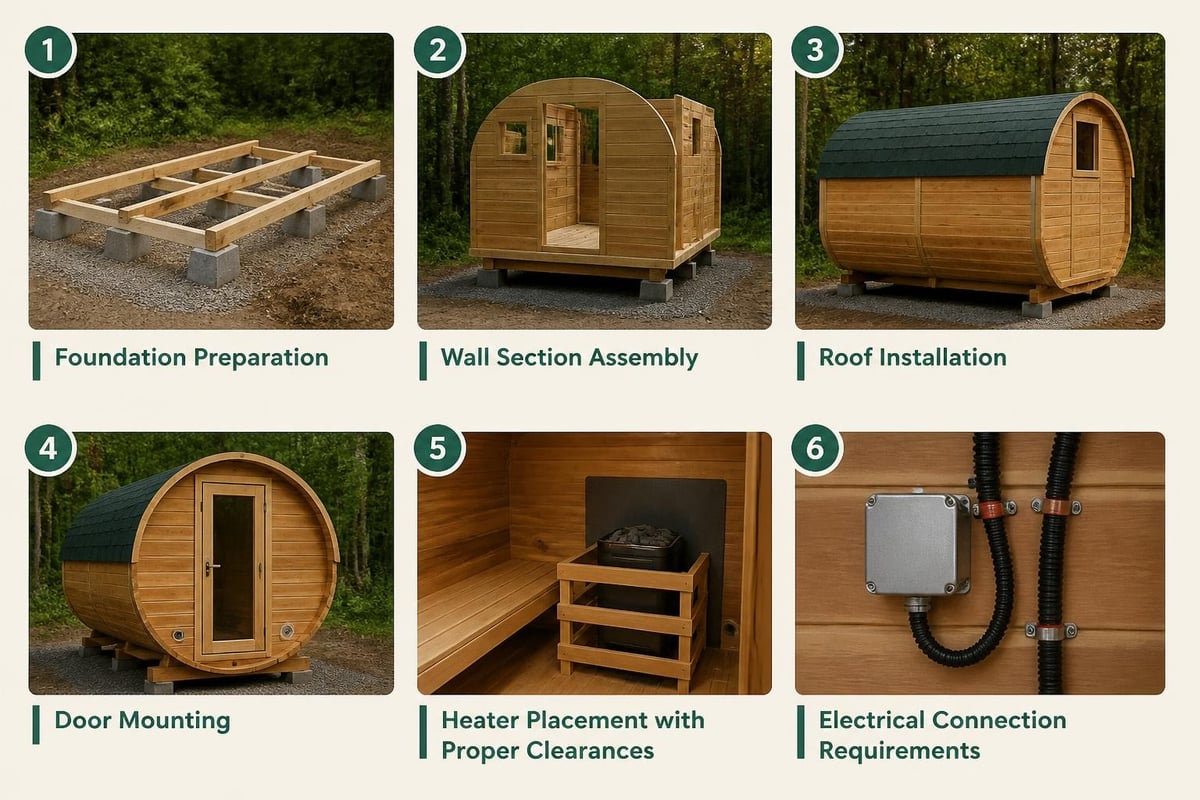
Kit assembly follows a general sequence:
- Prepare level foundation (concrete pad, pavers, or deck)
- Assemble floor frame and install flooring
- Build wall panels or sections
- Install roof structure
- Mount door and hardware
- Install heater with proper clearances
- Connect electrical service
- Add benches and accessories
Tools required include standard carpentry equipment. Impact driver, drill, level, measuring tape, and saw handle most tasks. Two people make assembly significantly easier, particularly when lifting wall sections or roof panels.
Electrical work requires appropriate permits and qualified electricians in most jurisdictions. A 240-volt circuit for the heater must meet local codes. Ground fault protection is mandatory for wet locations.
Wood Treatment and Finishing Options
Interior wood should remain untreated. Any oils, stains, or sealers release compounds when heated. The natural wood surface is safest and most comfortable.
Exterior treatment is optional. Cedar left untreated develops a silver-gray weathered appearance. This is purely cosmetic. The wood underneath remains sound. Clear penetrating oils or sealers maintain the original reddish-brown color but require regular reapplication.
If you choose to treat exterior wood:
- Use products rated for exterior wood in high-moisture conditions
- Apply before assembly when possible
- Reapply every one to three years depending on climate
- Avoid film-forming sealers that trap moisture
Sustainable wood sourcing practices have improved significantly across North America. Most sauna manufacturers now source from certified sustainable forests or use reclaimed timber. This matters for long-term environmental impact.
Common Wood Sauna Questions
How long does a wood sauna last? Twenty to thirty years is typical for outdoor cedar saunas with minimal maintenance. Indoor hemlock saunas often exceed twenty years. Thermally modified wood may extend this further, but long-term data is still accumulating. The heater and electrical components require replacement before the wood structure fails.
Does wood sauna type affect heat-up time? Wood thickness and insulation matter more than wood species. A well-insulated cedar sauna heats as quickly as equivalent hemlock. Barrel designs heat faster than cabin styles due to smaller interior volume and curved walls that concentrate heat.
Can you build a wood sauna yourself? Yes, if you have basic carpentry skills and follow detailed plans. Custom DIY sauna building requires attention to ventilation, vapor barriers, and electrical safety. Pre-cut kits simplify the process significantly while maintaining customization options.
What is the best wood for someone with scent sensitivity? Hemlock produces minimal aroma compared to cedar. Thermally modified aspen also rates low for scent. Both perform well structurally and handle heat cycles without issue. Indoor sauna models using these woods suit scent-sensitive users better than aromatic cedar.
How do you know if the wood quality is adequate? Clear grade lumber shows consistent color and minimal knots. Kiln-dried wood resists warping better than air-dried. Proper thickness varies by application, but wall boards under three-quarters inch thick may not provide adequate durability. Reputable manufacturers specify wood grade and drying method in their documentation.
Wood selection shapes every aspect of your sauna experience, from heat-up time to long-term durability. Cedar, hemlock, and thermally modified options each bring proven performance when properly specified and installed. At RecoSauna, we match wood types to your specific climate, space, and use patterns based on direct experience with Finnish sauna principles adapted to North American conditions. Ask Petri About Your Sauna to discuss which wood sauna configuration fits your home and wellness goals.
Share:
Cold Plunge: Benefits, Risks, and How to Start Safely
Outdoor Traditional Sauna: Guide for North America 2026