
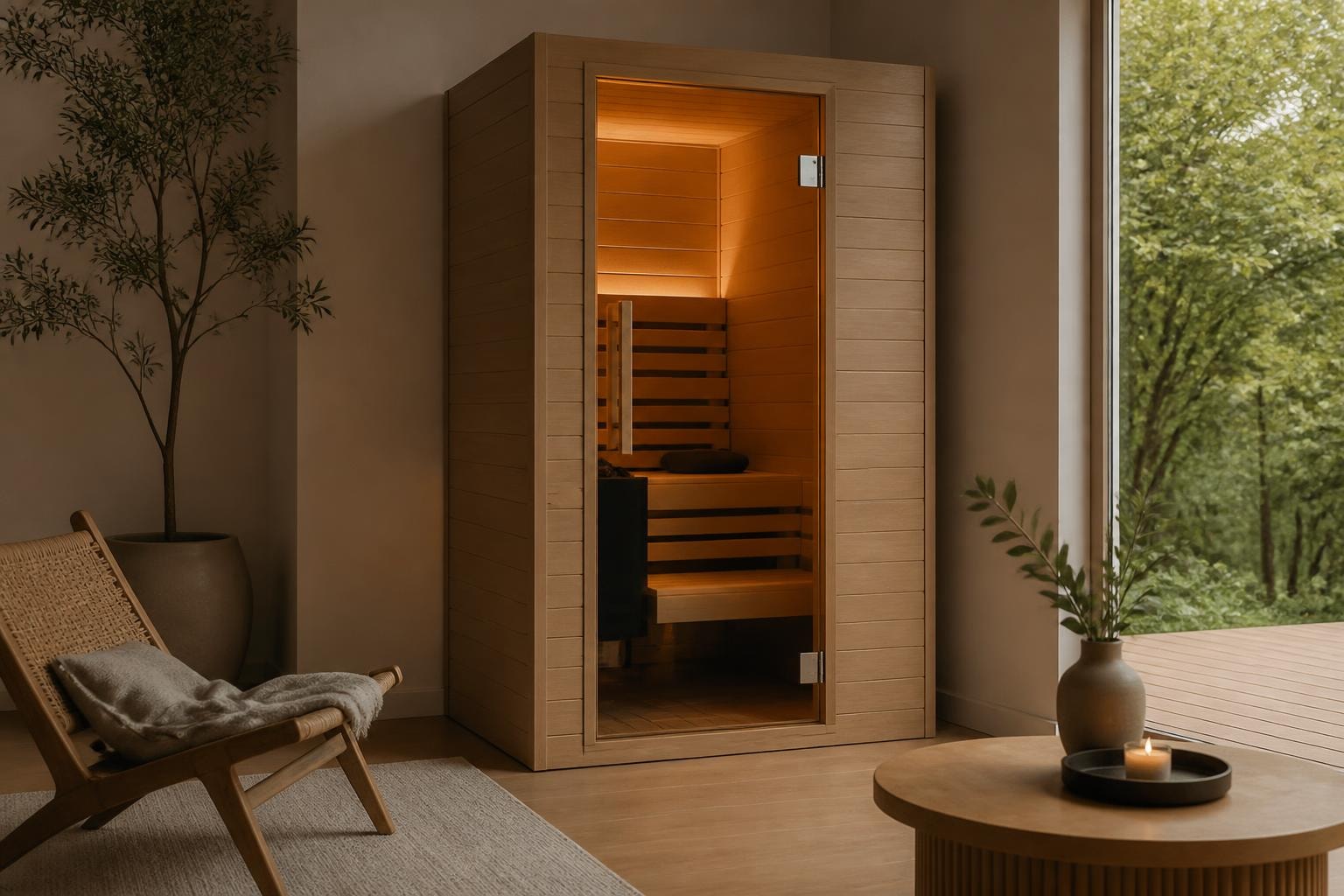
The sauna box represents a revolution in home wellness, bringing the ancient practice of heat therapy into compact, accessible formats that fit modern lifestyles. Whether you're dealing with limited backyard space, seeking convenient indoor wellness solutions, or simply want to enjoy sauna benefits without the commitment of a full-size installation, a sauna box offers remarkable flexibility. These self-contained heat therapy units range from portable infrared models to elegant outdoor pod designs, each engineered to deliver authentic sauna experiences while maximizing efficiency and minimizing spatial requirements.
Understanding the Sauna Box Concept
A sauna box is fundamentally a compact, self-contained heat therapy unit designed to deliver traditional or infrared sauna benefits in a space-efficient format. Unlike conventional sauna rooms that require dedicated space and extensive construction, these units operate as standalone wellness solutions.
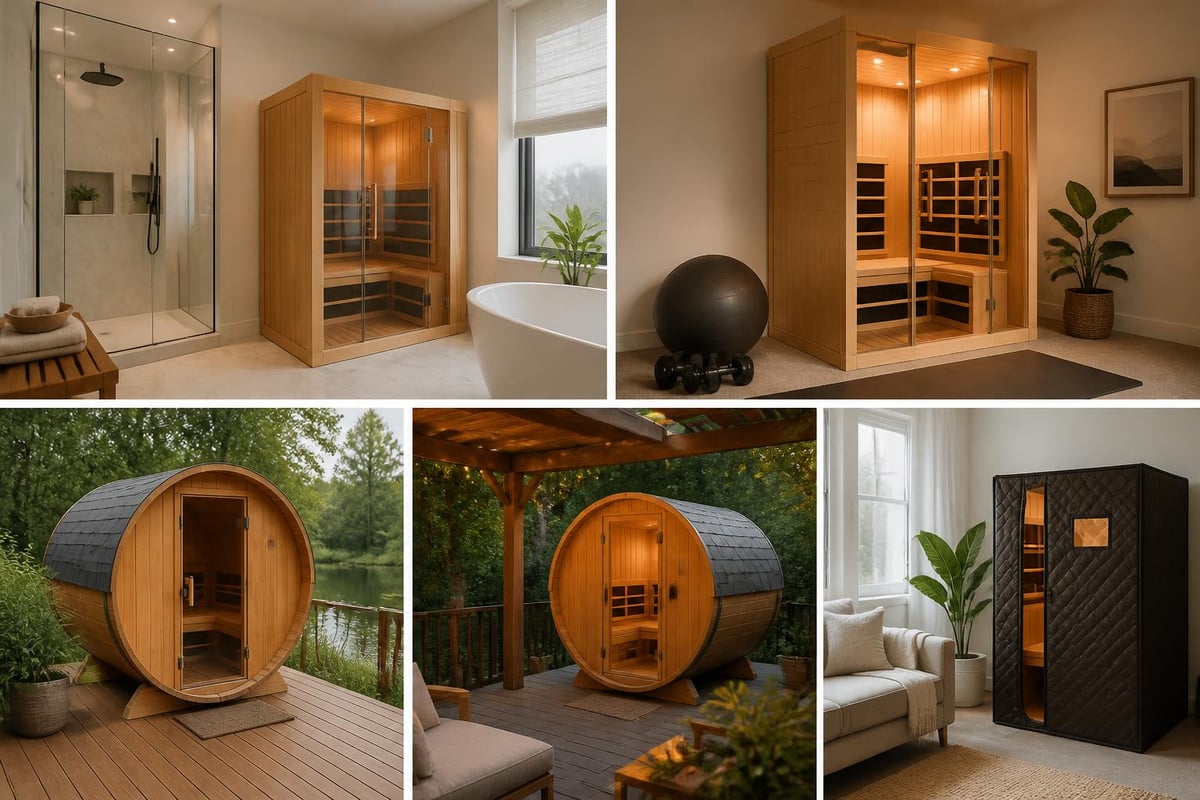
The term encompasses several distinct categories. Infrared sauna boxes use far-infrared, near-infrared, or full-spectrum heating elements to warm the body directly rather than heating the entire air volume. Outdoor sauna boxes include pod-style and barrel designs that create weatherproof heat therapy spaces in compact footprints. Portable sauna boxes offer temporary or movable solutions ideal for renters or those wanting flexibility.
Key Design Elements
Modern sauna box construction prioritizes both thermal efficiency and user comfort. Premium models incorporate:
- Insulated wall systems that maintain consistent temperatures while reducing energy consumption
- Ventilation mechanisms engineered for optimal air exchange without heat loss
- Heating technology matched to the unit's size and intended use pattern
- Sustainable wood materials such as Canadian Red Cedar, Eastern White Cedar, or Hemlock
- Glass components including tempered doors and windows for natural light integration
The engineering behind a sauna box focuses on creating an effective heat envelope in minimal space. Barrel designs, for instance, naturally promote air circulation through their curved geometry, while rectangular infrared units maximize interior volume within compact exterior dimensions.
Health Benefits and Therapeutic Applications
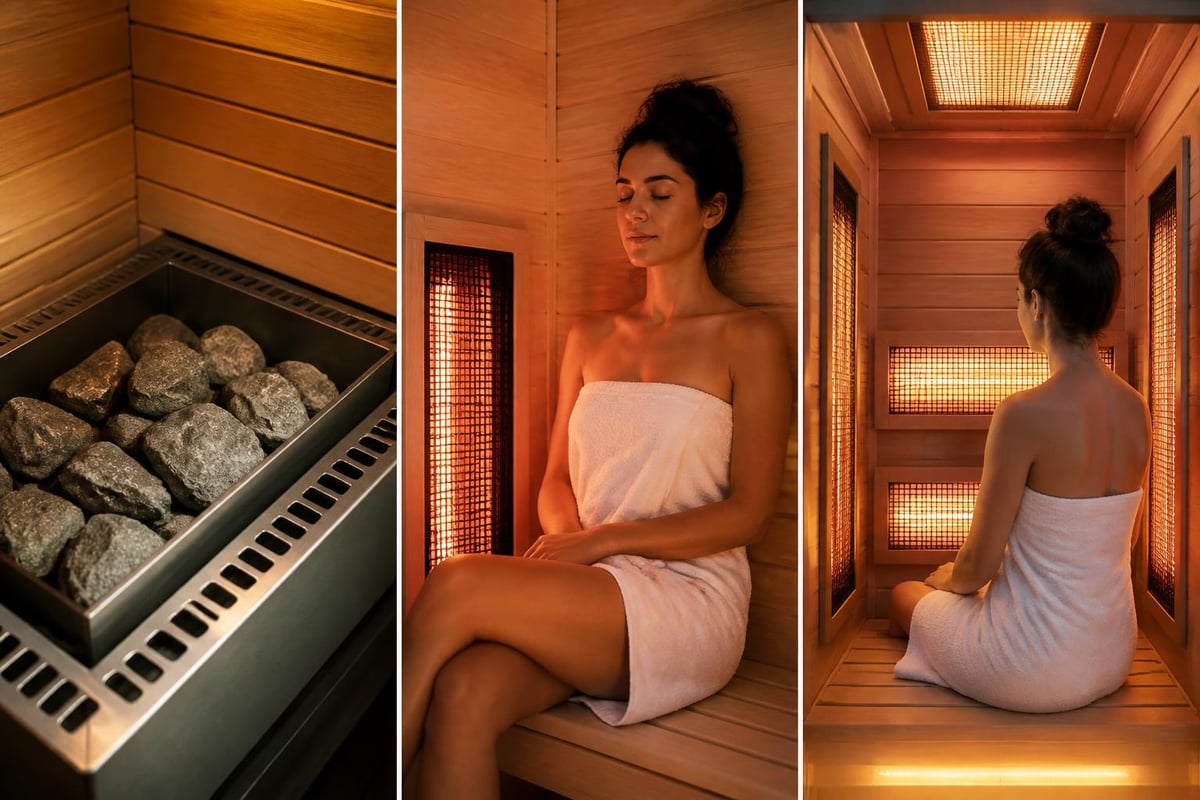
The health benefits of regular sauna use extend across multiple physiological systems, and sauna boxes deliver these advantages with remarkable accessibility. Research consistently demonstrates that heat therapy sessions support cardiovascular function, promote relaxation, and enhance overall wellness when incorporated into regular routines.
Cardiovascular and Circulatory Support
Studies have shown that frequent sauna sessions may help reduce blood pressure and improve vascular function. The heat exposure prompts your cardiovascular system to work harder, increasing heart rate and promoting circulation throughout the body. This effect mimics moderate exercise, making sauna box sessions a valuable complement to active recovery routines.
Regular heat therapy in a sauna box can:
- Improve blood vessel elasticity and function
- Support healthy circulation patterns
- Promote cardiovascular conditioning through controlled heat stress
- Enhance oxygen delivery to muscles and tissues
The Cleveland Clinic notes that consistent sauna use correlates with reduced cardiovascular disease risk markers, making these compact units valuable tools for long-term heart health maintenance.
Muscle Recovery and Pain Management
Athletes and fitness enthusiasts increasingly incorporate sauna boxes into recovery protocols. The deep heat penetration, particularly from infrared models, reaches muscle tissue effectively, promoting relaxation and accelerated recovery after training sessions.
| Recovery Benefit | Traditional Heat | Infrared Heat |
|---|---|---|
| Muscle relaxation | 15-20 minutes | 10-15 minutes |
| Joint comfort | Moderate | Enhanced |
| Post-workout soreness | Good | Excellent |
| Deep tissue warming | Surface-focused | Penetrating |
Heat therapy reduces muscle tension by increasing blood flow to affected areas, delivering oxygen and nutrients while removing metabolic waste products. This process accelerates the natural recovery timeline and may reduce delayed-onset muscle soreness.
Stress Reduction and Mental Wellness
Beyond physical benefits, sauna box sessions create dedicated relaxation opportunities. The quiet, warm environment promotes mental decompression, offering a technology-free zone for meditation, breathing exercises, or simple stillness. WebMD highlights that regular sauna use correlates with improved mood and reduced stress markers.
The ritual of a sauna session itself provides structure for self-care practices. Setting aside 20-30 minutes for heat therapy creates a consistent wellness routine that supports both mental and physical health objectives.
Types of Sauna Boxes Available
The market offers diverse sauna box configurations, each designed for specific use cases, space constraints, and user preferences. Understanding the distinctions helps match the right unit to your wellness goals and practical circumstances.
Infrared Sauna Boxes
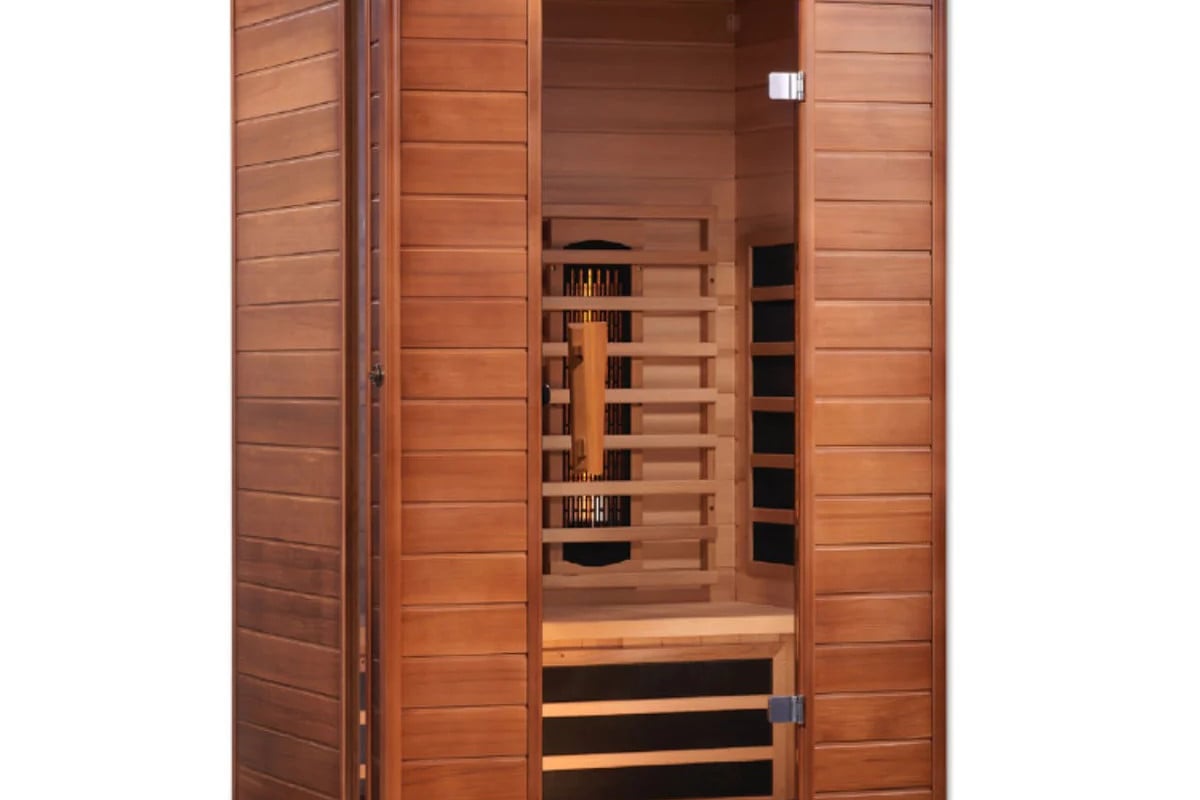
Infrared models represent the most space-efficient indoor option. These units plug into standard electrical outlets and heat up quickly, typically reaching operating temperature within 10-15 minutes. The Lumin Infrared Sauna One exemplifies this category, offering a compact 1-2 person capacity with Canadian Hemlock construction and straightforward digital controls.
Full-spectrum infrared technology combines near, mid, and far-infrared wavelengths. Near-infrared supports skin health and cellular function, mid-infrared promotes circulation and cardiovascular conditioning, while far-infrared provides deep tissue warming and relaxation. This comprehensive approach delivers layered therapeutic benefits in a single session.
Indoor infrared sauna boxes typically feature:
- Plug-and-play electrical setup requiring no special wiring
- Hemlock or Red Cedar interior construction
- Digital control panels with temperature and timer functions
- Chromotherapy lighting systems for enhanced relaxation
- Audio connectivity for music or guided meditation
Outdoor Pod and Barrel Designs
Outdoor sauna boxes bring wellness experiences into backyard settings while maintaining compact footprints. Barrel saunas, in particular, have gained significant popularity due to their efficient design and visual appeal. The barrel sauna configuration naturally supports heat circulation and requires less energy to maintain operating temperatures compared to rectangular designs.
Premium outdoor models like the Canadian Timber Tranquility MP Barrel Sauna - LeisureCraft showcase how compact outdoor units can deliver luxurious experiences. Handcrafted from Eastern White Cedar with panoramic glass design, this barrel sauna accommodates 4-5 people while maintaining a space-efficient circular footprint that fits into most backyard layouts.
Eastern White Cedar and Red Cedar dominate outdoor sauna box construction due to natural rot resistance, dimensional stability, and aromatic properties. These woods withstand weather exposure while providing the authentic warmth and scent associated with traditional sauna experiences.
Portable and Temporary Solutions
Portable sauna boxes serve renters, travelers, and those seeking maximum flexibility. These units typically feature collapsible designs, lightweight materials, and simple setup procedures. While generally less durable than permanent installations, they provide genuine heat therapy benefits at accessible price points.
Recent user reviews of portable sauna pods demonstrate surprising satisfaction with performance and convenience, particularly for apartment dwellers or those testing sauna wellness before committing to permanent installations.
Installation and Setup Considerations
Proper installation maximizes safety, efficiency, and longevity regardless of sauna box type. The setup process varies considerably between infrared indoor units and outdoor wood-fired or electric models, but certain principles apply universally.
Indoor Placement Requirements
Indoor sauna boxes need adequate clearance, ventilation, and electrical access. Most manufacturers specify minimum clearances of 2-4 inches from walls to allow air circulation and prevent heat damage to adjacent surfaces.
Electrical requirements for infrared models typically include:
- Dedicated 15-20 amp circuit for most 1-2 person units
- Standard 120V outlet within 6 feet of installation location
- GFCI protection recommended for bathroom installations
- Professional electrical inspection for larger models requiring 240V service
Floor preparation depends on unit weight and flooring type. Tile and concrete floors handle sauna boxes without modification, while carpet or luxury vinyl may require protective underlayment to prevent heat damage and ensure level placement.
Outdoor Installation Planning
Outdoor sauna box placement involves additional considerations including foundation preparation, weather protection, and accessibility. Outdoor sauna design trends emphasize integration with existing landscape architecture while maintaining practical functionality.
Foundation options include:
- Concrete slabs providing permanent, level platforms
- Gravel beds with compacted stone and landscape timbers
- Deck installations requiring structural verification for weight capacity
- Paver systems offering semi-permanent flexibility
Weather exposure affects placement decisions. While quality outdoor sauna boxes withstand rain and snow, positioning units under roof overhangs or in partially sheltered locations extends service life and reduces maintenance requirements.
Heating System Selection
Choosing between electric and wood-burning heating systems impacts installation complexity and ongoing operation. Electric heaters offer convenience, consistent temperature control, and simpler installation, while wood-burning systems provide authentic traditional experiences with no electrical requirements.
| Heating Type | Installation Complexity | Operating Cost | Temperature Control | Maintenance Level |
|---|---|---|---|---|
| Electric | Low | Moderate | Precise | Minimal |
| Wood-burning | High | Low | Manual | Regular |
| Infrared | Very low | Low | Digital | Minimal |
Electric systems require professional installation to ensure safe wiring and proper circuit protection. Wood-burning heaters need chimney installation, clearance compliance, and regular cleaning to maintain safe operation.
Maintenance and Care Protocols
Extending sauna box lifespan and maintaining optimal performance requires consistent care routines. Regular maintenance prevents common issues while preserving the aesthetic and functional qualities that make these units valuable wellness investments.
Interior Cleaning and Sanitization
Wood interiors benefit from gentle cleaning approaches that preserve natural oils and grain characteristics. After each session, wipe benches and backrests with a clean, dry towel to remove moisture and perspiration. Weekly cleaning with mild soap and water addresses accumulated residue without damaging wood surfaces.
Monthly maintenance tasks include:
- Vacuuming floor areas and beneath benches
- Inspecting door seals and weather stripping
- Checking heating elements for dust accumulation
- Testing control systems and temperature sensors
- Examining wood surfaces for splitting or excessive drying
Avoid harsh chemical cleaners, bleach solutions, or abrasive scrubbers that damage wood fibers. Natural cleaning solutions using diluted vinegar or specialized sauna cleaners maintain hygiene without compromising material integrity.
Exterior Care for Outdoor Units
Outdoor sauna boxes face weather exposure requiring proactive protection. Cedar naturally resists rot and insect damage, but periodic treatments preserve appearance and extend service life. Apply cedar-specific oils or sealers annually to maintain wood color and enhance weather resistance.
Winter preparation in cold climates includes:
- Draining water lines if equipped with shower systems
- Removing snow accumulation from roof surfaces
- Checking door and window seals for gaps
- Verifying heating system functionality before first use
- Inspecting chimney clearance for wood-burning models
The shipping and installation guidance from RecoSauna provides detailed care instructions specific to different sauna box models, ensuring customers maintain their investments effectively.
Component Inspection and Replacement
Regular inspection identifies wear before it compromises performance or safety. Door hinges and latches require periodic lubrication, while heating elements need visual checks for damage or unusual wear patterns.
Temperature sensors and control systems typically provide years of reliable service but should be tested regularly. Inconsistent heating, failure to reach set temperatures, or error codes indicate potential component issues requiring professional attention.

Sizing and Capacity Selection
Choosing the appropriate sauna box size balances available space, user capacity needs, and budget considerations. Undersized units create cramped experiences, while oversized models waste energy and installation space.
Single-User Compact Models
One-person sauna boxes maximize efficiency for solo wellness routines. These units typically measure 3-4 feet in width and depth, requiring minimal floor space while delivering full therapeutic benefits. Compact infrared models fit into closets, bathroom corners, or spare room areas with remarkable ease.
Solo units prove ideal for:
- Individuals with consistent personal wellness routines
- Homes with severe space constraints
- Apartments or condos with limited square footage
- Daily users seeking quick heat therapy sessions
Energy consumption in single-user models remains low, typically operating on 1200-1500 watts and costing pennies per session in electricity.
Two-Person Configurations
Two-person sauna boxes represent the most popular category, balancing intimate capacity with reasonable space requirements. These units accommodate couples comfortably while remaining suitable for solo sessions when desired. Dimensions typically range from 4x4 feet for infrared models to 5-6 foot barrel diameters for outdoor designs.
The flexibility of two-person capacity suits various household compositions and use patterns. Couples enjoy shared wellness time, while individuals appreciate the less confining interior space compared to single-user models.
Family and Group Capacity Units
Larger sauna boxes accommodating 3-5 people serve families and social wellness enthusiasts. These units require more substantial installation space but create communal experiences that enhance the social and bonding aspects of heat therapy.
Space planning for larger units should account for:
- Interior bench configurations supporting multiple seating positions
- Entry clearance allowing comfortable access
- Adjacent changing or cooling-down areas
- Privacy considerations for outdoor installations
Group-capacity models naturally consume more energy to heat larger volumes, but per-person operating costs remain reasonable when used at full capacity.
Cost Considerations and Value Assessment
Sauna box pricing varies dramatically based on size, construction quality, heating technology, and brand reputation. Understanding the cost components helps evaluate long-term value beyond initial purchase price.
Initial Investment Ranges
Entry-level portable sauna boxes start around $200-500, offering basic heat therapy in temporary configurations. Mid-range infrared models typically cost $1,500-3,500 for quality construction with reliable heating systems. Premium outdoor sauna boxes, particularly handcrafted cedar barrel designs from established manufacturers, range from $4,000-12,000 depending on size and features.
Installation costs add to initial investment. Indoor infrared units requiring only electrical outlet access minimize installation expenses, while outdoor models may need foundation work, electrical service extensions, or professional assembly adding $500-2,000 to total project costs.
Operating Expense Analysis
Monthly operating costs depend on usage frequency and heating technology. Infrared sauna boxes typically cost $5-15 monthly in electricity for regular use (3-4 sessions weekly), while traditional electric heater models may reach $20-30 monthly. Wood-burning systems eliminate electrical costs but require firewood purchases.
| Cost Factor | Annual Estimate | Notes |
|---|---|---|
| Electricity (infrared) | $60-180 | Based on $0.12/kWh average |
| Electricity (traditional) | $240-360 | Higher power consumption |
| Firewood | $150-300 | Regional pricing varies |
| Maintenance supplies | $50-100 | Cleaning, treatments |
| Component replacement | $0-200 | Averaged over lifespan |
Energy-efficient designs and proper insulation significantly impact long-term operating expenses. Quality construction pays dividends through reduced energy consumption over years of use.
Long-Term Value Proposition
Evaluating sauna box value requires considering health benefits, convenience gains, and wellness service cost avoidance. Regular commercial sauna facility memberships cost $50-150 monthly, meaning a home sauna box potentially pays for itself within 2-4 years while offering superior convenience.
The cardiovascular and wellness benefits documented in research suggest that consistent sauna use may reduce healthcare costs through improved health maintenance, though quantifying this value remains challenging.
Property value considerations also factor into value assessment. Quality outdoor sauna installations enhance property appeal and may contribute to resale value, particularly in health-conscious markets or cold climates where outdoor wellness amenities command premium interest.
Optimizing Your Sauna Box Experience
Maximizing benefits from your sauna box involves more than simply turning on the heat. Thoughtful session planning, proper hydration protocols, and strategic timing enhance both immediate enjoyment and long-term wellness outcomes.
Session Duration and Temperature Guidelines
Optimal session parameters vary by sauna box type and individual tolerance. Traditional heat saunas typically operate at 150-190°F with sessions lasting 15-20 minutes, while infrared models function effectively at lower temperatures (120-140°F) for 20-30 minute sessions.
Beginners should start conservatively:
- Begin with 10-minute sessions at moderate temperatures
- Gradually increase duration by 2-3 minutes per week
- Listen to your body and exit if feeling dizzy or uncomfortable
- Cool down properly between multiple sessions
- Stay hydrated before, during, and after heat exposure
Experienced users often enjoy 2-3 sessions per visit with cool-down periods between rounds. This Scandinavian tradition maximizes circulatory benefits while preventing overheating.
Hydration and Nutrition Timing
Proper hydration proves critical for safe, effective sauna box use. Consume 16-20 ounces of water 30-60 minutes before sessions to ensure adequate hydration baseline. Keep water available during sessions for small sips, and replenish fluids generously afterward.
Timing sauna sessions relative to meals affects comfort and digestive function. Medical professionals generally recommend waiting 1-2 hours after substantial meals before heat therapy to avoid digestive discomfort. Light snacks 30-45 minutes beforehand provide energy without causing issues.
Enhancing the Sensory Experience
Thoughtful additions transform routine sauna box sessions into restorative rituals. Essential oil aromatherapy (when compatible with your unit type) adds therapeutic scents, while curated music or guided meditation audio enhances mental relaxation.
Chromotherapy lighting systems included in many modern sauna boxes utilize colored light to influence mood and energy. Blue tones promote calmness, green supports balance and renewal, while red energizes and stimulates.
Creating pre-session rituals signals your mind and body that relaxation time approaches. Simple practices like changing into dedicated sauna clothing, dimming lights, or brief stretching establish consistent wellness patterns that enhance overall benefits.
Safety Protocols and Precautions
While sauna boxes offer substantial wellness benefits, proper safety awareness ensures positive experiences without risk. Understanding contraindications and establishing clear safety protocols protects users across all age ranges and health conditions.
Medical Considerations and Contraindications
Certain medical conditions require physician consultation before beginning sauna box routines. Pregnant women should consult healthcare providers, as elevated core temperatures may pose risks during pregnancy. Individuals with cardiovascular conditions, particularly uncontrolled high blood pressure, should obtain medical clearance before regular heat therapy.
Conditions requiring medical consultation include:
- Active cardiovascular disease or recent cardiac events
- Pregnancy or attempting conception
- Recent surgical procedures or healing injuries
- Chronic kidney conditions
- Medications affecting temperature regulation or blood pressure
Children can safely use sauna boxes under adult supervision with shorter sessions at lower temperatures. Pediatricians generally recommend limiting children's sessions to 5-10 minutes with temperatures no higher than 140°F.
Equipment Safety Standards
Quality sauna boxes incorporate multiple safety features protecting users from burns, electrical hazards, and overheating. Look for units with:
- Automatic shut-off timers preventing extended unsupervised operation
- Temperature limit controls preventing dangerous overheating
- Tempered glass in doors and windows resisting thermal stress
- Proper ventilation systems maintaining breathable air quality
- Electrical components meeting UL or ETL safety certification
Wood surfaces in properly designed units remain comfortable to touch despite interior air temperatures. However, heating elements and metal components require caution to avoid burns.
Emergency Preparedness
Establish clear emergency protocols before using your sauna box. Ensure cell phones remain accessible for emergency calls, and inform household members when you're beginning sessions. Never lock sauna doors from the inside, and familiarize yourself with quick-exit procedures.
Recognize warning signs requiring immediate session termination:
- Dizziness or lightheadedness
- Nausea or headache
- Rapid or irregular heartbeat
- Confusion or disorientation
- Excessive weakness or fatigue
Exit immediately if experiencing any concerning symptoms, move to a cool environment, hydrate, and seek medical attention if symptoms persist or worsen.
Investing in a sauna box transforms home wellness by delivering professional-grade heat therapy in compact, accessible formats that integrate seamlessly into modern lifestyles. Whether you choose an efficient infrared model for daily recovery or a handcrafted outdoor barrel design for backyard relaxation, these versatile units provide authentic therapeutic benefits backed by decades of research and centuries of traditional practice. RecoSauna offers an extensive selection of premium sauna boxes from leading North American manufacturers, combining Canadian timber craftsmanship with cutting-edge wellness technology to help you discover the perfect heat therapy solution for your space, goals, and budget.
Share:
Exterior Sauna: Your Complete Guide for 2026
The Finnish Sauna: Tradition, Benefits & Modern Use