
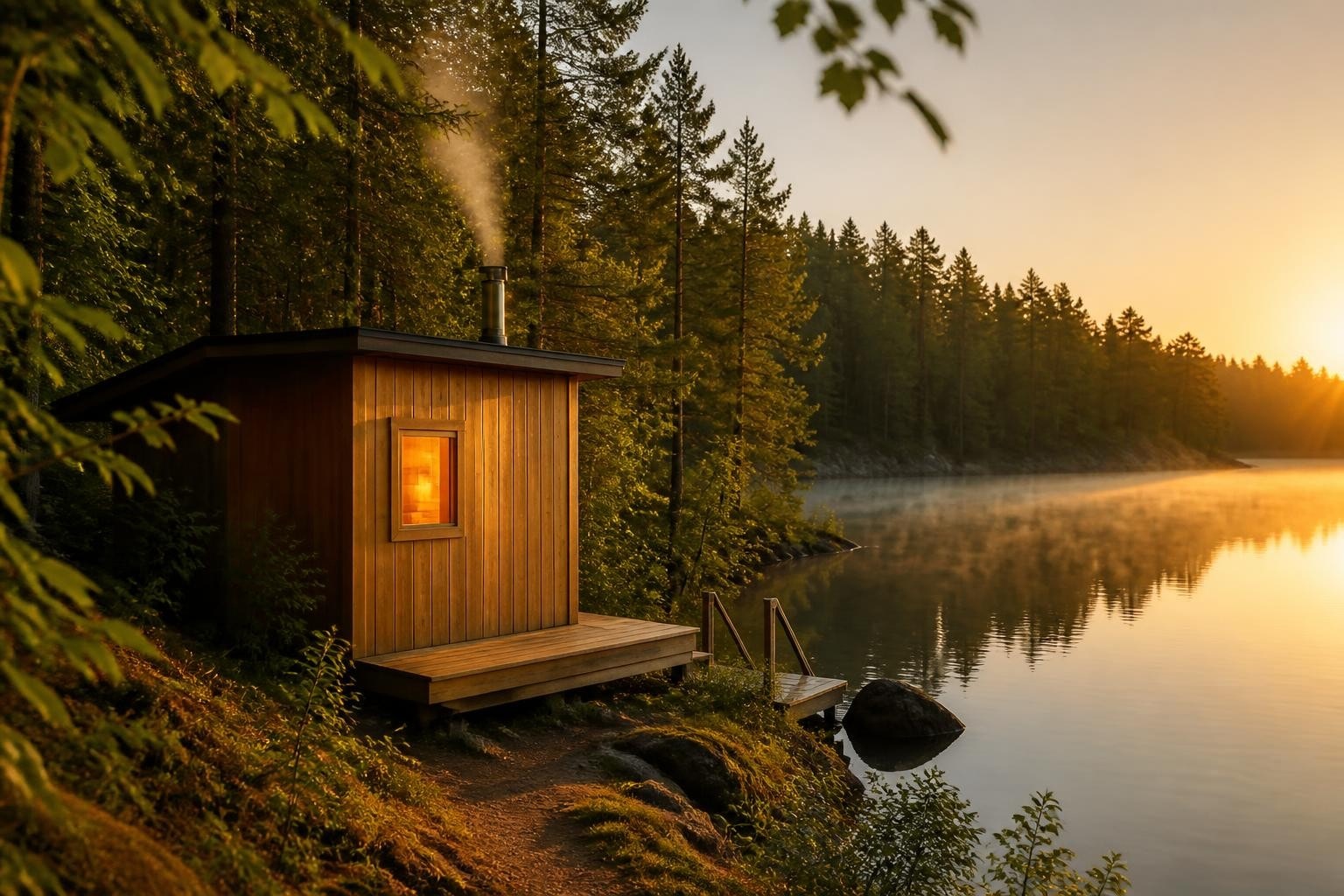
A recovery sauna creates physiological conditions that support muscle repair and adaptation after training. The practice centers on controlled heat exposure, typically 70-90°C, which triggers cardiovascular responses similar to moderate exercise. Research shows associations between regular sauna use and reduced muscle soreness, improved endurance markers, and faster return to training. The mechanism appears to involve heat shock proteins, increased blood flow, and temporary cardiovascular stress that builds adaptation over time.
What Makes a Sauna Effective for Recovery
Heat exposure alone does not guarantee recovery benefits. The sauna must reach and maintain sufficient temperature to raise core body temperature by approximately 1-2°C. Traditional Finnish saunas accomplish this through convection heat from a properly sized electric or wood-burning heater with adequate stone mass.
Critical factors for a recovery sauna:
- Temperature range of 70-90°C (158-194°F)
- Humidity control through water on heated stones (löyly)
- Adequate ventilation to supply fresh air without excessive drafts
- Bench space that allows lying flat with legs elevated
- Timer to track session duration accurately
Stone mass matters more than most people realize. A heater with 40-60 pounds of sauna stones maintains stable temperature and produces the soft heat that makes longer sessions comfortable. When you pour water on heated stones, the resulting steam increases humidity momentarily, which intensifies heat perception without requiring higher air temperature.
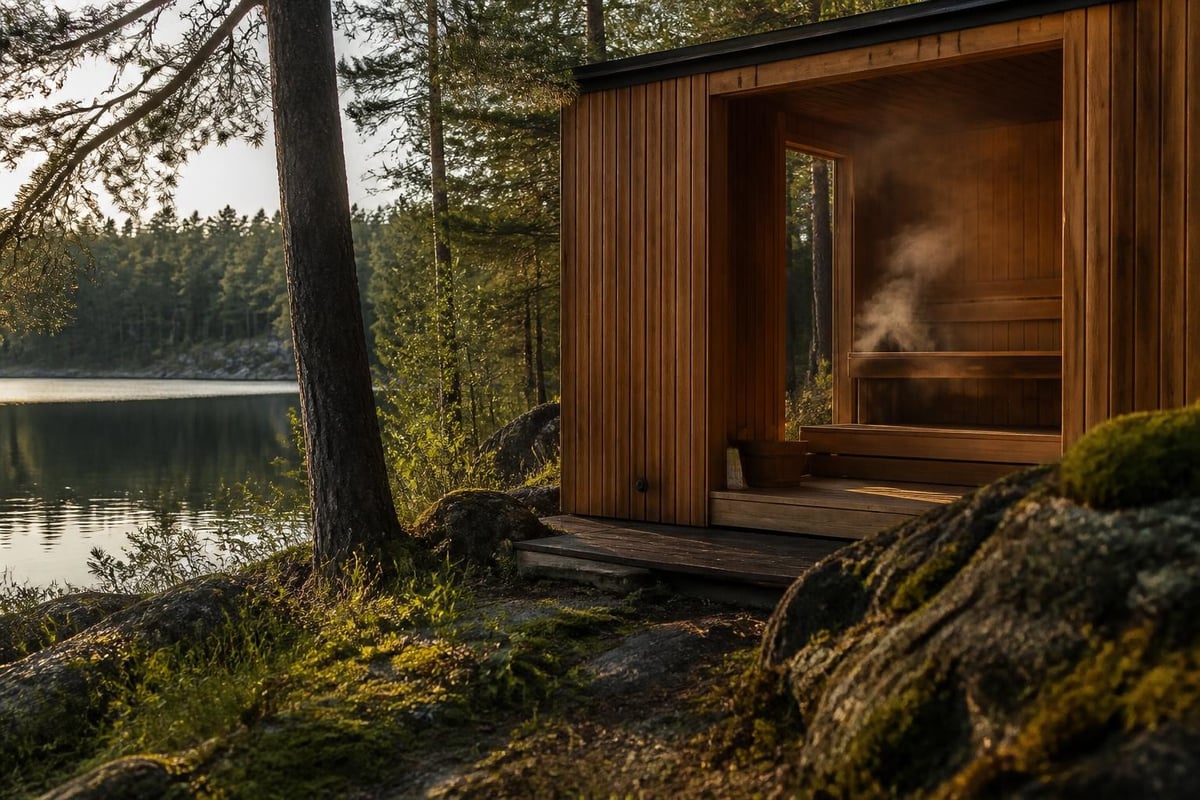
Traditional vs Infrared for Recovery
The distinction matters because the two types create different physiological responses.
| Feature | Traditional Sauna | Infrared Sauna |
|---|---|---|
| Heat method | Convection (heated air) | Radiation (direct skin heating) |
| Temperature | 70-90°C | 45-60°C |
| Session length | 10-20 minutes | 20-45 minutes |
| Cardiovascular demand | Higher | Moderate |
| Humidity control | Yes (löyly) | No |
Traditional saunas create greater cardiovascular stress, which appears central to the physiological mechanisms that support recovery. Heart rate increases to 120-150 beats per minute, similar to moderate cardio. Infrared saunas warm the body more gradually with less cardiovascular demand, which some people prefer after particularly intense training.
Neither approach is clearly superior for recovery. The research on post-exercise sauna benefits comes primarily from traditional Finnish protocol. Infrared studies show similar subjective recovery ratings but through a different mechanism. Your choice depends on whether you tolerate high heat well and how much time you have available.
Recovery Sauna Protocol Based on Current Research
Timing relative to exercise affects outcomes. Most studies showing performance improvements used sauna immediately or within 30 minutes after training. The window appears important because the combined cardiovascular stress from exercise plus heat may drive stronger adaptation signals.
Standard post-workout protocol:
- Cool down from training for 5-10 minutes
- Hydrate with 16-24 ounces of water
- Enter sauna at 75-85°C
- First session: 10-12 minutes
- Exit, cool for 2-3 minutes, hydrate
- Optional second session: 8-10 minutes
- Final cool-down and continued hydration
Session frequency varies by training volume and individual tolerance. Research protocols often use 3-4 sessions per week immediately after workouts. Daily use is common in Finland but may be excessive if you are new to heat exposure or training hard six days weekly.
Contrast Therapy: Sauna and Cold Exposure
Alternating between heat and cold creates distinct vascular responses. Heat causes peripheral vasodilation, flooding muscles with blood. Cold triggers vasoconstriction, pushing blood back toward the core. The alternation may support recovery through improved circulation and waste removal, though the mechanism remains partly theoretical.
The contrast recovery protocol for athletes typically follows this pattern:
- Sauna: 10-15 minutes at 75-85°C
- Cold plunge: 2-4 minutes at 10-15°C
- Repeat cycle 2-3 times
- End on cold exposure
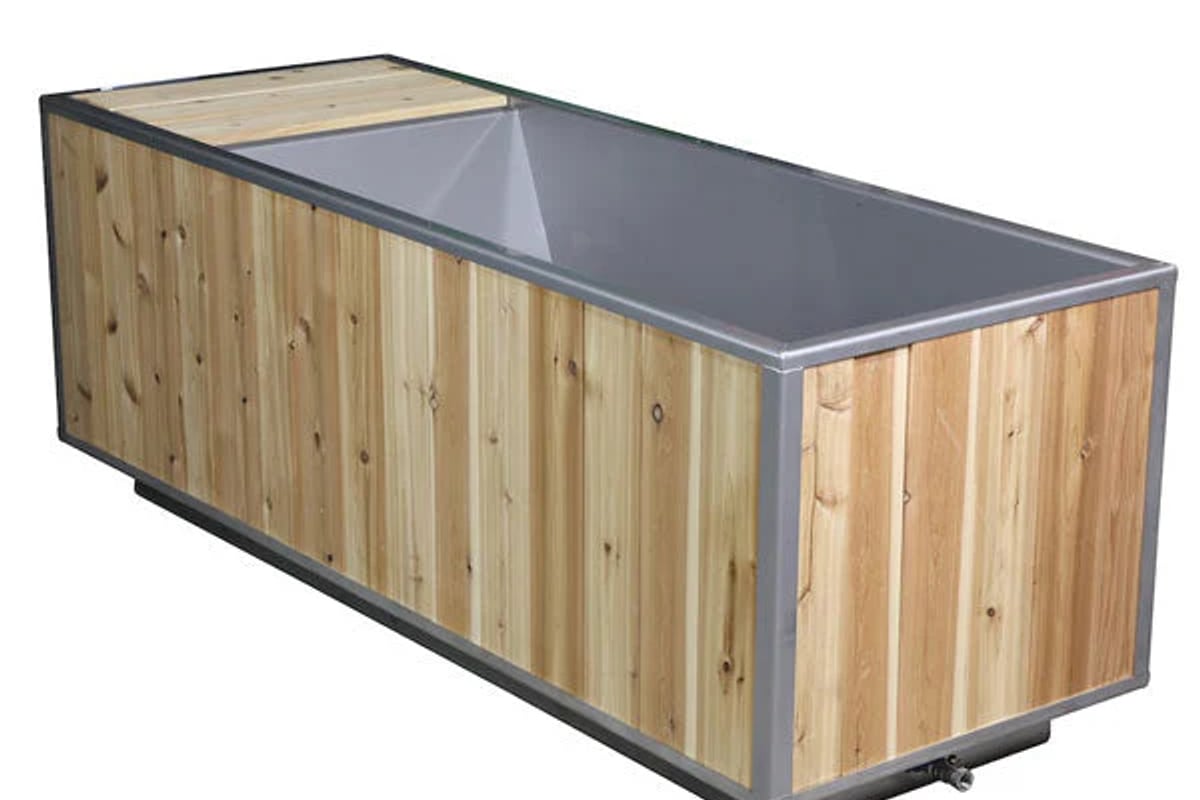
Cold water tolerance varies significantly. Start with 30-60 seconds and build gradually. The LeisureCraft Flow Cold Plunge maintains consistent temperature through an integrated chiller, which removes the guesswork of ice management and allows you to focus on the recovery work itself.
Choosing the Right Recovery Sauna for Your Home
Most people underestimate the importance of heater sizing. A heater rated for your sauna's volume reaches target temperature faster and maintains it more consistently during sessions. An undersized heater runs continuously and struggles to recover temperature after you add water to the stones.
Heater sizing by sauna volume
| Sauna Size | Volume (cubic feet) | Minimum Heater Power |
|---|---|---|
| 2 person | 80-120 | 4.5 kW |
| 3-4 person | 120-200 | 6.0 kW |
| 4-6 person | 200-300 | 8.0 kW |
Most quality North American saunas ship with Harvia heaters, which are sized appropriately for the cabinet. When you are evaluating options, confirm the heater capacity matches the interior volume. Upgrading to a larger heater typically costs a few hundred dollars and improves the experience significantly if you use the sauna frequently.
Additional considerations for home installation:
- Electrical requirements (most 6 kW and larger heaters need 240V)
- Indoor versus outdoor placement based on your climate
- Proximity to water for rinsing between heat and cold
- Privacy if you prefer outdoor installation
- Foundation requirements for outdoor models
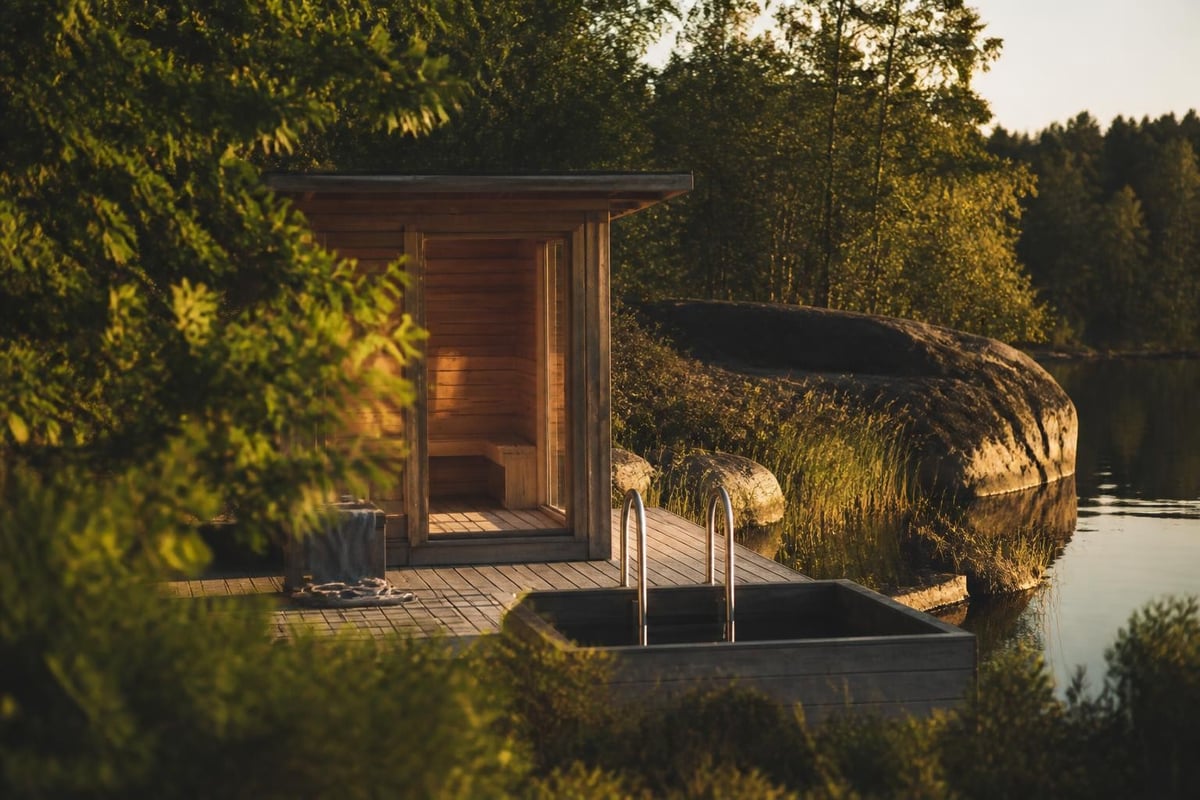
Outdoor saunas work well in northern climates where snow and cold are expected. A properly built outdoor sauna maintains temperature even when ambient temperature drops below freezing. Indoor saunas offer convenience and year-round access without weather concerns, particularly valuable if you plan daily use during training cycles.
Wood Species and Maintenance Requirements
Cedar and hemlock dominate the North American market. Both resist moisture and decay naturally. Cedar carries a distinctive aroma that some people love and others find overwhelming. Hemlock offers a neutral scent and slightly lighter color.
Eastern White Cedar, used in LeisureCraft outdoor models, grows slowly in cold climates and develops tight growth rings that resist warping. The wood requires minimal maintenance beyond occasional cleaning and checking for loose fasteners. Staining or sealing is unnecessary and actually counterproductive, as you want the wood to breathe naturally.
Thermo-treated wood represents a newer option for indoor saunas. The treatment process involves heating wood to 190-215°C in a controlled environment, which permanently modifies the cellular structure. The result is improved dimensional stability and moisture resistance without chemical treatment. The LeisureCraft Loft CT Element uses Thermo Grandis, an eco-friendly wood treated in Ontario that performs well in basement and bathroom installations where humidity varies.
Recovery Benefits: What Research Actually Shows
Studies measure different outcomes, which creates confusion about what sauna actually does. Some look at performance markers like endurance capacity or strength recovery. Others measure subjective recovery ratings or physiological markers like inflammation.
One recent study found that 30-minute post-run sauna sessions improved 5K run time after three weeks. The mechanism appears related to increased plasma volume and improved thermoregulation. Another showed reduced muscle soreness ratings when athletes used sauna three times weekly after training.
Research associations (not proof):
- Reduced delayed onset muscle soreness (DOMS) after intense training
- Improved endurance performance markers after 3-4 weeks
- Enhanced heat acclimation for athletes training in hot conditions
- Elevated heat shock protein production supporting cellular repair
- Temporary increase in growth hormone release during sessions
The consistency across studies suggests real benefits, but individual response varies. Some athletes report dramatic improvements in recovery quality while others notice minimal difference. Genetics, training status, and consistency of use all play roles that are difficult to predict beforehand.
Hydration and Safety Considerations
Heat exposure increases fluid loss through sweat. A typical 15-minute sauna session at 80°C produces approximately 0.5-1 liter of sweat loss. Post-workout sauna sessions compound this loss, requiring deliberate hydration strategies.
Drink 16-24 ounces of water before entering. Keep water accessible during the session for sipping between rounds. After finishing, continue drinking to replace lost fluids over the next 1-2 hours. Monitoring urine color provides a simple assessment of hydration status.
Skip sauna sessions if you experience:
- Dizziness or lightheadedness during or after use
- Excessive fatigue that does not improve with rest
- Signs of overtraining or illness
- Recent alcohol consumption
- Dehydration from inadequate fluid intake
Listen to your body during sessions. The goal is controlled heat stress, not suffering. If you feel uncomfortable, exit immediately. Adaptation develops over weeks, not in a single session.
Building Your Home Recovery Setup
The space around your sauna matters as much as the sauna itself. You need room to cool down between rounds, access to water for rinsing, and ideally a cold exposure option for complete contrast therapy protocols.
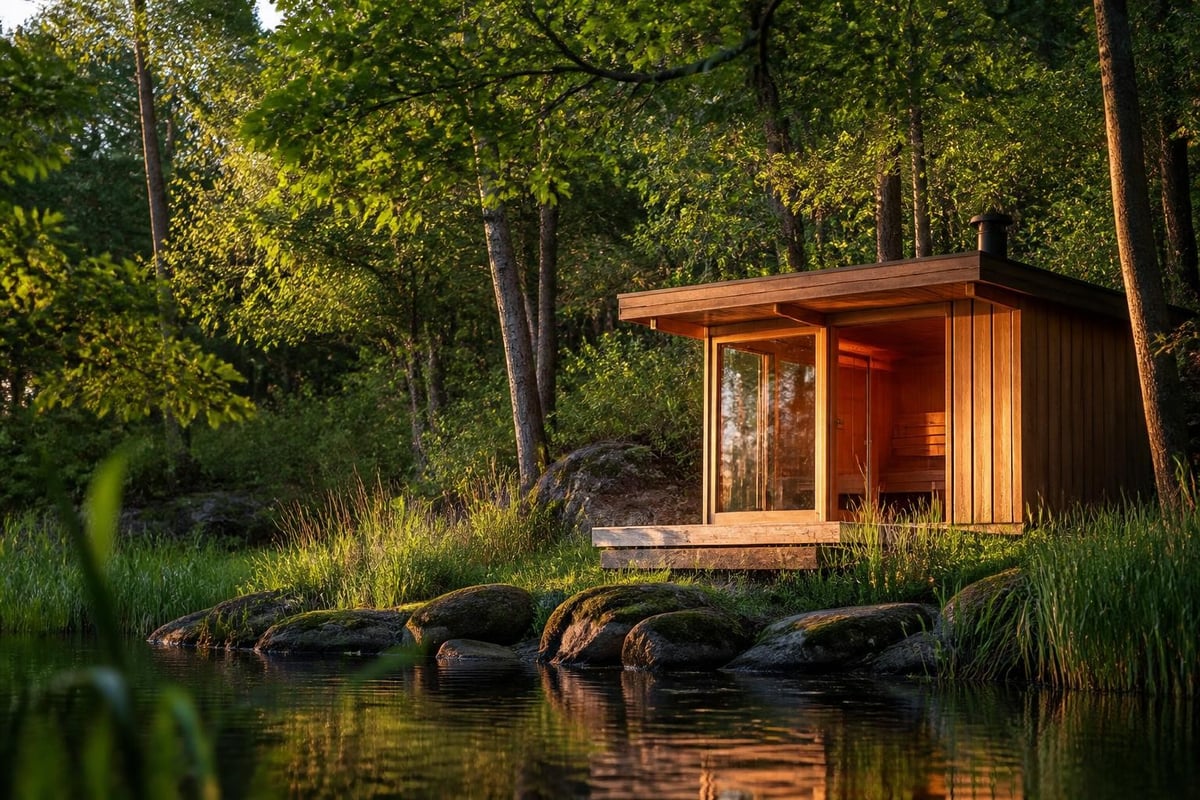
Outdoor setups work particularly well because the transition from heat to cold feels natural. A garden hose provides rinse water between rounds. In winter months, snow becomes the cold plunge. The outdoor air itself serves as a cooling element without any additional equipment.
Indoor installations require more planning. Basement locations offer privacy and controlled environment but need proper drainage if you plan to rinse between rounds. Bathroom installations eliminate drainage concerns but compete for space with daily household use. A nearby shower serves as the cooling and rinsing station.
My Experience on Lake Saimaa
I learned sauna on Lake Saimaa in Eastern Finland, where every family had a lakeside sauna. Summer evenings meant heating the wood-fired stove, taking turns with löyly, then swimming in the lake while the next group warmed up. Winter was the same pattern but you cut a hole through the ice. The contrast was never about optimization or recovery protocols. It was just what you did after work, after sports, after any physical effort. That cycle taught me the difference between temporary comfort and real recovery.
Frequently Asked Questions
How soon after a workout should I use a recovery sauna?
Within 30 minutes appears optimal based on research protocols. The combined cardiovascular stress from exercise and heat may enhance adaptation. Waiting several hours reduces the potential benefit, though you still experience the general wellness effects of heat exposure.
Can I use a recovery sauna every day?
Daily use is common in Finland and generally safe for healthy people who stay hydrated. If you train hard six or seven days weekly, you might reduce sauna frequency to 3-4 times weekly to avoid excessive stress. Monitor your recovery quality and adjust accordingly.
What temperature should a recovery sauna reach?
Traditional protocols use 75-85°C (167-185°F). This range creates sufficient cardiovascular stress to trigger adaptation responses. Lower temperatures still feel warm but may not produce the physiological changes associated with recovery benefits.
How long should recovery sauna sessions last?
Most research uses 10-20 minute sessions, often repeated 2-3 times with cooling periods between. Total heat exposure of 20-40 minutes appears effective. Longer is not necessarily better and may increase dehydration risk unnecessarily.
Do I need both a sauna and cold plunge for recovery?
No. Sauna alone shows recovery benefits in research. Cold exposure adds a distinct stimulus and creates the contrast therapy pattern, but it is optional based on your preferences and available space. Many people start with just a sauna and add cold exposure later after establishing a consistent routine.
A recovery sauna supports training adaptation through controlled heat stress, particularly when used consistently after workouts. The right setup depends on your space, climate, and whether you want traditional Finnish protocol or infrared convenience. At RecoSauna, I answer every question personally because choosing a sauna is not about features or specifications but understanding how you actually plan to use it. Whether you need an outdoor barrel for Minnesota winters or an indoor traditional sauna for daily basement sessions, we carry models that work for serious recovery use. Ask Petri About Your Sauna.
Share:
Rooftop Sauna: Planning, Installation & What Works
Single Person Sauna: Types, Sizing & What to Consider