

An outdoor wood burning sauna represents the most authentic form of Finnish sauna culture you can bring to your backyard. Unlike electric models that rely on grid power, a wood-fired sauna connects you to centuries of Nordic tradition through the crackle of burning birch, the ritual of fire tending and the distinctive quality of heat that only wood combustion creates. For North American homeowners seeking a true wellness retreat, understanding how wood-burning heaters work, which materials perform best outdoors and what installation requires will help you make a confident decision that serves your family for decades.
Why Choose Wood Heat for Your Outdoor Sauna
Wood-burning heaters deliver a heat quality that electric models simply cannot replicate. The gentle, radiant warmth from a properly stoked sauna stove creates what Finns call hyvä löyly, the good steam. When you toss water on hot sauna stones heated by wood fire, the resulting steam is softer, more enveloping and easier to breathe than steam from electrically heated stones.
Beyond the sensory experience, wood heat offers practical advantages for many properties:
- Complete grid independence: No electrical service required, ideal for remote properties or off-grid installations
- Lower operating costs: Firewood typically costs less per session than electric heating, especially in rural areas
- Higher heat capacity: Quality wood stoves heat larger sauna rooms more efficiently than comparably priced electric heaters
- Storm resilience: Your sauna remains functional during power outages
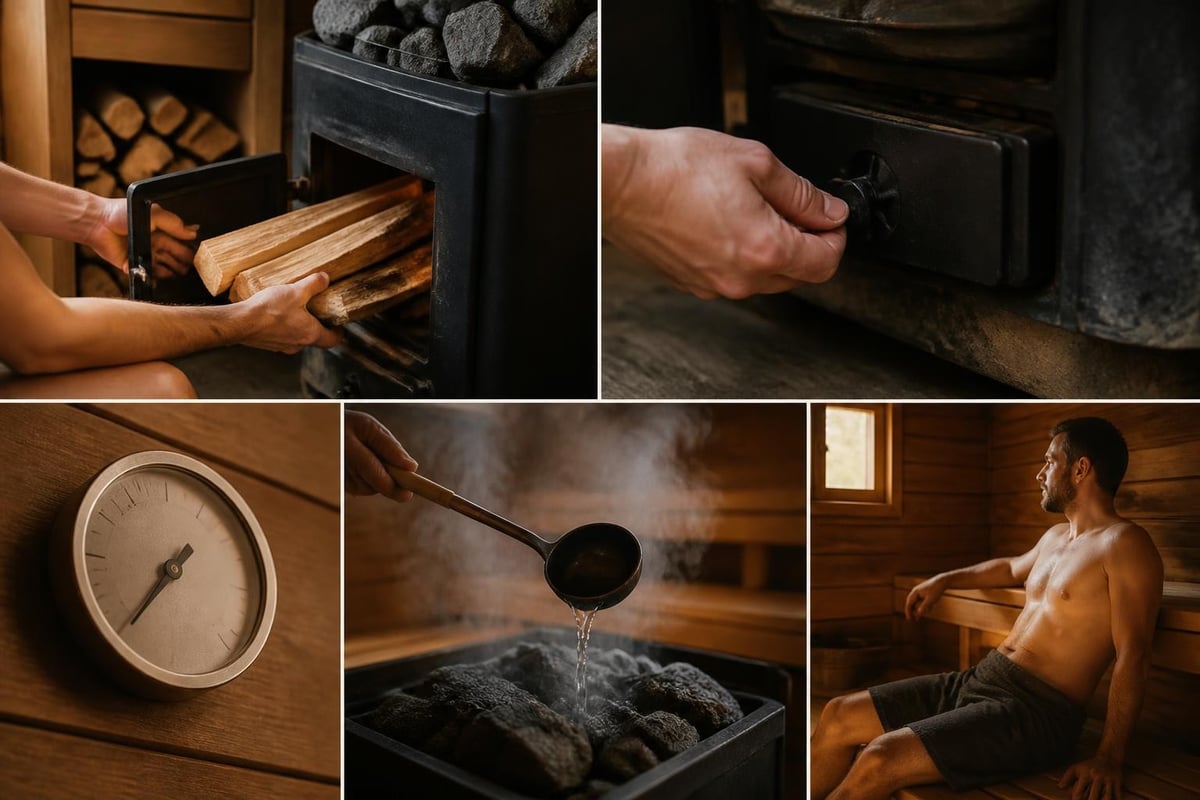
The ritual aspect matters too. Loading birch logs, adjusting airflow and tending the fire creates a mindful pre-sauna routine that helps you transition from daily stress into relaxation mode. Many homeowners find this preparation ritual becomes as valued as the sauna session itself.
The Learning Curve and Commitment
Wood-burning saunas require skills that electric models do not. You need to understand draft control, recognize when stones have reached optimal temperature and maintain consistent heat without overheating the room. The first few sessions involve learning your particular stove's personality, how your local wood burns and what works for your climate.
Expect to spend 45 to 90 minutes heating a cold sauna to bathing temperature, depending on outdoor temperature, sauna size and stove capacity. You'll also commit to seasonal wood sourcing, proper wood storage and more frequent maintenance than electric heaters demand. For many owners, these tasks feel rewarding rather than burdensome, but you should approach this honestly based on your lifestyle.
Sauna Construction Materials for Year-Round Wood Burning
Not all outdoor saunas handle wood heat equally well. The high thermal mass of wood-burning stoves and their longer heating cycles demand thoughtful construction. Your material choices directly affect heat retention, safety clearances, moisture management and long-term durability.
Solid Wood Walls Versus Prefab Panels
Authentic Finnish outdoor saunas use 46 mm solid timber walls that provide natural insulation, structural strength and the thermal mass needed to stabilize temperatures during wood-fired sessions. Solid logs interlock tightly, minimize air infiltration and allow the entire structure to breathe properly, managing moisture without trapped condensation.
Thinner prefab panels (20 to 28 mm) common in budget saunas lose heat too quickly for efficient wood burning. You'll burn more wood, struggle to reach target temperatures in cold weather and face comfort issues from rapid temperature swings when you open the door.
| Wall Construction | Thermal Performance | Wood Heat Suitability | Longevity |
|---|---|---|---|
| 46 mm solid timber | Excellent retention | Ideal for wood stoves | 25+ years |
| 28 mm tongue-and-groove | Moderate retention | Workable, needs more fuel | 15-20 years |
| 20 mm prefab panels | Poor retention | Struggles in winter | 10-15 years |
Thermowood Versus Nordic Pine
Thermowood, heat-treated at high temperatures to eliminate sugars and reduce moisture content, outperforms standard pine for outdoor wood-burning saunas. The treatment process creates dimensional stability, natural rot resistance and reduced resin content, all critical when your sauna experiences extreme temperature cycles from outdoor winter cold to 80°C+ wood-fired heat.
Nordic Pine costs less initially and offers a lighter, brighter interior aesthetic that some homeowners prefer. It performs reliably in covered locations or milder climates, but requires more diligent maintenance in harsh winter regions. Both species work well with wood heat when properly constructed and maintained.
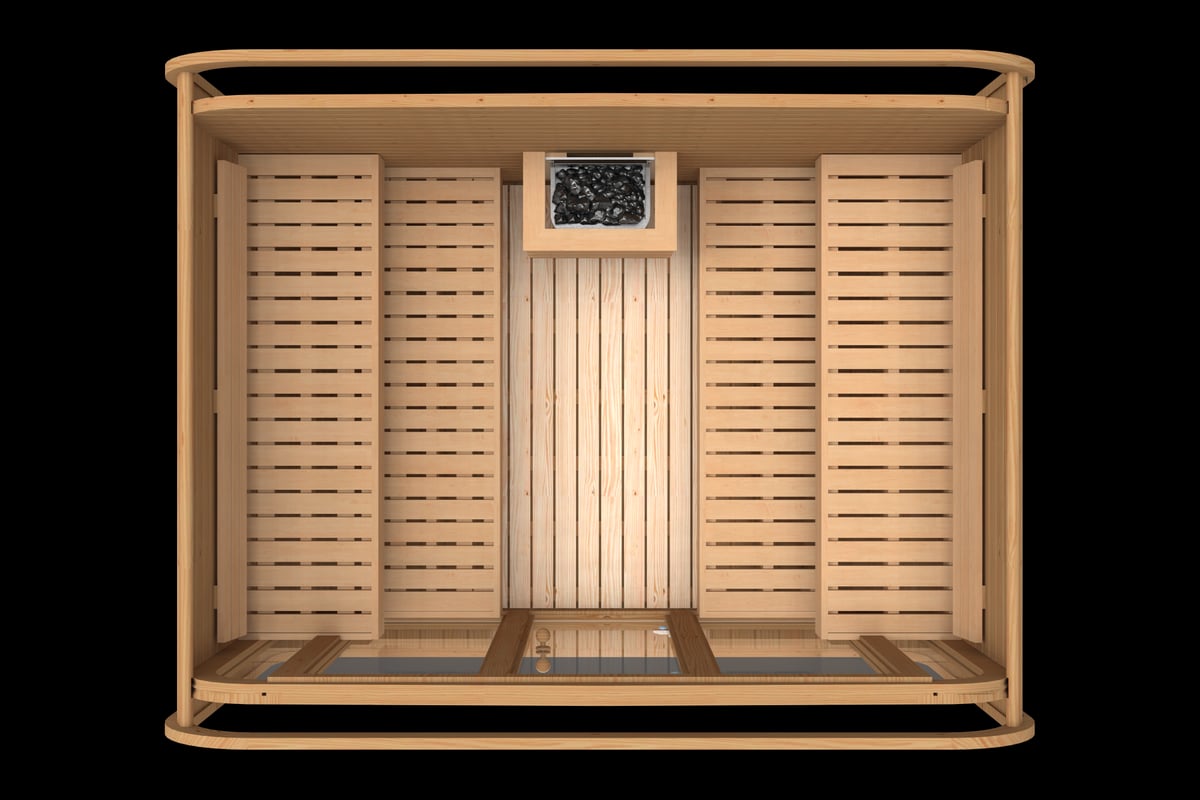
The RecoSauna Sisu Square Sauna 3.0 × 2.3 m in Thermowood exemplifies premium outdoor construction designed specifically for year-round use with either electric or wood-burning heaters, featuring 46 mm solid Thermowood walls that maintain stable temperatures even during extended wood-fired sessions in cold climates.
Proper Ventilation for Combustion Heating
Wood stoves consume oxygen and produce combustion gases that must safely exit your sauna. Building codes typically require dedicated fresh air intakes positioned near the stove and high-level exhaust vents to create proper draft. This dedicated ventilation runs separate from the standard sauna air exchange system.
Most quality wood sauna stoves draw combustion air from outside the sauna room through a dedicated duct, preventing the stove from depleting oxygen inside the hot room. Verify your chosen stove model's ventilation requirements before finalizing your sauna design, as retrofit installations cost significantly more than designing ventilation properly from the start.
Selecting the Right Wood-Burning Sauna Stove
Stove capacity must match your sauna's interior volume, accounting for wall materials, insulation quality, window area and climate. Manufacturers rate stoves by the cubic meter or cubic foot range they can heat effectively. Undersized stoves never reach proper temperature; oversized stoves overheat smaller rooms and waste fuel.
Internal Versus External Firebox Models
Internal firebox stoves sit entirely inside the sauna room, with the loading door facing the benches. You tend the fire from inside the hot room, which some bathers find atmospheric but others consider uncomfortable during sessions. These models work well for compact saunas where external wall penetration complicates installation.
External firebox stoves (also called tunnel stoves) mount through the sauna wall, with the loading door accessible from outside. You add wood without entering the hot room, maintain the fire without disrupting bathers and keep bark debris out of your clean sauna space. Most serious wood sauna users strongly prefer external loading for its convenience and separation of fire tending from bathing.
The external configuration requires careful wall penetration with proper clearances, heat shielding and weatherproofing. Budget for professional installation unless you have significant construction and code compliance experience.
Stone Capacity and Heat Retention
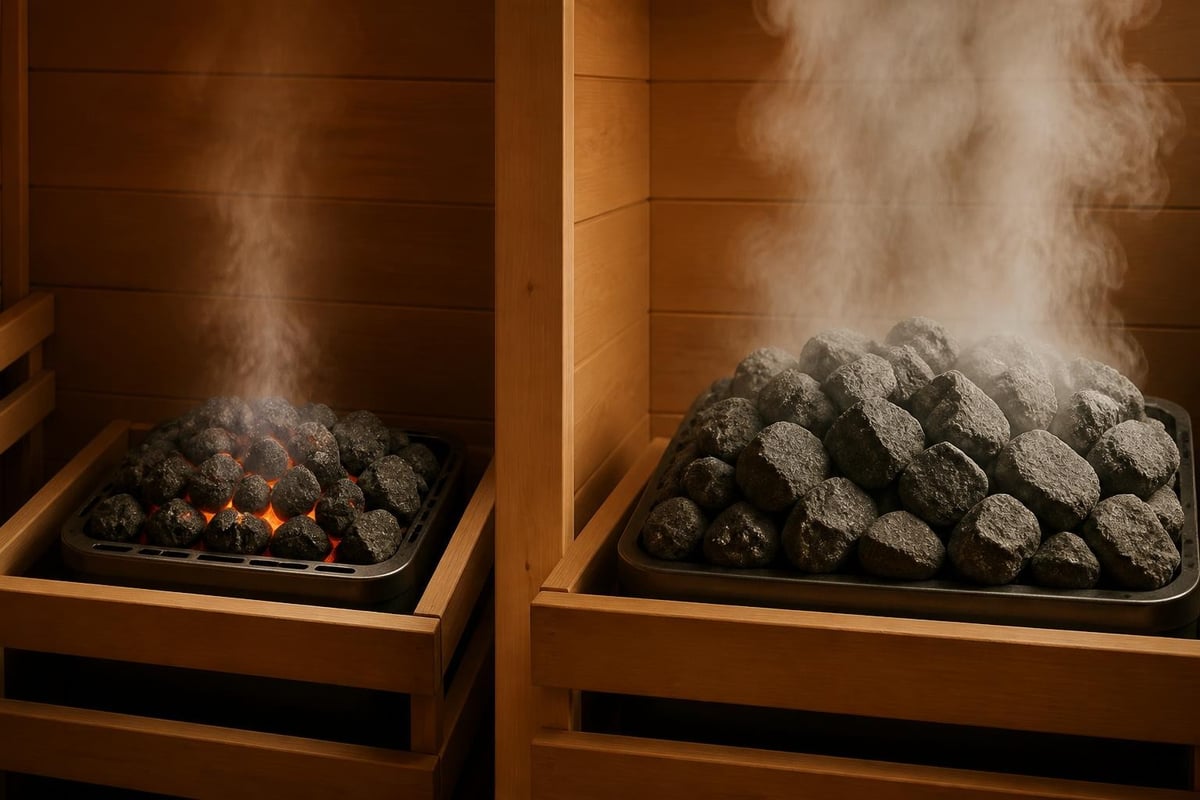
Sauna stones store thermal energy and create steam when you throw water on them. Wood stoves typically hold 40 to 120 kg of stones depending on model size. Larger stone capacity means more stable temperatures, better steam quality and longer heat retention after the fire dies down.
Choose igneous rocks like peridotite, olivine or diabase that withstand repeated heating and quenching without fracturing. Replace stones every 2 to 3 years or sooner if you notice cracking, crumbling or reduced steam quality. Degraded stones produce dusty, harsh steam and lose heat capacity.
- 40-60 kg stone capacity: Adequate for 2-4 person saunas, requires more frequent stoking
- 60-90 kg stone capacity: Ideal for most family saunas, balances heat stability and stove size
- 90+ kg stone capacity: Best for larger saunas or commercial use, excellent heat retention
Installation Requirements and Site Preparation
Building code compliance protects your home, your family and your insurance coverage. Wood-burning saunas face stricter requirements than electric models due to fire risk, combustion ventilation and chimney safety. Most jurisdictions classify outdoor wood-fired saunas as accessory structures requiring permits.
Foundation and Structural Support
Wood stoves weigh significantly more than electric heaters, especially when loaded with stones. A quality 60 kg stone-capacity stove with full stone load weighs over 100 kg. Your sauna floor must support this concentrated point load plus the weight of bathers, benches and the structure itself.
Proper foundations for outdoor wood-burning saunas include:
- Concrete slab on grade: Most permanent, best for level sites, excellent long-term stability
- Concrete pier system: Cost-effective for sloped terrain, allows air circulation under floor
- Pressure-treated timber frame on piers: Budget-friendly, works in most locations, requires proper ventilation
- Gravel bed with paving stones: Acceptable for smaller saunas in mild climates, less permanent
Avoid placing wood-burning saunas on untreated wood decks unless specifically engineered and code-approved. The combination of heavy point loads, high heat transmission and fire risk makes deck mounting problematic for most residential applications.
Chimney Design and Maintenance
Your chimney must create sufficient draft to pull combustion gases out while drawing fresh air into the firebox. Undersized or poorly designed chimneys cause smoking, incomplete combustion, creosote buildup and dangerous backdrafting.
Most residential wood sauna installations use double-wall insulated stainless steel chimney pipe rated for high-temperature applications. Total chimney height from stove outlet to cap typically ranges from 3 to 5 meters depending on sauna building height and roof pitch.
Critical chimney considerations:
- Maintain minimum 450 mm clearance from combustible materials throughout the chimney run
- Support chimney properly where it penetrates the roof, using code-approved roof jacks and flashing
- Install a quality chimney cap to prevent rain entry and downdrafts while allowing proper exhaust
- Clean chimney annually before heating season to remove creosote and inspect for damage
Many homeowners hire certified chimney sweeps for annual inspection and cleaning. This preventive maintenance costs far less than chimney fires or insurance claims.
Operating Your Wood-Burning Sauna Through the Seasons
Seasonal temperature swings dramatically affect heating time and fuel consumption. A sauna that reaches bathing temperature in 45 minutes during summer may require 90 minutes in January when starting from -15°C outdoor temperature. Understanding these patterns helps you plan sessions and manage wood supply.
Cold Weather Operation
Winter wood-sauna sessions offer unique rewards. The contrast between frigid outdoor air and your heated sanctuary intensifies the experience. Proper cold-weather operation requires attention to details that summer users can ignore.
Before lighting your winter fire:
- Clear snow from chimney cap and air intakes to ensure proper draft and combustion air supply
- Verify door weatherstripping remains intact to minimize cold air infiltration during heating
- Pre-warm the chimney if necessary by lighting crumpled newspaper at the stove outlet to establish initial draft
- Allow extra heating time based on outdoor temperature and wind conditions
Thermal shock from cold-start heating stresses materials. Gradual temperature increase protects your sauna structure and extends service life. Start with smaller fires, let the building warm slowly and build to full heat over the first hour.
Fuel Selection and Storage
Dry hardwood delivers the best heat output and cleanest burn for sauna heating. Birch remains the traditional Finnish choice for its high energy density, pleasant aroma and low resin content. Maple, oak and ash also perform well. Wood moisture content should stay below 20% for efficient combustion and minimal creosote production.
Budget approximately 1 to 2 cubic meters of seasoned firewood per year for weekly family sauna use in moderate climates. Cold-climate year-round users may consume 3 to 4 cubic meters annually. Store wood in a covered, well-ventilated area at least six months before burning to ensure proper seasoning.
Avoid softwoods like pine and spruce for regular sauna heating. Their high resin content creates excessive creosote buildup that fouls chimneys and reduces safety. Reserve softwoods for kindling only.
Integrating Wood Sauna Into Your Backyard Wellness Space
Strategic placement maximizes your outdoor sauna's value while respecting practical constraints. Consider the path from your home, proximity to outdoor showers or cold plunge options, privacy from neighbors and visual relationship to your landscape when selecting a site.
Wood-burning models demand additional placement considerations beyond electric saunas:
- Chimney clearance from overhead tree branches, power lines and roof eaves
- Ember protection zones where sparks could reach combustible materials
- Wood storage access close enough for convenient fuel delivery but weather-protected
- Year-round access paths that remain safe and clear even during snow season
Many homeowners create a complete backyard spa experience by positioning their wood-burning sauna near an outdoor shower and cold plunge area. This arrangement supports traditional contrast therapy, alternating between hot sauna sessions and cold water immersion for enhanced recovery and wellness benefits.
For those building a dedicated wellness zone, consider how ambient music might enhance your space. While not essential to sauna culture, some homeowners integrate subtle outdoor audio using wireless systems from specialists like ANR media, who design custom audio solutions that can extend to outdoor living spaces for a complete backyard retreat experience.
Creating Shelter and Seasonal Comfort
An uncovered wood-burning sauna works perfectly well, but many owners add roof overhangs, pergolas or covered porches that protect the entrance, provide dry firewood access and create transition space for cooling between sauna rounds.
A simple 1 to 1.5 meter roof extension over the door area keeps rain and snow away from your entrance, reduces weather exposure when stoking the fire and creates a sheltered spot for post-sauna relaxation. This modest addition significantly improves year-round usability without major construction expense.
Some premium sauna designs include integrated changing rooms separated from the hot room by an interior glass door. These spaces provide weather protection, privacy for changing and storage for towels and robes, creating a more complete sauna experience similar to traditional Finnish sauna culture and modern wellness practices.
Maintenance Rhythms and Long-Term Care
Wood-burning saunas demand more active maintenance than electric models, but the tasks follow predictable rhythms that become routine. Disciplined seasonal care ensures safe operation and extends your sauna's service life to multiple decades.
After Every Session
- Remove ashes from the firebox once cool, disposing in a metal container away from combustibles
- Check door seals and glass for any damage or deterioration from heat exposure
- Ventilate the hot room by leaving door and vents open until interior cools completely
- Wipe benches if you use sauna oils or if heavy steam created excess moisture
Monthly During Active Season
- Inspect chimney cap for blockages from bird nests, leaves or excessive creosote
- Test door and vent operation to ensure smooth function without binding
- Check exterior wood for any signs of moisture damage, especially around ground contact points
- Verify stone condition and replace any cracked or crumbling rocks
Annual Maintenance Tasks
Professional chimney sweeping and inspection tops the annual maintenance list. Certified sweeps identify structural chimney issues, measure creosote buildup and verify proper draft before they become safety hazards.
Other annual tasks include:
- Deep cleaning the hot room, including bench undersides and wall corners
- Treating exterior wood with appropriate oil or stain based on your climate
- Replacing door weatherstripping if compression or gaps have developed
- Inspecting roof and flashing around chimney penetration for water intrusion
- Reviewing foundation supports for settling, rot or pest damage
| Maintenance Task | Frequency | Typical Cost | DIY Difficulty |
|---|---|---|---|
| Ash removal | After each use | $0 | Easy |
| Chimney cleaning | Annual | $150-300 | Professional recommended |
| Stone replacement | Every 2-3 years | $50-150 | Moderate |
| Exterior treatment | Annual | $75-200 | Easy to moderate |
| Weatherstrip replacement | Every 2-4 years | $30-80 | Easy |
Comparing Wood Heat to Electric Sauna Heating
Both heating methods produce authentic sauna experiences when properly implemented. Your choice depends on site constraints, personal preferences and how you value the tradeoffs each system presents.
Operating Cost Analysis
Electric saunas cost more per session in most North American regions, especially where electricity rates exceed $0.12 per kWh. A typical 45-minute electric sauna session for a 6-8 kW heater consumes 4 to 5 kWh, costing $0.50 to $1.00 at average rates. Premium electric heaters with higher capacity can push session costs to $1.50 or more.
Wood heating costs depend entirely on local firewood prices and your consumption patterns. Budget $5 to $15 per cord for self-cut wood or $150 to $350 per delivered seasoned cord depending on your region. At 6 to 8 sessions per cord, wood heating typically costs $0.25 to $0.75 per session, often less than half the electric equivalent.
These calculations shift if you cut your own wood (essentially free fuel) or live where electricity costs remain very low. Run the numbers for your specific situation before assuming wood heat saves money.
Convenience and Lifestyle Fit
Electric heaters offer unmatched convenience. Walk to your sauna, press a button and return 30 to 45 minutes later to perfect heat. No wood splitting, no fire tending, no ash removal and no chimney maintenance. For busy professionals or those with limited time, this simplicity matters enormously.
Wood heat demands engagement. You participate actively in creating your sauna experience through fuel preparation, fire management and heat monitoring. Some owners find this involvement meditative and grounding. Others consider it an unwelcome barrier to spontaneous sauna sessions.
Consider honestly how you'll use your sauna:
- Scheduled weekend wellness rituals: Wood heat's preparation time fits naturally
- Spontaneous evening stress relief: Electric heating removes barriers to frequent use
- Social sauna events: Wood fire creates ambiance, but electric offers timing predictability
- Recovery after training: Both work well; choose based on other factors
The benefits of regular sauna use for recovery remain identical regardless of heating method. Heat quality and session consistency matter more than the heat source.
Safety Considerations and Risk Management
Wood-burning saunas introduce fire and combustion risks that electric models avoid entirely. Proper installation, maintenance and operation practices minimize these risks to acceptable levels, but you must take them seriously.
Fire Prevention Basics
- Maintain all manufacturer-specified clearances between stove, chimney and combustible materials
- Install working smoke and carbon monoxide detectors in or near your sauna building
- Keep a fire extinguisher rated for wood fires accessible outside the sauna door
- Never leave burning sauna unattended for extended periods, especially during initial heating
- Establish ember-free zones around your sauna where dropped sparks cannot ignite dry grass or debris
Local fire codes may mandate additional safety measures including spark arrestors on chimneys, specific foundation types or minimum distances from property lines and structures. Verify requirements before construction begins.
Carbon Monoxide Awareness
Properly functioning wood stoves with adequate draft exhaust combustion gases safely through the chimney. Backdrafting, blocked chimneys or insufficient combustion air can allow carbon monoxide to enter the sauna room, creating a deadly hazard.
Warning signs of combustion problems include:
- Visible smoke entering the sauna room when stove door opens
- Persistent wood smoke smell during sessions
- Difficulty maintaining fire or incomplete combustion
- Soot deposits on stove glass or surrounding walls
If you notice any combustion irregularities, stop using the sauna immediately and have a qualified professional inspect your installation. Carbon monoxide detectors provide an additional safety layer but should never substitute for proper installation and maintenance.
Wood-burning outdoor saunas reward committed owners with unmatched authenticity, sensory richness and connection to Nordic wellness traditions spanning centuries. The investment in proper construction, quality materials and disciplined maintenance creates a backyard retreat that serves your family's wellness needs for decades while deepening your appreciation for Finnish sauna culture. At RecoSauna, we help North American homeowners navigate material choices, heater selection and installation planning with the practical expertise that comes from growing up with authentic Finnish sauna culture, ensuring your outdoor wood-burning sauna delivers the performance, longevity and genuine löyly experience you're investing in.
Share:
Sauna Space Design: Planning Your Home Sauna Room
Thermowood Outdoor Sauna: Premium Material Guide 2026