
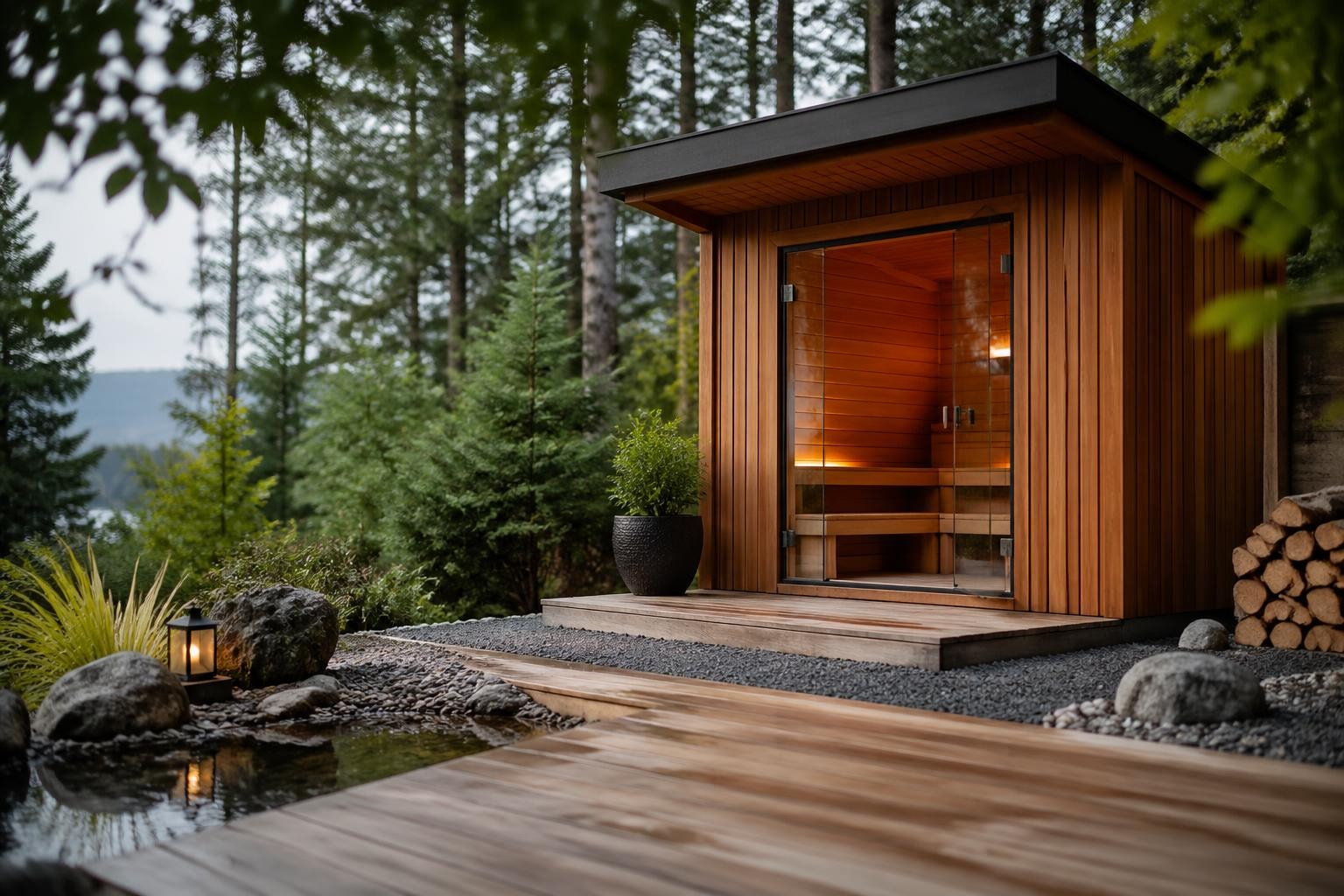
Adding an outdoor sauna cabin to your property represents one of the most rewarding investments in personal wellness and home value you can make in 2026. Unlike compact barrel designs or indoor installations, cabin-style saunas offer spacious interiors, traditional aesthetics, and the flexibility to accommodate groups while creating a dedicated backyard wellness retreat. Whether you're drawn to the health benefits of regular sauna sessions or seeking to enhance your outdoor living space, understanding the key considerations around materials, sizing, installation, and ongoing maintenance will help you make an informed decision that delivers years of therapeutic relaxation.
Why Choose an Outdoor Sauna Cabin Over Other Designs
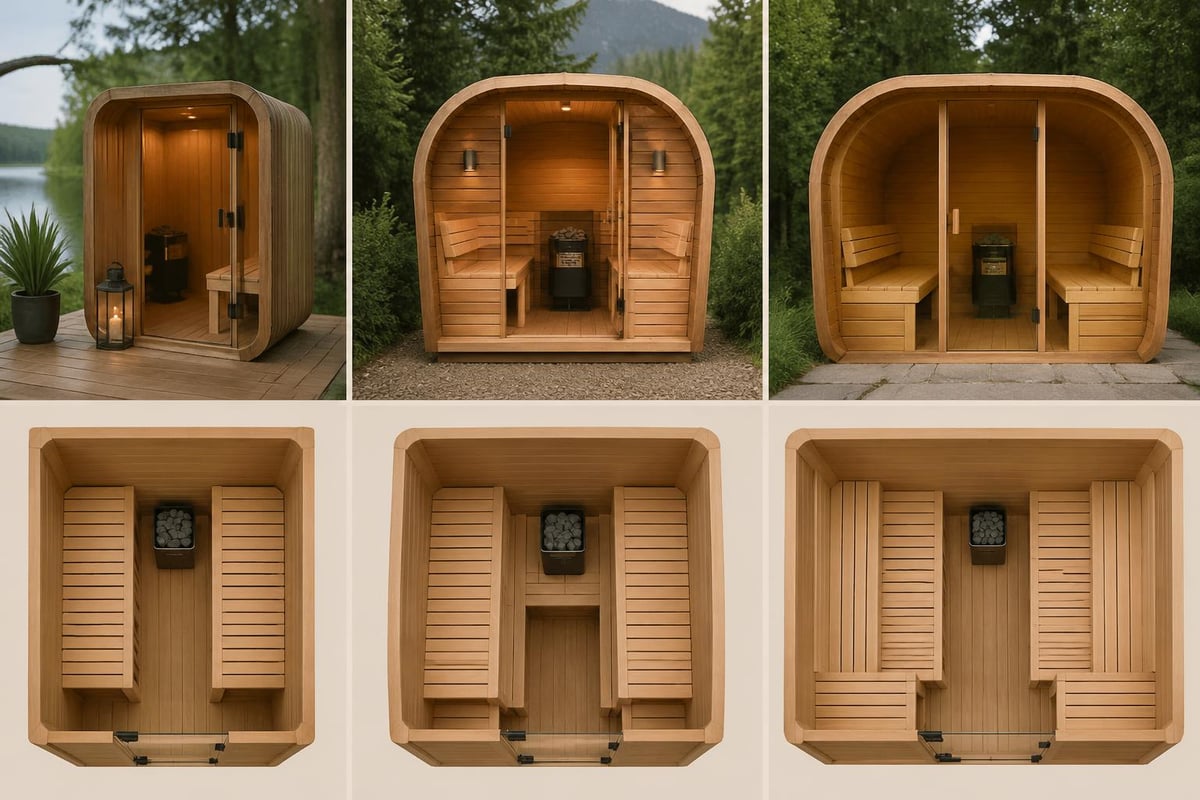
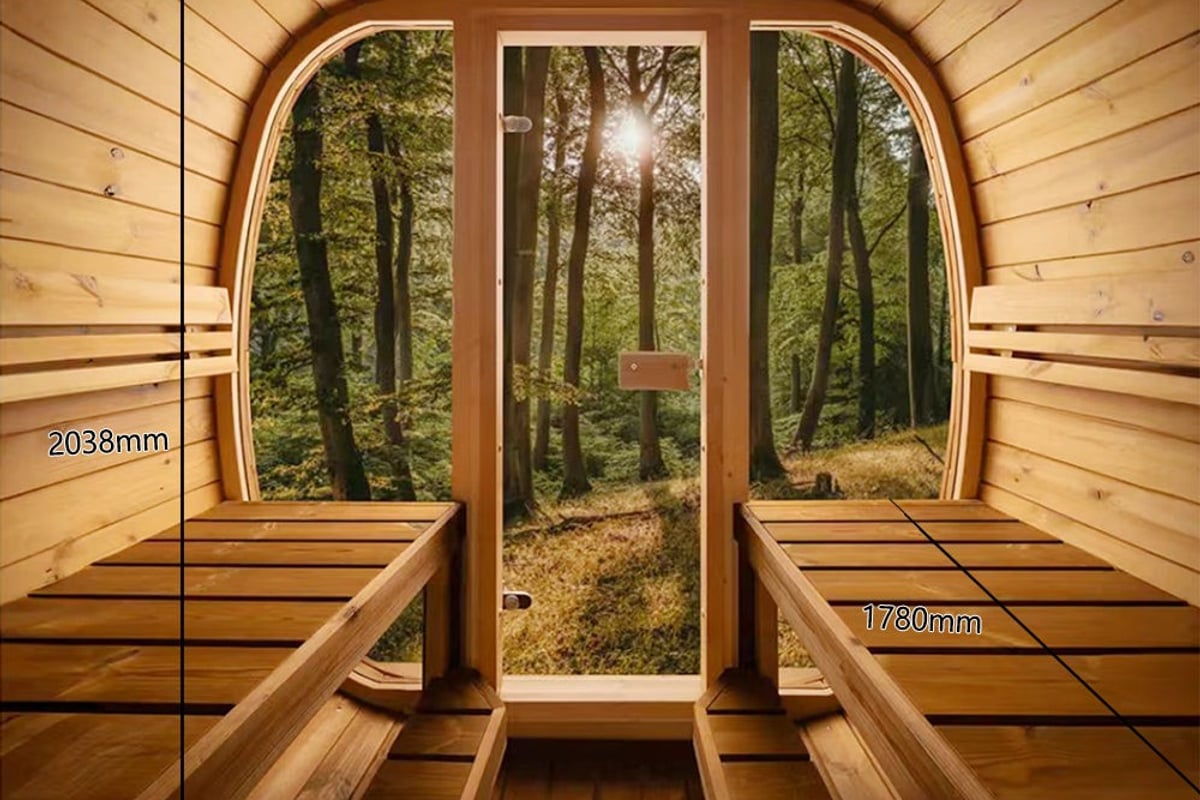
The outdoor sauna design landscape has evolved considerably, with barrel and pod configurations gaining popularity for their unique aesthetics and efficient heat retention. Yet outdoor sauna cabins remain the preferred choice for homeowners seeking maximum interior space, design versatility, and traditional craftsmanship. Cabin structures provide vertical headroom that barrel saunas cannot match, allowing users of all heights to sit comfortably on upper benches where temperatures reach their therapeutic peak.
Space and Capacity Advantages
Outdoor sauna cabins excel when accommodating multiple users simultaneously. A standard 6x8 foot cabin comfortably seats four to six people with proper bench configuration, while larger 8x10 foot models can host eight or more guests. This generous capacity makes cabin saunas ideal for:
- Family wellness routines where parents and children sauna together
- Social gatherings that combine relaxation with conversation
- Athletic recovery sessions for sports teams or training partners
- Commercial applications at wellness centers, resorts, or rental properties
The rectangular footprint also allows for more flexible bench arrangements. You can install L-shaped seating, create dedicated cool-down areas, or incorporate storage for towels and accessories without compromising the primary sauna space.
Architectural Flexibility and Customization
Cabin-style construction opens design possibilities that curved or pod structures cannot accommodate. You can match your outdoor sauna cabin to existing architecture through roof style selection, whether choosing gable, shed, or hip configurations. Window placement becomes strategic rather than predetermined, allowing you to frame specific views, control natural light, or maintain privacy based on your property layout.
Material choices extend beyond wood species to include:
- Exterior cladding options like cedar shingles, metal panels, or board-and-batten siding
- Interior wood variations combining different cedar grades or contrasting light and dark species
- Custom door designs featuring full glass panels, traditional wood construction, or modern hybrid styles
- Integrated features such as covered porches, changing rooms, or equipment storage
This architectural versatility means your outdoor sauna cabin can function as a striking focal point or blend seamlessly into your landscape design philosophy.
Material Selection for Durability and Performance
The longevity and performance of your outdoor sauna cabin depends heavily on wood species selection and construction quality. Premium outdoor saunas utilize naturally weather-resistant woods that withstand temperature extremes, moisture cycles, and UV exposure while developing attractive patina over time.
Cedar: The Traditional Standard
Eastern White Cedar and Western Red Cedar dominate outdoor sauna cabin construction for compelling reasons. Both species contain natural oils that repel insects, resist decay, and emit pleasant aromatics when heated. Cedar's cellular structure provides excellent insulation properties, helping your sauna reach target temperatures efficiently while maintaining comfortable ambient conditions.
| Cedar Type | Key Characteristics | Best Applications |
|---|---|---|
| Eastern White Cedar | Light color, fine grain, moderate density | Interior walls, benches, exterior cladding |
| Western Red Cedar | Rich reddish tone, straight grain, superior stability | Structural framing, high-moisture areas, premium aesthetics |
| Northern White Cedar | Dense growth rings, exceptional durability | Roofing, foundation contact points, long-term installations |
The dimensional stability of cedar prevents the warping and splitting that plague inferior wood choices. Boards maintain consistent gaps even through seasonal expansion-contraction cycles, preserving both structural integrity and heat retention efficiency.
Alternative Wood Species and Hybrid Approaches
While cedar remains the gold standard, some manufacturers incorporate alternative species for specific components. Nordic Spruce offers cost advantages for framing members that won't contact users directly. Hemlock provides smooth texture ideal for bench surfaces where users make direct skin contact. Thermally modified woods undergo heat treatment that enhances stability and decay resistance, though at premium price points.
Contemporary outdoor sauna cabin designs sometimes combine materials strategically. A cedar interior paired with thermally modified siding delivers authentic sauna experiences while maximizing exterior weather protection. Metal roofing over wooden structures sheds precipitation effectively in regions with heavy snowfall or intense summer storms.
Sizing Your Outdoor Sauna Cabin for Optimal Use
Determining the appropriate size for your outdoor sauna cabin requires balancing available space, user capacity, heating efficiency, and budget considerations. Undersized cabins feel cramped and uncomfortable, while oversized installations waste energy and require disproportionate heating power.
Standard Sizing Guidelines
Professional sauna designers recommend allocating 2-3 square feet of bench space per person for comfortable seating. This calculation accounts for users' ability to recline, adjust position, and maintain personal space during sessions. Apply this formula to common outdoor sauna cabin dimensions:
- 4x6 foot cabin (24 sq ft): 2-3 users comfortably, 4 maximum capacity
- 6x6 foot cabin (36 sq ft): 3-4 users comfortably, 5-6 maximum capacity
- 6x8 foot cabin (48 sq ft): 4-6 users comfortably, 7-8 maximum capacity
- 8x8 foot cabin (64 sq ft): 6-8 users comfortably, 10+ maximum capacity
Remember that effective interior dimensions decrease once wall thickness, insulation, and bench depth reduce the usable floor area. A nominal 6x8 exterior footprint might provide only 5x7 feet of actual interior space.
Ceiling Height Considerations
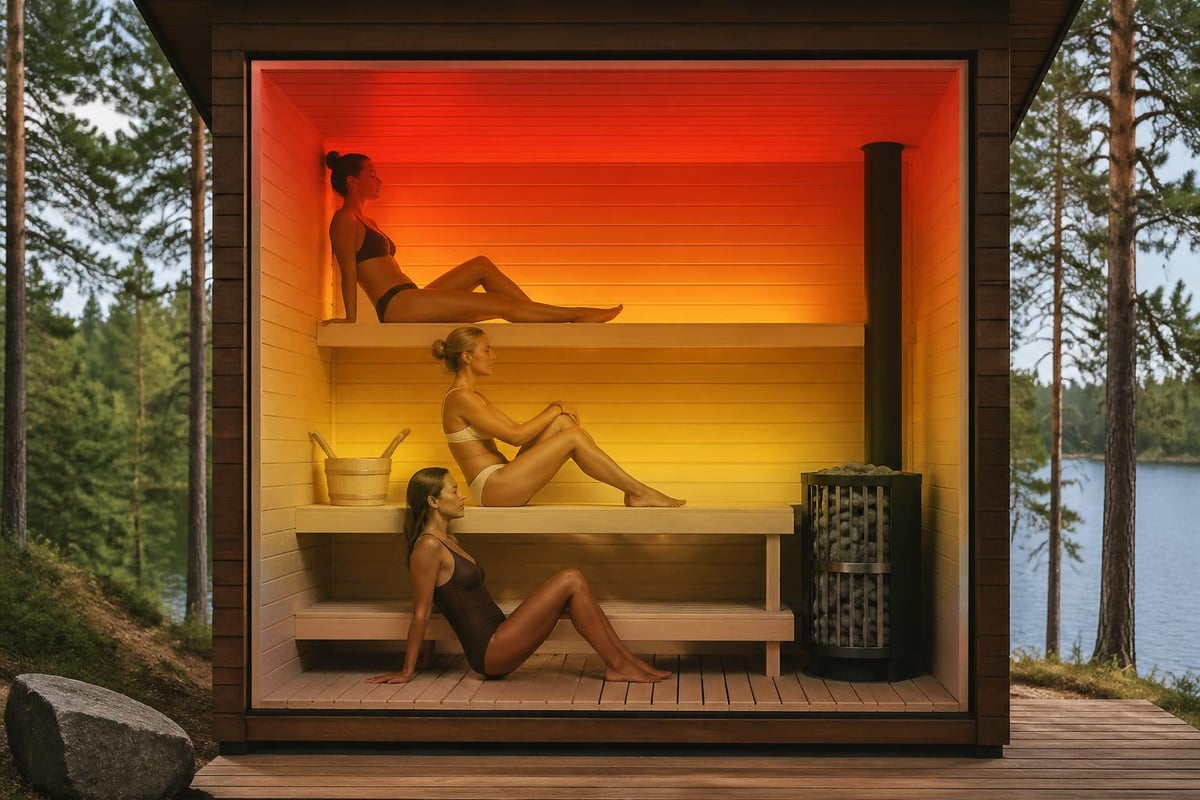
Outdoor sauna cabins typically feature ceiling heights between 6.5 and 7.5 feet. This range accommodates upper bench placement at 36-42 inches above the floor while maintaining proper distance to heat sources. Taller ceilings create unnecessary air volume that requires additional heating power without improving user experience.
The wellness benefits of outdoor saunas intensify when users can position themselves at optimal temperature zones. Proper ceiling height allows the characteristic temperature gradient where feet experience moderate warmth around 120°F while head level reaches therapeutic ranges of 160-190°F.
Installation and Site Preparation Requirements
Successful outdoor sauna cabin installation begins long before delivery with careful site selection and foundation preparation. Unlike portable barrel saunas that can relocate easily, cabin structures require permanent foundations that support thousands of pounds while managing moisture and thermal movement.
Foundation Options and Requirements
Your outdoor sauna cabin needs a level, stable base that prevents settling, provides adequate drainage, and isolates the structure from ground moisture. Consider these proven foundation approaches:
- Concrete slab: Most permanent and stable option, ideal for level properties
- Concrete pier system: Elevates cabin above grade, excellent for sloped terrain
- Gravel pad with timber frame: Cost-effective solution for well-draining soils
- Composite deck platform: Integrates sauna with existing outdoor living spaces
Proper drainage and structural planning prevents the moisture accumulation that leads to rot, mildew, and foundation failure. Slope your base 1-2% away from the structure and install perimeter drainage where necessary to redirect runoff.
Electrical and Heating Infrastructure
Most outdoor sauna cabins operate with electric heaters requiring 240-volt circuits and 30-60 amp service depending on heater capacity. Installation must comply with local electrical codes and typically requires:
- Dedicated circuit from your main panel with appropriate breaker rating
- GFCI protection for all sauna electrical components
- Proper wire gauge sized for distance from panel to sauna location
- Licensed electrician to perform installation and obtain permits
Wood-burning heaters eliminate electrical requirements but introduce different considerations around chimney clearances, spark arrestors, and local air quality regulations. Some jurisdictions restrict wood-burning appliances, making electric heating the only viable option.
Heating Systems and Temperature Management
The heart of any outdoor sauna cabin is its heating system, which must generate sufficient heat to overcome the larger air volume and exterior heat loss inherent in cabin designs. Selecting appropriate heater capacity and type directly impacts your sauna's performance, operating costs, and user satisfaction.
Electric Heater Sizing and Selection
Electric heaters for outdoor sauna cabins range from 6 kW units suitable for compact 4x6 cabins to 12+ kW models required for spacious 8x10 installations. Follow manufacturer recommendations for heater capacity based on:
- Total cubic feet of interior space
- Insulation quality (R-value of walls and ceiling)
- Climate conditions (extreme cold requires additional capacity)
- Desired heat-up time (larger heaters reach temperature faster)
Quality electric heaters feature durable rock compartments that retain heat efficiently, adjustable thermostats for precise temperature control, and safety cutoffs preventing overheating. Timer functions allow pre-heating your outdoor sauna cabin before use, ensuring it reaches optimal temperature when you're ready to enter.
Wood-Burning and Hybrid Options
Traditional wood-fired heaters appeal to purists who appreciate the ritual of fire-tending and appreciate fuel independence. Modern wood-burning stoves designed for outdoor sauna cabins incorporate:
- Efficient combustion chambers that maximize heat output from minimal wood consumption
- Heat shields protecting surrounding wood surfaces from excessive temperatures
- Glass doors allowing you to enjoy the fire's ambiance during sessions
- Built-in water reservoirs generating steam for löyly (traditional steam bursts)
Wood heating requires more maintenance and skill compared to electric systems. You must clean ash regularly, maintain proper draft, and source dry firewood. However, many enthusiasts find these rituals enhance the overall sauna experience.
The Auris Two Luxury Outdoor Cedar Sauna exemplifies premium cabin construction with flexible heating options. Built from natural red cedar and accommodating 3-4 people, this luxury model offers multiple electric heater configurations while also supporting wood-burning setups on request for those seeking traditional authenticity.
Insulation and Weatherproofing Strategies
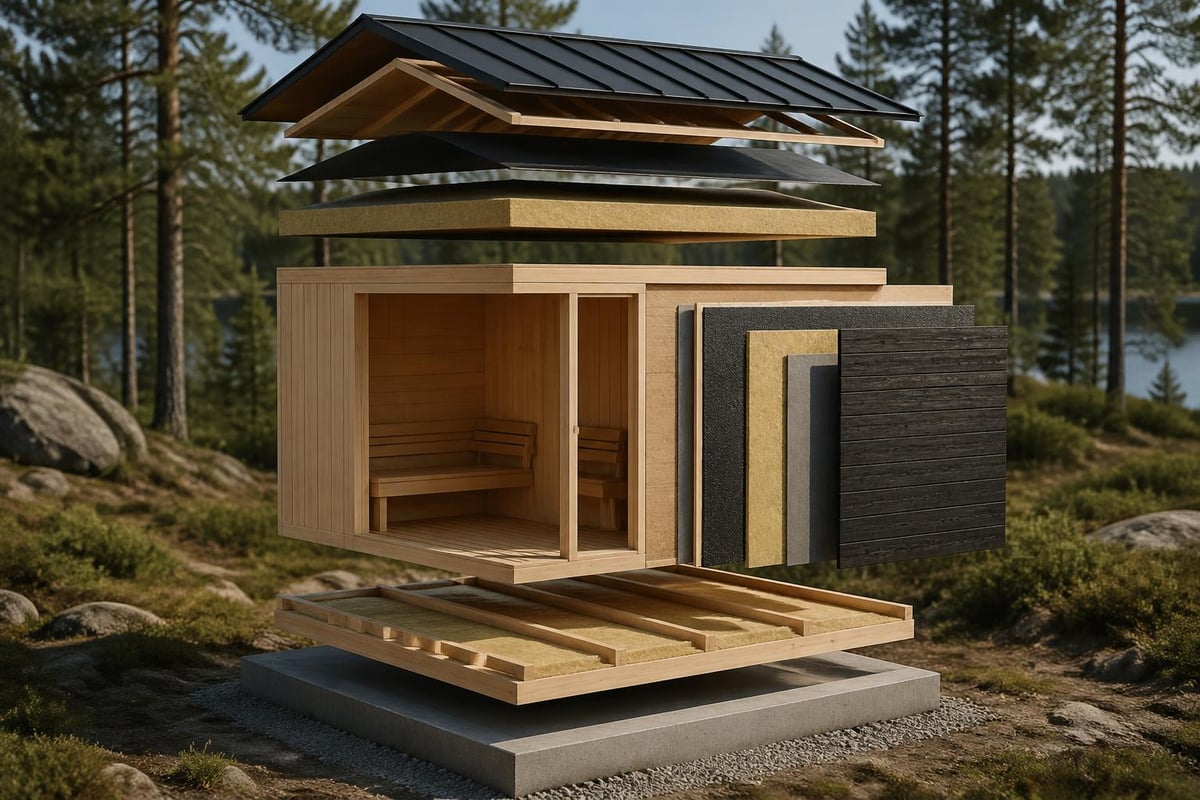
While cedar's natural properties provide baseline weather resistance, properly insulated outdoor sauna cabins maintain temperature more efficiently, reduce heating costs, and extend structural lifespan. Strategic insulation balances thermal performance against moisture management in the unique sauna environment.
Wall and Ceiling Insulation Methods
Effective outdoor sauna cabin insulation requires vapor barriers positioned correctly to prevent condensation within wall cavities. The standard approach places:
- Foil-faced insulation between wall studs with foil facing the interior
- Minimum R-13 rating in walls, R-19 or higher in ceilings where heat rises
- Continuous vapor barrier without gaps that allow moisture penetration
- Ventilation gap between insulation and exterior sheathing for moisture escape
Avoid standard fiberglass insulation without proper vapor barriers, as it absorbs moisture and loses insulating properties. Rock wool and mineral fiber insulations resist moisture better than fiberglass but still require vapor barriers for optimal performance.
Roof and Floor Weatherproofing
Your outdoor sauna cabin's roof faces intense sun exposure, temperature cycling, and precipitation challenges. Quality roofing systems combine:
| Component | Purpose | Common Materials |
|---|---|---|
| Shingles/Panels | Primary weather barrier | Asphalt, metal, cedar shakes |
| Underlayment | Secondary moisture protection | Synthetic felt, ice-and-water shield |
| Ventilation | Prevents moisture accumulation | Ridge vents, soffit vents |
| Flashing | Seals penetrations and edges | Aluminum, copper, galvanized steel |
Floor insulation often gets overlooked but significantly impacts heating efficiency. Elevating your outdoor sauna cabin on piers or posts allows air circulation beneath the floor while creating space for insulation installation. This approach prevents ground moisture from wicking into floor components while reducing heat loss through the floor surface.
Ventilation Design for Safety and Comfort
Proper ventilation separates excellent outdoor sauna cabins from mediocre installations. While saunas require enclosed spaces to maintain heat, they also need controlled air exchange that provides fresh oxygen, removes excess moisture, and creates the characteristic "soft" heat that makes extended sessions comfortable.
Passive Ventilation Systems
Traditional outdoor sauna cabin ventilation uses passive air flow driven by temperature differences. Hot air rises naturally, creating negative pressure that draws fresh air through lower vents. Effective passive systems incorporate:
- Lower intake vents positioned near the floor, often below or beside the heater
- Upper exhaust vents placed in the ceiling or high on the wall opposite the heater
- Adjustable dampers allowing users to regulate air flow based on conditions
- Proper sizing with total vent area equal to 1-2% of floor area
Position vents to create cross-flow that gently circulates air without creating drafts on bench areas. Air should enter near the heater, warm as it rises, circulate across the ceiling, and exit through upper vents after passing through the space.
Mechanical Ventilation Considerations
Some climates or usage patterns benefit from mechanical ventilation assistance. Battery-powered or low-voltage fans can boost air exchange when passive flow proves insufficient. However, mechanical systems introduce complexity, maintenance requirements, and potential failure points that passive designs avoid.
The growing trend toward combining saunas with cold plunge installations makes ventilation planning even more critical. Proper air flow prevents excessive humidity that would compromise both your outdoor sauna cabin and any adjacent cold plunge equipment.
Maintenance Requirements and Long-Term Care
The natural beauty and performance of your outdoor sauna cabin depend on establishing regular maintenance routines. Cedar's inherent durability doesn't eliminate maintenance; it simply extends intervals between required attention and reduces effort compared to less suitable materials.
Interior Cleaning and Preservation
Sauna interiors remain remarkably clean due to high temperatures that inhibit mold and bacterial growth. However, they still benefit from periodic attention:
- Daily tasks: Wipe benches after use, empty water buckets, ensure proper ventilation
- Weekly tasks: Sweep floors, clean door glass, inspect heater stones
- Monthly tasks: Deep clean benches with mild soap solution, check all electrical connections
- Annual tasks: Inspect wood for splits or stains, sand and refinish benches if needed, replace worn heater stones
Avoid harsh chemicals, excessive water, or abrasive cleaners that damage wood surfaces. The goal is maintaining natural wood properties rather than creating artificial finishes that trap moisture or alter the wood's breathing characteristics.
Exterior Protection and Weathering
Untreated cedar develops an attractive silver-gray patina as UV exposure breaks down surface lignins. This natural weathering doesn't compromise structural integrity but changes appearance significantly. You can either embrace the silver patina or maintain original wood tones through:
- Clear penetrating sealers applied annually to UV-exposed surfaces
- Semi-transparent stains that enhance grain while adding color
- Regular cleaning removing debris and organic growth before it stains wood
- Gutter installation protecting walls from excessive runoff exposure
Focus protective treatments on horizontal surfaces like benches and floors where water pools. Vertical walls typically weather uniformly and require less frequent attention.
Permit Requirements and Property Considerations
Before installing your outdoor sauna cabin, research local regulations that might affect placement, size, or construction methods. Building codes, zoning ordinances, and HOA restrictions vary significantly between jurisdictions and can impact your project substantially.
Common Regulatory Requirements
Most municipalities classify outdoor sauna cabins as accessory structures subject to setback requirements, height restrictions, and lot coverage calculations. Typical regulations address:
- Setbacks: Minimum distance from property lines (often 5-10 feet)
- Height limits: Maximum structure height (commonly 12-15 feet)
- Lot coverage: Total percentage of property covered by structures
- Electrical permits: Required inspections for power installations
Some areas exempt small structures under 100-120 square feet from permit requirements, though electrical work almost universally requires permits regardless of structure size. Building outdoor saunas without proper permits can result in fines, removal orders, or complications during property sales.
Homeowner Association Considerations
Properties with HOA governance face additional approval requirements. Review your CC&Rs carefully and submit detailed plans showing:
- Structure location on a site plan
- Exterior materials and colors matching approved palettes
- Landscaping screening if required
- Drainage management approach
Proactive HOA engagement prevents project delays. Some associations appreciate outdoor sauna cabins as value-adding amenities while others maintain strict controls over accessory structures.
Cost Factors and Budget Planning
Outdoor sauna cabin investments range from $5,000 for basic DIY kits to $30,000+ for professionally installed custom structures. Understanding cost drivers helps you budget appropriately and identify where investments deliver maximum value versus diminishing returns.
Purchase Price Components
| Cost Category | Budget Range | Mid-Range | Premium |
|---|---|---|---|
| Sauna kit/materials | $3,500-$8,000 | $8,000-$15,000 | $15,000-$25,000+ |
| Foundation/site prep | $500-$2,000 | $2,000-$4,000 | $4,000-$8,000 |
| Electrical installation | $800-$2,500 | $2,500-$4,500 | $4,500-$7,500 |
| Heater and controls | $400-$1,200 | $1,200-$2,500 | $2,500-$5,000+ |
| Delivery and assembly | $500-$2,000 | $2,000-$5,000 | $5,000-$10,000 |
DIY-friendly kit designs reduce labor costs significantly if you possess basic carpentry skills and tools. Pre-cut, pre-drilled panels with detailed instructions allow competent homeowners to complete assembly over a long weekend with one or two helpers.
Operating and Maintenance Costs
Beyond initial investment, factor ongoing expenses into your decision process. Electric outdoor sauna cabins typically consume 6-8 kWh per session including preheat time. At national average electricity rates of $0.16 per kWh, this translates to $1.00-$1.30 per session. Regular users averaging five sessions weekly spend approximately $250-$350 annually on electricity.
Wood-burning systems eliminate electricity costs but require ongoing firewood purchases unless you have access to free sources. Maintenance costs remain minimal with annual expenses under $200 for most owners, covering sealant, replacement stones, and minor repairs.
Health Benefits and Wellness Integration
The therapeutic advantages of regular sauna use extend far beyond simple relaxation. Decades of research, particularly from Scandinavian countries where outdoor sauna cabins form integral parts of daily life, document significant cardiovascular, respiratory, and mental health benefits.
Cardiovascular and Circulation Improvements
Heat exposure in your outdoor sauna cabin triggers cardiovascular responses similar to moderate exercise. Your heart rate increases 50-75%, blood vessels dilate, and circulation intensifies throughout your body. These responses deliver measurable benefits:
- Reduced blood pressure through improved arterial flexibility
- Enhanced cardiovascular fitness from regular heat stress adaptation
- Improved circulation benefiting extremities and promoting healing
- Lower risk of cardiovascular events in frequent sauna users
Studies tracking Finnish populations show individuals using saunas 4-7 times weekly experience 50% lower cardiovascular mortality compared to once-weekly users. While correlation doesn't prove causation, the consistent findings across multiple large studies suggest significant protective effects.
Detoxification and Skin Health
Profuse sweating in your outdoor sauna cabin eliminates water-soluble toxins through the largest organ of your body. While your liver and kidneys handle most detoxification, sweating provides an additional elimination pathway for:
- Heavy metals like lead, cadmium, and mercury
- BPA and similar environmental contaminants
- Excess sodium and metabolic waste products
The deep cleansing effect leaves skin noticeably softer and clearer. Increased circulation delivers nutrients to skin cells while heat opens pores for thorough cleaning. Many users report improvements in conditions like acne, eczema, and psoriasis with regular sessions.
Mental Health and Stress Reduction
The meditative quality of time spent in an outdoor sauna cabin provides psychological benefits that complement physical effects. The forced stillness, comfortable warmth, and separation from digital distractions create ideal conditions for stress reduction and mental clarity. Regular sauna users consistently report:
- Improved sleep quality and faster sleep onset
- Reduced anxiety and depression symptoms
- Enhanced mood and overall sense of well-being
- Better stress management and emotional resilience
The rising interest in outdoor saunas throughout 2026 reflects growing recognition of these holistic wellness benefits. As more people prioritize preventive health and self-care, outdoor sauna cabins transition from luxury amenities to essential wellness infrastructure.
Design Trends and Contemporary Innovations
Modern outdoor sauna cabin design balances respect for traditional Scandinavian aesthetics with contemporary materials, technologies, and lifestyle integration. Today's installations often incorporate features that would surprise purists while delivering enhanced convenience and performance.
Architectural Integration
Rather than treating outdoor sauna cabins as standalone structures, forward-thinking designers integrate them into comprehensive outdoor living environments. Contemporary approaches include:
- Connected changing rooms with showers, storage, and relaxation areas
- Covered walkways linking saunas to main residences
- Coordinated material palettes matching existing architecture
- Landscape integration with privacy screening, water features, and lighting
This holistic approach creates cohesive outdoor wellness zones rather than isolated sauna structures. The result feels intentional and permanent rather than afterthought additions to existing landscapes.
Smart Technology Integration
While saunas thrive on simplicity, selective technology integration enhances convenience without compromising the essential experience. Popular additions include:
- WiFi-enabled controls allowing preheat scheduling from smartphones
- Integrated sound systems with Bluetooth connectivity for music or meditation
- LED chromotherapy lighting offering color-based mood enhancement
- Digital temperature/humidity monitors providing precise environmental data
The key is implementing technology that supports rather than distracts from the core sauna experience. A smartphone app that preheats your outdoor sauna cabin before you arrive home from work enhances convenience. Constant notifications or attention-demanding interfaces undermine the meditative benefits you seek.
Social and Cultural Dimensions
Beyond individual health benefits, outdoor sauna cabins serve important social functions that strengthen relationships and build community. The Finnish concept of "sauna culture" recognizes these structures as social gathering spaces where authentic conversation flourishes and barriers dissolve.
Family Wellness Traditions
Many families establish sauna routines that become cherished rituals marking time and creating shared memories. Children who grow up with regular outdoor sauna cabin experiences develop positive associations with wellness practices, heat tolerance that serves them throughout life, and appreciation for unplugged family time.
Multi-generational sauna sessions build traditions that span decades. Grandparents introduce grandchildren to the practice, sharing stories and wisdom in the comfortable intimacy the environment creates. These experiences strengthen family bonds in ways that structured activities often cannot match.
Entertaining and Social Connection
An outdoor sauna cabin transforms how you entertain guests. Rather than gathering around televisions or focusing on consumption, sauna sessions create genuine connection through:
- Vulnerable authenticity that emerges when physical and social barriers drop
- Focused conversation without digital distractions or multitasking
- Shared physical experience creating common ground across diverse backgrounds
- Ritual and ceremony that make occasions feel special and memorable
Many sauna owners discover their outdoor cabins become favored gathering spots that see more use than expensive indoor entertainment spaces. The combination of wellness benefits and social connection proves irresistible to guests who often arrive skeptical but leave enthusiastic.
An outdoor sauna cabin represents far more than a backyard structure; it's an investment in long-term wellness, property value, and quality of life that delivers returns through decades of therapeutic use. The careful selection of materials, appropriate sizing for your needs, proper installation, and regular maintenance ensure your sauna provides reliable performance season after season. RecoSauna offers an extensive selection of outdoor sauna cabins crafted from premium Canadian timber, along with barrel, pod, and infrared options from North America's leading manufacturers, helping you find the perfect solution for transforming your property into a personal wellness retreat.
Share:
Canadian Barrel Sauna: Design, Benefits & Buyer's Guide
Compact Infrared Sauna: Benefits & Buying Guide 2026