
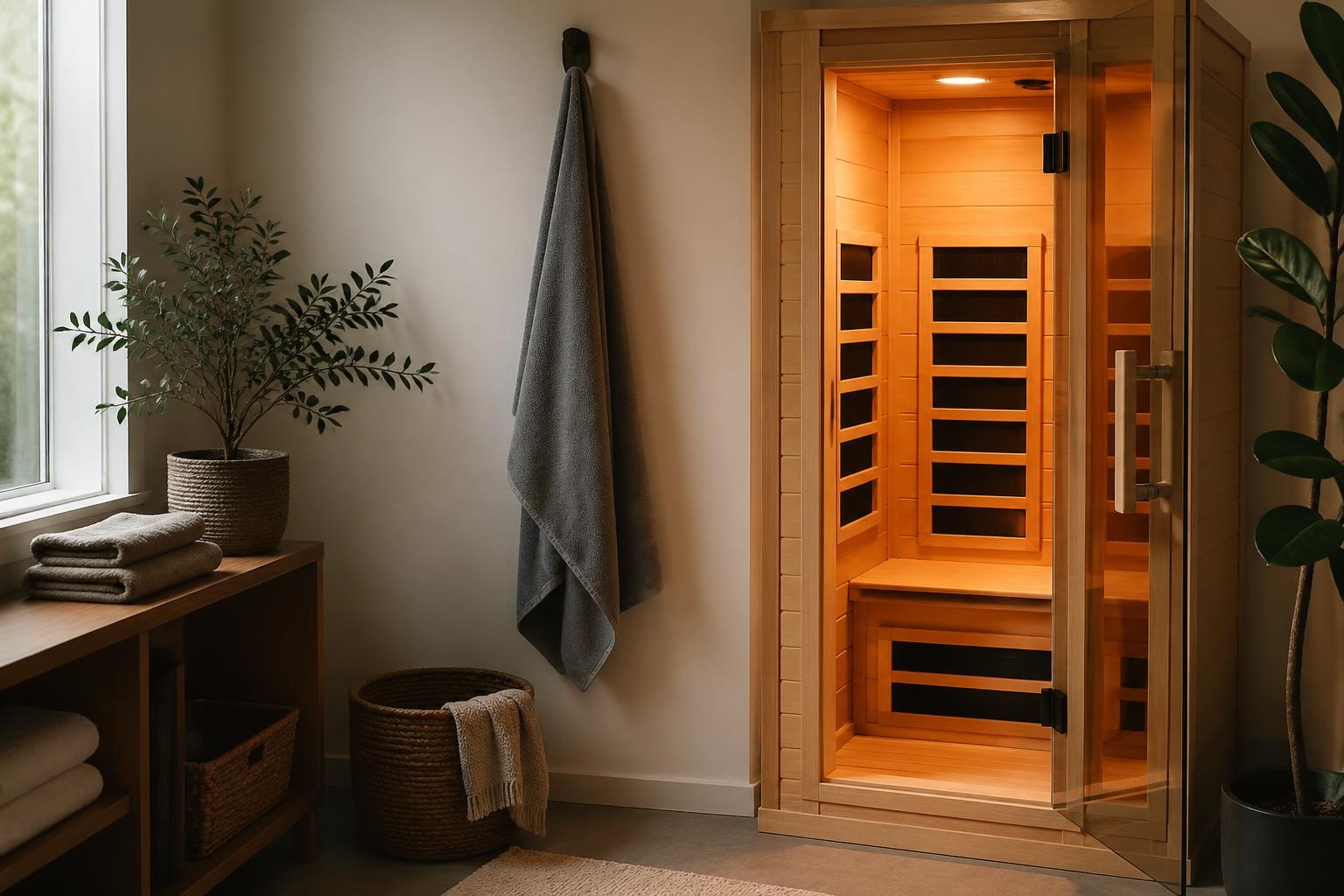
Modern wellness solutions increasingly prioritize space efficiency without sacrificing therapeutic benefits. A compact infrared sauna represents this evolution perfectly, delivering the deep-penetrating heat of far-infrared technology in configurations designed for apartments, small homes, and dedicated wellness corners. These units transform previously impractical wellness routines into daily accessible rituals, requiring minimal square footage while providing the same health advantages as larger traditional saunas. As home wellness becomes a priority for more individuals, understanding how these space-conscious designs work and what benefits they deliver becomes essential for making informed purchasing decisions.
Understanding Compact Infrared Sauna Technology
The core distinction between traditional and infrared saunas lies in their heating methodology. While conventional saunas heat the surrounding air to create warmth, infrared models use electromagnetic radiation to directly warm the body. This fundamental difference enables compact infrared sauna designs to operate effectively in smaller enclosures.
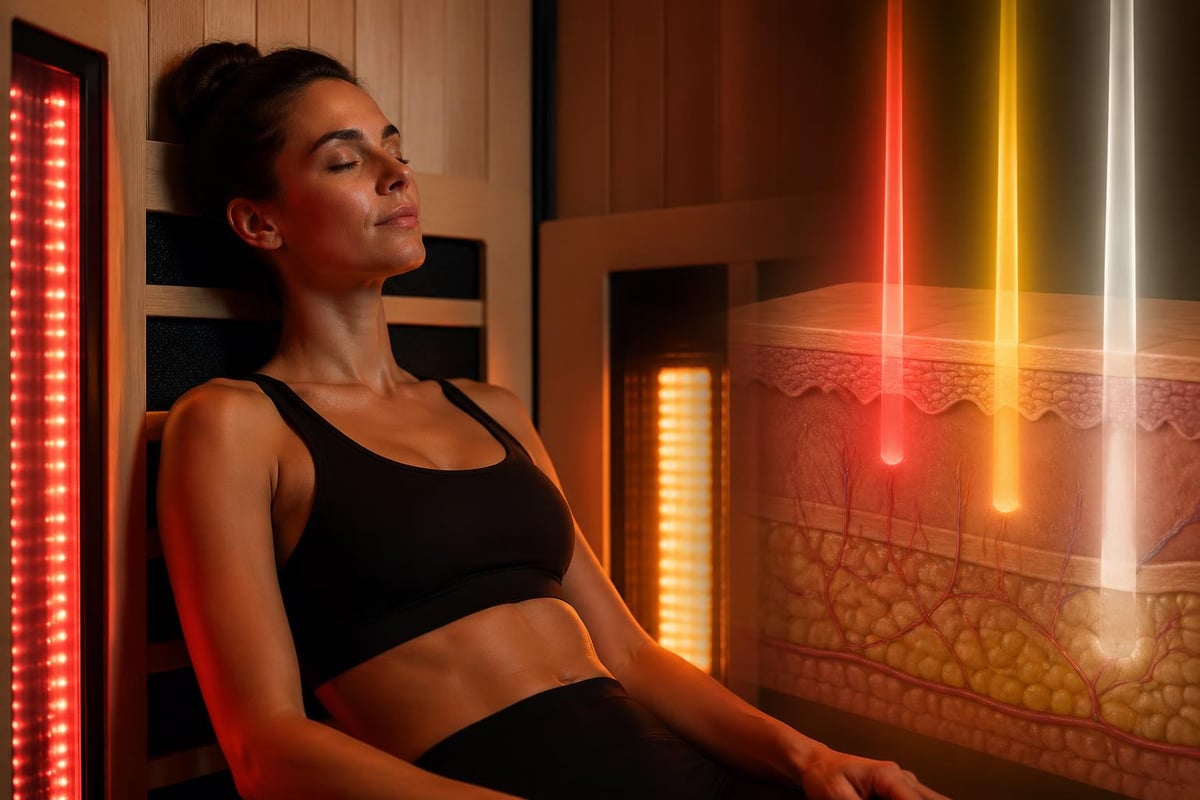
Far-infrared wavelengths penetrate skin tissue to depths of 1.5 to 2 inches, warming the body from within rather than simply heating the air around you. This process occurs at lower ambient temperatures, typically between 120°F and 140°F, compared to traditional saunas that often exceed 180°F. The lower operating temperatures reduce ventilation requirements and allow for tighter, more efficient cabinet designs.
Infrared Spectrum Variations
Modern compact infrared saunas utilize different wavelengths across the infrared spectrum:
- Near-infrared: Shortest wavelength, penetrates surface layers, supports skin health and wound healing
- Mid-infrared: Medium wavelength, improves circulation and cardiovascular function
- Far-infrared: Longest wavelength, reaches deepest tissue layers, promotes detoxification and muscle recovery
Full-spectrum models incorporate all three wavelengths, while many compact designs focus primarily on far-infrared for maximum therapeutic benefit within space constraints. Research on infrared sauna benefits demonstrates how these different wavelengths target specific wellness outcomes, from improved circulation to enhanced recovery.
Space Requirements and Installation Considerations
One of the primary advantages of a compact infrared sauna is its minimal footprint. Standard compact units designed for one to two people typically measure between 36 to 48 inches in width and depth, with heights around 75 inches. This allows installation in spare bedrooms, large bathrooms, basements, or even converted closets.
Installation simplicity distinguishes infrared models from traditional saunas. Most compact units arrive as prefabricated panels or preassembled cabinets that connect without professional carpentry. Setup typically involves:
- Selecting a level surface with adequate clearance (2-3 inches on all sides)
- Ensuring proximity to a standard 120V or 240V electrical outlet
- Assembling panels using provided hardware (usually 1-2 hours)
- Connecting the electrical system per manufacturer specifications
- Testing all heating elements and controls before first use
| Installation Factor | Compact Infrared | Traditional Sauna |
|---|---|---|
| Average Setup Time | 1-2 hours | 1-3 days |
| Electrical Requirements | Standard outlet | Dedicated circuit |
| Professional Installation | Optional | Usually required |
| Ventilation Needs | Minimal | Extensive |
| Foundation Requirements | Level floor | Reinforced flooring |
Unlike traditional saunas requiring dedicated ventilation systems and moisture barriers, a compact infrared sauna operates with standard room ventilation. The lower operating temperatures and absence of steam reduce structural demands significantly. For those exploring infrared sauna options, understanding these practical installation differences helps identify which models align with available space and budget.
Health Benefits and Therapeutic Applications
The therapeutic advantages of regular infrared sauna use have gained substantial scientific attention over recent years. A compact infrared sauna delivers these benefits with the convenience of home accessibility, encouraging consistent use patterns that maximize health outcomes.
Cardiovascular Health
Regular sauna sessions create cardiovascular responses similar to moderate exercise. Heart rate increases, blood vessels dilate, and circulation improves throughout the body. Studies on cardiovascular improvements indicate that consistent infrared sauna use may support healthy blood pressure levels and overall heart function.
The heat stress experienced during sessions triggers beneficial adaptations in the cardiovascular system. Blood flow to the skin increases dramatically, while the heart works harder to maintain core temperature, creating a passive cardiovascular workout.
Muscle Recovery and Pain Relief
Athletes and fitness enthusiasts increasingly incorporate compact infrared saunas into recovery protocols. The deep-penetrating heat helps relieve muscle soreness, reduce inflammation, and accelerate recovery between training sessions.
Heat therapy promotes muscle relaxation by:
- Increasing blood flow to fatigued muscle tissue
- Reducing muscle tension and spasms
- Delivering oxygen and nutrients for faster repair
- Removing metabolic waste products from exercise
Those managing chronic pain conditions often report significant relief from regular infrared sauna use. The gentle, penetrating heat addresses discomfort without the intensity of traditional high-heat saunas, making sessions more comfortable for extended periods.
Detoxification Through Sweating
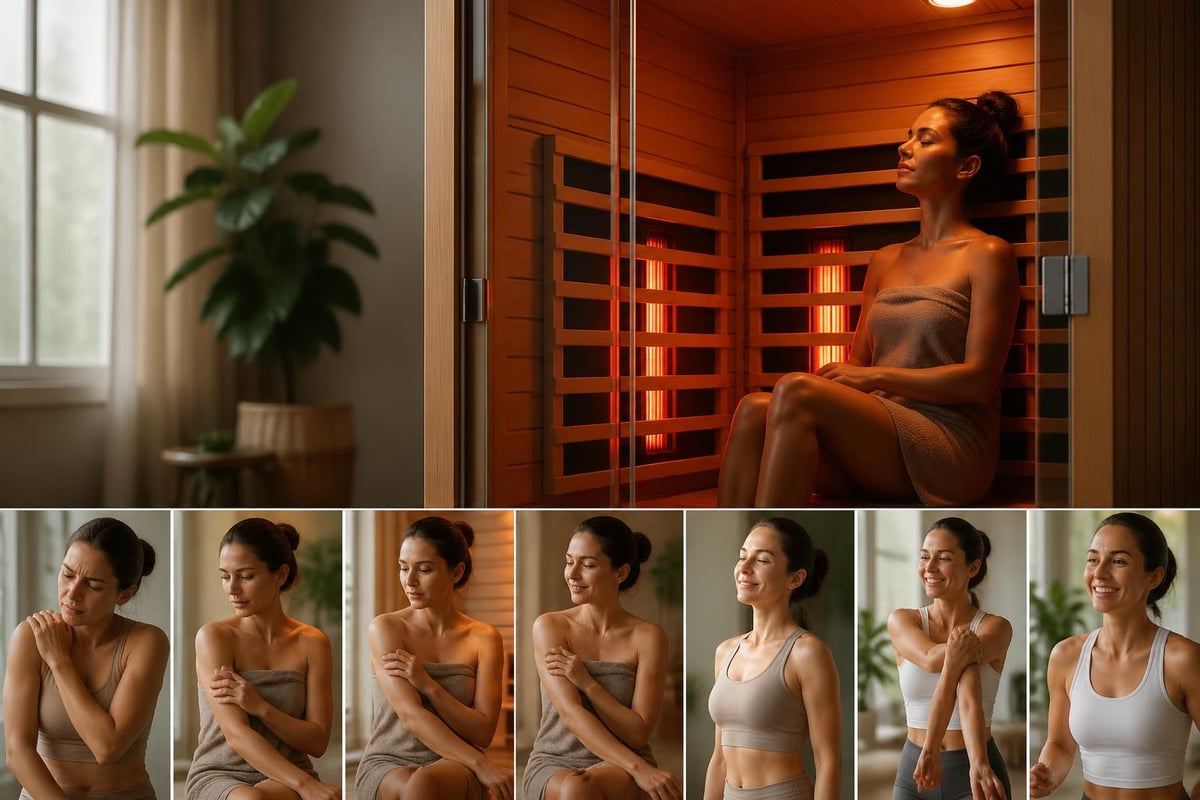
While the body naturally eliminates toxins through liver and kidney function, sweating provides an additional elimination pathway. Infrared heat induces profuse sweating at lower temperatures than traditional saunas, potentially supporting the body's natural detoxification processes.
A typical 30-minute session in a compact infrared sauna can produce significant perspiration volumes, with users often reporting feeling refreshed and cleansed afterward. However, it's important to maintain proper hydration before, during, and after sessions to support these processes effectively.
Key Features to Evaluate When Purchasing
Selecting the right compact infrared sauna requires careful evaluation of several critical features that impact both performance and user experience. Quality varies significantly across manufacturers and price points.
Wood Construction and Materials
Premium compact saunas utilize woods specifically chosen for their stability, aromatic properties, and heat resistance. Canadian Hemlock and Red Cedar represent the most common choices for infrared sauna construction.
Canadian Hemlock offers a light, neutral appearance with minimal odor and excellent dimensional stability. It resists warping under temperature fluctuations and provides a clean aesthetic that complements modern home interiors.
Red Cedar delivers natural aromatic compounds that enhance the sensory experience while providing inherent antimicrobial properties. The wood's natural oils resist moisture and bacterial growth, though some users find the stronger scent overwhelming in compact spaces.
Heating Element Quality and Configuration
The number, placement, and quality of infrared heating panels directly impact session effectiveness. Comprehensive coverage ensures even heating throughout the cabin, eliminating cold spots that compromise comfort.
Quality compact designs incorporate heating panels on:
- Rear wall (full-length panel)
- Side walls (targeted panels)
- Calf area (lower leg warmth)
- Front wall or door (optional, enhances coverage)
Carbon fiber heating elements have largely replaced older ceramic rod designs in premium models. Carbon panels heat more evenly, consume less energy, and emit infrared wavelengths more efficiently across the therapeutic spectrum.
Control Systems and User Interface
Modern compact infrared saunas feature digital control panels that allow precise temperature and time settings. Intuitive interfaces enhance the user experience significantly, particularly for those new to sauna therapy.
Advanced models include:
- Pre-programmed session protocols
- Chromotherapy lighting controls
- Bluetooth audio connectivity
- Smartphone app integration
- Voice-activated controls
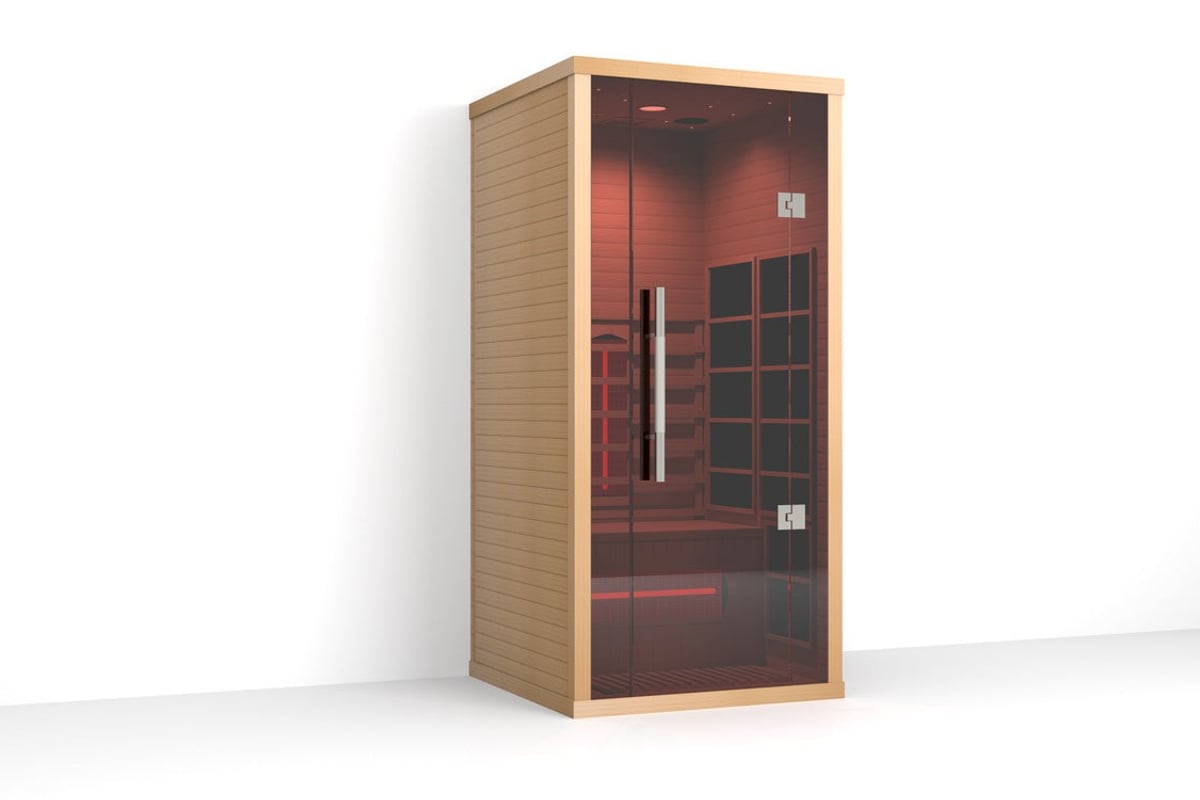
The Lumin Infrared Sauna One - Orivon Wellness exemplifies thoughtful design in the compact category, featuring simple digital controls and plug-and-play setup that eliminates complicated installation while delivering therapeutic far-infrared heat for daily wellness routines. Built from Canadian Hemlock wood, it demonstrates how premium materials and user-friendly operation combine in space-efficient designs.
EMF Levels and Safety Standards
Electromagnetic field (EMF) exposure remains a valid consideration when evaluating infrared saunas. Quality manufacturers prioritize low-EMF heating element designs that minimize exposure during sessions.
Reputable compact infrared sauna brands test and certify EMF levels, typically targeting readings below 3 milligauss at user seating positions. Safety guidelines for infrared sauna use emphasize the importance of verifying these specifications before purchase, particularly for users planning frequent or extended sessions.
Optimizing Your Compact Infrared Sauna Experience
Maximizing the benefits from your compact infrared sauna involves more than simply turning it on and sitting inside. Strategic session planning, proper hydration, and complementary wellness practices enhance outcomes significantly.
Session Duration and Frequency
Beginners should start conservatively with 15-20 minute sessions at lower temperatures (110°F-120°F), allowing the body to adapt gradually. As tolerance builds, session length can extend to 30-40 minutes at higher temperatures up to 140°F.
Frequency recommendations vary based on individual goals:
| Wellness Goal | Recommended Frequency | Typical Duration |
|---|---|---|
| General Relaxation | 2-3 times weekly | 20-30 minutes |
| Athletic Recovery | 4-5 times weekly | 25-35 minutes |
| Detoxification Support | 3-4 times weekly | 30-40 minutes |
| Pain Management | Daily | 20-30 minutes |
| Cardiovascular Conditioning | 4-6 times weekly | 25-35 minutes |
Consistency matters more than session length. Regular shorter sessions typically produce better results than infrequent extended sessions.
Hydration and Pre-Session Preparation
Proper hydration forms the foundation of safe, effective sauna use. Consume 16-24 ounces of water 1-2 hours before your session, and keep water available during and after. The profuse sweating induced by infrared heat can lead to significant fluid loss if hydration isn't maintained.
Avoid eating heavy meals within two hours of sauna sessions, as digestion diverts blood flow from the skin surface where heat dissipation occurs. Light snacks are acceptable, but empty or near-empty stomach sessions often feel more comfortable.
Complementary Wellness Practices
Integrating your compact infrared sauna into broader wellness routines amplifies benefits across multiple health domains. Many users combine sauna sessions with:
- Stretching or yoga: Warm muscles respond better to flexibility work
- Meditation or breathing exercises: Quiet heat creates ideal mindfulness conditions
- Skin care routines: Open pores enhance absorption of quality products
- Cold exposure: Contrast therapy between heat and cold plunges magnifies recovery benefits
Those interested in contrast therapy often pair their infrared sauna sessions with cold plunge protocols, alternating between therapeutic heat and cold immersion to maximize circulation and recovery benefits.
Comparing Compact Options Across Price Points
The compact infrared sauna market spans a wide price range, from budget models around $1,000 to premium units exceeding $5,000. Understanding what distinguishes these tiers helps buyers align features with budgets and expectations.
Budget Tier ($1,000-$2,000)
Entry-level compact saunas typically feature basic carbon heating panels, simple manual controls, and standard wood construction. These units deliver functional infrared therapy but often lack advanced features like full-spectrum heating, chromotherapy lighting, or premium audio systems.
Construction quality varies significantly in this range. Careful evaluation of wood grade, panel thickness, and manufacturer reputation helps identify legitimate value versus compromised quality.
Mid-Range Tier ($2,000-$3,500)
This segment offers the best balance of features and value for most buyers. Expect Canadian Hemlock or Red Cedar construction, digital controls, comprehensive heating panel coverage, and features like chromotherapy lighting and Bluetooth audio.
Build quality improves noticeably, with thicker panels, better door seals, and more durable hardware. Warranty coverage typically extends to 3-5 years on structural components.
Premium Tier ($3,500+)
Top-tier compact infrared saunas incorporate full-spectrum heating, sophisticated control systems, premium wood grades, and extensive warranty coverage. These units often feature low-EMF certification, medical-grade components, and superior aesthetic finishes.
The investment makes sense for users prioritizing longevity, comprehensive features, and optimal therapeutic outcomes. Premium models typically include 5-10 year warranties with responsive customer support.
Maintenance and Longevity Considerations
Proper maintenance extends the functional life of a compact infrared sauna while preserving performance and hygiene. Fortunately, infrared models require minimal upkeep compared to traditional steam saunas.
Routine Cleaning Protocols
Wood surfaces should be wiped down after each use with a clean, dry towel to remove perspiration residue. Weekly cleaning with a mild wood-safe cleaner helps maintain appearance and prevent buildup.
- Vacuum floor areas weekly to remove dust and debris
- Wipe down glass door surfaces with appropriate cleaner
- Check and clean ventilation openings monthly
- Inspect heating panels for dust accumulation quarterly
Avoid harsh chemicals, abrasive cleaners, or excessive moisture that can damage wood finishes or electrical components.
Component Lifespan and Replacement
Quality carbon fiber heating elements typically last 10,000+ hours of operation, translating to many years of regular use. Control systems and electrical components generally prove highly reliable when properly maintained.
Most manufacturers offer replacement parts for all major components, ensuring long-term serviceability. Before purchasing, verify parts availability and warranty coverage for heating elements, control panels, and structural components.
The variety of infrared models available from established brands ensures access to replacement parts and ongoing support throughout the sauna's lifespan.
Energy Efficiency and Operating Costs
A significant advantage of compact infrared saunas over traditional models lies in their energy efficiency. Understanding actual operating costs helps buyers appreciate the long-term value proposition.
Most compact infrared units consume between 1,200 and 1,800 watts during operation, similar to a standard space heater. A typical 30-minute session uses approximately 0.6-0.9 kWh of electricity.
| Usage Pattern | Monthly kWh | Estimated Monthly Cost* |
|---|---|---|
| 3 sessions/week | 7.2-10.8 | $1.08-$1.62 |
| 5 sessions/week | 12-18 | $1.80-$2.70 |
| Daily use | 18-27 | $2.70-$4.05 |
*Based on average U.S. electricity rate of $0.15/kWh
The compact size and efficient far-infrared heating create operating costs substantially lower than traditional saunas requiring high-output heaters and extensive ventilation systems. Pre-heating times typically range from 10-15 minutes, further reducing energy consumption compared to the 30-45 minute pre-heat traditional saunas require.
Integration with Smart Home Systems
Modern compact infrared saunas increasingly incorporate smart technology that enhances convenience and user experience. While not essential, these features appeal to tech-savvy wellness enthusiasts.
Advanced models offer:
- WiFi connectivity: Control temperature and timing remotely via smartphone apps
- Voice assistant integration: Activate sessions through Alexa or Google Assistant commands
- Usage tracking: Monitor session frequency, duration, and temperature preferences
- Automated scheduling: Pre-program sessions to warm up before your typical usage time
Smart features add convenience but also introduce potential technical complications. Evaluate whether app-based controls genuinely enhance your likely usage patterns before paying premium prices for these capabilities.
Space-Saving Design Innovations
Manufacturers continue developing innovative approaches to maximize therapy effectiveness while minimizing physical footprint. Recent compact infrared sauna designs showcase creative solutions to space constraints.
Corner Configurations
Some models utilize corner placement, fitting into previously wasted space while providing surprisingly spacious interiors. Triangular or pentagonal footprints make efficient use of room corners without protruding significantly into living areas.
Folding and Portable Designs
Ultra-compact infrared options include tent-style and folding chair configurations that collapse for storage when not in use. While these sacrifice some therapeutic effectiveness compared to rigid-wall cabins, they enable sauna therapy in extremely space-limited situations like small apartments.
Bench Configuration Options
Thoughtful bench design maximizes usable interior space within compact footprints. Options include:
- Straight bench: Traditional seating along one wall
- L-shaped bench: Corner seating for relaxed leg positioning
- Removable bench: Adjustable height or complete removal for standing sessions
- Contoured bench: Ergonomic shaping for enhanced comfort
Understanding how bench configuration affects both comfort and heating efficiency helps identify designs that optimize your particular body dimensions and session preferences.
Selecting Between One and Two-Person Models
The decision between single-occupant and two-person compact infrared saunas involves trade-offs between space efficiency and versatility. Both configurations maintain compact proportions while serving different user needs.
One-person models typically measure 36-42 inches square, providing adequate space for comfortable seated sessions while fitting into extremely tight spaces. These suit individuals prioritizing minimal footprint, those using saunas primarily for solo relaxation and recovery, and situations where budget constraints favor smaller units.
Two-person models expand width to 48-60 inches while maintaining similar depth, allowing tandem use or more spacious solo sessions. The additional width accommodates couples who enjoy shared wellness routines, families where multiple members use the sauna separately, and users who value extra elbow room during sessions.
Consider your likely usage patterns realistically. If 90% of sessions will be solo, the space savings of a one-person unit may outweigh occasional two-person capability. Conversely, if regular dual use is anticipated, investing in adequate space prevents cramped, uncomfortable sessions that discourage consistent use.
Understanding Warranty Coverage and Support
Warranty terms provide important insights into manufacturer confidence and expected product longevity. Comprehensive coverage protects your investment while indicating overall build quality.
Quality compact infrared sauna warranties typically include:
- Structural components: 5-10 years on wood panels and framework
- Heating elements: 3-5 years on carbon fiber panels and electrical systems
- Controls and electronics: 1-3 years on digital interfaces and control boards
- Hardware: 1-2 years on hinges, handles, and fasteners
Read warranty terms carefully before purchase, noting:
- Whether coverage is prorated or full replacement
- What constitutes improper use that voids coverage
- Whether professional installation affects warranty validity
- How shipping costs for warranty service are handled
Customer service responsiveness matters significantly during warranty claims. Research manufacturer reputation through reviews and direct pre-purchase contact to assess support quality.
A compact infrared sauna delivers professional-grade therapeutic heat therapy in space-efficient designs suitable for modern homes and apartments. Understanding the technology, evaluating key features, and selecting quality construction ensures years of beneficial wellness sessions without the space demands of traditional saunas. Whether you're exploring options for muscle recovery, cardiovascular health, or simple relaxation, RecoSauna offers an extensive selection of premium infrared and traditional sauna models from leading North American manufacturers, with expert guidance to help you find the perfect wellness solution for your space and goals.
Share:
Outdoor Sauna Cabin: Complete 2026 Buyer's Guide
Sauna and Detoxification: Science-Backed Benefits