
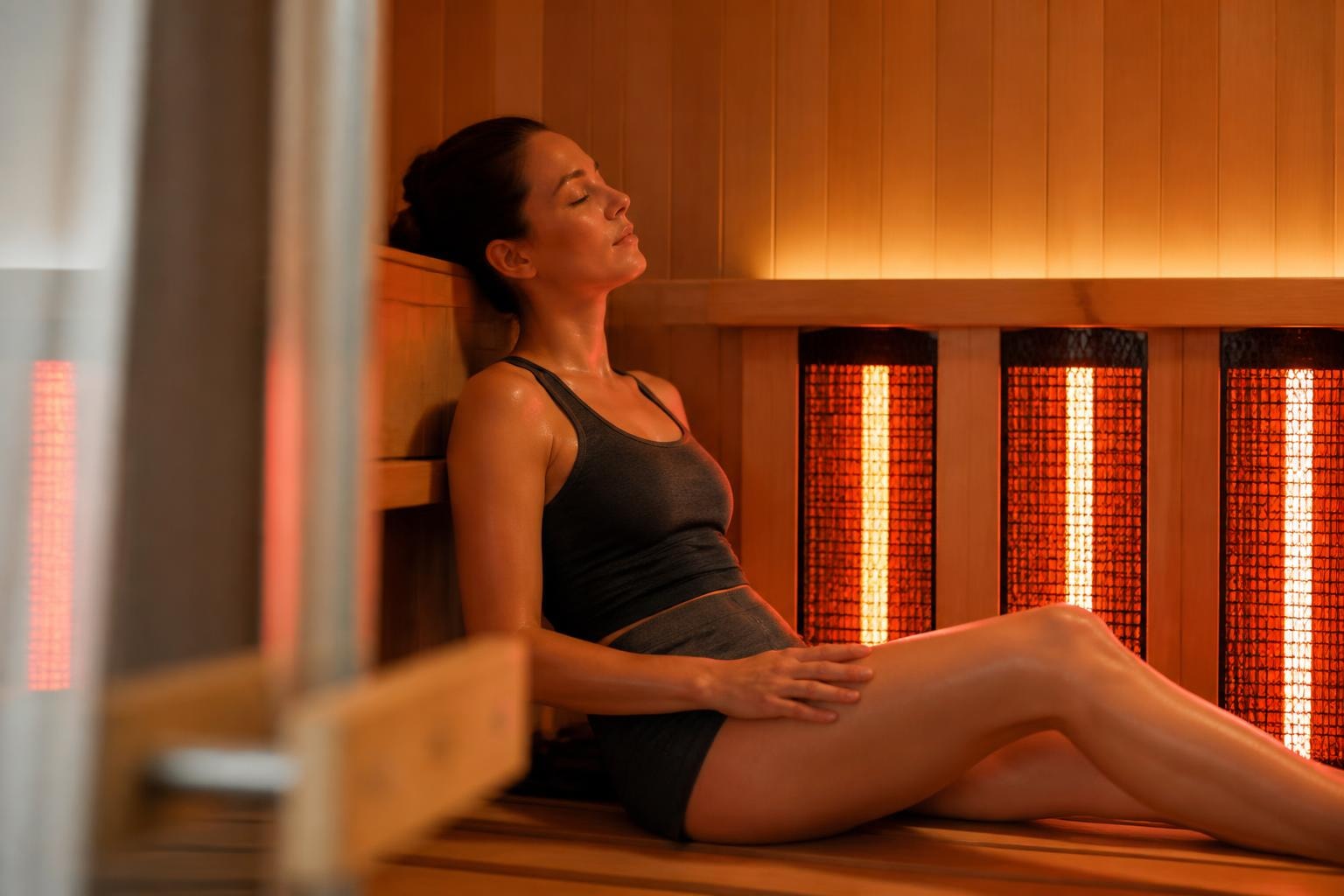
The wellness revolution has brought the spa experience directly into American homes, and the infrared at home sauna stands at the forefront of this transformation. Unlike traditional saunas that heat the air around you, infrared technology uses light waves to penetrate your skin and warm your body from within, creating a gentler yet deeply therapeutic experience. As more homeowners prioritize self-care and recovery in 2026, understanding how these systems work and what they offer has become essential for making an informed investment in your health.
Understanding Infrared Sauna Technology
Infrared saunas operate on a fundamentally different principle than their Finnish counterparts. The technology relies on near, mid, and far infrared wavelengths that interact with your body at the cellular level. Far infrared waves penetrate deepest, reaching up to 1.5 inches beneath your skin to promote detoxification and circulation. Mid infrared focuses on improving circulation and promoting muscle relaxation, while near infrared targets surface-level skin rejuvenation and wound healing.
The temperature difference is significant. While traditional saunas operate between 170-200°F, an infrared at home sauna typically runs between 120-140°F. This lower ambient temperature makes the experience more comfortable for longer sessions, allowing users to enjoy 30-45 minute sessions compared to the typical 15-20 minutes in conventional saunas.
Full Spectrum vs. Far Infrared Systems
When shopping for an infrared at home sauna, you'll encounter two primary categories:
- Far Infrared Only: These systems focus exclusively on deep tissue penetration and detoxification benefits
- Full Spectrum: Combines near, mid, and far infrared for comprehensive wellness benefits
- Hybrid Models: Some units integrate both infrared and traditional heating elements for versatility
Research published by Cleveland Clinic on infrared sauna benefits suggests that full spectrum systems may offer more comprehensive health advantages, though far infrared alone provides substantial benefits for most users.

Health Benefits and Wellness Applications
The therapeutic potential of an infrared at home sauna extends across multiple health dimensions. Cardiovascular improvements rank among the most researched benefits, with studies indicating improved circulation and reduced blood pressure in regular users. The deep heat causes your heart rate to increase similarly to moderate exercise, providing what some researchers call a "passive cardiovascular workout."
Detoxification occurs through increased sweating at lower temperatures. Your body releases not just water and sodium, but also trace amounts of heavy metals and environmental toxins stored in fat cells. This process happens more efficiently in infrared saunas because the direct heating allows for profuse sweating without the discomfort of extreme ambient heat.
Pain Relief and Recovery Benefits
Athletes and individuals managing chronic pain conditions have embraced infrared technology for its targeted relief capabilities:
| Benefit Category | Mechanism | Typical Results |
|---|---|---|
| Muscle Recovery | Increased blood flow delivers oxygen and nutrients | Reduced soreness, faster healing |
| Joint Pain | Deep heat reduces inflammation and stiffness | Improved mobility, decreased discomfort |
| Chronic Conditions | Consistent heat therapy supports pain management | Long-term relief for arthritis, fibromyalgia |
The nine possible health benefits outlined by Healthline include improved circulation, relaxation, skin purification, weight loss support, and potential immune system enhancement. However, it's important to note that while promising, some benefits require additional research for conclusive scientific validation.
Choosing Your Infrared at Home Sauna
Size considerations should align with both your available space and intended use patterns. Single-person units measure approximately 3 feet by 3 feet and fit comfortably in bedrooms, bathrooms, or dedicated wellness spaces. Two-person models expand to roughly 4 feet by 4 feet, while larger family-sized options can accommodate three to four people simultaneously.
Wood selection impacts both aesthetics and functionality. Canadian Hemlock offers a light, smooth finish with minimal aroma and excellent heat retention. Red Cedar provides natural antimicrobial properties and a distinctive pleasant scent, while maintaining durability in high-heat environments. Both woods resist warping and cracking under repeated thermal cycling.
Power Requirements and Installation
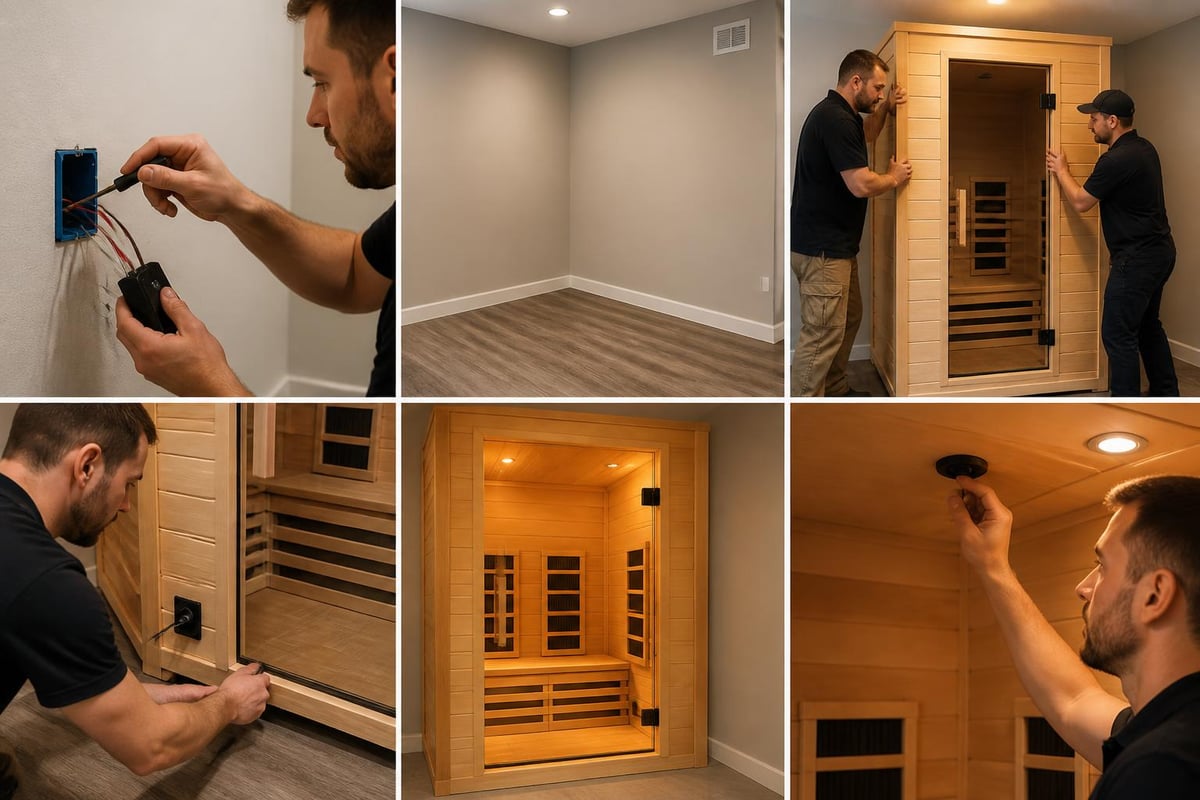
Most residential infrared saunas operate on standard 120V household circuits, making them remarkably accessible for home installation. Larger models may require 240V dedicated circuits, similar to electric dryers or ovens. Key electrical considerations include:
- Standard plug-in models (120V, 15-20 amp)
- Hardwired installations for permanent placement
- Circuit capacity verification by licensed electrician
- GFCI protection for safety compliance
The infrared sauna collection at RecoSauna showcases various configurations that accommodate different electrical setups and space requirements, helping homeowners find solutions that integrate seamlessly into existing floor plans.
Features That Enhance Your Experience
Modern infrared at home sauna units incorporate technology that transforms basic heat therapy into comprehensive wellness experiences. Chromotherapy lighting uses colored LED systems to complement infrared benefits-red light energizes, blue calms, and green balances. While research on chromotherapy remains ongoing, many users report enhanced relaxation when combining light and heat therapies.
Audio integration has become standard in premium models. Bluetooth connectivity allows you to stream meditation guides, music, or podcasts directly through built-in speakers. Some systems include MP3 auxiliary inputs for dedicated devices, while high-end models feature integrated sound systems with surround capabilities.
Control Systems and User Interfaces
- Digital touchpad controls with preset programs
- Smartphone app integration for remote operation
- Programmable session timers and temperature curves
- Interior and exterior control panels for convenience
Temperature precision matters for optimal therapeutic results. Quality infrared saunas maintain temperature within 2-3 degrees of your target setting, ensuring consistent heat delivery throughout your session. Look for models with multiple heat zones that allow customized targeting of specific body areas.
Safety Considerations and Precautions
While infrared saunas are generally safe for healthy adults, understanding potential risks ensures responsible use. Healthline's guide to infrared sauna dangers identifies several important precautions including heat discomfort, risk of dehydration, and temporary blood pressure changes. Pregnant women, individuals with cardiovascular conditions, and those taking certain medications should consult healthcare providers before beginning sauna therapy.
Hydration represents the single most important safety factor. Plan to drink 16-24 ounces of water before your session and another 16-24 ounces afterward. Some experienced users consume electrolyte-enhanced beverages to replace minerals lost through sweating.
Session Duration and Frequency Guidelines
| User Experience Level | Temperature Range | Session Duration | Weekly Frequency |
|---|---|---|---|
| Beginner | 120-130°F | 10-15 minutes | 2-3 sessions |
| Intermediate | 130-140°F | 20-30 minutes | 3-4 sessions |
| Advanced | 135-145°F | 30-45 minutes | 4-7 sessions |
Starting gradually allows your body to acclimate to infrared heat. Begin with shorter sessions at lower temperatures, then progressively increase both variables as your comfort and tolerance develop. Listen to your body and exit immediately if you experience dizziness, nausea, or excessive discomfort.
Cost Analysis and Investment Value
Initial purchase prices for an infrared at home sauna range from approximately $1,200 for compact single-person units to $6,000 or more for premium four-person models with full spectrum heating and advanced features. This represents a fraction of traditional sauna construction costs, which often exceed $10,000 for professional installation.
Operating costs remain remarkably low compared to monthly spa memberships. A typical 30-minute session consumes 1.5-2.5 kilowatt-hours, translating to roughly $0.20-$0.35 per use based on national average electricity rates. Monthly operating costs typically range between $10-$25 for regular users, far less than the $100-$200 monthly fees charged by wellness centers and gyms.
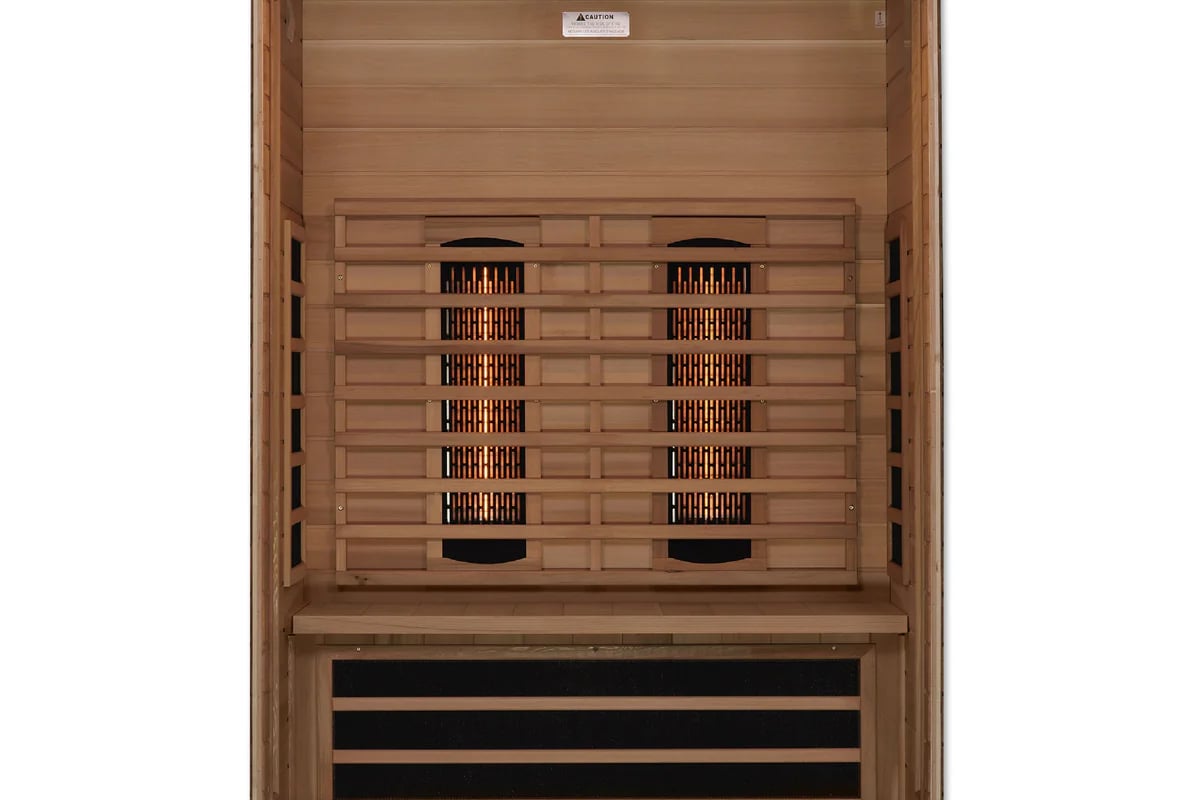
For homeowners seeking a balance of quality and value, the Maxxus 2 Person Full Spectrum IR Sauna delivers comprehensive near, mid, and far infrared therapy in a beautifully crafted Canadian Red Cedar cabinet with integrated chromotherapy and entertainment features.
Long-Term Value Considerations
Beyond direct costs, consider the broader financial picture. Reduced spa visits, decreased healthcare expenses from improved wellness, and enhanced home value all contribute to return on investment. Quality infrared saunas maintain performance for 10-15 years with minimal maintenance, essentially providing thousands of therapeutic sessions for a one-time investment.
Maintenance and Longevity
Proper care extends the lifespan of your infrared at home sauna while maintaining optimal performance. Wood preservation requires wiping down interior surfaces after each use with a slightly damp cloth to remove sweat residue. Avoid harsh chemicals that can damage wood finishes or leave harmful residues that vaporize during heating.
Heater elements in quality infrared saunas require virtually no maintenance and typically carry warranties of 5-10 years. Carbon fiber panels, the most common heating element, distribute heat evenly and resist degradation from thermal cycling. Ceramic heaters offer similar longevity with slightly different heat distribution characteristics.
Ventilation between sessions prevents moisture accumulation that can lead to mildew or wood deterioration. Leave the door open for 15-30 minutes after use to allow interior air circulation. Some users position small fans nearby to accelerate drying, though this isn't necessary with proper passive ventilation.
Annual Maintenance Checklist
- Inspect door seals and replace if cracked or loose
- Verify heater panel functionality across all zones
- Check electrical connections for any signs of wear
- Clean or replace air vents to maintain circulation
- Apply wood conditioner to exterior surfaces annually
Most manufacturers recommend professional inspection every 3-5 years to ensure electrical components and heating elements maintain factory specifications. This preventive approach identifies potential issues before they affect performance or safety.
Integration Into Daily Wellness Routines
Timing your sauna sessions optimizes therapeutic benefits for different wellness goals. Morning sessions energize and prepare your body for the day ahead, particularly beneficial when combined with light stretching or meditation. The increased circulation and endorphin release create natural alertness without caffeine dependence.
Evening use promotes deeper sleep by triggering your body's natural cooling response. Core temperature rises during your session, then drops afterward, mimicking the natural temperature decline that signals sleep onset. Many users report falling asleep faster and experiencing more restorative rest when incorporating sauna therapy 1-2 hours before bedtime.
Post-workout recovery represents another optimal timing strategy. The video discussing infrared sauna health benefits by Dr. Balduzzi explains how infrared heat accelerates muscle recovery by increasing blood flow that delivers nutrients and removes metabolic waste products from exercise.
Comparing Indoor and Outdoor Placement Options
Indoor infrared at home sauna installations offer year-round accessibility and climate control advantages. Basements, spare bedrooms, master bathroom suites, and dedicated wellness rooms serve as ideal locations. Interior placement protects the unit from weather exposure and allows for consistent ambient conditions that optimize infrared heating efficiency.
Climate considerations affect outdoor installations differently than traditional saunas. While infrared units can function outdoors with proper weatherproofing, temperature extremes impact heating efficiency. Cold ambient temperatures require more energy to reach target settings, while extreme heat may necessitate additional ventilation. The outdoor sauna options at RecoSauna include models engineered for exterior use with enhanced weather resistance and insulation.
Space planning should account for adequate clearance around your unit. Most manufacturers recommend 6-12 inches of clearance on all sides for ventilation and maintenance access. Door swing radius requires additional space calculation to ensure comfortable entry and exit.
Advanced Features and Technology Trends
The evolution of infrared at home sauna technology continues accelerating in 2026. Smart home integration allows voice control through Amazon Alexa or Google Assistant, enabling you to preheat your sauna with simple voice commands or scheduled automation. Some systems link to fitness trackers, adjusting session parameters based on your workout intensity and recovery needs.
Medical-grade chromotherapy systems now offer 30-50 color options rather than basic RGB selections. These advanced systems allow precise color temperature adjustment aligned with specific therapeutic goals, from energizing wavelengths that support alertness to calming blue tones that facilitate meditation.
Salt therapy integration represents an emerging trend, with optional Himalayan salt panels that release negative ions when heated. Proponents suggest these ions improve air quality and provide respiratory benefits, though scientific validation remains limited.
Space-Saving Solutions for Smaller Homes
Apartment dwellers and homeowners with limited space can still enjoy infrared therapy through compact designs. Corner units maximize square footage efficiency by utilizing typically unused areas. These triangular configurations fit two people comfortably while occupying less than 20 square feet of floor space.
Portable infrared sauna blankets and domes offer ultimate flexibility for renters or those unable to dedicate permanent space. While these systems don't provide the full experience of cabinet models, they deliver significant infrared therapy benefits at price points under $500. For permanent yet space-conscious solutions, explore the compact pod sauna collection featuring streamlined designs for modern living spaces.
Foldable and disassemble-friendly models accommodate seasonal use or temporary living situations. These units break down into manageable components for storage or relocation, though assembly quality may not match permanently constructed alternatives.
Selecting Quality Materials and Construction
Wood species selection impacts durability, aesthetics, and thermal performance. Canadian Hemlock resists warping under repeated heat cycling and provides a neutral, light appearance that complements contemporary design aesthetics. Its tight grain structure minimizes gaps that could reduce heating efficiency.
Red Cedar contains natural oils that resist bacteria, mold, and insect damage while producing a pleasant aromatic experience. The wood's cellular structure provides excellent insulation properties, helping maintain consistent temperatures with less energy consumption. For those interested in premium Canadian materials, the cabin and box sauna collection showcases various wood species and construction approaches.
Construction quality indicators include:
- Tongue-and-groove panel assembly for superior sealing
- Reinforced corner joints with metal brackets
- Tempered glass doors rated for thermal stress
- Double-wall construction with insulation layers
- Stainless steel or brass hardware resistant to corrosion
Infrared heating panel quality varies significantly between manufacturers. Carbon fiber panels distribute heat most evenly and last longest, while ceramic rod heaters concentrate heat in specific zones. Premium systems use low-EMF (electromagnetic field) technology, reducing electromagnetic exposure to levels comparable to household appliances.
Preparing Your Space for Installation
Site preparation ensures smooth installation and optimal performance of your infrared at home sauna. Floor requirements typically specify level, stable surfaces capable of supporting 400-800 pounds depending on unit size. Concrete, tile, or reinforced wood flooring all work well, while carpet may require a protective platform to prevent heat damage and facilitate cleaning.
Electrical preparation should occur before delivery. Consult your sauna's specifications to determine voltage and amperage requirements, then hire a licensed electrician to install dedicated circuits if necessary. Building permits may be required in some jurisdictions, particularly for hardwired installations or units requiring 240V service.
Ventilation considerations differ from traditional saunas since infrared units operate at lower temperatures and produce less humidity. However, adequate air exchange prevents stale conditions and accelerates post-session drying. Position your sauna near existing HVAC returns or ensure the room has operable windows for natural ventilation.
Maximizing Therapeutic Results
Session preparation enhances the effectiveness of your infrared at home sauna therapy. Pre-heating the cabin for 10-15 minutes before entry ensures panels reach optimal operating temperature and creates immediate comfort upon entering. Many digital controls allow remote activation via smartphone apps, letting you preheat from anywhere in your home.
Proper positioning within the sauna maximizes infrared exposure. Sit upright with your back against the rear panel where primary heaters are typically located. Some users prefer alternating positions mid-session to expose different body areas to direct infrared rays. For targeted muscle therapy, position affected areas toward specific heating panels.
Combining modalities amplifies benefits. Light stretching during sessions enhances flexibility as warmed muscles become more pliable. Meditation and breathing exercises leverage the relaxed state induced by heat therapy. Some practitioners incorporate aromatherapy using heat-safe essential oil diffusers positioned outside the sauna.
Addressing Common Concerns and Questions
New users frequently wonder about the safety of daily infrared at home sauna use. Most health professionals consider daily sessions safe for healthy adults, provided proper hydration and reasonable duration limits are observed. In fact, consistency often produces better results than sporadic intensive use.
Electromagnetic field concerns arise periodically, though quality infrared saunas emit EMF levels well below international safety standards. Low-EMF certification indicates third-party testing confirming emission levels under 3 milligauss, comparable to typical household electronics. If EMF sensitivity concerns you, specifically seek models advertising low-EMF or zero-EMF technology.
Clothing during sessions remains a personal choice, though most infrared sauna users prefer minimal covering to maximize skin exposure to infrared rays. Light cotton towels work well for modesty while allowing infrared penetration. Avoid synthetic fabrics that may be uncomfortable or release odors when heated.
Warranty Coverage and Customer Support
Comprehensive warranty protection indicates manufacturer confidence and protects your investment. Lifetime warranties on structural components like wood cabinets represent the gold standard, while heating elements typically carry 5-10 year coverage. Electrical components and controls usually receive 1-3 year protection.
Extended warranty options may be available at additional cost, though carefully evaluate whether coverage duplicates homeowner's insurance or provides genuine added value. Some credit cards automatically extend manufacturer warranties, potentially eliminating the need for purchased extensions.
Customer support quality becomes crucial when technical issues arise. Companies offering phone support during business hours, comprehensive online resources, and video troubleshooting guides simplify problem resolution. Verify parts availability and typical shipping timelines before purchase, as some specialty components may require extended wait periods.
Installing an infrared at home sauna represents a meaningful investment in your long-term wellness, offering daily access to therapeutic heat that supports cardiovascular health, muscle recovery, and stress reduction. Whether you're drawn to compact single-person models for personal meditation spaces or family-sized units for shared wellness experiences, matching the right system to your space and wellness goals ensures years of beneficial use. RecoSauna provides expertly curated selections of premium infrared saunas alongside traditional models, all backed by quality Canadian craftsmanship and comprehensive support to help you create your ideal home wellness sanctuary.
Share:
Exterior Saunas: Complete 2026 Planning & Design Guide
Canadian Sauna: Quality, Craftsmanship & Design Trends