
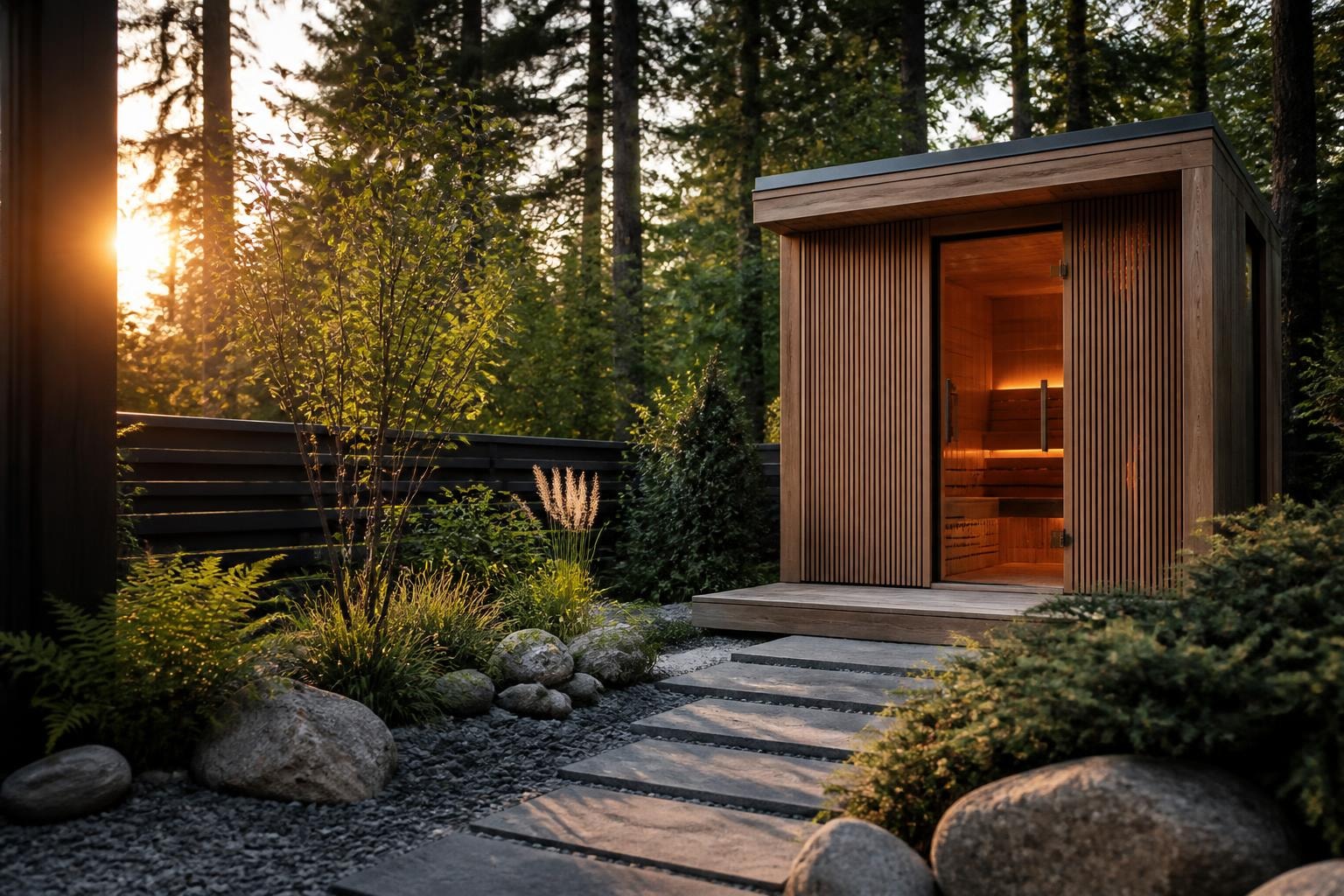
The growing interest in home wellness has transformed how homeowners approach their outdoor spaces. Exterior saunas have emerged as one of the most sought-after backyard additions in 2026, combining ancient bathing traditions with modern design and construction techniques. Whether you're considering a traditional barrel sauna, a contemporary cabin model, or a sleek infrared unit designed for outdoor use, understanding the unique requirements of exterior installations will help you create a wellness retreat that enhances both your property value and daily life.
Understanding Exterior Sauna Types and Construction
Exterior saunas come in several distinct configurations, each offering unique advantages for different property layouts and user preferences. The most popular styles include barrel saunas, cabin saunas, pod designs, and outdoor-rated infrared models.
Barrel Saunas: Classic Design Meets Efficiency
Barrel saunas feature a cylindrical shape that provides natural heat circulation and reduced surface area, making them exceptionally energy-efficient. The curved walls encourage hot air to circulate evenly without creating dead zones where heat stagnates. This design typically requires less energy to reach and maintain optimal temperatures compared to rectangular structures.
Key advantages of barrel designs include:
- Superior heat distribution due to rounded interior
- Reduced heating time and energy consumption
- Distinctive aesthetic that serves as a landscape focal point
- Smaller footprint suitable for compact yards
- Natural water runoff that protects the structure
The barrel configuration also sheds rain and snow naturally, reducing moisture accumulation on the roof. This self-draining characteristic extends the lifespan of the wood and minimizes maintenance requirements over time.
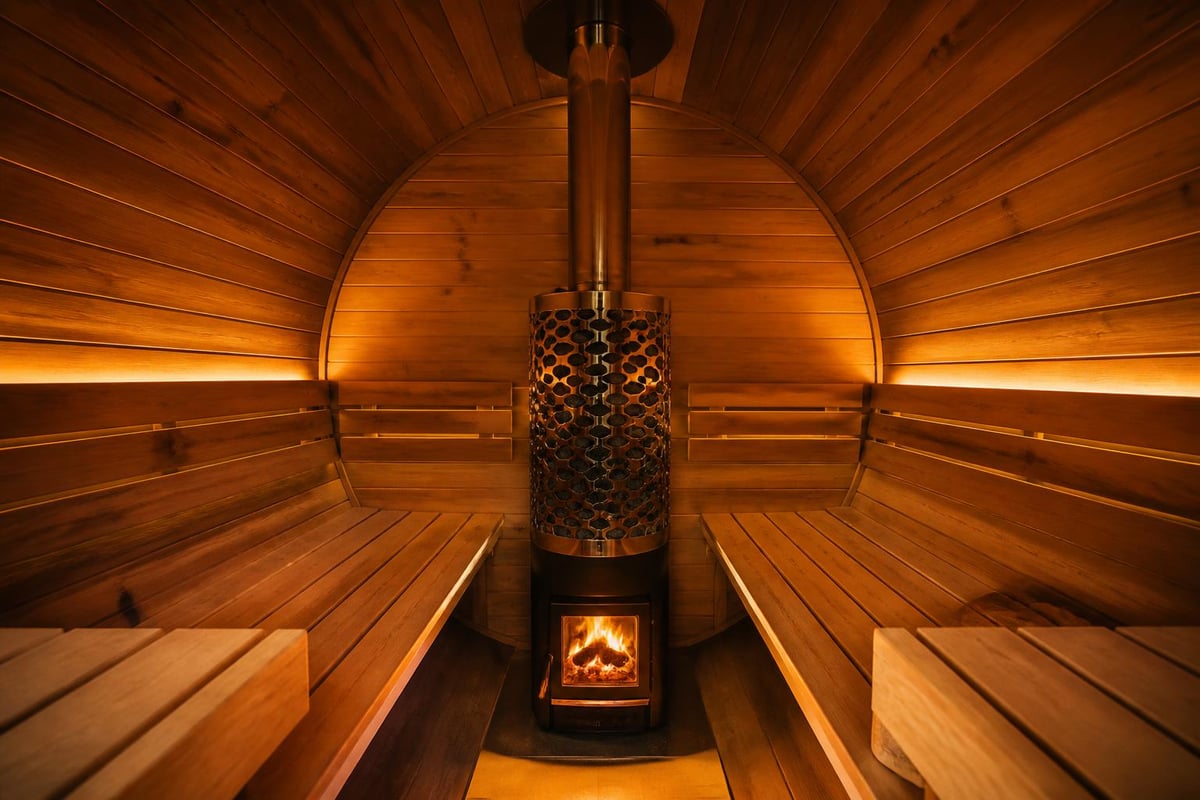
Cabin-Style Exterior Saunas
Traditional cabin saunas offer more interior space and vertical headroom, making them ideal for taller users or those who prefer a more spacious environment. These rectangular structures can accommodate benches at multiple levels and provide flexibility for customization with windows, changing rooms, or covered porches.
| Feature | Barrel Sauna | Cabin Sauna |
|---|---|---|
| Heat efficiency | Excellent | Good |
| Interior space | Moderate | Spacious |
| Customization options | Limited | Extensive |
| Installation complexity | Moderate | Higher |
| Visual impact | Distinctive | Traditional |
Cabin designs integrate seamlessly with existing architectural styles and can be customized with various roofing materials, siding options, and entrance configurations. When considering outdoor sauna design and planning, the cabin style offers the most flexibility for future modifications or additions.
Site Selection and Placement Strategies
Choosing the optimal location for exterior saunas involves balancing multiple factors including accessibility, privacy, drainage, and integration with your existing landscape. The placement decision significantly impacts both the functionality and enjoyment of your sauna experience.
Evaluating Your Property Layout
Begin by assessing your property's topography, existing structures, and natural features. Ideal sauna placement considers proximity to your home, available utilities, and the flow of your outdoor space. Most users prefer locations within 50 to 100 feet of their main entrance, allowing for comfortable access year-round without excessive exposure to weather.
Critical placement considerations:
- Drainage patterns - Avoid low-lying areas where water accumulates
- Sun exposure - Consider seasonal sun angles and shade preferences
- Wind protection - Identify prevailing wind directions and natural windbreaks
- Privacy zones - Evaluate sightlines from neighboring properties
- Utility access - Assess electrical and water service routing
Understanding these factors helps prevent costly relocations after installation. The overlooked garden design features that impact sauna placement include pathway integration and seasonal sun patterns that affect both heating efficiency and user comfort.
Foundation and Base Preparation
Exterior saunas require stable, level foundations that provide adequate drainage and long-term structural support. Most installations use gravel bases, concrete pads, paver systems, or pier foundations depending on soil conditions and local building codes.
A properly prepared base should extend at least 12 inches beyond the sauna footprint on all sides, creating a stable perimeter that prevents settling and facilitates water drainage away from the structure. This foundation work represents one of the most important investments in your sauna's longevity.
Heating Systems for Outdoor Environments
The heating system forms the heart of any sauna experience, and exterior installations require careful consideration of climate conditions, energy sources, and ongoing operating costs. Both traditional and modern heating approaches work effectively in outdoor settings when properly specified.
Electric Heaters: Convenience and Control
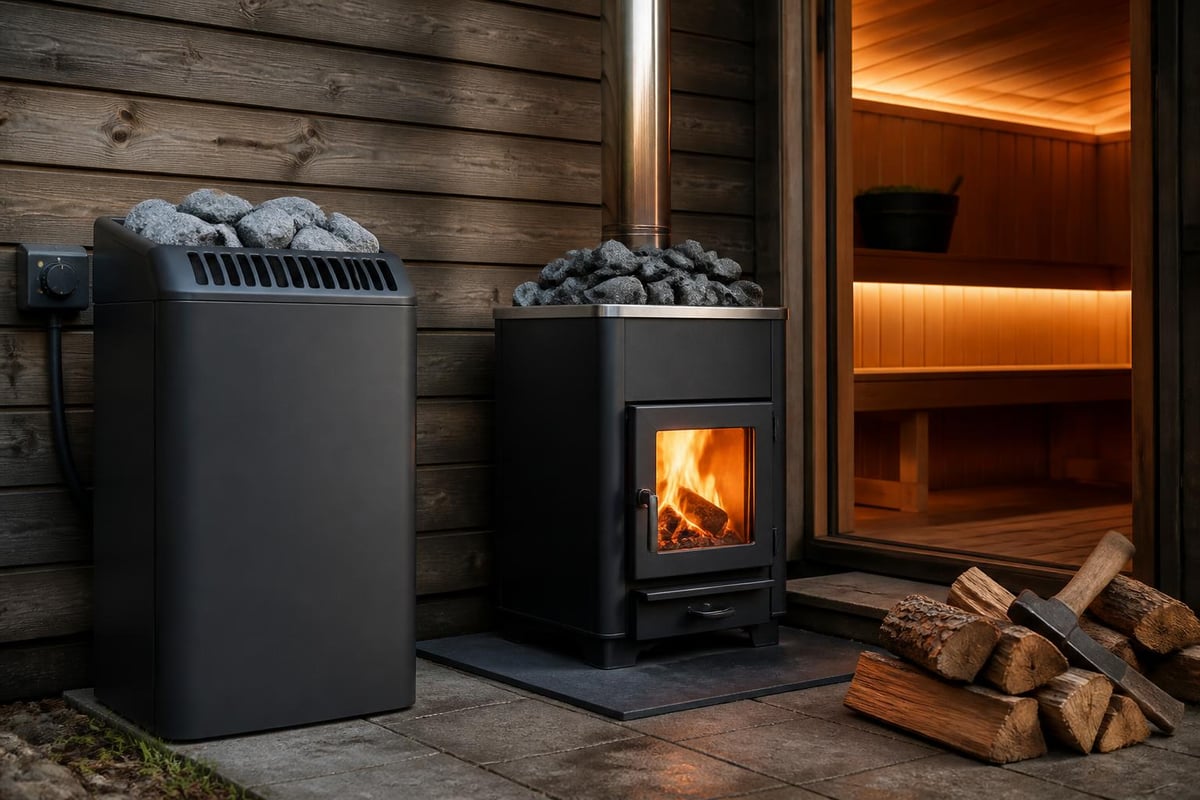
Electric sauna heaters dominate the exterior sauna market due to their reliability, ease of installation, and precise temperature control. Modern electric units heat rocks that radiate warmth throughout the interior while allowing users to create steam by pouring water over the heated stones.
For most residential exterior saunas, electric heaters require 240-volt circuits with amperage ranging from 30 to 60 amps depending on the sauna's size. Professional electrical installation ensures safe operation and compliance with local codes.
Wood-Burning Options: Traditional Experience
Wood-fired heaters deliver the most authentic sauna experience with characteristic smoke aroma and radiant heat quality. These systems require chimney installation, proper clearances from combustible materials, and regular ash removal, but they operate independently of electrical infrastructure.
Wood-burning heater considerations:
- Initial installation costs typically higher than electric
- No ongoing electrical operating costs
- Requires dry firewood storage nearby
- Longer preheat times (45-90 minutes typical)
- Creates atmospheric outdoor fire experience
Wood-burning systems particularly suit rural properties, off-grid locations, or users who appreciate the ritual of fire tending as part of their sauna practice.
Material Selection and Weather Resistance
The materials used in exterior saunas must withstand continuous exposure to sun, rain, snow, and temperature fluctuations while maintaining structural integrity and aesthetic appeal. Wood species selection represents the most critical material decision.
Premium Wood Species for Outdoor Use
Eastern White Cedar and Western Red Cedar rank as the most popular choices for exterior saunas due to their natural rot resistance, dimensional stability, and aromatic properties. These softwoods contain natural oils that repel moisture and resist insect damage without chemical treatment.
Canadian Hemlock offers another excellent option, providing a lighter color palette and smooth grain patterns while maintaining good outdoor durability. Each species brings distinct characteristics to your sauna's appearance and performance.
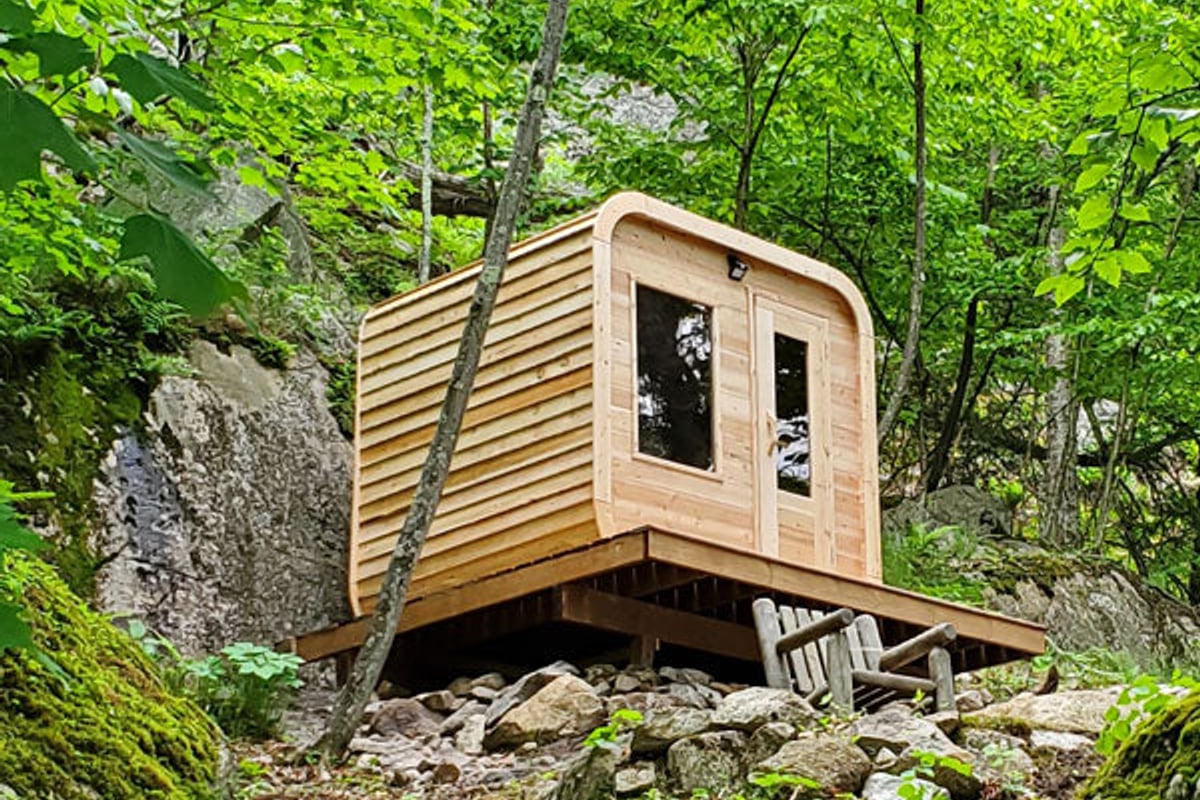
For those seeking a modern aesthetic combined with natural materials, the Canadian Timber Luna Sauna - LeisureCraft exemplifies contemporary design using Eastern White Cedar with rounded corners and large glass elements that blend indoor and outdoor spaces beautifully.
Weatherproofing and Maintenance Requirements
Proper weatherproofing extends the service life of exterior saunas from years to decades. The exterior surfaces require appropriate finishing treatments that protect against UV degradation and moisture penetration while allowing the wood to breathe naturally.
Most manufacturers recommend clear penetrating oil finishes that preserve the wood's natural appearance while providing water resistance. These treatments typically require reapplication every 12 to 24 months depending on sun exposure and local climate conditions.
| Maintenance Task | Frequency | Purpose |
|---|---|---|
| Exterior oil treatment | Annually | UV and moisture protection |
| Roof inspection | Twice yearly | Prevent water infiltration |
| Hardware tightening | Annually | Maintain structural integrity |
| Ventilation cleaning | Quarterly | Ensure proper airflow |
| Interior bench cleaning | Monthly | Hygiene and appearance |
Regular maintenance preserves both the functionality and visual appeal of your investment while preventing minor issues from developing into costly repairs.
Sizing and Capacity Planning
Determining the appropriate size for exterior saunas involves more than counting expected users. Comfortable spacing, heating efficiency, and intended use patterns all influence the optimal dimensions.
User Capacity and Interior Dimensions
Sauna sizing follows general guidelines of 2 feet of bench length per person, though many users prefer more generous spacing for comfort. A two-person sauna typically measures 4 to 6 feet in length, while four-person models extend to 7 to 9 feet.
Ceiling height impacts the sauna experience significantly. Most barrel saunas offer 6 to 6.5 feet of interior height, while cabin models can provide 7 feet or more. Taller ceilings create a more spacious feeling but require additional heating capacity and longer warmup times.
Space planning guidelines:
- Solo users: 3-4 feet minimum bench length
- Couples: 5-6 feet comfortable spacing
- Small groups (3-4): 7-8 feet recommended
- Larger gatherings (5-6): 9-10 feet or multiple benches
Interior configuration matters as much as total footprint. Two-level bench arrangements maximize capacity within compact footprints by providing both high-heat and moderate-temperature seating options.
Energy Efficiency Considerations
Larger exterior saunas require more powerful heaters, longer preheat times, and increased energy consumption per session. A 6x8-foot cabin sauna might consume 30-50% more electricity per session than a compact 4x6-foot model, even with similar insulation quality.
For users planning frequent sessions, moderate sizing paired with efficient heating creates the best balance between comfort and operating costs. The relationship between sauna volume and energy consumption follows exponential rather than linear patterns, making oversizing particularly expensive.
Installation Methods and Timeline
Understanding the installation process helps you plan appropriately for contractor coordination, site preparation, and the timeline from order to first use. Exterior saunas arrive as either prefabricated units, panel kits, or custom-built structures.
Kit Assembly Versus Turnkey Installation
Panel kit saunas ship with pre-cut components, hardware packages, and detailed instructions that allow capable DIY enthusiasts or general contractors to complete assembly. These kits typically require 8 to 24 hours of labor depending on size and complexity, with most installations completed over a single weekend.
- Site preparation - Foundation construction and utility rough-in
- Wall assembly - Panel or log construction following manufacturer specifications
- Roof installation - Framing, sheathing, and weatherproofing layers
- Door and window fitting - Precision installation of glass and hardware
- Heater installation - Electrical connection or chimney completion
- Interior finishing - Bench mounting and accessory installation
Turnkey installation services handle every aspect from permits through final testing, typically adding 20-40% to the base sauna cost but ensuring professional results and warranty compliance.
Integrating Infrared Technology Outdoors
While traditional Finnish-style saunas dominate the outdoor market, infrared saunas designed for exterior installation offer distinct advantages for specific user preferences and property constraints. These units operate at lower temperatures while providing deep-penetrating heat therapy.
Outdoor Infrared Considerations
Infrared saunas require additional weatherproofing attention compared to traditional models because their heating panels contain electronic components sensitive to moisture. Proper ventilation, sealed electrical penetrations, and covered installations extend equipment life in outdoor environments.
Temperature control in infrared units responds more quickly than rock-based heaters, allowing users to begin sessions within 10-15 minutes rather than the 30-45 minutes typical for traditional exterior saunas. This rapid heating reduces energy waste for spontaneous sessions or users with limited time.
The complete guide to outdoor infrared saunas explores material considerations and placement strategies specific to these alternative heating systems, which continue gaining popularity among wellness-focused homeowners.
Ventilation and Air Quality Management
Proper ventilation separates mediocre sauna experiences from exceptional ones. Exterior saunas require carefully designed airflow systems that provide fresh air without creating uncomfortable drafts or excessive heat loss.
Natural Ventilation Principles
The most effective ventilation systems combine low intake vents near the heater with high exhaust vents on opposite walls. This configuration creates gentle air circulation that refreshes the interior atmosphere approximately six to eight times per hour during use.
Optimal vent placement:
- Intake vent: 6-12 inches above floor level, behind or beside heater
- Exhaust vent: Near ceiling on opposite wall or in roof
- Cross-sectional area: Approximately 1 square inch per cubic foot of interior volume
- Adjustable closures: Allow users to modify airflow for conditions
Exterior saunas benefit from natural stack effect ventilation, where warm air rises and exits through upper vents while drawing fresh air through lower openings. This passive system requires no fans or mechanical assistance while maintaining comfortable breathing conditions.
Building Codes and Permit Requirements
Navigating local regulations represents a critical early step in any exterior sauna project. Requirements vary significantly by jurisdiction, but most municipalities classify outdoor saunas as accessory structures subject to specific setback, electrical, and construction standards.
Common Regulatory Considerations
Most jurisdictions require permits for structures over certain size thresholds, typically 100-200 square feet. Electrical permits apply universally for sauna heater circuits, and some areas mandate inspections for wood-burning installations due to fire safety concerns.
Setback requirements determine minimum distances from property lines, usually ranging from 3 to 10 feet depending on structure size and local codes. These setbacks aim to maintain neighborhood character, fire safety, and property access.
Contact your local building department early in the planning process to understand specific requirements before finalizing your sauna location or design. Professional sauna suppliers often provide guidance based on their experience with installations across different regions.
Climate-Specific Design Adaptations
Regional climate conditions influence exterior sauna design choices, from insulation specifications to roof pitches and material treatments. Understanding your local climate helps optimize performance and longevity.
Cold Climate Considerations
Northern regions benefit from enhanced insulation values, snow load-rated roofing, and protected entrances that minimize heat loss during winter use. Extra insulation in walls and ceilings reduces heating costs and improves temperature stability.
Deep roof overhangs and steeper pitches shed snow more effectively, preventing structural stress and water infiltration. Covered entryways or mud rooms provide transitional spaces for removing winter clothing before entering the heated interior.
Warm Climate Adaptations
Southern locations prioritize ventilation capacity, UV-resistant finishes, and cooling spaces adjacent to sauna rooms. Enhanced airflow prevents excessive heat buildup between sessions and reduces cooling times after use.
Covered porches or shaded approaches provide respite from direct sun exposure, while lighter wood finishes reflect solar radiation and minimize surface temperatures on exterior walls. These adaptations ensure comfortable year-round use even in consistently warm climates.
Accessorizing Your Exterior Sauna
Thoughtful accessories enhance both the functionality and enjoyment of outdoor sauna sessions. Essential items include proper lighting, water buckets and ladles, thermometers, and storage solutions for towels and personal items.
Lighting Design for Atmosphere and Safety
Exterior saunas benefit from layered lighting that provides both ambient illumination and focused task lighting. LED strip lighting along bench edges creates subtle atmosphere while ensuring safe movement in dim conditions. Recessed ceiling fixtures with moisture-resistant housings provide general illumination.
Exterior pathway lighting connecting your home to the sauna ensures safe access during evening sessions or winter months when darkness arrives early. Solar-powered landscape lights offer installation simplicity without electrical trenching.
Water and Steam Accessories
Traditional sauna sessions involve rhythmic pouring of water over heated rocks to create therapeutic steam bursts. Copper or stainless steel buckets paired with long-handled ladles allow users to control humidity levels safely without approaching hot surfaces too closely.
Pre-mixed sauna scents containing eucalyptus, birch, or pine essences enhance the sensory experience when added to water before pouring. These natural aromatics create authentic Nordic sauna atmosphere while providing respiratory benefits.
Property Value and Investment Return
Quality exterior saunas represent significant home improvements that contribute to property value while delivering daily wellness benefits. Understanding the financial aspects helps homeowners make informed decisions about features, sizing, and budget allocation.
Cost Factors and Budget Planning
Entry-level exterior saunas begin around $3,000-$5,000 for compact two-person barrel units with basic electric heaters. Mid-range installations typically cost $6,000-$12,000 for larger capacity or enhanced features. Premium custom saunas with luxury materials, integrated changing rooms, or high-end heating systems can exceed $20,000-$30,000.
These figures include the sauna structure and heater but may exclude site preparation, electrical service upgrades, permits, or professional installation labor. Budget an additional 20-40% of the base sauna cost for these supporting requirements.
Investment return considerations include:
- Enhanced property marketability and curb appeal
- Reduced gym membership and spa visit expenses
- Health and wellness benefits reducing healthcare costs
- Durable construction providing decades of service
- Energy-efficient operation minimizing long-term expenses
Real estate professionals increasingly recognize outdoor wellness amenities as selling points that differentiate properties in competitive markets, particularly for homes in the $400,000+ range where buyers expect resort-style features.
Year-Round Use and Seasonal Enjoyment
One of the greatest advantages of exterior saunas involves their unique seasonal experiences. Unlike indoor installations, outdoor models connect users directly with nature throughout the year, creating distinct experiences across changing seasons.
Winter Sauna Traditions
Nordic cultures celebrate winter sauna bathing as the ultimate seasonal experience. The contrast between heated interior and frigid outdoor air creates invigorating temperature therapy that energizes body and mind. Many enthusiasts follow sauna sessions with brief outdoor cooling periods or snow bathing.
Properly designed exterior saunas maintain comfortable interior temperatures even when outdoor conditions drop well below freezing. The key lies in adequate insulation, weather-tight construction, and appropriate heater sizing for extreme conditions.
Summer and Shoulder Season Use
Warm weather sauna sessions offer different but equally valuable experiences. Evening summer sessions provide relaxation after active days, while spring and fall use creates cozy retreats as temperatures cool. Enhanced ventilation becomes particularly important during warmer months to prevent excessive heat buildup.
The guidance provided in outdoor sauna placement emphasizes how proper siting maximizes year-round usability through careful attention to sun exposure, wind patterns, and accessibility across different weather conditions.
Exterior saunas transform ordinary backyards into personal wellness retreats that deliver therapeutic benefits, property value, and daily enjoyment across all seasons. From selecting the ideal location and sizing to choosing between barrel, cabin, or infrared configurations, each decision shapes your long-term sauna experience. Whether you're drawn to traditional wood-burning authenticity or modern electric convenience, quality construction using premium materials ensures decades of reliable service. RecoSauna offers an extensive selection of exterior saunas including Canadian Timber models, barrel designs, and cabin-style options from leading North American manufacturers, backed by expert guidance to help you create the perfect outdoor wellness space for your property and lifestyle.
Share:
Sauna: The Complete Guide to Heat Therapy Benefits
Infrared at Home Sauna: Complete 2026 Guide