
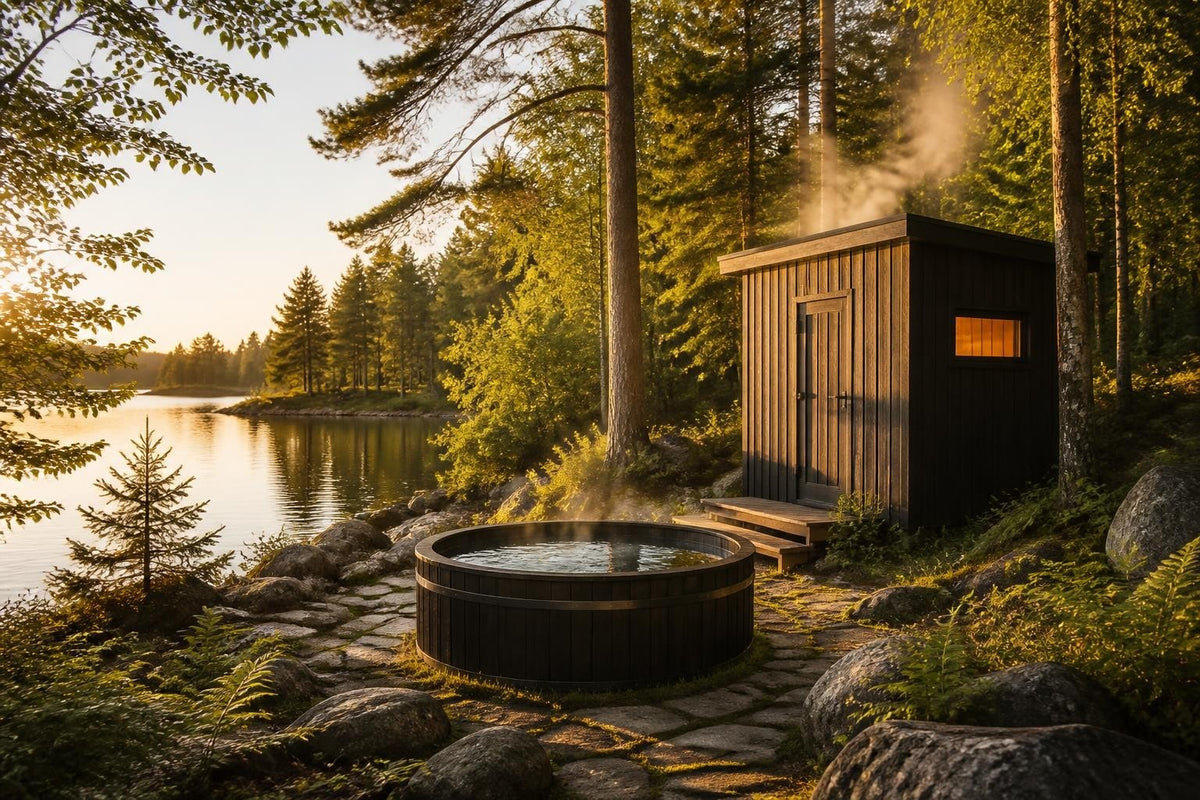
An ice bath is cold water immersion between 50°F and 59°F held for two to fifteen minutes. The practice became popular in North American sports recovery over the past twenty years, though Finns jumped into winter lakes after sauna for two thousand years before the term existed. The method works by exposing the body to cold stress in a controlled way, which research associates with reduced inflammation markers and changes in circulation patterns. Not every ice bath needs actual ice, and the safest approach starts warmer and shorter than most people expect.
What Temperature Should an Ice Bath Be
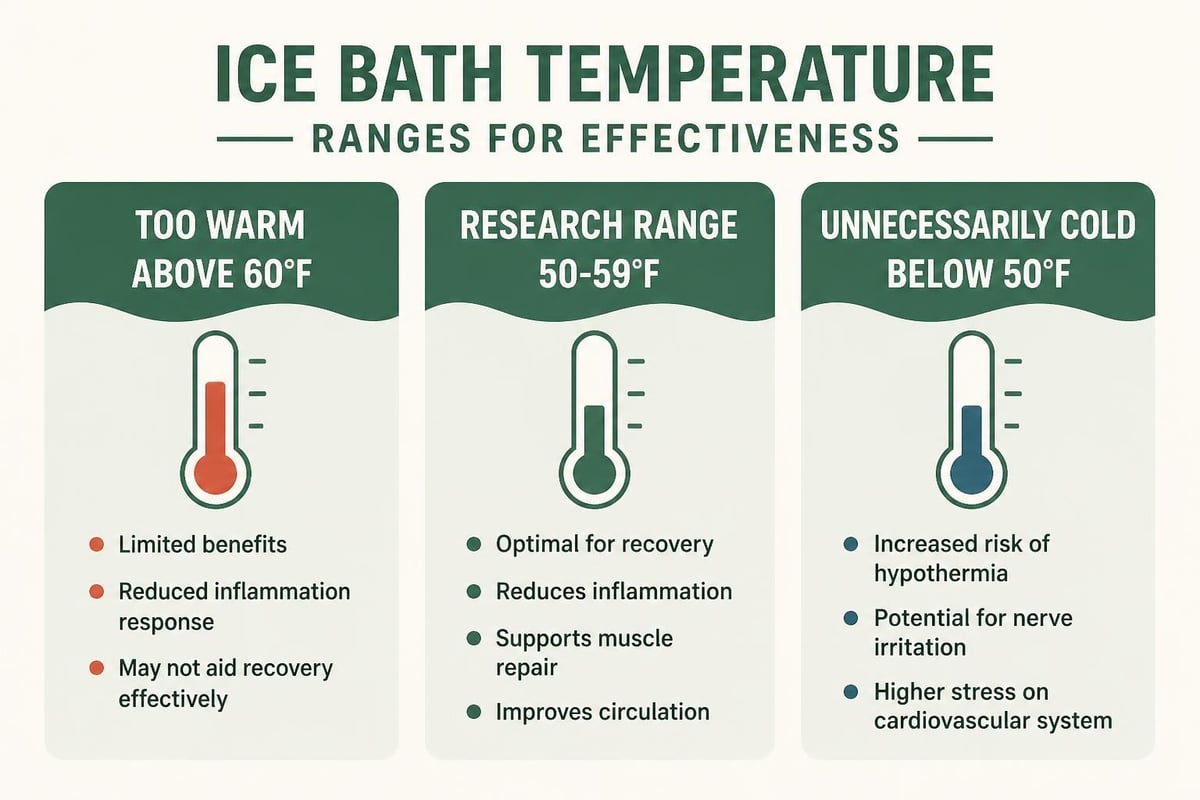
Most research on cold water immersion uses temperatures between 50°F and 59°F. Water colder than 50°F increases risk without clear additional benefit for most people. Water warmer than 60°F is cold therapy, not an ice bath.
The amount of ice needed depends on your starting tap water temperature and tub volume. In Minnesota in February, tap water may already be 45°F. In Texas in August, tap water can be 80°F.
How Much Ice to Add
- 50-gallon tub, 70°F tap water: 20-30 pounds of ice brings temperature to 55°F
- 100-gallon tub, 70°F tap water: 40-60 pounds of ice
- Cold climate winter tap water: often no ice needed
A basic kitchen thermometer confirms water temperature. Guessing leads to sessions too cold or too warm to match research conditions.
How Long Should You Stay in an Ice Bath
Research protocols typically use two to fifteen minutes. Beginners should start at two minutes and add thirty seconds per session until reaching a sustainable duration. Studies on cold water immersion often use ten to fifteen minute exposures, but adaptation happens at shorter durations too.
Your body's response matters more than the clock. Shivering is normal. Numbness in fingers or toes signals time to exit. Confusion or difficulty speaking means the session went too long.
| Duration | Experience Level | Temperature |
|---|---|---|
| 2-3 min | First month | 55-59°F |
| 4-6 min | 2-3 months | 52-57°F |
| 8-12 min | 4+ months | 50-55°F |
The table above shows typical progressions, not rules. Some people stay at four minutes indefinitely. Others build to fifteen over a year. Neither approach is wrong.
Frequency and Timing for Ice Bath Sessions
Most athletes using ice baths for recovery do two to four sessions per week. Daily ice baths can reduce training adaptations according to some research, particularly if done immediately after strength work. The cold may blunt the inflammatory response that helps muscles rebuild stronger.
When to Take an Ice Bath
- After endurance training: within one hour shows associations with reduced soreness markers
- After strength training: waiting four hours may preserve adaptation signals
- Morning sessions: many people report sharper focus for several hours after
- Evening sessions: some find cold exposure too stimulating before sleep
These patterns appear in research and anecdotal reports. Individual response varies enough that personal testing matters more than general rules.
I grew up on Lake Saimaa in Eastern Finland, where winter swimming after sauna was ordinary, not a wellness practice. We cut a hole in the ice, heated the sauna to around 185°F, and alternated three or four rounds. The lake was 35°F. No one timed it or discussed protocols. You went in until the cold felt complete, usually thirty to sixty seconds, then returned to the heat.
Setting Up an Ice Bath at Home
Three basic options exist for home ice bath setups: a simple tub with ice, a dedicated cold plunge with no chiller, or a plunge with a built-in chiller system.
Simple Tub Method
Any waterproof container large enough for seated immersion works. Livestock watering troughs, large barrels, and even chest freezers (unplugged) are common DIY options. This approach requires fresh ice for each session.
Advantages: low initial cost, moves easily, no electrical requirements
Limitations: ongoing ice costs, temperature inconsistency, time to prepare each session
Dedicated Plunge Without Chiller
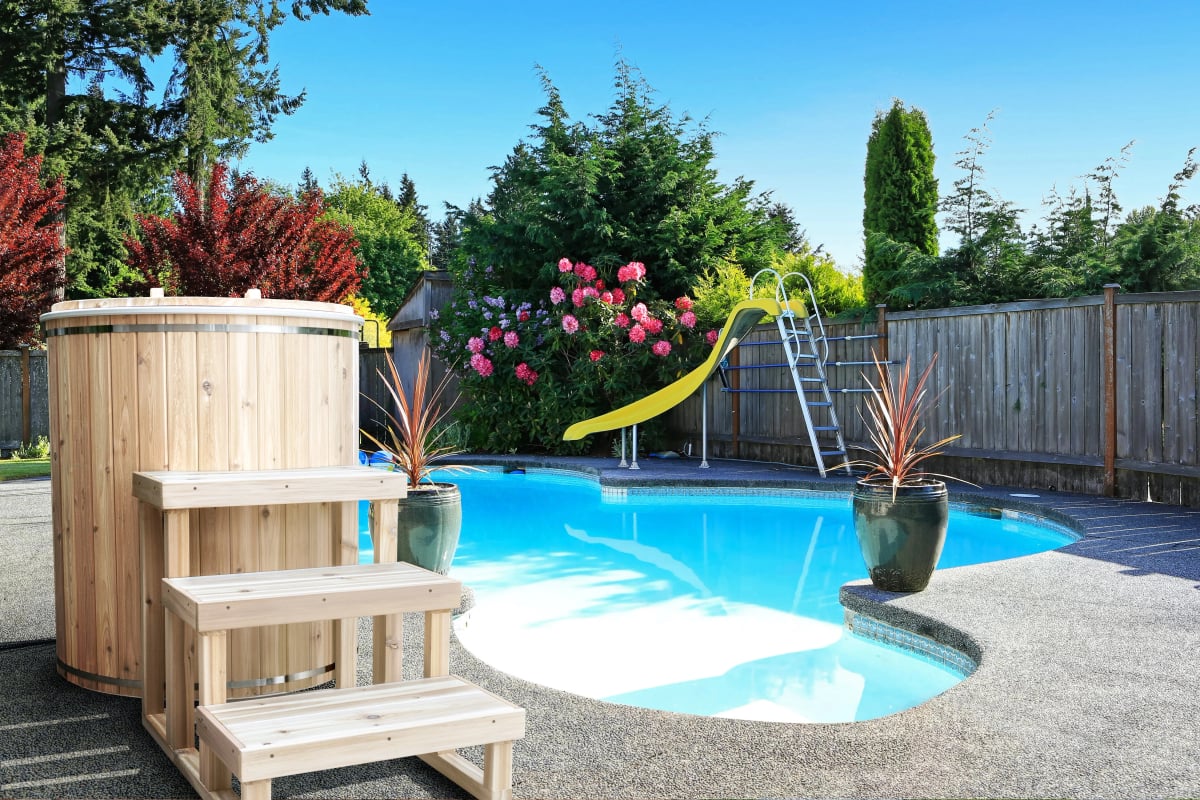
A well-built plunge tub like the LeisureCraft Baltic Plunge Tub holds 132 gallons and maintains temperature longer than basic tubs due to better insulation and construction. The Eastern White Cedar and HDPE liner combination resists weather and holds cold water for multiple uses before needing ice replenishment.
This option suits people who plunge three to five times per week and want a permanent outdoor installation without electrical hookup complexity. Add ice as needed to maintain your target temperature range.
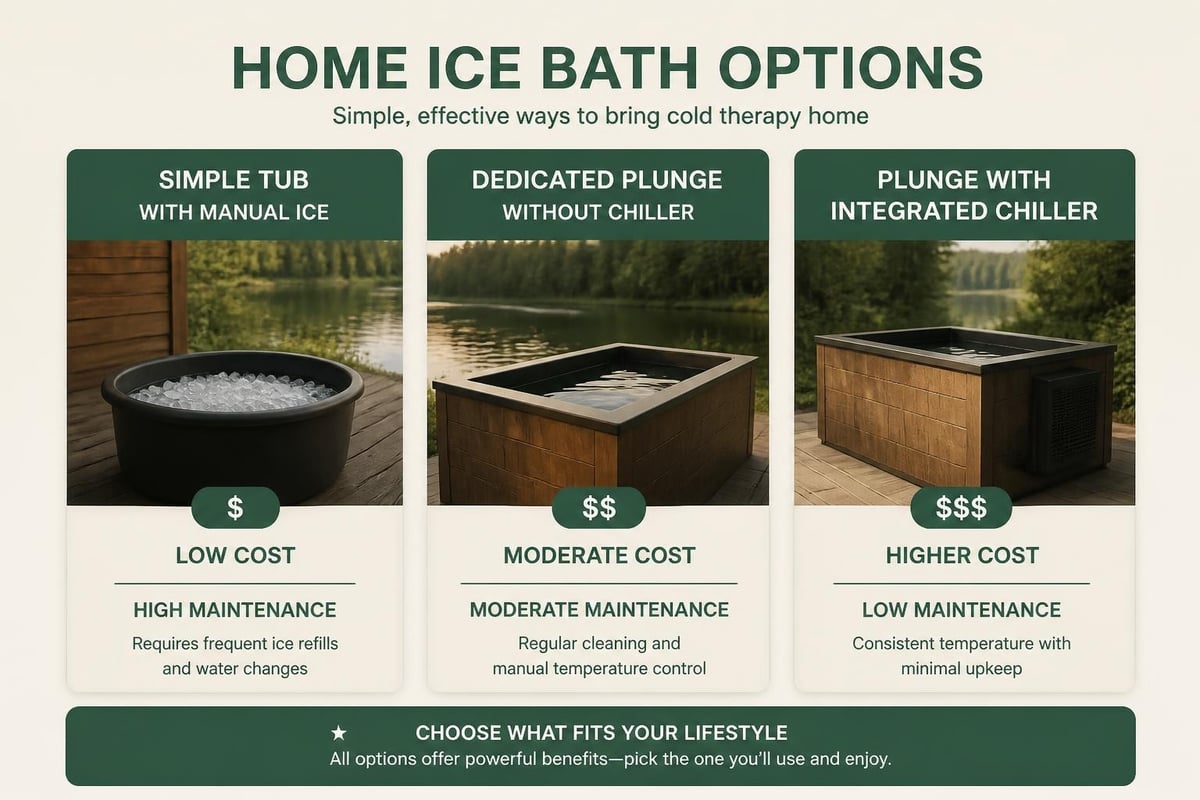
Plunge With Built-In Chiller
Chiller systems circulate and cool water continuously, maintaining set temperature without ice. Setup cost is higher, but no ongoing ice purchases are needed. Electrical requirements vary, most run on standard 120V outlets.
These systems make sense for daily users or households where multiple people plunge regularly. The convenience justifies cost when sessions exceed four per week.
Entering and Exiting an Ice Bath Safely
Entry technique affects both safety and the body's response to cold. Slow controlled entry allows breathing to stabilize. Jumping in triggers gasping and hyperventilation, which can cause panic in cold water.
Safe Entry Steps
- Check temperature with a thermometer before entry
- Sit at the edge and place feet in first
- Lower slowly while controlling your breathing rhythm
- Submerge to shoulders once breathing normalizes
- Keep hands out or in shallow water if fingers get too cold
Exit when your planned time completes or when you notice numbness, confusion, or uncontrollable shivering. Stand slowly, as blood pressure shifts can cause dizziness.
After exiting, dry off and dress in warm layers. Some people add light movement like walking. Avoid immediate hot showers, which can cause blood pressure swings. If you practice contrast therapy with sauna rounds, the next heat session should wait at least ten minutes.
Ice Bath Compared to Other Cold Exposure Methods
Several cold exposure approaches exist beyond ice baths. Each has different temperature ranges, duration patterns, and practical requirements.
| Method | Temperature | Typical Duration | Setup |
|---|---|---|---|
| Ice bath | 50-59°F | 2-15 min | Tub + ice |
| Cold plunge | 45-55°F | 1-10 min | Chiller system |
| Cold shower | 60-70°F | 2-5 min | Standard plumbing |
Cold showers provide milder cold exposure with zero setup. The temperature rarely drops below 60°F in most North American homes, placing it outside the ice bath range. Research on cold showers shows some similar associations with mood and alertness, though muscle recovery studies focus more on colder immersion.
Winter lake swimming offers the coldest exposure but carries higher risk and requires specific safety knowledge. Water below 40°F becomes dangerous quickly. Most Finnish winter swimmers stay submerged under one minute in these conditions.
Who Should Avoid Ice Baths
Cold water immersion creates cardiovascular stress. People with certain conditions should skip ice baths or consult a physician first. The cold causes blood vessels to constrict rapidly, which affects circulation and heart workload.
Conditions That Warrant Caution
- Heart conditions: cold exposure raises blood pressure and heart rate suddenly
- Raynaud's disease: extreme cold can trigger circulation problems in fingers and toes
- Pregnancy: limited research exists on cold immersion during pregnancy
- Open wounds: cold water and non-sterile tubs risk infection
- Cold urticaria: rare condition causing allergic reaction to cold
Medical guidance on ice bath safety emphasizes starting conservatively and monitoring response. Even healthy individuals should avoid ice baths while ill or sleep-deprived, when the body's stress tolerance is lower.
Recovery Benefits Associated With Ice Baths
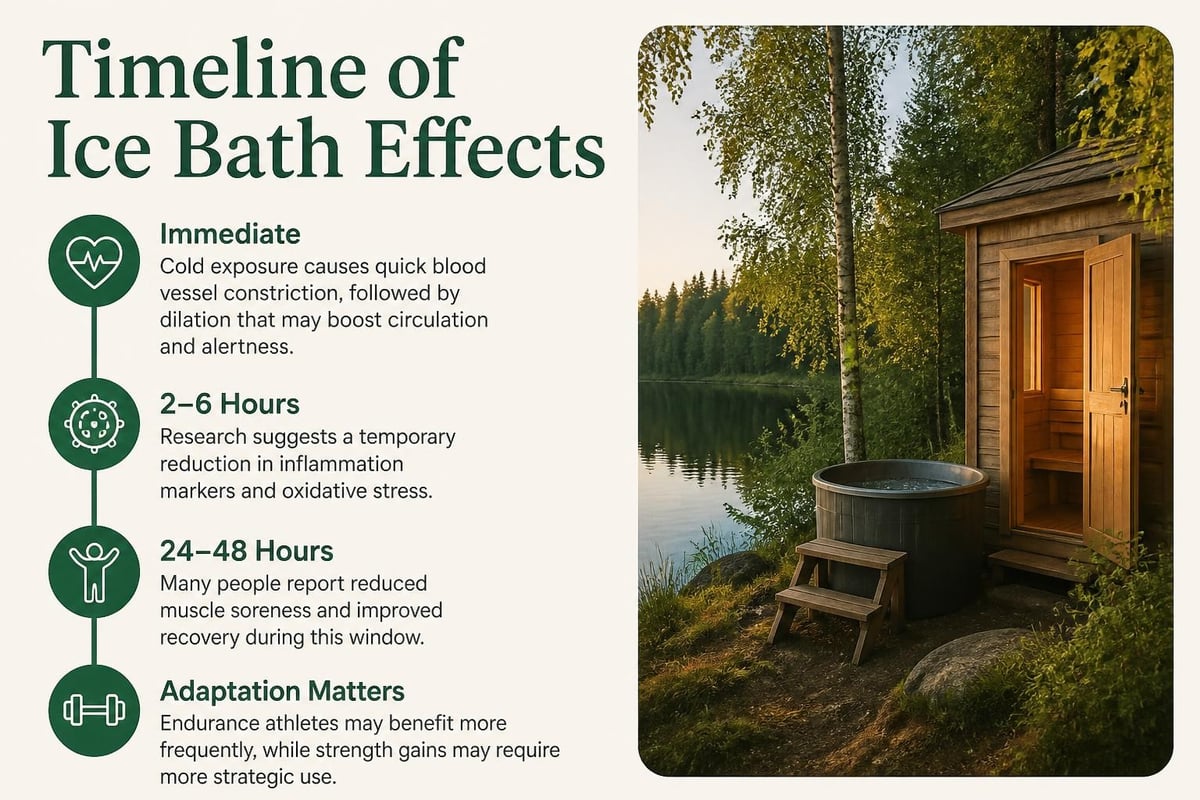
Research on ice bath benefits shows associations, not proven causation. Studies indicate connections between cold water immersion and reduced inflammation markers, changes in perceived muscle soreness, and shifts in metabolic signaling.
The practical question is whether these associations translate to meaningful recovery improvements for your training. Athletes in high-volume programs often report feeling fresher between sessions when using ice baths. Whether this comes from physiological changes, placebo effect, or ritual and rest remains uncertain.
Reported Recovery Effects
- Reduced perception of muscle soreness 24-48 hours after training
- Faster return to performance in repeat-effort testing
- Lower blood markers associated with muscle damage
- Subjective improvements in sleep quality when done in morning
The research on strength training and ice baths suggests possible interference with muscle growth adaptations if cold exposure happens immediately post-workout. The inflammation that ice baths reduce may be part of the growth signal. This tradeoff matters for hypertrophy-focused training but less for endurance athletes or those prioritizing recovery from high-frequency sessions.
Combining Ice Baths With Sauna
The Finnish practice combines heat and cold in cycles, not as separate wellness tools. A traditional pattern uses three to four rounds, each consisting of sauna heat until sweating becomes uncomfortable, then cold water immersion until the cold feels complete, then rest.
This contrast between hot and cold is what Finns call thermal training. The body learns to regulate temperature more efficiently through repeated exposure to both extremes. My grandfather used this pattern daily into his eighties, though he never measured temperature or timed sessions.
Modern contrast therapy typically uses:
- Sauna: 10-15 minutes at 160-180°F
- Ice bath: 2-4 minutes at 50-55°F
- Rest: 5-10 minutes between rounds
- Repeat: 2-3 full cycles
The sauna session raises core temperature and induces sweating. The ice bath drops skin temperature rapidly and shifts blood flow inward. The rest period allows the body to return toward baseline before the next cycle starts.
Some people find this pattern more sustainable than ice baths alone. The heat portion feels restorative where cold feels challenging. Together they create a rhythm that makes the cold exposure more approachable.
Common Ice Bath Mistakes to Avoid
Most problems with ice baths come from doing too much too soon or skipping basic safety checks. The practice is simple but not casual.
Starting too cold: Beginning at 45°F instead of 55°F makes early sessions unnecessarily difficult and increases quit rates. Adaptation happens at warmer temperatures first.
Staying too long: Pushing past ten minutes on early attempts proves nothing except higher risk of hypothermia symptoms. Duration increases naturally over weeks and months.
Skipping the thermometer: Guessing water temperature leads to inconsistent sessions. A $10 thermometer removes this variable.
Going alone initially: First sessions should happen with someone nearby. Unusual responses to cold include dizziness, confusion, and rapid heart rate changes.
Ignoring breathing: Panic breathing in cold water is common and controllable. Slow nasal breathing before entry and conscious breath control during immersion prevent this response.
Ice baths done correctly are uncomfortable, not painful. Pain signals a problem worth addressing.
Frequently Asked Questions About Ice Baths
Should I use an ice bath before or after training?
After training is more common for recovery purposes. Before training can reduce muscle activation and power output for the next one to two hours.
How cold is too cold for an ice bath?
Water below 50°F increases risk without clear additional benefit for most people. Research protocols rarely go below 45°F.
Can I take an ice bath every day?
Daily ice baths may reduce training adaptations from strength work. Two to four times per week matches most research protocols and athlete practices.
Do I need to submerge my head?
No. Most protocols and practices submerge the body to the shoulders or neck. Head submersion adds risk with unclear benefit.
How long until I notice benefits from ice baths?
Reduced soreness perception often appears after three to five sessions. Consistent practice over four to six weeks shows clearer patterns in individual response.
Ice baths work best as part of a larger recovery approach that includes sleep, nutrition, and training load management. The practice requires minimal equipment but benefits from patient progression and attention to individual response. Whether you choose a simple tub setup or a dedicated cold plunge, the principles remain the same: controlled temperature, manageable duration, and consistent frequency matched to your training demands. At RecoSauna, we help homeowners build complete contrast therapy setups that pair authentic Finnish sauna culture with cold water immersion. Ask Petri About Your Sauna to discuss what works for your space and recovery goals.
Share:
Backyard Sauna Ideas: 9 Ways to Build Your Own Retreat
Sauna and Ice Bath: Complete Guide for Home Contrast Therapy