
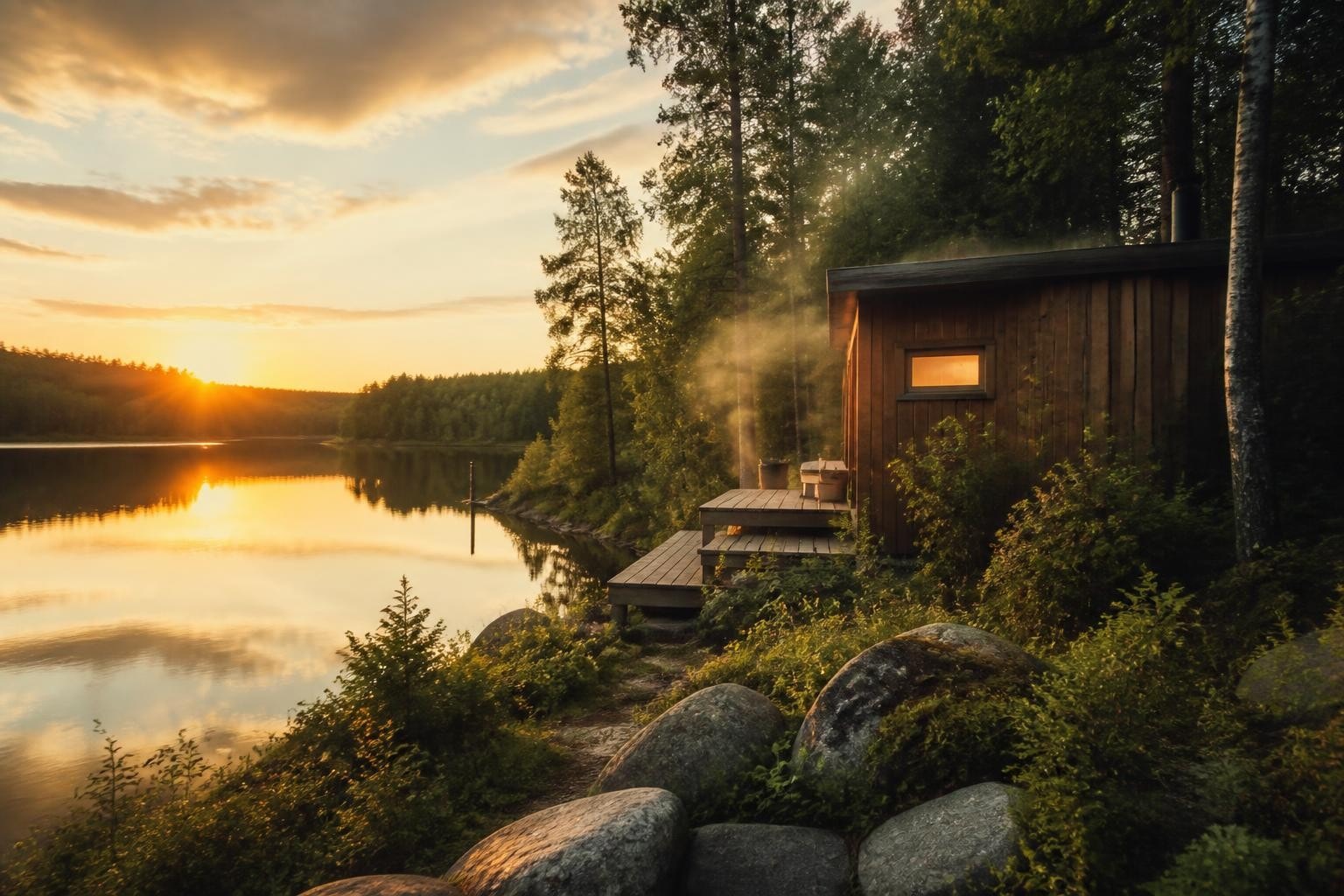
A home infrared sauna uses electric heating panels that emit infrared light to warm your body directly, without heating the air around you. Unlike traditional Finnish sauna where water on hot stones creates steam and room temperatures reach 150-195°F, infrared operates at 120-140°F with dry air. The experience feels gentler and sessions typically run longer. Both approaches appear to support relaxation and recovery, but they work in fundamentally different ways.
How Infrared Differs from Traditional Sauna
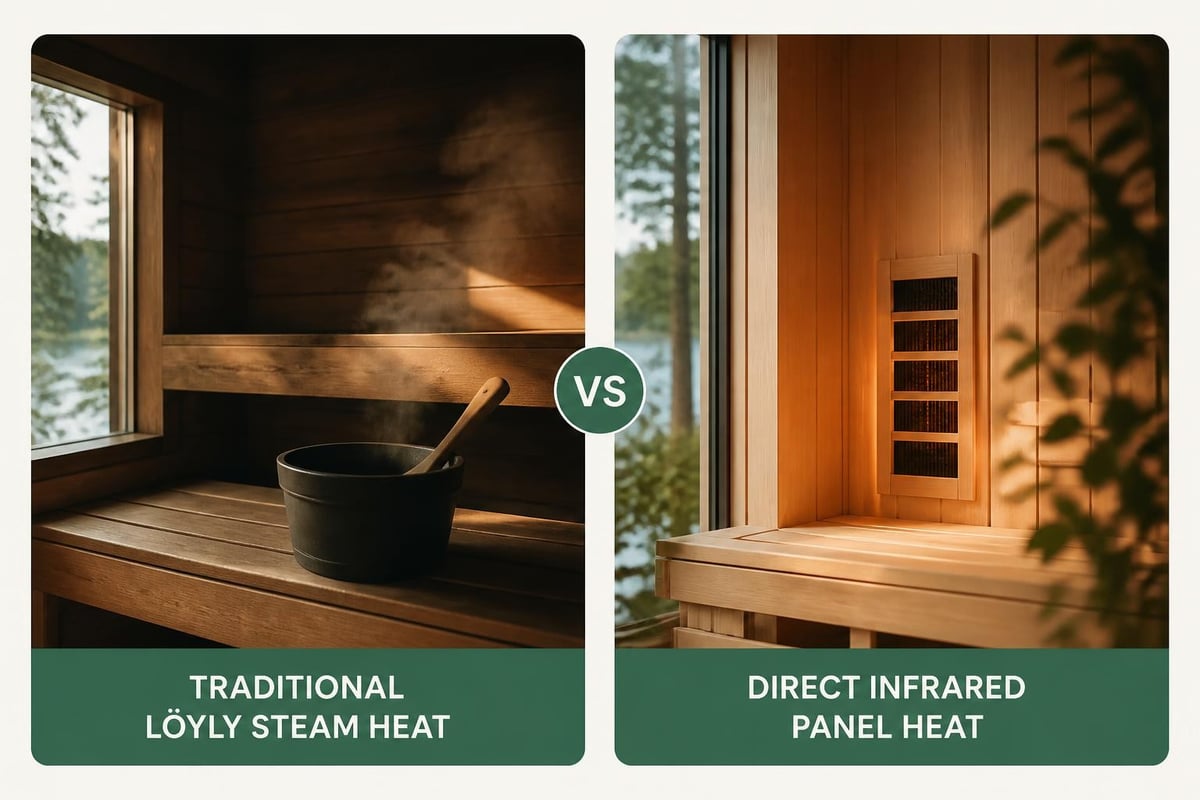
Traditional sauna heats air and creates humidity through löyly, the steam that rises when you throw water on stones heated to 900°F. Your body responds to the hot, humid environment.
Infrared skips that entirely. The panels emit wavelengths that penetrate skin and warm tissue directly. The air stays cooler.
| Feature | Traditional Sauna | Home Infrared Sauna |
|---|---|---|
| Heat Source | Electric or wood heater with stones | Infrared panels (no stones) |
| Temperature | 150-195°F | 120-140°F |
| Humidity | Variable with water on stones | Dry air only |
This creates a different sensory experience. Traditional sauna feels intense and enveloping. Infrared feels milder but still produces sweat.
The Three Infrared Wavelengths
Infrared saunas use near, mid, or far wavelengths. Each penetrates to different depths.
Far infrared is most common in home units. It penetrates about 1.5 inches and warms the body gradually. Most manufacturers focus here.
Near infrared reaches surface tissue and is sometimes used for skin-related applications. Less common as a standalone option.
Full spectrum combines all three. More expensive but offers broader exposure.
The science on wavelength benefits remains associational, not definitive. Research shows correlations with relaxation and muscle recovery, but mechanisms are still being studied.
What to Consider Before Buying
Size determines comfort and heating efficiency. A two-person unit needs roughly 48x48 inches of floor space. Larger models accommodate three to four people but require more power and longer preheat times.
Installation requirements:
- Most home units run on standard 120V outlets
- No plumbing or ventilation needed
- Indoor placement in basements, spare rooms, or garages
- Assembly typically takes 1-2 hours
Wood choice affects durability and maintenance. Canadian Hemlock resists moisture and stays affordable. Red Cedar adds natural aroma and costs more. Both handle daily use when properly maintained.
Heater Type and EMF Levels
Carbon panels distribute heat evenly across larger surface areas. Ceramic elements focus heat in smaller zones and reach temperature faster.
EMF (electromagnetic field) exposure matters to some buyers. Standard infrared saunas measure 3-10 milligauss at sitting distance. Low EMF models register under 3 milligauss.
Safety guidelines recommend checking EMF levels if you plan daily use or have specific sensitivities.
Panel placement shapes the experience. Floor heaters add warmth to feet and lower legs. Back and side panels create even coverage. Corner units with panels on three sides heat efficiently in compact spaces.
Power, Preheat, and Daily Use
A home infrared sauna draws 1600-2400 watts. Smaller units use less. Larger models may approach the upper limit of a standard circuit.
Preheat time runs 10-20 minutes for most units. Traditional sauna needs 30-45 minutes. If you value quick daily sessions, this difference matters.
| Unit Size | Typical Power Draw | Preheat Time |
|---|---|---|
| 1-2 person | 1600W | 10-15 min |
| 2-3 person | 2000W | 15-20 min |
| 3-4 person | 2400W | 20-25 min |
Operating cost depends on local electricity rates and session frequency. A 20-minute session at $0.12 per kWh costs roughly $0.08 with a 2000W unit.
The Golden Designs Llumeneres Full Spectrum Zero EMF Sauna combines low EMF carbon panels with full spectrum heating in a two-person layout that fits most indoor spaces. Canadian Reforested Hemlock construction and plug-and-play setup make it straightforward for daily use without special electrical work.

Session Duration and Temperature Settings
Most infrared sessions run 20-40 minutes. The lower temperature allows longer exposure without discomfort.
Temperature controls are digital and precise. Set your target between 120-140°F based on tolerance and preference. First-time users often start at 120°F and adjust upward.
Hydration matters more than you expect. Drink water before, during, and after. Even at lower temperatures, sweating increases fluid loss.
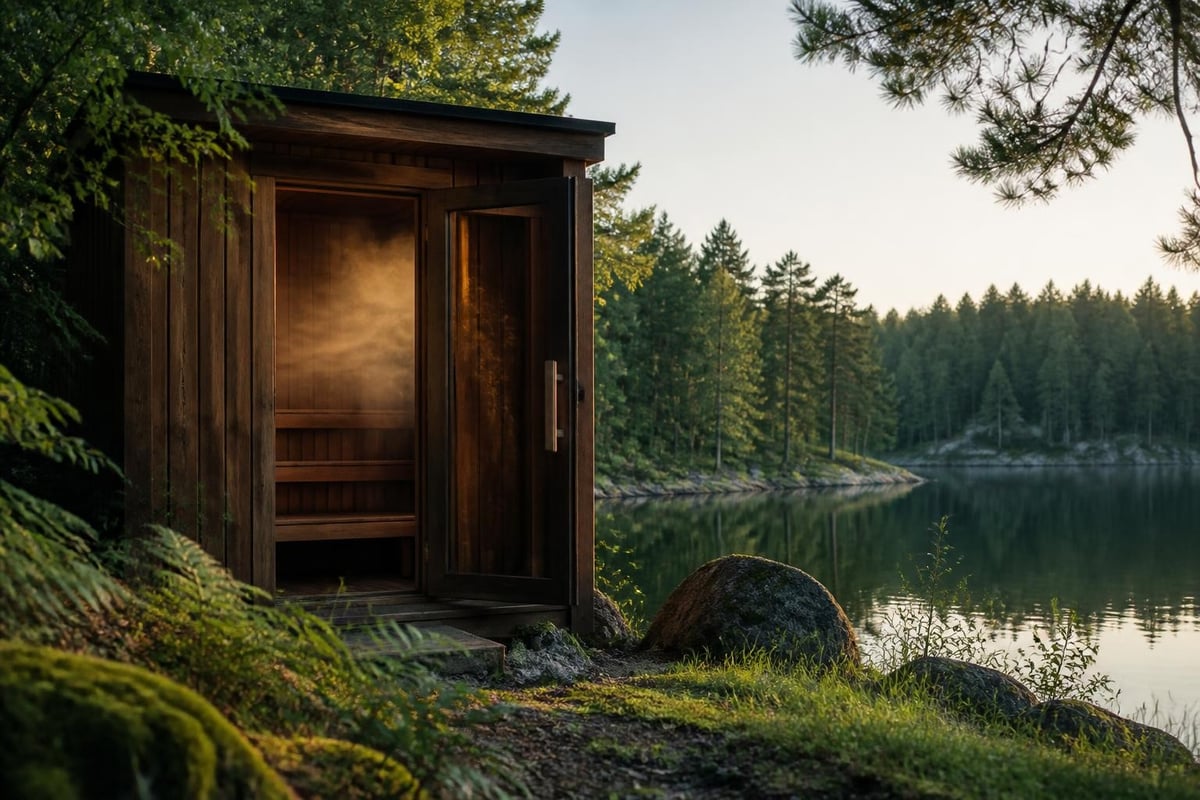
Indoor Placement and Space Planning
Basement installations are common in colder climates. Temperature stability, privacy, and direct access to showers make basements practical.
Spare bedrooms work if you have the floor space. Place the unit away from walls to allow air circulation and simplify maintenance.
Garages require climate consideration. Unheated garages in Minnesota or Ontario get too cold in winter for comfortable year-round use. Insulated garages with climate control work better.
Clearance requirements:
- 2-3 inches from walls for ventilation
- Level floor to prevent door alignment issues
- Nearby outlet within 6 feet
- Enough overhead space for roof vent if applicable
Some homeowners pair infrared with contrast therapy setups, placing the unit near a cold plunge. If outdoor space allows, luxury outdoor kitchens from specialists like Cotswold Cooking Company can create a year-round wellness and entertainment area that integrates sauna, cold plunge, and cooking zones.
Health Associations and Safety Limits
Research indicates associations between regular infrared sauna use and improved circulation, muscle recovery, and relaxation. These are correlations, not proven causal relationships.
The body's response to heat stress appears similar across sauna types, though the mechanisms differ. Traditional sauna creates cardiovascular load through high ambient temperature. Infrared warms tissue directly at lower air temperature.
When to Avoid or Modify Use
Certain conditions require medical clearance before starting infrared sauna sessions:
- Cardiovascular conditions or blood pressure medication
- Pregnancy
- Recent surgical procedures
- Chronic conditions affecting temperature regulation
Alcohol and sauna do not mix. Impaired judgment and dehydration create serious risk.
Start conservatively. Ten-minute sessions at 120°F let you assess tolerance before increasing duration or temperature.
Brands and Build Quality
North American infrared sauna manufacturers source components globally and assemble domestically. Quality varies by wood grade, panel construction, and control systems.
Canadian Hemlock and Red Cedar dominate material choices. Both resist moisture and maintain structural integrity with regular use. Red Cedar costs more and adds natural scent.
Glass quality matters for safety and longevity. Tempered glass doors handle temperature fluctuation without cracking. Privacy glass adds visual screening without reducing light.
Control features worth comparing:
- Digital temperature readout accuracy
- Timer with auto-shutoff
- Chromotherapy lighting options
- Bluetooth audio integration
Brand reputation correlates with component sourcing and customer support. Established manufacturers maintain parts inventory and respond to warranty issues consistently.
Our infrared sauna collection includes units from Golden Designs, Maxxus, and Orivon Wellness, manufacturers we work with directly and trust for North American customers.
Assembly and Maintenance
Most home infrared saunas ship as prefabricated panels with tongue-and-groove or clasp-together assembly. Two people can complete setup in 60-90 minutes with basic tools.
Assembly steps:
- Unpack and inventory all panels and hardware
- Position floor panel and secure corner posts
- Attach wall panels in sequence
- Install roof panel and secure fasteners
- Mount door and connect electrical panel
- Attach benches and heater controls
Wiring is plug-and-play. Connect the heater panel to the control unit, plug into a standard outlet, and power on.
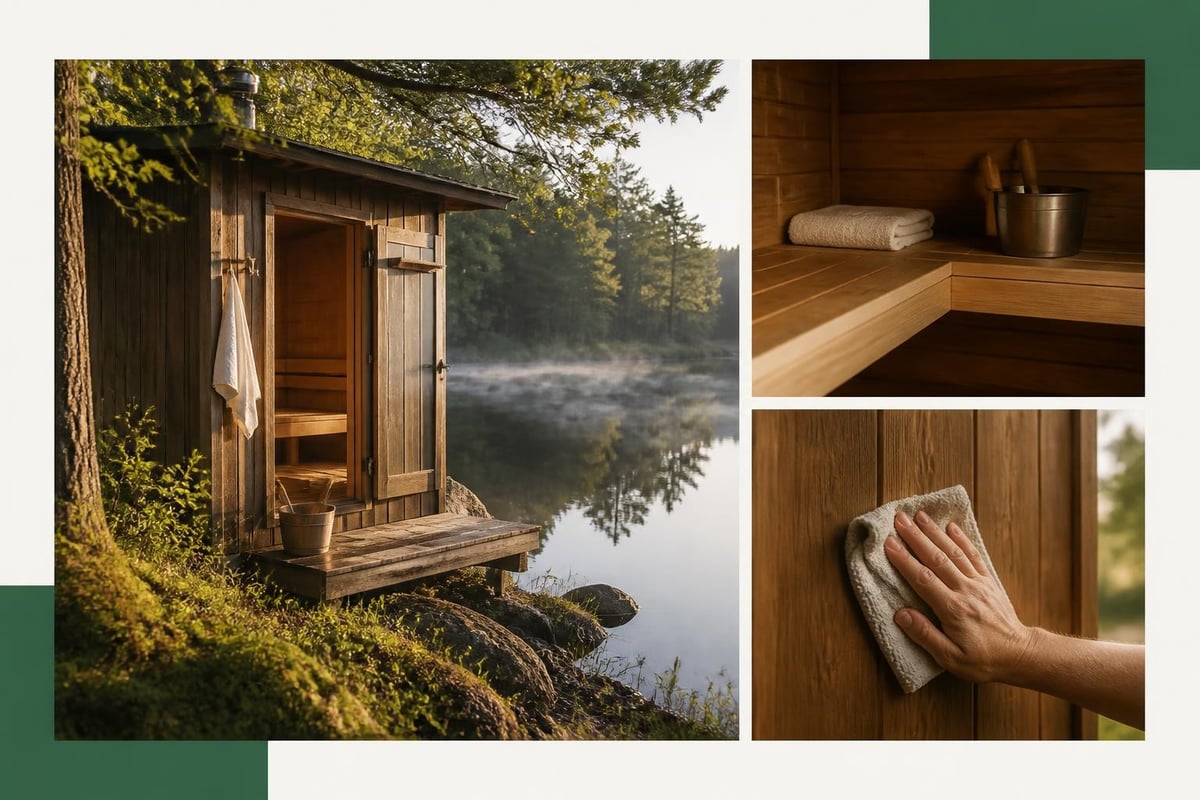
Maintenance is minimal compared to traditional sauna. No stones to replace, no water to manage, no ventilation duct cleaning.
Monthly care routine:
- Wipe interior wood with damp cloth
- Vacuum floor and bench surfaces
- Check door seal and hinges
- Test temperature controls
Annual inspection should include checking electrical connections and panel condition.
Cost Factors Beyond Purchase Price
A quality two-person home infrared sauna ranges from $1,800 to $4,500 depending on wood type, heater technology, and features. Full spectrum models cost more than far infrared only.
Installation adds minimal cost if you handle assembly yourself. Professional installation runs $200-400 for complex setups.
Operating costs stay low. Twenty minutes daily at $0.12 per kWh adds roughly $2.40 monthly to your electric bill.
Replacement parts are infrequent but worth budgeting for. Heater panels last 5-10 years under normal use. Control units occasionally need replacement after heavy use.
Compare total ownership cost over five years, not just purchase price. A well-built unit with accessible parts support costs less long-term than a cheaper model with limited manufacturer backing.
A Note from Lake Saimaa
I grew up throwing water on stones in my family's sauna on Lake Saimaa, where the tradition runs unbroken for generations. Infrared is different, not wrong. It serves people who want dry heat, lower temperatures, or faster sessions. Both have their place. The best sauna is the one you actually use.
Common Questions About Home Infrared Saunas
How long does a home infrared sauna session take?
Most sessions run 20-40 minutes at 120-140°F. Start with shorter times and increase as you adapt.
Can I install an infrared sauna in my basement?
Yes. Most units need only a standard 120V outlet, level floor, and 2-3 inches clearance around walls for ventilation.
Is infrared sauna safe for daily use?
Research suggests daily use is safe for healthy adults. Consult your doctor if you have cardiovascular conditions or take blood pressure medication.
What is the difference between far infrared and full spectrum?
Far infrared penetrates deeper and is most common. Full spectrum adds near and mid wavelengths for broader exposure but costs more.
Do I need special electrical work for a home infrared sauna?
Most residential units run on standard 120V outlets without upgrades. Verify your model's requirements before purchase.
A home infrared sauna offers a practical entry point into regular heat therapy without the space, complexity, or operating demands of traditional Finnish sauna. Both approaches appear to support recovery and relaxation through different mechanisms. Your choice depends on available space, heat preference, and how you plan to use it. At RecoSauna, we answer every question personally because finding the right sauna takes time and individual consideration. Ask Petri About Your Sauna and we will work through your specific situation together.
Share:
Single Person Sauna: Types, Sizing & What to Consider
Personal Sauna Buying Guide: Types, Sizes & Setup (2026)