
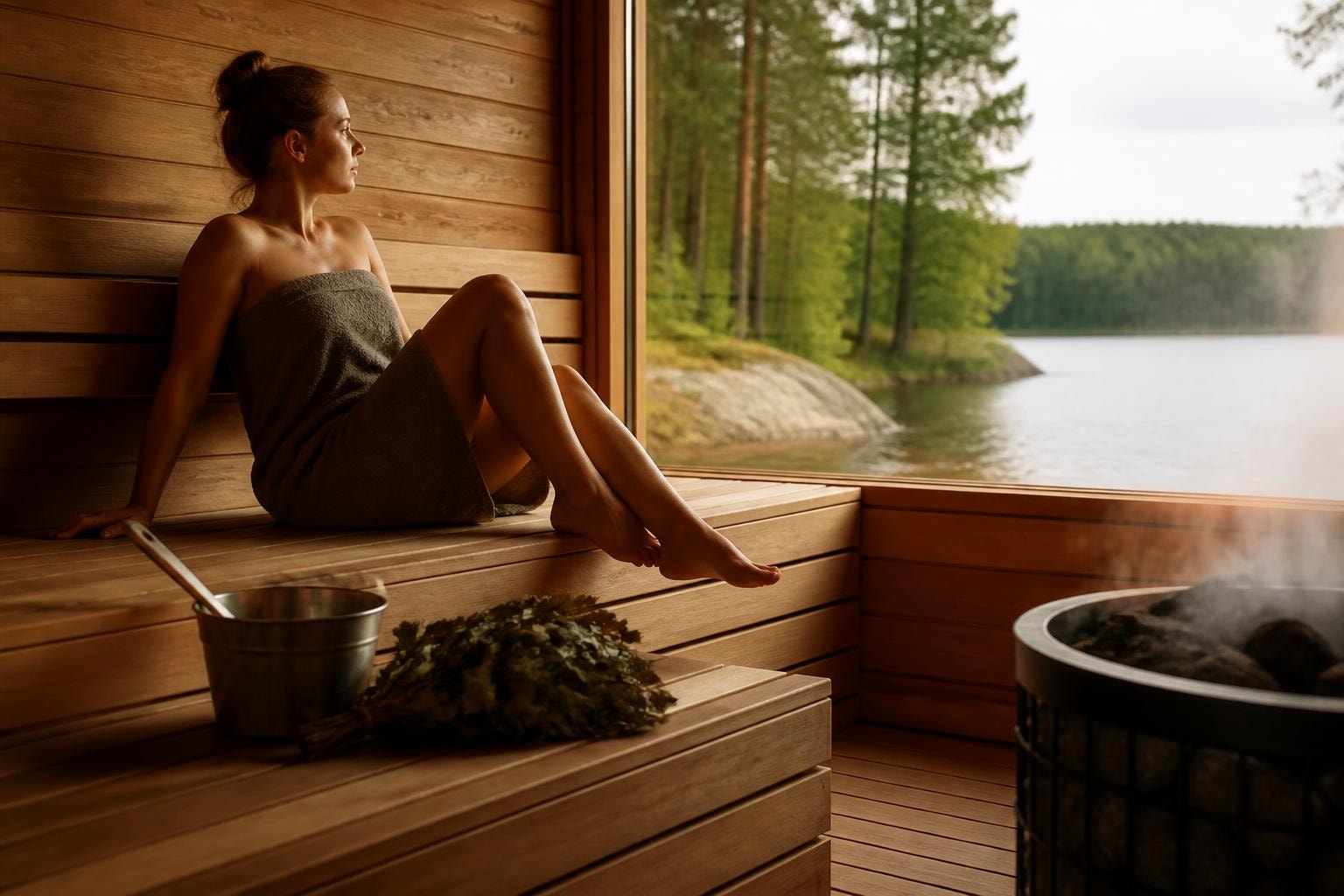
The finnish sauna represents far more than a heated room. It embodies centuries of Nordic tradition, a cultural cornerstone that has shaped Finnish identity and wellness practices across generations. From rural cottages to modern urban homes, the finnish sauna remains a sacred space where families gather, stress dissolves, and the body finds restoration through intentional heat exposure. Understanding this tradition offers insight into why sauna culture has spread globally and how authentic Finnish design principles continue to influence modern wellness.
The Origins and Cultural Significance of Traditional Finnish Sauna
The history of the finnish sauna stretches back over 2,000 years, evolving from simple earth pits covered with animal skins to the sophisticated structures we recognize today. Early Finns discovered that controlled heat and steam created a powerful cleansing ritual that addressed both physical and spiritual needs. The Finnish sauna tradition developed as communities recognized its role in daily hygiene, childbirth, and even preparing the deceased for burial.
Traditional roles of the finnish sauna:
- Social gathering space for families and communities
- Site for important life events including births
- Cleansing ritual before major celebrations
- Therapeutic retreat for physical recovery
- Space for spiritual contemplation and renewal
In Finnish culture, the sauna experience goes beyond simple bathing. It represents a democratic space where social hierarchies dissolve, business negotiations occur, and authentic conversations flow freely. The ritual of heating the sauna, creating löyly (the steam produced when water meets hot stones), and alternating between heat and cooling cycles creates a rhythm that defines the Finnish approach to wellness.
The Architecture and Design Philosophy Behind Authentic Finnish Saunas
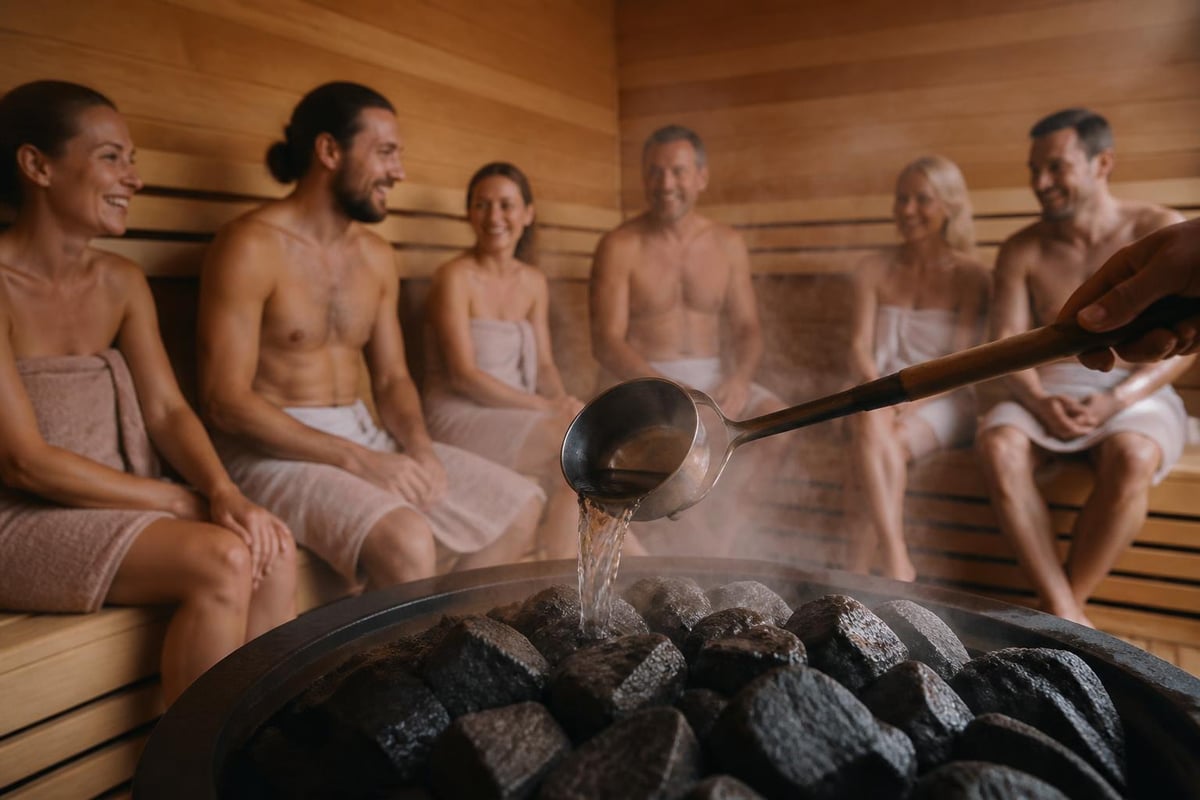
The construction of the finnish sauna follows specific principles that maximize heat efficiency while creating an environment conducive to relaxation. Traditional Finnish saunas feature wood interiors, typically pine, spruce, or cedar, chosen for their aromatic properties and ability to withstand temperature fluctuations. The room remains relatively small to conserve heat, with benches arranged at different heights to accommodate varying temperature preferences.
Proper ventilation distinguishes authentic Finnish sauna design from inferior imitations. Air should flow beneath the heater, rise as it warms, and exit through a vent positioned opposite the intake, creating continuous fresh air circulation without compromising heat retention. This sauna construction approach ensures comfortable breathing and optimal humidity control throughout the session.
| Design Element | Purpose | Traditional Material |
|---|---|---|
| Tiered benches | Temperature variation | Aspen or pine |
| Wood stove location | Even heat distribution | Corner placement |
| Ventilation system | Fresh air circulation | Low intake, high exhaust |
| Insulation | Heat retention | Natural wool or mineral |
| Door design | Heat seal | Small, well-fitted |
The heater serves as the heart of the finnish sauna. Traditional wood-burning stoves create an authentic experience, while electric heaters offer convenience for modern installations. Sauna stones sit atop the heater, storing thermal energy and producing steam when water splashes across their hot surfaces. This steam generation, fundamental to the Finnish sauna experience, requires proper stone selection and arrangement.
Health Benefits Supported by Scientific Research
Modern science has validated what Finnish culture understood intuitively for millennia. Regular sauna use delivers measurable cardiovascular benefits, with research indicating improved heart health among frequent sauna users. Studies tracking Finnish men over decades revealed that those who used saunas four to seven times weekly showed significantly reduced risks of fatal cardiovascular events compared to once-weekly users.
The physiological response to the finnish sauna mirrors moderate exercise. Heart rate increases, blood vessels dilate, and circulation improves as the body works to regulate temperature. This cardiovascular workout occurs without joint stress or physical exertion, making sauna bathing accessible to individuals unable to engage in traditional exercise.
Documented health benefits include:
- Reduced blood pressure and hypertension risk
- Improved circulation and vascular function
- Enhanced immune system response
- Reduced inflammation markers
- Improved respiratory function
- Mental health and stress reduction
- Better sleep quality and duration
Beyond cardiovascular health, the finnish sauna supports detoxification through intensive sweating. While the body primarily eliminates toxins through liver and kidney function, profuse sweating removes small amounts of heavy metals and chemicals stored in fat tissue. The deep relaxation achieved during sauna sessions also reduces cortisol levels, addressing the chronic stress that underlies numerous modern health conditions.
Temperature, Duration, and Session Guidelines
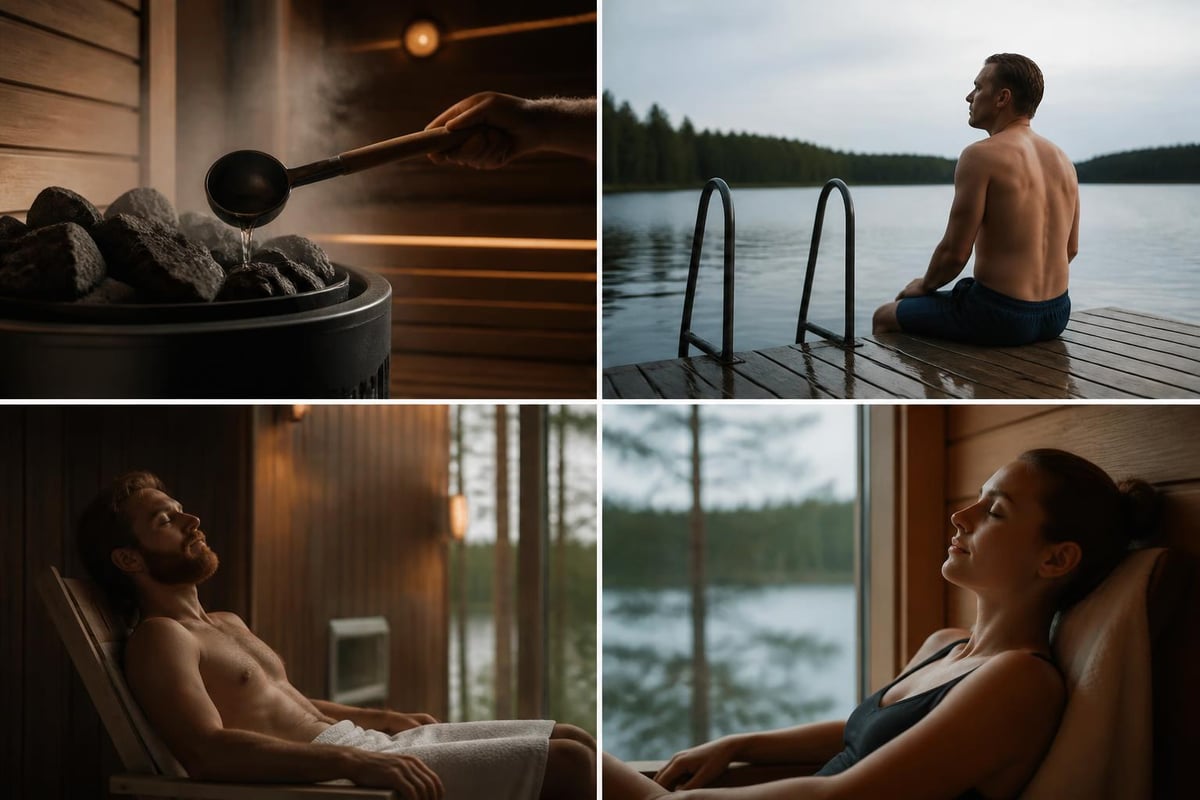
The traditional finnish sauna operates between 150°F and 195°F, significantly hotter than infrared alternatives. Sessions typically last 10 to 20 minutes, followed by cooling periods through cold showers, snow rolling, or lake plunges. This temperature contrast stimulates circulation and creates the invigorating effect sauna enthusiasts seek.
Beginners should start conservatively, sitting on lower benches where temperatures remain cooler. As heat tolerance develops, moving to higher benches intensifies the experience. Hydration before, during, and after sessions prevents dehydration, as a typical session can produce one to two pounds of sweat loss.
Finnish Sauna Etiquette and Proper Usage
Understanding proper sauna etiquette enhances both personal experience and respect for this cultural tradition. In Finland, nudity represents the standard practice, though many North American installations accommodate swimwear preferences. The key principle remains cleanliness: showering before entering prevents dirt and oils from contaminating the sauna environment.
Silence or quiet conversation characterizes the finnish sauna atmosphere. Loud talking, electronic devices, and disruptive behavior conflict with the meditative quality that defines authentic sauna culture. When multiple people share the space, consideration for others' comfort levels guides behavior, from water throwing frequency to temperature preferences.
Essential etiquette guidelines:
- Shower thoroughly before entering
- Sit on a towel to protect wood surfaces
- Keep conversation subdued and respectful
- Ask permission before throwing water on stones
- Close the door quickly to preserve heat
- Respect others' personal space and comfort
- Leave the sauna cleaner than you found it
The ritual of throwing water on heated stones, creating löyly, carries particular significance. In shared saunas, asking others' permission before adding steam shows respect for their experience. The quality of löyly depends on proper stone temperature, water purity, and throwing technique. Small amounts of water create better steam than large splashes, which cool stones excessively.
Modern Adaptations and Home Installation Considerations
The finnish sauna has evolved to accommodate contemporary homes and lifestyles while preserving essential design principles. Indoor saunas fit into basements, bathrooms, or dedicated wellness rooms, while outdoor models like barrel and cabin saunas create backyard retreats. Electric heaters simplify installation by eliminating chimney requirements, though purists maintain that wood-burning stoves provide superior ambiance and heat quality.
For those seeking the therapeutic benefits of heat therapy with lower temperatures and simplified installation, infrared technology offers an alternative approach. Models like the Lumin Infrared Sauna Two use far-infrared heat to penetrate deeply while operating at comfortable temperatures around 120-140°F. These units require only standard electrical outlets and minimal assembly, making them accessible for homeowners without space or infrastructure for traditional installations.
Comparing Traditional Finnish Sauna with Infrared Technology
| Feature | Traditional Finnish Sauna | Infrared Sauna |
|---|---|---|
| Temperature range | 150-195°F | 120-140°F |
| Heat source | Wood or electric stove with stones | Infrared heating panels |
| Installation complexity | Requires ventilation, electrical/gas | Plug-and-play setup |
| Preheat time | 30-45 minutes | 10-15 minutes |
| Humidity control | High, through water on stones | Low, dry heat |
| Energy efficiency | Moderate | High |
| Cultural authenticity | Traditional Finnish experience | Modern wellness approach |
Space requirements influence sauna selection for home installation. Traditional Finnish saunas need minimum dimensions of approximately 4x4 feet for single users, while family-sized models require 6x8 feet or larger. Ceiling height should accommodate tiered benching while maintaining heat efficiency, typically 6.5 to 7 feet. Proper electrical service, ventilation planning, and moisture management require professional assessment during the design phase.
Location selection balances convenience with practical considerations. Indoor saunas benefit from controlled environments and year-round accessibility but require careful waterproofing and ventilation integration. Outdoor saunas create distinct wellness retreats and simplify moisture management, though weather exposure demands durable construction and seasonal maintenance.
Building Materials and Construction Quality
Premium sauna construction relies on carefully selected wood species that withstand temperature extremes while releasing pleasant aromas. Western Red Cedar, popular in North American sauna construction, naturally resists moisture and decay while releasing a distinctive scent when heated. Eastern White Cedar offers similar properties with a lighter color and tighter grain pattern. Scandinavian pine and Nordic spruce remain traditional choices, prized for their clean appearance and minimal resin content.
Wood quality directly impacts sauna longevity and user experience. Clear, knot-free lumber prevents resin pockets that weep when heated. Kiln-dried wood minimizes warping and shrinkage as the sauna ages. Tongue-and-groove construction creates tight seals between panels, improving heat retention and structural stability.
Premium material characteristics:
- Low resin content to prevent sticky surfaces
- Minimal knots and grain irregularities
- Proper kiln drying for dimensional stability
- Natural resistance to moisture and decay
- Non-toxic, chemical-free treatment
- Pleasant aromatic properties when heated
Hardware selection reflects the harsh sauna environment. All metal components must resist corrosion from heat and humidity. Stainless steel or bronze hinges, door handles, and fasteners prevent premature failure. Specialized sauna-grade materials ensure safety and durability, from tempered glass doors to heat-resistant light fixtures designed for extreme conditions.
The Social Aspect of Finnish Sauna Culture
The finnish sauna functions as a social equalizer where professional titles and economic status hold no meaning. Finnish business culture frequently conducts negotiations and relationship building within sauna walls, where the informality and vulnerability of the shared experience foster honest communication. This practice demonstrates how the finnish sauna transcends simple wellness function to serve as a cornerstone of social interaction.
Family sauna traditions pass between generations, creating rituals that bind communities. Weekend sauna sessions bring extended families together, combining heat bathing with meals, conversation, and quality time. The rhythm of heating, bathing, cooling, and gathering creates a framework for meaningful connection increasingly rare in modern life.
Public saunas in Finland maintain this communal tradition, offering spaces where neighbors and strangers share the sauna experience. These facilities preserve cultural practices while making sauna access available regardless of home ownership. The democratic nature of public saunas reinforces the Finnish principle that sauna belongs to everyone.
Seasonal Use and Year-Round Benefits
The finnish sauna delivers distinct experiences across seasons, each offering unique benefits. Winter sauna sessions followed by snow rolling or ice swimming create intense temperature contrast that stimulates circulation and builds cold tolerance. The steamy warmth provides respite from dark, cold months that characterize Nordic winters, addressing seasonal affective disorder through heat therapy and ritual.
Summer saunas might seem counterintuitive, yet warm-weather bathing offers refreshing benefits. Evening sessions after outdoor activities cleanse the skin and relax tired muscles. Lakes and pools provide natural cooling options, creating the temperature variation central to authentic Finnish practice. The midnight sun of Nordic summers allows for extended evening sauna sessions in natural daylight.
Seasonal sauna practices:
- Winter: Snow rolling, ice swimming, longer heat exposure
- Spring: Moderate sessions, outdoor cooling, transition routines
- Summer: Evening bathing, lake cooling, lighter heat sessions
- Autumn: Return to intensive heat, preparing for winter
Year-round sauna use requires understanding how external temperature affects the experience. Cold weather demands longer preheating and higher operating temperatures to compensate for heat loss. Summer sessions may require reduced temperatures or shorter duration to prevent overheating. Adapting sauna protocols to seasonal conditions optimizes both comfort and benefits.
Maintenance and Long-Term Care
Proper maintenance preserves the finnish sauna investment while ensuring safe, pleasant experiences. Wood surfaces require minimal cleaning: regular brushing removes loose debris, while periodic washing with mild soap and water addresses staining. Avoiding harsh chemicals protects wood integrity and prevents toxic fumes during heating. Proper ventilation between sessions allows moisture to escape, preventing mold growth and wood deterioration.
Heater maintenance varies by type. Electric heaters need periodic stone replacement as thermal cycling causes breakdown. Stones should fill the heater basket properly, allowing air circulation while providing adequate thermal mass. Wood-burning stoves require chimney cleaning, ash removal, and combustion chamber inspection to maintain safety and efficiency.
The door seal represents a critical maintenance point. Gaps allow heat escape and compromise efficiency. Adjusting hinges and replacing worn weatherstripping maintains proper sealing. The door should close firmly without excessive force, creating an airtight seal when latched.
| Maintenance Task | Frequency | Purpose |
|---|---|---|
| Sweep benches and floor | After each use | Remove debris |
| Wipe down surfaces | Weekly | Prevent buildup |
| Deep clean interior | Monthly | Maintain hygiene |
| Replace sauna stones | Annually | Ensure proper steam |
| Inspect electrical components | Annually | Safety verification |
| Check door seal | Quarterly | Heat retention |
Outdoor saunas face additional weathering concerns. Regular inspection of roofing, siding, and foundation prevents water intrusion. Treating exterior wood with appropriate sealants protects against moisture, UV damage, and temperature cycling. Snow load removal in winter prevents structural stress, while ensuring proper drainage around the foundation prevents moisture accumulation.
Integrating Finnish Sauna into Modern Wellness Routines
Contemporary wellness practices increasingly recognize the finnish sauna as a powerful recovery and health optimization tool. Athletes incorporate sauna sessions into training protocols, using heat exposure to improve endurance, accelerate recovery, and simulate altitude training effects. The heat stress triggers adaptations similar to cardiovascular exercise, including increased red blood cell production and improved thermoregulation.
Combining sauna bathing with other recovery modalities amplifies benefits. Contrast therapy, alternating between sauna heat and cold plunge immersion, maximizes circulation and reduces inflammation. Stretching within the sauna environment takes advantage of increased tissue pliability from heat, improving flexibility work effectiveness. Mindfulness practices, meditation, and breathing exercises find natural homes within the quiet, focused sauna atmosphere.
Frequency recommendations vary based on individual goals and tolerance. Finnish research suggesting optimal cardiovascular benefits from four to seven weekly sessions provides guidance, though even occasional sauna use delivers measurable improvements. Consistency matters more than session length: regular 15-minute sessions outperform sporadic extended bathing from both habit formation and physiological adaptation perspectives.
Weekly wellness integration strategies:
- Post-workout recovery sessions (2-3 times)
- Weekend family relaxation ritual (1-2 times)
- Evening stress reduction routine (2-3 times)
- Social gathering occasions (1 time)
- Active recovery day complement (1-2 times)
The finnish sauna complements rather than replaces other wellness practices. Used strategically within comprehensive health routines, it addresses stress management, cardiovascular health, recovery, and social connection. This multifaceted approach reflects the Finnish understanding that true wellness encompasses physical, mental, and social dimensions.
Selecting the Right Finnish Sauna for Your Needs
Choosing the appropriate sauna requires evaluating space, budget, intended use, and aesthetic preferences. Traditional indoor saunas offer year-round accessibility and controlled environments but demand significant installation investment. Outdoor models like barrel saunas provide cost-effective alternatives with distinctive aesthetics, though weather exposure requires consideration in harsh climates.
Capacity planning ensures the sauna accommodates intended users comfortably. Single-person units suit individual wellness routines and tight spaces. Two to four-person models serve couples and small families. Larger installations enable social gathering and entertaining, though operating costs and preheating times increase proportionally with size.
Heater selection significantly impacts both experience and operating economics. Electric heaters deliver convenience and consistent performance with straightforward installation. Wood-burning stoves provide authentic ambiance and independence from electrical infrastructure, appealing to those seeking traditional experiences or off-grid installations. Combination heaters offer flexibility, allowing both heating methods depending on circumstances.
Quality indicators separate premium saunas from budget alternatives. Thick wood panels (minimum 1.5 inches) provide superior insulation and durability. Proper framing supports structural integrity and prevents warping. Glass door quality, bench construction, and component integration reveal attention to detail that predicts long-term satisfaction. Canadian and Scandinavian-manufactured saunas typically demonstrate higher craftsmanship standards than imported alternatives.
The finnish sauna represents a time-tested wellness tradition that modern science continues validating through research into its cardiovascular, mental health, and longevity benefits. Whether you're drawn to traditional wood-fired rituals or modern infrared convenience, bringing authentic sauna culture into your home creates opportunities for daily restoration and family connection. RecoSauna offers premium Finnish-inspired saunas across outdoor, barrel, cabin, and infrared categories, with expert guidance to help you select the perfect model for your space and wellness goals.
Share:
Sauna Box: Complete Guide to Compact Wellness Solutions
Infrared in Home Sauna: Benefits & Buying Guide 2026