

The practice of using a sauna post workout has gained considerable attention among athletes, fitness enthusiasts, and wellness-focused individuals seeking to optimize their recovery protocols. This centuries-old tradition, now supported by modern scientific research, offers a range of physiological benefits that extend beyond simple relaxation. Understanding how heat therapy interacts with your body's recovery mechanisms can help you maximize training adaptations and accelerate the healing process after intense physical activity.
The Science Behind Post-Exercise Heat Therapy
When you step into a sauna after completing your training session, your body initiates a cascade of beneficial physiological responses. The elevated temperature triggers increased blood flow to muscles, delivering oxygen and nutrients essential for repair while simultaneously removing metabolic waste products that accumulate during exercise. This enhanced circulation creates an environment conducive to faster recovery and adaptation.
Heat shock proteins play a critical role in this recovery process. These specialized molecules activate in response to thermal stress, protecting cells from damage and facilitating protein synthesis. Research shows that regular sauna sessions after workouts can significantly improve endurance performance by reducing inflammation and enhancing cardiovascular function. The combination of exercise-induced stress and heat exposure creates a powerful stimulus for physiological adaptation.
Cardiovascular Adaptations
The cardiovascular system responds to sauna post workout sessions similarly to moderate aerobic exercise. Heart rate increases, blood vessels dilate, and cardiac output rises to meet the body's cooling demands. Over time, these repeated exposures can improve cardiovascular efficiency, lower blood pressure, and enhance overall heart health.

| Cardiovascular Metric | Response to Sauna | Recovery Benefit |
|---|---|---|
| Heart Rate | Increases 50-75% | Improved cardiac conditioning |
| Blood Flow | Enhanced by 60-70% | Faster nutrient delivery |
| Blood Pressure | Temporary decrease | Long-term cardiovascular health |
| Stroke Volume | Increased output | Better oxygen distribution |
Muscle Recovery and Soreness Reduction
One of the most compelling reasons athletes incorporate sauna post workout into their routines is the notable reduction in delayed onset muscle soreness (DOMS). The heat penetrates deep into muscle tissue, promoting relaxation and reducing the inflammatory response that typically follows intense training. This effect becomes particularly valuable during periods of high training volume or after particularly demanding sessions.
The mechanism behind this pain reduction involves several pathways:
- Enhanced lymphatic drainage removes metabolic byproducts more efficiently
- Increased endorphin production provides natural pain relief
- Reduced muscle tension through heat-induced relaxation
- Improved tissue elasticity allows for better range of motion
- Accelerated cellular repair through improved nutrient delivery
For those seeking to optimize their sauna experience after training, understanding the different types of heat therapy available can help match your specific recovery needs with the appropriate technology.
Traditional vs. Infrared Sauna Recovery
Both traditional and infrared saunas offer distinct advantages for post-workout recovery. Traditional saunas heat the air around you, creating an intensely hot environment that triggers profuse sweating and rapid cardiovascular response. Infrared saunas use light wavelengths to penetrate tissue directly, providing deeper muscle heating at lower ambient temperatures.
The choice between these technologies often depends on individual tolerance, recovery goals, and personal preference. Traditional saunas typically operate between 160-200°F, while infrared models function effectively at 120-140°F, making them more accessible for those sensitive to extreme heat.
Optimal Timing and Duration Strategies
The timing of your sauna post workout session significantly influences its effectiveness. Most research supports waiting 10-15 minutes after completing your cool-down before entering the sauna. This brief recovery period allows your core temperature to stabilize and prevents excessive physiological stress from compounding exercise-induced fatigue.
Recommended Duration by Experience Level:
- Beginners (weeks 1-4): Start with 10-minute sessions at moderate temperatures
- Intermediate (months 2-3): Progress to 15-20 minute sessions as tolerance improves
- Advanced (3+ months): Extend to 20-30 minute sessions with higher heat exposure
- Elite athletes: May benefit from 30-40 minute sessions under professional guidance
The comprehensive research on post-exercise sauna use indicates that consistency matters more than duration. Regular 15-20 minute sessions three to four times weekly produce superior results compared to infrequent longer exposures.

Temperature and Heat Exposure Guidelines
Managing temperature exposure requires attention to both ambient heat and personal physiological responses. Begin with lower temperatures and gradually increase as your heat tolerance develops. Monitor how your body responds throughout each session, particularly during the first few minutes when cardiovascular adjustments are most pronounced.
| Temperature Range | Sauna Type | Best For | Session Length |
|---|---|---|---|
| 120-140°F | Infrared | Deep muscle recovery, beginners | 20-30 minutes |
| 150-170°F | Traditional | Moderate intensity recovery | 15-20 minutes |
| 170-190°F | Traditional | Advanced users, detoxification | 10-15 minutes |
| 190-200°F | Traditional | Short high-intensity exposure | 8-12 minutes |
Hydration and Safety Considerations
Proper hydration forms the foundation of safe and effective sauna post workout practices. The combined fluid loss from exercise and heat exposure can be substantial, potentially exceeding 1-2 liters during a single session. Replacing these fluids with water and electrolyte-containing beverages prevents dehydration and maintains optimal physiological function.
Pre-Sauna Hydration Protocol:
- Consume 16-20 ounces of water immediately after your workout
- Wait 10-15 minutes before entering the sauna
- Bring additional water into the sauna for sipping during the session
- Avoid alcohol or caffeine before and during sauna use
- Monitor urine color as a hydration indicator
Safety extends beyond hydration to include awareness of contraindications and warning signs. Individuals with cardiovascular conditions, pregnant women, and those taking certain medications should consult healthcare providers before incorporating regular sauna sessions into their recovery routines.
Recognizing Warning Signs
Your body provides clear signals when heat exposure becomes excessive. Dizziness, nausea, rapid heartbeat, headache, or confusion indicate the need to exit immediately and cool down. These symptoms typically resolve quickly with rest in a cool environment and fluid intake, but persistent issues warrant medical attention.
Understanding the balance between benefits and risks ensures that your recovery protocol enhances rather than compromises your training outcomes. Start conservatively and progress gradually as your heat tolerance improves.
Performance Enhancement Through Heat Adaptation
Beyond immediate recovery benefits, regular sauna post workout sessions trigger long-term adaptations that directly improve athletic performance. Heat acclimation increases blood plasma volume by 10-15%, enhancing cardiovascular capacity and thermoregulation during training. This adaptation proves particularly valuable for endurance athletes and those training in warm climates.
The mechanism involves expanded blood volume, which improves oxygen delivery to working muscles while simultaneously enhancing cooling capacity through increased sweating efficiency. These changes manifest as improved performance markers across various athletic endeavors, from running and cycling to resistance training and team sports.

Endurance and Strength Gains
Studies examining heat therapy's impact on physical performance reveal impressive results. Athletes incorporating 30-minute sauna sessions after workouts demonstrated significant improvements in time-to-exhaustion tests, running economy, and overall endurance capacity. The physiological mechanisms behind these improvements include enhanced mitochondrial function, improved cardiovascular efficiency, and better heat shock protein expression.
Strength athletes also benefit from sauna post workout routines, though through different pathways. The enhanced growth hormone release triggered by heat exposure supports muscle hypertrophy and recovery. Combined with improved nutrient delivery and reduced inflammation, these factors create an optimal environment for strength development and body composition improvements.
Combining Cold and Heat Therapy
The strategic combination of cold and heat exposure, known as contrast therapy, offers synergistic recovery benefits that exceed either modality alone. Many athletes alternate between cold plunge sessions and sauna exposure to maximize circulation, reduce inflammation, and accelerate recovery. This approach capitalizes on vasoconstriction during cold exposure followed by vasodilation in the heat.
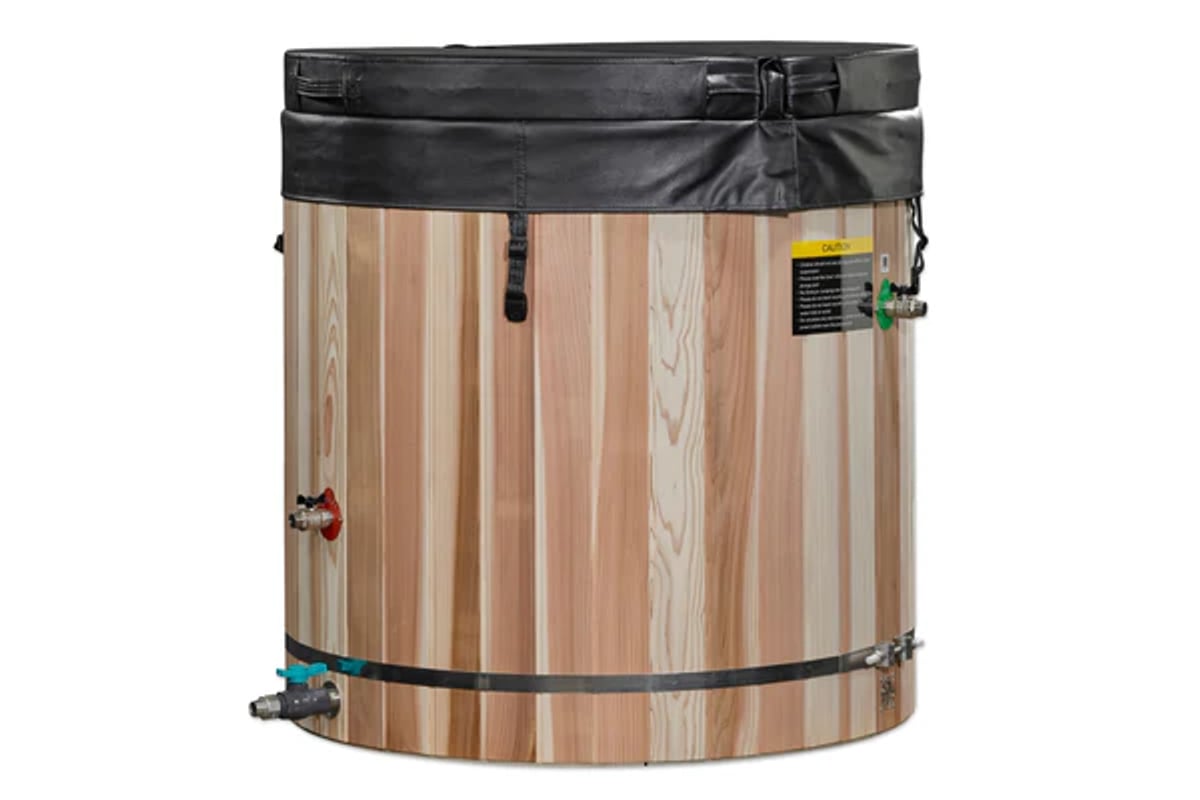
For those building a comprehensive home recovery setup, pairing an outdoor sauna with a cold plunge system creates a professional-grade recovery station. The Dynamic Cold Therapy Barrel offers an excellent complement to regular sauna sessions, providing the cold exposure component necessary for complete contrast therapy protocols.
Integrating cold immersion into your sauna post workout routine optimizes recovery through multiple mechanisms. The cold reduces acute inflammation and numbs pain receptors, while subsequent heat exposure promotes healing and adaptation. This one-two approach proves particularly effective during high-volume training phases or competition periods.
Effective Contrast Therapy Protocol:
- Complete your workout and initial cool-down (10 minutes)
- Cold plunge immersion at 50-59°F (2-3 minutes)
- Brief rest period at room temperature (2-3 minutes)
- Sauna session at preferred temperature (15-20 minutes)
- Optional second cold exposure (1-2 minutes)
- Final rest and rehydration period (10+ minutes)
Integrating Sauna Sessions Into Training Programs
Successful integration of sauna post workout sessions requires thoughtful planning aligned with your training cycle and recovery needs. High-intensity training days benefit most from heat therapy, while lighter active recovery days may not require additional stress. Periodizing your sauna use to match training demands optimizes adaptation while preventing excessive fatigue accumulation.
Consider these factors when scheduling recovery sessions:
- Training intensity: Higher intensity workouts warrant longer or hotter sauna exposure
- Weekly volume: Limit sauna sessions during peak volume weeks to prevent overtraining
- Competition proximity: Reduce frequency 7-10 days before major competitions
- Recovery status: Adjust duration based on accumulated fatigue and soreness levels
- Sleep quality: Monitor how evening sessions affect sleep onset and quality
Comparing sauna timing strategies reveals that post-exercise sessions generally provide superior recovery benefits compared to pre-workout use. The elevated core temperature from training primes your body for additional heat stress, maximizing the adaptive response.
Seasonal Considerations and Adjustments
Environmental temperature influences how your body responds to sauna post workout sessions. During winter months, when outdoor training occurs in cold conditions, sauna use provides additional warming benefits and may require longer sessions. Summer training in hot climates necessitates more conservative approaches, with shorter durations and lower temperatures to prevent heat-related complications.
Athletes should adjust their protocols based on ambient conditions, recent heat exposure, and individual tolerance. The emotional and physical benefits of regular sauna use extend throughout the year when properly adapted to seasonal variations and training demands.
Personalization and Individual Response
Individual variability in heat tolerance, recovery capacity, and training status means that sauna post workout protocols require personalization. What works optimally for one athlete may prove excessive or insufficient for another. Experimenting with different temperatures, durations, and frequencies helps identify your ideal recovery formula.
Track these variables to optimize your approach:
| Variable | Tracking Method | Adjustment Indicators |
|---|---|---|
| Perceived recovery | Daily wellness questionnaire | Modify duration/frequency |
| Performance metrics | Training data analysis | Adjust timing relative to hard sessions |
| Sleep quality | Sleep tracking device | Alter evening session protocols |
| Soreness levels | Subjective pain scale | Increase/decrease temperature |
| Heart rate variability | HRV monitoring | Fine-tune stress management |
Your response to heat therapy evolves as fitness improves and heat adaptation occurs. Regular reassessment ensures your protocol remains aligned with current needs and capacity. Some individuals thrive with daily sessions, while others achieve optimal results with 2-3 weekly exposures.
Creating Your Home Recovery Sanctuary
Establishing a dedicated recovery space at home transforms sporadic sauna use into a consistent practice that yields cumulative benefits. Barrel saunas offer an excellent combination of traditional aesthetics, efficient heating, and space-conscious design for residential installations. Their cylindrical shape promotes optimal air circulation and heat distribution while creating an inviting recovery environment.
The convenience of home access eliminates barriers to consistent use, allowing you to implement sauna post workout sessions immediately after training without travel time or scheduling constraints. This accessibility proves crucial for maintaining adherence during busy periods or inclement weather when visiting commercial facilities becomes challenging.
Modern sauna technology offers various options suited to different spaces, budgets, and preferences. From compact indoor infrared models to traditional outdoor cedar structures, selecting the right system depends on available space, desired capacity, and specific recovery goals. Quality construction using premium materials ensures years of reliable performance and enjoyable recovery sessions.
Regular sauna post workout sessions represent a scientifically validated recovery tool that enhances performance, accelerates healing, and supports long-term athletic development. By understanding optimal timing, duration, and safety protocols, you can harness heat therapy's powerful benefits while minimizing risks. Whether you're a competitive athlete or fitness enthusiast, incorporating structured sauna use into your recovery routine provides measurable advantages that compound over time. RecoSauna offers an extensive selection of premium saunas designed to meet diverse recovery needs, from traditional outdoor barrel models to advanced infrared systems, helping you build the perfect home wellness sanctuary for optimal post-training recovery.
Share:
Outdoor Home Sauna: Guide to Backyard Wellness in 2026
Outdoor Sauna 2 Person: A Finnish Buyer's Guide (2026)