
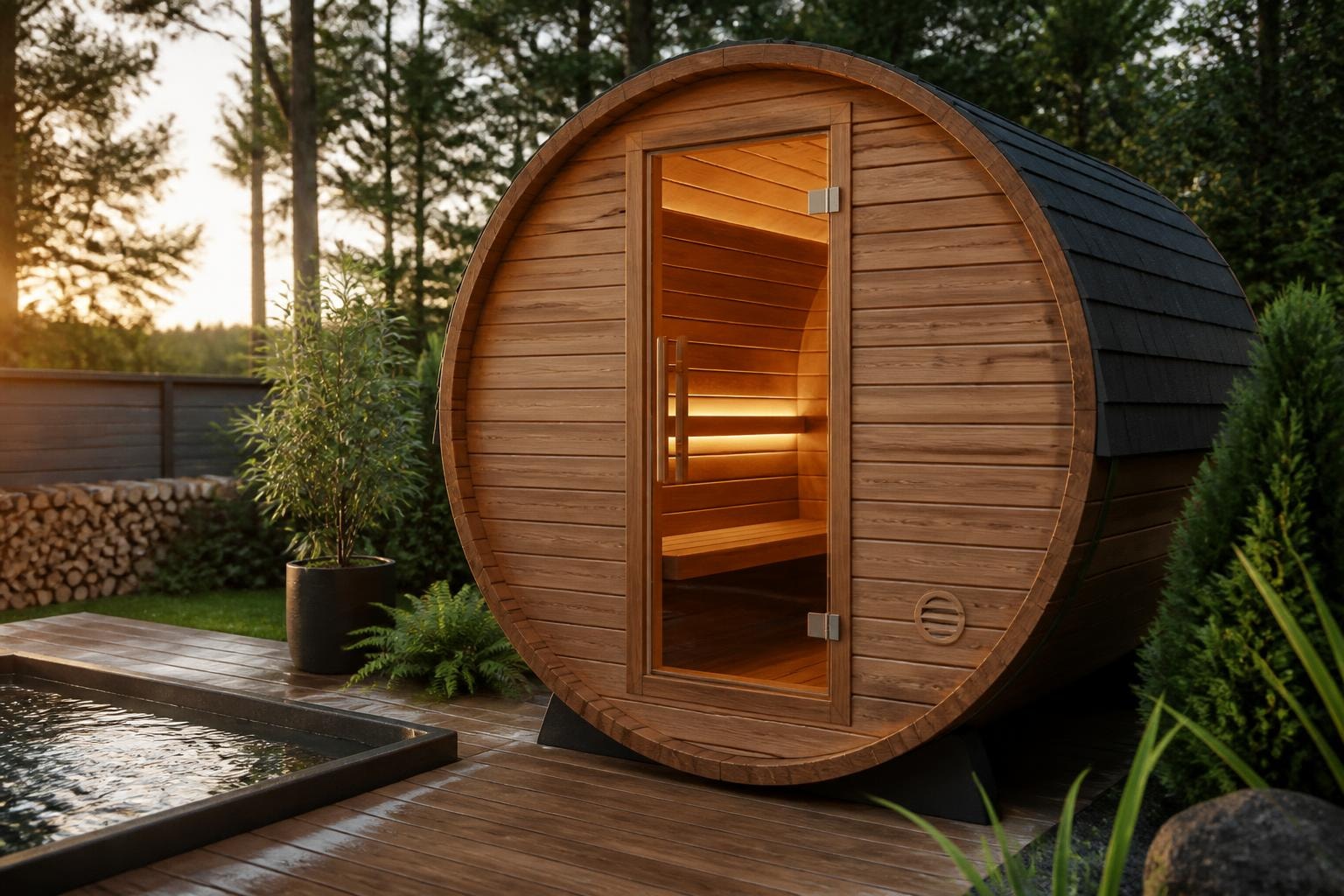
The wellness industry has witnessed remarkable innovation in recent years, with the sauna pod emerging as one of the most compelling solutions for home-based heat therapy. This compact, efficient design delivers the traditional benefits of sauna bathing while addressing modern constraints around space, installation, and energy efficiency. Whether you're exploring wellness options for a small backyard or seeking a contemporary alternative to conventional saunas, understanding the unique characteristics of pod-style designs will help you make an informed investment in your health and property value.
Understanding the Sauna Pod Concept
A sauna pod represents a specific category of compact, self-contained sauna structures designed with space efficiency and modern aesthetics in mind. Unlike traditional rectangular cabin saunas, these units typically feature rounded or capsule-like profiles that optimize heat circulation while minimizing the physical footprint required for installation.
The architectural philosophy behind sauna pods focuses on creating an intimate, enclosed environment that maximizes thermal efficiency. The curved walls and compact interior volume allow for faster heating times and reduced energy consumption compared to larger structures. This design approach makes pod saunas particularly attractive for urban homeowners, apartment dwellers with balconies, or anyone working within limited outdoor space.
Design Variations and Construction Methods
Modern sauna pods come in several distinct configurations, each offering specific advantages:
- Barrel-style pods with horizontal cylindrical construction that promotes natural heat convection
- Vertical capsule designs optimized for single-user experiences and minimal ground space
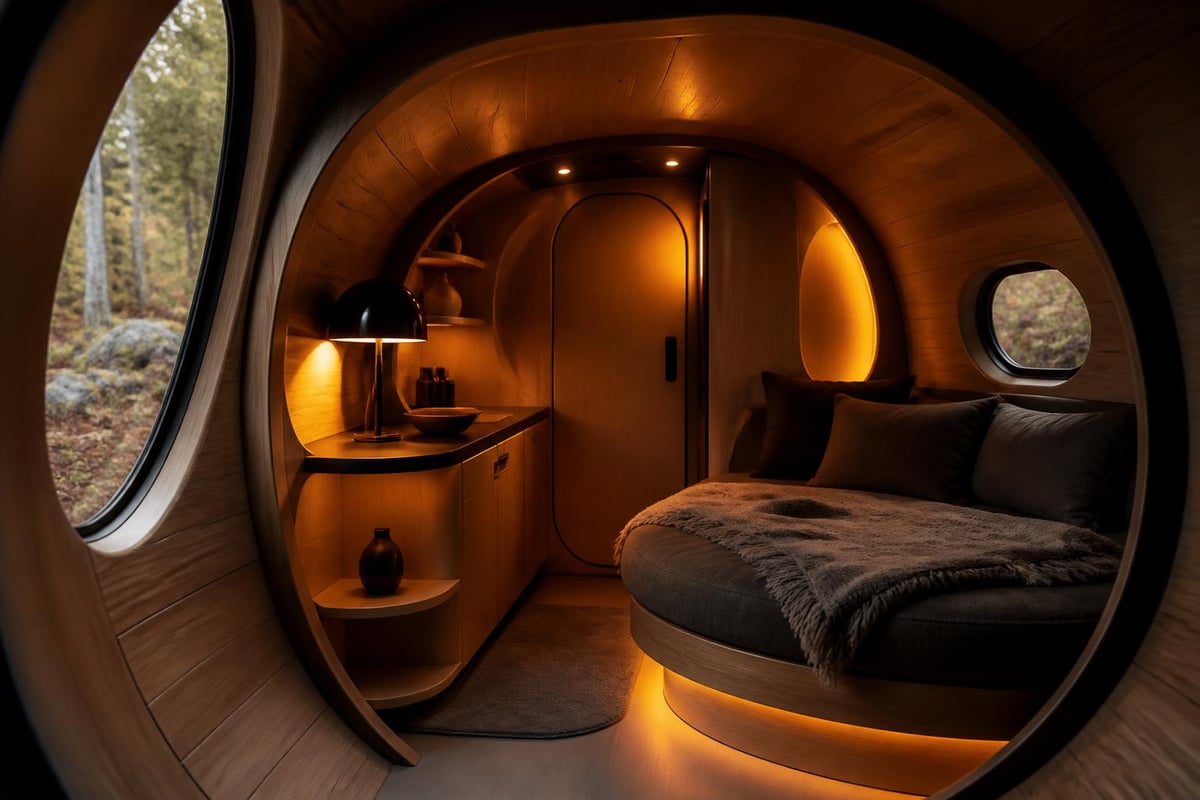
- Oval or egg-shaped structures that blend aesthetic appeal with functional heating efficiency
- Portable pod units featuring lightweight materials and simplified assembly processes
The construction materials significantly impact both performance and longevity. Premium options utilize Canadian Eastern White Cedar or Red Cedar, which naturally resist moisture damage, provide excellent insulation properties, and release pleasant aromatic compounds when heated. Alternative constructions may incorporate hemlock, Nordic spruce, or even modern composite materials designed for outdoor durability.
Health Benefits and Therapeutic Applications
The physiological benefits of regular sauna use have been extensively documented, and sauna pods deliver these same advantages within a more accessible format. Heat exposure triggers numerous beneficial responses throughout the body's systems, making consistent sauna sessions a valuable component of comprehensive wellness routines.
Cardiovascular improvements represent one of the most significant health impacts. Regular heat therapy sessions cause blood vessels to dilate, improving circulation and potentially reducing blood pressure over time. The cardiovascular workout provided by sauna bathing can complement traditional exercise programs, particularly for individuals with mobility limitations.
Primary Wellness Advantages
| Benefit Category | Specific Effects | Session Frequency |
|---|---|---|
| Cardiovascular Health | Improved circulation, reduced blood pressure | 3-4 times weekly |
| Detoxification | Enhanced sweating, metabolic waste removal | 2-3 times weekly |
| Muscle Recovery | Reduced inflammation, accelerated healing | Post-workout use |
| Mental Wellness | Stress reduction, improved sleep quality | Daily or as needed |
| Skin Health | Deep cleansing, improved complexion | 2-4 times weekly |
Detoxification through perspiration helps eliminate heavy metals and environmental toxins that accumulate in body tissues. While the body naturally processes these substances, sauna-induced sweating accelerates their removal through the skin's pores. This complementary detoxification pathway supports liver and kidney function.
Mental health benefits extend beyond simple relaxation. The quiet, private environment of a sauna pod creates an ideal setting for meditation, breathing exercises, or simply disconnecting from digital distractions. Many users report improved sleep quality when incorporating evening sauna sessions into their routines, as the subsequent drop in core body temperature after bathing promotes natural sleep onset.
Types of Sauna Pod Heating Systems
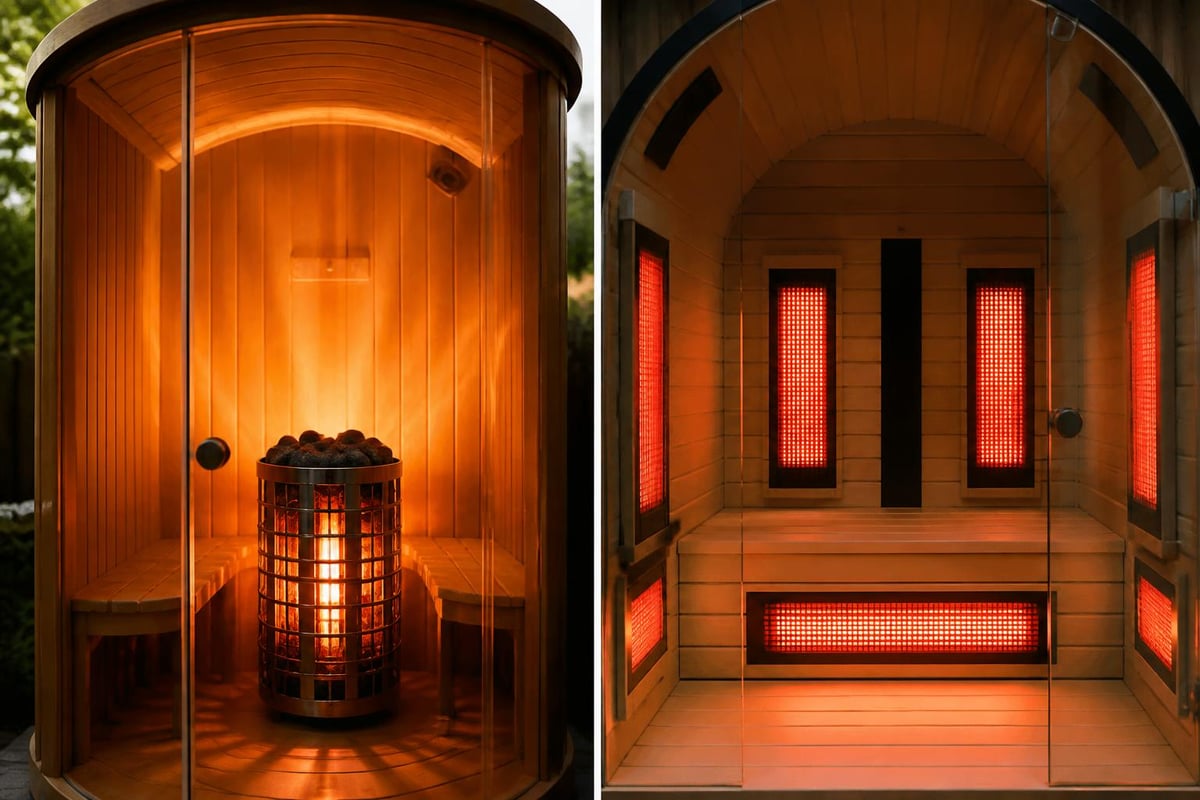
The heating technology integrated into your sauna pod fundamentally shapes the experience, energy requirements, and therapeutic benefits you'll receive. Modern installations typically utilize one of three primary heating approaches, each with distinct characteristics and ideal use cases.
Traditional Electric Heaters
Electric sauna heaters remain the most popular choice for residential pod installations. These units heat specialized sauna rocks that radiate warmth throughout the interior space, creating the classic high-temperature environment associated with Finnish-style bathing.
Key advantages include:
- Rapid heating times, typically 20-30 minutes to reach operating temperature
- Ability to adjust humidity levels through water application to heated stones
- Wide temperature range, generally 150-195°F depending on model
- Straightforward electrical installation with dedicated 220V circuits
Electric systems work exceptionally well in pod configurations because the compact interior volume requires less energy to heat and maintain temperature. Many premium models include digital controls that allow precise temperature management and programmable heating schedules.
Infrared Technology Integration
Infrared sauna pods utilize specialized panels that emit far-infrared, mid-infrared, or full-spectrum radiation to heat the body directly rather than warming the surrounding air. This fundamental difference creates a distinct bathing experience with specific therapeutic advantages.
The operating temperature for infrared pods typically ranges from 120-150°F, significantly lower than traditional saunas while still inducing profuse sweating. This lower ambient temperature makes infrared options more comfortable for users who find traditional high-heat environments challenging. For those interested in the broader applications of this technology, exploring infrared sauna benefits reveals additional health considerations.
Wood-Burning Options
Some outdoor sauna pod designs accommodate traditional wood-burning stoves, appealing to users who prefer the authenticity and ambiance of wood-fired heating. These systems require proper chimney installation and adequate ventilation but deliver an unmatched traditional experience.
Wood-burning options work best in larger pod designs with sufficient clearance for safe stove placement. The computational dynamics of wood-burning sauna heating reveal complex thermal patterns that experienced users learn to manage through strategic wood selection and loading techniques.
Installation Considerations and Site Preparation
Successfully integrating a sauna pod into your property requires careful planning around site selection, utility access, and local building requirements. These compact structures offer flexibility compared to full-size saunas, but they still demand proper preparation to ensure safe, efficient operation.
Location Selection Criteria
- Level foundation with adequate drainage to prevent water accumulation
- Electrical access for models requiring 220V connections or standard outlets for infrared units
- Privacy considerations based on glazing configuration and intended use patterns
- Proximity to the home for convenient access during cold weather
- Ventilation clearances around all sides for proper air circulation
Foundation requirements vary by pod weight and local climate conditions. Many manufacturers design their units to rest on concrete pads, paver foundations, or wooden deck structures. The specific foundation type should accommodate seasonal ground movement while keeping the structure level and stable.
Electrical installation represents a significant consideration, particularly for traditional electric heater models. These typically require dedicated 220V circuits installed by licensed electricians according to local electrical codes. Infrared pods often operate on standard 120V household current, simplifying the installation process considerably.
Permitting and Regulatory Compliance
Building permits for sauna pod installations vary widely by jurisdiction. Some municipalities classify small, pre-fabricated saunas as temporary structures that don't require permits, while others apply the same standards as permanent outbuildings.
Common regulatory considerations include:
- Setback requirements from property lines and existing structures
- Maximum structure size before permits become mandatory
- Electrical inspection for heater installations and wiring
- Fire safety standards particularly for wood-burning units
- Homeowners association approval in planned communities
Consulting local building departments early in the planning process prevents costly modifications or compliance issues after installation. Many sauna suppliers, including those offering premium outdoor sauna options, provide guidance on typical permitting requirements based on regional experience.
Safety Guidelines and Best Practices
Operating any sauna environment safely requires understanding proper usage protocols, recognizing warning signs, and maintaining appropriate hygiene standards. The compact nature of sauna pods intensifies these considerations since users occupy smaller spaces with potentially limited visibility and air volume.
Temperature and Duration Management
Comprehensive sauna safety guidelines emphasize the importance of gradual adaptation, particularly for new users. Beginning with shorter sessions at moderate temperatures allows your cardiovascular system to adapt to heat stress without overwhelming physiological responses.
Recommended session parameters for beginners:
- Initial temperature: 140-160°F for traditional pods, 110-130°F for infrared
- Session duration: 10-15 minutes for first sessions
- Frequency: 2-3 times weekly initially
- Hydration: 16-20 ounces of water before and after each session
Experienced users may gradually extend sessions to 20-30 minutes at higher temperatures, but individual tolerance varies significantly. Monitoring your body's signals remains essential regardless of experience level.
Critical Safety Precautions
Essential safety rules from American Family Insurance highlight several non-negotiable safety practices:
- Never use alcohol or drugs before or during sauna sessions, as these impair heat regulation
- Avoid sauna use during illness, especially with fever or infection
- Exit immediately if experiencing dizziness, nausea, or discomfort
- Supervise children constantly and limit their session duration significantly
- Cool down gradually rather than shocking the system with cold exposure
Pregnancy represents a special consideration requiring medical consultation before sauna use. The elevated core body temperature during sessions may pose risks during certain pregnancy stages.
Maintenance Requirements and Longevity
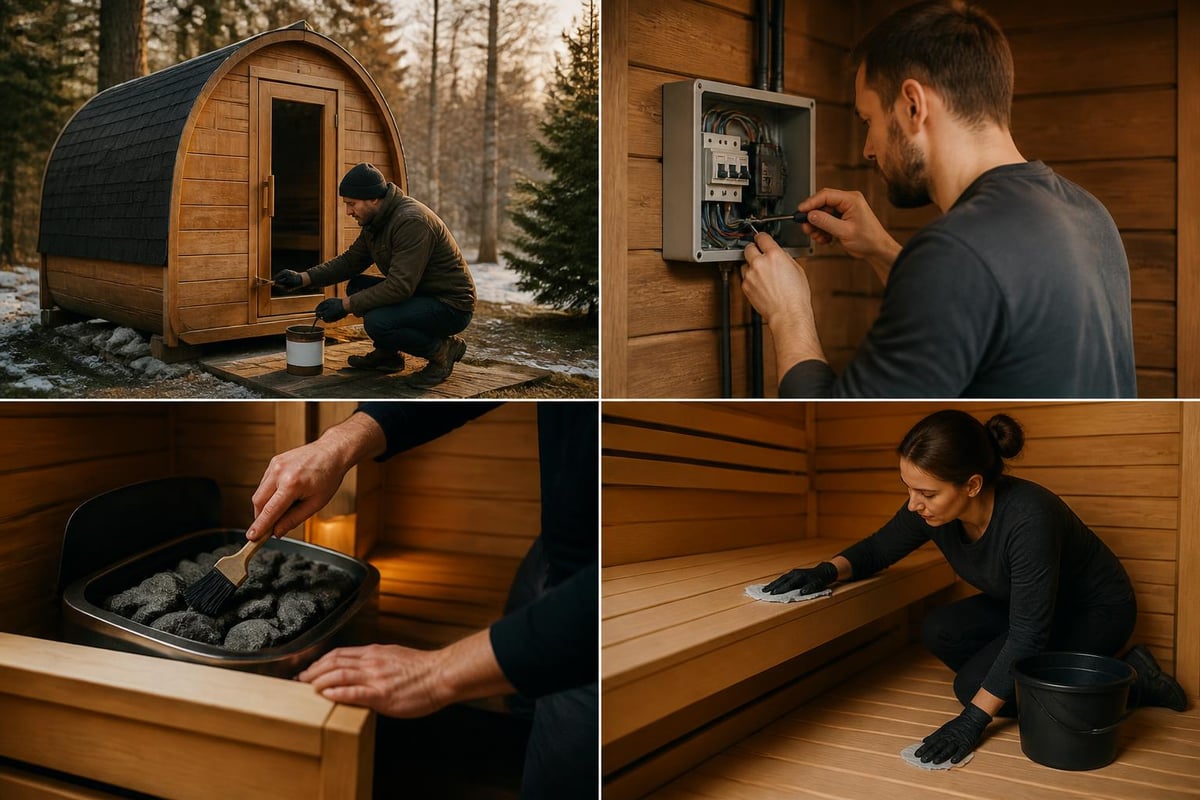
Proper maintenance extends the functional lifespan of your sauna pod while ensuring consistent performance and hygiene. Wood-based structures require particular attention to moisture management, while electrical components need periodic inspection for safe operation.
Routine Cleaning Protocols
Daily maintenance tasks after each use include:
- Wiping down benches with a clean, slightly damp cloth
- Removing towels and personal items to prevent moisture retention
- Leaving the door partially open for air circulation and interior drying
- Checking drain systems (if equipped) for proper water removal
Weekly cleaning should involve more thorough sanitization using mild, sauna-safe cleaning solutions. Avoid harsh chemicals that may damage wood surfaces or leave residual odors. Many manufacturers recommend specific cleaning products formulated for sauna environments.
Long-term Care Strategies
| Maintenance Task | Frequency | Purpose |
|---|---|---|
| Wood surface inspection | Monthly | Detect early signs of moisture damage or splitting |
| Heater rock replacement | Annually | Maintain heat distribution efficiency |
| Electrical connection check | Bi-annually | Ensure safe, reliable power delivery |
| Door seal inspection | Quarterly | Prevent heat loss and maintain efficiency |
| Exterior wood treatment | 1-2 years | Protect against weather damage and UV exposure |
Cedar naturally resists decay, but exterior surfaces benefit from periodic application of appropriate sealants or oils designed for outdoor wood structures. These treatments preserve the wood's appearance while providing additional moisture resistance.
Cost Considerations and Investment Value
Sauna pod pricing varies dramatically based on size, construction quality, heating system, and included features. Understanding the complete cost picture, including installation and operation expenses, helps set realistic budget expectations and evaluate long-term value.
Initial Purchase Price Ranges
Entry-level portable sauna pods start around $1,500-$3,000, typically featuring basic infrared heating in compact, one-person configurations. These units serve as accessible introduction points to sauna therapy without major financial commitment.
Mid-range options, including quality two-person pods with premium wood construction and professional-grade heaters, generally fall between $4,000-$8,000. These models offer better durability, enhanced comfort features, and more sophisticated heating controls.
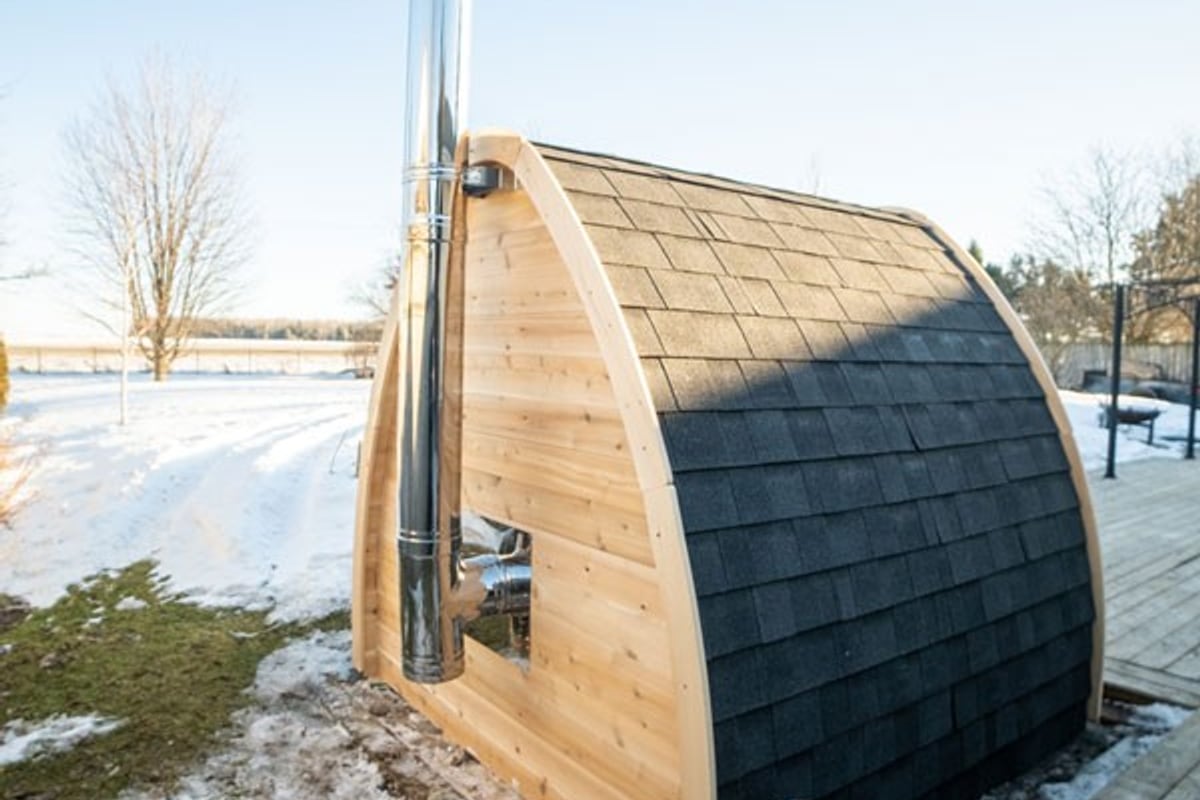
Premium sauna pods constructed from select Canadian cedar with custom features, large capacity, and advanced heating systems can range from $8,000-$15,000 or higher. The Canadian Timber MiniPOD Sauna - LeisureCraft exemplifies this category, combining compact pod efficiency with handcrafted Canadian quality and flexible heating options that deliver long-term value for homeowners prioritizing both space efficiency and premium materials.
Operating Costs and Energy Efficiency
Monthly operating expenses depend primarily on heating system type, usage frequency, and local electricity rates. Traditional electric heaters typically consume 4-8 kW during operation, while infrared systems often require only 1.5-3 kW for similar session durations.
Estimated monthly operating costs (based on 4 sessions weekly, 30 minutes each):
- Infrared pod: $8-$15 monthly at average electricity rates
- Electric rock heater: $20-$35 monthly depending on power requirements
- Wood-burning: Variable based on wood costs and availability
The superior insulation properties of pod designs, particularly those with curved profiles, contribute to lower energy consumption compared to conventional rectangular saunas of similar interior volume. Heat naturally rises and circulates more efficiently within rounded spaces, reducing the energy needed to maintain target temperatures.
Customization Options and Feature Upgrades
Modern sauna pod manufacturers offer extensive customization possibilities that allow buyers to tailor units to specific preferences, aesthetic requirements, and wellness goals. Understanding available options helps optimize your investment for long-term satisfaction.
Interior Configuration Choices
Standard pod interiors include fixed bench seating, but several enhancement options deserve consideration:
- Ergonomic backrests that improve comfort during extended sessions
- Multi-level bench configurations allowing varied heat exposure based on seated position
- Premium wood grades with enhanced grain patterns and aromatic properties
- LED lighting systems with adjustable colors for chromotherapy applications
- Sound systems with Bluetooth connectivity and moisture-resistant speakers
Glazing options significantly impact the sauna experience. Clear tempered glass doors maximize visibility and reduce claustrophobic feelings, while tinted or privacy glass provides seclusion. Some manufacturers offer panoramic glass configurations that create an open, modern aesthetic while maintaining thermal efficiency.
Advanced Technology Integration
Contemporary sauna pods increasingly incorporate smart technology for enhanced convenience and control:
- Digital control panels with precise temperature adjustment and timer functions
- Remote operation via smartphone apps for pre-heating before use
- Automated ventilation systems that optimize air quality throughout sessions
- Health monitoring integration compatible with fitness trackers and wellness apps
- Programmable lighting scenes that adjust throughout the session for relaxation
These technological enhancements add convenience but increase initial costs. Evaluating which features align with your actual usage patterns prevents overspending on capabilities you won't regularly utilize.
Comparing Pod Saunas to Traditional Designs
The decision between a sauna pod and conventional cabin-style structures involves weighing distinct advantages and limitations inherent to each design philosophy. Understanding these trade-offs ensures your selection aligns with available space, budget parameters, and wellness objectives.
Space Efficiency and Footprint
Sauna pods excel in space-constrained environments where traditional saunas prove impractical. A typical two-person pod occupies roughly 30-40 square feet of ground space, while delivering comparable interior volume to larger rectangular designs through efficient use of vertical dimensions and curved architecture.
This compact footprint creates installation opportunities on:
- Small urban patios and balconies
- Corner placements in modest yards
- Rooftop terraces with weight restrictions
- Indoor locations with limited floor space
Traditional cabin saunas, while requiring more ground area, offer specific advantages including greater capacity for social bathing experiences, more flexible interior layouts, and typically lower per-person costs for families or groups. Those exploring larger installations should consider options like the outdoor cabin sauna category for multi-user applications.
Aesthetic and Architectural Impact
The distinctive curved profile of sauna pods creates a modern, sculptural presence in outdoor spaces. This contemporary appearance complements minimalist landscaping and modern architecture but may clash with traditional property designs.
| Design Aspect | Sauna Pod | Traditional Cabin |
|---|---|---|
| Visual Style | Modern, sculptural, distinctive | Classic, versatile, familiar |
| Customization | Limited by curved structure | Extensive layout options |
| Landscape Integration | Statement piece, focal point | Blends with outbuildings |
| Capacity | 1-3 people typically | 2-8+ people depending on size |
Heating efficiency comparisons favor pod designs due to optimized interior volumes and superior heat circulation patterns. The natural upward movement of hot air within curved spaces creates more uniform temperature distribution without requiring complex ventilation systems.
Selection Criteria and Buying Guidance
Choosing the ideal sauna pod requires systematic evaluation of multiple factors that influence both immediate satisfaction and long-term enjoyment. A structured approach to this decision prevents common purchasing mistakes and ensures your investment delivers expected wellness benefits.
Capacity and User Requirements
Honestly assessing typical usage patterns prevents purchasing undersized or oversized units:
Single-user priorities favor compact vertical pods or small barrel designs that heat quickly and minimize operational costs. These work well for individuals incorporating daily sauna sessions into personal wellness routines.
Couple-focused installations require sufficient interior dimensions for two people to sit comfortably with appropriate spacing. Side-by-side bench configurations differ significantly from facing bench layouts in terms of social interaction and space efficiency.
Family applications push beyond typical pod capacity into larger barrel saunas or transitional designs that bridge pod and cabin characteristics. Consulting detailed sauna pod buying guides provides additional perspective on sizing decisions.
Material Quality Assessment
Construction material quality directly impacts durability, maintenance requirements, and overall satisfaction:
- Premium cedar grades with tight grain patterns resist warping and splitting better than lower grades
- Kiln-dried lumber exhibits superior dimensional stability compared to air-dried alternatives
- Marine-grade stainless steel hardware prevents rust and maintains structural integrity in humid environments
- Tempered safety glass for doors and windows ensures user safety and longevity
- High-density insulation reduces heat loss and improves energy efficiency
Inspecting sample materials or visiting showrooms allows direct quality comparison. The visual and tactile differences between budget and premium materials become immediately apparent during hands-on evaluation.
Warranty Coverage and Support
Manufacturer warranty terms reveal confidence in product quality and provide financial protection against defects:
- Structural warranties should cover framework and primary wood components for 5+ years
- Electrical component coverage typically ranges 1-3 years for heaters and controls
- Glass and hardware warranties often carry 1-2 year terms
- Labor coverage varies significantly, with some warranties including installation support
Post-purchase support quality matters nearly as much as warranty terms. Responsive customer service, readily available replacement parts, and clear maintenance documentation contribute significantly to ownership satisfaction over time.
Portable Versus Permanent Installation Options
The sauna pod category encompasses both permanently installed outdoor structures and portable units designed for easy relocation or storage. Each approach offers distinct advantages depending on living situations, commitment levels, and usage intentions.
Portable Pod Characteristics
Portable sauna pods prioritize lightweight construction, simplified assembly, and ease of relocation. These units typically feature:
- Fabric or polymer exterior shells rather than heavy wood construction
- Plug-in electric heating requiring only standard 120V outlets
- Fold-down or modular designs for compact storage when not in use
- Significantly lower weight, often under 100 pounds for complete units
Reviews of specific portable options, such as real-world experiences with portable sauna pods, provide valuable insight into practical performance and user satisfaction. These temporary solutions work well for renters, individuals uncertain about long-term sauna commitment, or users with seasonal requirements.
Permanent Installation Benefits
Permanently installed sauna pods constructed from quality wood materials deliver superior durability, better thermal performance, and enhanced property value. These investments make sense for homeowners planning extended residence in their current properties who view sauna bathing as a lasting lifestyle component.
The structural integrity of permanent pods withstands weather extremes more effectively than portable alternatives. Proper foundation installation, quality materials, and professional assembly create installations that function reliably for decades with appropriate maintenance.
Property value considerations favor permanent installations. Quality outdoor sauna structures generally increase home resale appeal, particularly in markets where wellness amenities attract buyer interest. The unique visual impact of well-designed sauna pods can differentiate properties in competitive real estate markets.
Integrating Pods into Comprehensive Wellness Routines
Maximizing the health benefits of sauna pod ownership extends beyond simply scheduling regular heat sessions. Strategic integration with other wellness practices creates synergistic effects that amplify individual therapeutic modalities.
Contrast Therapy Applications
Alternating between heat exposure and cold immersion represents one of the most powerful recovery and health optimization protocols. This practice, variously termed "Nordic cycle" or "hot-cold therapy," triggers profound physiological responses including:
- Enhanced circulation through repeated vascular constriction and dilation
- Accelerated metabolic waste removal from muscle tissues
- Improved immune system function and stress resilience
- Mental clarity and mood elevation through endorphin release
Implementing effective contrast therapy requires access to both heating and cooling modalities. Pairing your sauna pod with options for sauna and cold plunge creates the foundation for this powerful wellness practice.
Exercise Recovery Protocols
Athletic recovery represents one of the most valuable applications for regular sauna pod use. The combination of improved circulation, reduced muscle tension, and anti-inflammatory effects accelerates recovery from intense training sessions.
Optimal timing for post-exercise sauna sessions typically falls 1-2 hours after workout completion, allowing initial recovery processes to begin while muscles remain warm and receptive to heat therapy benefits. This window maximizes therapeutic effects while preventing excessive strain on already-stressed systems.
Sauna pods deliver traditional heat therapy benefits within innovative, space-efficient designs perfectly suited to modern living constraints. Understanding the distinctions between heating technologies, installation requirements, and maintenance protocols enables confident selection of the ideal unit for your specific wellness goals and property characteristics. Whether you're drawn to compact infrared models for daily detoxification or premium barrel designs for social relaxation, RecoSauna offers expertly curated selections of Canadian-crafted and premium North American sauna pods, backed by knowledgeable guidance to ensure your investment delivers lasting wellness benefits and enjoyment for years to come.
Share:
Sauna Day: Your Complete Guide to Recovery and Wellness
Sauna and Wellness: Complete Guide to Heat Therapy