
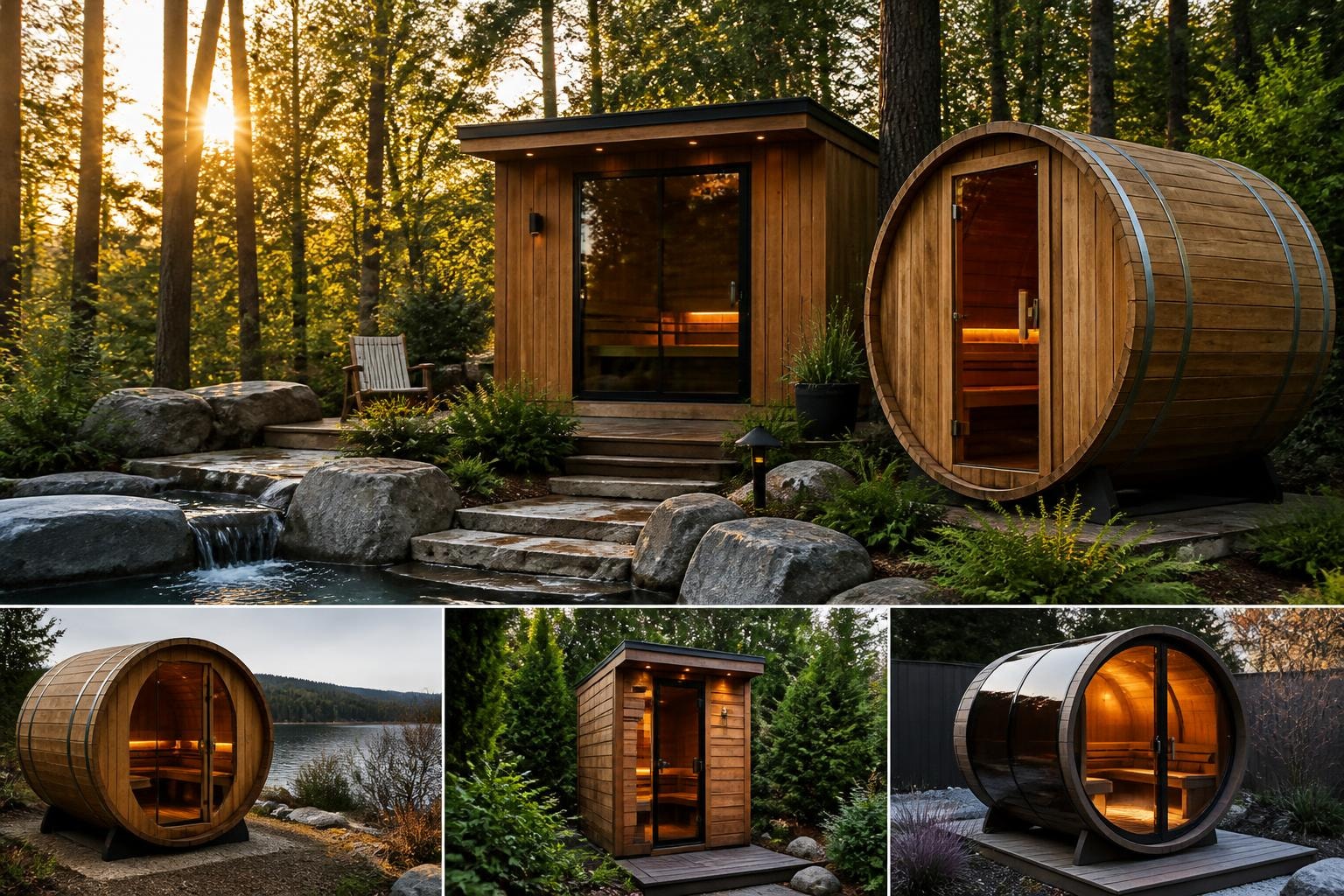
Installing a sauna outside has become one of the most sought-after backyard wellness upgrades in 2026. The combination of fresh air, natural surroundings, and therapeutic heat creates an experience that indoor units simply cannot replicate. Whether you're considering a classic barrel design, a spacious cabin model, or a modern pod structure, understanding the fundamentals of outdoor sauna ownership helps you make the right investment for your property and lifestyle.
Understanding the Benefits of a Sauna Outside
Placing a sauna outside transforms your backyard into a personal wellness retreat. The experience extends beyond the physical structure itself, creating a holistic environment that engages all your senses.
Health and Wellness Advantages
The therapeutic benefits of outdoor sauna use have been extensively documented. Regular sessions support cardiovascular health, improve circulation, and promote muscle recovery after physical activity. The heat exposure triggers beneficial physiological responses, including increased heart rate and improved blood flow throughout the body.
Key health benefits include:
- Enhanced detoxification through increased perspiration
- Reduced muscle tension and improved flexibility
- Better sleep quality and stress reduction
- Strengthened immune system response
- Improved skin health and appearance
The outdoor setting amplifies these benefits by incorporating natural elements. Fresh air circulation and connection to nature enhance relaxation and mental clarity during each session. The ability to step outside immediately after your sauna session allows for contrast therapy, especially powerful during winter months when you can transition from intense heat to cool outdoor air.
Connection to Nature
A sauna outside creates a unique opportunity to integrate wellness practices with your natural environment. Unlike indoor units that require artificial ventilation systems, outdoor saunas benefit from natural airflow and the ambient sounds of your surroundings.
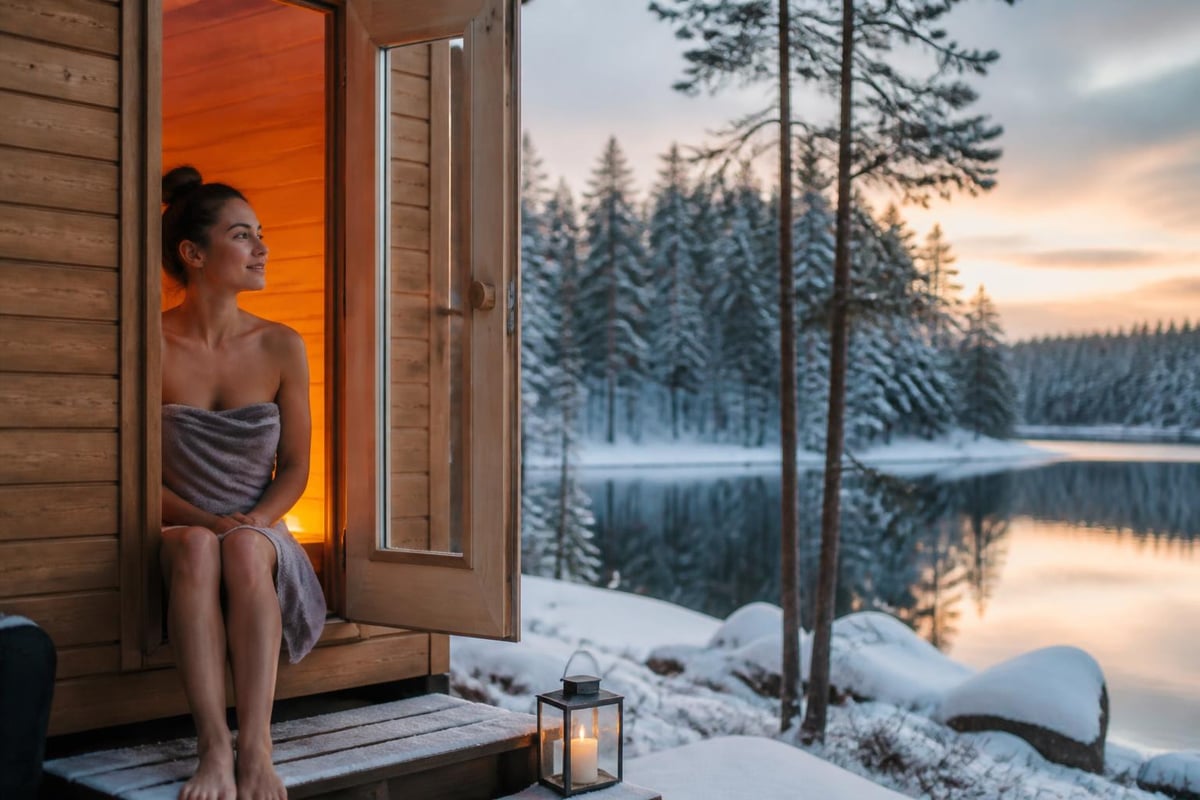
Many users report enhanced mindfulness and stress relief when their sauna sessions include views of gardens, trees, or water features. The seasonal changes become part of your wellness routine, with each time of year offering a distinct experience. Winter sessions under starry skies, autumn sessions surrounded by changing leaves, and summer evening sessions all provide different but equally valuable therapeutic experiences.
Types of Outdoor Saunas Available in 2026
The outdoor sauna market offers diverse options to suit different spaces, budgets, and aesthetic preferences. Each style provides unique advantages worth considering before making your investment.
Barrel Saunas
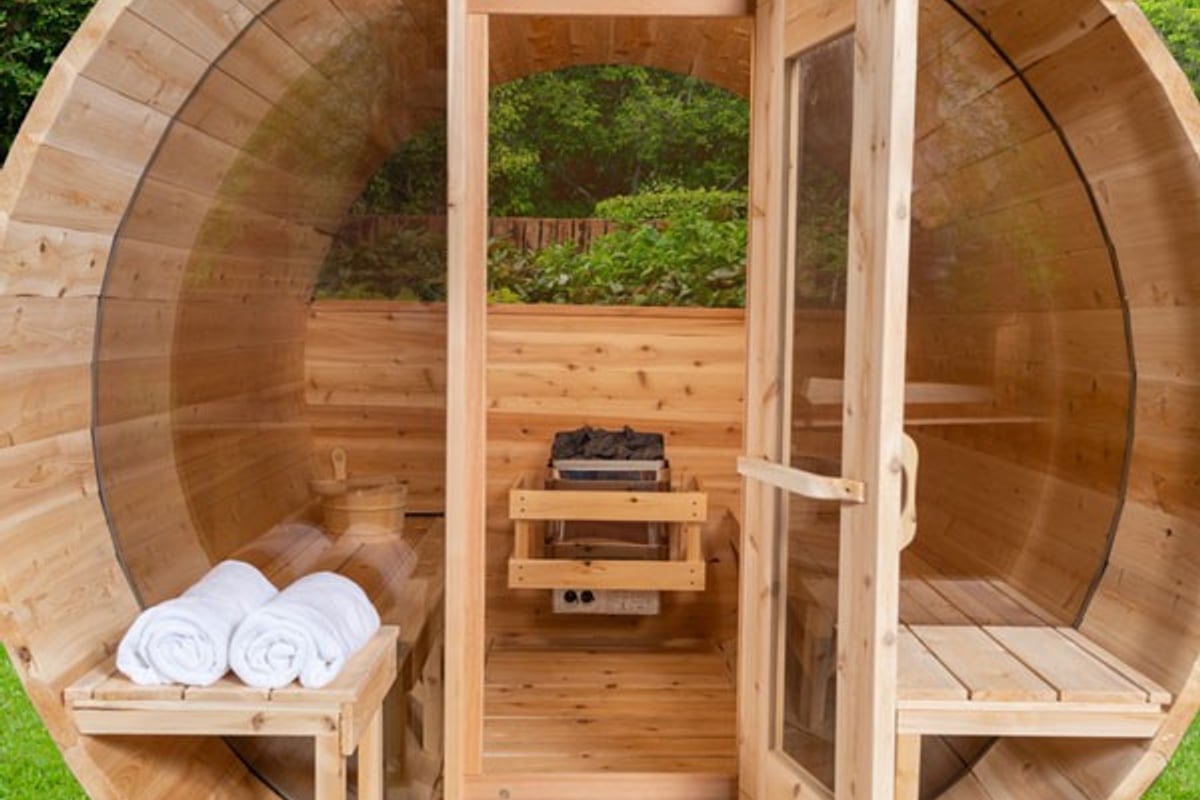
Barrel saunas represent one of the most popular choices for backyard installations. Their distinctive cylindrical shape isn't just visually appealing; it serves important functional purposes. The curved walls promote efficient heat circulation, requiring less energy to reach and maintain optimal temperatures.
| Feature | Advantage | Consideration |
|---|---|---|
| Heat efficiency | Lower energy costs, faster heating | Limited headroom in some models |
| Space footprint | Compact design fits smaller yards | Typically seats 2-4 people |
| Assembly | Easier installation process | May require foundation preparation |
| Aesthetics | Classic, recognizable design | May not suit all architectural styles |
The Canadian Timber Tranquility MP Barrel Sauna - LeisureCraft exemplifies premium barrel sauna construction with its panoramic front glass design and spacious 4-5 person capacity. Crafted from Eastern White Cedar, this model combines the efficient heat circulation of the barrel shape with modern amenities and a bright, inviting interior perfect for social sauna sessions.
Cabin Saunas
Cabin-style outdoor saunas provide maximum space and versatility. These structures resemble small buildings and offer the most flexibility in terms of interior layout, seating arrangements, and additional features.
Cabin sauna advantages:
- Multiple seating configurations possible
- Room for additional amenities like changing areas
- Better headroom for taller users
- Can accommodate larger groups (6-8+ people)
- Easier to customize interior features
Cabin models work exceptionally well for properties with ample space and for families who want to use their sauna outside as a gathering place. The indoor versus outdoor sauna comparison often highlights how cabin designs can integrate storage areas, covered porches, or changing rooms that enhance the overall experience.
Pod and Cube Saunas
Modern pod and cube designs represent the latest evolution in outdoor sauna architecture. These contemporary structures feature clean lines, innovative materials, and space-efficient footprints that appeal to homeowners with modern aesthetic preferences.
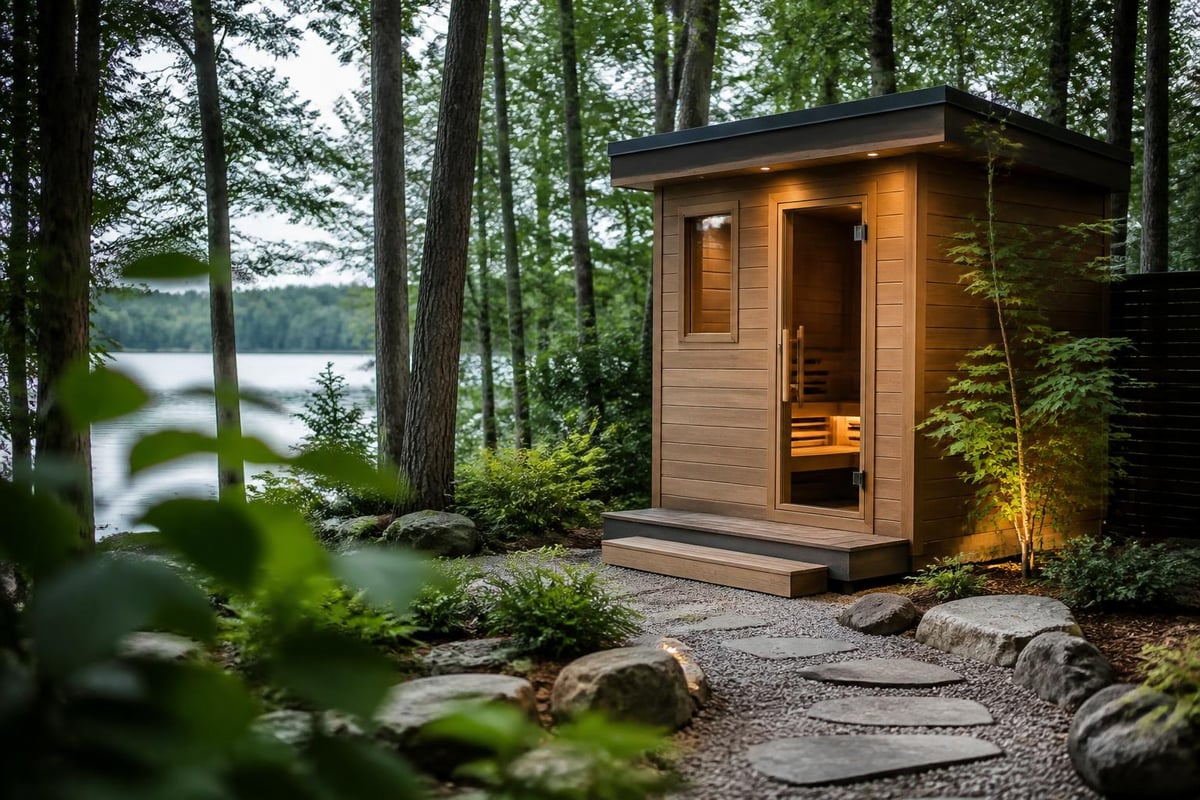
Pod saunas typically accommodate 1-3 people and fit into compact spaces where traditional designs wouldn't work. Their geometric shapes and often panoramic glass elements create a distinctive visual statement while maintaining excellent thermal performance. These designs integrate seamlessly with contemporary landscape architecture and modern home exteriors.
Planning Your Sauna Outside Installation
Proper planning ensures your outdoor sauna provides decades of reliable service. Several critical factors require attention before installation begins.
Site Selection and Preparation
Choosing the right location for your sauna outside impacts both functionality and enjoyment. The ideal site balances practical requirements with aesthetic considerations and privacy needs.
Essential site selection criteria:
- Level, stable ground: Foundation requirements vary by sauna type
- Drainage: Proper water runoff prevents moisture issues
- Electrical access: Most electric heaters require dedicated circuits
- Privacy: Distance from neighbors and screening considerations
- Views: Optimize what you'll see during and after sessions
- Accessibility: Year-round access including winter conditions
The foundation itself can range from simple gravel beds to concrete pads or wooden deck platforms. Understanding installation requirements helps you budget appropriately and avoid costly mistakes during setup.
Heating Options for Outdoor Use
Outdoor saunas accommodate various heating systems, each with distinct characteristics suited to different situations and preferences.
| Heating Type | Heat-up Time | Operating Cost | Maintenance | User Experience |
|---|---|---|---|---|
| Electric | 30-45 minutes | Moderate | Low | Convenient, consistent |
| Wood-burning | 45-90 minutes | Low (if wood available) | Moderate | Traditional, aromatic |
| Infrared | 10-20 minutes | Low | Very low | Gentle, therapeutic |
Electric heaters dominate the outdoor sauna market in 2026 due to their convenience and reliability. They require professional electrical installation but offer precise temperature control and minimal ongoing maintenance. Wood-burning stoves appeal to traditionalists and those seeking an authentic Finnish experience, though they require more attention during operation and regular chimney maintenance.
Infrared heating technology has gained significant traction for outdoor applications. While not traditional saunas in the Finnish sense, infrared models heat efficiently and work exceptionally well in outdoor environments where traditional high-temperature saunas might face weather-related challenges.
Materials and Construction Quality
The materials used in your sauna outside directly determine its longevity, maintenance requirements, and overall performance in outdoor conditions.
Wood Species Comparison
Premium outdoor saunas utilize specific wood species selected for their performance in high-heat, high-moisture environments exposed to weather elements.
Eastern White Cedar stands as the most popular choice for North American outdoor saunas. This wood naturally resists decay and insect damage while providing excellent insulation properties. Its light color creates bright, welcoming interiors, and the aromatic oils release pleasant scents when heated. Cedar requires minimal treatment and maintains its structural integrity through decades of use.
Canadian Red Cedar offers similar benefits with a richer color profile and slightly different aromatic characteristics. Both cedar varieties contain natural oils that protect against moisture damage and inhibit mold growth, essential qualities for structures experiencing regular humidity cycles.
Hemlock provides another excellent option, particularly for infrared saunas where lower operating temperatures reduce wood stress. Hemlock offers a smooth grain pattern, light color, and exceptional dimensional stability at a slightly lower price point than premium cedar options.
Weatherproofing and Protection
Even with naturally resistant woods, proper weatherproofing extends the life of your sauna outside. External treatments protect against UV damage, moisture penetration, and temperature fluctuations.
Many manufacturers pre-treat exterior surfaces before delivery, but ongoing maintenance remains important. Annual inspections should check for:
- Seal integrity around doors and windows
- Roof condition and proper water shedding
- Wood surface condition and protective coating wear
- Foundation stability and drainage function
- Hardware condition (hinges, handles, vents)
Protecting your outdoor sauna with appropriate covers when not in use dramatically reduces weather exposure. Quality covers prevent water accumulation on roofs, reduce UV degradation, and minimize temperature fluctuations that can stress wood joints and panels.
Maintenance Requirements and Long-Term Care
Understanding maintenance requirements before purchasing helps you choose a sauna outside that fits your available time and commitment level.
Regular Cleaning and Upkeep
Interior maintenance focuses on hygiene and wood preservation. After each use, leave the door open to allow complete drying and air circulation. This simple practice prevents mold growth and extends wood life significantly.
Monthly maintenance tasks include:
- Wiping down benches and walls with appropriate cleaners
- Checking and cleaning heater components
- Inspecting door seals and hinges
- Verifying proper ventilation function
- Removing any debris from exterior surfaces
Exterior maintenance requirements vary by climate and exposure. Properties in harsh weather conditions require more frequent attention than those in mild climates. The comprehensive maintenance comparison between indoor and outdoor models highlights how exterior exposure increases maintenance needs but proper care keeps outdoor units functioning excellently.
Seasonal Considerations
Operating a sauna outside year-round requires awareness of seasonal challenges and opportunities. Winter use in northern climates demands attention to snow removal from roofs, ensuring clear paths for safe access, and potentially longer heating times in extreme cold.
Summer brings different considerations. Increased UV exposure may accelerate exterior finish degradation, requiring more frequent inspections. However, summer also provides ideal conditions for exterior maintenance projects, refinishing, or repairs when extended drying times benefit the work quality.
Cost Considerations and Value Assessment
Investing in a sauna outside requires understanding both initial costs and long-term value factors. Prices in 2026 vary significantly based on size, materials, features, and heating systems.
Initial Investment Breakdown
Entry-level outdoor saunas start around $3,000 to $5,000 for basic barrel models with electric heating. Mid-range options including premium wood construction and enhanced features typically cost $6,000 to $12,000. High-end cabin saunas with custom features and premium materials can exceed $15,000 to $25,000 or more.
Beyond the sauna unit itself, budget for:
- Foundation preparation ($500-$2,000)
- Electrical installation ($800-$2,500)
- Delivery and assembly if required ($300-$1,500)
- Accessories and enhancements ($200-$1,000)
- Initial weatherproofing treatments ($100-$400)
The detailed buying guide from The Daily Beast provides comprehensive cost analysis across different outdoor sauna categories, helping buyers understand market pricing and value relationships.
Operating Costs and Efficiency
Monthly operating costs depend primarily on heating method and usage frequency. Electric saunas typically add $30 to $80 monthly to utility bills with regular use (3-4 sessions weekly). Wood-burning models cost less to operate if you have access to affordable firewood, though this requires more labor and attention.
Energy-efficient designs with proper insulation minimize operating costs. Barrel saunas inherently heat efficiently due to their shape, while well-insulated cabin models prevent heat loss and reduce energy consumption. Features like tight-sealing doors, proper ventilation controls, and quality heaters with accurate thermostats all contribute to operational efficiency.
Integration with Backyard Wellness Spaces
Modern outdoor sauna installations often form part of comprehensive backyard wellness environments. Thoughtful integration maximizes both functionality and aesthetic appeal.
Complementary Features and Amenities
Pairing your sauna outside with other wellness features creates a complete therapeutic environment. Cold plunge pools offer contrast therapy, alternating between heat exposure and cold immersion for enhanced cardiovascular benefits and recovery.
Outdoor showers provide convenient rinse-off options before and after sessions. Simple cold-water showers work perfectly, though some homeowners install heated options for year-round comfort. Changing areas, whether incorporated into the sauna structure or as separate small buildings, enhance privacy and convenience.
Relaxation zones with comfortable seating allow cooling-down periods in pleasant surroundings. Many users find that the time spent relaxing after sessions provides as much mental benefit as the heat exposure itself. Landscaping that incorporates privacy screening, pleasant views, and natural elements elevates the entire experience beyond simple sauna use.
Landscaping and Privacy Solutions
Strategic landscaping transforms your sauna outside from a standalone structure into an integrated wellness retreat. Natural privacy screens using evergreen plantings provide year-round seclusion while creating attractive visual boundaries.
Pathways connecting your home to the sauna should prioritize safety and accessibility in all weather conditions. Lighting along paths ensures safe navigation during evening sessions while contributing to overall ambiance. Consider both functional task lighting and softer ambient options for different moods and times.
Hardscaping elements like stone patios or wooden decks create defined wellness zones while providing clean, stable surfaces around the sauna. These areas remain functional in wet conditions and define spaces for different activities within your backyard wellness environment.
Making Your Final Selection
Choosing the right sauna outside requires balancing multiple factors specific to your situation. Start by honestly assessing your available space, budget constraints, and primary use cases.
Matching Sauna Type to Your Needs
Consider who will use the sauna and how frequently. Solo users or couples might find barrel or pod models perfectly adequate, while families or those who entertain need larger cabin designs. Regular daily users benefit from efficient, low-maintenance electric models, while weekend warriors might enjoy the ritualistic aspects of wood-burning systems.
Your climate significantly influences ideal sauna characteristics. Harsh winter conditions favor well-insulated designs with efficient heating systems. Hot summer climates might lean toward infrared models that provide therapeutic benefits without overwhelming heat buildup. Comparing various outdoor sauna types helps identify which design elements matter most in your specific environment.
Working with Quality Manufacturers
Purchasing from established manufacturers with proven track records ensures quality construction and reliable customer support. Look for companies offering comprehensive warranties, detailed assembly instructions, and responsive customer service. Reading reviews from verified purchasers provides insight into real-world performance and long-term satisfaction.
Canadian manufacturers particularly excel in outdoor sauna construction, leveraging access to premium timber and deep understanding of harsh weather conditions. Companies building saunas in challenging climates naturally develop superior weatherproofing techniques and durability standards. For comprehensive options across multiple styles and price points, exploring RecoSauna's full collection provides valuable perspective on current market offerings and quality benchmarks.
Quality manufacturers provide detailed specifications allowing informed comparisons. Pay attention to wood thickness, heater specifications, glass quality, hardware durability, and included accessories. These details differentiate products that appear similar at first glance but perform very differently over years of use.
Installing a sauna outside represents a significant investment in your health, property value, and quality of life. By carefully considering site requirements, construction quality, maintenance needs, and your specific usage patterns, you can select an outdoor sauna that provides decades of therapeutic benefits and backyard enjoyment. Whether you choose a classic barrel design, spacious cabin model, or modern pod structure, RecoSauna offers premium options from North America's leading manufacturers, backed by expert guidance to help you make the perfect selection for your unique wellness goals and outdoor space.
Share:
Outdoor Electric Sauna: Complete 2026 Buyer's Guide
Exterior Sauna: Your Complete Guide for 2026