
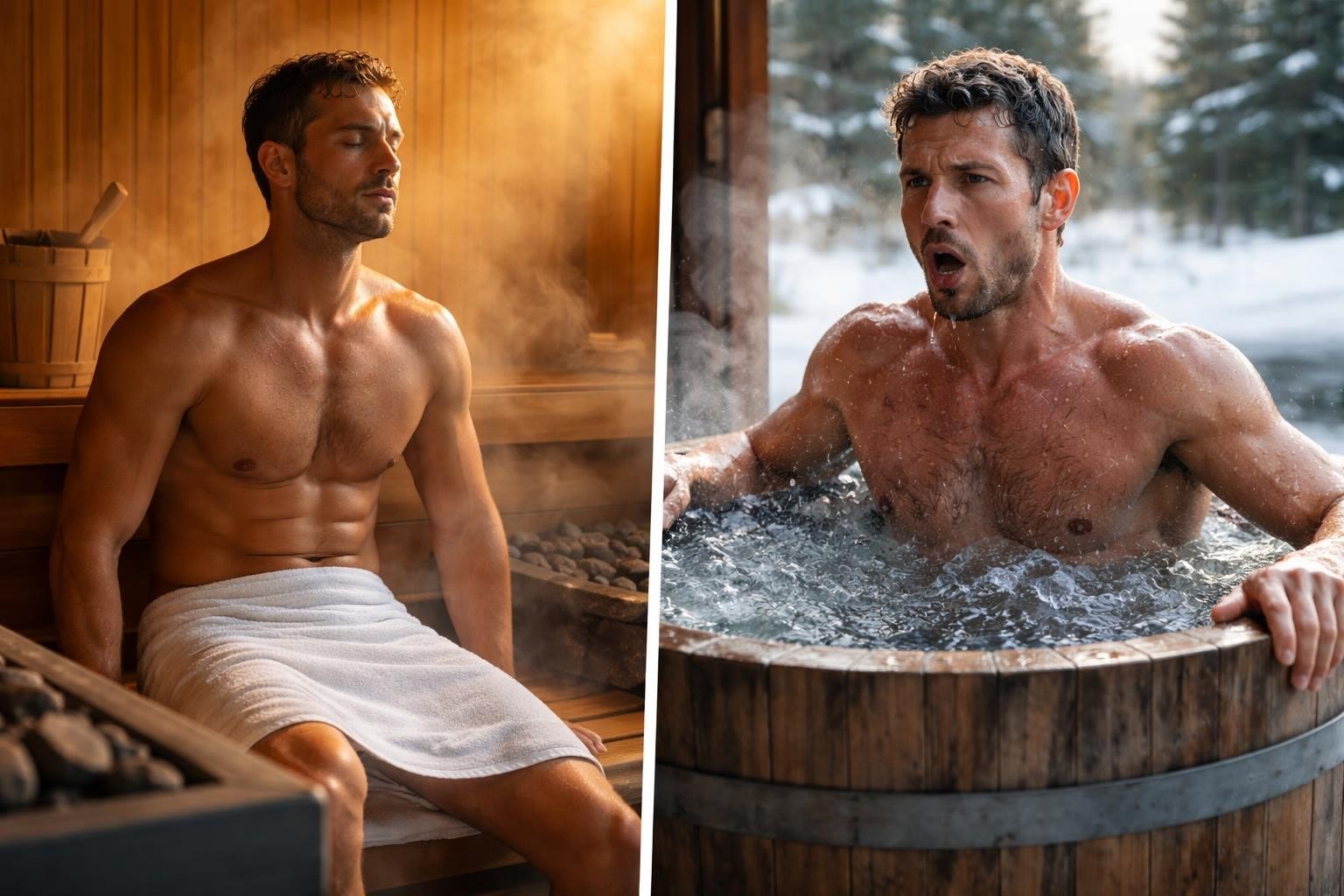
The practice of alternating between intense heat and freezing cold has captivated wellness enthusiasts and athletes for centuries. The sauna cold plunge routine represents one of the most effective forms of contrast therapy, combining traditional heat exposure with the shocking benefits of cold water immersion. This powerful combination creates a physiological cascade that influences everything from cardiovascular function to mental resilience, making it a cornerstone practice in modern recovery protocols.
The Science Behind Sauna Cold Plunge Therapy
Contrast therapy works by forcing your body to rapidly adapt to extreme temperature changes. When you enter a sauna, your core temperature rises, blood vessels dilate, and your heart rate increases to facilitate cooling. The subsequent cold plunge triggers the opposite response: vasoconstriction, reduced inflammation, and activation of your sympathetic nervous system.
Research has consistently demonstrated that regular sauna use combined with cold exposure offers cardiovascular benefits that extend well beyond simple relaxation. The alternating vasodilation and vasoconstriction acts as a workout for your circulatory system, improving vascular function and potentially reducing the risk of cardiovascular events.
Physiological Adaptations to Temperature Extremes
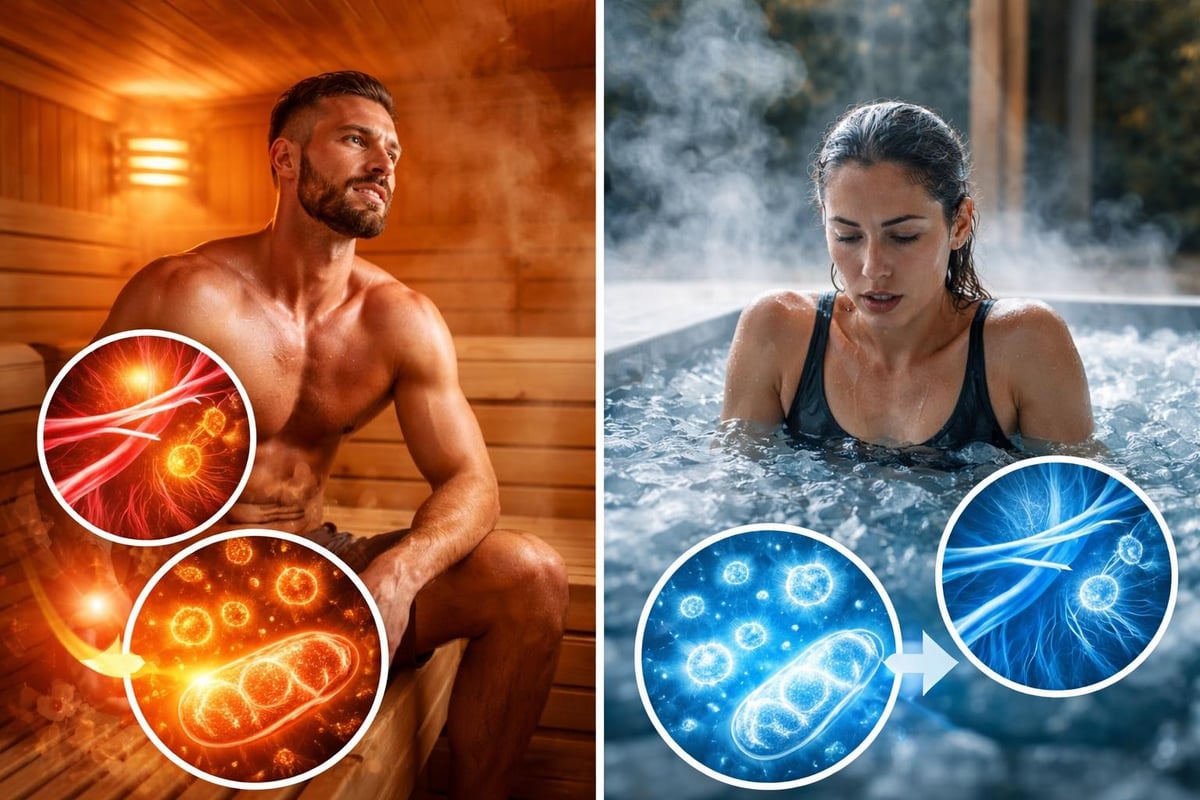
Your body undergoes remarkable changes during a sauna cold plunge session. The heat stress from sauna bathing triggers heat shock proteins, which help repair damaged cells and protect against oxidative stress. Cold immersion activates cold shock proteins, particularly RNA-binding motif protein 3 (RBM3), which supports synaptic regeneration and may enhance cognitive function.
The metabolic response is equally impressive. Cold exposure activates brown adipose tissue, a specialized fat that burns calories to generate heat. Combined with the elevated metabolic rate from sauna use, this creates a synergistic effect on metabolism and energy expenditure.
Benefits of Regular Sauna Cold Plunge Practice
The advantages of incorporating sauna cold plunge therapy into your routine extend across multiple dimensions of health and performance. Understanding these benefits can help you optimize your protocol and maintain consistency.
Enhanced Recovery and Reduced Inflammation
Athletes and fitness enthusiasts have long recognized the recovery benefits of contrast therapy. The research-backed advantages of cold plunges include significant reductions in muscle soreness, faster recovery from intense training, and decreased systemic inflammation markers.
The mechanism involves several pathways:
- Reduced muscle damage: Cold immersion limits secondary tissue damage by constricting blood vessels and reducing metabolic activity
- Inflammation modulation: The temperature contrast helps regulate inflammatory cytokines
- Pain relief: Cold exposure provides natural analgesic effects through nerve conduction reduction
- Improved lymphatic drainage: The pumping action of alternating temperatures enhances waste removal
Mental Health and Resilience Building
The psychological benefits of sauna cold plunge therapy deserve equal attention to the physical adaptations. Deliberately exposing yourself to controlled stress builds mental toughness and emotional regulation capabilities.
Studies have shown that regular cold exposure can elevate mood through increased norepinephrine and endorphin production. The practice also teaches breath control under stress, a skill that transfers to anxiety management in daily life. Many practitioners report enhanced focus, reduced depressive symptoms, and an overall sense of well-being that persists long after the session ends.
| Benefit Category | Primary Mechanisms | Timeframe for Results |
|---|---|---|
| Cardiovascular Health | Improved vascular function, reduced blood pressure | 4-8 weeks |
| Recovery | Reduced inflammation, muscle repair | Immediate to 24 hours |
| Mental Well-being | Neurotransmitter regulation, stress adaptation | 2-4 weeks |
| Metabolic Function | Brown fat activation, insulin sensitivity | 6-12 weeks |
| Immune System | Heat shock protein production, immune modulation | 4-6 weeks |
Optimal Protocols for Sauna Cold Plunge Sessions
The effectiveness of your sauna cold plunge routine depends heavily on proper protocol execution. Variables including temperature, duration, and sequence all influence the outcomes you'll experience.
Temperature and Duration Guidelines
For sauna exposure, most experts recommend temperatures between 160-200°F (71-93°C) for traditional saunas. Infrared saunas typically operate at lower temperatures (120-150°F or 49-66°C) while still providing effective heat stress. Session length should start conservatively at 10-15 minutes and gradually extend to 20-25 minutes as your heat tolerance improves.
Cold plunge temperatures ideally range from 50-59°F (10-15°C). Beginners should start with warmer temperatures around 60°F and shorter durations of 30-60 seconds. As adaptation occurs, you can decrease temperature and extend time to 2-3 minutes. Dr. Susanna Søberg's research suggests that accumulating 11 minutes of cold exposure per week provides optimal metabolic benefits when combined with sauna use.
Session Sequencing and Frequency
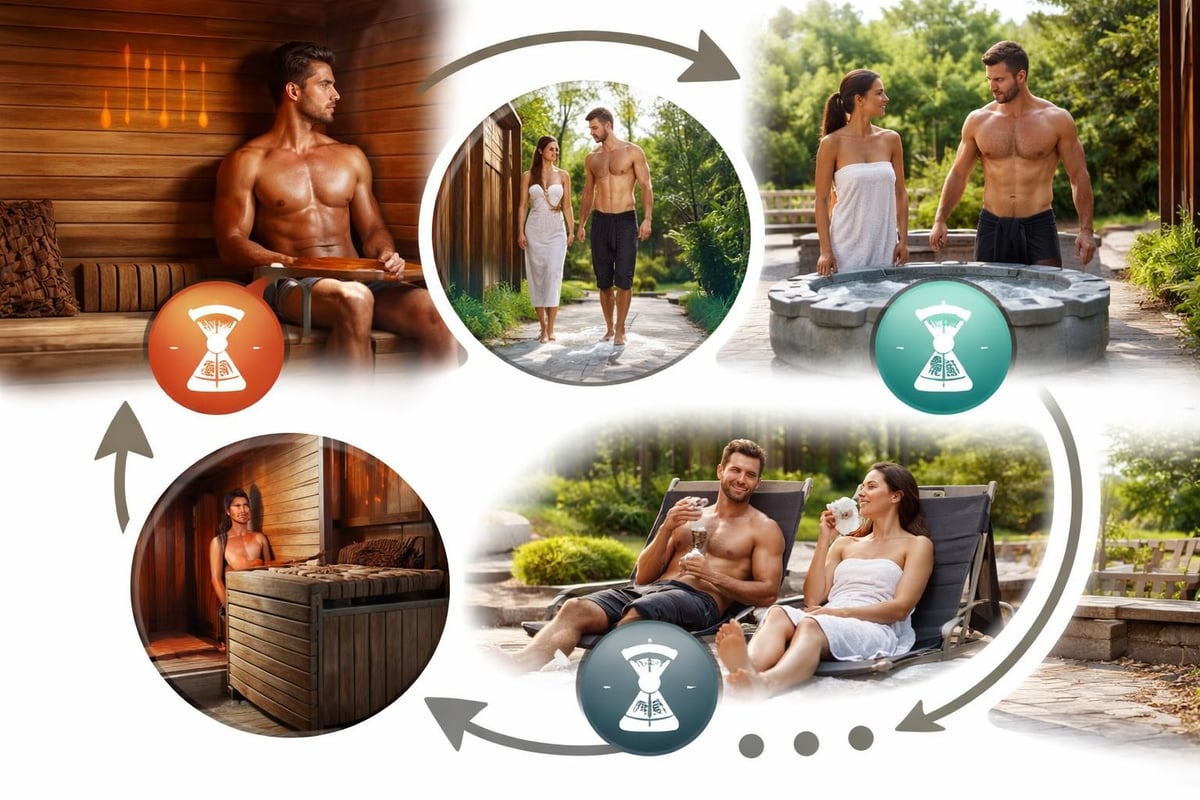
The traditional sauna cold plunge sequence follows this pattern:
- Warm-up: Enter the sauna for 15-20 minutes until you achieve a strong sweat
- Cool shower: Brief rinse to remove sweat (optional but recommended)
- Cold plunge: Immerse for 1-3 minutes, focusing on controlled breathing
- Rest period: Allow 5-10 minutes for temperature normalization
- Repeat: Complete 2-4 cycles depending on experience level
For frequency, 2-3 sessions per week provide substantial benefits without overtaxing your recovery systems. More experienced practitioners may increase to 4-5 weekly sessions, but adequate rest between sessions remains essential.
Safety Considerations and Risk Management
While sauna cold plunge therapy offers numerous benefits, the practice involves real physiological stress that requires careful attention to safety protocols. Understanding the risks and contraindications ensures you can pursue these benefits responsibly.
Critical Safety Guidelines
The British Sauna Society provides comprehensive safety guidance emphasizing that the transition from extreme heat to cold water creates the most significant cardiovascular challenge. The sudden temperature change triggers a gasp reflex and rapid breathing, which can be dangerous if your head is submerged or you're in water over your depth.
Essential safety practices include:
- Never plunge alone: Always have someone nearby who can assist if needed
- Control your entry: Use steps or a ladder; never dive or jump into cold water after sauna use
- Start gradually: Begin with brief exposures and moderate temperatures
- Monitor your response: Exit immediately if you experience dizziness, chest pain, or extreme discomfort
- Stay hydrated: Drink water before and after sessions to replace fluids lost through sweating
Who Should Avoid Sauna Cold Plunge Therapy
Certain medical conditions create elevated risks that may outweigh the potential benefits. Cold plunge safety resources identify several contraindications that require medical consultation before beginning a practice.
You should consult with your healthcare provider before starting sauna cold plunge therapy if you have:
- Cardiovascular disease, including heart failure, recent heart attack, or unstable angina
- Uncontrolled hypertension or very low blood pressure
- Pregnancy or plans to become pregnant
- Raynaud's disease or severe cold sensitivity
- Open wounds or active skin infections
- History of cold urticaria (allergic reaction to cold)
Even if you don't have these conditions, proper cold water immersion entry techniques remain crucial for minimizing risks associated with the cold shock response.
Equipment Options for Home Sauna Cold Plunge Setup
Creating a dedicated space for contrast therapy at home provides convenience and encourages consistency. Modern equipment options make it easier than ever to establish a professional-grade setup in your backyard or wellness area.
Sauna Selection for Contrast Therapy
Your sauna choice significantly impacts your overall experience and the space requirements for your setup. Traditional outdoor saunas offer authentic heat, aesthetic appeal, and the ability to accommodate multiple users. RecoSauna provides numerous premium options that integrate beautifully into backyard wellness areas, from compact barrel designs to spacious cabin models.
For those seeking the classic sauna experience with modern panoramic design, barrel saunas combine efficient heat circulation with striking visual appeal. The curved design naturally promotes air flow while creating an inviting space for relaxation and social sessions.
Infrared saunas present an alternative that operates at lower temperatures while delivering deep tissue heating. These units require less energy, warm up faster, and may be preferable for those who find traditional sauna heat uncomfortable.
Cold Plunge Equipment Solutions
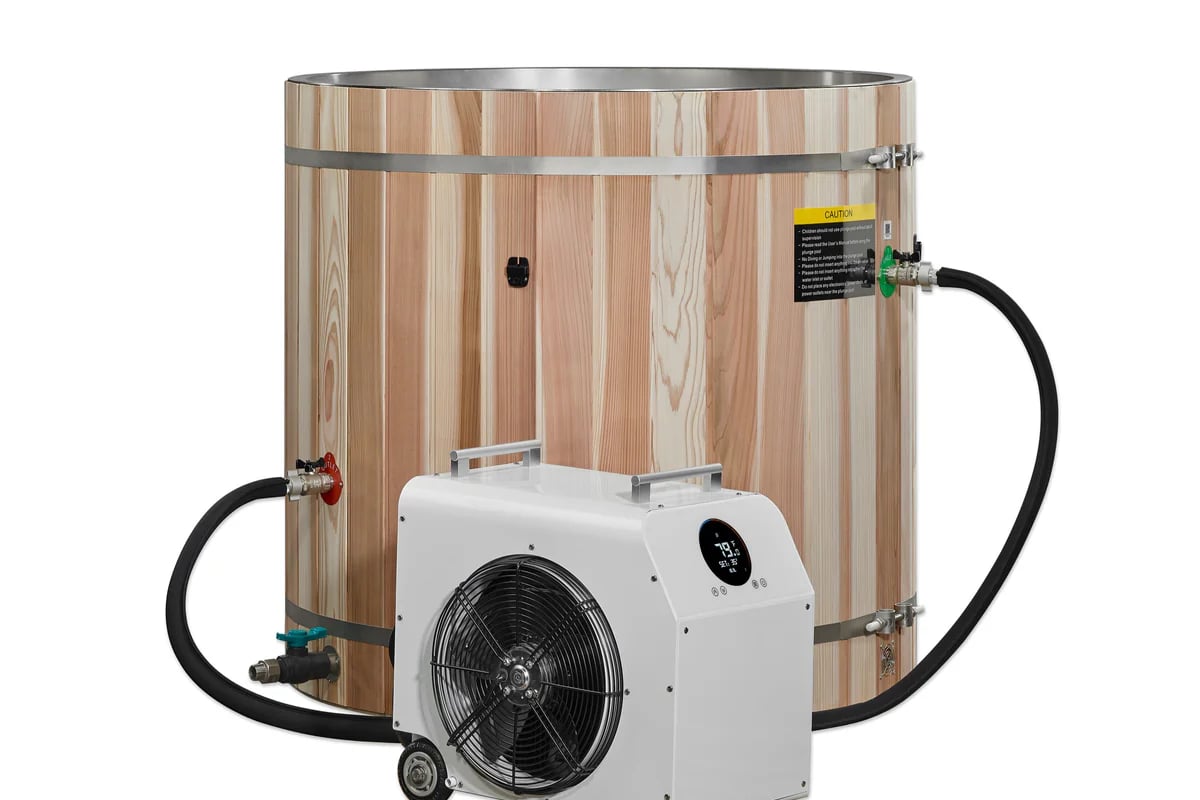
Dedicated cold plunge pools have evolved significantly from makeshift ice baths and livestock tanks. Modern cold therapy systems offer precise temperature control, efficient chilling, and durable construction designed for year-round outdoor use.
The Dynamic Cold Therapy Barrel 304 Stainless Steel Cold Plunge represents a premium solution built specifically for recovery and performance. Constructed from durable stainless steel with integrated chilling systems, these units maintain consistent temperatures and eliminate the need for constant ice replenishment.
| Equipment Type | Temperature Range | Capacity | Maintenance Level | Typical Cost Range |
|---|---|---|---|---|
| Traditional Barrel Sauna | 160-195°F | 2-6 people | Moderate | $4,000-$12,000 |
| Infrared Sauna | 120-150°F | 1-4 people | Low | $2,000-$8,000 |
| Cold Plunge Pool | 39-60°F | 1-3 people | Low (with chiller) | $3,000-$15,000 |
| Ice Bath (DIY) | Variable | 1 person | High | $100-$500 |
Integrating Sauna Cold Plunge Into Your Wellness Routine
Consistency delivers the most significant long-term benefits from contrast therapy. Strategic integration into your existing schedule ensures you maintain regular practice without creating overwhelming demands on your time or recovery capacity.
Timing Considerations for Optimal Results
The ideal time for sauna cold plunge sessions depends on your goals and daily schedule. Morning sessions provide an energizing start to your day, with the cold exposure creating alertness that can reduce caffeine dependence. The practice also establishes a disciplined morning ritual that sets a positive tone.
Evening sessions promote relaxation and may improve sleep quality when scheduled 2-3 hours before bedtime. The heat stress followed by cooling creates a natural temperature drop that aligns with your body's sleep preparation mechanisms. However, sessions too close to bedtime might be overly stimulating for some individuals.
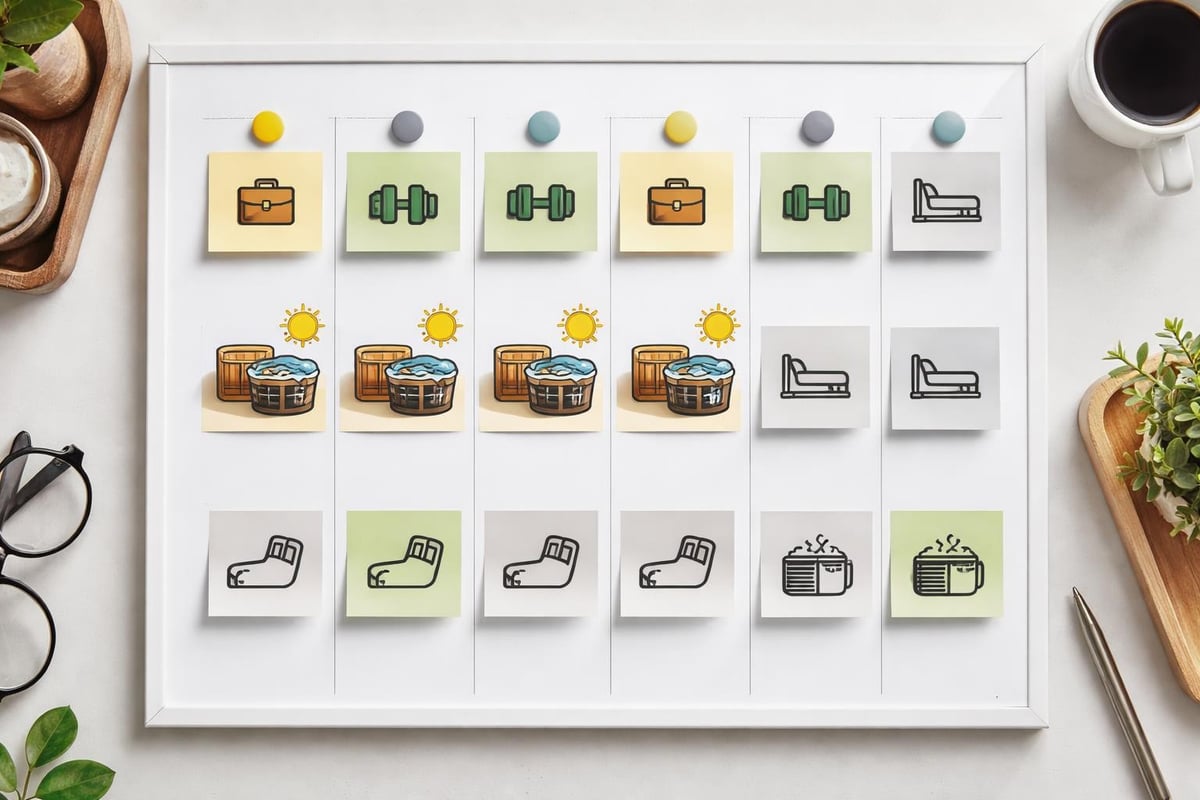
Post-workout timing requires careful consideration. While contrast therapy aids recovery, timing the cold exposure correctly matters for different training goals:
- For general recovery: Cold plunge 2-4 hours after training allows initial inflammatory responses to occur
- For immediate soreness relief: Cold immersion within 30 minutes provides analgesic benefits
- For hypertrophy goals: Delay cold exposure for 4+ hours to avoid blunting adaptive signaling
Building Progressive Tolerance
Adaptation to temperature extremes occurs gradually, and rushing the process increases injury risk while reducing enjoyment. Start with conservative parameters and systematically progress as your body adapts.
Week 1-2: Begin with sauna temperatures at the lower end of the range (160°F for traditional, 120°F for infrared) for 10-12 minutes. Follow with cold water exposure at 60-65°F for just 30-45 seconds. Complete 2 cycles with adequate rest between.
Week 3-4: Increase sauna duration to 15 minutes and temperature slightly. Extend cold immersion to 60-90 seconds at 55-60°F. Progress to 3 cycles if recovery permits.
Week 5-8: Work toward target protocols with 20-minute sauna sessions and 2-3 minute cold plunges at 50-55°F. Maintain 3-4 cycles per session based on how you feel.
Common Mistakes and How to Avoid Them
Even experienced practitioners sometimes fall into patterns that reduce benefits or increase risks. Awareness of these pitfalls helps you maintain safe, effective practice over the long term.
Hydration and Electrolyte Management
The combination of heat-induced sweating and cold-induced diuresis creates significant fluid and electrolyte losses. Many practitioners underestimate these losses, leading to dehydration, cramping, and poor recovery.
Proper hydration strategy includes:
- Drinking 16-20 ounces of water 1-2 hours before your session
- Sipping water during rest periods between cycles
- Consuming electrolyte-rich fluids after completion
- Monitoring urine color to assess hydration status
Avoid alcohol before or immediately after sessions, as it compounds dehydration and impairs thermoregulation.
Breathing Pattern Errors
The cold shock response triggers hyperventilation, which can lead to panic, dizziness, or dangerous situations if not controlled. Learning proper breathing techniques before your first cold plunge significantly improves safety and comfort.
Practice slow, controlled breathing: inhale deeply through your nose for 4 counts, hold briefly, then exhale through your mouth for 6-8 counts. This pattern activates your parasympathetic nervous system, counteracting the stress response and allowing you to remain calm during cold exposure.
Overtraining With Temperature Stress
Sauna cold plunge therapy creates real physiological stress that requires recovery resources. Adding excessive contrast therapy to an already demanding training schedule can lead to overtraining symptoms including poor sleep, elevated resting heart rate, mood disturbances, and decreased performance.
Listen to your body's signals and reduce frequency or intensity if you notice:
- Persistent fatigue that doesn't resolve with rest
- Increased susceptibility to illness
- Declining training performance
- Loss of enthusiasm for sessions you previously enjoyed
The Growing Wellness Movement
The surge in sauna cold plunge popularity reflects broader shifts in how people approach health optimization. The Atlantic's examination of cold plunging trends highlights how these ancient practices have been rediscovered by modern wellness seekers searching for natural, drug-free interventions that deliver measurable results.
Social media has amplified awareness, with wellness influencers and athletes sharing their experiences and protocols. This visibility has democratized knowledge that was previously confined to elite training facilities and Scandinavian spa culture. However, the same visibility sometimes promotes extreme approaches that prioritize spectacle over safety.
Evidence-Based Practice in the Modern Era
As interest grows, so does the quality of research examining the mechanisms and benefits of contrast therapy. Modern studies employ rigorous methodologies to separate legitimate physiological effects from placebo responses, providing practitioners with evidence-based guidelines.
The focus has shifted from anecdotal testimonials to measurable biomarkers: inflammation markers like C-reactive protein, cardiovascular parameters including heart rate variability, and metabolic indicators such as brown fat activation. This scientific foundation strengthens the credibility of sauna cold plunge therapy while identifying optimal protocols for different goals.
Creating Your Personalized Protocol
No single approach works optimally for everyone. Your ideal sauna cold plunge protocol depends on factors including your health status, fitness level, goals, and schedule constraints. Personalization ensures you maximize benefits while maintaining safety and sustainability.
Start by defining clear objectives. Are you primarily focused on athletic recovery, stress management, metabolic enhancement, or general wellness? Your primary goal influences parameter selection, including temperature extremes, duration ratios, and session frequency.
Track your subjective responses alongside objective measurements when possible. Note energy levels, sleep quality, mood, and recovery indicators. If you use wearable technology, monitor metrics like resting heart rate, heart rate variability, and sleep scores to identify patterns and optimize your approach.
Experiment systematically with one variable at a time. Changing multiple parameters simultaneously makes it impossible to identify which modifications produce specific effects. Allow 2-3 weeks with consistent practice before making further adjustments.
Advanced Techniques for Experienced Practitioners
Once you've established baseline tolerance and consistency, advanced techniques can provide novel stimuli and continued adaptation. These approaches require solid foundational practice and should never compromise safety fundamentals.
Breathing protocols: Incorporating specific breathing patterns during cold exposure, such as Wim Hof Method techniques, may enhance stress adaptation and extend tolerable immersion time. Practice breathing exercises separately before integrating them into cold plunges.
Contrast ratios: Experiment with different heat-to-cold time ratios. Traditional approaches often use 3:1 or 4:1 ratios (15 minutes sauna to 3-4 minutes cold), but some practitioners benefit from shorter, more intense contrasts or longer cold exposures with moderate heat.
Extended sessions: Gradually building toward longer total session times (60-90 minutes including rest periods) may amplify cardiovascular and metabolic adaptations for those with sufficient recovery capacity.
Space Planning and Installation Considerations
Creating an effective home setup requires thoughtful planning beyond simply purchasing equipment. Spatial arrangement, access to utilities, and aesthetic integration all influence your long-term satisfaction and use frequency.
For outdoor installations, consider proximity to your home for convenient year-round access, especially during cold weather when traveling even short distances becomes less appealing. Position your sauna and cold plunge to create a natural flow between the two while allowing adequate space for safe transitions.
Electrical requirements vary by equipment type. Traditional saunas with electric heaters typically require 240V circuits, while some infrared models operate on standard 120V household power. Cold plunge chillers also need dedicated electrical service. Consult with licensed electricians during planning to ensure code compliance and safety.
Drainage solutions for your cold plunge prevent water accumulation and simplify maintenance. Some locations allow direct drainage into landscaping, while others require connection to sewage systems. Local regulations govern these installations, making professional consultation valuable.
RecoSauna offers comprehensive guidance on installation requirements and can help you navigate the technical considerations that ensure your investment delivers years of reliable performance.
The sauna cold plunge combination represents a powerful tool for enhancing physical recovery, mental resilience, and overall wellness when practiced safely and consistently. By understanding the physiological mechanisms, following evidence-based protocols, and respecting your individual limits, you can harness the benefits that have attracted practitioners for centuries. Whether you're seeking athletic performance gains, stress management, or simply a daily ritual that promotes vitality, RecoSauna provides the premium equipment and expert support to help you create your ideal contrast therapy sanctuary at home.
Share:
Backyard Barrel Sauna: Ultimate Guide for 2026
Home Saunas Indoor: Complete 2026 Buying Guide