
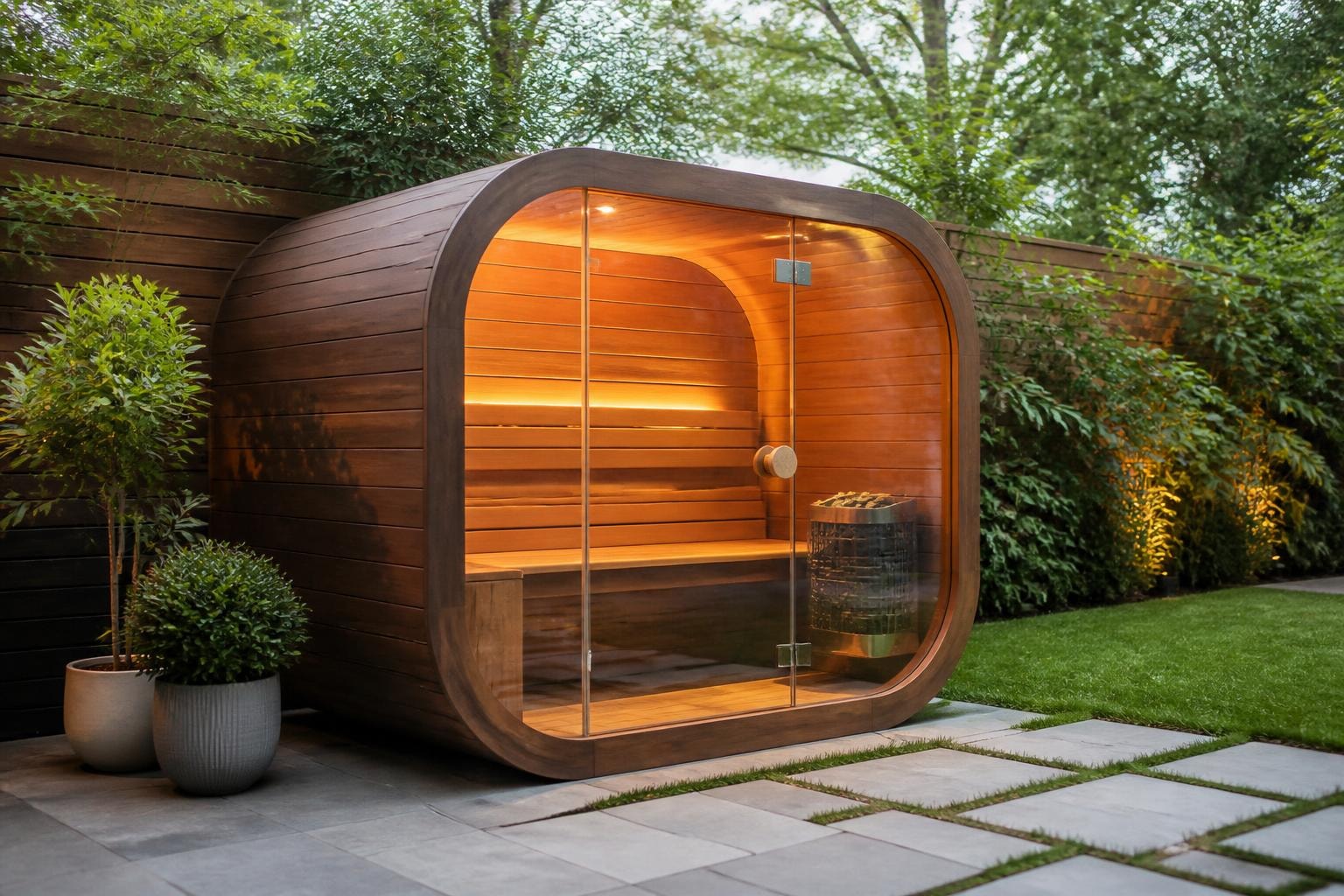
The wellness industry continues to evolve with innovative solutions that fit modern lifestyles, and the pod sauna represents a perfect intersection of compact design and therapeutic benefits. These sleek, space-efficient units offer homeowners the opportunity to enjoy traditional sauna experiences without requiring large dedicated spaces. As more people prioritize health and recovery in 2026, understanding what makes a pod sauna unique becomes essential for making informed purchasing decisions.
Understanding Pod Sauna Design and Architecture
A pod sauna features a distinctive curved or capsule-like structure that maximizes internal space while minimizing the external footprint. This design philosophy creates an efficient heating environment where air circulation and temperature distribution work optimally.
The architectural approach behind these units focuses on geometric efficiency. By utilizing rounded or streamlined shapes, manufacturers reduce material waste while creating structurally sound enclosures that resist weathering. The compact form factor typically accommodates one to three users comfortably, making these saunas ideal for smaller yards, patios, or even larger indoor spaces where traditional cabin-style saunas would overwhelm the area.
Material Choices and Construction Quality
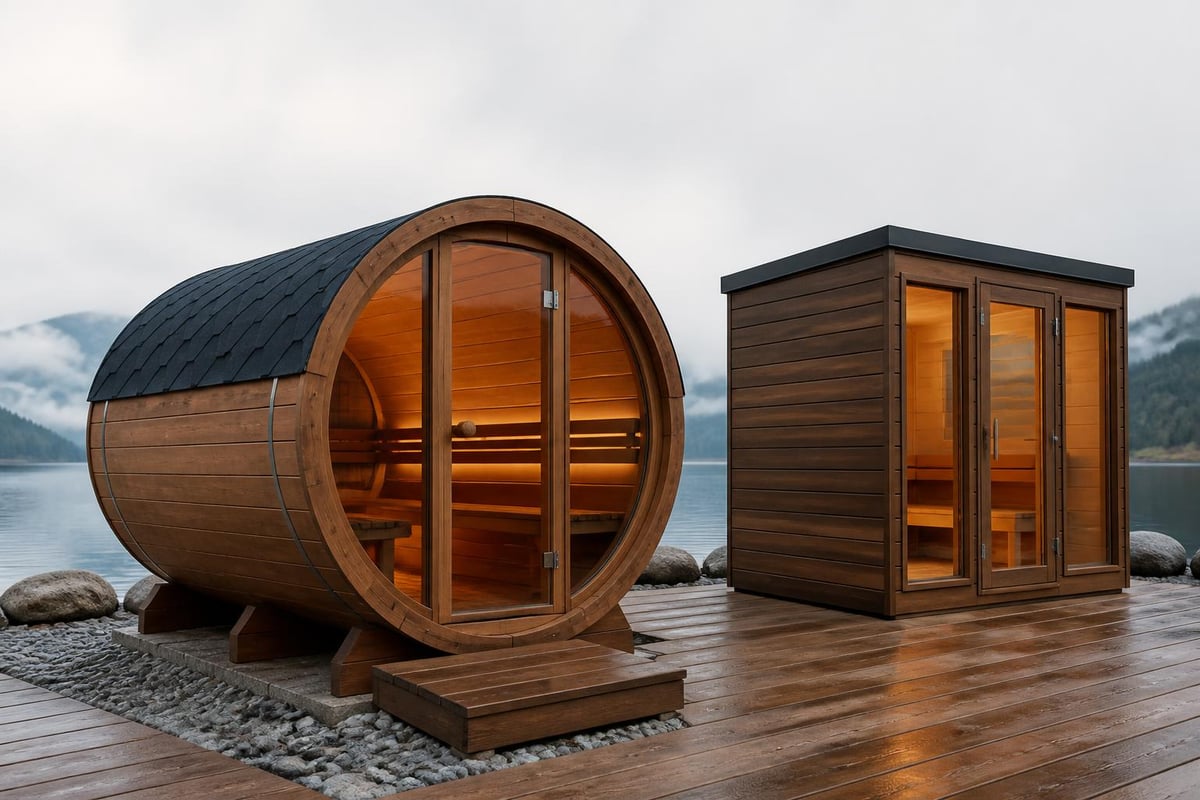
Premium pod saunas utilize Canadian Eastern White Cedar or Red Cedar for their natural resistance to moisture, insects, and temperature fluctuations. These woods contain natural oils that prevent warping and cracking while releasing pleasant aromatics during heating sessions.
Construction quality varies significantly across manufacturers:
- Tongue-and-groove joinery creates tight seals that prevent heat loss
- Tempered glass doors provide safety, visibility, and modern aesthetics
- Marine-grade hardware resists corrosion in high-humidity environments
- Insulated panels maintain consistent temperatures with lower energy consumption
The thickness of wood panels directly impacts heat retention and longevity. Professional-grade units typically feature panels ranging from 38mm to 45mm, providing superior insulation compared to thinner alternatives.
Health Benefits Backed by Research
Regular sauna use delivers measurable physiological benefits, and pod saunas make these advantages accessible to more households. Research published in Mayo Clinic Proceedings demonstrates that consistent sauna bathing supports cardiovascular health, improves circulation, and may reduce the risk of various chronic conditions.
Cardiovascular and Circulatory Support
Heat exposure triggers vasodilation, expanding blood vessels and improving blood flow throughout the body. This response mimics moderate cardiovascular exercise, offering benefits for those unable to engage in high-impact activities.
Studies indicate that regular sessions can:
- Lower resting blood pressure over time
- Improve arterial compliance and elasticity
- Enhance endothelial function in blood vessels
- Support healthy cholesterol profiles
The controlled environment of a pod sauna allows users to gradually acclimate to heat therapy, starting with shorter sessions at moderate temperatures and building tolerance over weeks.
Detoxification and Skin Health
Sweating represents one of the body's natural detoxification pathways. Deep perspiration helps eliminate heavy metals, environmental toxins, and metabolic waste products through the skin. The health benefits of infrared saunas extend beyond traditional models, with far-infrared wavelengths penetrating deeper into tissues.
| Benefit Category | Traditional Heat | Infrared Heat |
|---|---|---|
| Penetration Depth | Surface level | 1.5-2 inches into tissue |
| Operating Temperature | 150-190°F | 120-140°F |
| Cardiovascular Demand | Higher | Moderate |
| Session Duration | 15-20 minutes | 25-40 minutes |
Installation Requirements and Considerations
Setting up a pod sauna requires planning around electrical, spatial, and environmental factors. The installation process differs significantly between outdoor and indoor placements.
Outdoor Installation Fundamentals
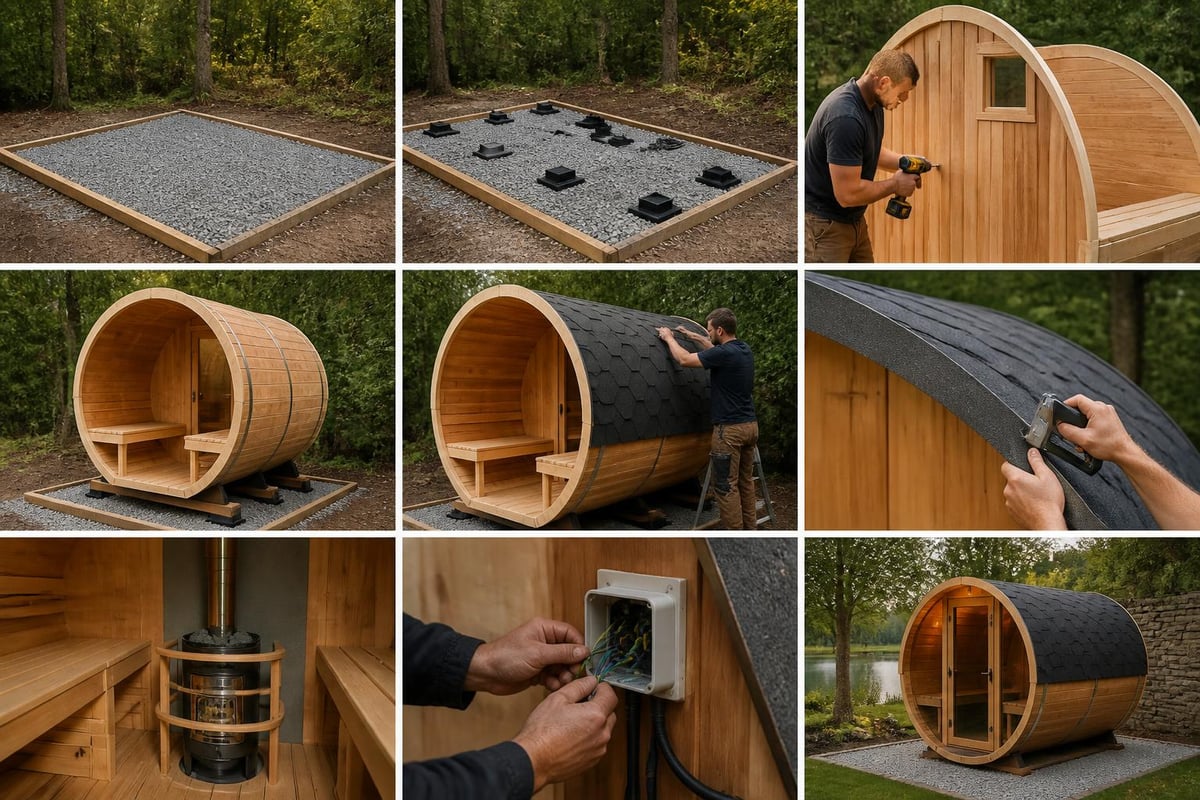
For outdoor saunas, proper foundation preparation ensures structural stability and longevity. Most manufacturers recommend a level concrete pad, composite deck, or compacted gravel base measuring at least six inches larger than the unit's footprint on all sides.
Essential outdoor considerations include:
- Electrical access with dedicated 240V circuit for electric heaters
- Drainage to prevent water pooling around the foundation
- Clearance from property lines, structures, and overhead obstructions
- Sun exposure balancing natural warmth with material preservation
Weather protection extends sauna lifespan considerably. While quality cedar naturally resists decay, applying UV-resistant wood sealers every 12-18 months prevents premature graying and cracking.
Indoor Placement Strategies
Indoor pod sauna installations require additional ventilation planning. Unlike outdoor models with natural airflow, indoor units need dedicated ventilation systems to manage humidity and prevent moisture damage to surrounding structures.
Indoor infrared sauna installation guides emphasize the importance of:
- Adequate ceiling height (minimum 7 feet)
- Moisture-resistant flooring underneath the unit
- Exhaust ventilation rated for sauna humidity levels
- Wall protection using cement board or tile in direct contact areas
Many homeowners place indoor pod saunas in basements, master bathroom suites, or converted spare rooms where plumbing access simplifies any future steam sauna conversions.
Comparing Heating Technologies
The heating method fundamentally changes the sauna experience, energy consumption, and maintenance requirements. Understanding these differences helps buyers select units matching their wellness goals and practical constraints.
Electric Heater Systems
Electric heaters dominate the pod sauna market due to their convenience, precise temperature control, and minimal maintenance needs. These systems use resistive elements to heat sauna stones, which then radiate warmth throughout the cabin.
Modern electric units feature:
- Digital thermostats with programmable timers
- Rapid heating (typically 20-30 minutes to operating temperature)
- Consistent temperature maintenance
- No fuel storage or chimney requirements
Energy consumption varies based on unit size and insulation quality. A well-insulated two-person pod sauna typically draws 4-6 kW during heating cycles, with reduced consumption once target temperature is reached.
Infrared Technology Variations
Infrared saunas use electromagnetic radiation in specific wavelength ranges to heat the body directly rather than warming the surrounding air. This approach allows lower ambient temperatures while achieving similar physiological responses.
Three infrared categories serve different purposes:
| Wavelength Type | Penetration | Primary Benefits |
|---|---|---|
| Near Infrared | Superficial | Skin rejuvenation, wound healing |
| Mid Infrared | Moderate | Improved circulation, pain relief |
| Far Infrared | Deep tissue | Detoxification, muscle recovery |
Full-spectrum infrared pods combine all three wavelengths, offering comprehensive therapeutic effects. Research on infrared therapy benefits continues validating these systems for chronic pain management, athletic recovery, and stress reduction.
Size and Capacity Considerations
Choosing the right pod sauna capacity involves balancing available space, typical user count, and budget constraints. Manufacturers design units in standardized configurations optimized for specific scenarios.
Single and Dual Occupancy Models
Compact pod saunas designed for one or two users offer maximum space efficiency. These units typically measure 4-5 feet in length and 3-4 feet in width, making them suitable for small backyards, apartment balconies (where permitted), or corner installations.
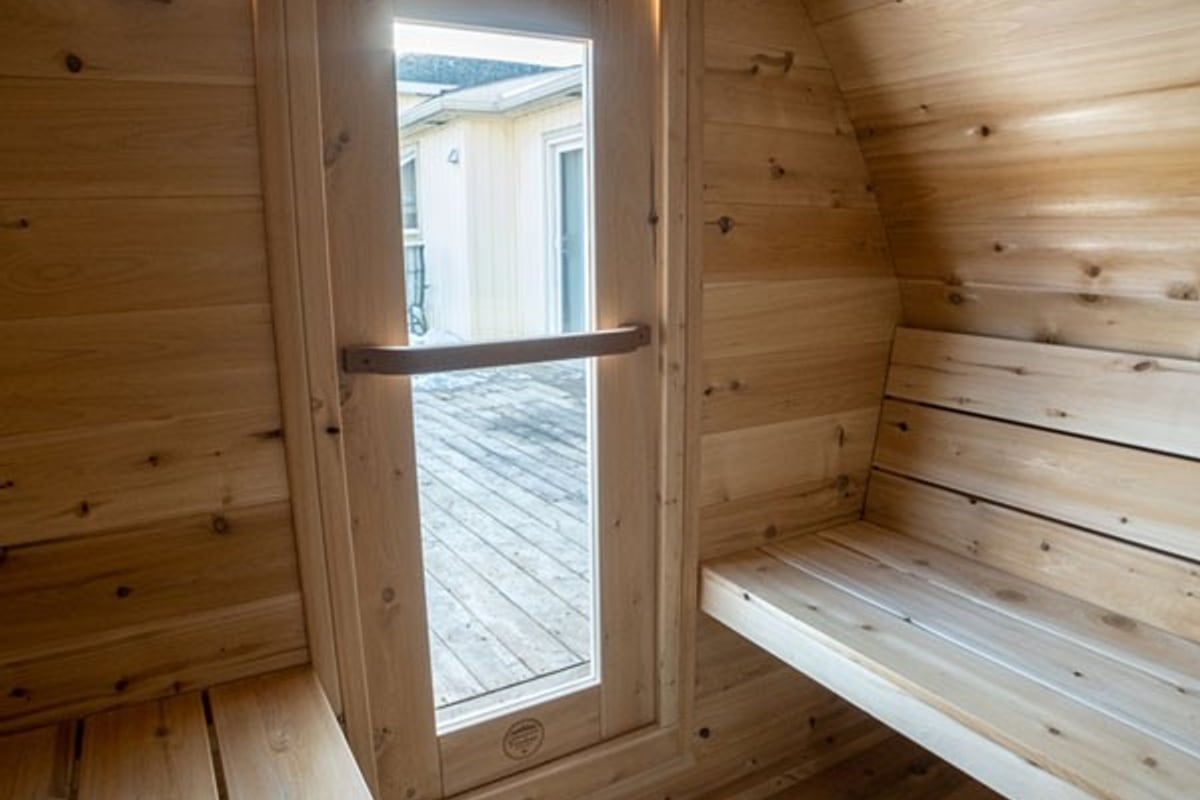
For those seeking a space-efficient option, the Canadian Timber MiniPOD Sauna provides handcrafted quality in a compact footprint. This model features Eastern White Cedar construction with flexible heating options and a tempered glass door, delivering professional-grade performance without requiring extensive yard space.
Family-Sized Pod Configurations
Larger pod saunas accommodate three to four users simultaneously, supporting family wellness routines or social sauna sessions. These expanded models require proportionally more space but maintain the characteristic pod aesthetic and efficient heating dynamics.
Capacity planning should account for:
- Bench configuration (L-shaped, straight, or tiered)
- Comfortable personal space per occupant (approximately 2 square feet)
- Heater size appropriate for increased volume
- Door width for easy entry and exit
Maintenance and Longevity Strategies
Proper maintenance extends pod sauna lifespan from years to decades while preserving aesthetic appeal and functional performance. Establishing routine care protocols prevents common issues before they require expensive repairs.
Wood Care and Protection
Cedar naturally resists decay, but regular maintenance enhances this inherent durability. Monthly inspections should identify any developing issues with wood integrity, hardware, or sealing.
Recommended maintenance schedule:
- Weekly: Wipe interior benches after use, check door seals
- Monthly: Vacuum ventilation openings, inspect electrical connections
- Quarterly: Clean exterior surfaces, treat wood with appropriate products
- Annually: Deep clean interior, refresh sealants, inspect heater elements
Avoid harsh chemicals that strip natural wood oils. pH-neutral cleaners designed specifically for sauna wood preserve the material without creating residue buildup that affects heat transfer or creates odors.
Heater and Electrical System Care
Electric heater maintenance primarily involves keeping heating elements and surrounding areas free from debris. Dust and lint accumulation can create fire hazards and reduce heating efficiency.
Infrared sauna repair and maintenance guides recommend annual professional inspections of electrical systems, particularly for outdoor installations exposed to temperature extremes and moisture. Licensed electricians can identify potential issues with wiring insulation, ground fault protection, and circuit breaker functionality before failures occur.
Cost Analysis and Value Proposition
Pod sauna pricing spans a wide range depending on size, materials, heating technology, and brand reputation. Comprehensive buyer's guides examining sauna pod costs help consumers understand the factors driving price variations.
Initial Investment Breakdown
Entry-level pod saunas start around $3,000-$5,000 for basic single-person infrared models with standard features. Mid-range units ($5,000-$10,000) offer superior wood quality, enhanced insulation, and advanced control systems. Premium installations exceeding $10,000 incorporate luxury features like chromotherapy lighting, premium audio systems, and custom sizing.
Price components include:
- Base unit structure: 40-50% of total cost
- Heating system: 20-25% of total cost
- Installation and electrical: 15-20% of total cost
- Accessories and upgrades: 10-15% of total cost
Financing options through manufacturers or third-party lenders make premium models accessible through monthly payment plans, often with promotional interest-free periods.
Operating Costs and Energy Efficiency
Monthly operating expenses depend on usage frequency, local electricity rates, and unit efficiency. A typical two-person electric pod sauna used four times weekly consumes approximately 40-60 kWh monthly, translating to $5-$15 in most regions.
Energy-saving strategies include:
- Installing timers to prevent accidental extended operation
- Maintaining proper insulation and door seals
- Using during off-peak electricity hours where time-of-use rates apply
- Upgrading to LED interior lighting
Comparing costs to gym memberships with sauna access often reveals favorable economics. Annual operating costs of $60-$180 compare favorably to $500-$1,200 yearly gym fees, while providing unlimited private access.
Safety Features and Best Practices
Modern pod saunas incorporate multiple safety mechanisms protecting users from burns, electrical hazards, and heat-related illness. Understanding these features and following manufacturer guidelines ensures safe, beneficial experiences.
Temperature Controls and Monitoring
Digital thermostats with automatic shutoff prevent overheating beyond safe operating ranges. Most units limit maximum temperatures to 190°F for traditional saunas and 140°F for infrared models, well below levels causing immediate tissue damage.
Safety features to verify include:
- High-temperature limit switches that disconnect power if thermostats fail
- Timer functions preventing overnight operation
- Cool-touch exteriors or insulated walls preventing external burns
- Emergency release door handles operable from inside without latches
Studies evaluating portable sauna pod reliability emphasize the importance of consistent temperature delivery for achieving therapeutic benefits while maintaining user safety.
User Guidelines and Contraindications
Certain health conditions require medical consultation before beginning sauna therapy. Cardiovascular disease, pregnancy, recent surgery, and specific medications may contraindicate sauna use or necessitate modified protocols.
General safety practices include:
- Hydration: Drink 16-20 ounces of water before sessions
- Duration limits: Start with 10-15 minute sessions, gradually increase
- Cool-down periods: Allow body temperature to normalize before showering
- Alcohol avoidance: Never use saunas while intoxicated
Children require supervision and shorter sessions at lower temperatures. Pediatric guidelines suggest maximum 15-minute sessions at temperatures 20-30°F lower than adult settings.
Customization and Upgrade Options
Pod saunas offer numerous customization opportunities allowing owners to tailor units to specific preferences and therapeutic goals. Understanding available options helps maximize long-term satisfaction and functional utility.
Lighting and Atmosphere Enhancement
Chromotherapy (color light therapy) systems cycle through various wavelengths claimed to influence mood and physiological processes. While scientific evidence remains limited, many users report enhanced relaxation with programmable lighting sequences.
Popular lighting upgrades include:
- LED strip lighting with color-changing capabilities
- Fiber optic star panels creating ambient ceiling effects
- Reading lights positioned near seating areas
- Motion-activated safety lighting for nighttime use
Audio and Entertainment Systems
Bluetooth-enabled speakers allow users to enjoy music, podcasts, or guided meditation during sessions. Weatherproof audio systems designed for high-temperature environments resist moisture damage and deliver clear sound quality.
Integration considerations involve:
- Speaker placement for optimal sound distribution
- Control accessibility from seated positions
- Volume limitations respecting neighbor privacy for outdoor installations
- Compatibility with existing smart home systems
Comparing Pod Saunas to Alternative Designs
The sauna market offers diverse configurations, each with distinct advantages. Understanding how pod saunas compare to barrel saunas and cabin-style units helps buyers select the best match for their property and preferences.
Pod vs. Barrel Configurations
Barrel saunas share the curved efficiency of pod designs but typically feature a circular cross-section rather than an elongated capsule shape. Both styles optimize heat circulation and present visually distinctive aesthetics compared to rectangular cabins.
| Feature | Pod Sauna | Barrel Sauna |
|---|---|---|
| Footprint Shape | Elongated oval/capsule | Circular cross-section |
| Entry Style | Front-facing door | End or side entry |
| Bench Configuration | Linear or L-shaped | Curved, following walls |
| Visual Impact | Modern, streamlined | Traditional, rustic |
Scientific evaluations of portable saunas examine whether compact units deliver comparable benefits to full-sized installations, generally finding that properly designed small saunas achieve similar physiological responses when temperature and humidity parameters match larger models.
Space Requirements Comparison
Traditional cabin saunas require 6x6 feet minimum for two-person capacity, while equivalent pod saunas often achieve similar internal volume within a 5x4 foot footprint. This 40% reduction in floor space proves decisive for urban properties or areas with strict setback requirements.
Pod saunas represent an intelligent solution for homeowners seeking wellness benefits without sacrificing valuable property space or aesthetic appeal. By combining efficient design, proven therapeutic benefits, and flexible installation options, these units make regular sauna therapy accessible to modern households. Whether you're drawn to the compact footprint, contemporary styling, or health advantages, RecoSauna offers expertly curated pod sauna options alongside barrel, cabin, and infrared models from premium North American manufacturers. Explore the collection today to find the perfect sauna solution matching your space, budget, and wellness goals.
Share:
Infrared Sauna Pod: Benefits, Features & Buying Guide
Sauna Day: Your Complete Guide to Recovery and Wellness