
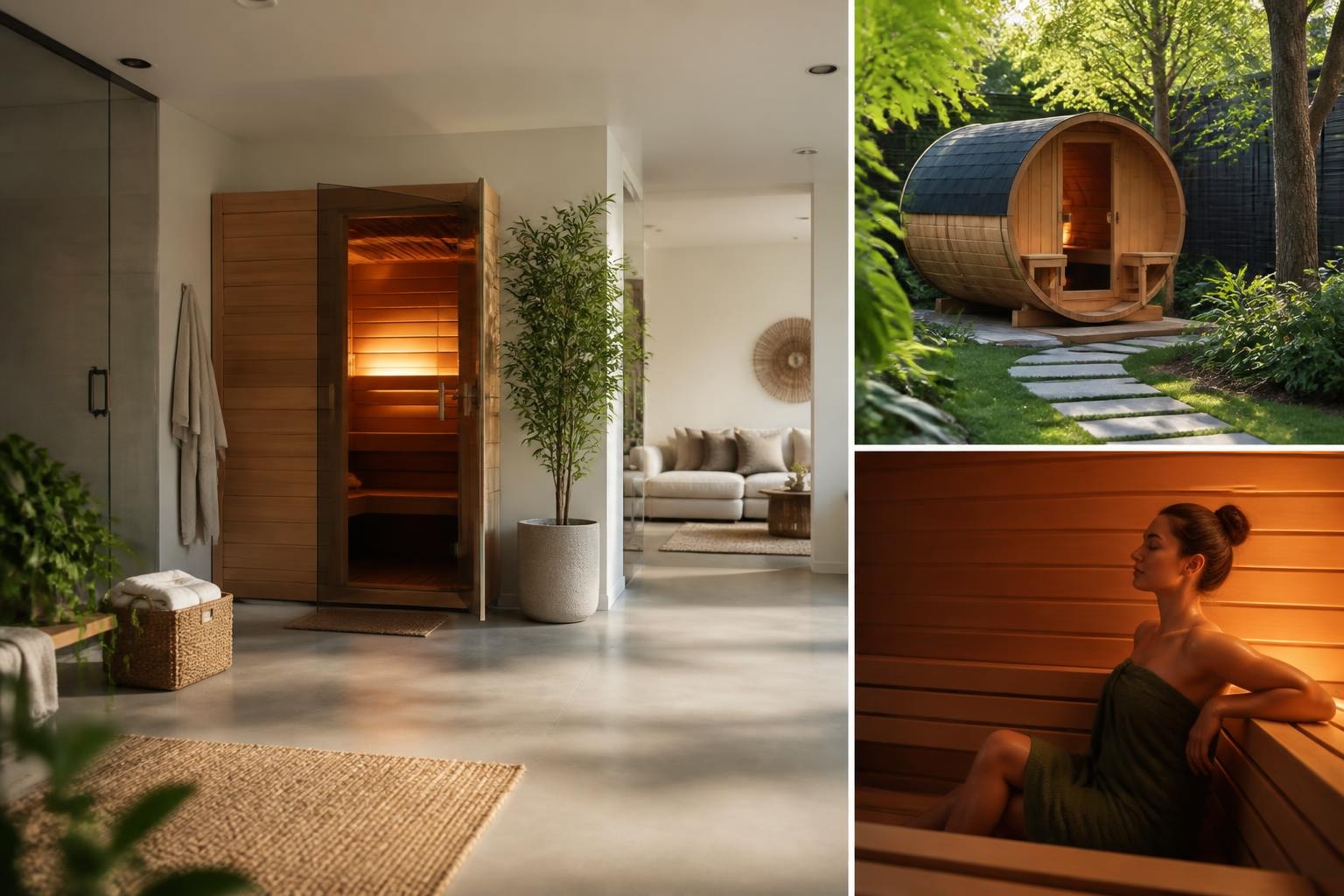
Transforming your property into a home with sauna represents a significant lifestyle upgrade that combines wellness, relaxation, and long-term property value. Whether you're drawn to the therapeutic benefits of heat therapy, the social aspects of sauna culture, or simply creating a personal retreat space, installing a sauna at home has become increasingly accessible for homeowners across North America. This comprehensive guide walks you through the essential considerations, from selecting the right sauna type to understanding installation requirements and maximizing your investment.
Understanding Your Home with Sauna Options
Creating a home with sauna starts with understanding the diverse range of options available in 2026. The market has evolved considerably, offering solutions for virtually every space constraint, budget level, and aesthetic preference.
Indoor Sauna Installations
Indoor saunas integrate seamlessly into existing home layouts, transforming basements, spare bathrooms, or dedicated wellness rooms into private heat therapy spaces. Traditional Finnish saunas require proper ventilation, electrical infrastructure for heaters, and adequate floor drainage. Infrared saunas offer a more flexible installation profile, requiring only standard electrical outlets and minimal ventilation modifications.
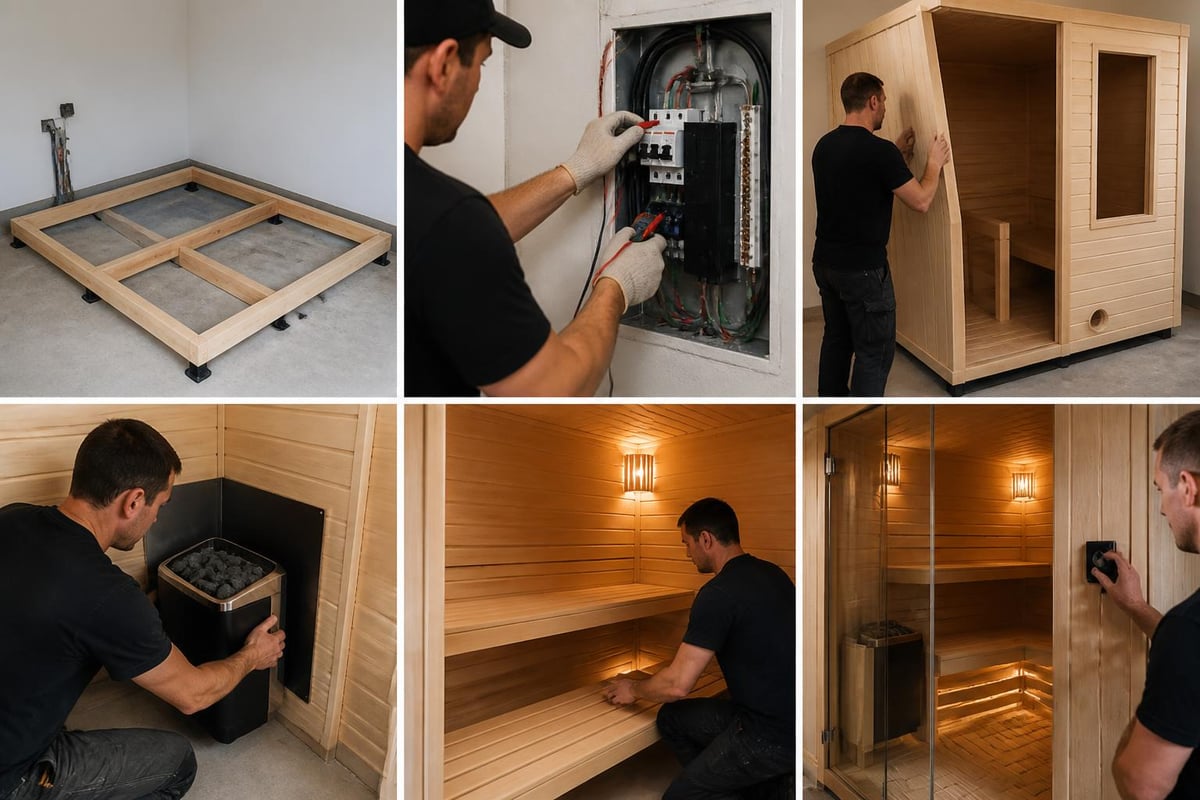
The installation process for indoor units typically involves:
- Assessing structural capacity and moisture resistance
- Upgrading electrical systems to support heater requirements
- Installing proper ventilation and vapor barriers
- Assembling prefabricated panels or constructing custom frameworks
- Adding finishing touches like benches, lighting, and controls
According to comprehensive home sauna planning resources, proper insulation ranks among the most critical factors for energy efficiency and performance quality.
Outdoor Sauna Solutions
Outdoor installations offer unique advantages for homeowners with available yard space. Barrel saunas have surged in popularity due to their efficient heat circulation, compact footprint, and distinctive aesthetic appeal. Cabin-style saunas provide more interior space and traditional architectural character, while pod designs deliver modern minimalism with streamlined installation.
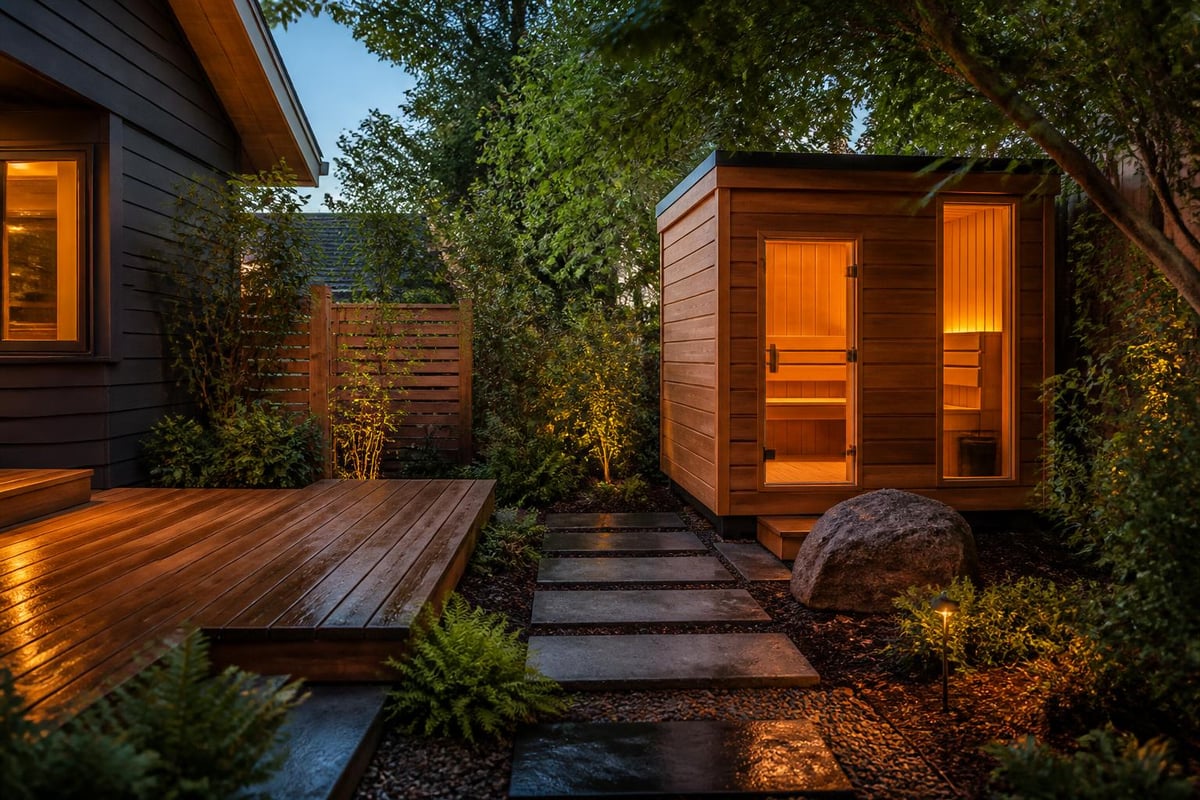
Weather resistance becomes paramount for outdoor installations. Premium Eastern White Cedar and Red Cedar offer natural rot resistance, insect deterrence, and aromatic qualities that enhance the sauna experience. These materials require minimal maintenance while developing attractive silver-gray patinas over time when left untreated.
Key Considerations for Your Home with Sauna Project
Planning a home with sauna installation requires careful evaluation of multiple factors that influence both immediate costs and long-term satisfaction.
Space Requirements and Placement
Minimum dimensions vary significantly by sauna type. A compact one-person infrared unit may require only 3x3 feet of floor space, while a family-sized traditional sauna demands 6x8 feet or larger. Ceiling height matters equally, with most saunas requiring at least 6.5 to 7 feet of clearance.
| Sauna Type | Minimum Footprint | Ideal Ceiling Height | Capacity |
|---|---|---|---|
| Compact Infrared | 3x3 feet | 6.5 feet | 1-2 persons |
| Standard Indoor | 5x6 feet | 7 feet | 2-3 persons |
| Barrel Sauna | 6 feet diameter | 6.5 feet | 3-4 persons |
| Cabin Sauna | 8x10 feet | 7 feet | 4-6 persons |
Location selection extends beyond square footage. Consider proximity to showers or changing areas, accessibility from main living spaces, privacy from neighbors, and long-term maintenance access. Outdoor installations benefit from professional site assessment and design planning to optimize the user experience.
Electrical and Utility Infrastructure
Electrical requirements represent a significant planning consideration for any home with sauna project. Traditional electric heaters typically draw 6-8 kilowatts, necessitating dedicated 240-volt circuits with appropriate amperage ratings. Some homeowners explore essential pre-installation requirements to avoid costly retrofits.
- Dedicated circuit breakers sized for heater specifications
- GFCI protection in damp or outdoor locations
- Proper wire gauging based on distance from electrical panel
- Professional electrical inspection to ensure code compliance
Infrared saunas offer installation advantages with their lower power consumption, often operating on standard 120-volt household circuits. This flexibility makes them particularly attractive for retrofit projects where electrical upgrades present challenges.
Budget and Investment Analysis
A realistic budget for a home with sauna encompasses more than the unit purchase price. Total project costs include:
- Sauna unit or kit ($2,000-$15,000+)
- Foundation or flooring preparation ($500-$3,000)
- Electrical work ($800-$2,500)
- Ventilation modifications ($300-$1,200)
- Assembly labor if not DIY ($1,000-$3,000)
- Accessories and finishing touches ($200-$1,000)
Premium materials and larger capacities naturally command higher price points. However, the wellness benefits and property value enhancement often justify the investment. Many homeowners report substantial satisfaction with their sauna purchase decisions when they align specifications with actual usage patterns.
Health and Wellness Benefits of a Home with Sauna
The decision to create a home with sauna often stems from compelling health and wellness motivations supported by extensive research.
Physical Health Advantages
Regular sauna use delivers measurable physiological benefits. Cardiovascular conditioning occurs as elevated temperatures increase heart rate and improve circulation patterns similar to moderate exercise. Muscle recovery accelerates through increased blood flow to tissues, making saunas particularly valuable for active individuals and athletes.
Additional physical benefits include:
- Enhanced detoxification through increased perspiration
- Improved skin health and appearance
- Temporary relief from joint and muscle pain
- Potential support for immune system function
- Better sleep quality following evening sessions
The therapeutic potential of home saunas continues to attract attention from wellness-focused homeowners seeking drug-free approaches to health optimization.
Mental and Emotional Wellbeing
Beyond physical health, a home with sauna creates a dedicated space for mental restoration. The practice of heat bathing encourages mindfulness, stress reduction, and intentional relaxation. Many users report significant improvements in overall mood, anxiety management, and mental clarity.
The convenience factor amplifies these benefits. Unlike gym or spa visits requiring scheduling and travel, a home sauna enables spontaneous wellness sessions perfectly timed to individual needs and daily rhythms.
Selecting the Right Sauna for Your Home
Matching sauna characteristics to your specific situation ensures maximum satisfaction and usage frequency.
Traditional vs. Infrared Technology
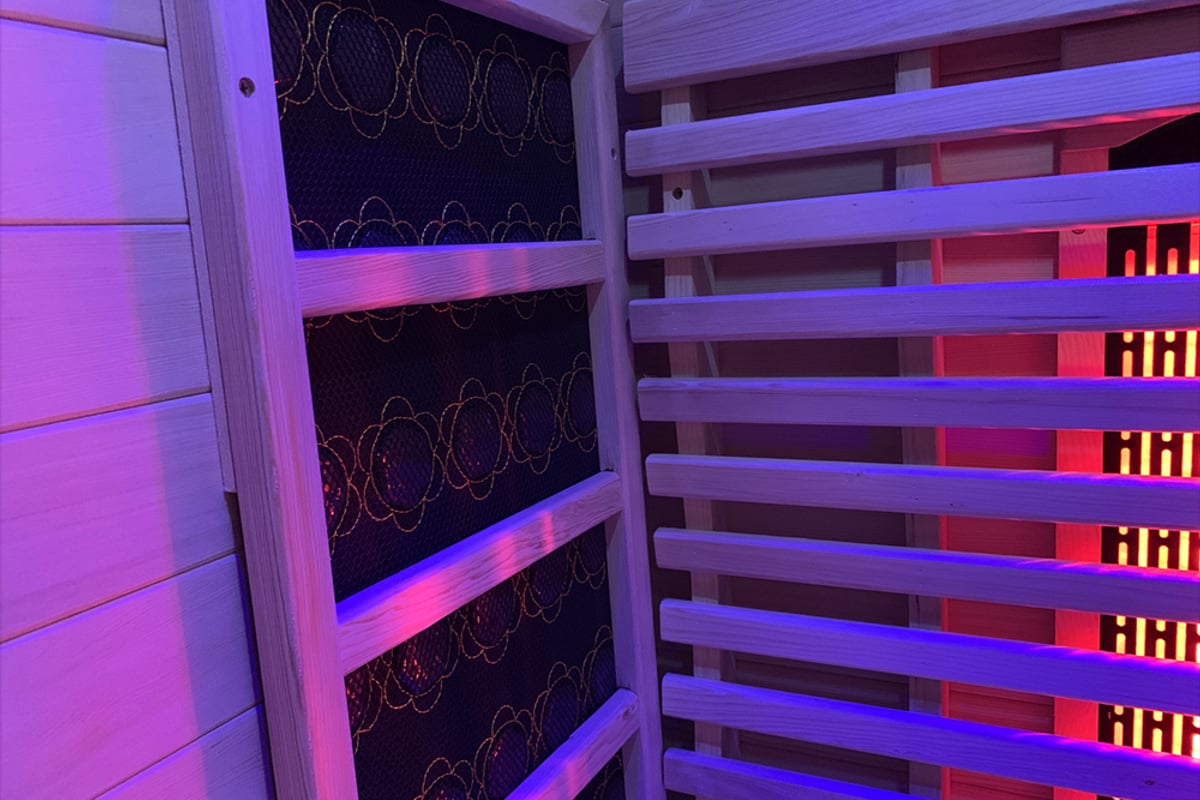
Traditional saunas heat ambient air to 150-195°F using electric or wood-burning heaters, creating the classic high-temperature experience. Infrared saunas operate at lower temperatures (120-140°F) while using infrared panels to directly warm the body, offering gentler sessions that some users prefer.
| Feature | Traditional Sauna | Infrared Sauna |
|---|---|---|
| Operating Temperature | 150-195°F | 120-140°F |
| Heat-Up Time | 30-45 minutes | 10-15 minutes |
| Energy Consumption | Higher | Lower |
| Installation Complexity | Moderate-High | Lower |
| Moisture Options | Dry or wet heat | Dry heat only |
For those seeking the modern convenience and therapeutic qualities of infrared technology, the Lumin Infrared Sauna Two offers an excellent 2-person solution. Built from Canadian Hemlock wood with intuitive touch controls and plug-compatible setup, this model delivers far-infrared wellness sessions without complex installation requirements.
Outdoor Barrel and Cabin Designs
Outdoor sauna enthusiasts appreciate the unique characteristics of barrel and cabin configurations. Barrel designs optimize heat circulation through their curved architecture while occupying minimal ground space. The distinctive appearance creates compelling backyard focal points that enhance property aesthetics.
Cabin saunas provide more traditional interior layouts with vertical walls, rectangular floor plans, and often larger capacities. These structures accommodate families and social groups more comfortably. Many Canadian Timber cabin sauna options feature authentic craftsmanship using premium Eastern White Cedar.
Pod and Contemporary Styles
Modern pod saunas blend minimalist design aesthetics with efficient functionality. Their compact profiles suit contemporary architectural styles while delivering full sauna experiences. These units typically arrive as complete systems with integrated benches, lighting, and climate controls.
The evolution toward plug-and-play systems has revolutionized the home with sauna market. Prefabricated panels with precision joinery enable weekend installations without specialized carpentry skills, as outlined in detailed installation guides.
Installation Process and Timeline
Understanding the installation sequence helps homeowners prepare adequately and set realistic completion expectations.
Site Preparation Phase
Proper foundation work prevents future structural issues and ensures optimal performance. Indoor locations require level, reinforced flooring capable of supporting the sauna's weight plus occupants. Outdoor installations typically use:
- Concrete pads offering maximum stability and longevity
- Paver bases providing adequate support with better drainage
- Gravel foundations delivering economical solutions for lighter units
- Deck platforms integrating saunas into existing outdoor living spaces
Adequate drainage prevents water accumulation around the structure. Slight slopes direct moisture away from foundations while maintaining level interior floors.
Assembly and Construction
Most contemporary home with sauna projects utilize prefabricated kit systems that simplify construction. These packages include pre-cut panels, hardware, benches, heaters, and detailed instructions. Assembly timelines range from one day for compact indoor units to a weekend for larger outdoor cabins.
Professional installation services expedite the process while ensuring optimal results. Contractors experienced with sauna construction understand critical details like vapor barrier placement, proper heater clearances, and ventilation requirements.
Electrical and Final Connections
Licensed electricians should handle all electrical work to ensure safety and code compliance. This phase includes running dedicated circuits from the main panel, installing appropriate breakers, connecting heater elements, and testing control systems.
Final steps encompass:
- Installing door hardware and glass panels
- Mounting benches and backrests
- Connecting lighting fixtures
- Testing heater operation and temperature controls
- Applying any protective finishes or sealants
- Conducting final safety inspections
Maximizing Your Home with Sauna Experience
Proper usage protocols and maintenance routines ensure lasting satisfaction with your investment.
Optimal Usage Practices
Session frequency and duration vary by individual tolerance and wellness goals. Most experts recommend 15-20 minute sessions for beginners, gradually extending to 30-40 minutes as heat tolerance develops. Temperature preferences range from 140°F for gentle sessions to 180°F+ for traditional Finnish experiences.
Pre-session preparation enhances comfort and safety. Hydrate thoroughly beforehand, shower to remove lotions or oils, and bring towels for sitting surfaces. Post-session cooling periods allow gradual body temperature normalization, particularly important before winter outdoor exposure.
Maintenance Requirements
Regular maintenance preserves both performance and longevity. Weekly tasks include wiping down benches, sweeping or vacuuming floors, and checking door seals. Monthly activities encompass deep cleaning wood surfaces, inspecting heater elements, and testing safety features.
Outdoor units require seasonal attention to weatherproofing elements. Annual treatments with appropriate wood preservatives maintain cedar's natural resistance while preventing excessive weathering. The comprehensive sauna buying guidance available online emphasizes maintenance planning during the selection process.
Enhancing the Experience
Thoughtful accessories elevate routine sessions into luxurious wellness rituals:
- Aromatherapy oils designed specifically for sauna use
- Bucket and ladle sets for traditional heat and humidity control
- Ergonomic backrests improving comfort during extended sessions
- Chromotherapy lighting adding color therapy dimensions
- Premium sound systems enabling meditation or music accompaniment
Some homeowners discover inspiration from upscale wellness destinations. For instance, properties like Seesaw's Lodge in Vermont demonstrate how premium sauna facilities contribute to exceptional guest experiences, offering insights applicable to residential installations.
Design Integration and Property Value
A well-planned home with sauna enhances both lifestyle quality and real estate value.
Architectural Harmony
Successful sauna integration respects existing architectural styles while creating cohesive visual relationships. Modern homes accommodate contemporary glass and metal designs, while traditional properties benefit from classic cabin aesthetics using natural wood finishes.
Interior installations should coordinate with surrounding décor through complementary materials, color palettes, and lighting schemes. Outdoor saunas become landscape features requiring thoughtful placement among existing gardens, patios, and sight lines.
Privacy and Ambiance Considerations
Strategic screening creates intimate, comfortable sauna environments. Interior installations benefit from window treatments, dimmer switches, and sound insulation. Outdoor units gain privacy through:
- Lattice panels with climbing vines
- Natural hedge plantings
- Decorative fence sections
- Strategic orientation away from neighbor sight lines
Ambient lighting transforms sauna spaces from purely functional to genuinely inviting. LED systems offer energy efficiency with programmable color temperatures supporting relaxation.
Property Value Enhancement
Real estate professionals increasingly recognize wellness amenities as valuable selling points. A professionally installed home with sauna signals quality-conscious ownership and appeals to health-focused buyers. While precise ROI varies by market, premium installations in desirable neighborhoods often recoup 60-80% of costs upon resale.
Documentation preserves value through transfer. Maintain records of permits, electrical inspections, warranty information, and maintenance history for future buyers.
Selecting Your Sauna Provider
Partnering with reputable suppliers ensures quality products backed by reliable support.
Quality Indicators
Premium sauna manufacturers distinguish themselves through material selection, construction techniques, and performance warranties. Canadian Timber construction using Eastern White Cedar or Red Cedar signals commitment to durability and authentic sauna experiences. These materials outperform cheaper alternatives in longevity, aromatic qualities, and heat retention.
Certification marks from electrical safety organizations, proper heater ratings, and tempered glass components indicate attention to safety standards. Manufacturers offering comprehensive warranties demonstrate confidence in their products.
Support and Service
Post-purchase support separates exceptional providers from commodity sellers. Look for suppliers offering detailed installation guidance, responsive customer service, and accessible replacement parts. The ability to browse complete product selections with detailed specifications streamlines informed decision-making.
Customization Options
Flexibility in configuration, sizing, and features enables precise matching to individual requirements. Premium suppliers accommodate special requests for heater types, door placements, window sizes, and interior layouts. This customization capability proves particularly valuable for challenging installation locations or unique aesthetic visions.
Creating a home with sauna represents a transformative investment in personal wellness, family bonding, and property value. By carefully evaluating your space, understanding the available options, and selecting quality components backed by expert support, you can design a sauna experience perfectly tailored to your lifestyle and goals. Whether you envision morning meditation sessions in a compact infrared unit or weekend social gatherings in a spacious barrel sauna, the right planning ensures decades of therapeutic enjoyment. RecoSauna provides an extensive selection of outdoor, barrel, cabin, and infrared saunas crafted from premium Canadian Timber, offering the quality and variety needed to bring your home sauna vision to life with confidence and expert guidance.
Share:
Barrel Sauna Costco: Your 2026 Buying Guide
Canadian Infrared Sauna: Benefits, Features & Buying Guide