

A home spa is not a luxury addition. It is a quiet recovery system built around your family's daily needs. The best home spa ideas begin with heat, move through cold, and create space for stillness. This has been practiced in northern climates for thousands of years. Today's homeowner adapts these principles to basement bathrooms, backyard corners, and covered porches. The goal is consistency, not perfection.
What Makes a Home Spa Work Long-Term
A functional home spa prioritizes regularity over complexity. Start with one element you will actually use three or more times weekly. That might be heat therapy, cold exposure, or a dedicated space for breathing practice.
The most effective home spa ideas share common traits:
- Simple access from the main house or bedroom
- Year-round usability regardless of season
- Low maintenance that respects your time
- Modular expansion as needs evolve
Many homeowners begin with one anchor element. Sauna for recovery has been the foundation for generations. Cold follows naturally. Quiet space supports both.
Heat Therapy Options Compared
Different heat sources serve different recovery goals. Choose the one that aligns with how your body responds and how often you plan to use it.
| Heat Type | Warm-Up Time | Session Length | Best For |
|---|---|---|---|
| Traditional sauna | 30-45 min | 10-20 min | Deep heat, löyly steam |
| Infrared sauna | 10-15 min | 20-40 min | Gentle warmth, daily use |
| Steam room | 15-20 min | 10-15 min | Respiratory comfort |
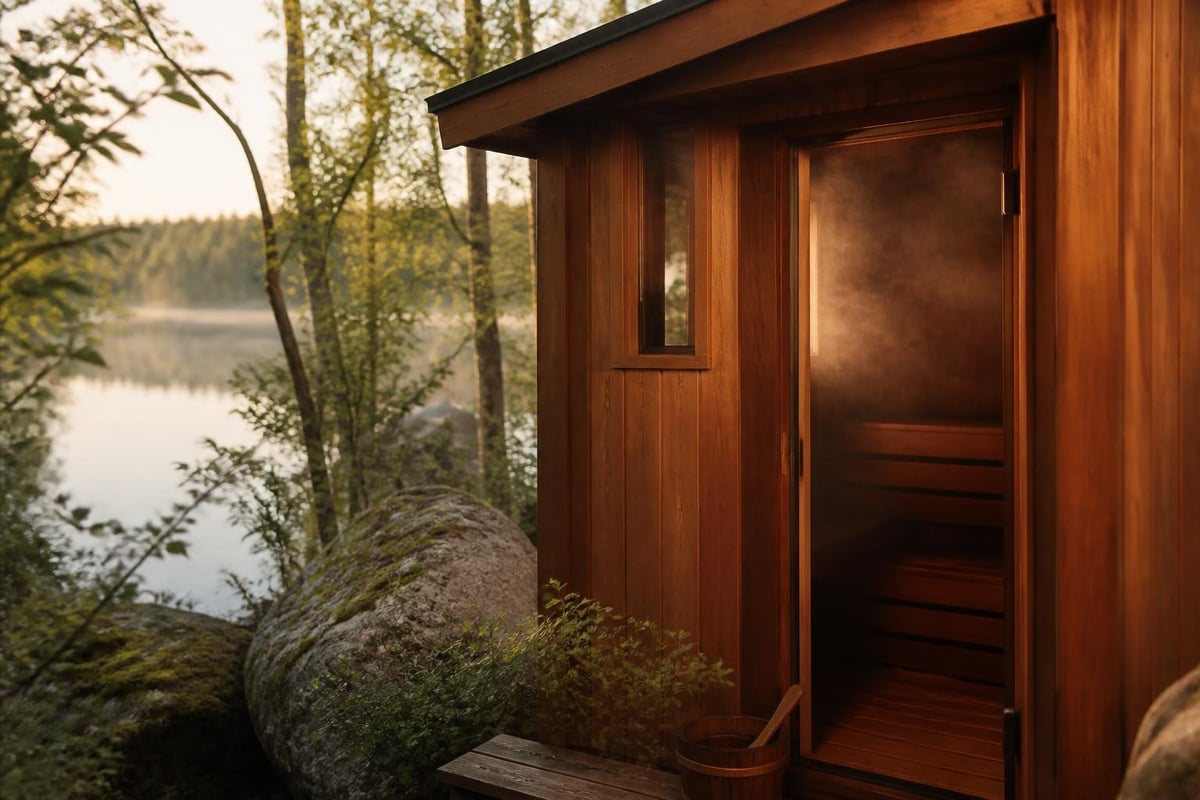
Traditional sauna delivers löyly, the moment water meets hot stones and releases steam. That brief surge changes the air and how your body reacts to the heat. Infrared provides steadier radiant warmth without steam. Both work. The question is which one you will return to consistently.
Cold Immersion as a Complement
Cold water after heat is the oldest form of contrast therapy. Research shows association between regular cold exposure and improved circulation, mood support, and mental clarity. No mechanism is fully proven. The practice predates the data.
Cold plunge options for home:
- Dedicated cold plunge tub with chiller
- Stock tank with ice refresh
- Natural pond or lake (seasonal)
- Cold shower with gradual temperature drop
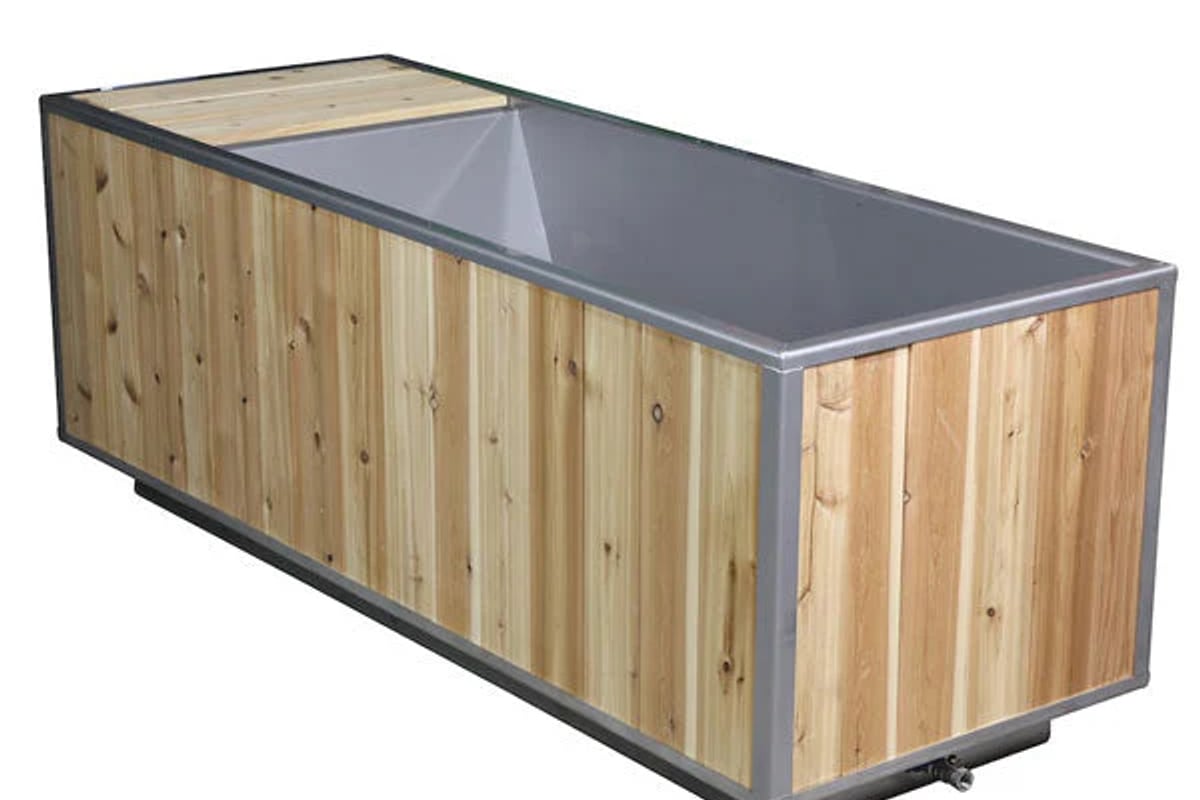
The LeisureCraft Flow Cold Plunge combines a natural cedar exterior with a stainless steel interior and built-in chiller. It ships fully assembled and is ready to use immediately. This eliminates the daily work of managing ice while preserving the design simplicity that makes cold therapy sustainable.
Start with brief immersion. Thirty seconds is sufficient. Extend only as your tolerance builds. Consistency matters more than duration.
Choosing Your Primary Wellness Element
Most successful home spa ideas begin with a single focus. Add complexity only after the first habit is established.
If heat is your anchor:
- Decide between traditional steam and infrared warmth
- Measure available floor space (indoor or outdoor)
- Confirm electrical capacity (most saunas use 240V)
- Plan for ventilation and moisture control
If cold is your priority:
- Identify outdoor placement with drainage access
- Calculate chiller cost versus manual ice refresh
- Consider seasonal use versus year-round operation
- Ensure privacy and wind protection
If stillness is the goal:
- Designate a separate room or screened corner
- Control lighting with dimmers or circadian-friendly fixtures
- Minimize visual clutter and digital devices
- Add sound dampening or nature recordings
The question is not which element is best. The question is which one you will use when time is short and motivation is low.
Material and Air Quality Decisions
Wood choice affects both durability and indoor air quality. Cedar and hemlock are common for saunas and cold plunge tubs. Both resist moisture and release minimal volatile organic compounds.
Natural materials also improve the sensory experience. Untreated wood smells different than synthetic finishes. The EPA provides guidance on VOCs and indoor air safety. This matters especially in enclosed heat spaces.
Avoid pressure-treated lumber near skin contact. Skip chemically sealed surfaces where steam and heat concentrate. The goal is to breathe freely during recovery sessions.
Lighting That Supports Relaxation
Bright overhead lighting disrupts the transition from activity to rest. Adjustable, warm-toned lighting supports the nervous system shift that makes recovery effective.
Practical lighting layers:
- Dimmable warm LED (2700K or lower)
- Indirect lighting behind benches or walls
- Optional chromotherapy panels (red, amber, soft blue)
- Natural daylight from windows during daytime use
The Lighting Research Center at RPI studies how light temperature and timing affect circadian rhythm. Evening sessions benefit from amber or red tones. Morning sessions tolerate brighter, cooler light. Your home spa should allow both.
Layout Ideas for Smaller Spaces
Most homeowners lack dedicated spa rooms. These layouts adapt to real floor plans and budgets.
Basement corner:
- Install infrared sauna (requires less ventilation)
- Add cold shower with handheld spray
- Use folding screen for visual separation
Bathroom addition:
- Upgrade existing shower to steam-capable enclosure
- Install soaking tub or compact plunge
- Swap vanity lighting for dimmable warm LEDs
Outdoor porch or deck:
- Place traditional sauna near exterior door
- Position cold plunge within 10 feet
- Use privacy lattice or landscaping for enclosure
Garage or shed conversion:
- Insulate and finish one wall section
- Run electrical for sauna heater
- Use remaining space for stretching or meditation
Floor space matters less than proximity. The easier the transition from heat to cold to rest, the more often you will complete the full cycle.
Adding Biophilic Elements
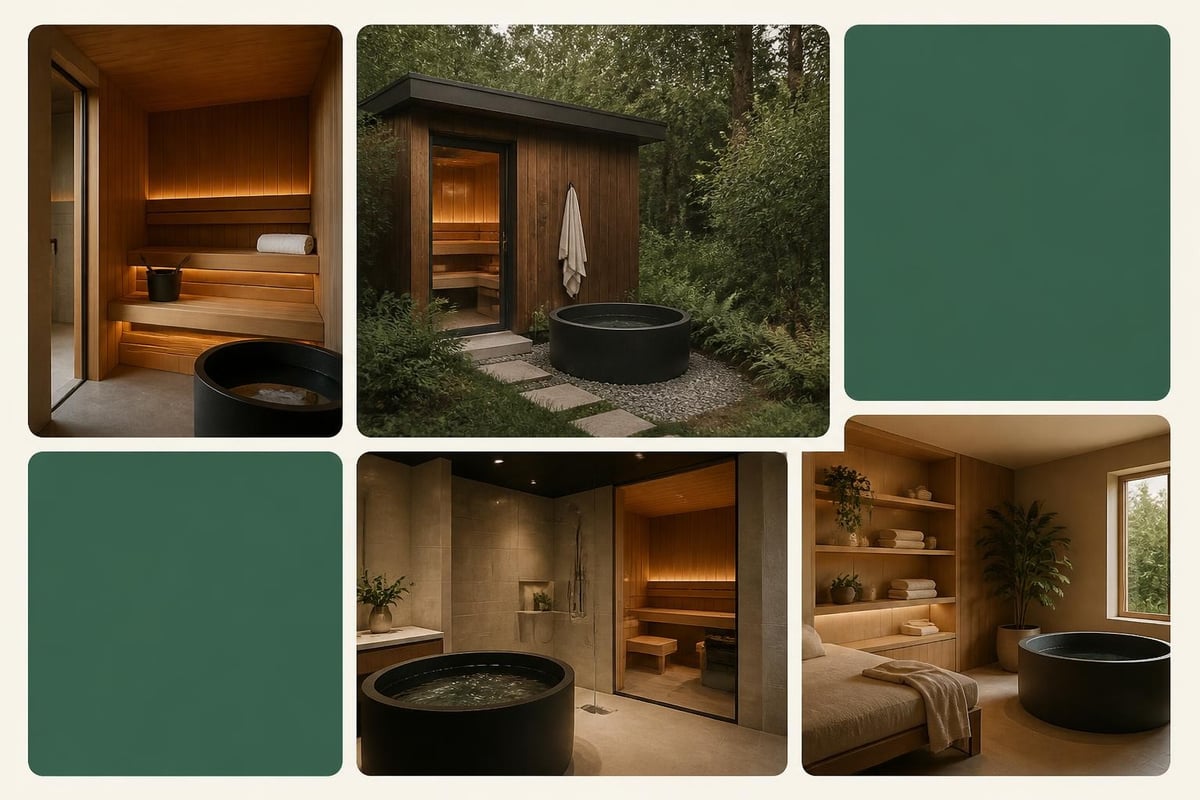
Plants that tolerate humidity improve air quality and create visual softness. The Royal Horticultural Society recommends ferns, orchids, and pothos for bathrooms and spa spaces.
Living greenery adds oxygen and absorbs moisture. It also reduces the clinical feeling that undermines relaxation. Place plants where they receive indirect light and occasional misting from steam sessions.
Natural stone, untreated wood, and water features reinforce the connection to outdoor environments. This is not decoration. It is sensory grounding.
Integrating Technology Without Distraction
Modern home spa ideas often include Bluetooth speakers, app-controlled lighting, and guided meditation programs. These tools support recovery when used intentionally.
Technology that helps:
- Timer apps for session length
- Wireless speakers for music or nature sounds
- Smart lighting with preset scenes
- Meditation or breathwork apps
Technology that hinders:
- Email or social media access
- Bright screens during evening sessions
- Notification alerts
- Video streaming during heat exposure
The Harvard Health guide to meditation explains why distraction-free practice builds more consistent benefits. Your home spa should reduce stimulation, not add it.
If you're considering adding a full home cinema experience in a separate relaxation room, ANR media specializes in custom audio-video installations and bespoke home cinema conversions that create immersive environments for deeper rest.
Energy Efficiency and Operating Costs
Heat and cold systems both draw power. Understanding consumption helps plan for sustainable daily use.
The U.S. Department of Energy publishes test procedures and efficiency data for portable electric spas and hot tubs. Similar principles apply to home saunas and chillers.
Energy-saving strategies:
- Insulate sauna walls and ceiling thoroughly
- Use timer switches to preheat only when needed
- Choose chillers with efficient compressors
- Run cold plunge filtration during off-peak hours
- Install LED lighting throughout
A well-insulated traditional sauna holds heat longer. Infrared saunas typically use less total energy per session. Cold plunge chillers vary widely. Ask for annual operating estimates before purchase.
Design Trends That Last
Wellness design shifts constantly. Some changes are fleeting. Others reflect genuine evolution in how people recover at home.
Recent coverage from Architectural Digest highlights natural materials, hidden storage, and spa-like showers. The National Kitchen & Bath Association reports growing demand for chromotherapy lighting, steam showers, and dedicated wellness zones.
Durable design principles:
- Neutral color palettes (white, gray, natural wood)
- Cleanable surfaces (tile, stone, sealed wood)
- Minimal hardware and fixtures
- Ample storage hidden from view
- Adjustable elements for multiple users
Avoid overly specific trends. A home spa built in 2026 should still feel intentional in 2036.
For additional inspiration on creating complete backyard wellness environments, explore backyard spa ideas that integrate heat, cold, and outdoor living spaces.
Maintenance Realities
A home spa that requires daily upkeep will not be used daily. Choose systems that align with your available time.
| Element | Daily Tasks | Weekly Tasks | Monthly Tasks |
|---|---|---|---|
| Traditional sauna | Wipe benches | Clean floor, empty bucket | Check stones, inspect door seal |
| Infrared sauna | None | Wipe interior | Vacuum vents |
| Cold plunge (chiller) | None | Test water chemistry | Clean filter, check temperature |
| Cold plunge (ice) | Add ice, drain overflow | Scrub walls | Deep clean, inspect liner |
The LeisureCraft Loft CT Element Indoor Sauna uses Thermo Grandis wood, treated for moisture resistance in Ontario. It requires only basic bench wiping and occasional floor cleaning. That simplicity makes it the only indoor traditional sauna in its class designed for true daily family use.
A Note From Lake Saimaa
I grew up on the eastern shore of Lake Saimaa, where sauna was not optional. My family heated the sauna every Saturday evening, year-round. After fifteen minutes of heat and löyly steam, we walked down the wooden dock and lowered ourselves into the cold lake. This cycle repeated two or three times before we sat on the porch and talked quietly. That rhythm taught me what recovery actually requires: heat, cold, and stillness, in that order. Everything else is secondary.
Common Questions About Building a Home Spa
How much space is actually needed for a functional home spa?
A two-person sauna requires approximately 36 square feet. A cold plunge tub adds another 15 to 20 square feet. Include a few feet of circulation space between elements. Many successful home spas fit in a 10-by-10-foot area, whether indoors or outdoors.
Can you install a sauna in a finished basement?
Yes. Infrared saunas work well in basements because they produce less moisture than traditional steam saunas. Traditional saunas require proper ventilation to manage humidity. Both need adequate ceiling height and access to 240V electrical. Concrete floors are ideal for weight distribution and moisture protection.
What temperature should a cold plunge be set to?
Most users find 50 to 55 degrees Fahrenheit effective. Colder is not automatically better. Start at the higher end of that range and adjust based on tolerance. Consistency matters more than extreme temperature.
How often should you use a home spa to see benefits?
Three to four sessions per week is a reasonable target. Research shows association between regular heat and cold exposure and improved circulation, sleep quality, and stress response. No causal proof exists.習慣 builds results, not intensity.
Does a home spa require special permits or inspections?
Electrical work usually requires a permit for 240V circuits. Outdoor structures may need setback and zoning approval depending on size and permanence. Plumbing for cold plunge drains often falls under standard residential codes. Check local building department requirements before starting construction.
The most effective home spa ideas prioritize consistent use over complex installations. Heat, cold, and quiet space form the foundation. Everything else supports that cycle. Whether you start with a traditional sauna, infrared warmth, or a simple cold plunge, the goal is the same: create a recovery system you will actually use three or more times each week. RecoSauna carries authentic Finnish saunas, infrared options, and cold plunge systems built for North American homes. Every question is answered personally by Petri, who grew up in the sauna heartland of Eastern Finland. Free shipping across the USA and Canada. Ask Petri About Your Sauna.
Share:
Two Person Infrared Sauna: Models, Buying Guide & Setup
Home Gym Sauna: Complete Guide for 2026